Ground control’s monitoring systems detected concerning data on a routine day in orbit: the Shenzhou-20 return capsule had been struck by a piece of orbital debris traveling at 27,000 kilometers per hour. Commander Chen Dong and his two crewmates, Chen Zhongrui and Wang Jie, were supposed to land in Inner Mongolia on November 5, 2025.
Instead, they found themselves locked aboard China’s Tiangong space station with a spacecraft deemed unsafe for return. For the first time in China’s crewed spaceflight history, a debris strike had forced mission controllers to halt a scheduled crew departure. But how would three astronauts get home?
The Space Debris Strike
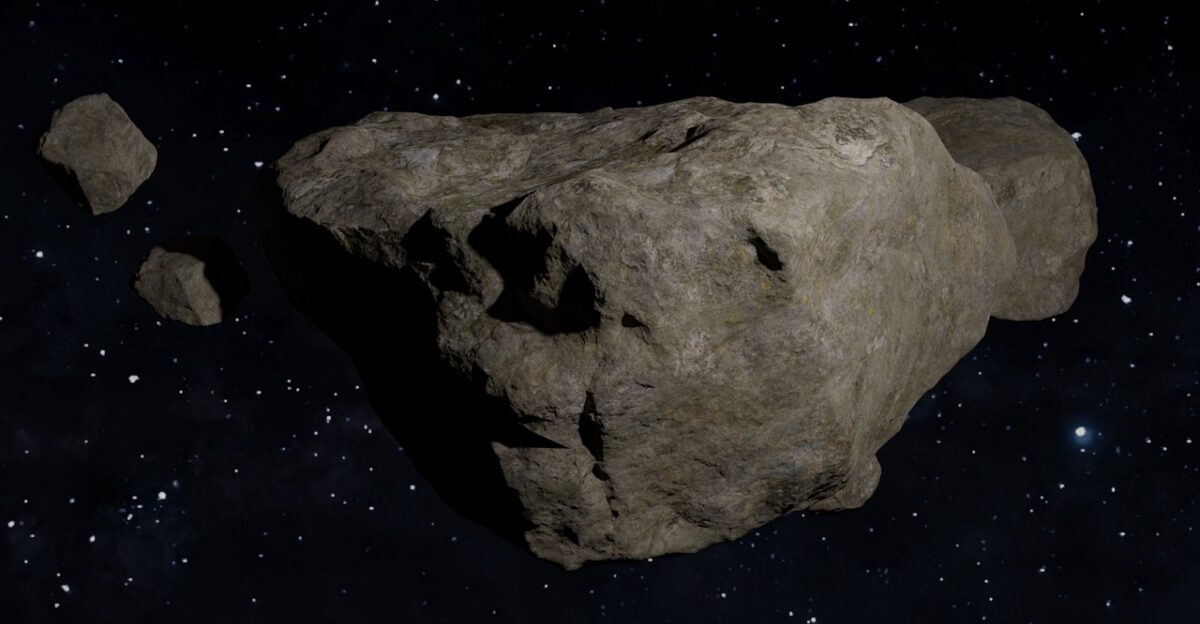
During final pre-return checks, the China Manned Space Agency discovered what appears to be a slight crack in the Shenzhou-20 return capsule’s window, likely caused by a minuscule piece of orbital debris.
The suspected impact occurred while the spacecraft was docked at Tiangong, highlighting the growing danger of space junk orbiting Earth. Even fragments smaller than a millimeter can travel at 27,000 kilometers per hour, carrying devastating kinetic energy.
Meet Commander Chen Dong
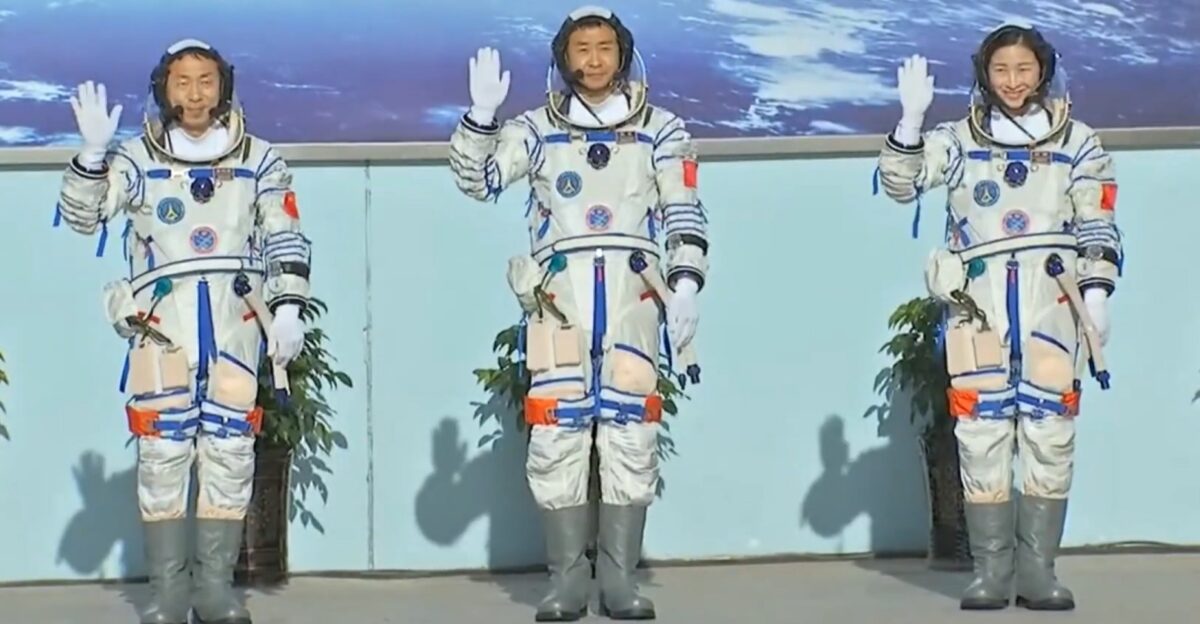
At 46, Chen Dong is no stranger to space challenges. The former fighter pilot has become China’s most experienced astronaut, setting records for cumulative days in orbit during previous Shenzhou-11 and Shenzhou-14 missions.
Born in Henan Province in 1978, Chen has completed six spacewalks totaling 37 hours. His leadership experience makes him uniquely qualified to handle this unprecedented crisis aboard Tiangong station.
The Six-Month Mission Extended

The Shenzhou-20 crew launched in April 2025 for what was expected to be a standard six-month rotation. After successfully conducting scientific experiments, performing spacewalks, and handing over station operations to the newly arrived Shenzhou-21 crew on November 1, they prepared for a routine departure.
Instead, they found themselves in an unexpected holding pattern while engineers assessed the damage. Both crews now work together aboard Tiangong’s cramped quarters.
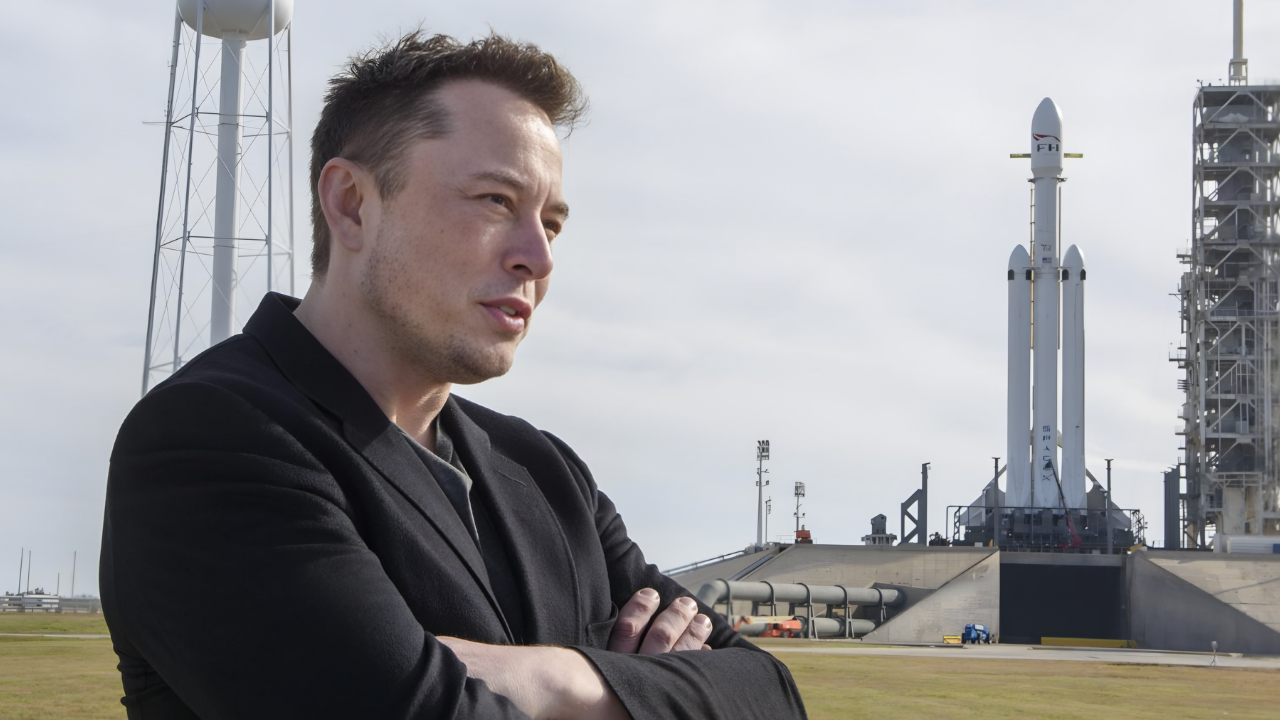
Global Calls for Elon Musk

Within hours of the announcement, social media exploded with pleas for SpaceX CEO Elon Musk to organize a rescue mission. Messages like “When you’re stuck in space, who you gonna call? Elon Musk and SpaceX” flooded platforms worldwide.
The public outcry draws direct comparisons to SpaceX’s recent rescue of Boeing’s Starliner, where the company successfully retrieved NASA astronauts after their spacecraft malfunctioned.
The Boeing Starliner Precedent
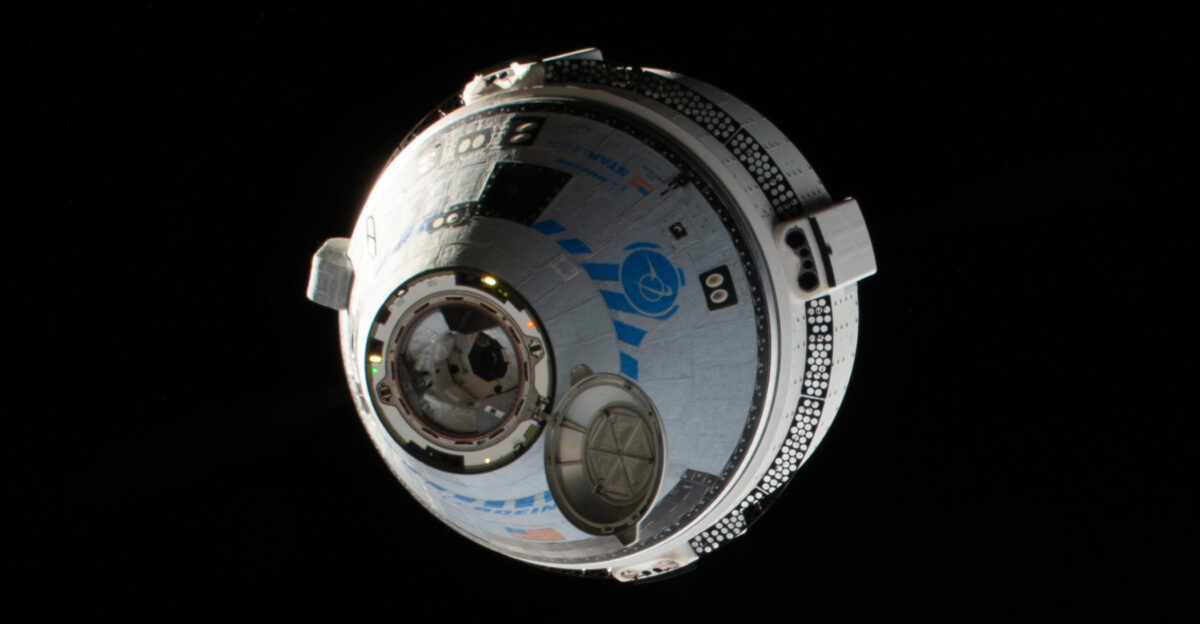
In 2024, NASA astronauts Butch Wilmore and Suni Williams launched aboard Boeing’s Starliner for an eight-day mission that became a nine-month ordeal. After thruster failures and helium leaks rendered Starliner unsafe, SpaceX’s Crew Dragon became their lifeline.
They returned safely in March 2025 aboard SpaceX Crew-9, demonstrating the company’s rescue capabilities. This success fuels current hopes for Chinese astronaut assistance.
Trump’s 2025 “Go Get” Directive

Earlier in 2025, President Donald Trump instructed Elon Musk to “go get” the Boeing Starliner crew, whom Trump claimed were “virtually abandoned”. Rather than correct this characterization, Musk pledged SpaceX would bring back the astronauts.
This high-profile rescue mission elevated SpaceX’s reputation as space’s emergency responder and established expectations that the company might assist any stranded astronauts, regardless of nationality.
Technical Compatibility Nightmare
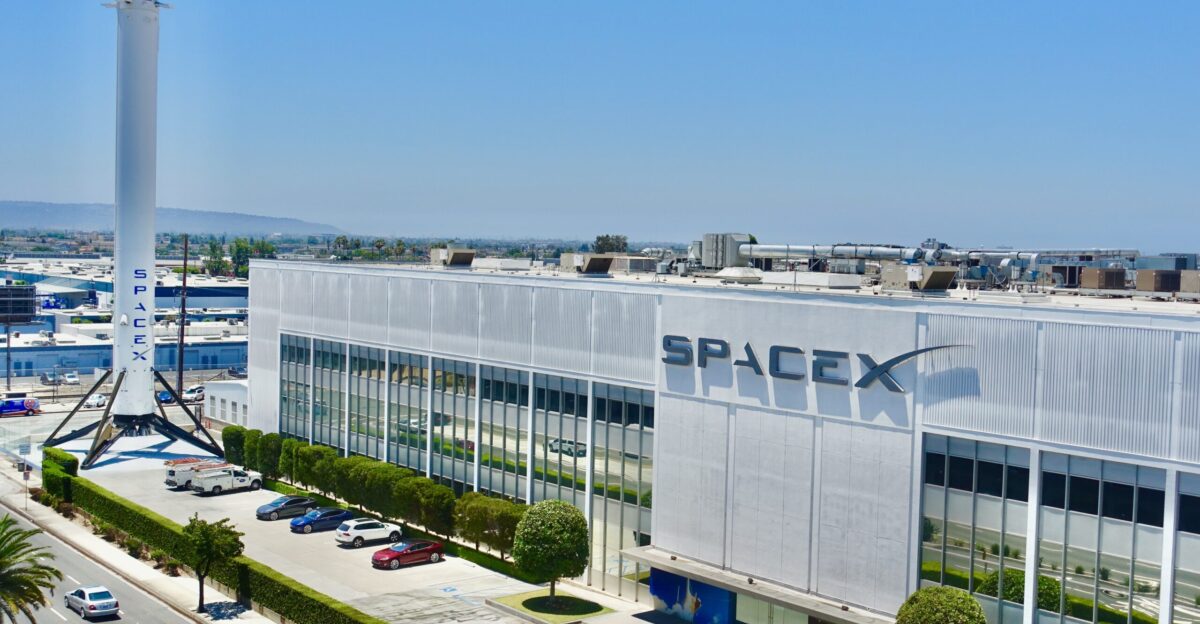
Despite public enthusiasm, a SpaceX rescue faces insurmountable technical barriers. China’s Tiangong uses a docking system similar to Russia’s APAS, incompatible with SpaceX’s International Docking System Standard.
Chinese spacesuits cannot fit through Dragon capsule hatches or connect to its life-support systems. The crew would require spacewalk transfers—impractical given that Chinese launch suits lack the necessary capabilities for such operations.
Scheduling Impossibilities
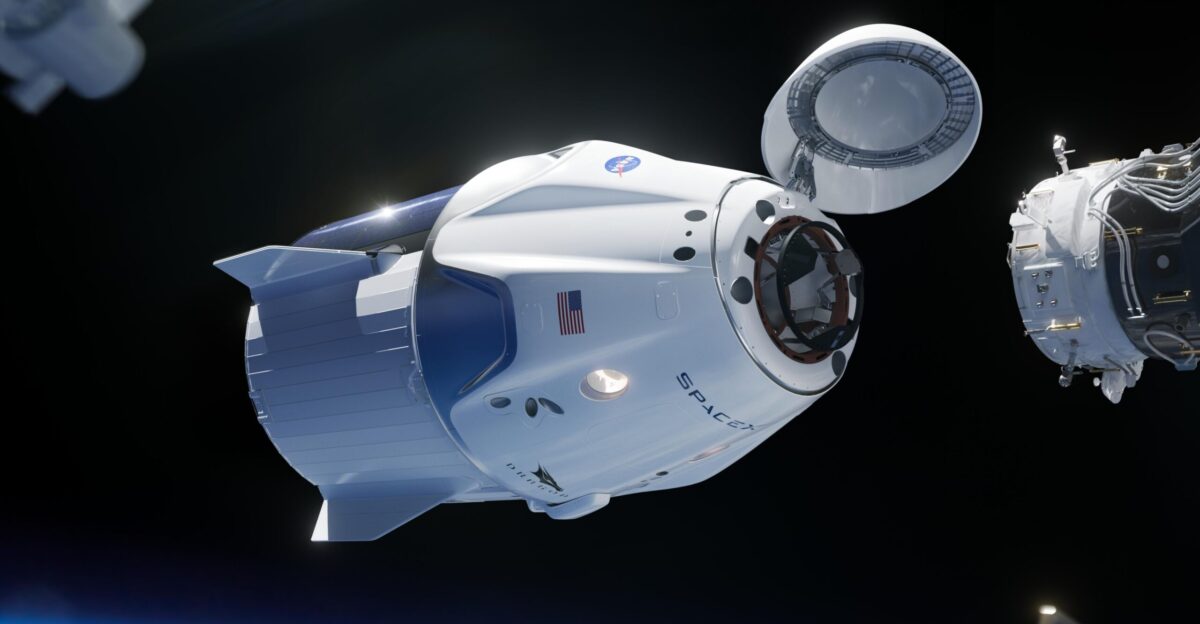
SpaceX’s Crew Dragon fleet operates on tight schedules with no spacecraft on standby for emergencies. The next available Dragon launch is scheduled for March or April 2026 for NASA’s Crew-12 ISS mission, followed by the Vast-1 commercial station servicing in June 2026.
Redirecting either mission would require extensive replanning, crew reassignments, and NASA approval—a process that would take months, far exceeding the Chinese crew’s emergency timeline.
The Wolf Amendment Barrier
Beyond technical challenges, U.S.-China space collaboration faces legal prohibition. The 2011 Wolf Amendment explicitly bans NASA from using government funds for bilateral cooperation with China without prior approval from the FBI and congressional authorization.
Representative Frank Wolf designed this legislation to prevent technology transfer and address human rights concerns. The law effectively bars NASA-funded entities, such as SpaceX, from working directly with Chinese space agencies.
Political Heat and Geopolitical Reality

“It is difficult to imagine a U.S. rocket company and China cooperating in this way,” acknowledges The Register’s analysis. The Wolf Amendment reflects deeper geopolitical tensions that prevent collaboration even in life-threatening emergencies.
China built Tiangong precisely because this law barred them from the International Space Station. Despite calls for international rescue standardization, political obstacles remain formidable barriers to cross-national space cooperation.
China’s Rolling Backup System
Unlike international rescue speculation, China operates a sophisticated emergency protocol. Chinese aerospace analyst Yu Jun revealed that “Shenzhou-22 and the Long March 2F launcher were already on standby.
This is our rolling backup mechanism”. This emergency system remains in a state of perpetual readiness to launch within approximately eight days, if needed. The backup spacecraft can reach Tiangong within three to seven hours after liftoff.
The Shenzhou-21 Solution
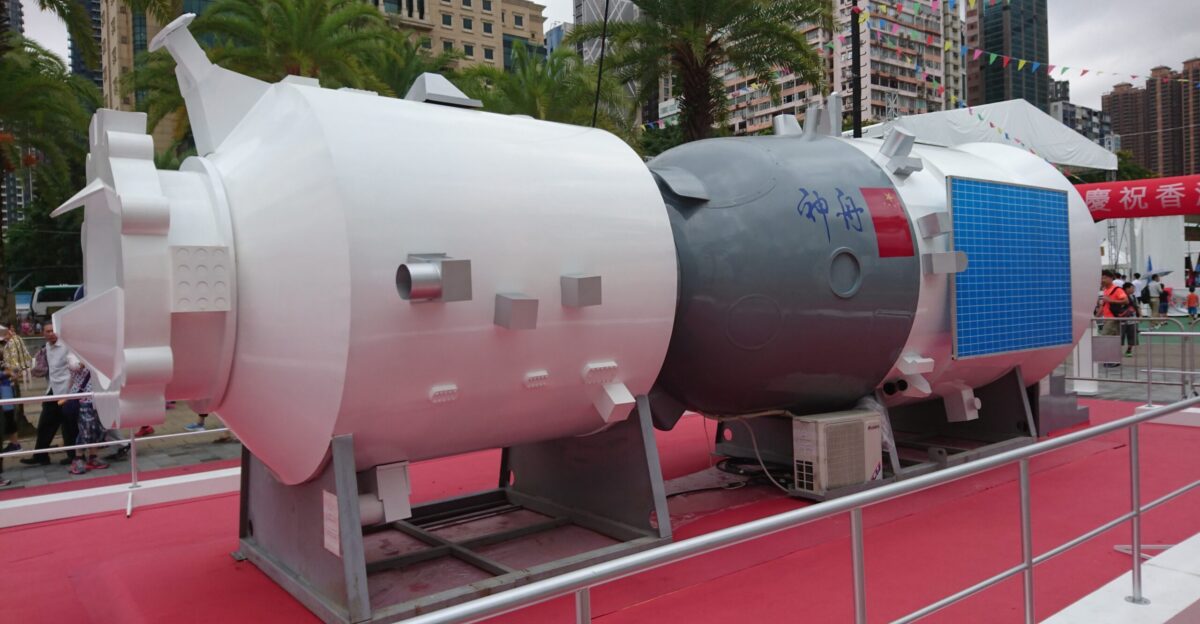
China ultimately chose an elegant solution: the Shenzhou-20 crew would return aboard the newly arrived Shenzhou-21 spacecraft.
This approach meant the incoming Shenzhou-21 crew temporarily lost their designated emergency lifeboat, requiring either the accelerated deployment of Shenzhou-22 or accepting eight to nine days without an immediate escape capability. The damaged Shenzhou-20 will remain in orbit conducting experiments instead of returning with the crew.
Safe Return Confirmed
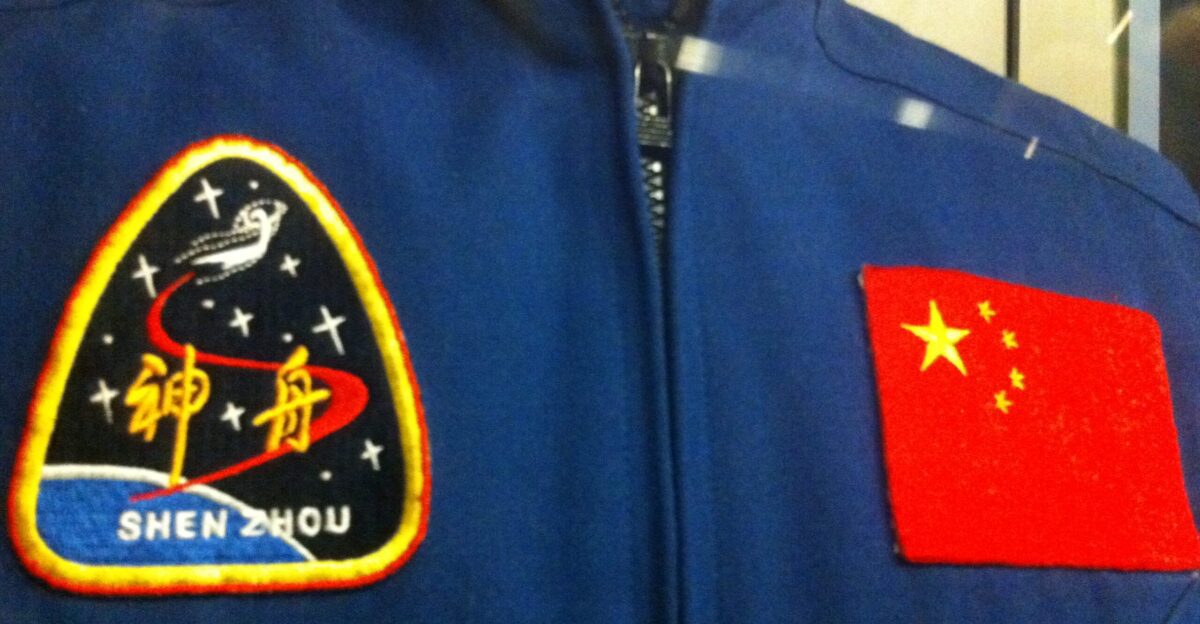
On November 13, 2025, China’s Manned Space Agency announced the successful resolution: all three astronauts would return on Friday to the Dongfeng landing site in Inner Mongolia aboard the Shenzhou-21 spacecraft.
After nine days of extended operations alongside the replacement crew, Chen Dong, Chen Zhongrui, and Wang Jie were confirmed in good health and prepared for departure. Their safe return demonstrates China’s self-sufficient capabilities in space emergency situations.
Growing Space Debris Threat
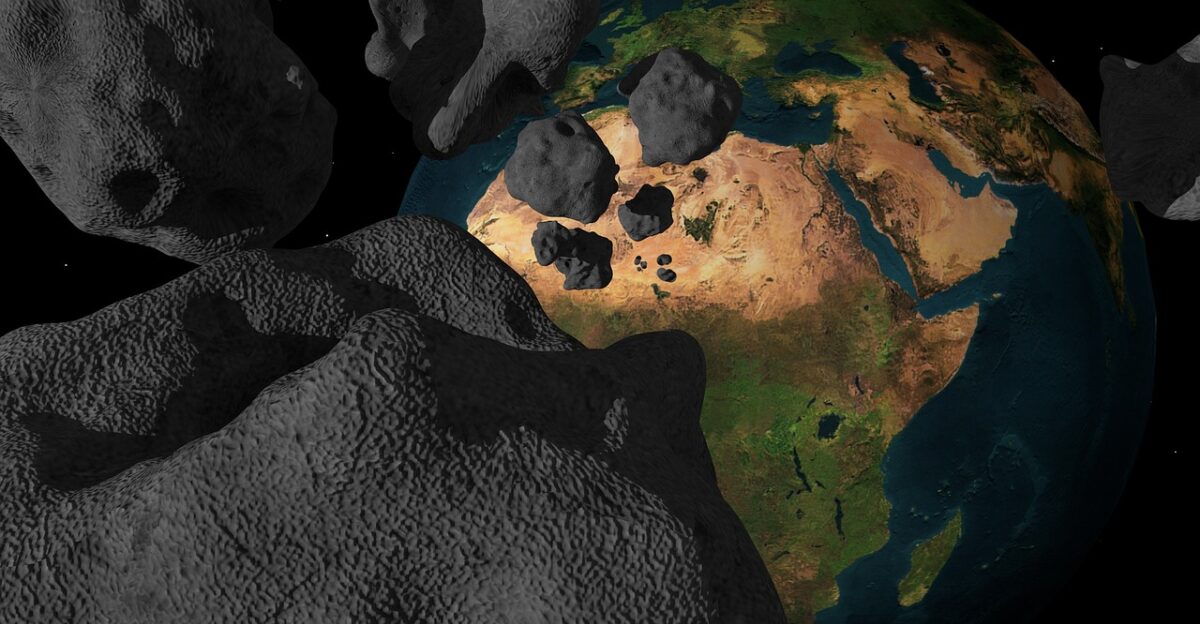
The incident underscores an escalating crisis: approximately 40,000 objects now tracked by space surveillance networks orbit Earth, with only 11,000 being active payloads. Scientists estimate over 1.2 million debris pieces larger than one centimeter—big enough to cause catastrophic damage—currently threaten orbital operations.
The International Space Station performs collision avoidance maneuvers multiple times yearly, while SpaceX’s Starlink satellites executed nearly 50,000 evasive maneuvers in 2024’s first half.
Kessler Syndrome Looms
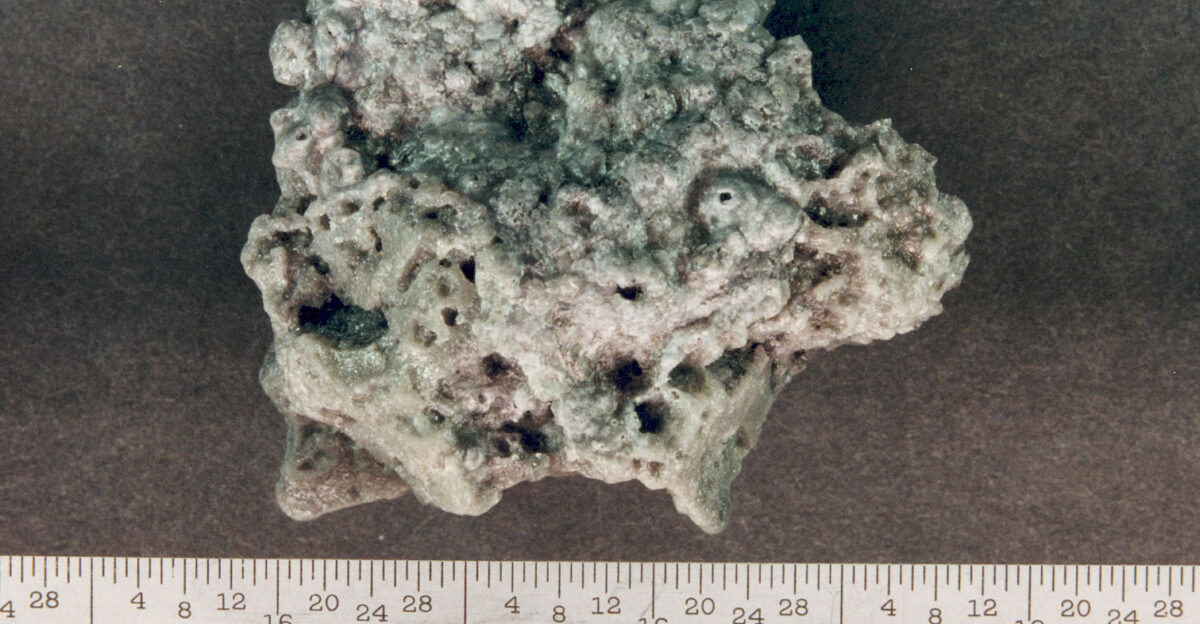
NASA scientist Donald Kessler’s 1978 hypothesis warned that the density of orbital debris could trigger exponential growth through collision cascades. When debris collides, fragments multiply, each capable of causing additional impacts. Modeling suggests certain orbital regions may have already crossed this threshold.
If Kessler Syndrome fully manifests, entire orbital bands could become unusable for generations, devastating satellite communications, GPS, weather forecasting, and space exploration.
The 2022 Soyuz Precedent
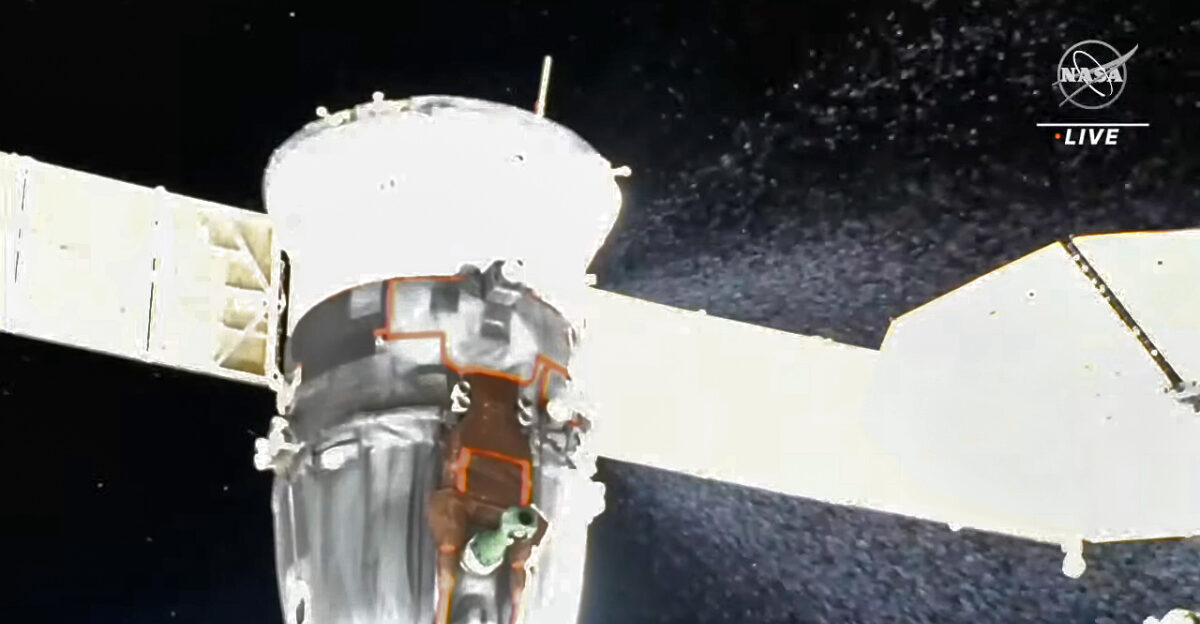
This wasn’t space’s first debris emergency. In December 2022, a micrometeoroid punctured the Soyuz MS-22 capsule docked at the ISS, creating a 0.8-millimeter hole that emptied its cooling system.
Russia launched the uncrewed Soyuz MS-23 as a replacement, successfully retrieving cosmonauts Sergey Prokopyev, Dmitry Petelin, and NASA astronaut Frank Rubio. NASA briefly considered using SpaceX’s Dragon but deemed it unnecessary.
Need for International Standards
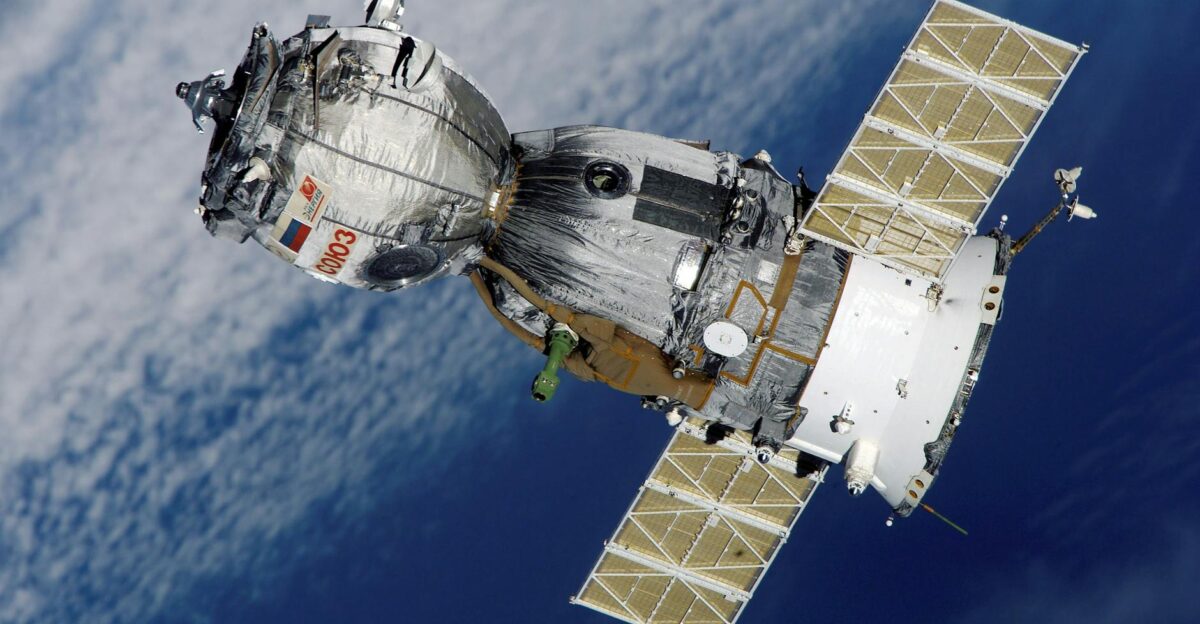
Both the Shenzhou-20 and Soyuz MS-22 incidents expose critical gaps in international spaceflight safety. While the International Docking System Standard exists to enable compatible connections between spacecraft, implementation remains incomplete.
Political barriers compound technical challenges, preventing the establishment of truly universal rescue protocols. As more nations pursue space stations, the absence of standardized emergency procedures poses increasing risks to astronaut safety worldwide.
Tiangong’s Resilience Tested
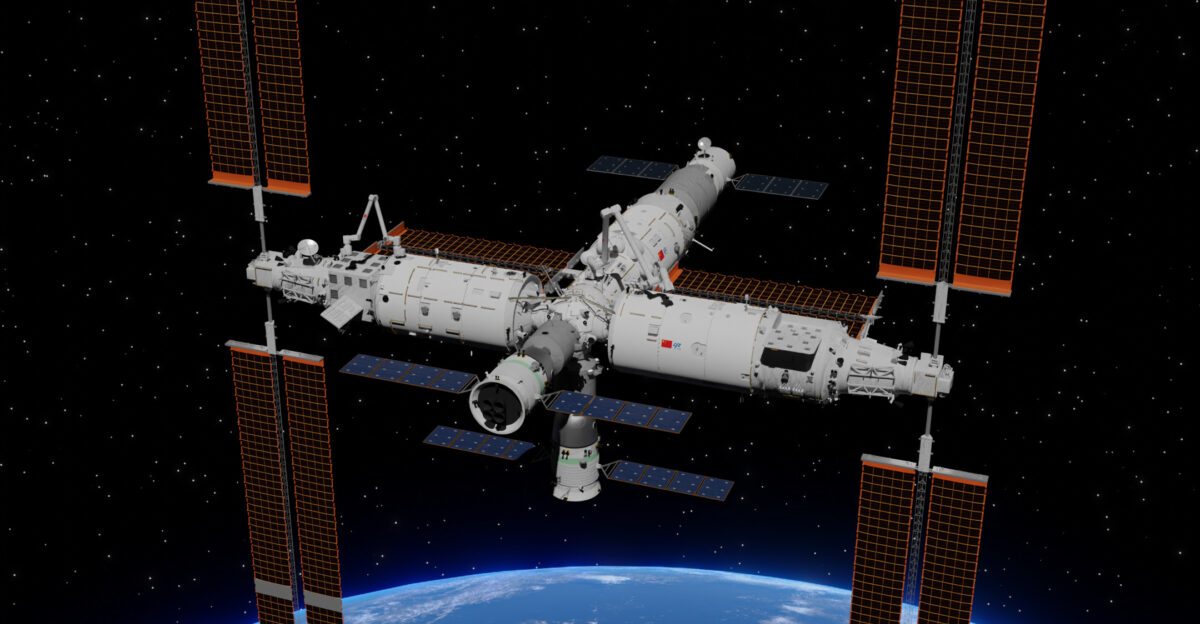
Completed in 2022, Tiangong spans 180 feet with three modules totaling 340 cubic meters of pressurized volume—about one-third the International Space Station’s size. Designed to support three-person crews for six-month rotations, the station demonstrated its capacity to accommodate six astronauts during this emergency.
With life support, power generation, and robotic arm capabilities all functioning normally, Tiangong successfully sustained both crews throughout the nine-day delay.
Lessons for Space’s Future
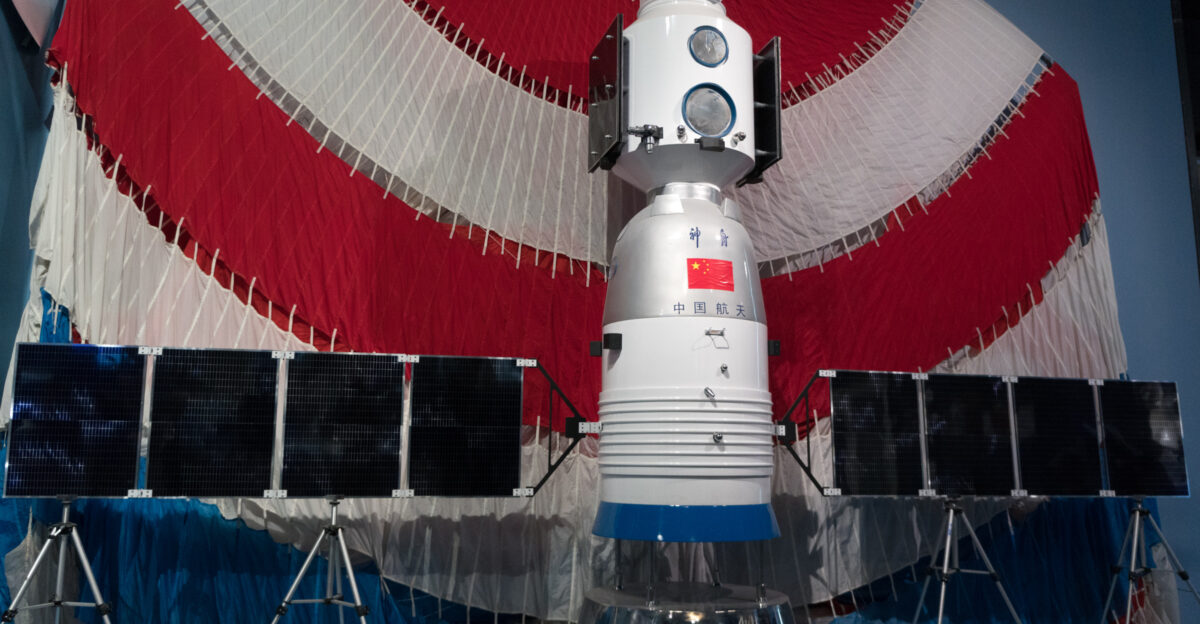
The Shenzhou-20 incident crystallizes space exploration’s central tension: national self-sufficiency versus international collaboration. China’s successful self-rescue demonstrates the maturity and redundancy planning of its program. Yet the inability to coordinate multinational responses—whether due to technical incompatibility or political restrictions—leaves dangerous gaps.
As humanity expands into space, establishing protocols for cross-nation emergency assistance becomes not just diplomatic courtesy but an existential necessity for crew survival.