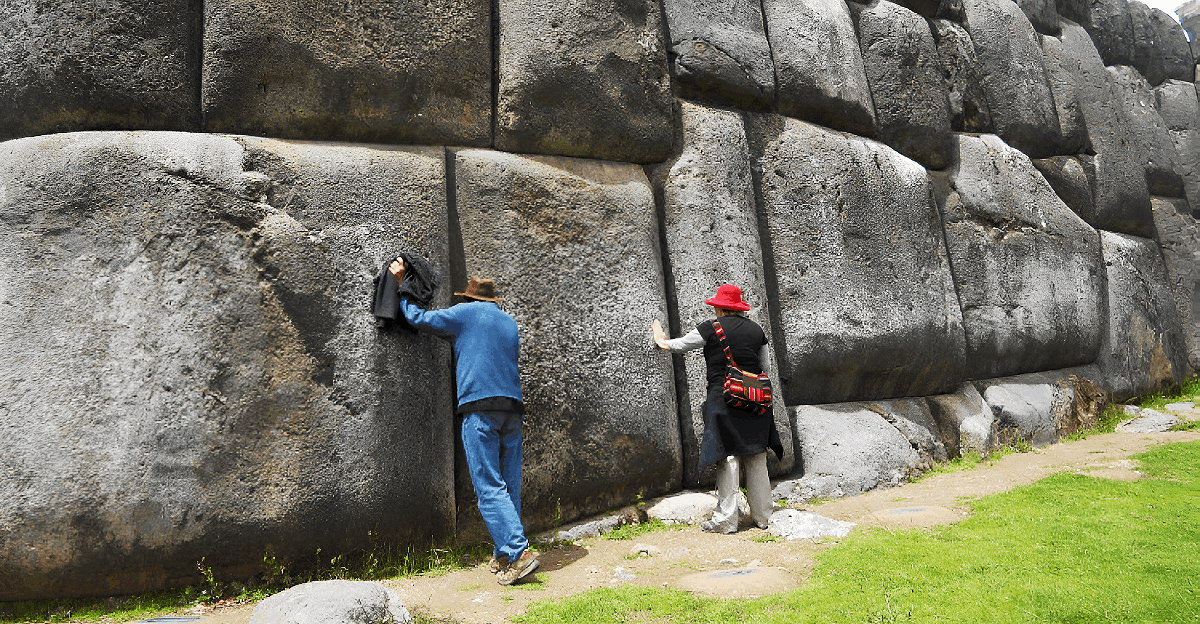
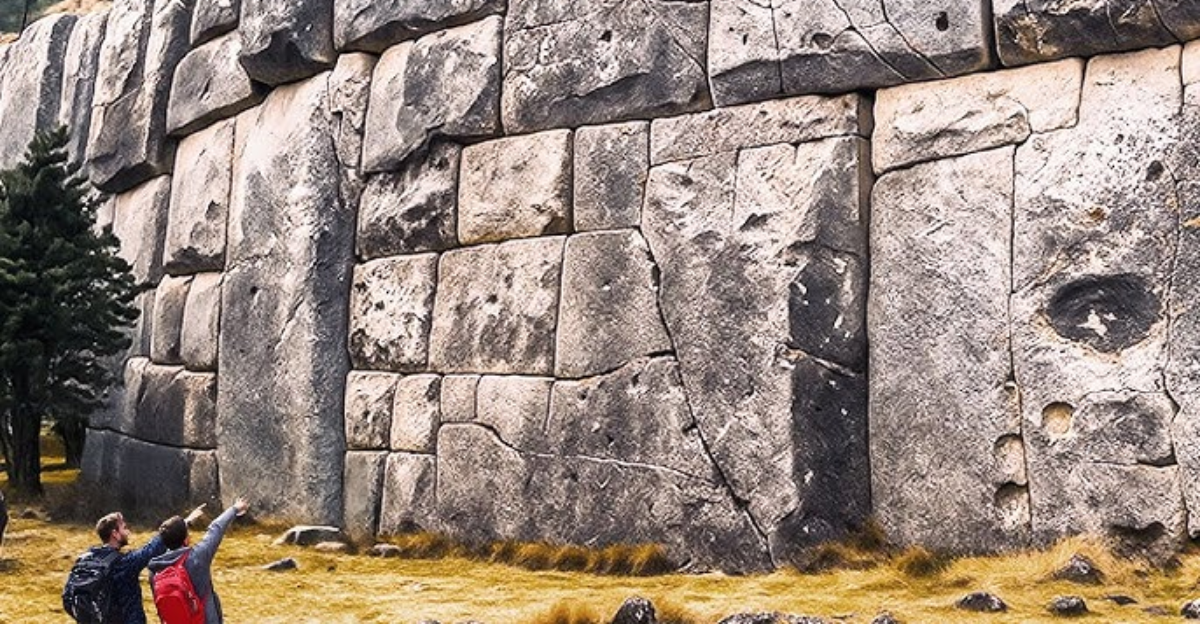
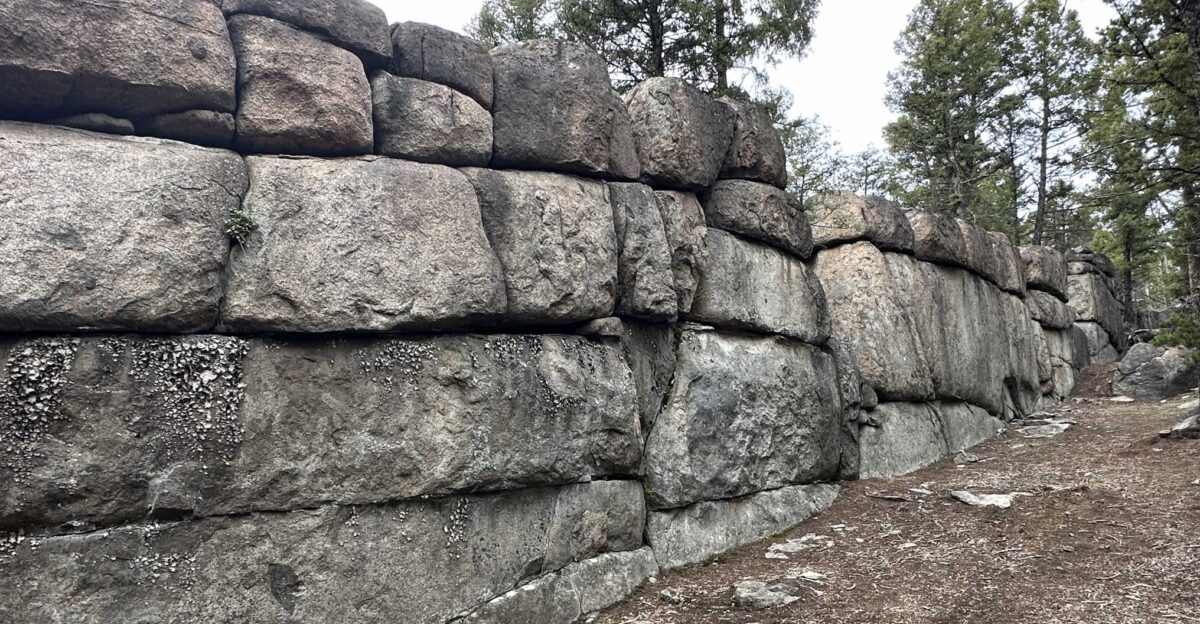
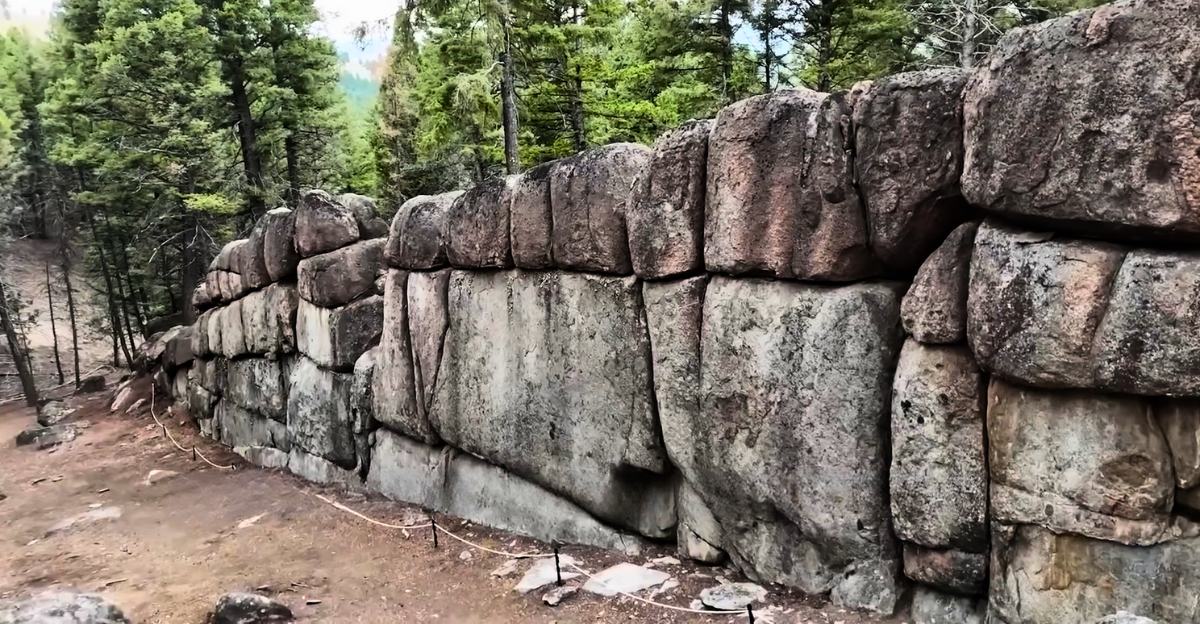
Long-held beliefs about the chronology and level of sophistication of early North American civilizations have been called into question by the recent discovery of what some consider to be America’s oldest prehistoric megastructure in Montana’s untamed landscape. Often referred to as the “Sage Wall,” this structure is made up of enormous polygonal granite blocks that are precisely stacked and arranged in a nearly perfect linear pattern.
There is disagreement over whether the structure was made by a highly developed ancient culture, natural forces, or an unexplained entity because of its size and shape, which defy common natural geological explanations. In light of well-established sites like the Clovis culture (13,000 years old) and the Anzick Burial site, this structure and other megalithic sites collectively referred to as the Montana Megaliths offer a basis for reevaluating human history in the Americas.
Historical Background of North American Prehistoric Buildings
Clovis culture sites, which are distinguished by fluted projectile points connected to some of the earliest human activity dating back approximately 13,000 years, make up the majority of North America’s prehistoric record.
A key piece of evidence for early Paleoindian habitation is the Anzick site in Montana, which dates to about 12,900 years ago. The site’s red ochre-covered tool assemblages and human remains indicate the complexity of its rituals. The discovery of enormous constructions like the Sage Wall, however, adds a crucial new component: monumental architecture of enormous scale and accuracy that was thought to be missing from the early cultures of the continent.
Archaeological versus Geological Viewpoints
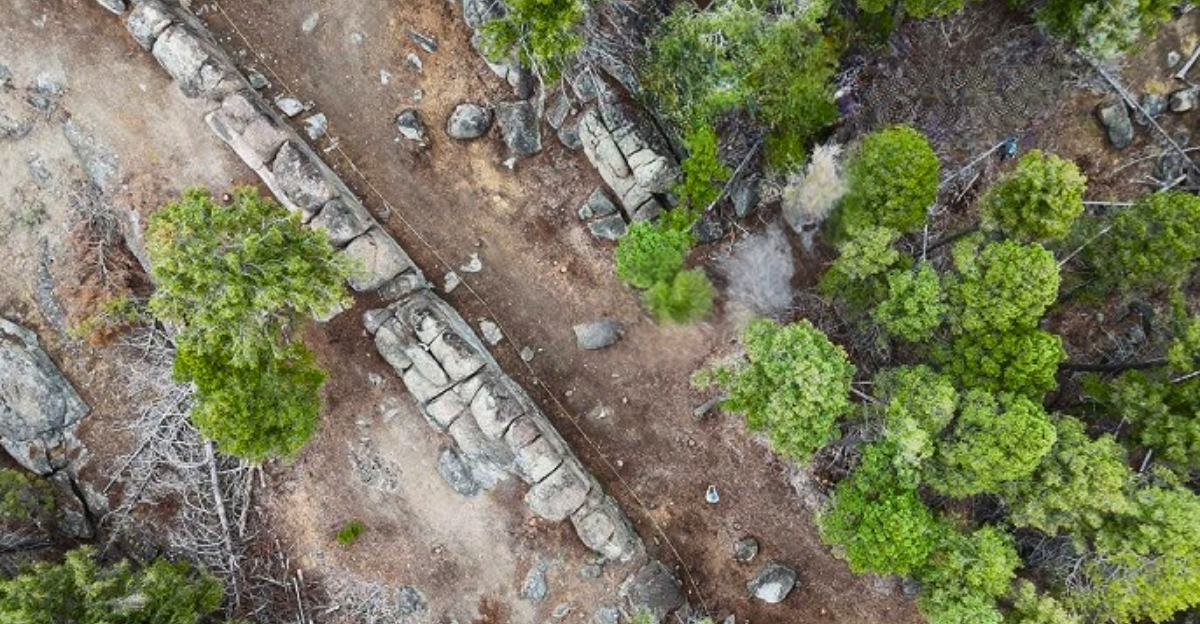
Experts disagree on the origin of the Sage Wall. Geologists point to mineral deposits and fossil inclusions that have been consistent with geological formations for millions of years to support their claim that the structure is the result of natural processes like tectonic activity, erosion, and sedimentary layering. However, the linearity, exact alignment, and polygonal block shapes cast doubt on these interpretations, according to archaeologists and alternative theorists.
The blocks resemble artificial megalithic sites like Stonehenge and European dolmens, showing signs of work rather than random fractures. Exact dating anchors are provided by fossil evidence embedded in the wall, such as horned dinosaur remains, but human intervention is not ruled out. This contrast draws attention to interdisciplinary conflicts between the theory of ancient advanced engineering and scientific skepticism regarding “natural freak formations.” These discussions are essential to comprehending the paleoenvironmental context of Montana.
Challenges in Archaeology for Mega Structure Verification
Any megastructure must be verified as prehistoric and artificial using exacting archaeological methodology. The main obstacle in Montana is the mixed stratigraphy brought on by recent land changes and natural disturbances, which makes radiocarbon dating and artifact context more difficult.
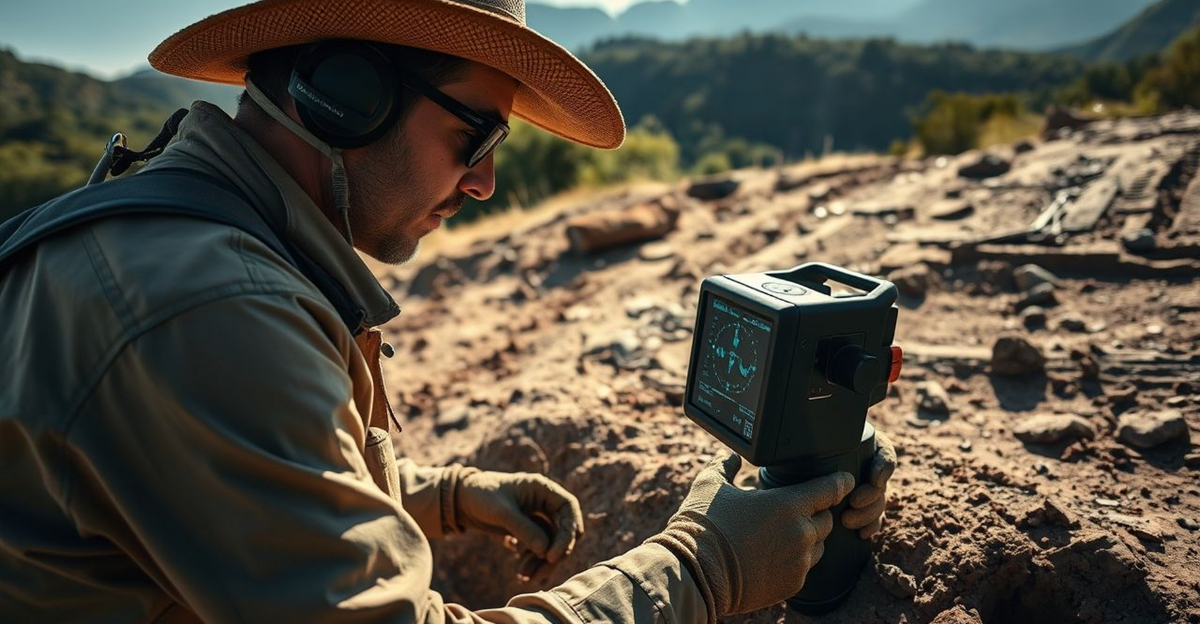
For instance, stratigraphic clarity was obscured at the Anzick site due to contamination from backfilling and improper handling of artifacts during early discoveries. Similarly, access to excavation is restricted in parts of the Sage Wall area that are still heavily vegetated and partially buried. Furthermore, it is challenging to establish typological frameworks or cultural connections due to the scarcity of similar regional megaliths. To prevent destroying possible cultural heritage, researchers stress non-invasive techniques like drone surveys and ground-penetrating radar for preliminary investigation.
Distinct Spiritual and Cultural Aspects
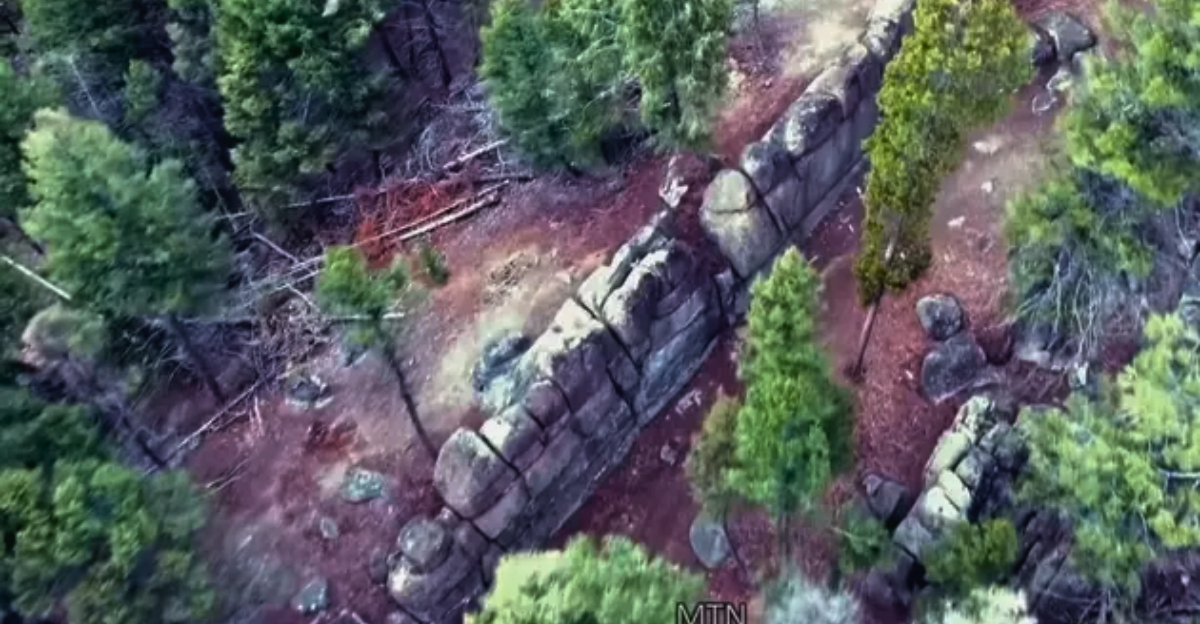
The Montana megastructure may have cultural or spiritual significance for ancient peoples in addition to being a presumed architectural marvel. This location might have had ceremonial or ritualistic functions, much like Native American sites with effigies, cairns, and tipi rings. Stone alignments that are known worldwide to correlate with astronomical events or territorial markers share mysterious characteristics with the Sage Wall.
Cultural memory may be a crucial interpretive factor for local Indigenous tribes in Montana, including the Blackfeet, Salish-Kootenai, and Cree, who have oral histories that mention sacred landscapes. In this way, the building goes beyond simple construction and becomes a hub of spiritual cosmology, environmental interaction, and cultural identity.
Skepticism and Contrarian Opinions
The archeological consensus that pre-Columbian North American societies lacked the technological or social complexity to construct massive stone structures similar to Old World megaliths is called into question by the hypothesis of an artificial mega structure in Montana. According to skeptics, the “mega structure” is a natural geological phenomenon that has been accentuated by human pattern-recognition biases or pseudoscientific assertions supported by fringe archaeology and sensationalist media.
Skepticism is still justified in the absence of unmistakable proof like tool marks, cultural deposits, or distinct habitation layers. Outright rejection, however, runs the risk of ignoring fresh information or conceptual frameworks that might uncover previously undiscovered prehistoric complexity. This conflict between mainstream archaeology and alternative viewpoints is a prime example of the difficulties in frontier research fields and the demand for transparent, fact-based communication that neither exaggerates nor hides real anomalies.
Similarities to Other Historic Mega Structures
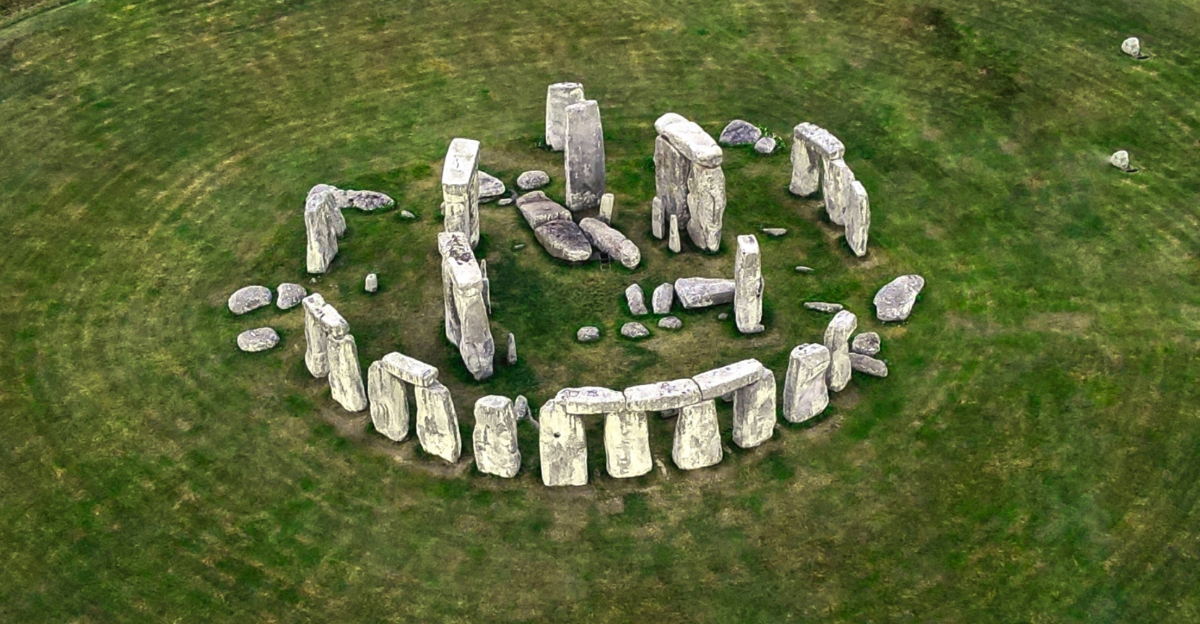
Megalithic constructions like Stonehenge in England (c. 3000 BCE), Göbekli Tepe in Turkey (c. 9600 BCE), and Newgrange in Ireland (c. 3200 BCE) show how early humans were able to organize their societies, build large-scale engineering projects, and align their astronomy. By predating known Old World examples and indicating parallel or independent development of monumental architecture, Montana’s Sage Wall and related formations, if verified as artificial, have the potential to rewrite the prehistory of the Americas.
The Montana structure’s stone composition and polygonal design are unusual for North America and more akin to Eurasian megaliths than earthen mounds like Cahokia (Mississippi River Valley, circa 1050 CE). These parallels encourage international archaeological discussions on diffusion, convergent cultural evolution, and the universal human desire for colossal sacred structures.
Hypotheses and Implications for Technology
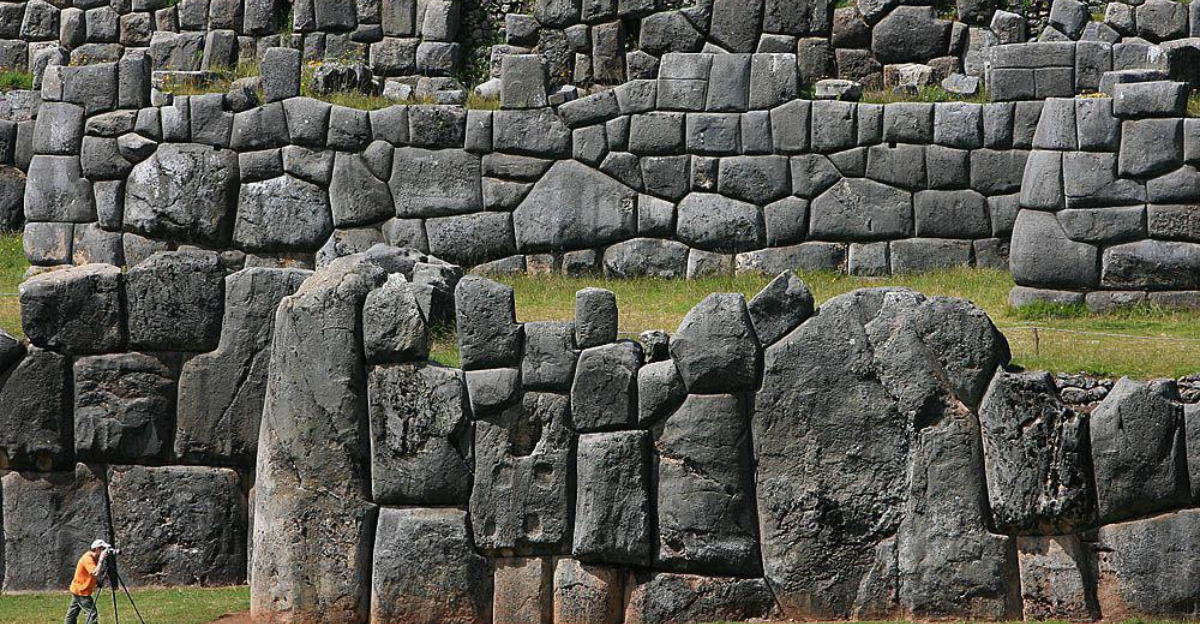
If deliberate construction is assumed, how did Montana’s prehistoric inhabitants accomplish such accuracy and scale without the use of metal implements or contemporary equipment? Theories range from the expert use of simple machines (such as rollers and levers) and stone tools to more imaginative concepts involving lost technologies or unidentified ancient knowledge systems. These theories are significantly impacted by the size and angularity of granite blocks, which necessitate organized labor forces and social hierarchies for quarrying, transportation, and erection logistics.
Through replication projects, experimental archaeology could assist in testing ancient building methods. Rethinking human cognitive and social evolution during the late Pleistocene and early Holocene is suggested by the suggestion that prehistoric Americans had sophisticated engineering abilities, which challenges technological linearity models.
Possible Impacts on Historical Narratives at the Second and Third Orders
The identification and confirmation of Montana’s megastructure would have a significant impact on a number of areas, including archaeological methodology, Indigenous heritage recognition, and the rewriting of American prehistory. It might spark a resurgence of interest in the historic buildings of North America, leading to increased financing and investigation of understudied locations. Indigenous narratives that have historically been marginalized could become more prominent in elucidating such constructions, encouraging intercultural cooperation and respect.
Additionally, it would enhance the public’s comprehension of prehistoric complexity by challenging educational curricula that place an emphasis on oversimplified migration and cultural models. Cultural tourism, Montana’s economy, and deliberate heritage preservation measures would all be affected. These changes show how a single archaeological discovery can have a profound impact on identity frameworks, scholarship, and society.
Including Indigenous Knowledge and Cooperation
Incorporating Indigenous knowledge systems with scientific research is essential to understanding Montana’s alleged megastructure. In addition to archaeological data, tribes have oral histories and traditional ecological knowledge that can help contextualize the site’s spiritual and cultural significance. Projects involving collaboration can prevent cultural insensitivity and guarantee the preservation of ancestral lands.
Indigenous participation results in more nuanced interpretations and ethical stewardship, as evidenced by examples from other regions. Acknowledging Indigenous sovereignty over cultural heritage is consistent with larger decolonization movements in archaeology and anthropology. These collaborations are necessary to validate findings, guarantee that research helps communities, and foster civil knowledge exchange.
Modern Technology’s Place in Archaeology
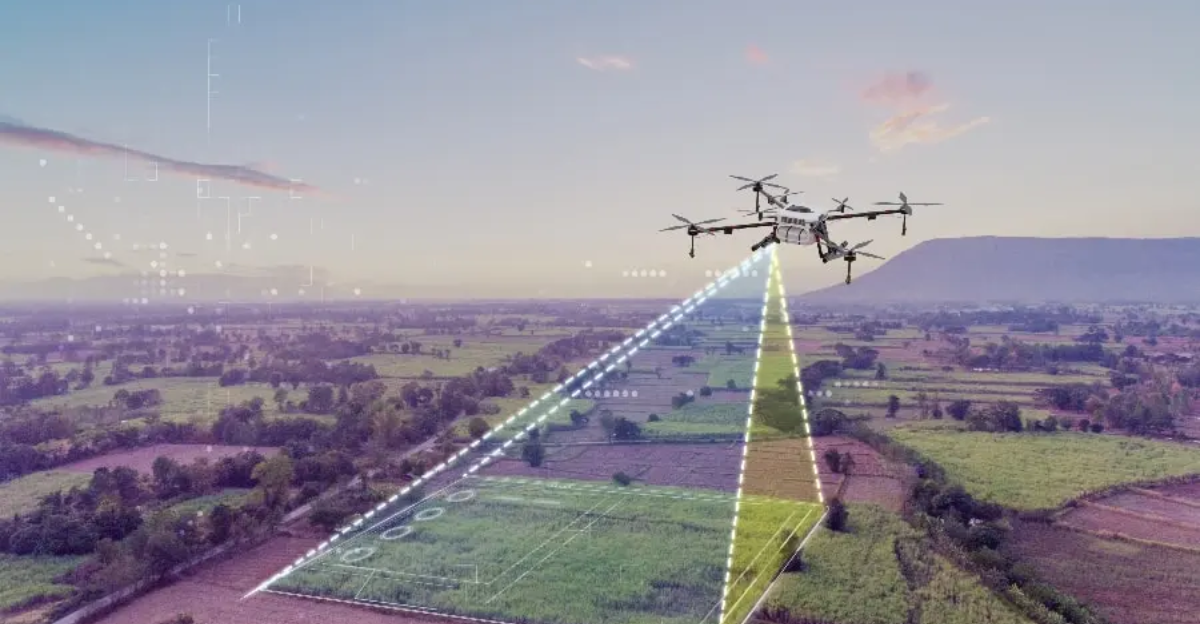
Modern technologies like drone photogrammetry, ground-penetrating radar, high-precision radiocarbon dating, and LIDAR (Light Detection and Ranging) are beneficial in the study of the Montana mega structure. Without damaging excavation, researchers can map the site’s extent, structure layout, and possible subsurface features thanks to these non-invasive techniques. Block shapes, arrangement patterns, and erosion effects can all be thoroughly analyzed using photographic and geospatial data.
The way archaeologists approach large, complex sites concealed beneath soil or vegetation has changed dramatically as a result of this technological integration. The ability to create 3D models speeds up the testing of hypotheses and the public release of results, increasing the transparency and interest of research. The likelihood of gaining conclusive knowledge about Montana’s prehistoric structures increases with the removal of earlier logistical and methodological obstacles.
The Site of Anzick as a Modern Touchstone
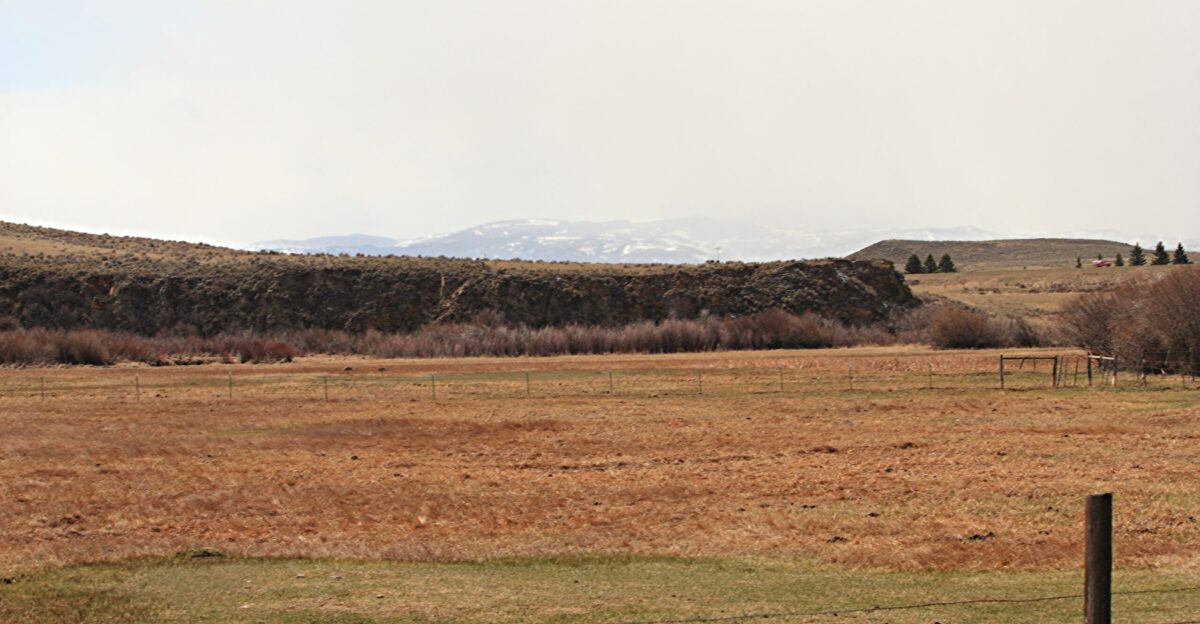
Montana’s significance in comprehending the early human presence in North America is best illustrated by the Anzick site, where tools and human remains from the Clovis era, dating back approximately 12,900 years, have been discovered. Anzick proposes a complex cultural and ritual life among Paleoindians, despite the fact that it is mainly made up of burial and habitation artifacts.
It creates a timeline that must be taken into account when evaluating the Sage Wall and other megastructures, whether they are modern or ancient. Similar to the problems encountered at the Sage Wall, the Anzick site also demonstrates difficulties in interpreting mixed stratigraphy and site disturbance. When taken as a whole, these sites highlight Montana’s position as a prehistoric hotspot that may hold evidence of advanced tool use, early social complexity, and symbolic behavior.
The Need for Peer Review and Skepticism
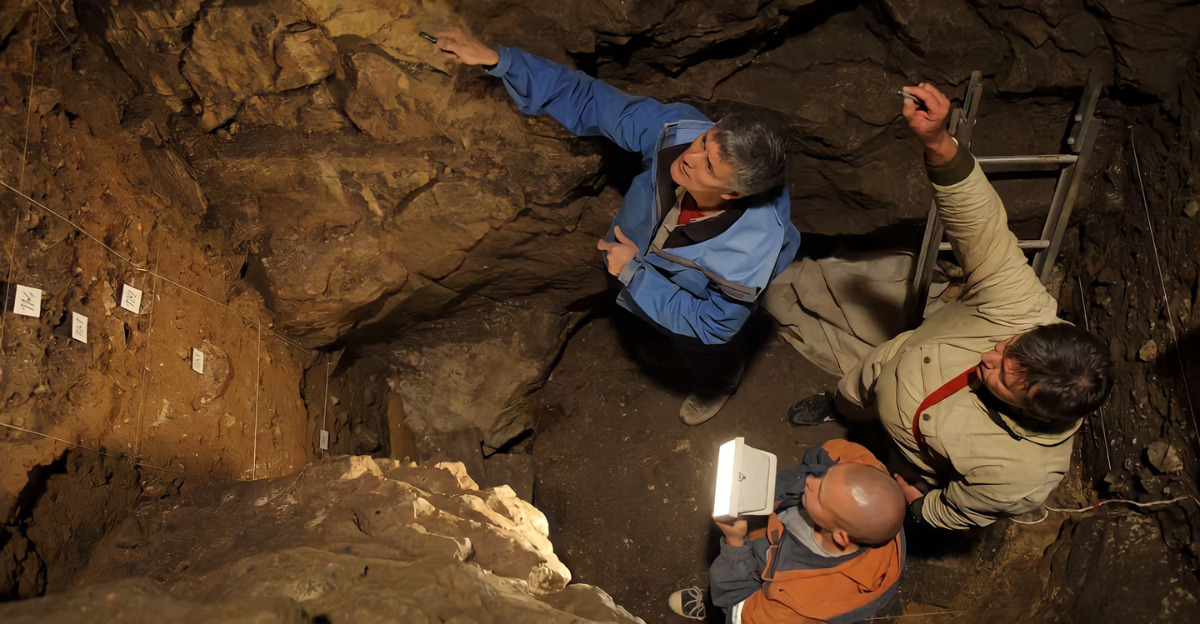
Even with the public’s growing interest, rigorous peer review and interdisciplinary research are still essential. Experts in geology, archaeology, paleontology, and Indigenous studies must examine claims regarding the oldest prehistoric megastructure in America. Credibility will be established by scientific falsifiability, data reproducibility, and publication in respectable journals.
Many archaeologists wisely categorize the Sage Wall as a natural formation or an unproven hypothesis until that time. The integrity of the discipline is safeguarded by distinguishing between speculation, hope, and conclusions based on evidence. Balanced understanding is ensured by supporting funded excavations, continuing research, and open scholarly discussion. In the end, solid confirmation is needed to reveal the objective truth about Montana’s ancient megastructure, not rumors or dramatic assertions.
Prospective Research Paths and Conservation
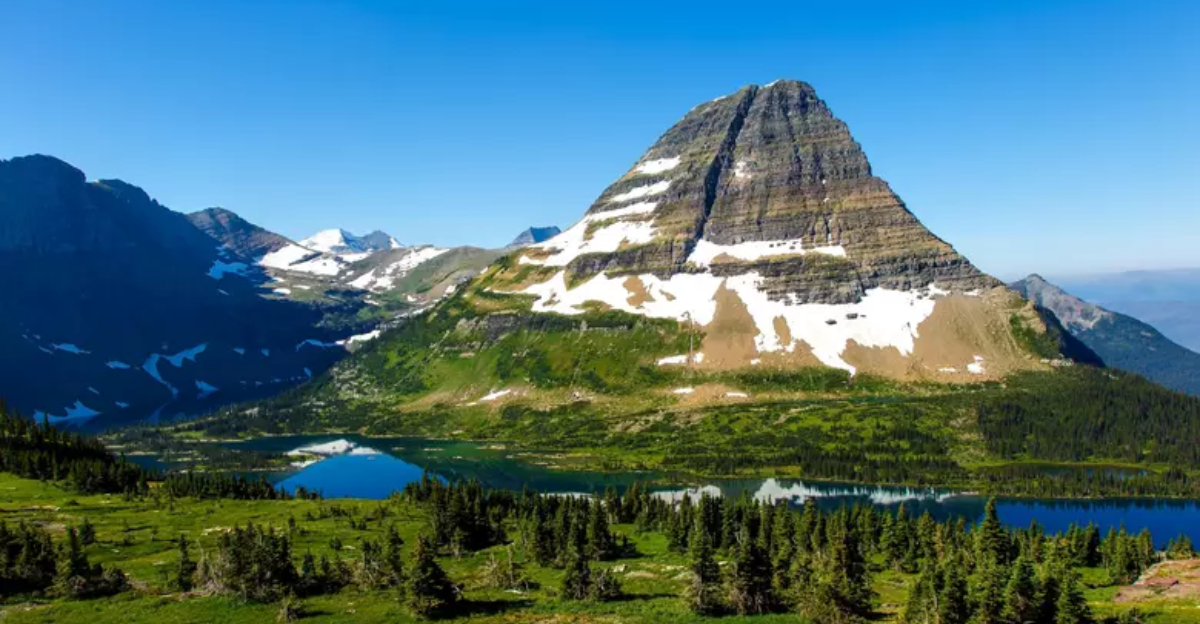
A multidisciplinary roadmap centered on extensive fieldwork, technology deployment, and community involvement is necessary for future exploration of Montana’s mega structures. Paleontological correlation to date geological layers, experimental reconstructions of block shaping, environmental impact studies, and thorough survey and excavation with Indigenous consultation are among the top priorities.
It’s also critical to protect the location from development, vandalism, and natural deterioration. Support for conservation can be increased by responsibly planning heritage tourism and public education. Last but not least, financing initiatives devoted exclusively to studying early North American megaliths have the potential to revolutionize our knowledge of prehistoric human activity on a continental level. The combination of science, culture, and stewardship required to solve Montana’s long-standing mysteries is reflected in this innovative approach.
The Mega Structure in Montana as a Spark for Rethinking
The assertion that Montana is home to America’s oldest prehistoric megastructure calls into question long-standing archaeological norms and prompts a thorough reassessment of prehistoric human potential in the New World. Although the boundaries between natural geology and human architecture are blurred by the Sage Wall and related formations, their size, alignment, and cultural contexts offer a wealth of opportunities for research and exploration.
The story of human history can be expanded by incorporating Indigenous perspectives, cutting-edge technology, and rigorous scientific investigation to reveal possible ancient networks of monumental construction that parallel global traditions. These sites are potent catalysts for rethinking prehistoric American cultures, highlighting complexity and the enduring human impulse to leave lasting legacies in stone, regardless of whether they are ultimately determined to be natural or artificial.