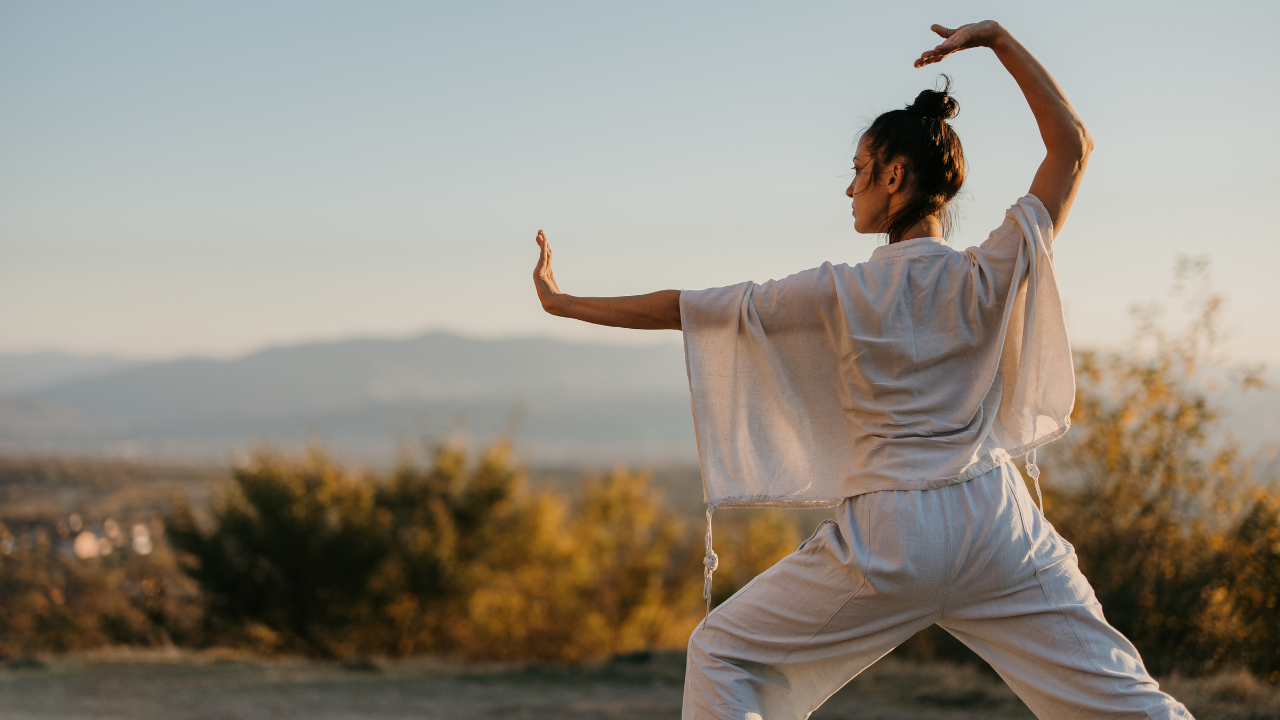
A lot of people think you have to sit completely still to meditate, but that idea keeps many from giving it a try. In reality, movement-based meditation can be just as effective. Studies show that walking meditation and mindful movement provide the same mental health benefits as sitting still.
For example, a 2018 study found that just 10 minutes of mindful walking lowered anxiety, tension, and sadness. People who walked at about 2.5 miles per hour and focused on their breath felt noticeably better. The same study found that mindful walking reduced fatigue by an average of 8.30 units, which was even more than seated meditation.
Moving gives your mind something to focus on. When you pay attention to your steps or your breath while moving, your thoughts wander less. The feeling of movement helps you stay present without having to fight restlessness. Scientists call this the “upward spiral effect.” Being more mindful while walking can lead to better moods. Even short 15-minute sessions can help you focus and manage your emotions. You don’t have to sit perfectly still—just notice what’s happening as you move.
Three Movement Techniques That Work
Walking meditation is one of the simplest ways to start. Here’s a quick guide: Find a quiet place and walk slowly. Notice your heel touching the ground first, then feel your foot roll forward to your toes. Try matching your breath to your steps—start with one breath per step, then try two steps for each inhale and exhale. A 2023 study found that 35 minutes of mindful walking each day improved sleep, mood, and mindfulness in just one week.
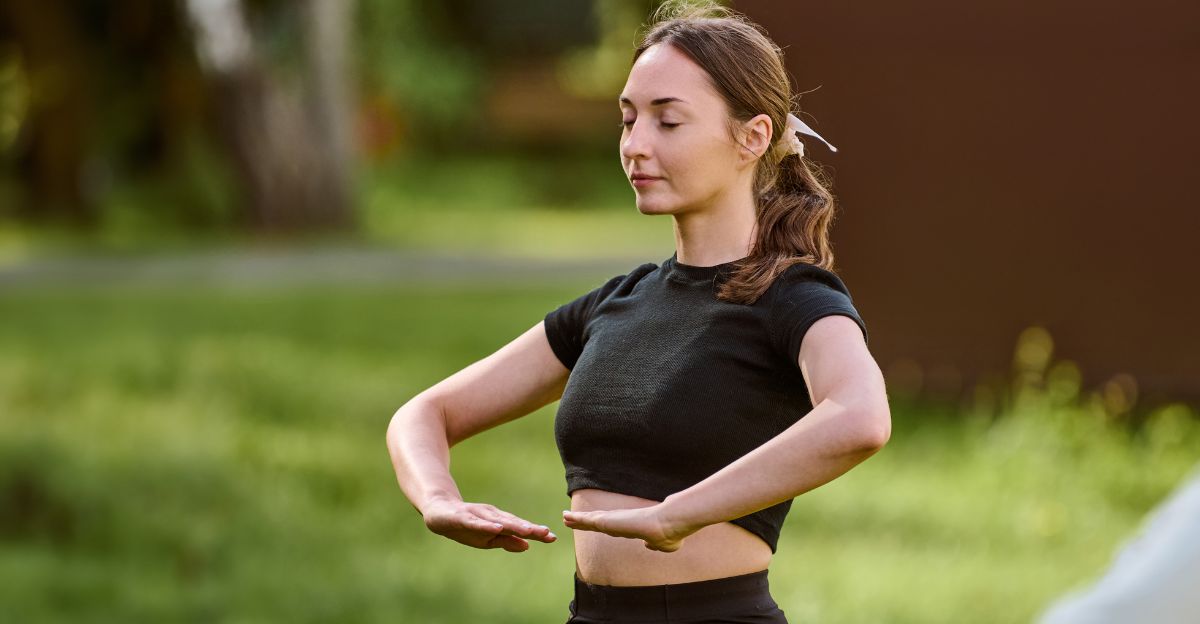
Tai Chi is another great choice. This ancient Chinese practice uses slow, flowing movements and controlled breathing. In a 10-week study with 119 college students, Tai Chi lowered anxiety and stress. It also improved balance and fitness. A review of 76 studies with over 9,200 people found that Tai Chi helps with depression, flexibility, and focus. Sessions often last 30 to 90 minutes, but you don’t need that much time—shorter daily practice still brings benefits.
Qigong is similar in many ways. This Chinese practice uses gentle, repeated movements and deep breathing. It helps with balance, flexibility, and body awareness. In a 2020 study of 95 adults aged 51 to 96, weekly Qigong improved balance and walking after just 12 weeks. People at all levels say it reduces stress and improves mental clarity.
Getting Started Today
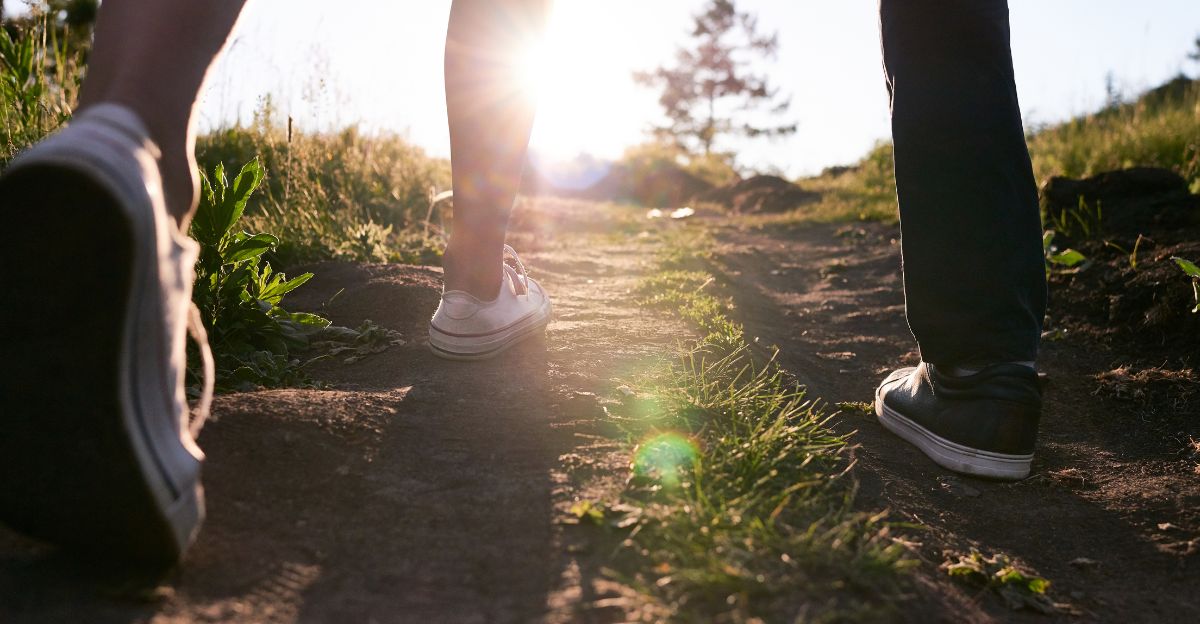
Don’t overthink it—just start small. Even 10 minutes of mindful movement can make a difference, according to research. Pick an activity you enjoy, whether it’s walking, stretching, yoga, or even doing the dishes with awareness. The main thing is to pay attention to your body. Notice your muscles, feel your feet on the ground, and observe your breathing.
Keep your routine simple so it doesn’t become overwhelming. Try a 10-minute walk before work, focusing on your steps and your breath. If your mind starts to wander, gently bring your attention back to your body. This act of returning your focus is the heart of the practice. It’s normal for your mind to drift. Real progress comes from noticing and returning, not from being perfectly still.
It might not seem obvious, but being consistent is more important than how long you practice. A daily 10-minute session is more helpful than doing an hour once in a while. Try tracking your mood before and after each session. Most people see changes within two weeks. Your restless energy isn’t a problem—it can actually help you with this kind of meditation that moves with you.
Sources:
- Healthline, Walking Meditation’s 7 Benefits for Mood, Sleep, and More, March 31, 2020
- The Mindfulness App, 7 Benefits of Mindful Walking Meditation, January 19, 2026
- Frontiers in Psychology, The effects of mindfulness enhanced Tai Chi Chuan, September 5, 2024
- Calm, The benefits of moving meditation and how to start practicing, August 26, 2025
- Journal of Behavioral Health, Mindfulness-based walking vs. seated meditation on anxiety, 2018
- The Mindfulness App, Research: How Movement Enhances Mindful Focus, January 19, 2026