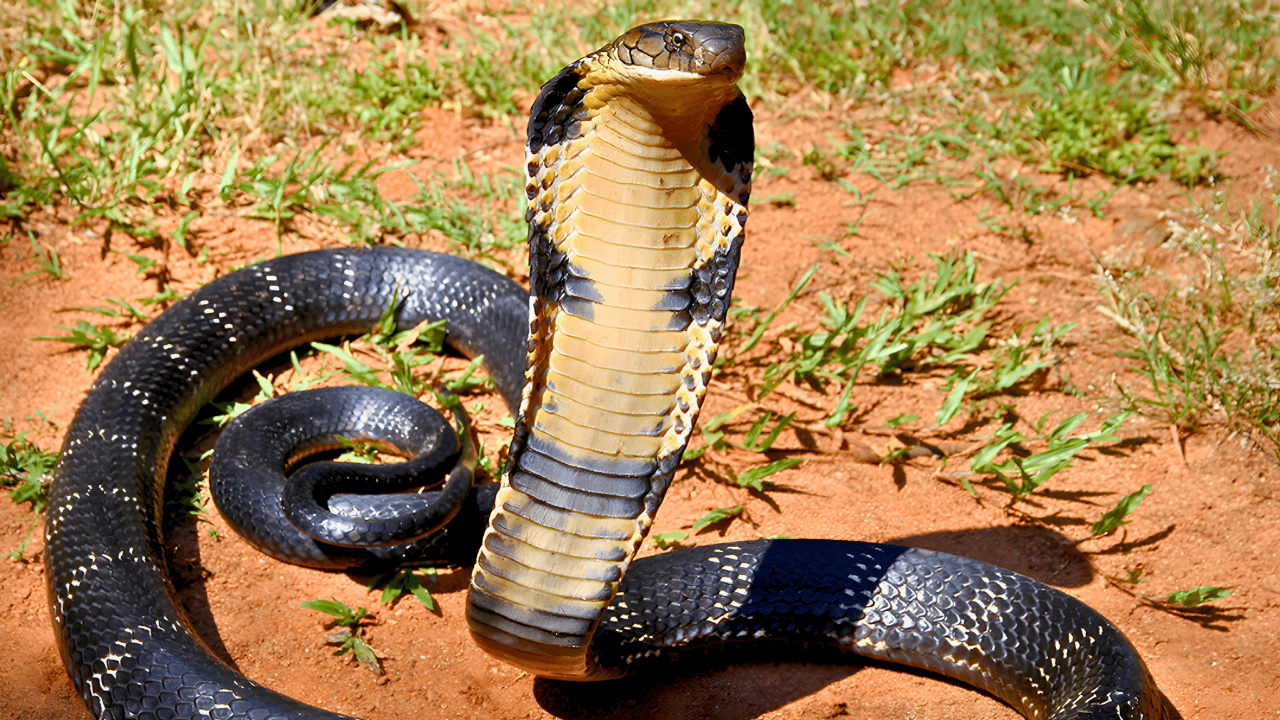
Four lesser-known snakes are responsible for the highest number of human deaths each year. While Hollywood focuses on dramatic creatures like the king cobra and anaconda, an invisible killer lurks in the fields and homes of South Asia, Africa, and the Middle East.
Every year, snakebites claim between 81,000 and 138,000 lives, with the majority of these deaths occurring in India, where four snake species dominate.
The Global Death Toll
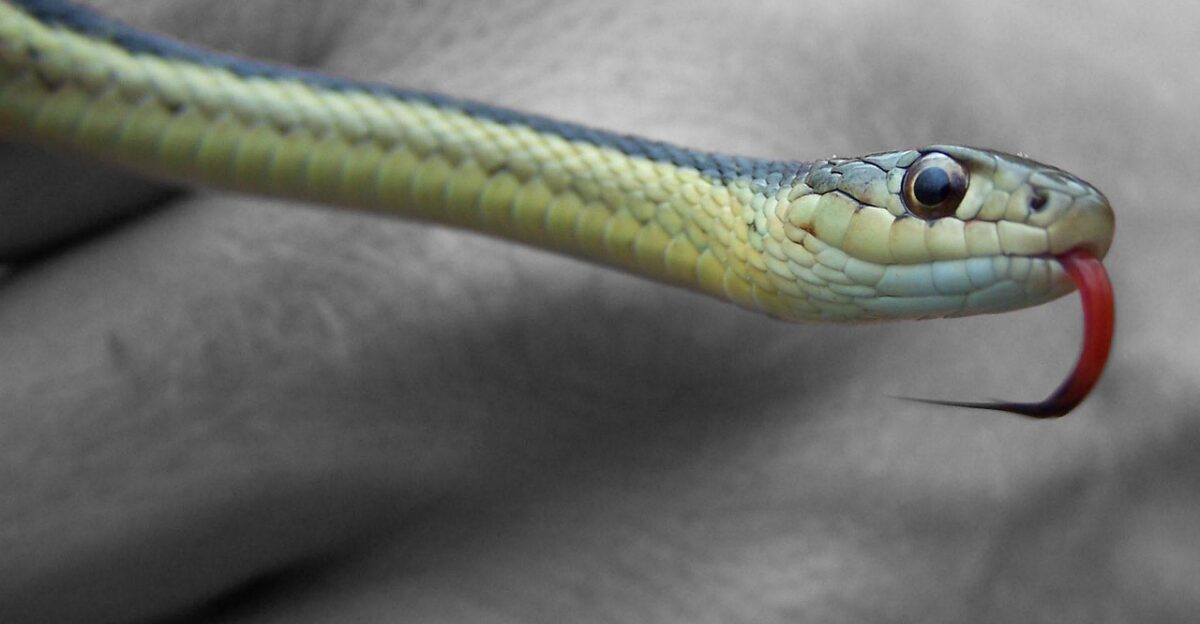
In India alone, snakebites claim 58,000 lives annually, nearly half of the world’s total snakebite fatalities. The vast majority of victims are working-age men, usually between 15 and 29 years old, whose deaths devastate their families economically.
With most bites occurring in rural areas, the Big Four snakes—Russell’s viper, common krait, Indian cobra, and saw-scaled viper—account for a staggering 90% of all snakebite deaths in India.
The Big Four Snakes

The World Health Organization identifies the Big Four as the deadliest snakes in India. Despite not having the most potent venom, these snakes are responsible for the largest number of fatalities.
Their proximity to human populations in rural areas, combined with poverty and lack of medical access, make these bites particularly deadly.
1. Russell’s Viper – The Lurking Threat
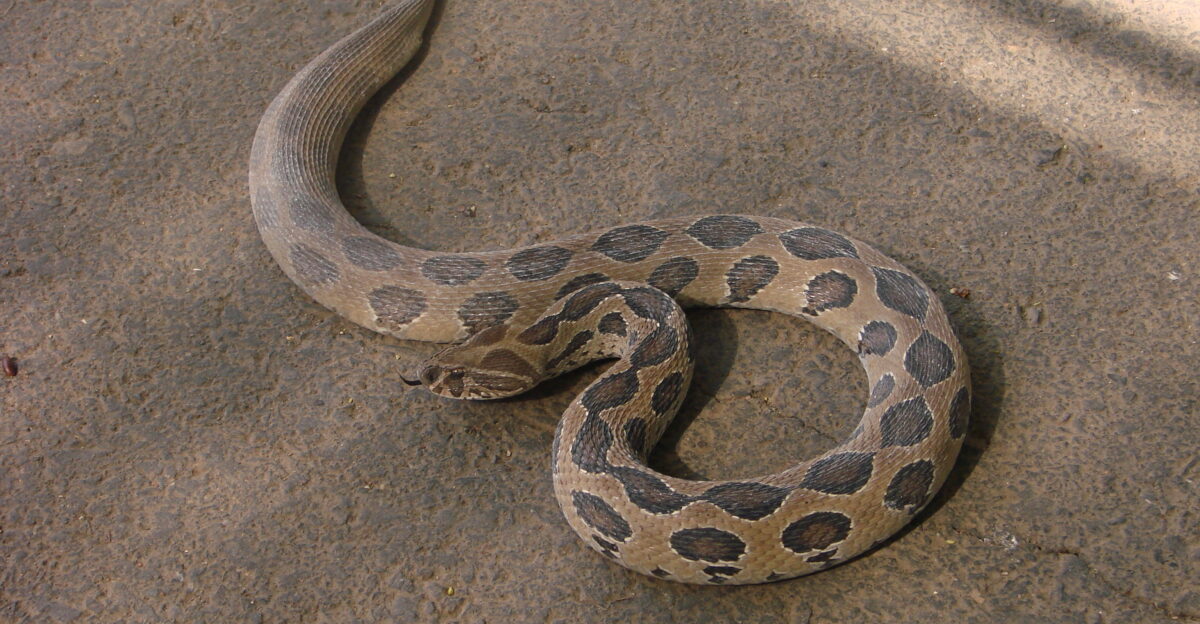
Russell’s viper is responsible for over 40% of snakebites in India, with an estimated 15,000 to 25,000 deaths every year.
This thick-bodied viper blends seamlessly into agricultural landscapes, making it nearly invisible to barefoot farmers. Its venom contains hemotoxins that cause severe bleeding, kidney failure, and, if untreated, death.
Camouflaged Danger
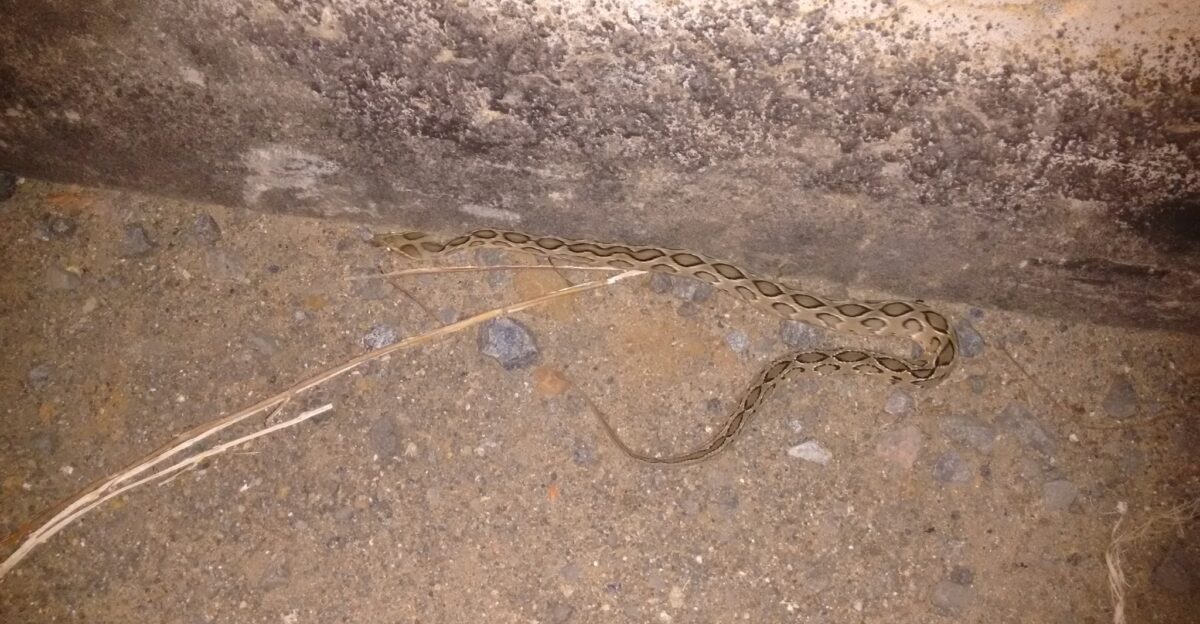
Russell’s viper thrives in human-modified landscapes, such as rice paddies and sugarcane fields, increasing the likelihood of deadly encounters.
The snake’s ability to remain camouflaged in these environments, combined with the barefoot farming practices common in rural India, leads to a high incidence of bites. As India’s agricultural footprint expands, so too does the overlap with this deadly predator.
Venom Variability
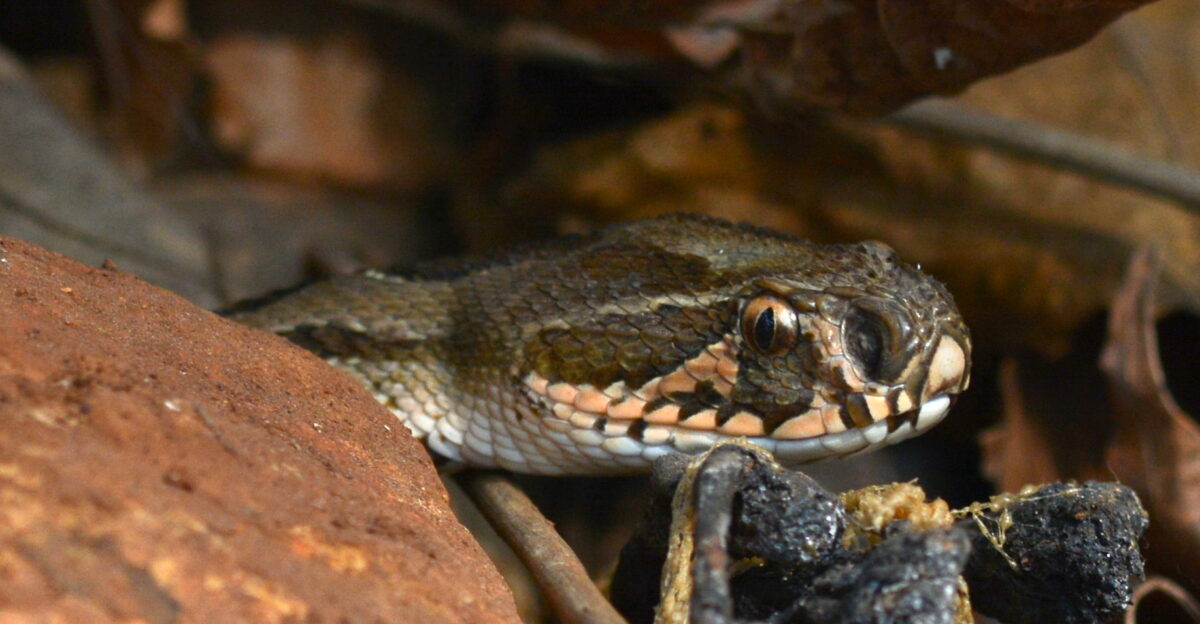
Russell’s viper venom varies across India’s biogeographic regions, making treatment even more complicated.
While antivenoms are developed to neutralize venom from typical populations, the venom’s composition can change from region to region. This variability leads to inconsistent treatment outcomes, with some victims receiving antivenoms that are less effective.
The Fatal Symptoms

After being bitten by a Russell’s viper, victims begin to bleed uncontrollably from their gums, nose, and organs.
Hemotoxic venom damages the blood, while myotoxins break down muscle tissue, often resulting in kidney failure. Victims who survive often face long-term damage, including amputations and permanent kidney issues.
The Solution That Won’t Work

Simple measures like wearing boots could prevent up to 90% of Russell’s viper bites, but cultural resistance and poverty often stand in the way.
Rubber boots, despite being a cheap and effective solution, are uncomfortable and impractical in the hot and muddy fields. Similarly, free flashlights to help spot snakes at night are often ignored or repurposed for other uses.
2. The Silent Night Killer – Common Krait
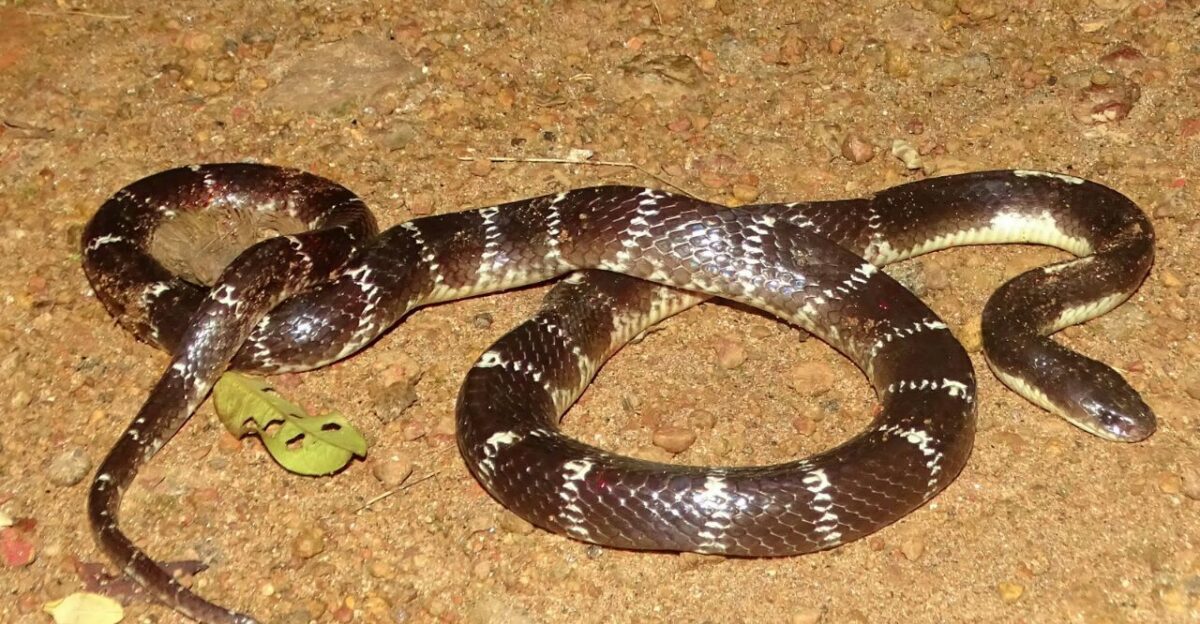
The common krait, unlike Russell’s viper, is deadly in a more subtle way. Its bite is nearly painless, leaving no immediate signs of injury.
This stealthy snake strikes primarily at night, entering homes and delivering fatal bites to people sleeping on the floor. Victims often don’t realize they’ve been bitten until they begin to experience paralysis hours later.
Paralysis Takes Hold
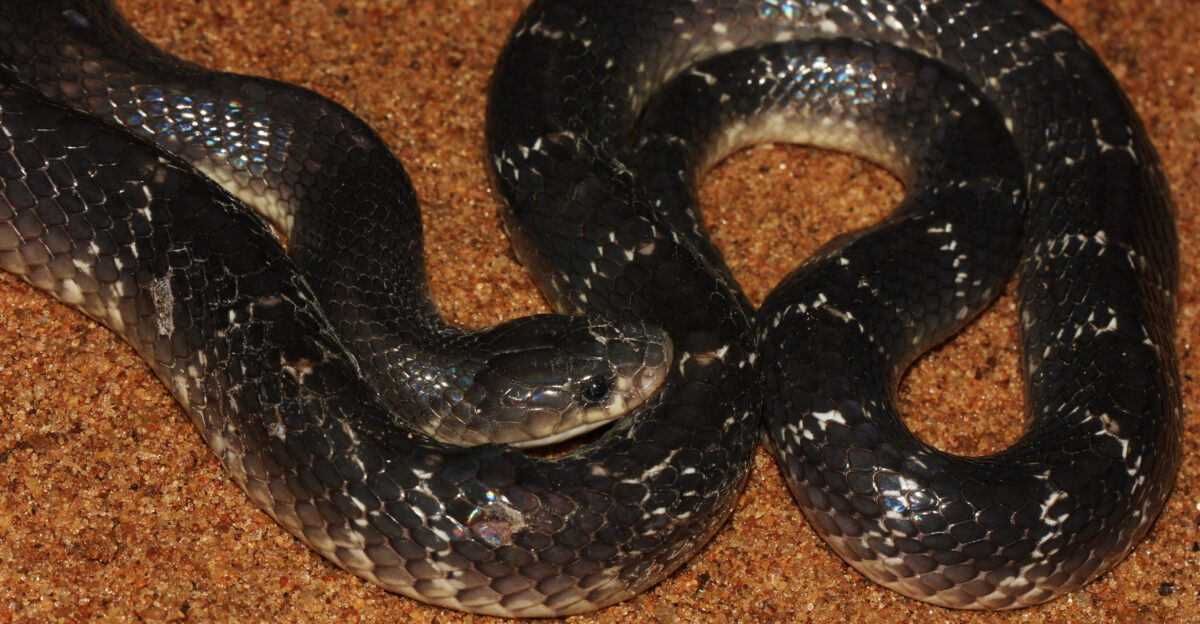
The krait’s venom blocks nerve signals, causing paralysis to set in gradually. Early symptoms are often dismissed as common ailments, but as the paralysis spreads, victims begin to lose control of their breathing muscles.
Without immediate antivenom treatment, death is inevitable due to respiratory failure.
The Delay in Treatment

Because krait bites are painless and without immediate symptoms, victims often don’t seek treatment until it’s too late.
The effectiveness of antivenom decreases as the symptoms progress, and in many cases, by the time treatment begins, respiratory failure has already set in. This delay results in a higher mortality rate despite the availability of effective antivenom.
The Night Stalker
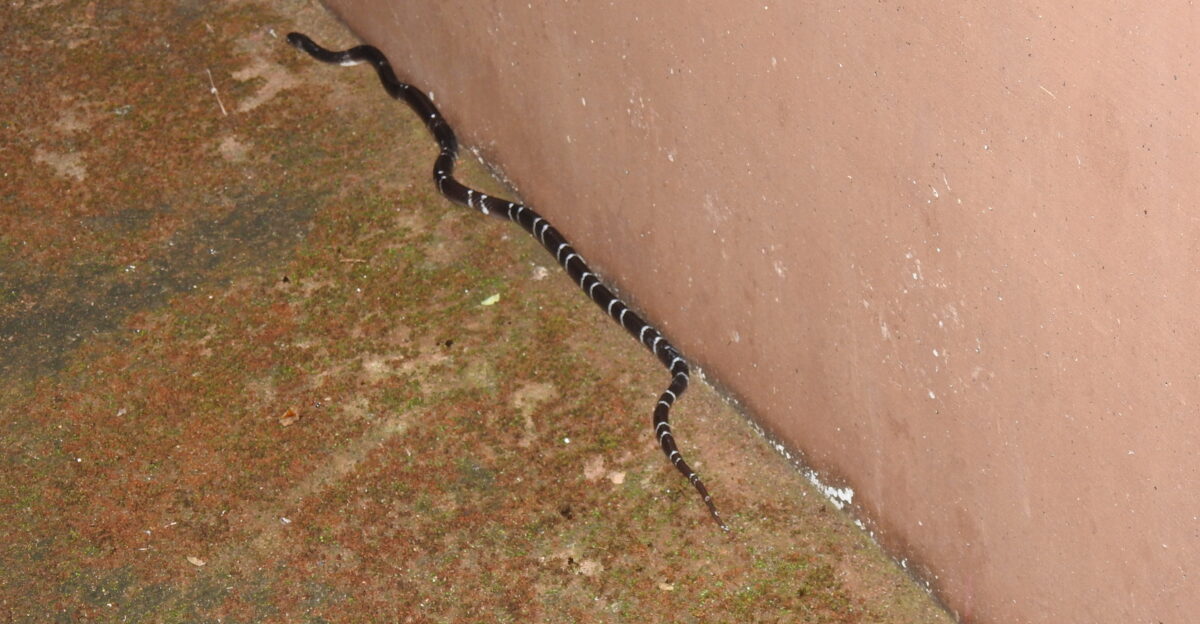
Kraits are nocturnal and often seek shelter in human homes, where they hunt small prey like geckos and mice.
This proximity to human dwellings makes them a hidden danger. With most victims sleeping on the floor, kraits can strike without warning. The widespread practice of sleeping on the ground in rural areas exacerbates this risk.
3. The Iconic Cobra
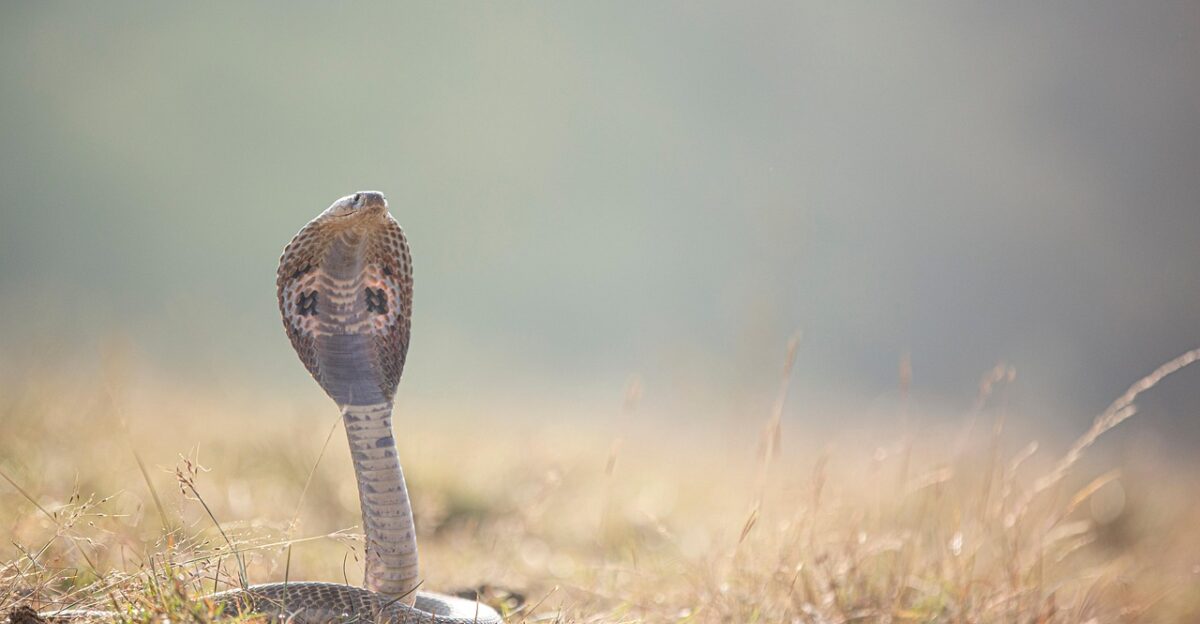
The spectacled cobra, revered in Indian culture and feared for its venom, contributes to only 12% of snakebites in India.
Despite its iconic status in Hindu mythology, the cobra is less aggressive than its reputation suggests. It relies on a warning display to avoid conflict, raising its hood and hissing before striking.
Cultural Paradox
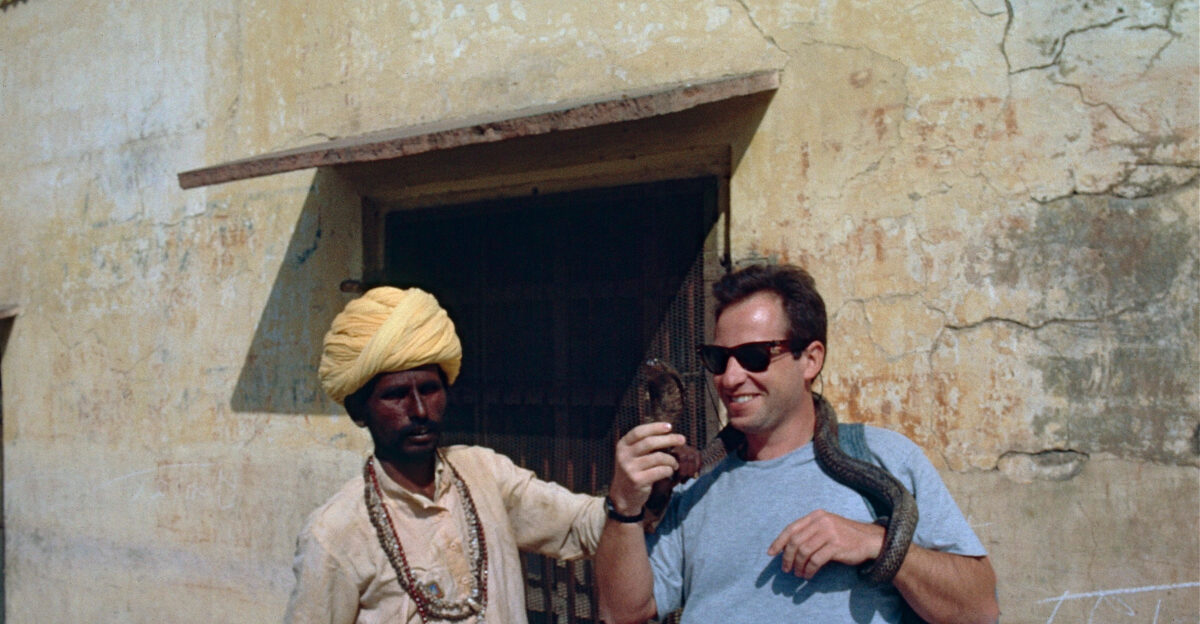
While the cobra is an important cultural symbol in India, this reverence can have deadly consequences. In some areas, people delay treatment after a cobra bite due to fear of disrespecting the sacred snake.
Some even fail to capture the snake for identification, making it harder for medical professionals to provide the correct treatment.
Cobra Venom’s Devastating Effects
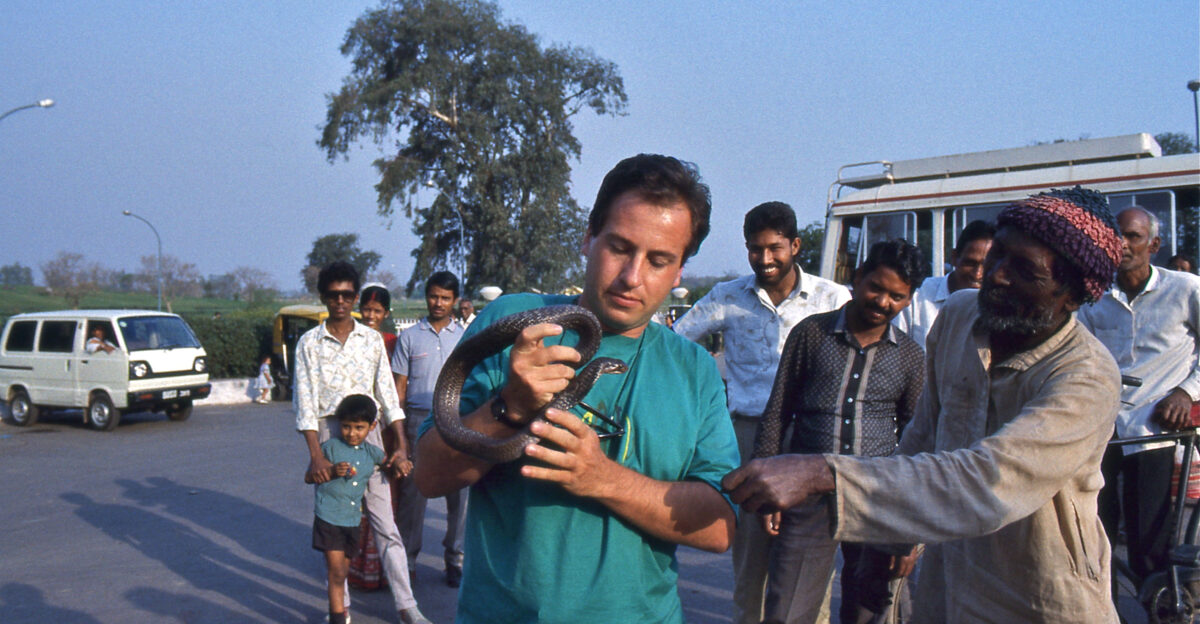
Cobra venom is a potent mix of neurotoxins and cytotoxins. The neurotoxins cause paralysis similar to krait venom, but cobra venom also destroys tissue around the bite, often leading to the need for amputations.
Even with treatment, victims face long-term disabilities and permanent damage to their limbs.
The Dual Role of Cobras
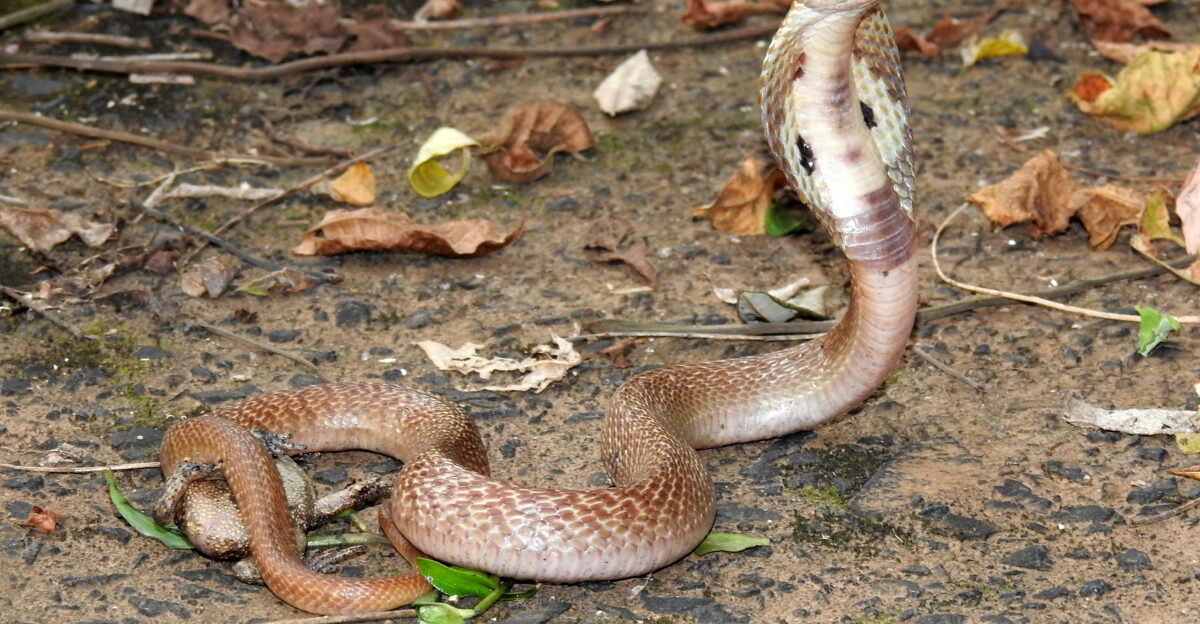
Despite their dangers, cobras play a vital ecological role by controlling rodent populations. However, many farmers kill cobras on sight, failing to recognize their value in pest control.
This creates a paradox—while cobras contribute to food security, they are often killed due to fear, reducing the potential benefits they offer.
4. Saw-Scaled Viper – The Most Lethal
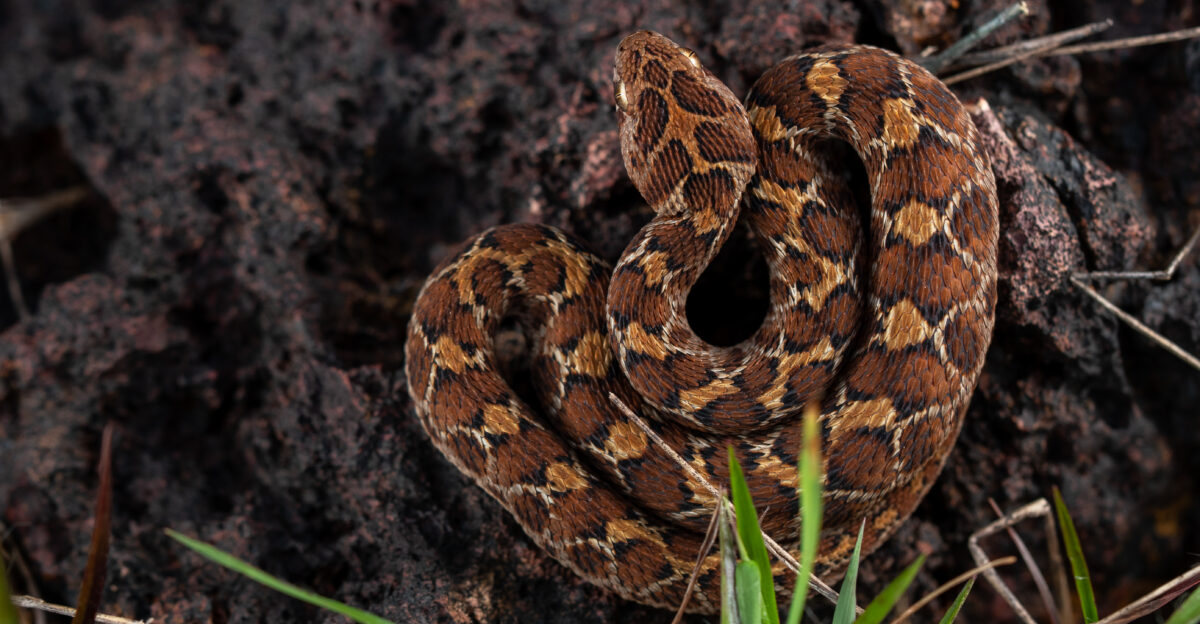
The saw-scaled viper is the smallest but deadliest snake in the Big Four. Responsible for thousands of deaths each year in India and beyond, this aggressive, fast-striking viper is the most dangerous snake in terms of fatalities.
Despite its small size, it kills more people than the king cobra, black mamba, and inland taipan combined.
The Warning Sound
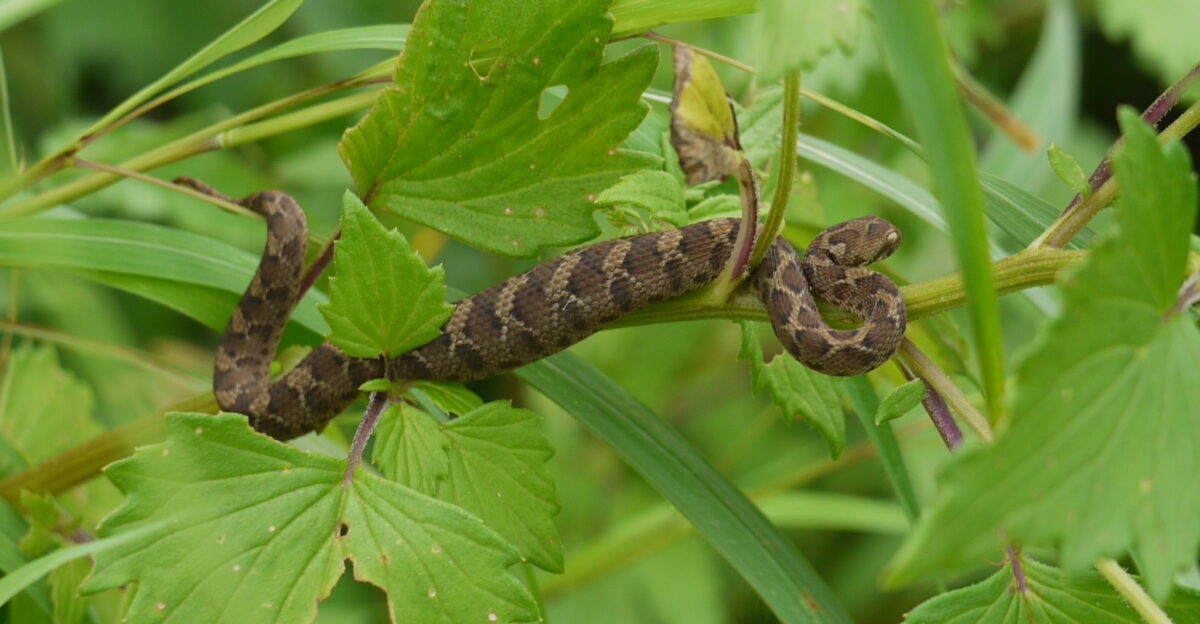
The saw-scaled viper produces a distinctive “sizzling” sound before it strikes. Known as “stridulation,” this sound serves as a warning, but it’s brief.
With lightning-fast strikes, the snake doesn’t wait long to strike after making its warning. Victims have little time to react, making the snake highly lethal.
Lethal Venom
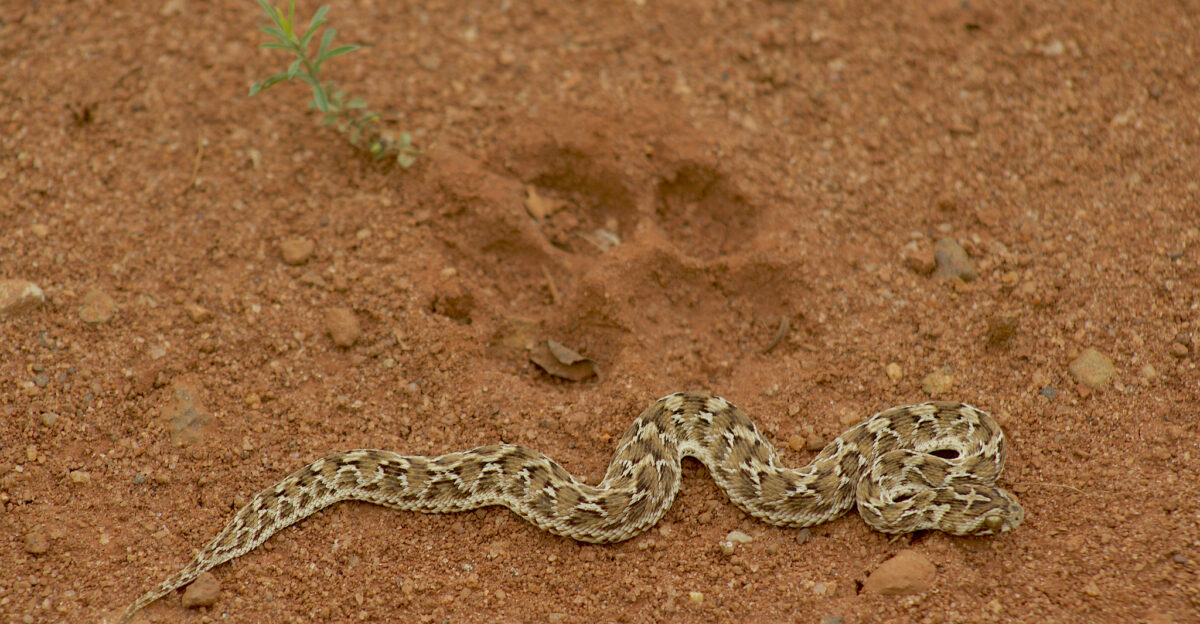
The venom of the saw-scaled viper causes blood vessels to rupture, leading to severe bleeding and kidney failure.
A single bite contains enough venom to kill multiple people. Though its venom isn’t the most toxic, its high frequency of encounters with humans and limited access to medical care make it the deadliest snake on Earth.
The Treatment Gap

Access to antivenom is the key to surviving a snakebite, but in rural India, it often takes hours to receive treatment.
The time between the bite and administration of antivenom is critical. If the victim doesn’t reach a hospital in time, the consequences can be fatal. Despite the availability of effective treatments, the treatment gap remains a significant barrier.