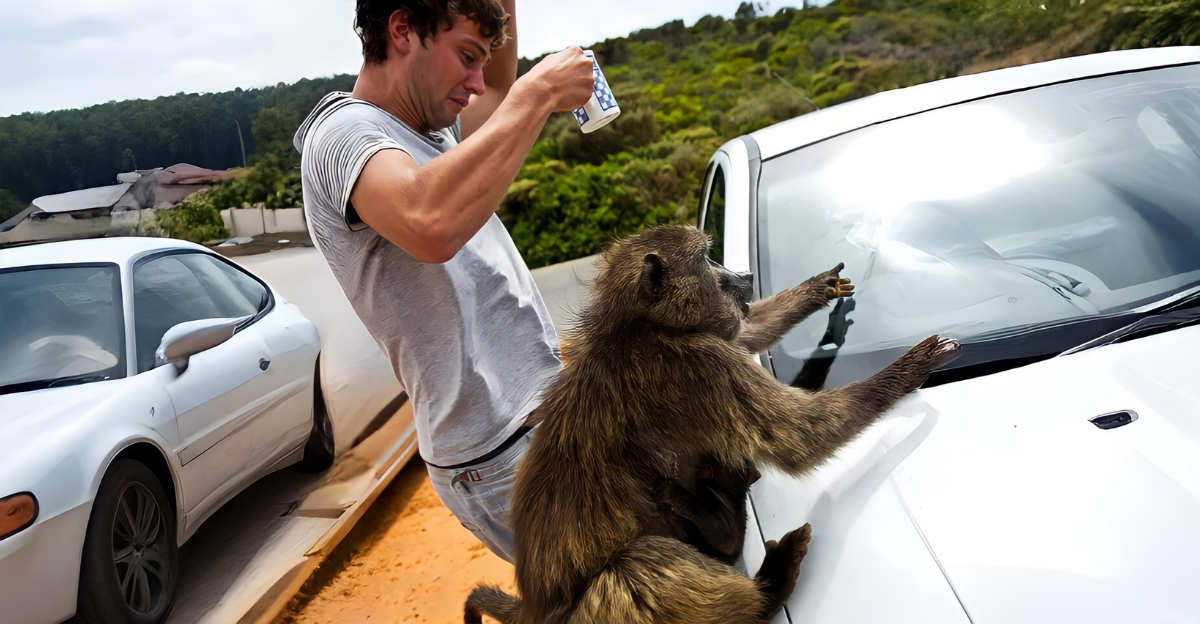
Certain species of monkeys are considered some of the most dangerous animals in the world. This includes a combination of unexpected aggressors and well-known troublemakers, all of which pose real risks to humans.
Understanding these species and their behaviors can help recognize potential dangers when encountering them.
The Mandrill
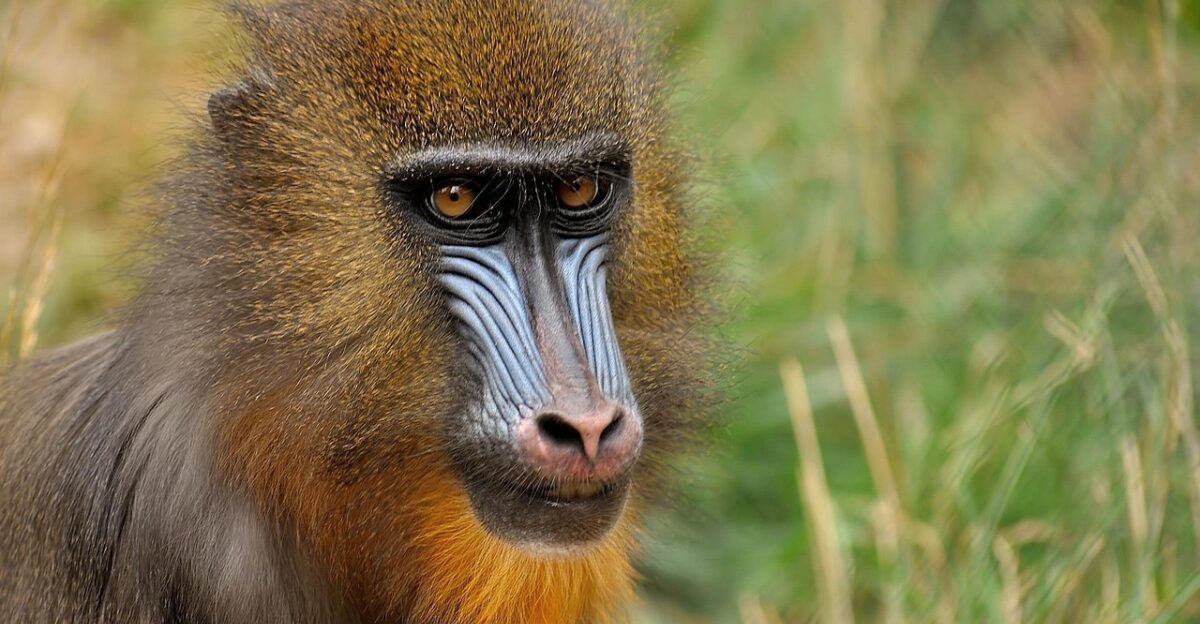
Mandrills are known for their vibrant faces, but they also possess considerable strength and aggression, making them potentially dangerous.
Male mandrills have large canine teeth averaging 45 mm, which they use in combat and dominance displays. Their powerful jaws and muscular build can inflict serious harm if provoked, earning them a reputation as one of the most dangerous monkey species.
Japanese Macaque (Snow Monkey)
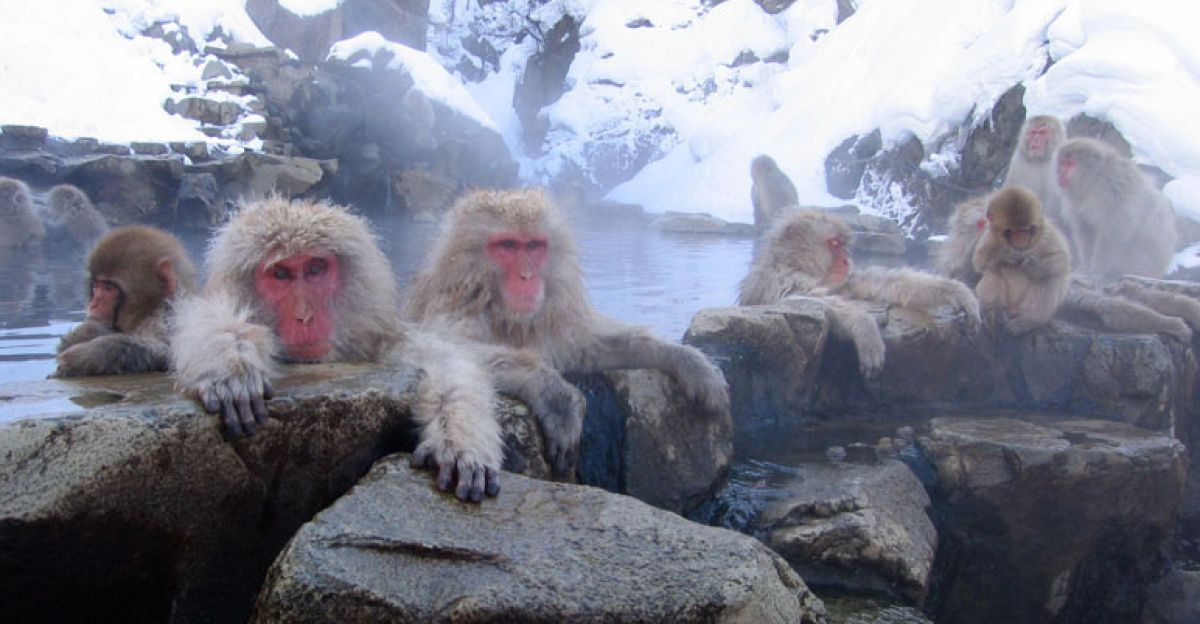
In 2022, Japanese macaques drew media attention for a series of attacks in Yamaguchi city, where a group injured 58 people over three weeks.
These snow monkeys displayed advanced hunting tactics, targeting children and the elderly by entering homes through windows and attacking from behind. Officials emphasized their intelligence as a major concern, with one expert noting their tendency to approach stealthily and strike unexpectedly.
The Vervet Monkey
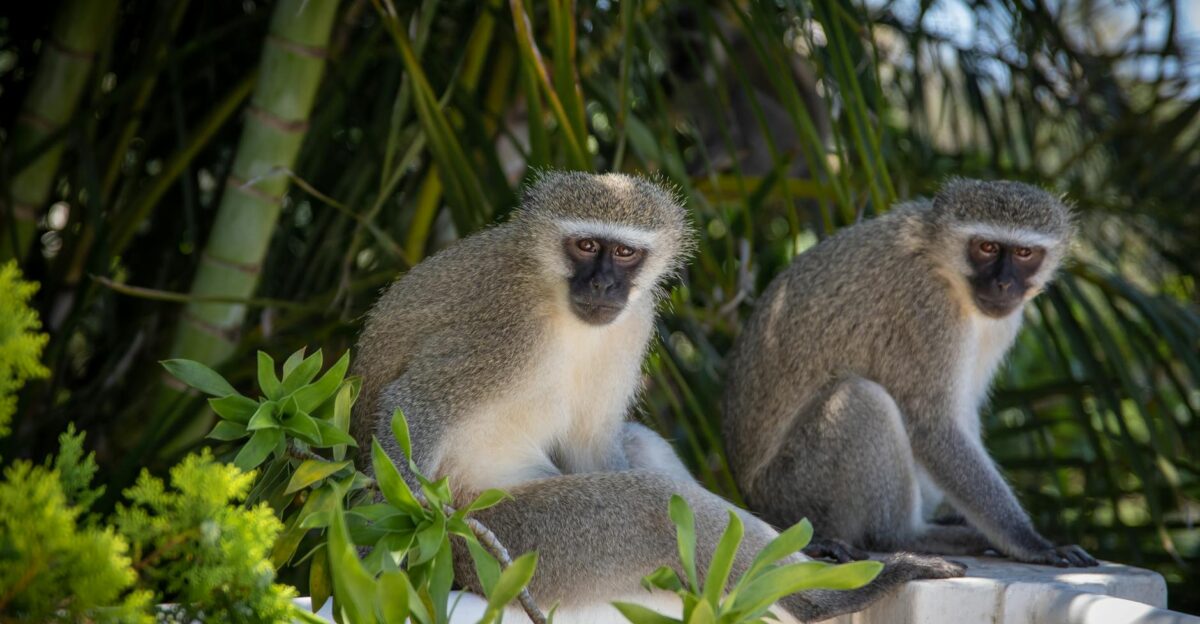
Vervet monkeys may seem harmless, but they display complex social behaviors, including advanced aggression strategies. Research shows that male vervets use “punishment and coercion” during conflicts to maintain dominance.
Their territorial nature and growing boldness around human settlements in South Africa have led to increased conflicts, with some individuals showing little fear of humans.
Proboscis Monkey
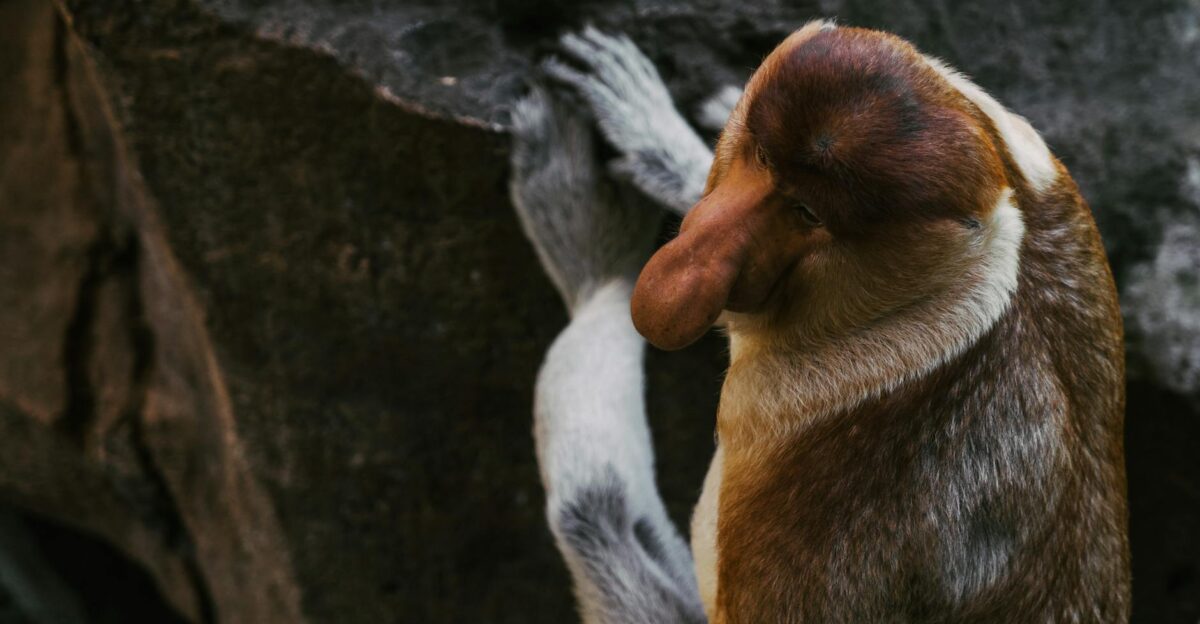
Proboscis monkeys are mostly peaceful, but males become territorial during breeding seasons, which can lead to confrontations. Although serious aggression is rare, conflicts over mating rights and territory can escalate.
Males weigh up to 24 kg (53 lbs) and are formidable when provoked, especially during disputes over harems.—Source: Wisconsin National Primate Research Center; Zoo Biology territorial behavior studies, 2013
Baboon

Baboons, especially chacma and olive species, are known for invading crops and homes, often becoming aggressive near human settlements.
In South Africa’s Cape Peninsula, studies show that baboons regularly enter residential areas, leading to numerous human-caused deaths among them each year due to escalating conflicts.
Golden Snub-Nosed Monkey
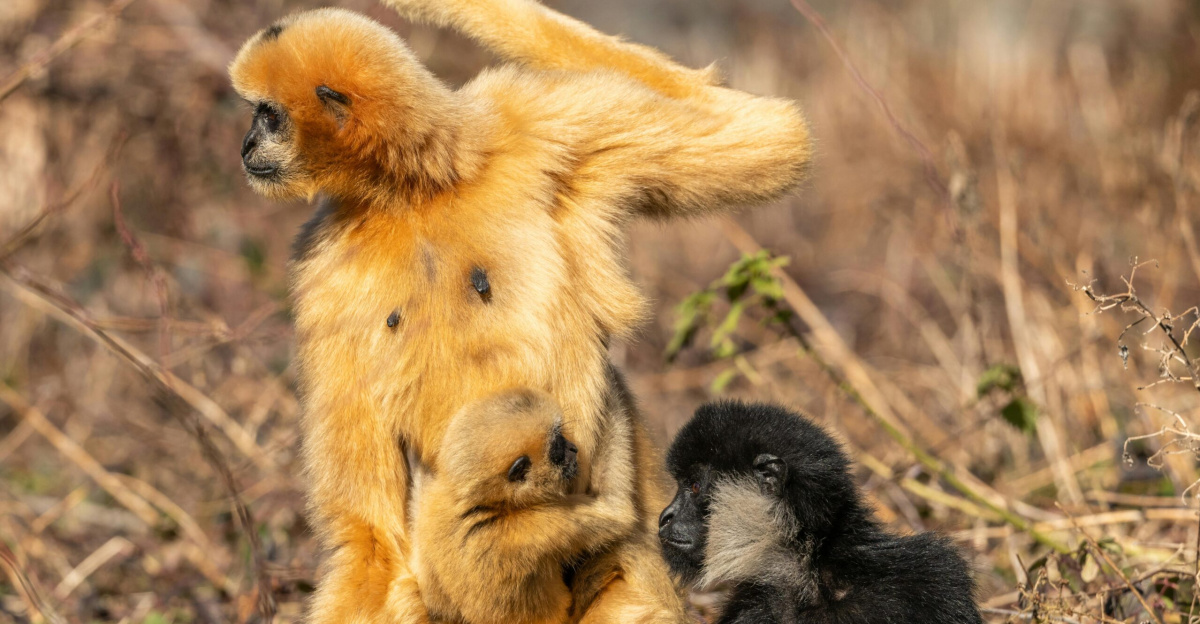
Golden snub-nosed monkeys are striking in appearance yet exhibit notable aggression, especially during territorial disputes.
Males frequently display aggression to protect their troops, with a 2024 study finding that about 12.13% of interactions in some groups involved aggressive behavior, underlining their surprisingly combative nature.
White-Faced Saki
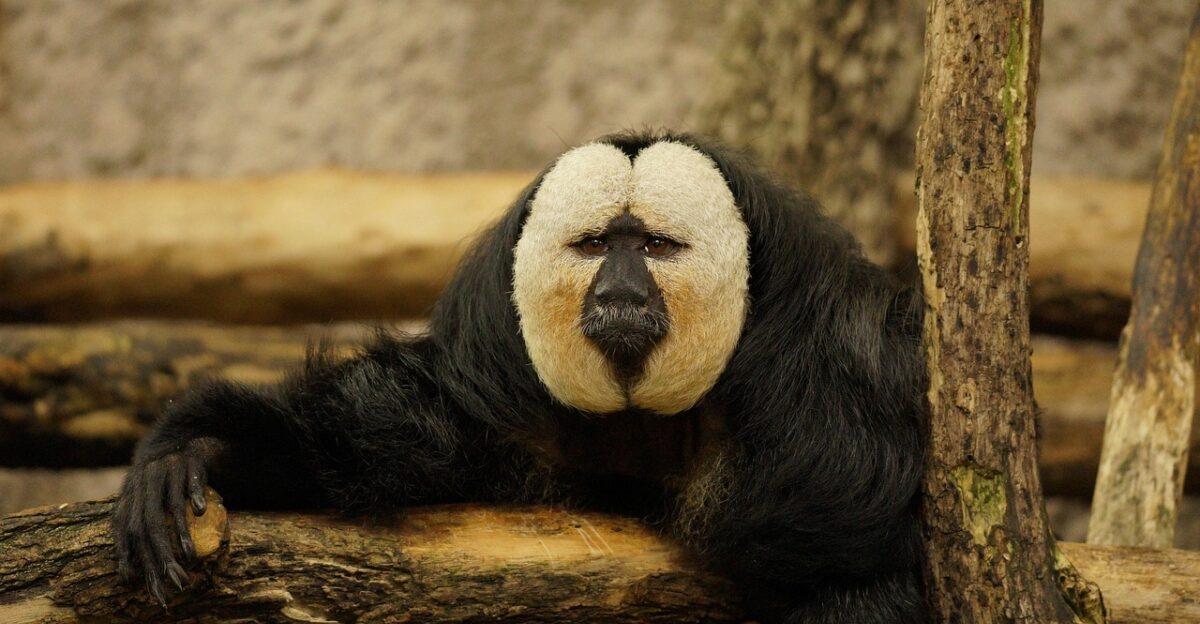
White-faced sakis are highly territorial and show aggression toward same-sex individuals outside their family groups. Their aggressive displays start with body shaking and growling, escalating to shaking branches violently.
Research indicates that these encounters are primarily driven by male reproductive interests, leading to intense territorial disputes.
Macaque
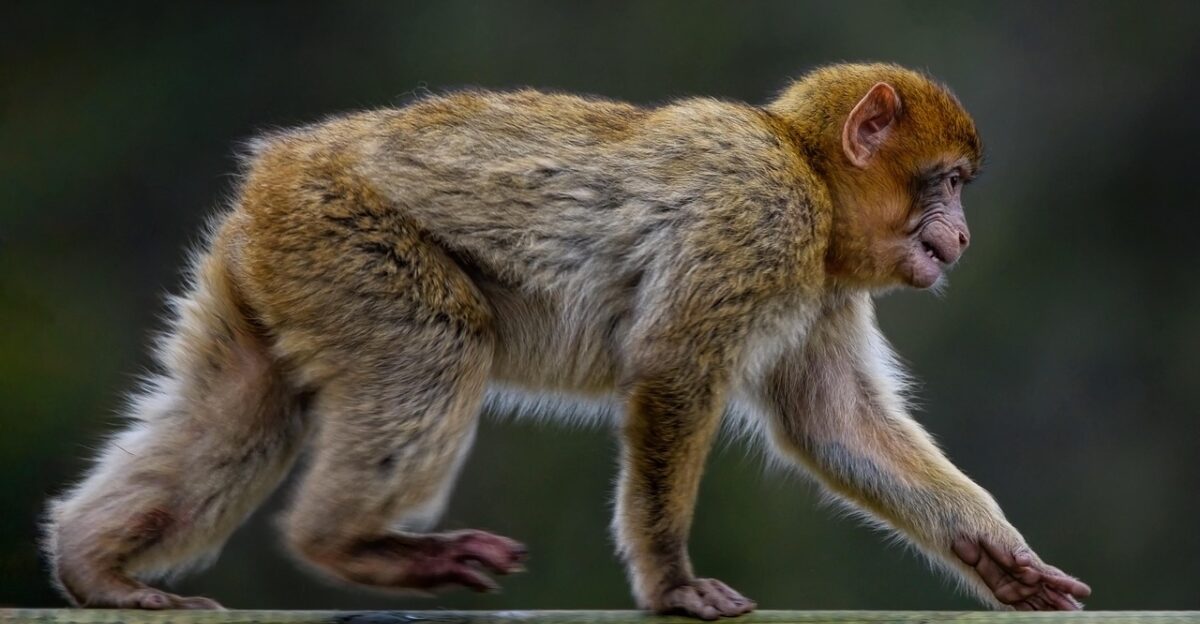
Macaques are increasingly found in urban areas, often clashing with humans. In cities across Asia and in places like Florida, they are known for stealing food and biting.
A significant concern is the herpes B virus, which can have a mortality rate close to 80% if untreated. The CDC has reported 50 human infections since 1932, with 21 resulting in death.
Drill Monkey
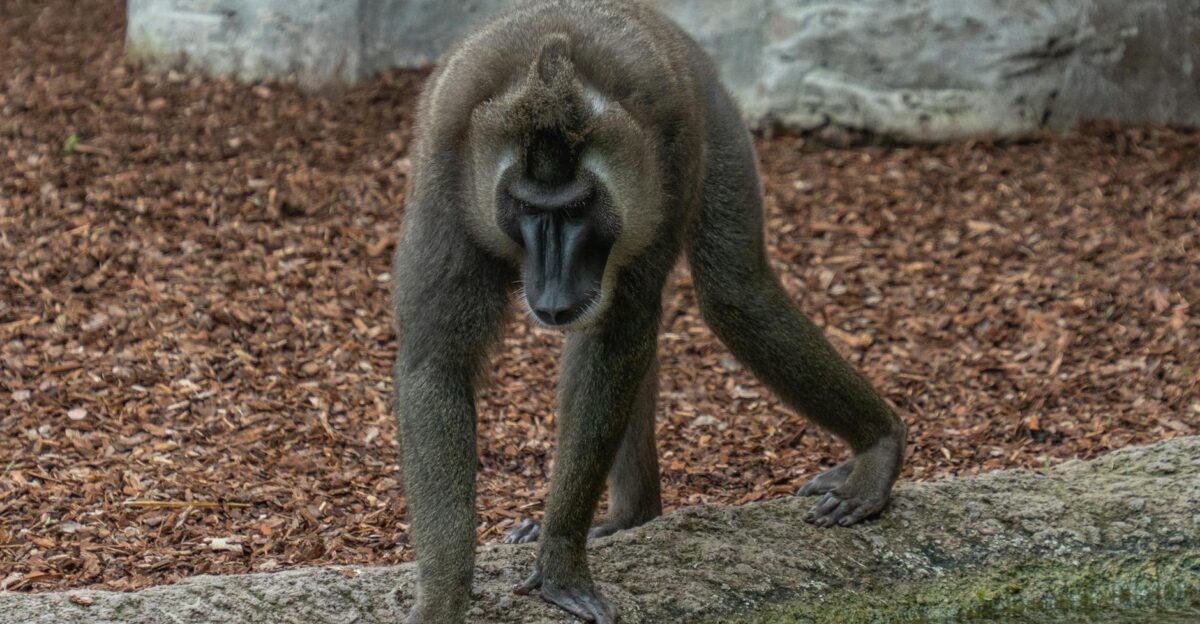
Among Africa’s least-studied primates, Drill monkeys utilize advanced aggression tactics within their complex social structures. Males demonstrate territorial behaviors and can quickly flee from threats; however, they also use “aggressive displays” and “group defense tactics” to protect their troops.
Their size, as the largest monkey species in their habitat, makes their aggressive behaviors particularly formidable.
Rhesus Monkey
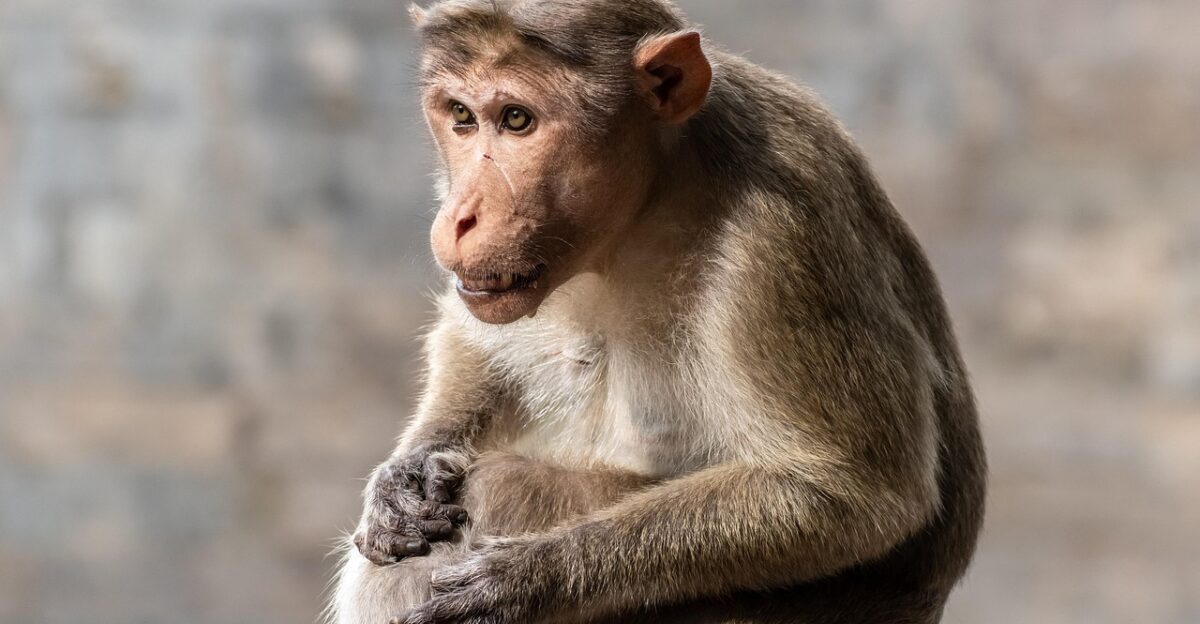
Rhesus monkeys are common in many Asian cities and are known for biting humans. Beyond aggression, they can transmit dangerous diseases, including the potentially fatal herpes B virus.
CDC-supported research in Thailand found B virus antibodies in 78.5% of wild macaques tested, with active viral shedding detected in multiple animals, significantly increasing infection risk during human contact.
Gelada
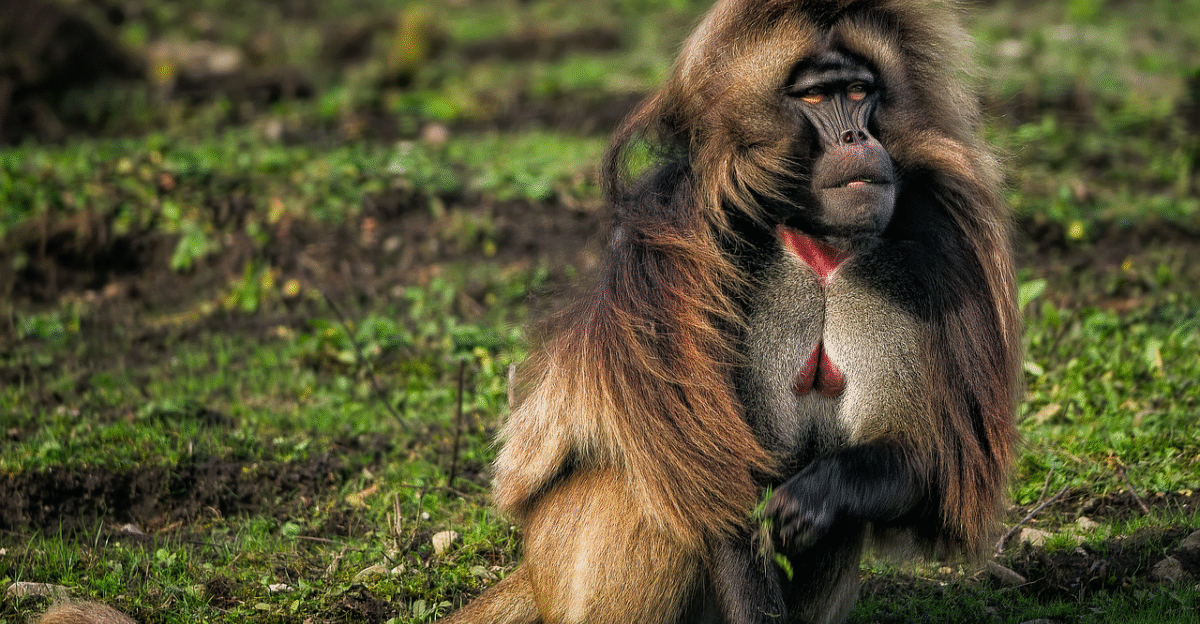
Geladas, known as “bleeding-heart baboons,” are equipped with “vampiric canines” and display significant aggressive behaviors. Research documents that geladas engage in complex social dynamics, including punishment behaviors, with males using their impressive canine teeth in dominance displays.
Studies show that when their territory is threatened, geladas defend aggressively, and human disturbance increases their stress-related aggressive behaviors.
Chimpanzee
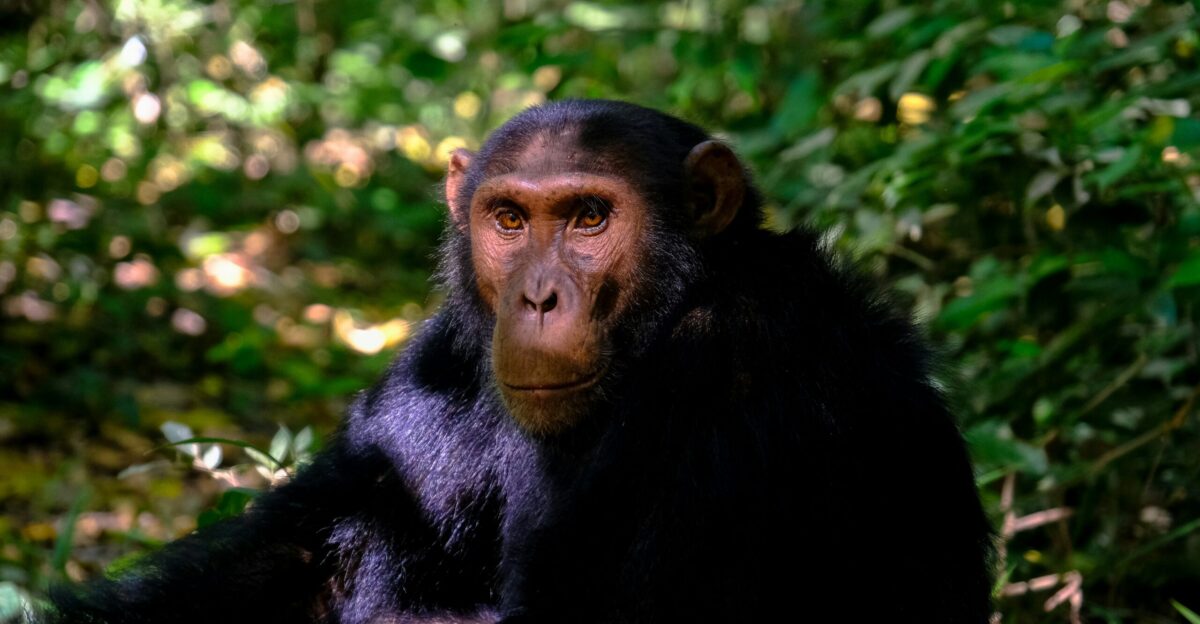
Chimpanzees are apes, not monkeys, but are often included due to their human interactions. Chimpanzees possess immense strength and have attacked humans in documented incidents.
Research shows human-chimpanzee conflicts occur particularly in areas where habitat loss forces contact, with some attacks resulting in severe injuries or death. Their intelligence and power make them unpredictable when threatened.
Capuchin
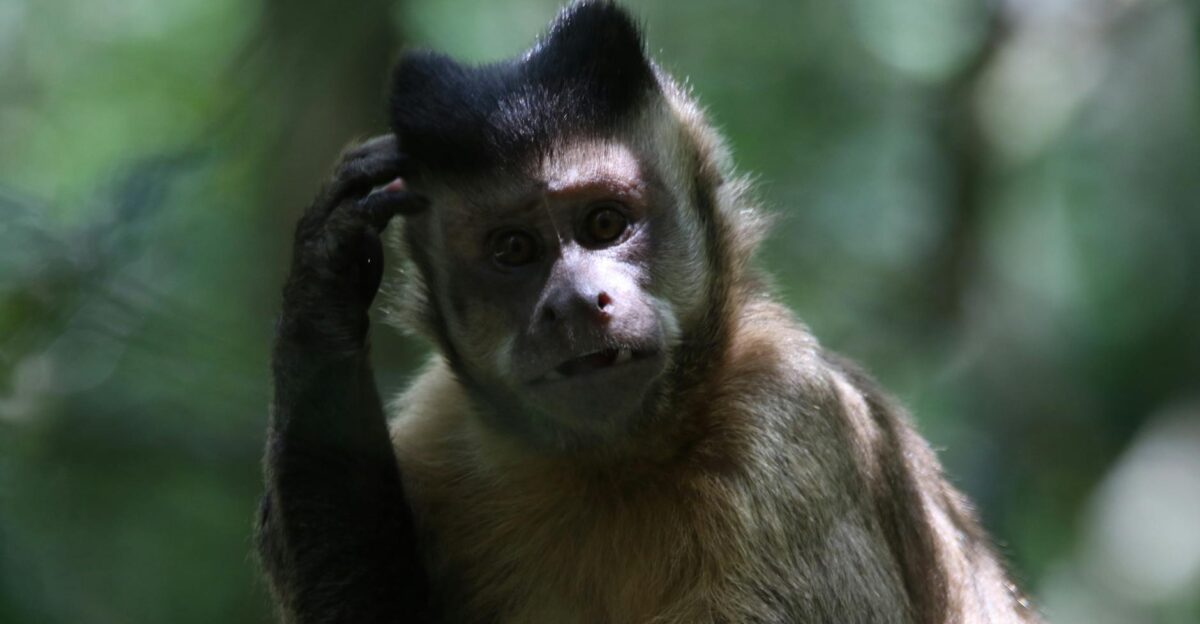
Capuchins may appear harmless, but documented incident reports show they can become highly aggressive when threatened. Since 1990, more than 300 dangerous primate incidents in the US have involved various species, including capuchins, resulting in injuries to 153 adults and 78 children.
Capuchin bites and scratches are particularly common among pet owners and in captivity settings.
Spider Monkey
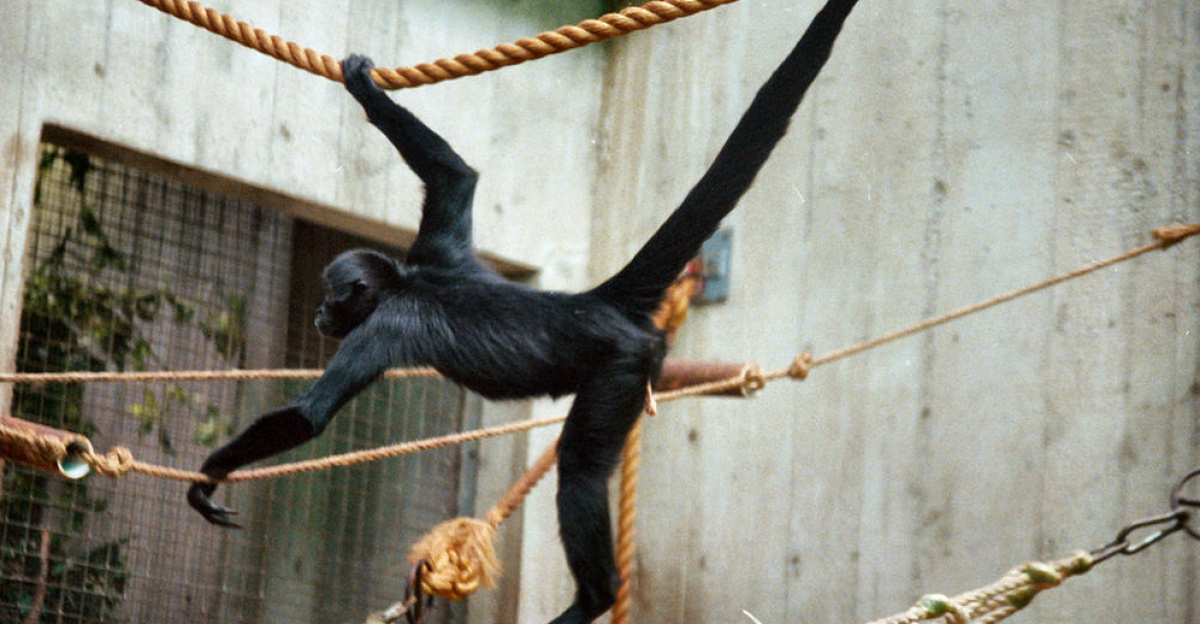
Spider monkeys are generally shy in the wild, but documented cases show they can become aggressive in captivity. Incident reports include a 7-year-old child bitten by a spider monkey during a public exhibition in Michigan in 2024, which resulted in USDA citations for the handler.
Their long limbs and agility make them difficult to handle when stressed or confined.
Squirrel Monkey
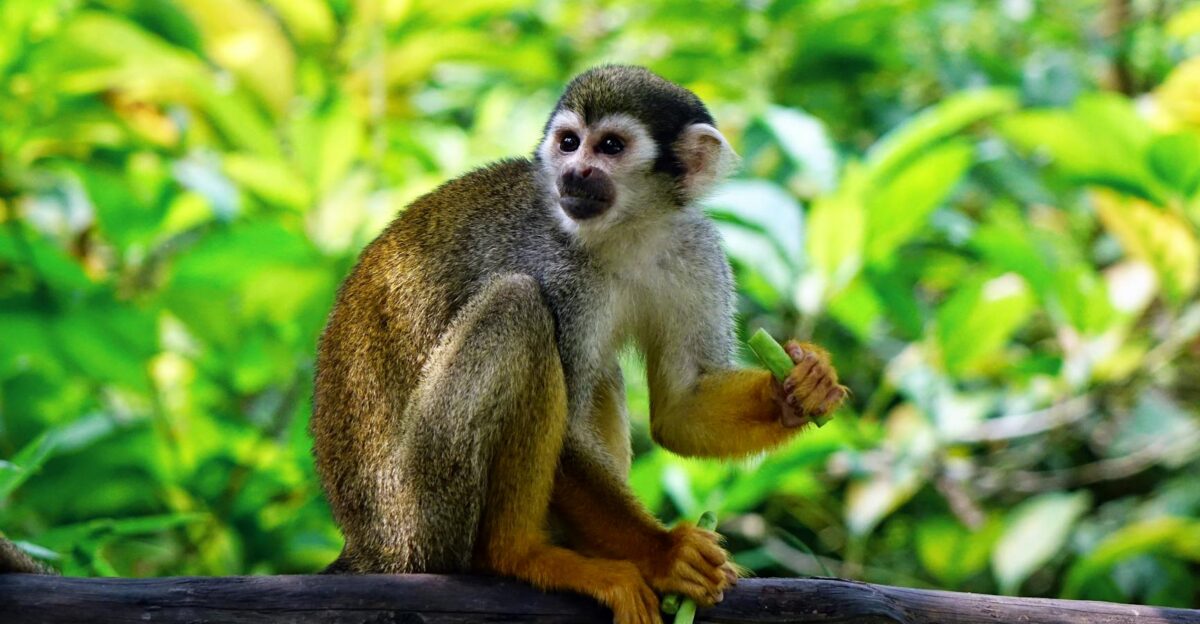
Squirrel monkeys are small but can deliver painful bites if provoked. While not typically considered highly dangerous, documented incidents show they can cause injuries, especially for inexperienced handlers.
Their quick movements and tendency to nip make them risky in captive or tourist interaction settings.
Patas Monkey
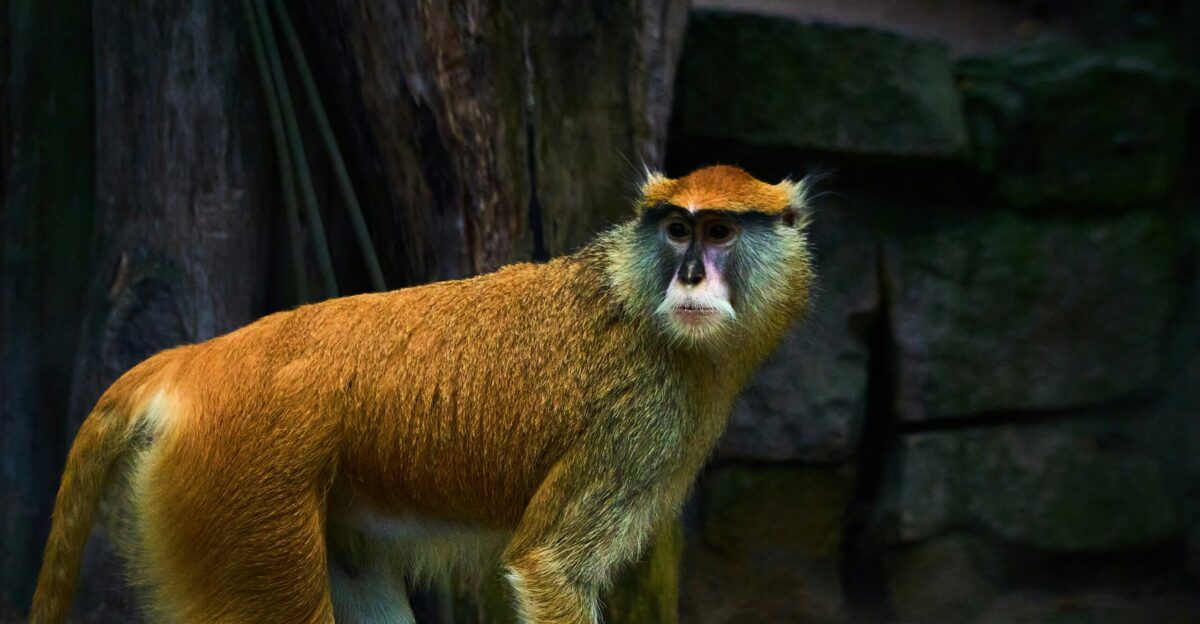
Patas monkeys are scientifically confirmed as the fastest primates, capable of reaching speeds up to 55 km/h (34.2 mph).
Research shows their speed, territorial behavior, and potential aggression when threatened make them challenging to manage in both wild and captive settings. Their terrestrial adaptations and swift locomotion serve as both escape and attack mechanisms.
Howler Monkey
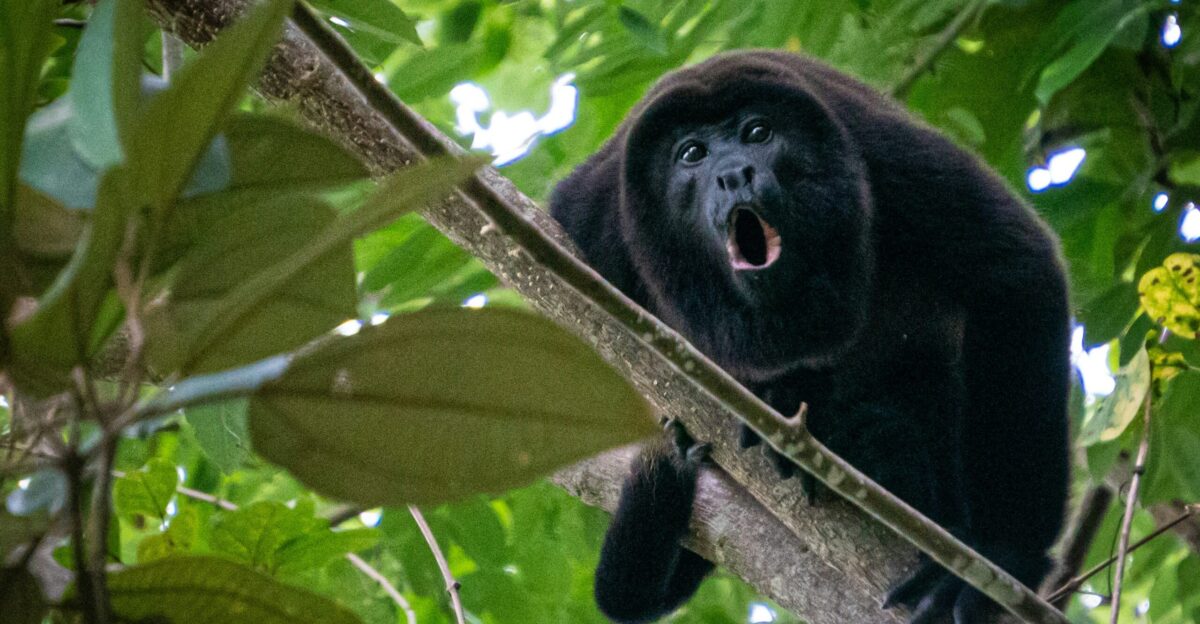
Howler monkeys are known for their deafening calls that can be heard up to 3 miles away, but research shows they can also display territorial aggression.
Studies indicate that while howler monkeys rarely attack humans, they defend their territory when threatened. Their loud vocalizations serve as warnings, and territorial disputes between monkey groups can involve aggressive confrontations.
Long-Tailed Macaque
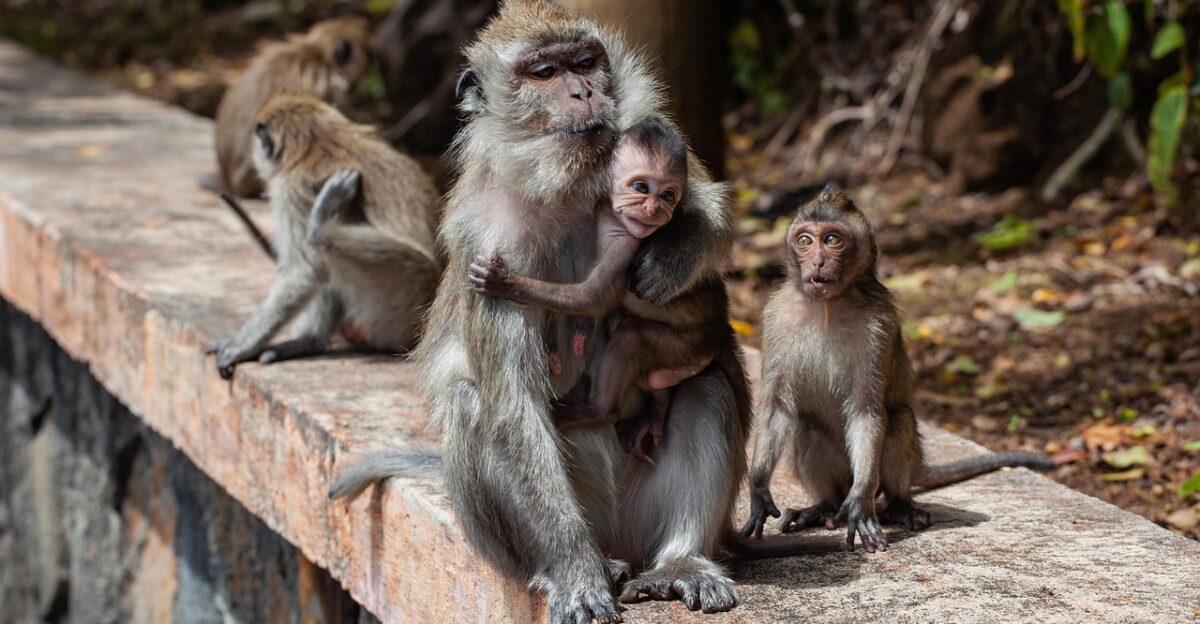
Long-tailed macaques have established invasive populations worldwide and are notorious for aggressive interactions with humans. In tourist areas across Southeast Asia, these intelligent primates have learned to steal food aggressively, with documented cases of tourists being bitten, scratched, and having belongings snatched.
Their adaptability to urban environments makes them persistent threats in cities and tourist destinations.
Colobus Monkey
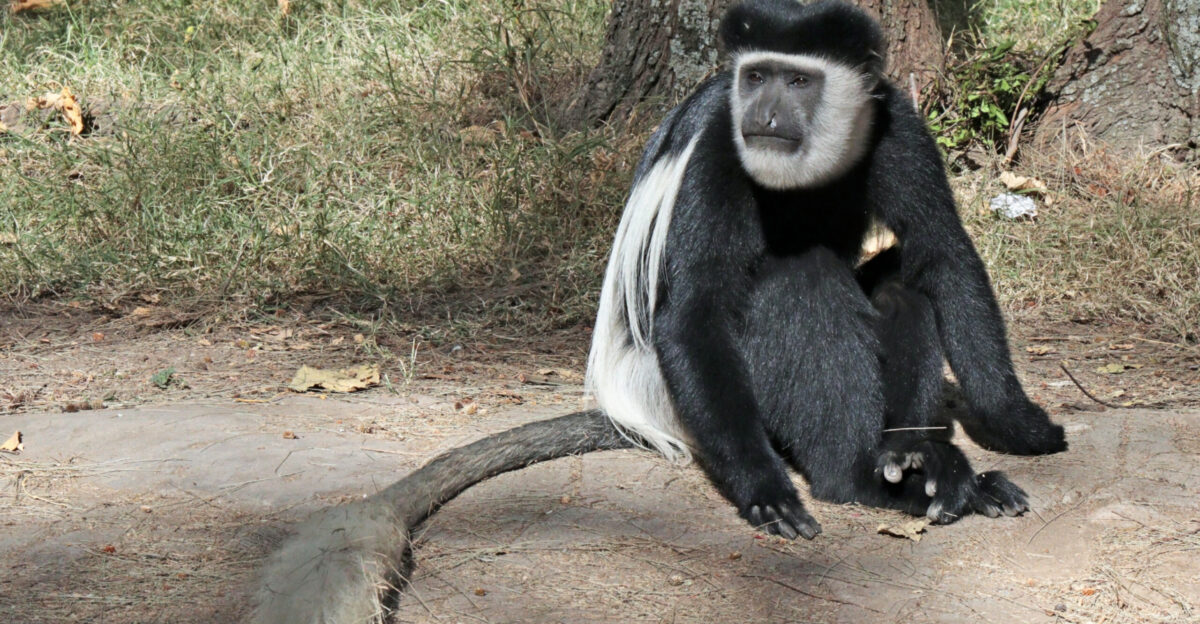
Colobus monkeys, primarily leaf-eaters, can become surprisingly aggressive when threatened or cornered. Research shows that territorial disputes between colobus groups can involve serious aggression despite their generally peaceful nature.
Their powerful limbs and sharp claws, adapted for climbing, can inflict significant injuries when they feel threatened or when defending their young.