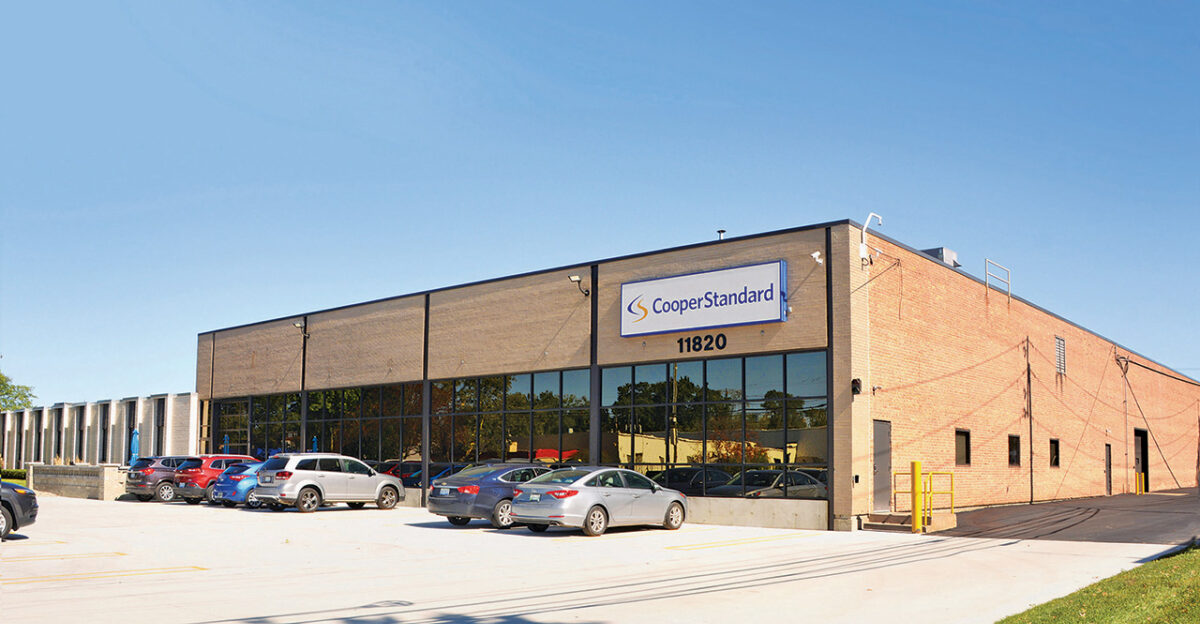
Before the sun rises on February 6, 2026, many workers at the Cooper Standard auto-parts plant in New Lexington, Ohio, will show up expecting another normal day. Instead, they’ll receive notices that their jobs are being cut. Over the next 17 months, every position at the plant will disappear. By July 1, 2027, the factory that supported hundreds of local families will close for good. The shutdown marks both financial trouble for the company and the sweeping changes shaking the global auto industry.
For the auto-parts sector, the past few years have been rough. Many suppliers have seen fewer orders from carmakers as higher interest rates and the rising cost of living discourage people from buying new vehicles. At the same time, companies like Cooper Standard are caught in the middle, automakers want to pay less for parts, while the costs of paying workers, buying materials, and borrowing money continue to rise.
Adding to the challenge, manufacturers must now invest heavily in parts for electric cars while still producing components for gasoline and hybrid vehicles. That kind of transition requires significant money and planning, which has been difficult for companies already carrying large debts. Some suppliers are cutting costs wherever they can; others are declaring bankruptcy to survive.
A Longtime Player Faces Tough Choices
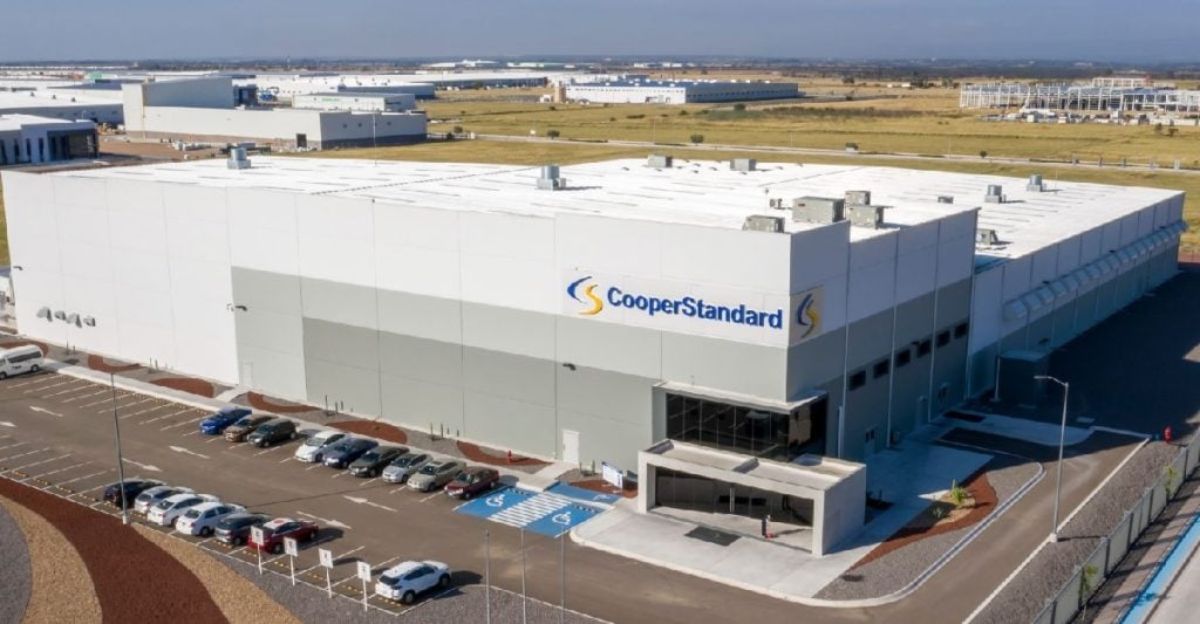
Cooper Standard, based in Michigan, has been part of the auto industry since the 1960s. Over 65 years, it has grown into a global company that makes sealing and fluid-handling systems used by major carmakers. With around 22,000 employees in 20 countries, it stands among the larger suppliers in the world’s automotive network.
But size has not shielded it from recent economic pressures. Inflation, unpredictable prices for raw materials, and rising labor costs have hurt its bottom line. On top of that, car sales have slowed in several key markets. Managers at Cooper Standard are now trying to balance two demanding goals, fund new technology for electric vehicle parts and keep the company’s older, traditional product lines profitable. Meanwhile, they must also manage existing debts and maintain investor confidence.
To help restore profitability, Cooper Standard has begun reducing its manufacturing footprint. The closure of its New Lexington factory is part of that broader efficiency plan. According to documents filed with federal authorities on December 8, 2025, layoffs will begin in February 2026 and take place in stages until the plant fully closes by mid-2027. In total, 228 jobs will be lost, 193 hourly positions and 35 salaried ones.
These job losses will hit Perry County hard. Manufacturing has long provided stable, middle-income employment here. As the plant’s operations wind down, the local economy will likely feel the impact through decreased spending at nearby restaurants, grocery stores, and service businesses.
A Struggling Industry Under Pressure
The Cooper Standard closure is just one example of the financial strain spreading across auto-parts suppliers. In recent months, several major companies have sought bankruptcy protection after years of rising costs and shrinking profits.
Marelli, a key supplier for automakers such as Nissan, filed for bankruptcy in June 2025 and secured about $1.1 billion in new financing to reorganize. Later that same year, First Brands, another big name in the industry, did the same, revealing billions of dollars in hidden debt. Altogether, recent auto-parts bankruptcies account for more than $16 billion in financial losses, underscoring how serious the crisis has become.
Cooper Standard has not gone down that path, at least not yet. Instead, it’s trimming operations and concentrating on areas with higher profit potential, such as parts used in electric and hybrid vehicles. Still, analysts warn that cutting costs alone may not be enough. With demand for vehicles fluctuating and global supply chains still fragile, remaining profitable has become a tightrope act for many suppliers.
The Human and Community Fallout
Inside the New Lexington plant, workers are angry and uncertain about what comes next. The plant’s employees are represented by the United Auto Workers (UAW) Local 1686, which has provisions in its labor contract allowing some employees to move into other roles based on seniority. That could mean temporary positions during the wind-down or transfers to other Cooper Standard facilities, though relocating would be difficult for many families.
Regulators are also paying attention. Officials have launched an investigation under the WARN Act, which requires companies to give workers and local governments advance notice before mass layoffs or plant closures. The review will determine whether Cooper Standard followed those rules and what kind of support might be available to employees who lose their jobs.
Company leaders maintain that the shutdown is part of a larger plan to make Cooper Standard stronger in the long run. They say the company is focusing on products and technologies linked to electric vehicles, where growth is expected to surge in coming years. However, industry observers argue that closures like this one often leave small towns struggling to recover, raising the question of who benefits, and who loses during this industrial transformation.
The situation in New Lexington mirrors challenges in manufacturing towns across the U.S. The shift from traditional gasoline vehicles to electric ones is forcing companies, workers, and local economies to adapt quickly. With more layoffs and consolidations expected, communities like Perry County face tough choices. Some will invest in retraining programs and attract new types of employers. Others may focus on supporting small businesses or finding ways to compete in the changing auto landscape.
Sources
“Cooper Standard files WARN notice for closure of New Lexington plant.” Rubber World, 6 Jan 2026.
“Nissan supplier Marelli files for Chapter 11, secures $1.1 billion in new financing.” Reuters, 11 Jun 2025.
“First Brands files for bankruptcy, revealing billions of dollars in hidden debt.” Reuters, 29 Sep 2025.
“65-year-old auto parts brand shuts plant, fires 100s of workers.” TheStreet, 31 Dec 2025.