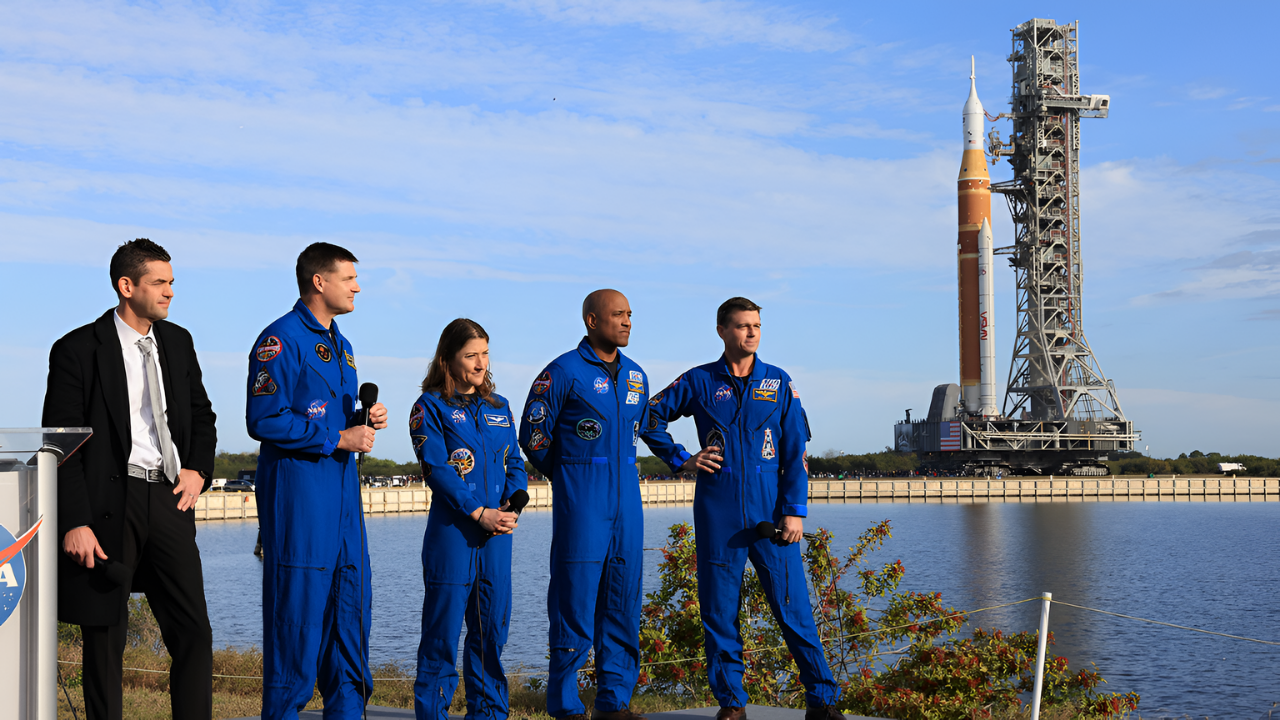
A 322-foot rocket crawls across Kennedy Space Center under stadium lights, its white core riding atop a massive steel transporter. The vehicle moves slower than a walking pace—less than one mile per hour—as engineers watch from platforms below.
By 6:42 p.m. EST on January 17, 2026, the Space Launch System reaches Pad 39B. For the first time in 54 years, a crewed lunar mission is physically on the launch pad.
Rocket’s Slow March
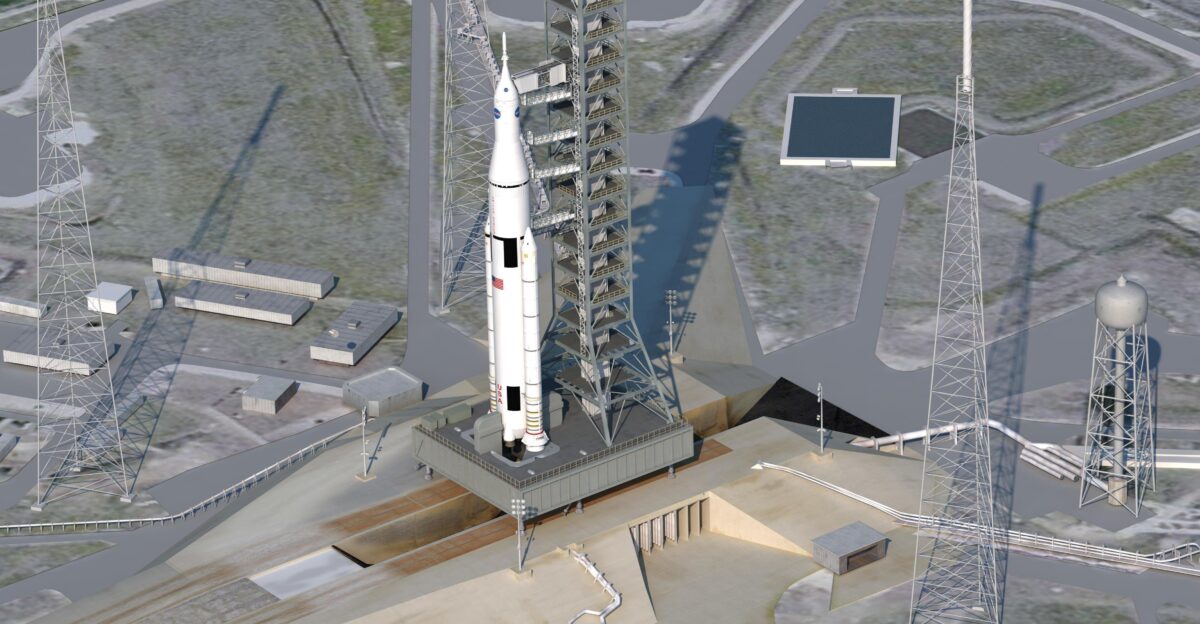
The rollout covered just four miles, but it took nearly 12 hours to complete. NASA’s crawler-transporter carried the SLS from the Vehicle Assembly Building to Pad 39B at a top speed of 0.82 mph.
Teams paused along the way to adjust the crew access arm and verify alignment. The deliberate pace reflects caution: this is the first time the SLS will fly humans beyond low Earth orbit.
Apollo’s Last Echo
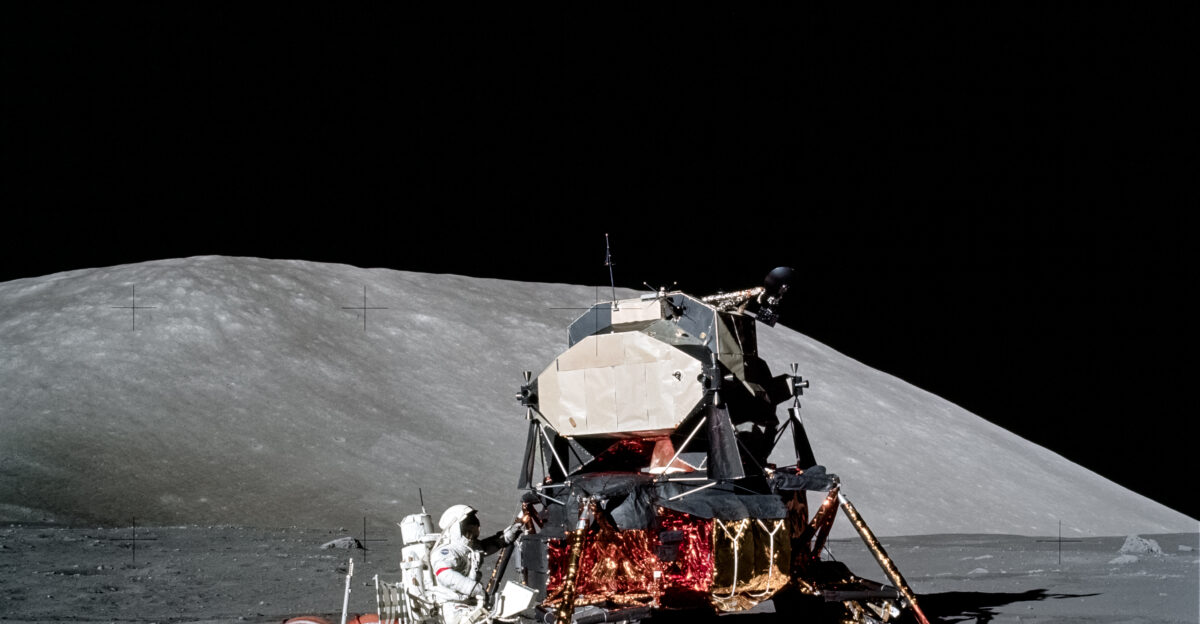
The last humans to orbit the Moon flew aboard Apollo 17 in December 1972. Astronauts Gene Cernan and Harrison Schmitt walked on the lunar surface while Ronald Evans orbited above.
Since then, no crewed spacecraft has ventured beyond low Earth orbit. Artemis II closes a 54-year gap, marking the first crewed lunar mission since Apollo and passing the torch from a dwindling generation of moonwalkers.
Delays Build Tension
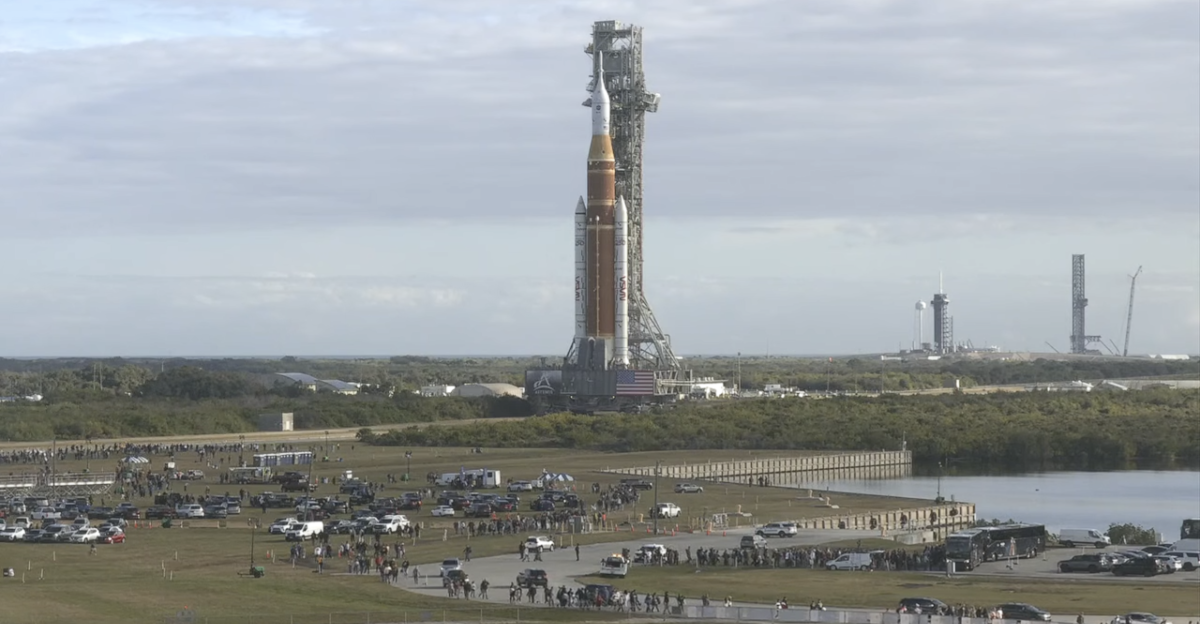
Artemis II has been years in the making. Artemis I’s uncrewed mission in 2022 succeeded, but post-flight analysis revealed unexpected heat-shield wear and fueling complications.
Those findings pushed Artemis II from earlier 2024–2025 targets into 2026. With a narrow February launch window, pressure is high as NASA balances safety, schedule, and long-term Mars ambitions.
Pad Arrival Triumph
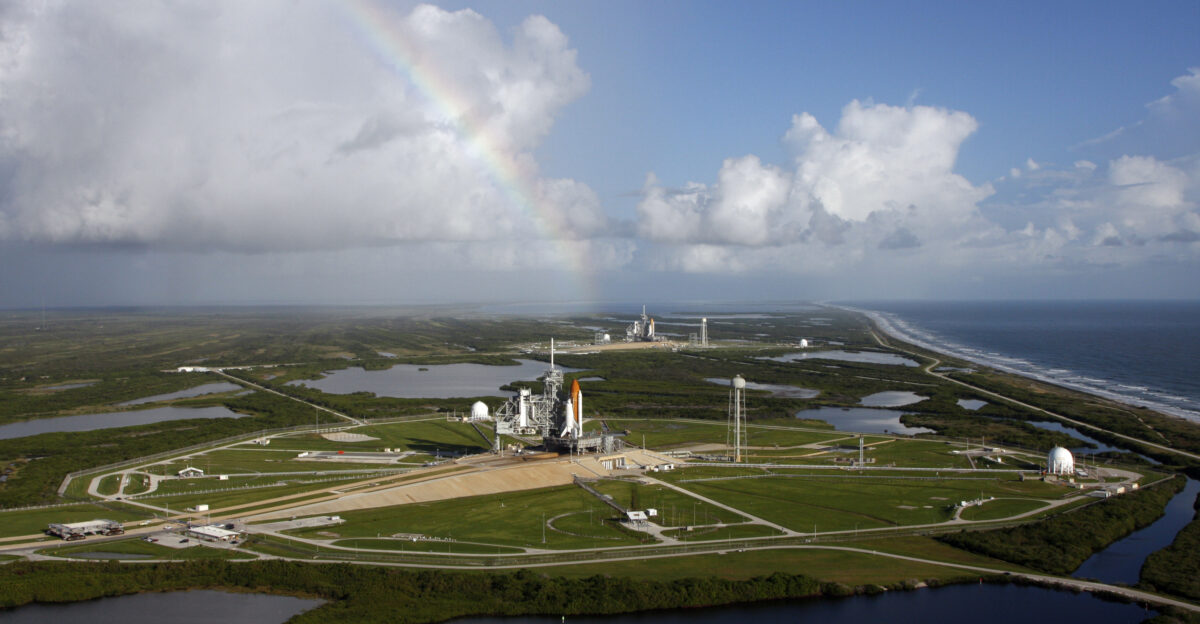
When the rocket reached Pad 39B on January 17, it marked one of Artemis II’s most visible milestones. Standing 322 feet tall, the SLS is the most powerful rocket to ever launch humans into deep space.
The Orion spacecraft now sits atop it, awaiting final testing. NASA is targeting a wet dress rehearsal on February 2, followed by a possible launch as early as February 6.
Florida’s Launch Hub
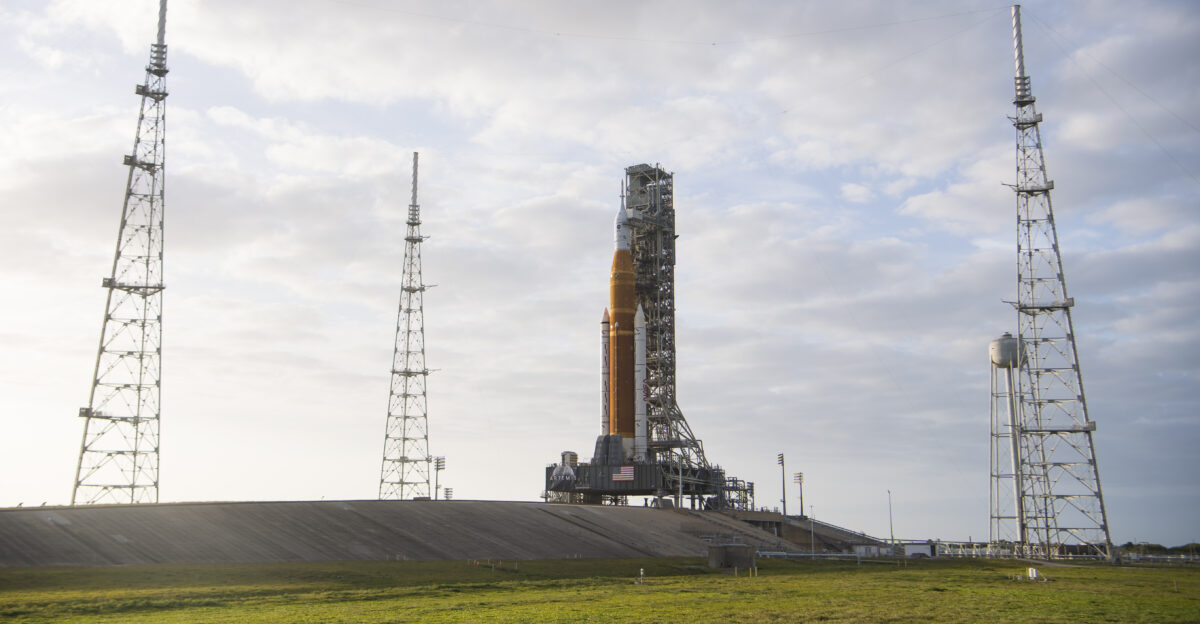
Launch Pad 39B is steeped in history, supporting Apollo missions, space shuttle launches, and now Artemis. Modern upgrades allow the pad to handle SLS’s immense power and cryogenic fueling demands.
Local teams oversee final preparations, from liquid hydrogen loading to lightning protection. The crawler-transporter system remains essential to both mission safety and Florida’s space workforce.
Crew’s High Stakes
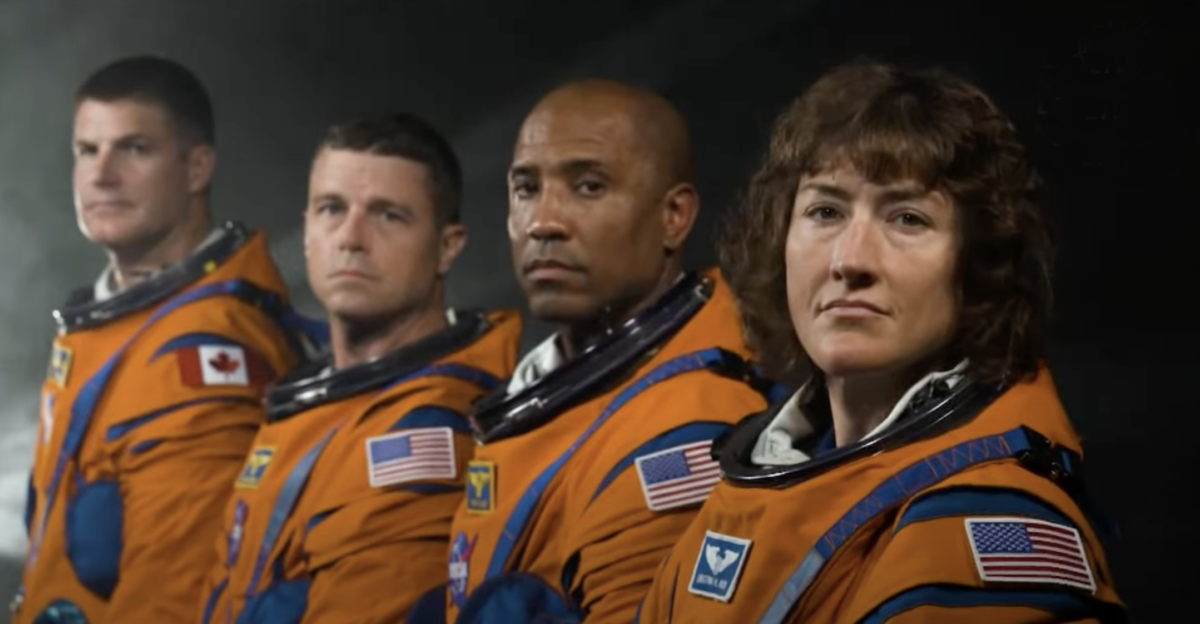
Four astronauts will ride Artemis II: commander Reid Wiseman, pilot Victor Glover, and mission specialists Christina Koch and Jeremy Hansen. Over roughly 10 days, they will travel more than 600,000 miles.
The crew will fly about 6,400 miles beyond the Moon’s far side. The mission will test Orion’s life-support, navigation, and human endurance in deep space.
SpaceX Shadows NASA
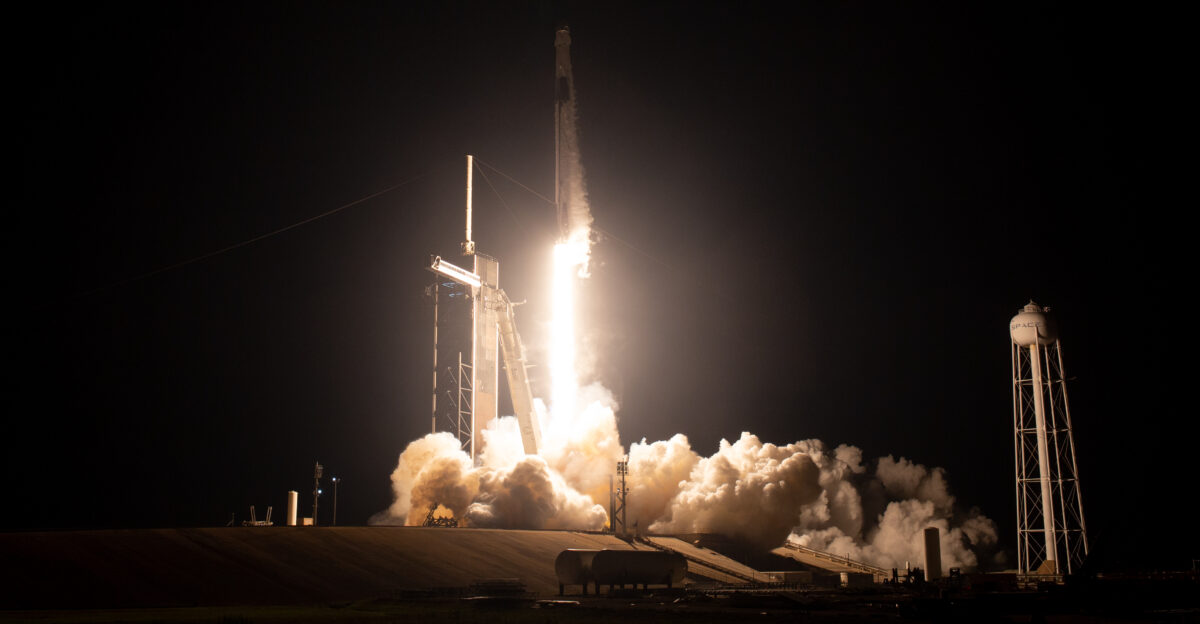
While NASA leads Artemis II with SLS and Orion, commercial partners shape what comes next. SpaceX’s Starship is slated to land astronauts on the Moon during Artemis III.
That mission is expected no earlier than 2027 or 2028. Artemis II must succeed to keep NASA’s timeline intact as private systems mature.
Deep Space Revival Trend
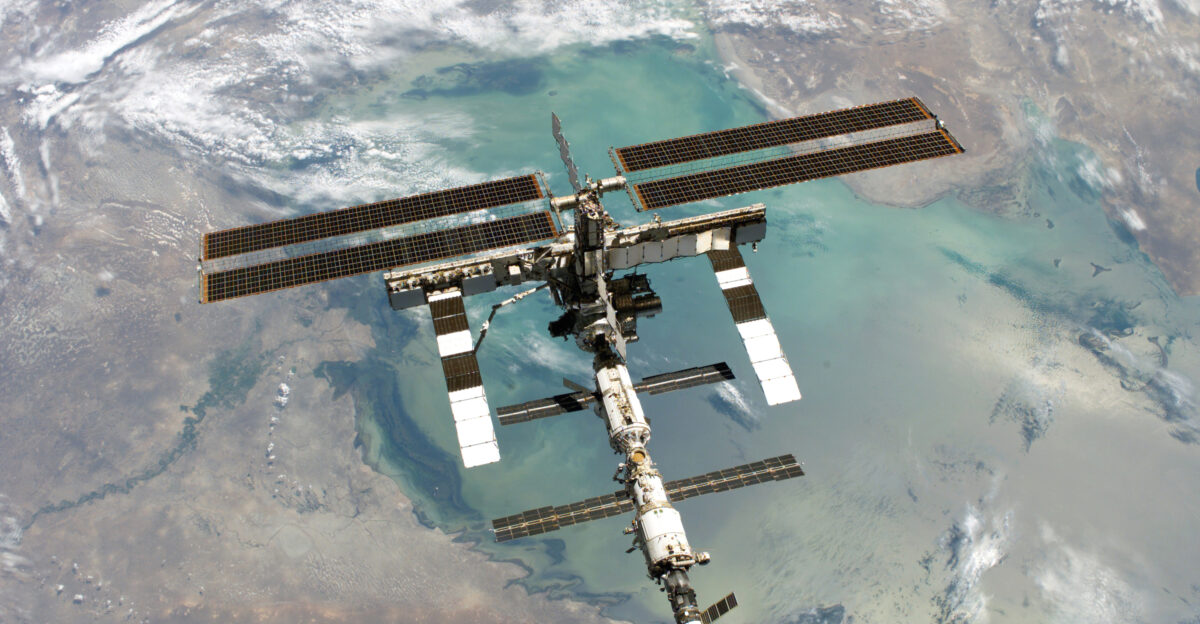
For decades after Apollo, human spaceflight focused on low Earth orbit through the Space Shuttle and International Space Station. Artemis reverses that trajectory.
Translunar injection burns, long-distance navigation, and radiation exposure return to the forefront. NASA frames the Moon as a proving ground for future Mars missions.
Blackout Looms Ahead
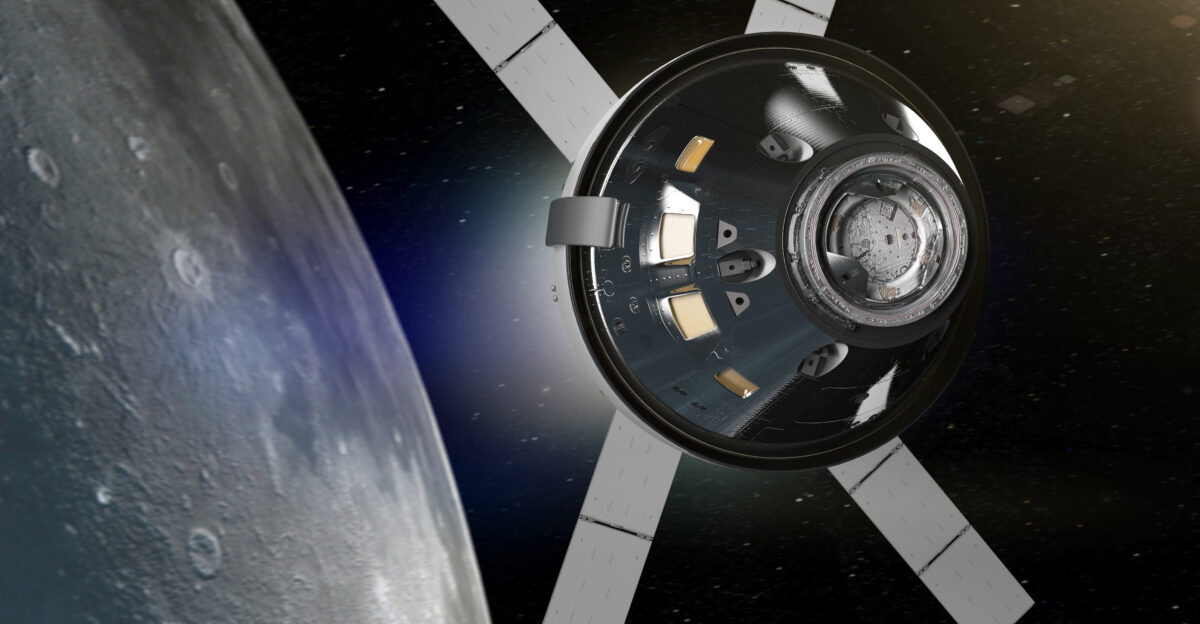
As Orion passes behind the Moon, communication with Earth will temporarily disappear. The crew will rely solely on onboard systems during this blackout.
Artemis II will venture thousands of miles beyond the far side, farther than any human spacecraft has traveled. Astronauts will photograph terrain unseen by human eyes.
Engineers’ Frustrations
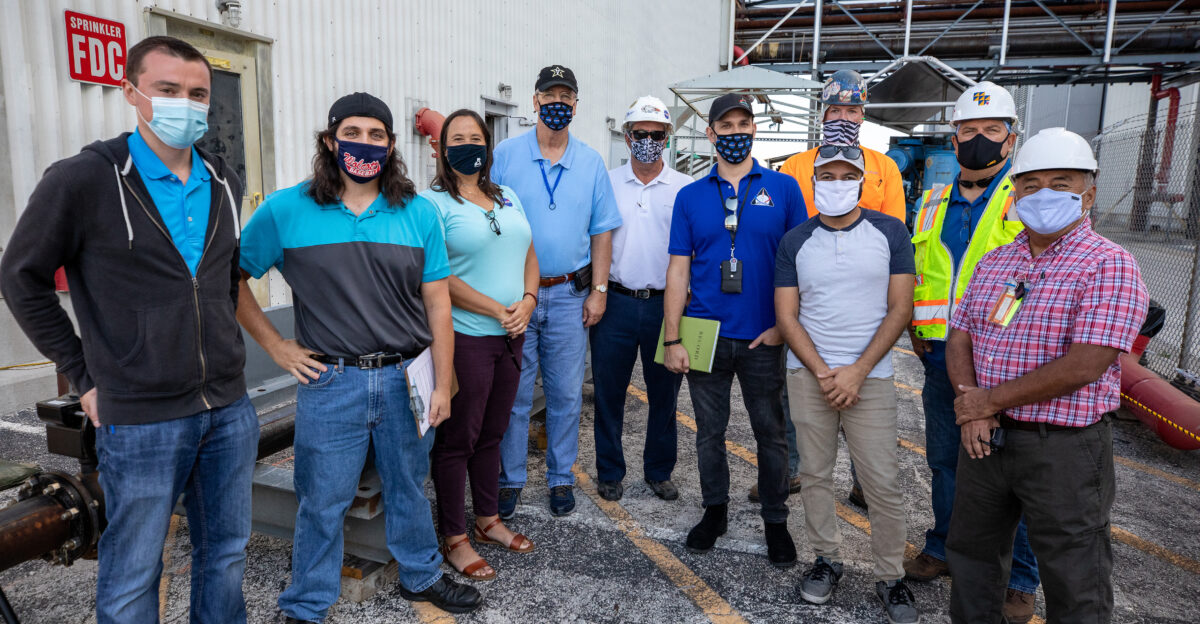
Behind the scenes, Artemis II reflects years of debate and adjustment. Engineers revised fueling procedures and refined hardware margins after Artemis I.
Program leaders stress data-driven caution. Jeremy Hansen’s seat underscores both international trust and the complexity of flying humans on a new spacecraft.
Leadership Steers Course
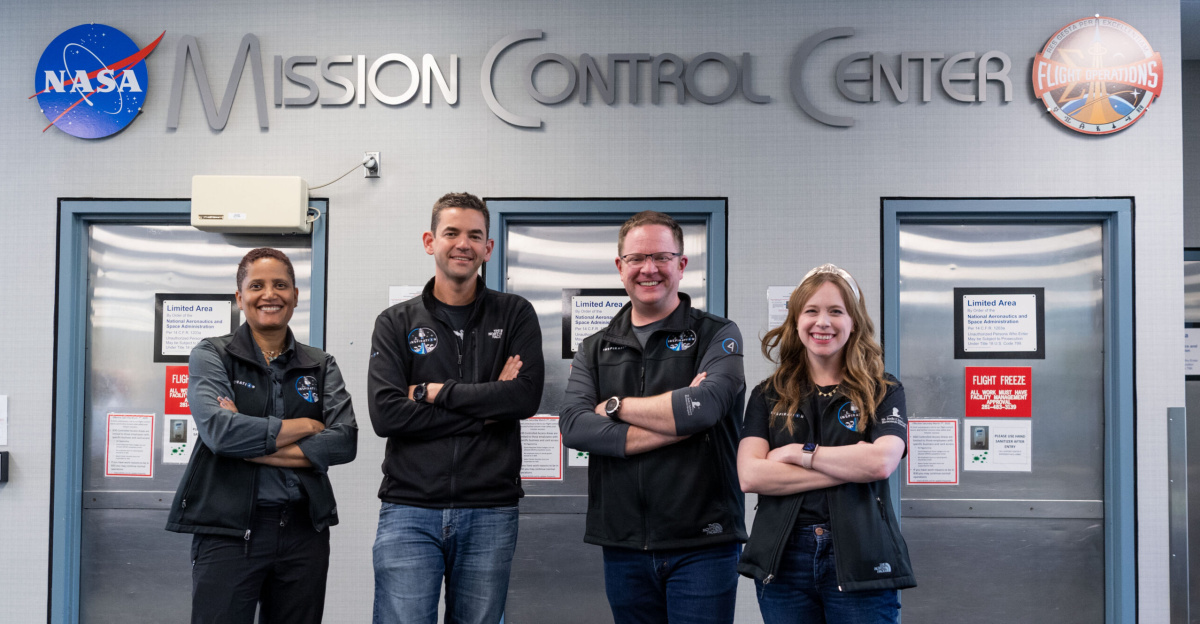
NASA Administrator Jared Isaacman has praised the workforce’s persistence as Artemis evolved across administrations. The Artemis II crew was named in 2023.
While the program traces roots to earlier initiatives, modern Artemis gained momentum after Space Policy Directive-1. The result is a multinational architecture for exploration.
Rehearsal Comeback Plan
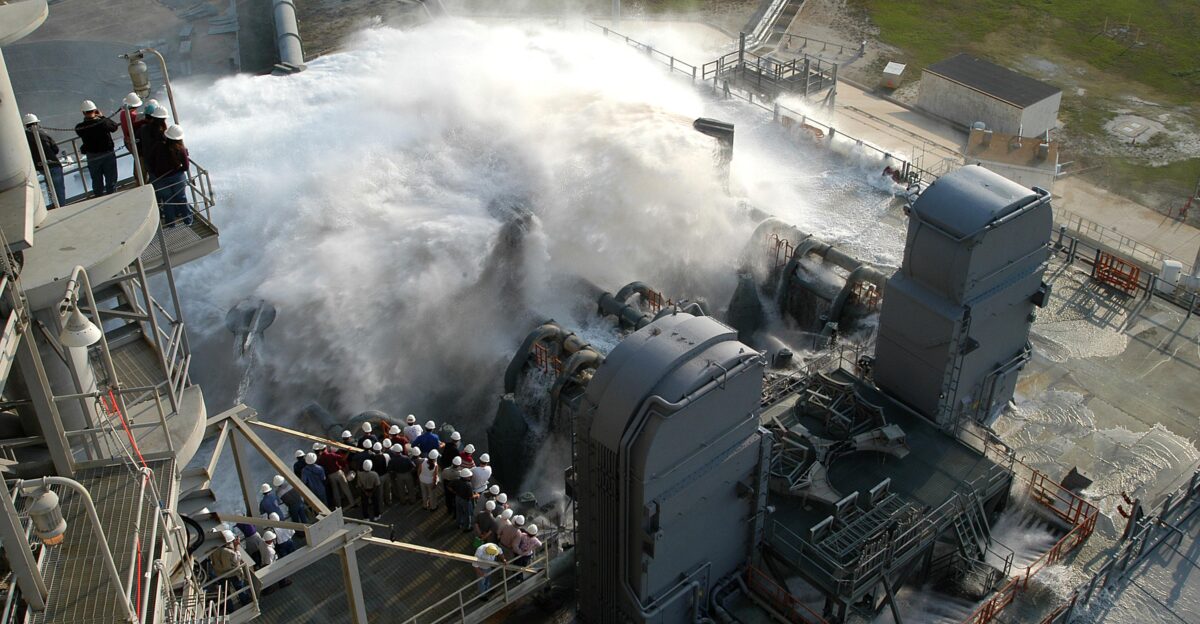
The February 2 wet dress rehearsal will load nearly 700,000 gallons of super-cold propellants into the SLS. Teams will run the countdown to just before ignition.
Success opens a February 6–11 launch window. If problems arise, NASA could roll the rocket back to the Vehicle Assembly Building.
Experts Weigh Risks
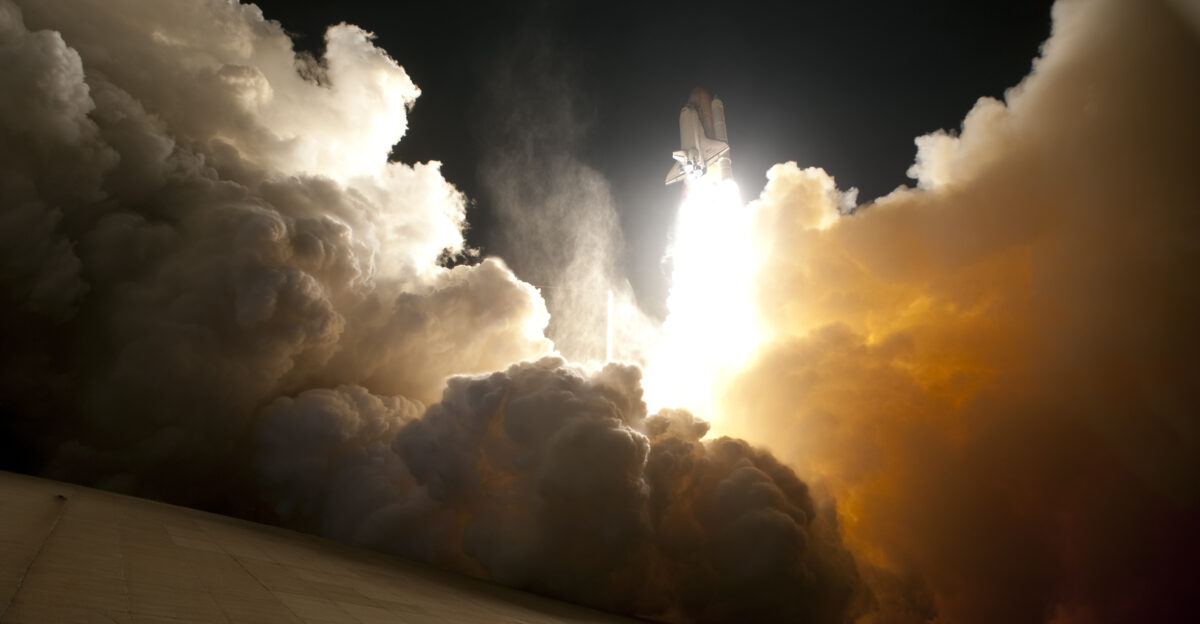
NASA officials acknowledge that additional rehearsals remain possible if data warrants it. External reviews have warned that future lunar landings could slip toward 2028.
Agency leaders point to Orion’s deep-space performance as risk-reducing. For now, NASA maintains confidence in an early-2026 Artemis II launch.
Mars Horizon Beckons
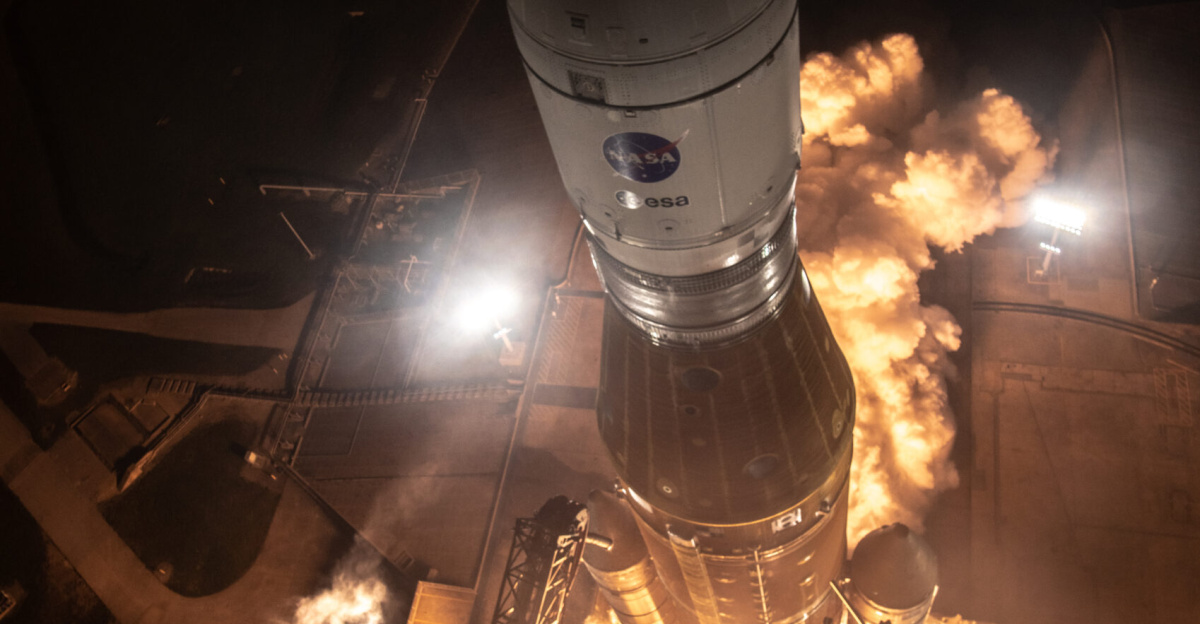
Artemis II is more than a Moon mission. Its 10-day, 600,000-mile journey will test radiation exposure limits and crew autonomy.
These data inform future Mars planning, where missions could last years. Questions remain about how fast SLS and Orion can evolve.
Policy Power Plays
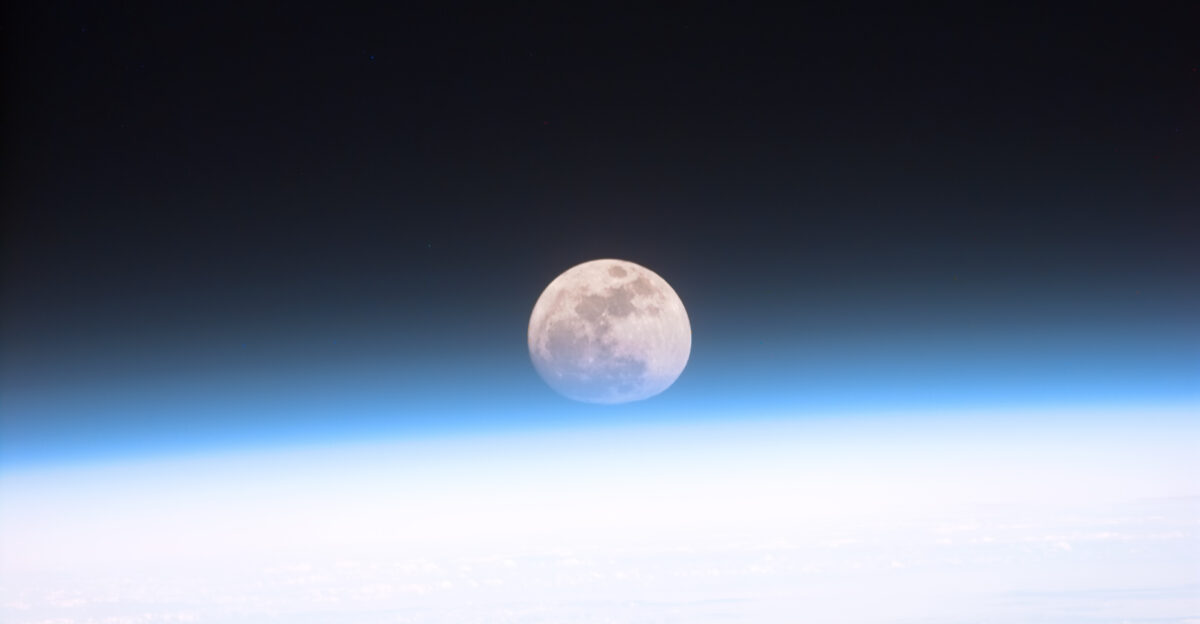
Congress continues funding Artemis to preserve U.S. leadership in space. Despite schedule slips, bipartisan support has largely held.
NASA emphasizes continuity as China and other nations announce lunar ambitions. Artemis II now carries geopolitical weight.
Global Crew Unity
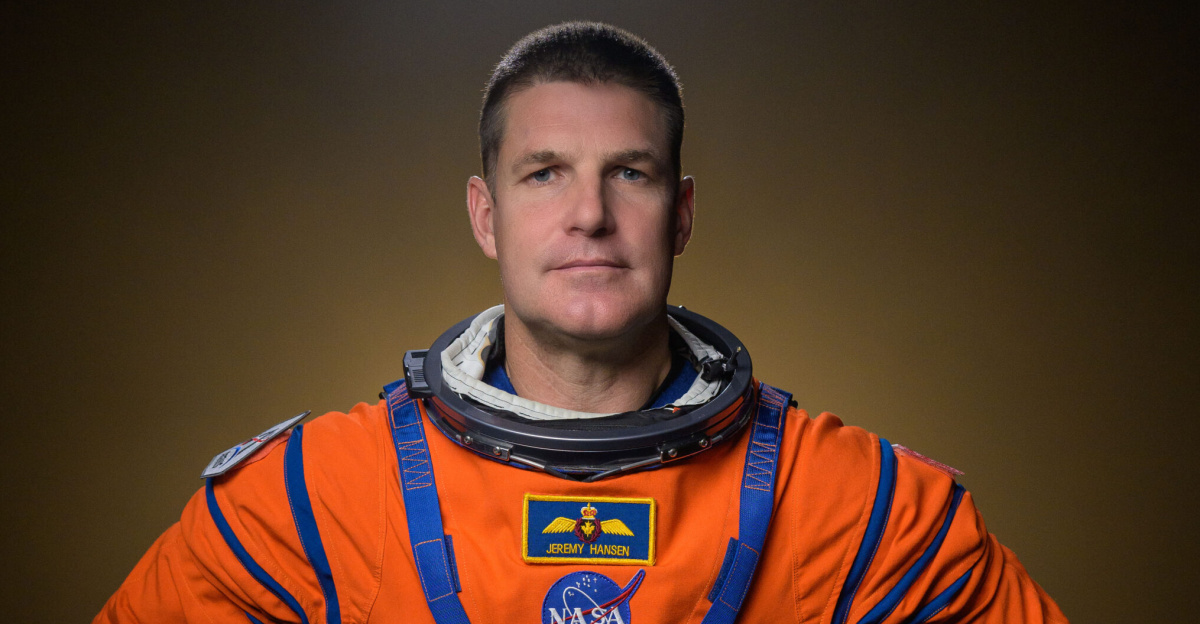
Jeremy Hansen becomes the first Canadian astronaut assigned to a lunar mission. His role reflects commitments under the Artemis Accords.
International media followed the rollout closely. For partner nations, Artemis II represents shared access to deep space.
Heat Shield Scrutiny
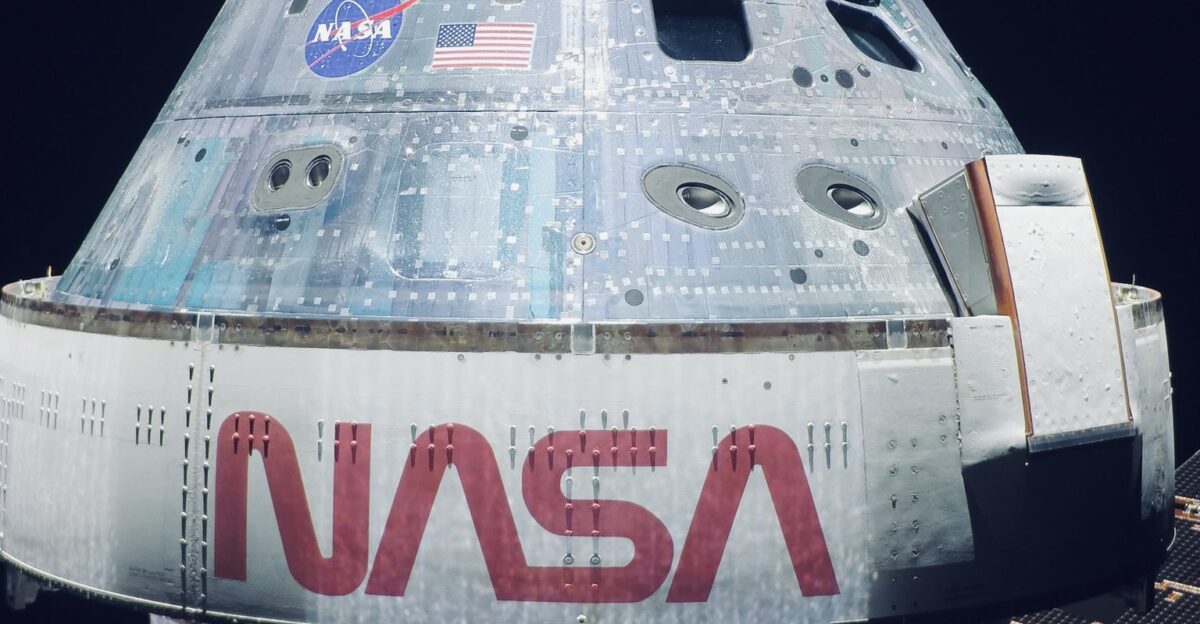
Orion will reenter Earth’s atmosphere at nearly 25,000 miles per hour. Unexpected charring on Artemis I prompted extensive reviews.
NASA has cleared the heat shield for crewed flight. U.S. Navy teams will recover the capsule after Pacific splashdown.
Cultural Moon Fever
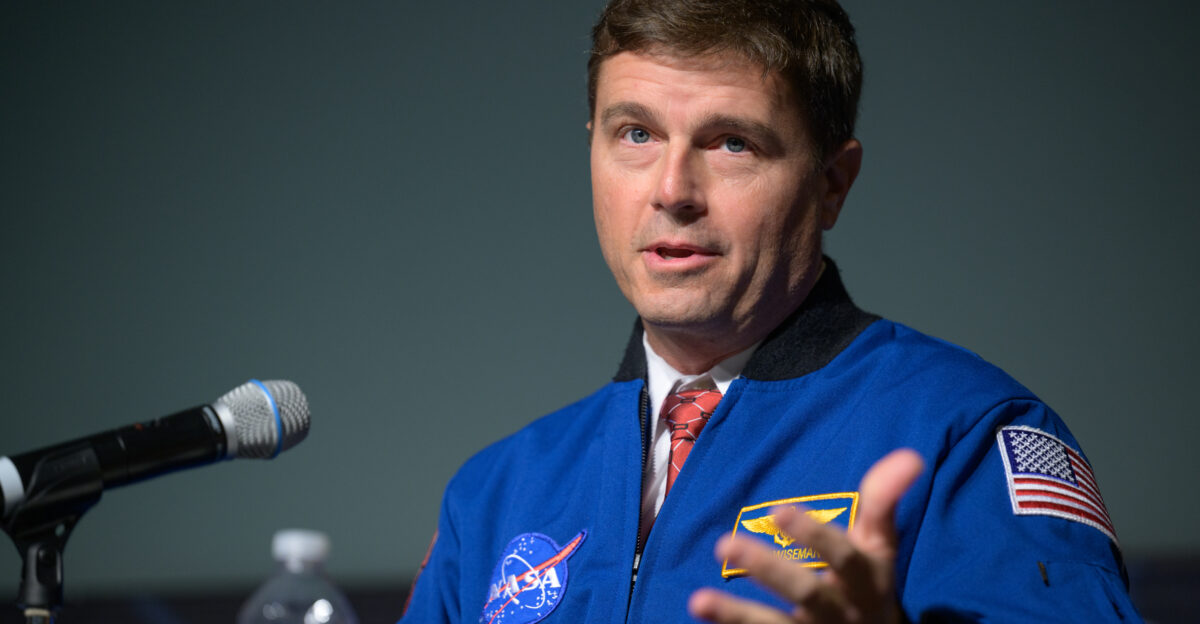
More than half a century after Apollo, Artemis II resonates across generations. Only four of the original twelve moonwalkers remain alive.
The new crew reflects broader representation. Millions have submitted names to fly aboard Orion.
Humanity’s Next Leap
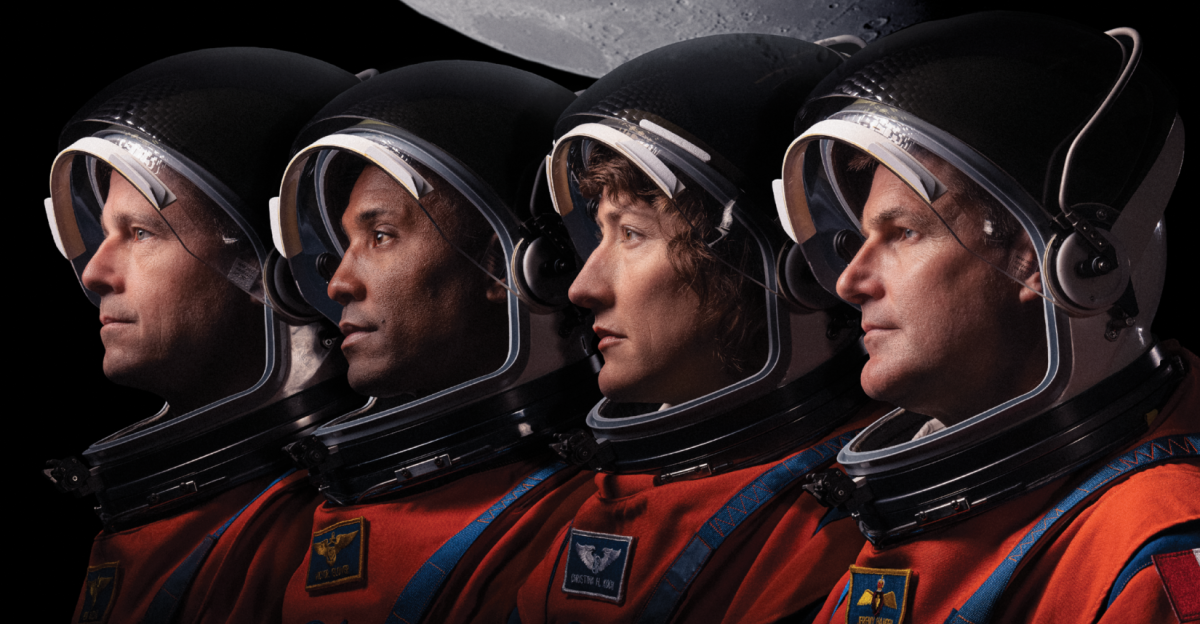
With Artemis II on the pad, the United States stands on the edge of a renewed lunar era. The mission links Apollo’s legacy to future ambitions.
Success would demonstrate enduring deep-space capability. The question ahead is how humanity chooses to use its return to the Moon.
Sources:
NASA, Artemis II Moon Rocket Ready for Big Move, January 15, 2026
BBC, Artemis II: Nasa’s mega Moon rocket arrives at launch pad, January 17, 2026
NASA, NASA Identifies Cause of Artemis I Orion Heat Shield Char Loss, December 5, 2024
Canadian Space Agency, The Artemis II mission, April 2, 2023
SpaceQ, Updated timeline – First Artemis 2 wet dress rehearsal scheduled, January 18, 2026
NASA, Artemis II: Meet the Moonbound Astronauts, January 14, 2026