
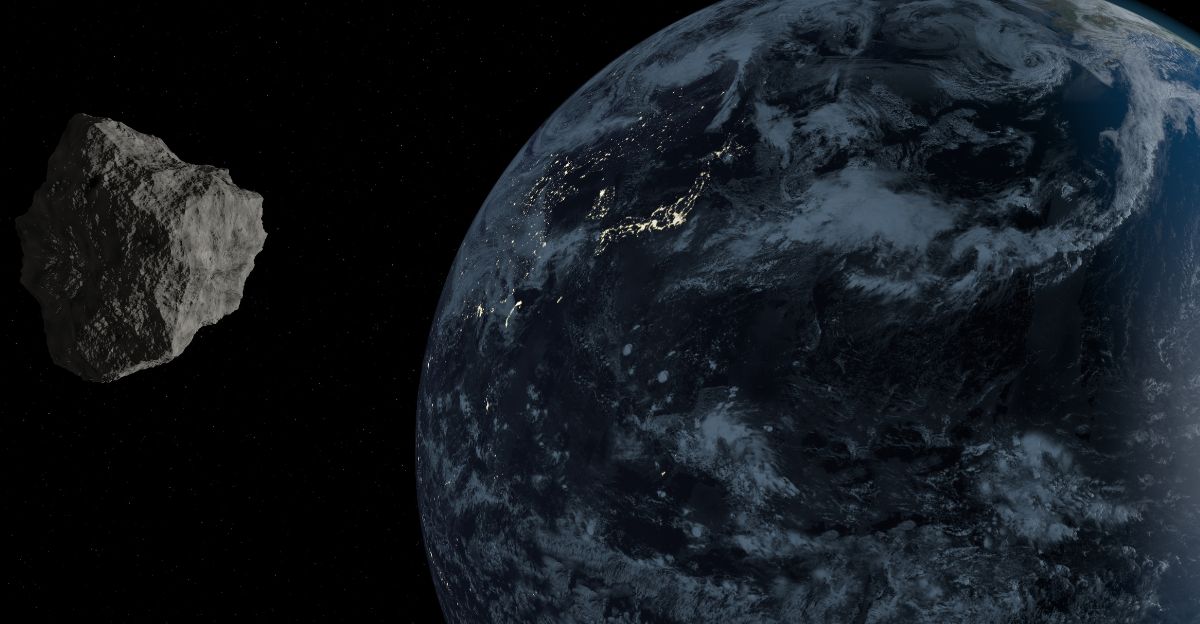
One of the largest asteroids to pass Earth in years is drawing global attention, with NASA confirming its close approach early this morning.
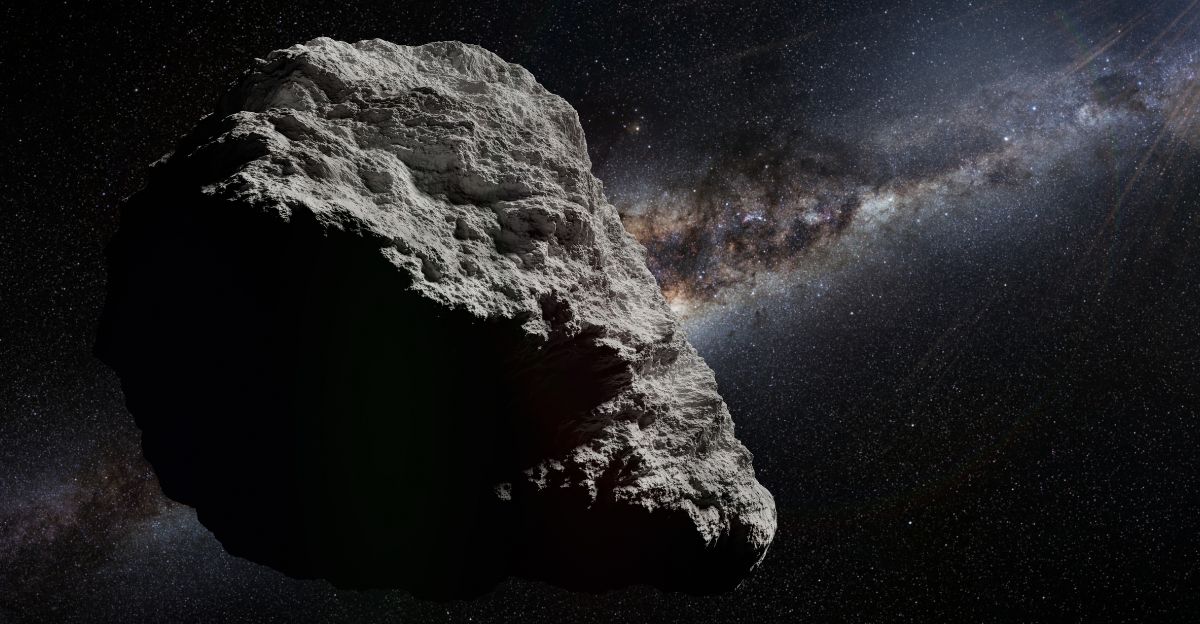
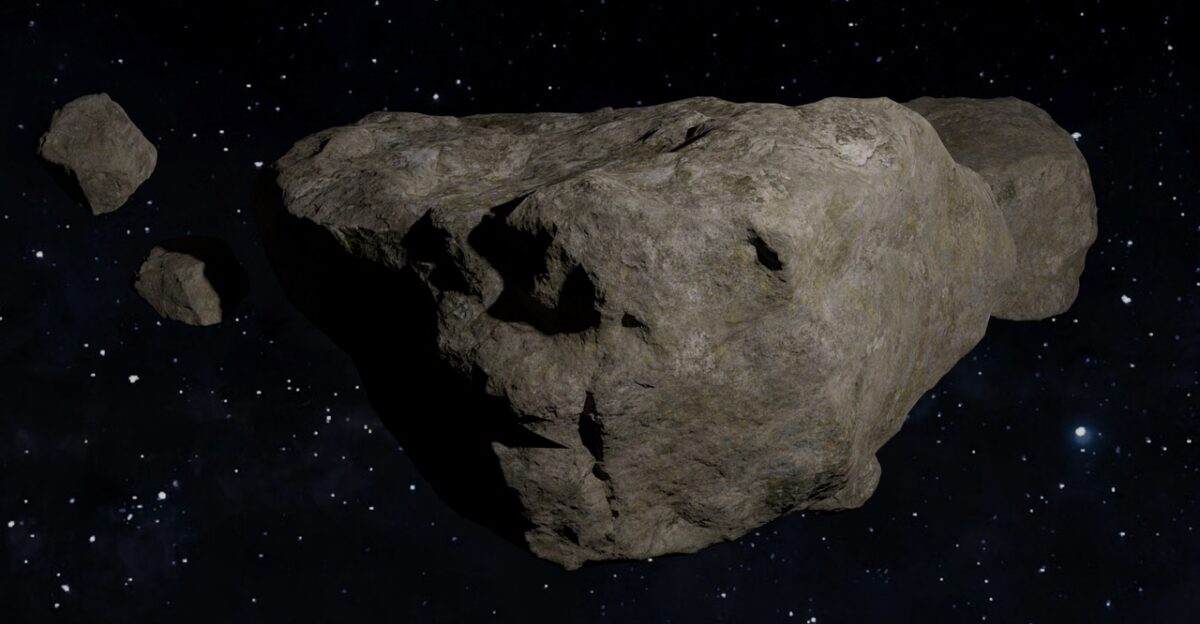
According to NASA’s Jet Propulsion Laboratory, asteroid 2025 FA22 is between 427 and 951 feet wide, classifying it as “skyscraper-sized.”
Mark Boslough, a planetary scientist at Los Alamos National Laboratory, explains, “An object this size could level a city if it struck, but there’s absolutely no danger this time.”
Global Alert Rises
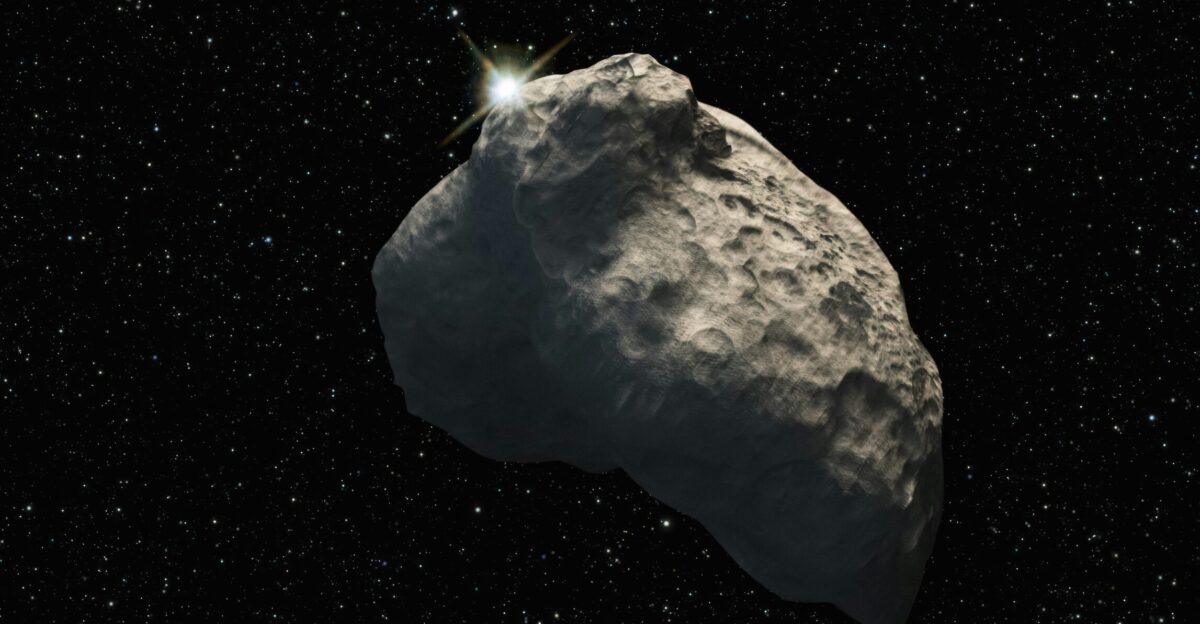
This flyby matters because of the asteroid’s striking size and speed—over 24,000 miles per hour—and the historical anxiety that large objects bring.
The European Space Agency (ESA) adds that any asteroid this big, even with zero risk now, earns priority monitoring.
“Impacts on this scale are rare, but the consequences would be catastrophic,” ESA researchers noted. Astronomers worldwide are now focused on this event.
Decades of Detection

Near-Earth asteroid tracking took shape in the late 1990s, following wake-up calls from earlier space impacts. NASA and ESA invested in sky surveys, establishing networks to constantly scan for new threats.
Over 30,000 near-Earth objects have been catalogued, with new technologies improving early warning systems every year.
Pressure for Preparedness
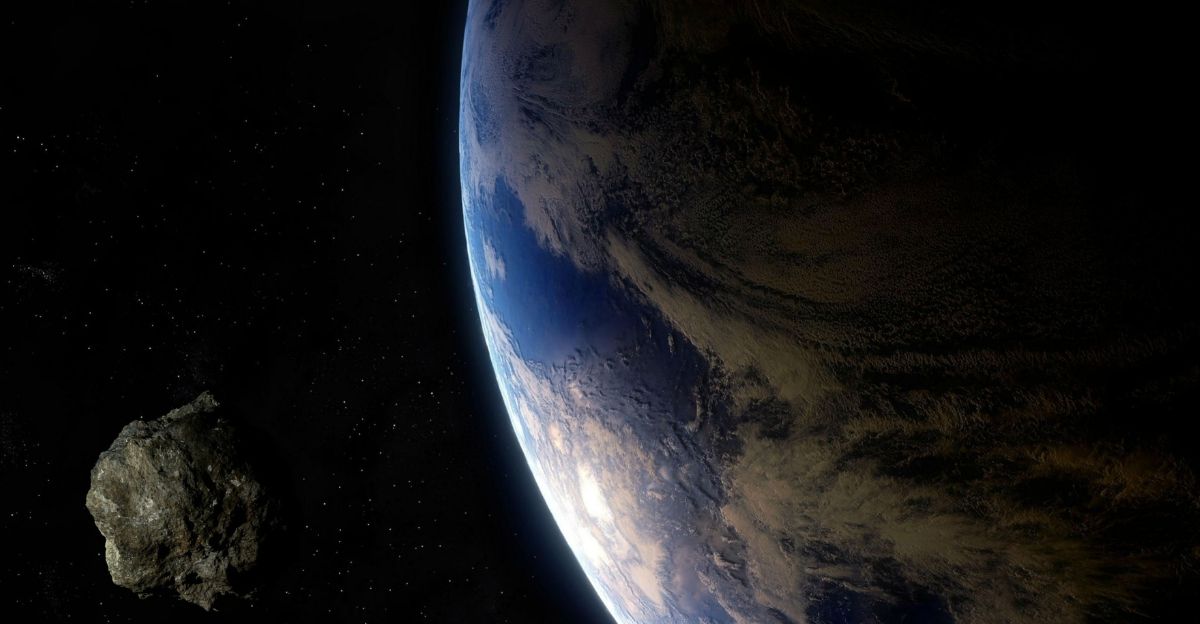
Recent advances mean more potentially hazardous objects are being found each year. Governments are pouring resources into radar and infrared arrays, while the International Asteroid Warning Network (IAWN) leads drills to test global response.
As lead NASA astronomer, Dr. Kelly Fast explains, “Every close pass is a chance to update and refine our emergency protocols.”
2025 FA22’s Approach
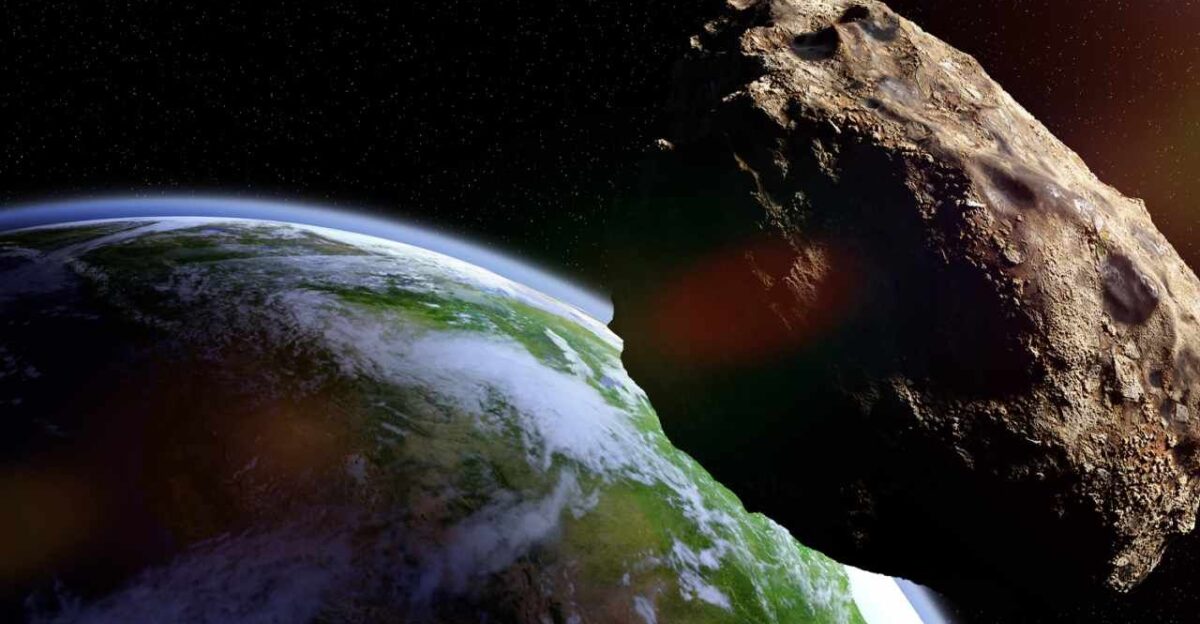
Today marks the closest point of asteroid 2025 FA22’s flyby, racing past Earth at over twice the distance of the Moon—approximately 835,000 kilometers (520,000 miles) away.
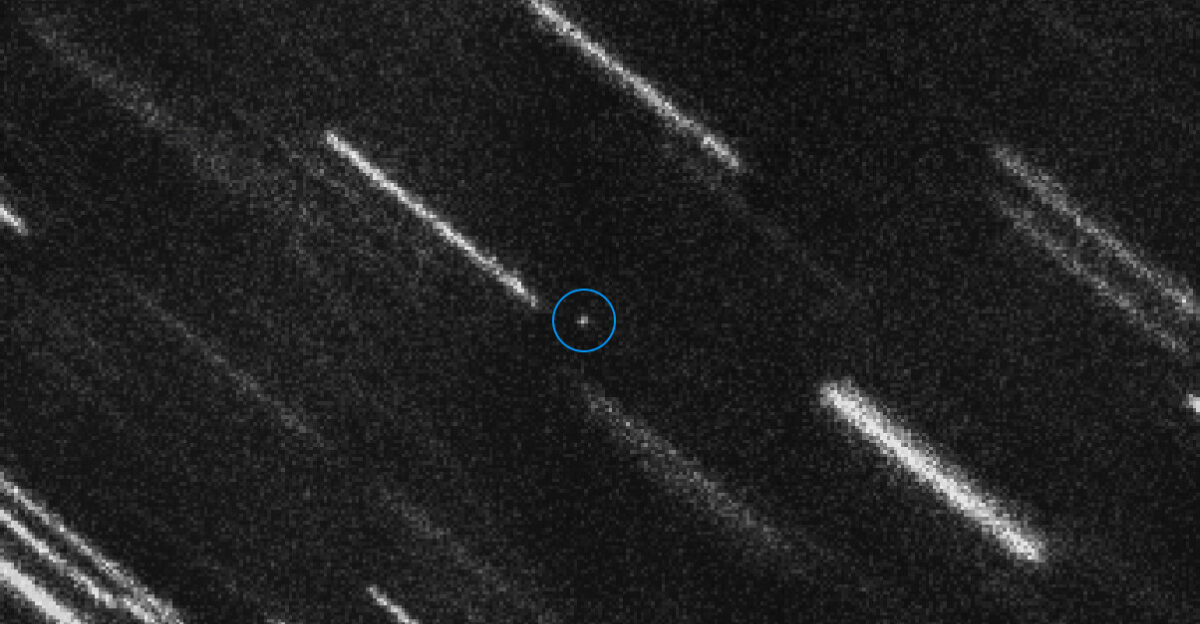
The asteroid moves at 38,600 km/h. NASA first observed it with the Pan-STARRS 2 telescope in Hawaii last March, and worldwide observatories are watching closely.
Regional Consequences Considered

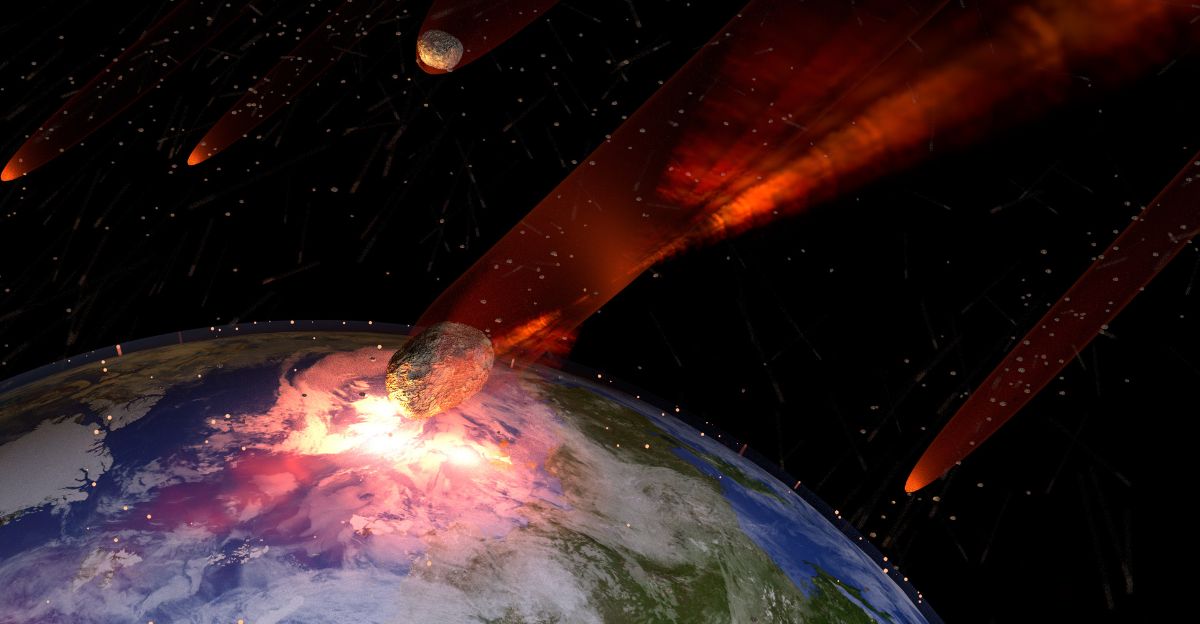
While experts confirm zero risk of impact, simulations model catastrophic outcomes if such a rock actually struck a populated area.
“A direct hit by something this size would be devastating for any city,” says Dr. Amy Mainzer, lead at NASA’s NEO program. Even so, its current pass is entirely safe.
Public Voices, Real Questions

As word spread, “Is it coming for us?” trended online. NASA’s Lindley Johnson has publicly reassured, “People should not be worried—this is a routine flyby.”
Still, curiosity has soared, with amateur astronomers preparing telescopes and the Virtual Telescope Project streaming the pass live.
Watchdog Agencies at Work
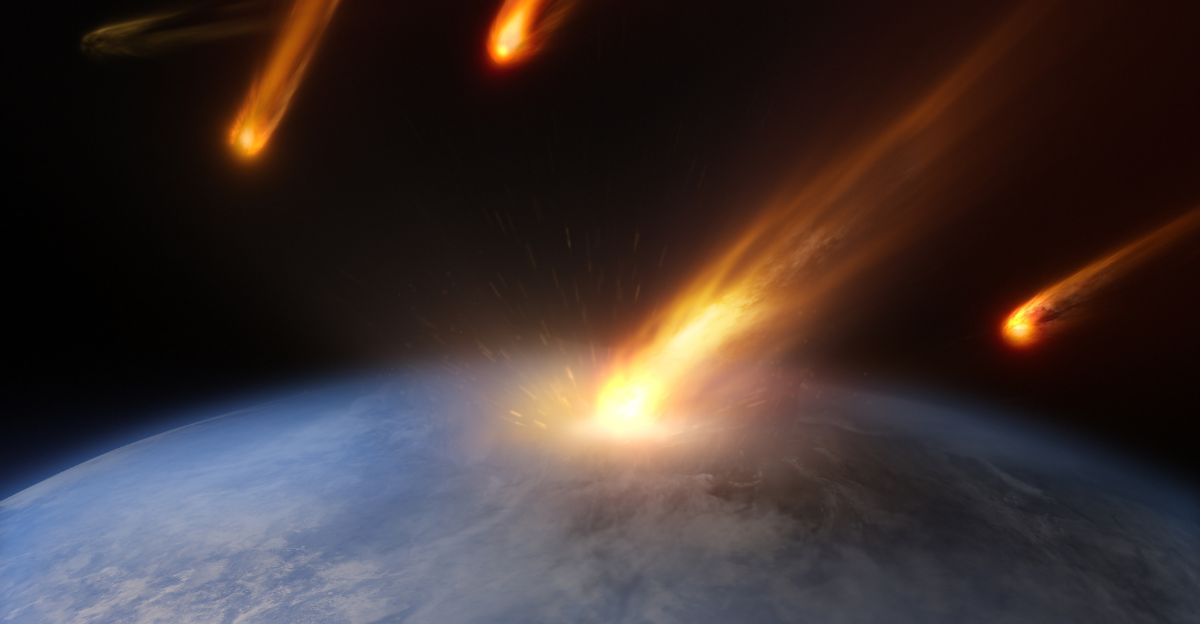
This event highlights the rapid response collaboration between NASA, ESA, and global partners. Protocols demand immediate public alerts when asteroids meet “potentially hazardous” definitions.
For 2025 FA22, alerts circulated worldwide within hours of its initial detection in March, demonstrating the system’s speed and transparency.
A Decade of Defenses
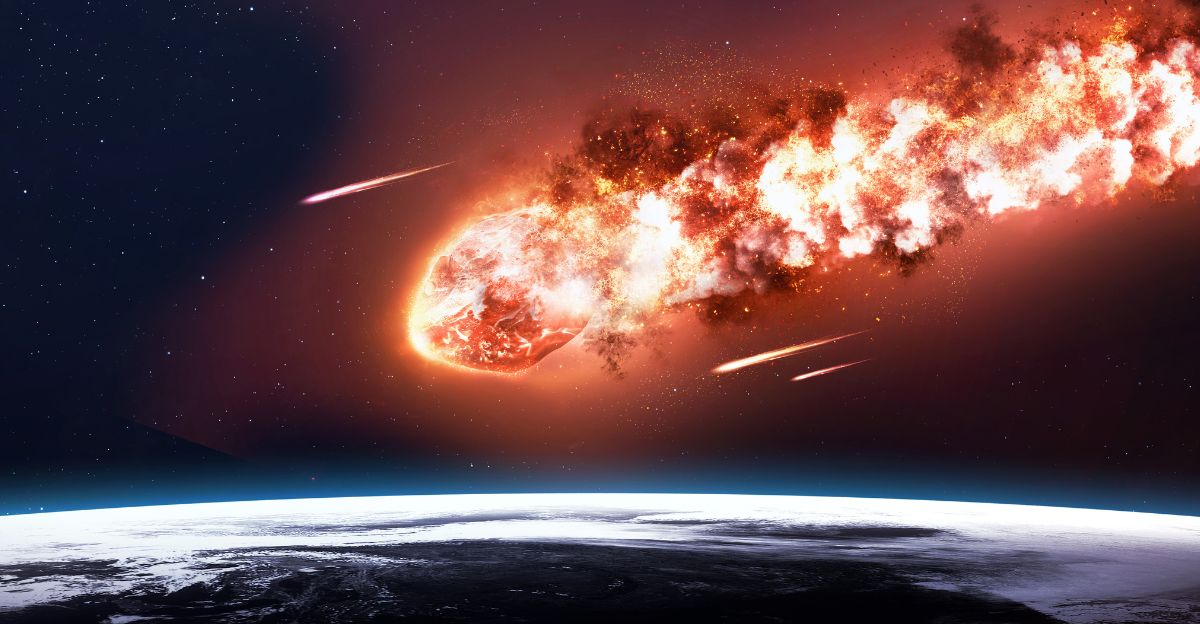
The 2013 Chelyabinsk meteor in Russia led to record investments in tracking. Agencies now require annual impact simulations and stress tests.
According to ESA’s Luca Conversi, “Such flybys not only test our technology but help build the public’s trust in science.”
Early Risk, Quick Relief
Upon its March discovery, 2025 FA22 briefly topped the ESA Risk List, raising alarms of a slim 2089 impact chance. But, “Subsequent observations swiftly ruled out any danger,” confirms ESA. The asteroid was officially removed from risk tables in May, turning the focus back to study, not fear.
Agency Tensions Surface
Behind the scenes, researchers debate priorities—should funding favor early-warning scouts or near-term threat simulations?
Some astronomers urge more automation, arguing that “transparency and accuracy must go hand in hand,” as Dr. Alan Harris, asteroid consultant, reminds conference audiences.
Leadership in Action

International asteroid campaigns, like this one led by IAWN, unite top officials and researchers from NASA, ESA, and other agencies.
NASA’s Kelly Fast emphasizes, “This rehearsal gives us more confidence that we’re ready for anything.” Public data releases keep agencies globally accountable.
Strategy for Tomorrow

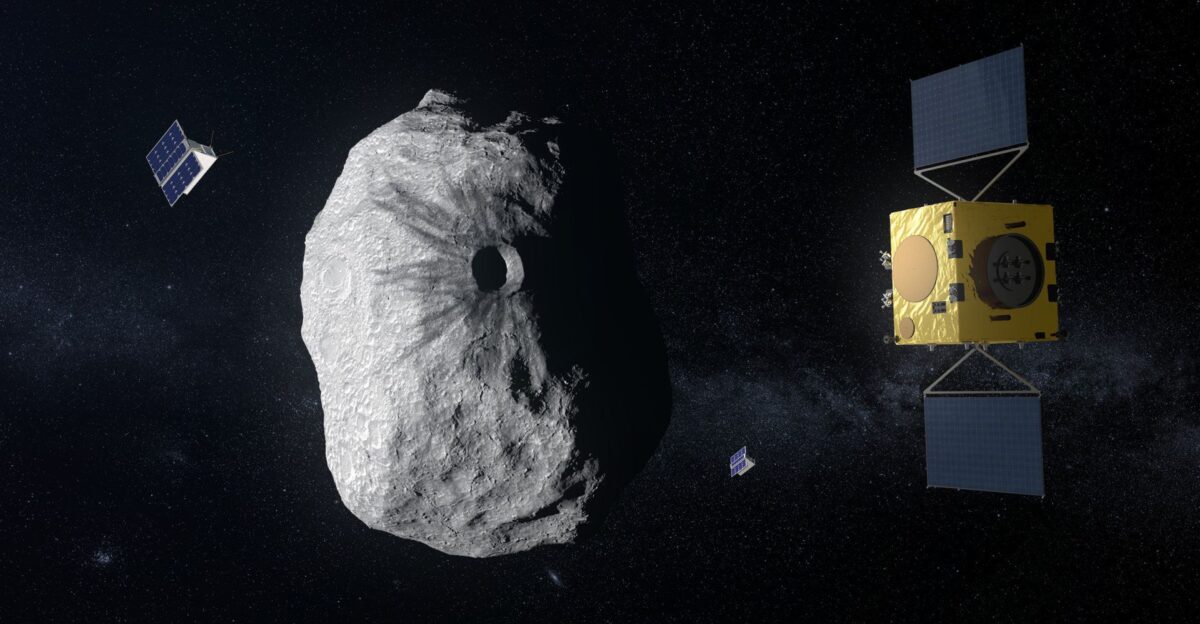
NASA’s adoption of AI-driven tracking this year marks a new chapter for planetary defense. Their DART mission—testing asteroid deflection—is a significant step forward.
“With every initiative, we decrease the odds of a real surprise,” underscores mission director Dr. Elena Adams.
Skeptical Eyes Remain
Not all experts are sanguine. “Small, fast travelers can fly under the radar,” warns Dr. Mainzer. “The next major risk might not announce itself this far in advance, so constant improvement is vital.” Her team continues to refine software and surveys.
Looking Ahead
Attention now turns to improving cross-agency data sharing and even faster alert systems. Nearly 1,600 near-Earth asteroids are flagged for special monitoring annually, with more added as detection technology improves. ESA notes, “Each close approach prepares us for future threats.”
Policy Pivots
Recent close passes have catalyzed legislative pushes for stricter reporting and preparedness drills. Lawmakers are exploring international treaties to standardize future threat responses, hoping to avoid confusion should a real risk emerge.
World on Watch
Asian space agencies, including those in India and China, have responded with parallel networks and data-sharing agreements.
The International Asteroid Warning Network now includes over 30 countries, testing global readiness during this campaign.
Simulation Drills

Emergency agencies in Europe and North America use this close approach to hold simulation drills, imagining a “worst-case” urban strike.
NASA’s Goldstone radar has also begun mapping 2025 FA22’s shape, yielding data for future response models.
Widespread Fascination
Media coverage has spurred widespread fascination—live streams, school watch parties, and trending hashtags are everywhere.
“Events like this turn science into a shared experience,” says Dr. Tanya Harrison, planetary scientist and commentator, to The Debrief.
Broader Lessons

The close pass of a skyscraper-sized asteroid reinforces the power of vigilant science and public coordination.
Every safe flyby is a reminder that, with preparation and transparency, even rare risks can be managed. “Our greatest defense is readiness and informed global teamwork,” concludes NASA’s Lindley Johnson.