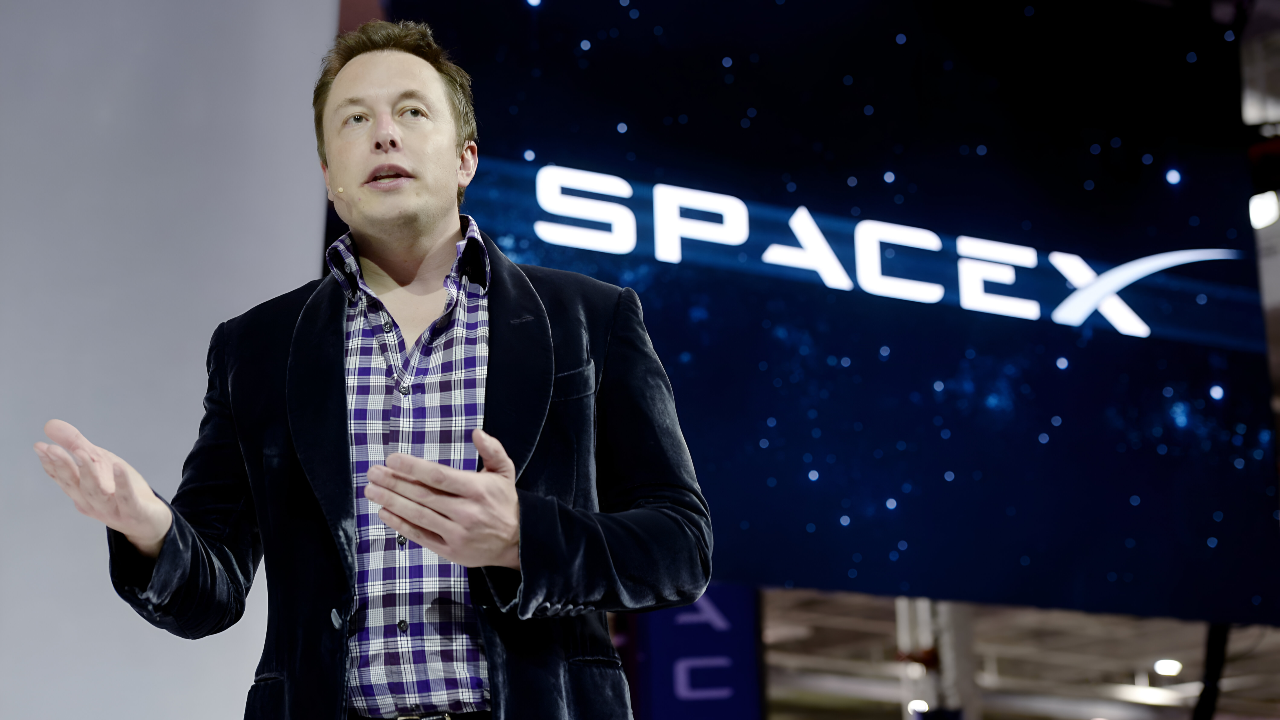
On October 31, 2025, Elon Musk announced SpaceX will deploy data centers in space using Starlink V3 satellites. The billionaire CEO stated these orbital facilities would leverage high-speed laser links already built into the satellites.
This marks a major expansion beyond internet service into cloud computing infrastructure, potentially transforming how America processes artificial intelligence workloads.
The Technology Behind It
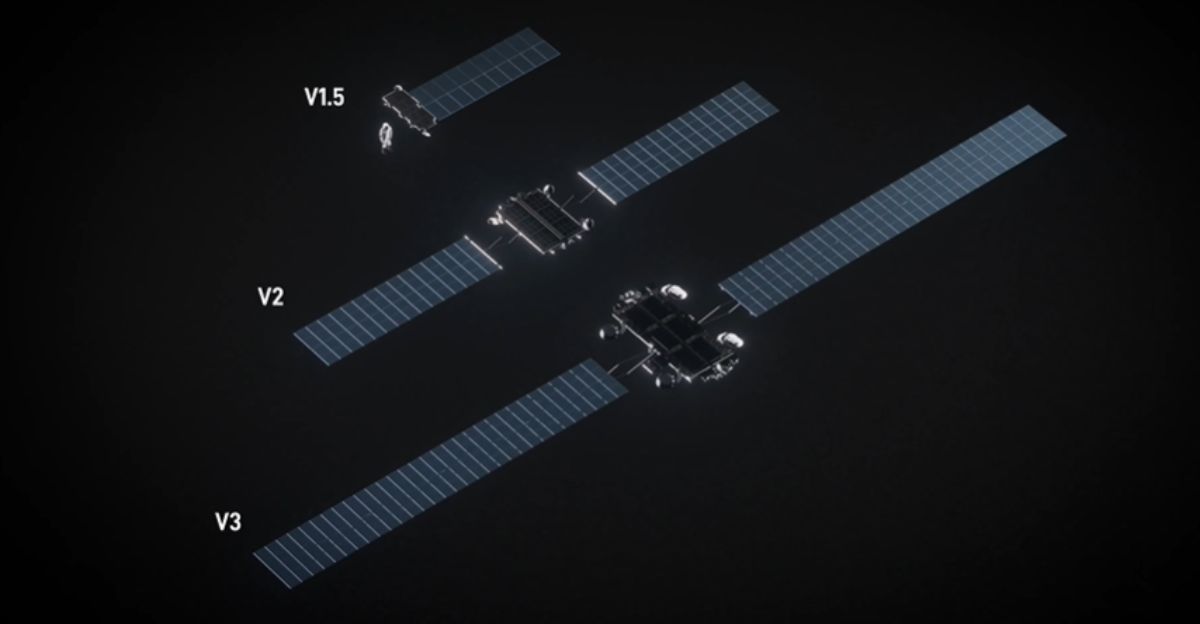
Starlink V3 satellites will deliver 1 terabit per second of download capacity—10 times faster than current models. Each satellite weighs approximately 2,000 kilograms and requires SpaceX’s massive Starship rocket for deployment.
The satellites feature optical inter-satellite laser links operating at 200 gigabits per second, creating a mesh network in space capable of supporting data center operations.
Why Space?
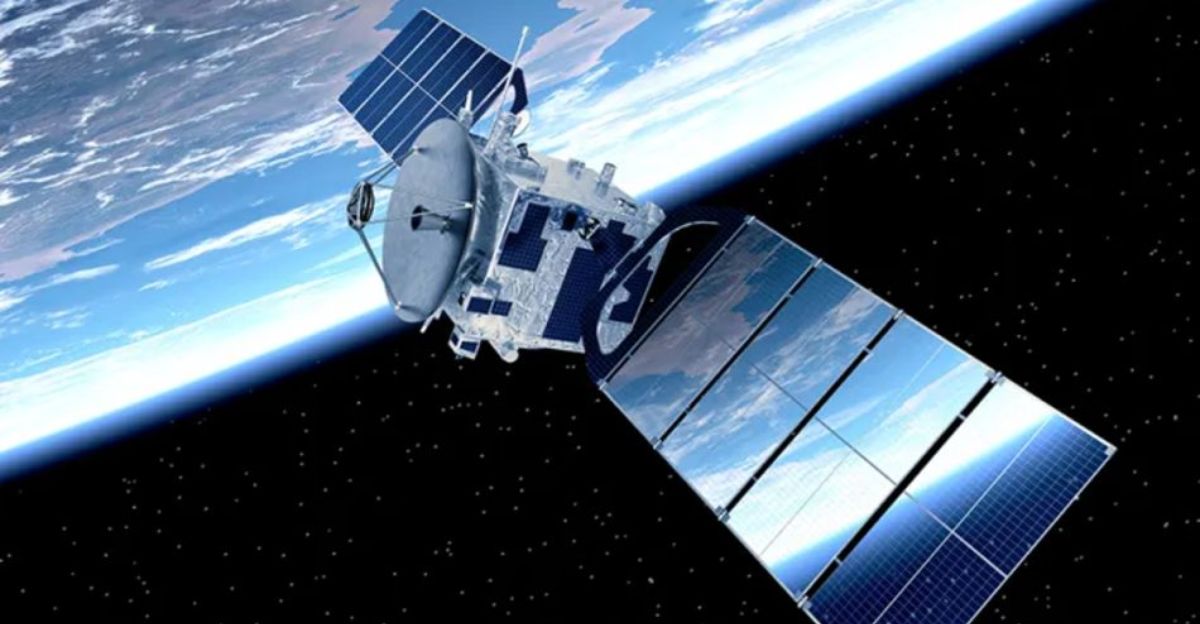
Space-based data centers would access unlimited solar energy and eliminate water cooling needs. On Earth, data centers consume up to 5 million gallons of water daily and face increasing local opposition.
By 2030, U.S. data centers will demand 78 gigawatts of power—more than doubling current consumption—making alternative solutions increasingly attractive.
The AI Connection
Artificial intelligence’s explosive growth drives this initiative. Training GPT-4 alone required 30 megawatts of power, while OpenAI’s latest projects envision multi-gigawatt data centers. A single ChatGPT query uses ten times more energy than a Google search.
With millions of daily queries across multiple AI platforms, space infrastructure offers a potential solution to unsustainable terrestrial demands.
The Billion-Dollar Question
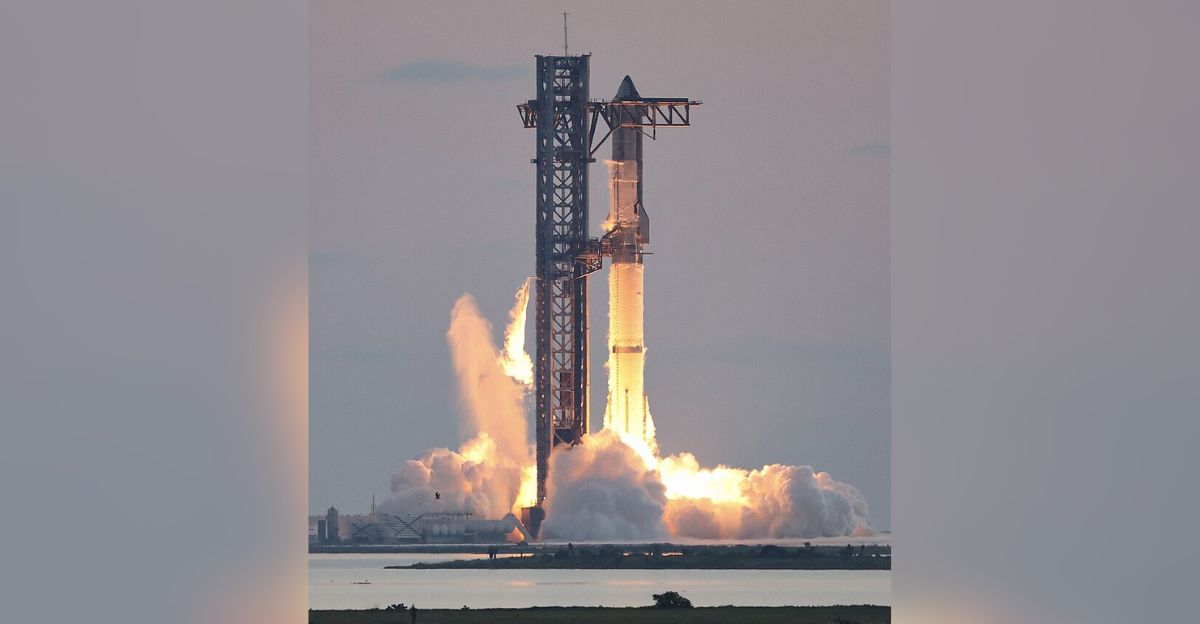
SpaceX has received over $38 billion in government contracts, loans, subsidies, and tax credits since its founding. NASA and the Department of Defense account for the majority—$14.9 billion and $7.6 billion respectively.
An additional $11.8 billion in ongoing contracts could flow to SpaceX over coming years. Space data centers would require substantial investment, though specific funding sources remain unclear.
Government Dependence

In 2020, government contracts represented 84 percent of SpaceX’s total revenue. The company has become indispensable to U.S. national security, launching spy satellites and maintaining critical communications infrastructure.
NASA Administrator Bill Nelson testified that SpaceX’s price competition saved taxpayers $40 billion on military space launches, yet this dominance raises concerns about single-vendor reliance.
Joining the Space Race
SpaceX isn’t alone in this vision. Amazon founder Jeff Bezos predicted gigawatt-scale space data centers within 10-20 years. Former Google CEO Eric Schmidt purchased Relativity Space to pursue orbital computing.
Startup Starcloud launched a test satellite with Nvidia H100 GPU on November 2, 2025, claiming future space facilities could be “ten times cheaper” than Earth-based options.
Environmental Promises
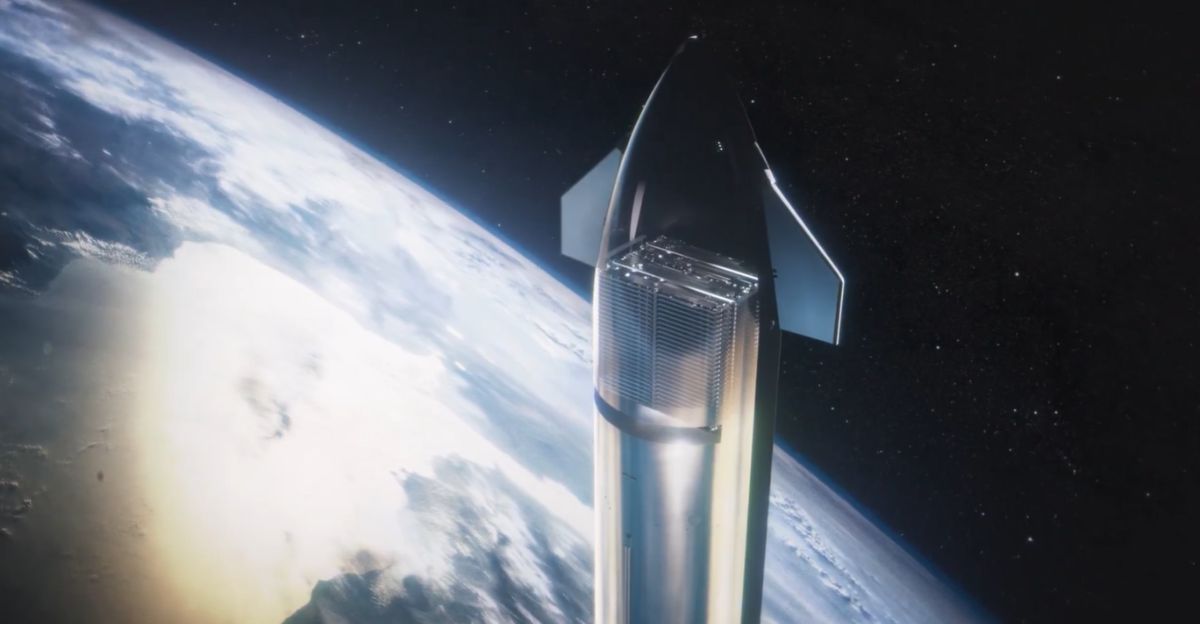
Proponents claim space data centers could reduce carbon emissions by 10 times compared to fossil-fuel-powered terrestrial facilities. The vacuum of space provides natural cooling, and solar panels operate 24/7 without weather interference.
European research consortium ASCEND aims to install 1 gigawatt of space data center capacity before 2050, contributing to carbon neutrality goals.
Environmental Concerns

Critics warn about atmospheric pollution from burning satellites. Starlink satellites already comprise 40% of reentering space debris—over 500 kilograms daily.
When satellites burn up, they release aluminum oxide, potentially depleting the ozone layer and altering Earth’s ability to reflect heat. Scientists worry about unforeseen consequences as thousands more satellites launch.
Space Debris Crisis
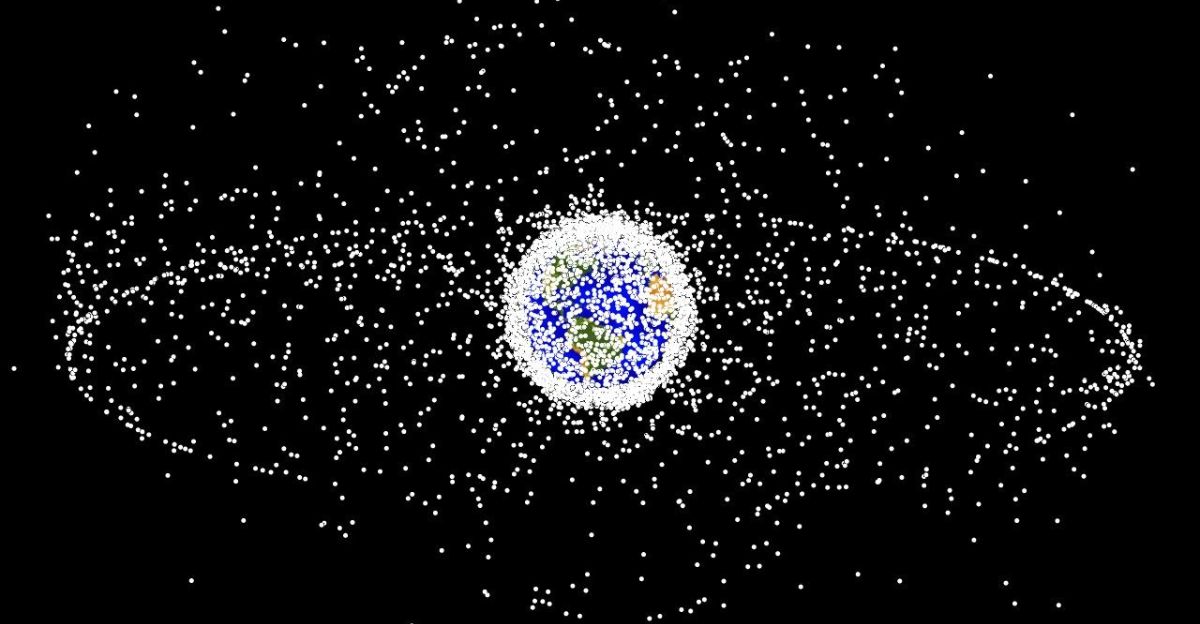
One to two Starlink satellites currently fall to Earth every day, a figure expected to reach five daily as constellations expand.
With 30,000 low-Earth orbit satellites planned from various companies—plus 20,000 more from Chinese systems—experts fear “Kessler syndrome”: a chain reaction of collisions creating so much debris that space operations become impossible.
The Cost Challenge
Launching infrastructure into space costs thousands of dollars per kilogram. Space-based data centers require not just computing equipment but also protective structures, power systems, and cooling infrastructure—all adding weight and complexity.
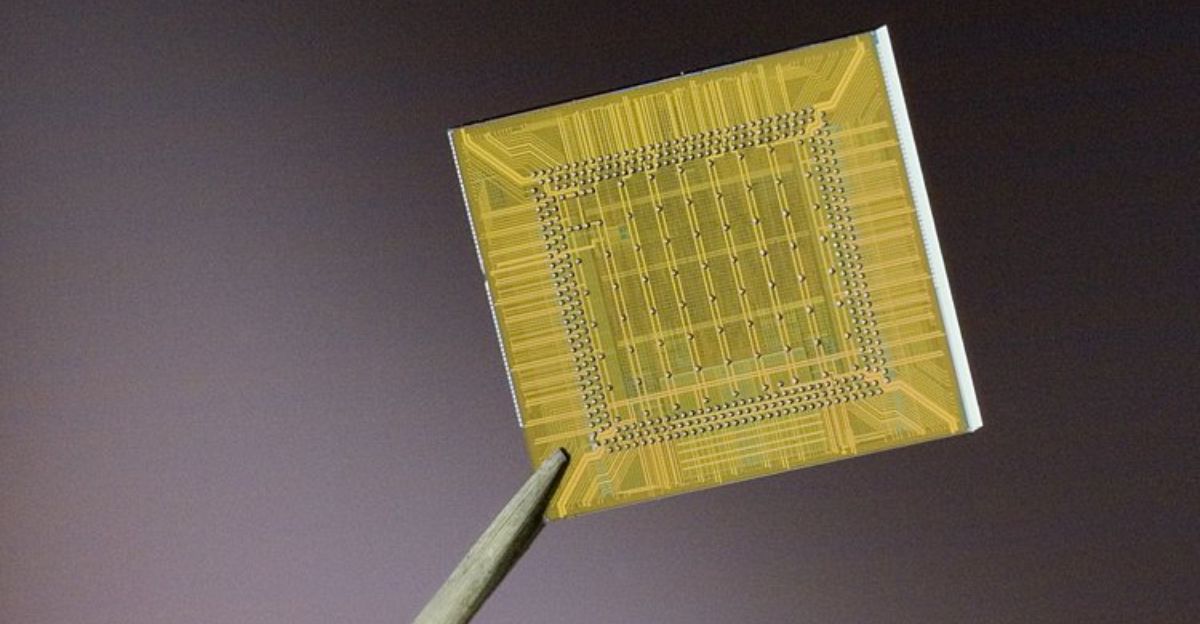
Radiation-hardened processors cost $200,000 each versus $300 for Earth-based equivalents. Simply launching 2,500 server racks could exceed $1.8 billion.
Technical Obstacles

Current data center technology wasn’t designed for space’s harsh environment. Extreme temperatures, cosmic radiation, micrometeorite impacts, and solar flares threaten sensitive electronics.
Cooling without gravity presents unique challenges. Remote repairs are extremely difficult—major hardware failures might require expensive human missions or cause months-long downtime. Robotic assembly technologies don’t yet exist at required scales.
Starlink V3 Specifications
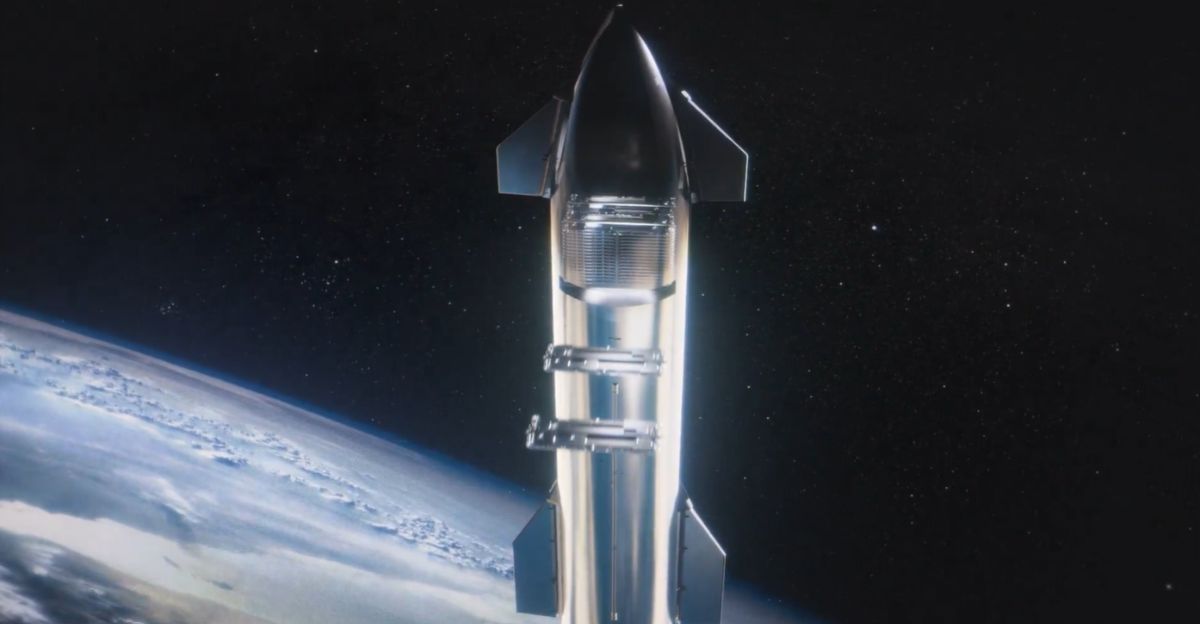
Each V3 satellite provides over 1 terabits per second downlink and 200 gigabits per second uplink—a 24-fold improvement. SpaceX’s Starship can launch 100-120 satellites per mission, adding 60 terabits of network capacity per launch—20 times more than Falcon 9 launches.
The satellites operate at 525-535 kilometer altitudes with sub-20 millisecond latency, supporting both internet and computational workloads.
National Security Implications
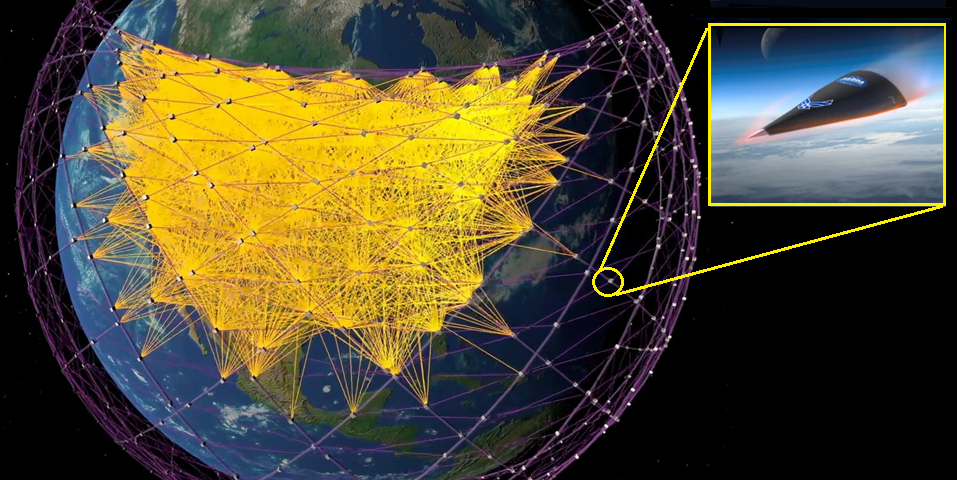
SpaceX’s dominance in space infrastructure creates national security dependencies. The company develops spy satellites for the National Reconnaissance Office under a classified $1.8 billion contract. SpaceX is set to receive $2 billion for President Trump’s “Golden Dome” missile defense project.
If space data centers store sensitive government or military data, cybersecurity vulnerabilities multiply.
Political Controversy

Recent tensions between Musk and political leaders raised questions about contract stability. In June 2025, the White House ordered reviews of SpaceX’s $22 billion in federal contracts following public disagreements. Officials concluded most contracts were “too essential” to cancel.
The situation highlights how personal relationships could influence critical national infrastructure decisions.
Tax Avoidance Questions

Despite billions in government revenue, SpaceX likely pays minimal federal income taxes. Internal documents reveal the company accumulated $5.4 billion in tax losses by 2021, which can offset future taxable income indefinitely thanks to 2017 tax law changes.
Tax experts note the irony: a company heavily dependent on taxpayer funding may contribute little in taxes while its founder leads government cost-cutting efforts.
Infrastructure Investment Requirements

U.S. electric grids need approximately $720 billion in upgrades by 2030 to support growing data center demands. Transmission projects take years to permit and build, creating potential bottlenecks.
Space-based solutions don’t eliminate these challenges—ground stations still require massive power infrastructure to communicate with orbital facilities and distribute processed data. Launch facilities also need significant expansion for increased deployment tempo.
Timeline and Reality Check
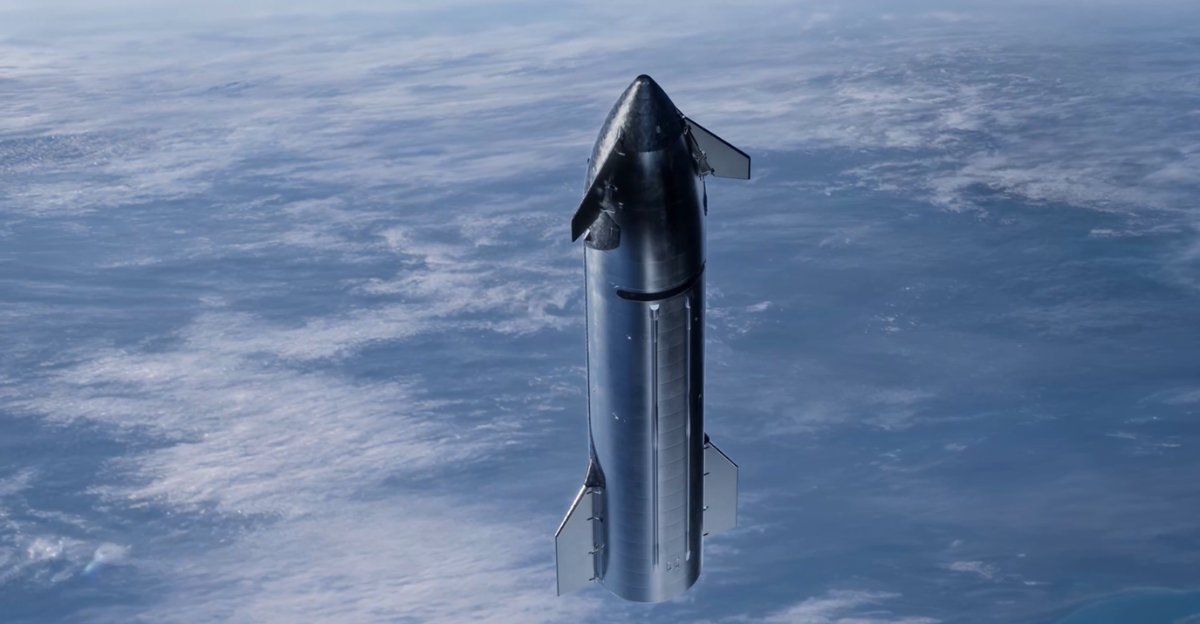
Musk stated on October 31, 2025, that SpaceX “will be doing this” with Starlink V3 satellites. However, specific timelines and implementation scales have not been disclosed.
V3 satellites could begin launching in early 2026, but full data center capabilities would require additional development. Industry experts suggest routine deployment of data center-sized space infrastructure “remains decades away.” Early tests will determine feasibility.
Alternative Voices
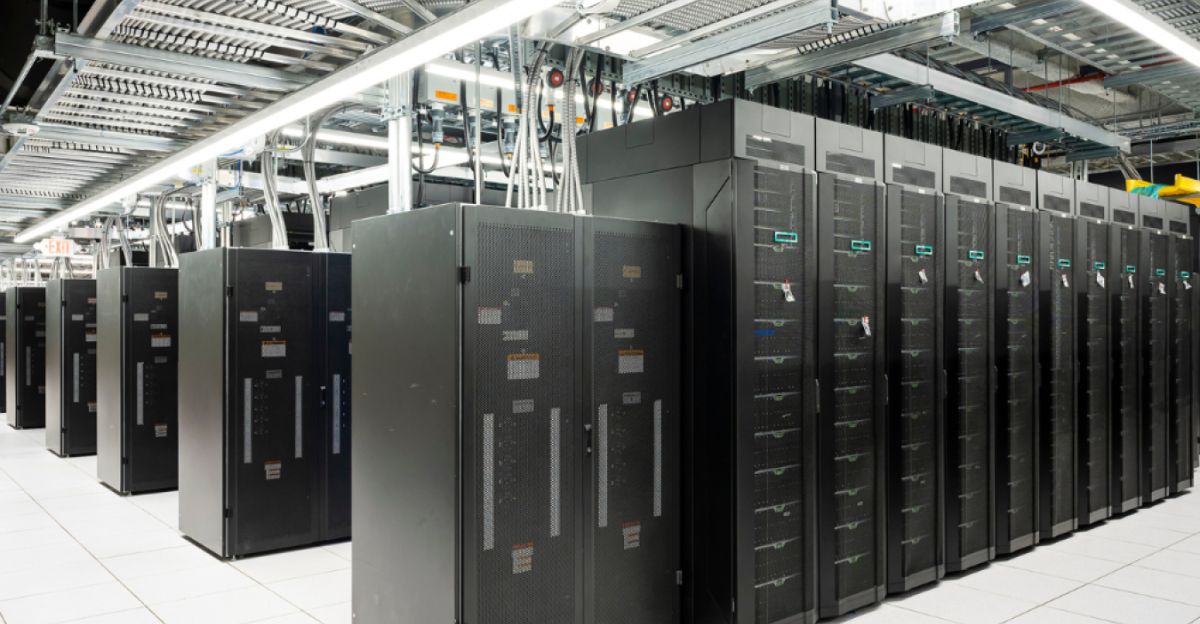
Skeptics question economic viability despite optimistic projections. University College London researcher Domenico Vicinanza notes that “moving data centers to space en masse is still a bit of a moonshot.” Engineering hurdles are “vastly underestimated,” critics argue.
Meanwhile, underground data centers, nuclear-powered facilities, and efficiency improvements offer more immediate, proven alternatives requiring no orbital deployment.
What Happens Next
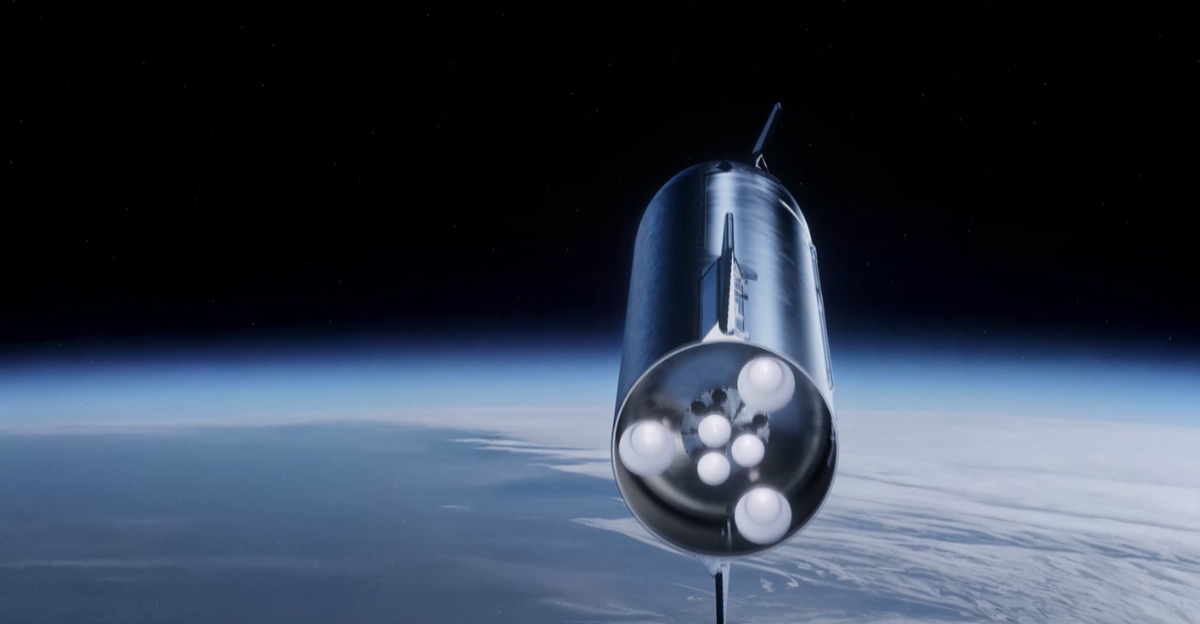
SpaceX’s demonstration capabilities with Starlink V3 will prove—or disprove—the concept’s viability. Congressional oversight, regulatory frameworks, and public debates will shape whether space data infrastructure receives development support.
The outcome depends on technological breakthroughs addressing cost, environmental, and security concerns. Whether space data centers become reality or remain aspirational depends on solutions to substantial technical and financial challenges.