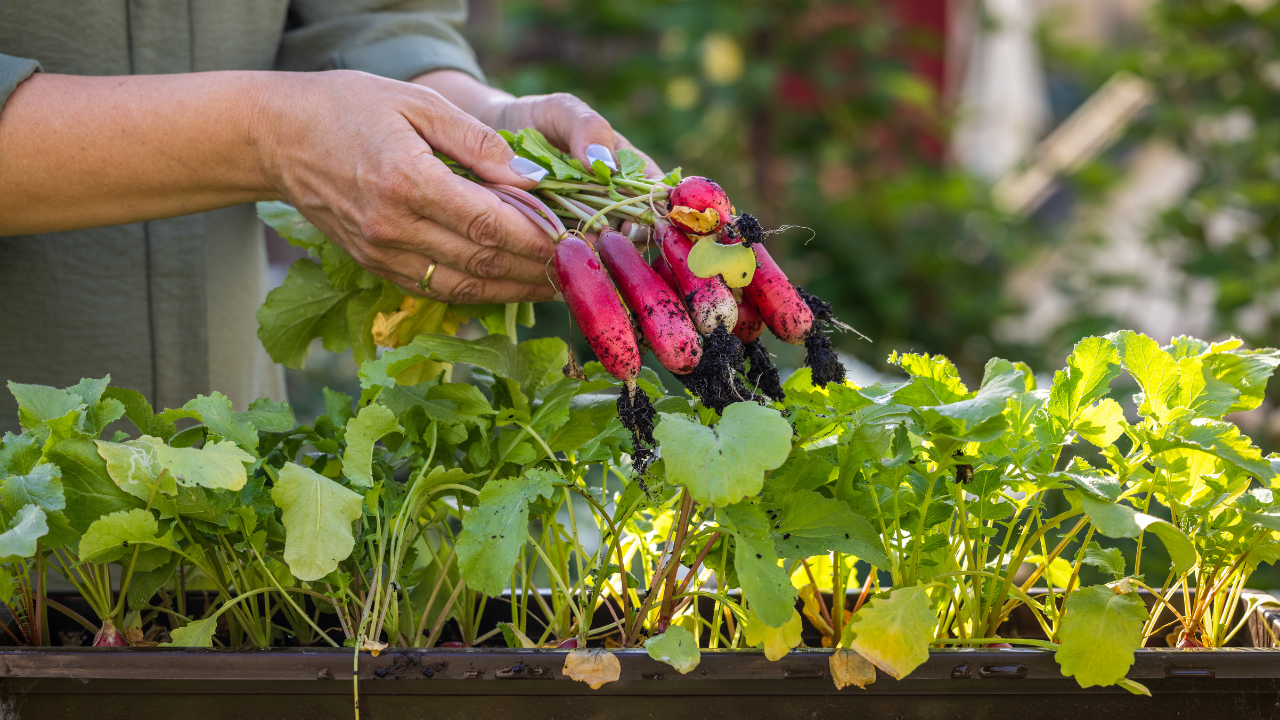
A lot of young people are turning small spaces into green, food-growing corners, and this trend is spreading quite fast across cities. A balcony, a windowsill, or a sunny corner can hold herbs, salad greens, or a compact tomato plant without feeling cluttered. New dwarf and patio-sized varieties make it much easier to grow chillies, aubergines, and even small grape vines in containers that stay neat and manageable.
This kind of gardening fits busy city life because it works in apartments, shared houses, and student rooms. It does not require much space or a large budget to get started, so it feels accessible rather than fancy or exclusive. People also tend to enjoy the calm feeling that comes from caring for living plants, watering them, and watching them grow week by week.
For many, these tiny gardens become a daily pause button that helps soften the stress of work, study, and city noise.
Clever Ways to Use a Tiny Space
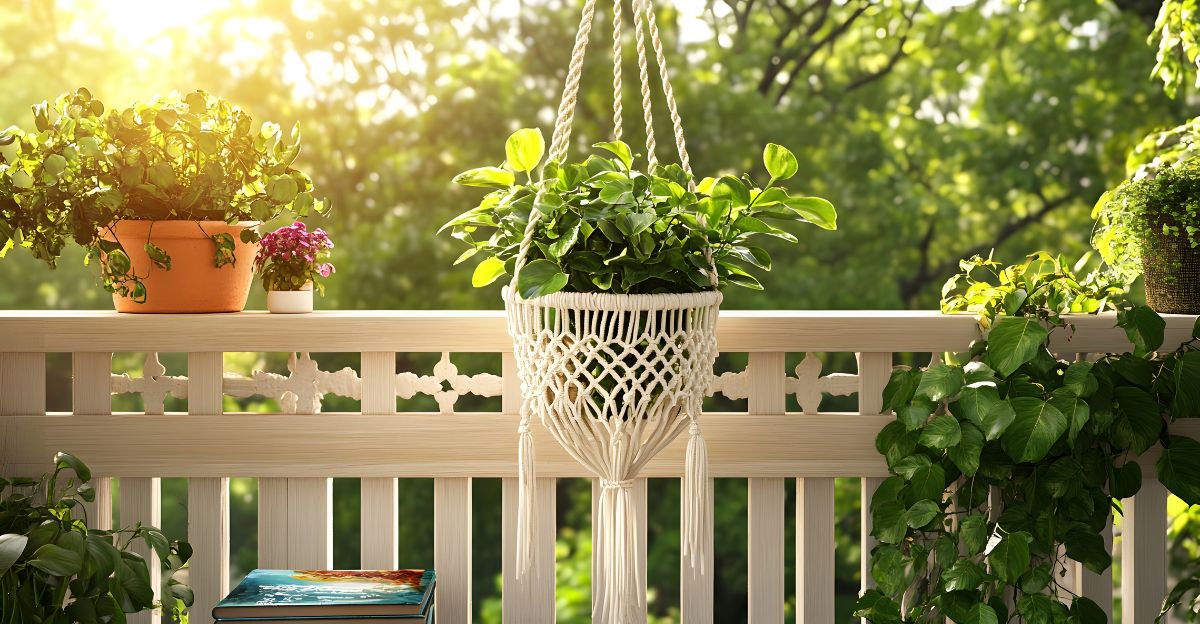
When space is tight, gardeners think upward and outward instead of digging big beds that take over the whole area. Vertical planters, railing boxes, and hanging baskets help turn walls, balconies, and railings into useful growing spots with real harvests. Containers can sit on tables, shelves, or steps, and many setups can be moved as the light changes through the seasons or during the day.
Talk about flexibility! It means a plant can start on a windowsill in spring and end up on a balcony in summer, following the sun without needing soil. Good planning also includes picking plants that match the light and heat in each spot, from shade-friendly herbs like mint and parsley to sun-loving tomatoes and chillies that need long, bright days.
Eco-friendly habits are also becoming increasingly popular in these small gardens, such as using homemade or store-bought compost, saving water with careful hand-watering or simple drip systems, and choosing native plants that support bees and other pollinators. These choices help each tiny garden feel both stylish and kind to the planet.
Why Does This Trend Feel So Good?
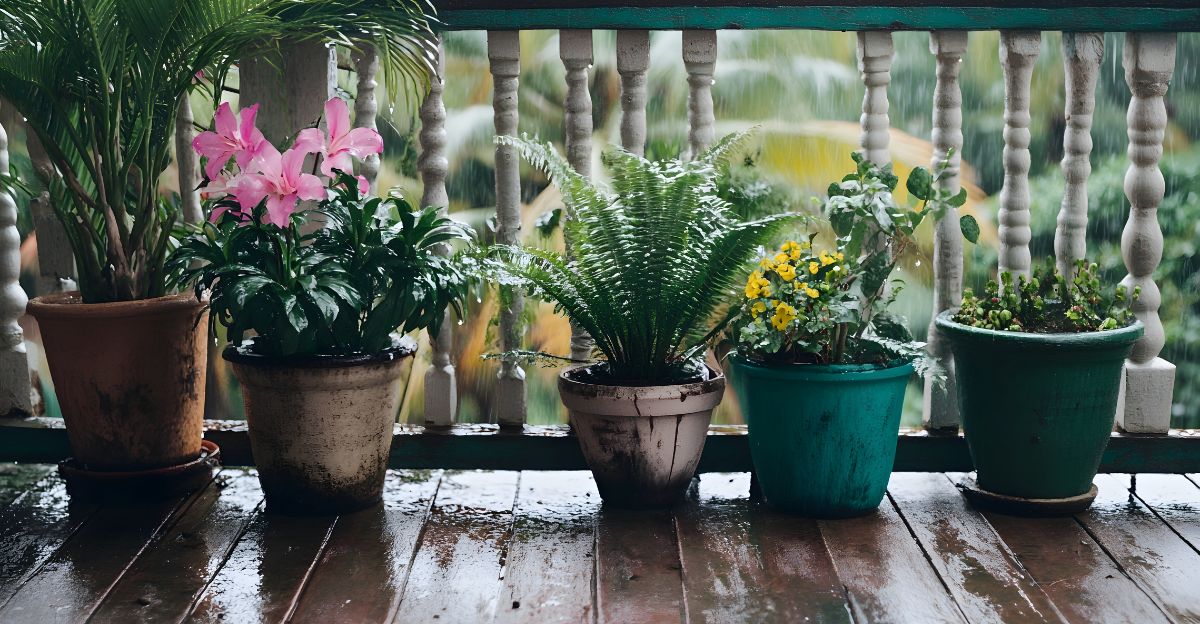
Growing food at home helps people feel more in control of what they eat, even if the results aren’t huge. A few pots of herbs, a bowl of salad leaves, or a cluster of cherry tomatoes can add fresh flavor and color to everyday meals without a trip to the store.
Gardening can also cut grocery costs a little over time, which matters when food prices rise and budgets feel tight. Many younger gardeners enjoy swapping seeds and cuttings with friends, neighbors, or online groups, turning plant care into a shared hobby rather than a solo task. They also like to share tips, post photos of their “micro jungles,” and celebrate each new leaf or first ripe tomato on social media.
These tiny gardens create color, scent, and life in small homes that might otherwise feel plain or crowded. They help people feel more connected to nature, even in the middle of a busy city, and they bring a sense of pride every time a homegrown leaf or fruit lands on the plate.
Sources:
- Gardening Know How Growing Gen Z Gardening Trend – Why Zoomers Love Plants 2024-02-21
- Ardcarne Garden Centre Gardening Trends for 2026 2026-01-04
- Gardeners’ World 2026 Gardening Trends the RHS thinks you should Pay Attention to 2026-01-08
- Dennis’ 7 Dees 7 Gardening Trends for 2026 2026-01-06
- Urban Plant What Are the Hot Gardening Trends of 2025? 2024-12-25
- Glee Birmingham Gardening Among Younger Generations: How Retailers Adapt 2024-09-01