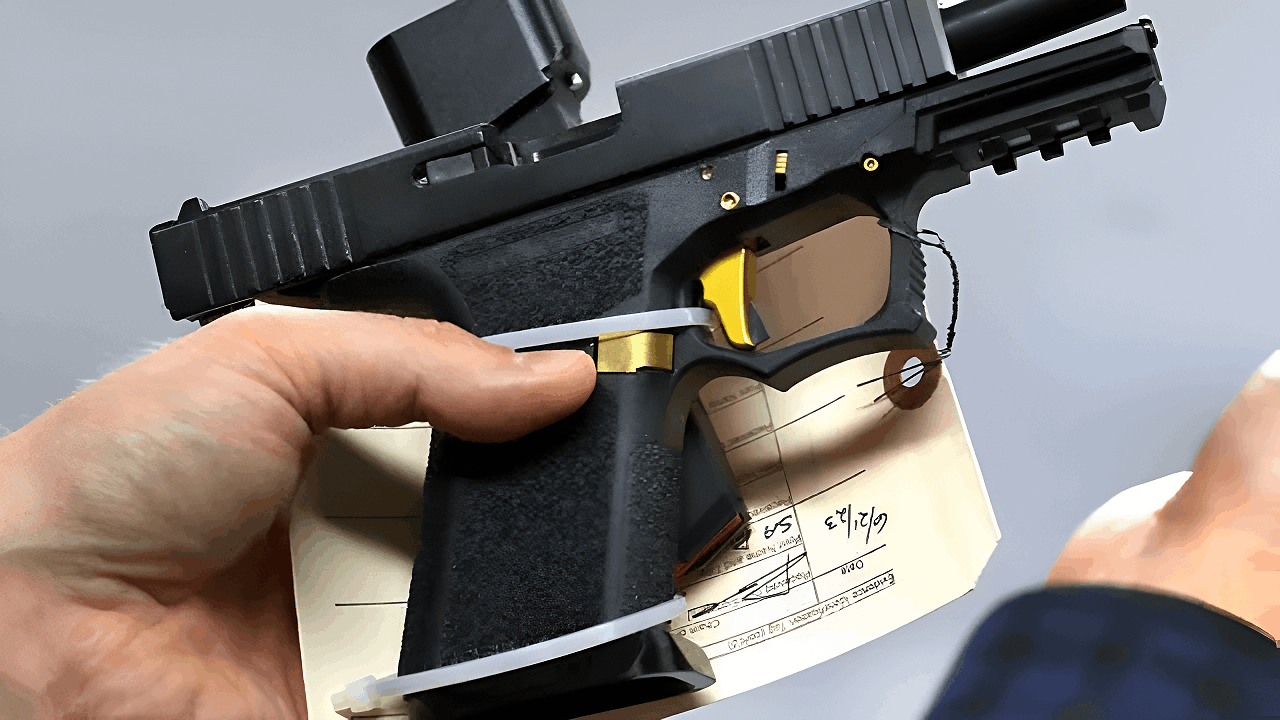
Austrian gun manufacturer Glock has stopped selling 34 pistol models, one of the biggest cuts in its product line in the last 40 years.
Popular models like the Gen3 and Gen4 versions of the G17, G19, G22, and G34 are no longer available. This change has led to much speculation about what will happen next in the firearms industry.
Market Magnitude

California is the third-largest firearms market in the U.S., with more than 1.04 million gun sales in 2023.
Even with strict regulations, its nearly 40 million residents create a market that major manufacturers cannot ignore, especially for law enforcement contracts and dealer networks. The gun industry in the state generates billions in economic activity each year.
A Legacy in Design
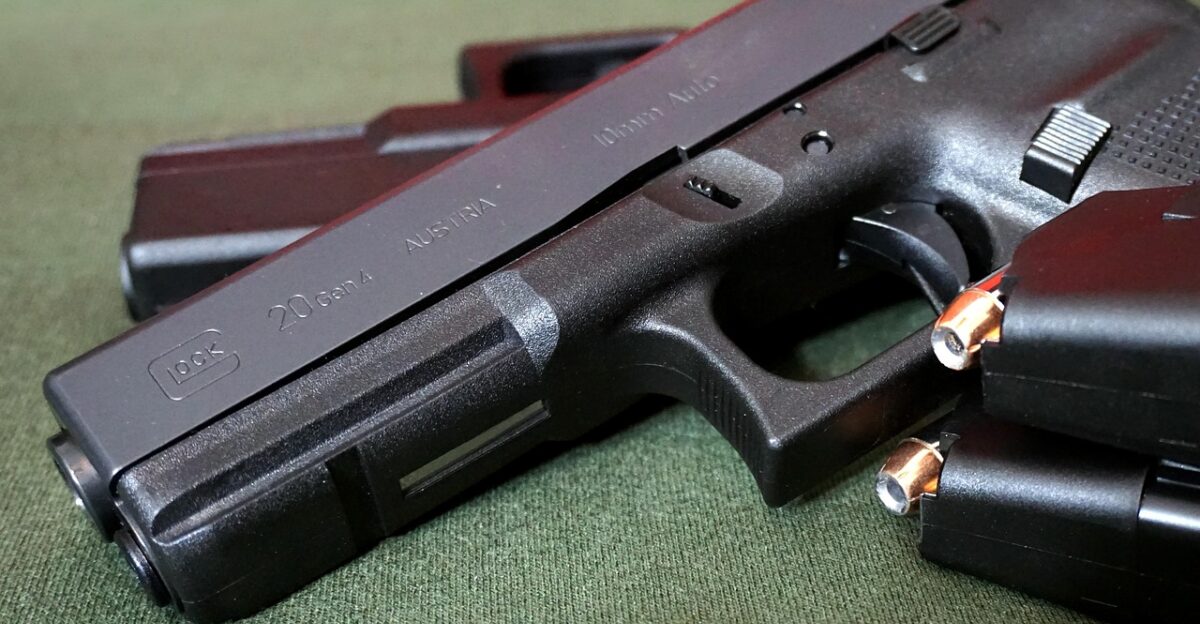
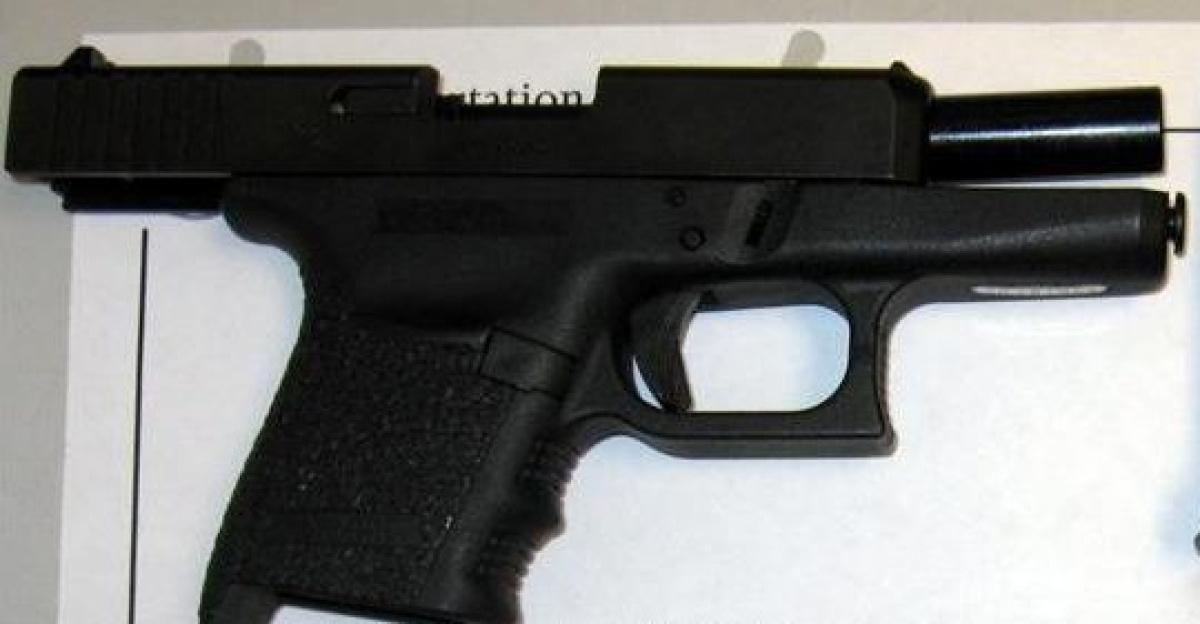
Since the mid-1980s, Glock has kept the design of its cruciform trigger bar mostly the same.
This cross-shaped part is essential to how the trigger works, helping Glock gain 65% of the U.S. law enforcement handgun market. This reliability has built Glock’s strong reputation among police, military, and civilian users.
Legal Heat Rising
Glock is facing lawsuits in several places, claiming its pistols can be easily turned into illegal automatic weapons. Chicago filed a lawsuit in March 2024, followed by Minnesota in December and Seattle in September 2025. Courts in Chicago and Minnesota have allowed the cases to move forward into discovery.
The lawsuits allege that Glock has known for a long time that cheap devices called “Glock switches” can convert their pistols into machine guns with just a few tools.
California Cracks Down

On October 10, 2025, Governor Gavin Newsom signed Assembly Bill 1127. This law bans licensed dealers from selling semiautomatic pistols that have cruciform trigger bars, which can be made to work with Glock switches.
Assemblymember Jesse Gabriel wrote this bill. It will take effect on July 1, 2026. The law allows lawsuits from the Attorney General, city attorneys, or private individuals. Courts can award damages, issue injunctions, and cover attorneys’ fees.
Fallout in California
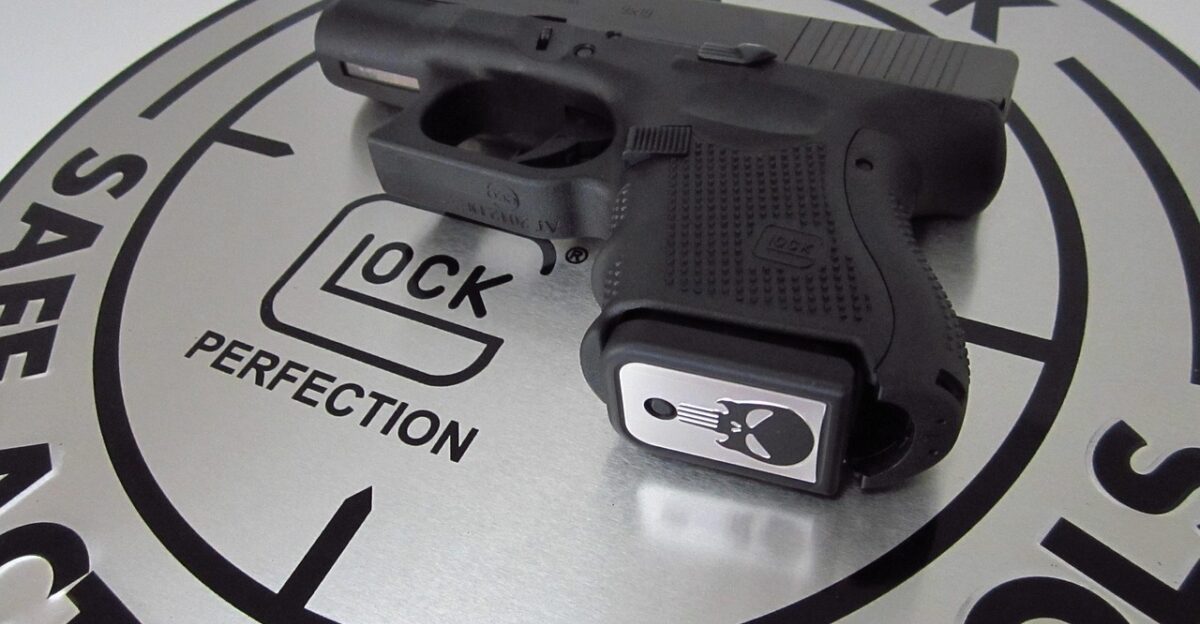
Even though AB 1127 will not take effect until July 2026, dealers across California are already feeling its effects. Orange County’s Rifle Supply reported that “not a single Glock in California” is available.
Owner Eddie Ford said Glock is popular because of its “ultra-reliability” and easy customization. California’s handgun roster laws, in place since 2001, mean that any redesigned Glock models will need a long certification process before they can be sold again.
A Mother’s Loss
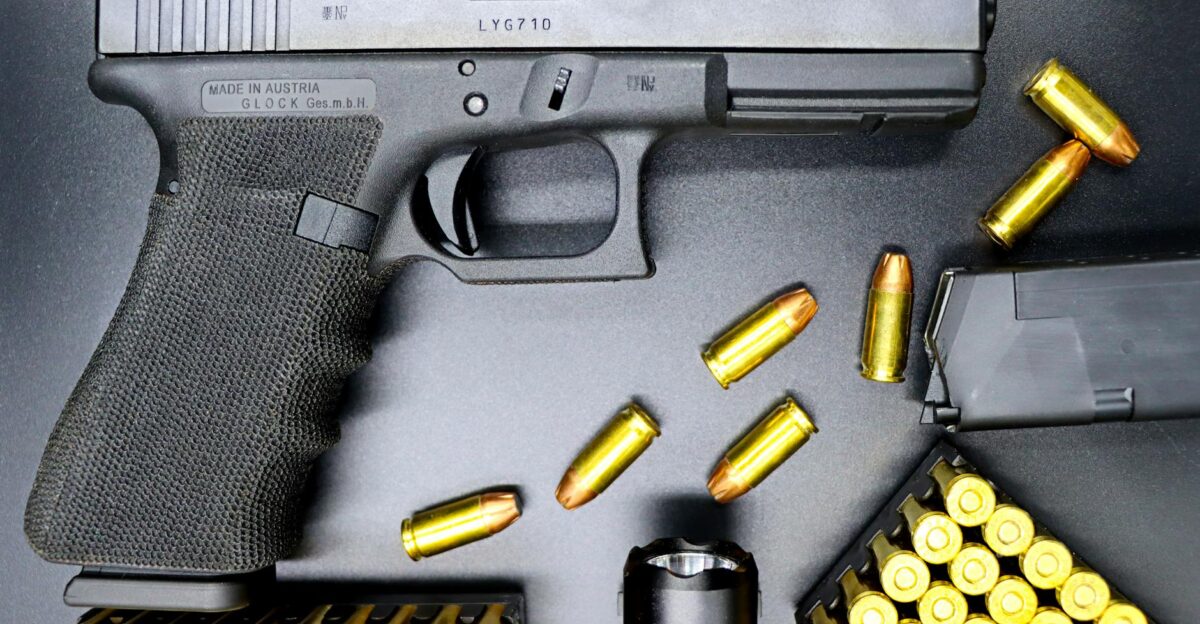
Deborah Grimes spoke to CBS News about her son Greg “Najee” Grimes, who was killed by a modified Glock handgun. She said, “That Glock ‘switch’ was a killing machine and caused too much damage.” Her son was shot seven times in a Sacramento nightclub in 2022 when a gunman fired 11 rounds into a crowd.
Sacramento Mayor Kevin McCarty recalled: “115 bullets in 50 seconds. That’s what happened three years ago…resulting in six deaths and twelve injuries.”
Competitors Stay the Course
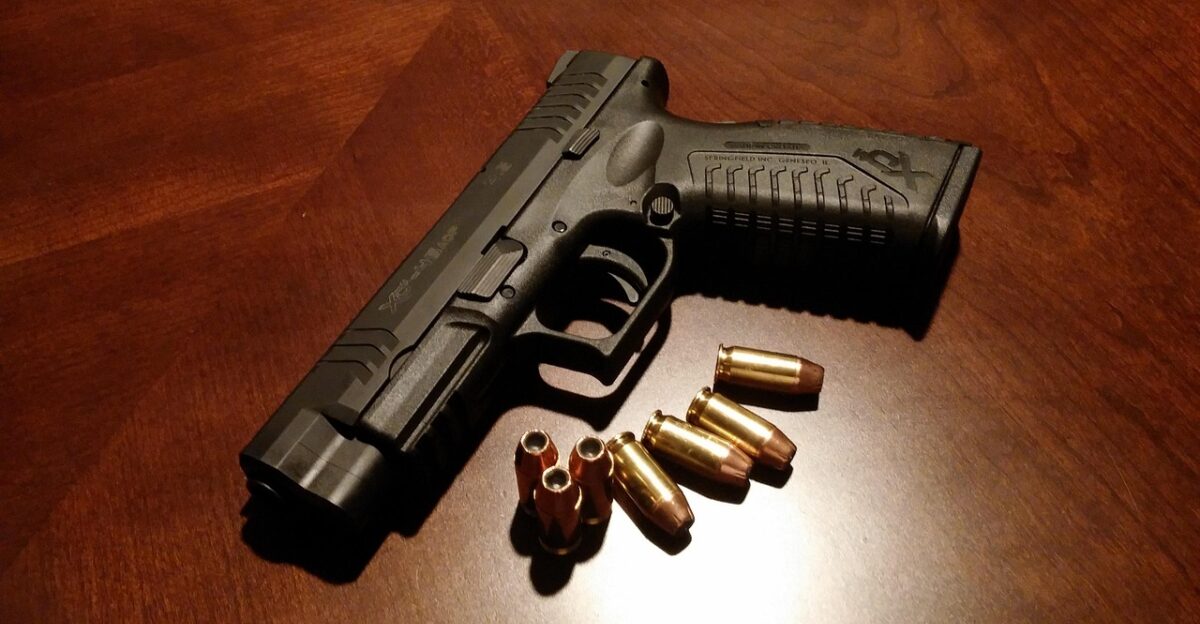
Major competitors like Smith & Wesson, Sig Sauer, and Taurus do not use cruciform trigger bars and are unaffected by AB 1127. They continue to sell their products in California without any issues.
At the same time, the firearms industry is consolidating; for example, Ruger bought Anderson Manufacturing in July, and private equity is heavily investing in firearms technology. Analysts say that regulations like California’s may shift market power toward manufacturers whose products already meet the new laws.
A Nationwide Concern
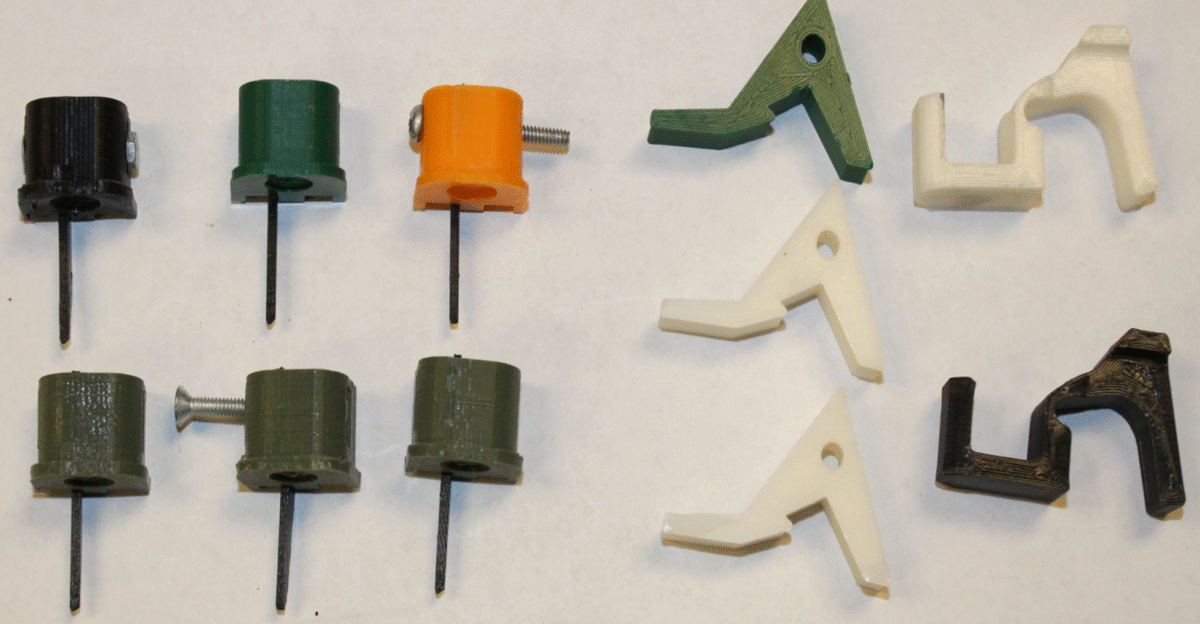
From 2017 to 2024, federal authorities seized over 31,000 devices that convert guns to machine guns, and the number of seizures has increased recently.
The ATF reports that these small devices, often about the size of a quarter, can help pistols shoot up to 1,200 rounds per minute. At least 28 states have made laws to ban or control “Glock switches.” Law enforcement is noticing more of these devices being used in crimes by people who are not allowed to own firearms.
Strategic Timing, Silent Motives
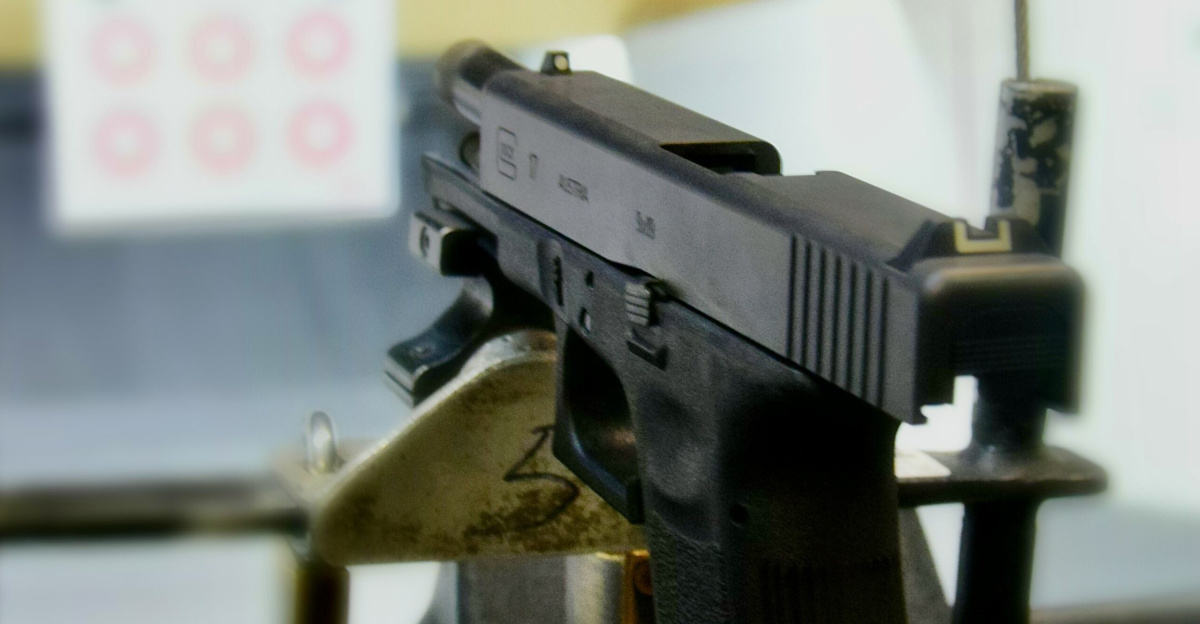
Just days after California enacted AB 1127—a law targeting pistols like those Glock discontinued—the company abruptly pulled 34 commercial models, citing a “strategic portfolio reduction.” Glock’s statement avoided any mention of the law or the mounting lawsuits alleging its pistols are easily converted to machine guns.
With regulators, courts, and lawmakers increasing pressure, analysts and dealers widely interpret the move as a legal and political shield, timed to reduce liability and avoid deeper scrutiny in California and beyond.
A Private Powerhouse
Gaston Glock, who passed away on December 27, 2023, at age 94, controlled approximately 99% of the company through a trust structure worth an estimated $1.5 billion. The company remains privately held with little public insight into strategic decisions.
Historically, Glock leadership prioritized consistent engineering over adapting to regional regulatory demands. This structure shields the company from shareholder pressure but concentrates key decisions within a small leadership circle, reluctant to alter foundational design elements.
Crossroads Ahead
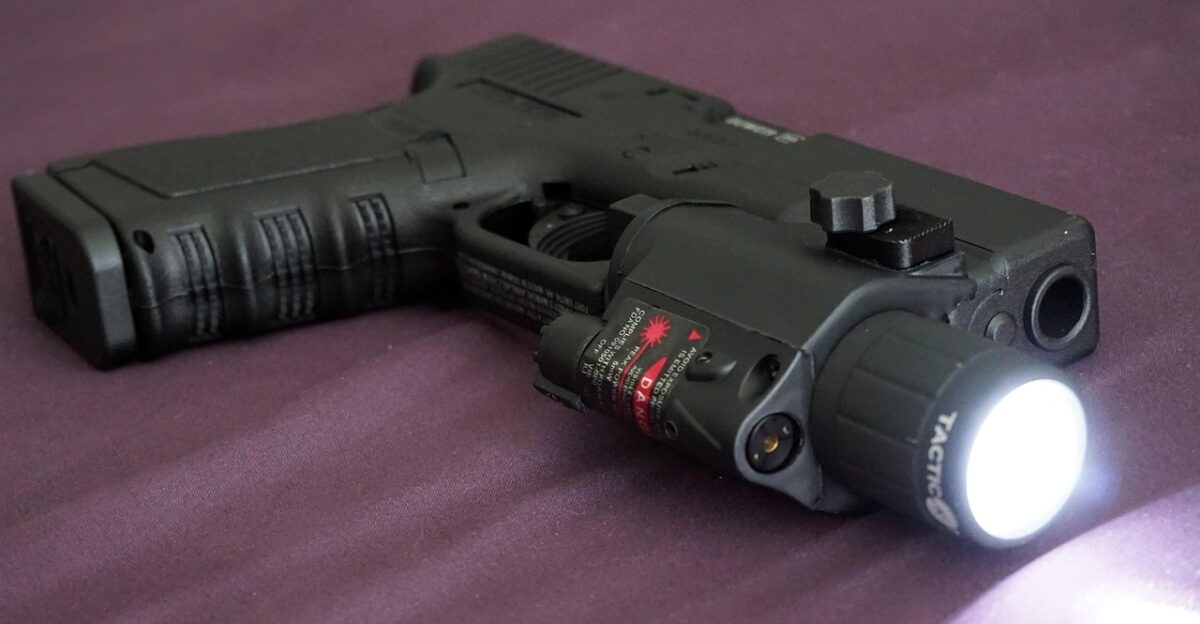
Chicago lawsuit filings outline engineering changes Glock could make to prevent switch installations without needing a full redesign. Everytown for Gun Safety said Glock “can fix the problem” and “the fix wouldn’t be complicated.”
Rumors persist that Glock may release “V Models” with switch-resistant designs by December 2025, but the company hasn’t confirmed such plans. Whether Glock adapts to comply with AB 1127 or exits California’s civilian market remains a major industry question.
The Constitutional Fight
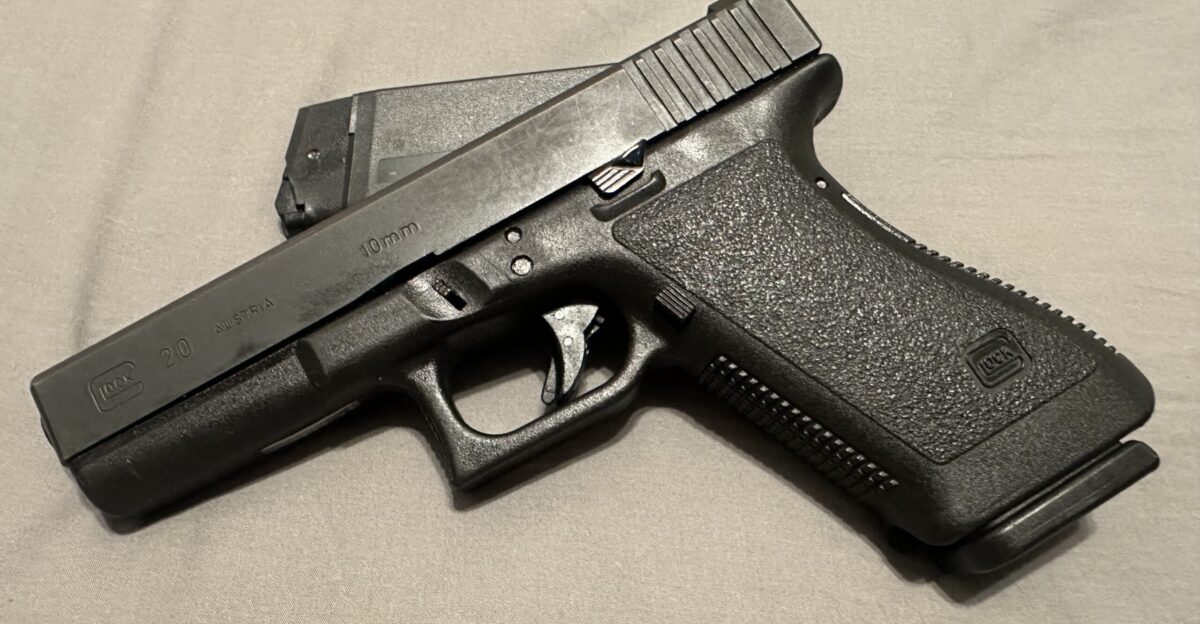
Gun rights advocates say AB 1127 unconstitutionally bans “some of the most commonly owned handguns in America,” per NRA California Director John Commerford. On October 14, 2025, the NRA, Firearms Policy Coalition, and Second Amendment Foundation filed suit in federal court to block the law.
Republican lawmakers argue the law unfairly targets Glock buyers. Legal experts say the case could clarify how recent Supreme Court rulings apply to product design regulations.
A Deep Political Divide
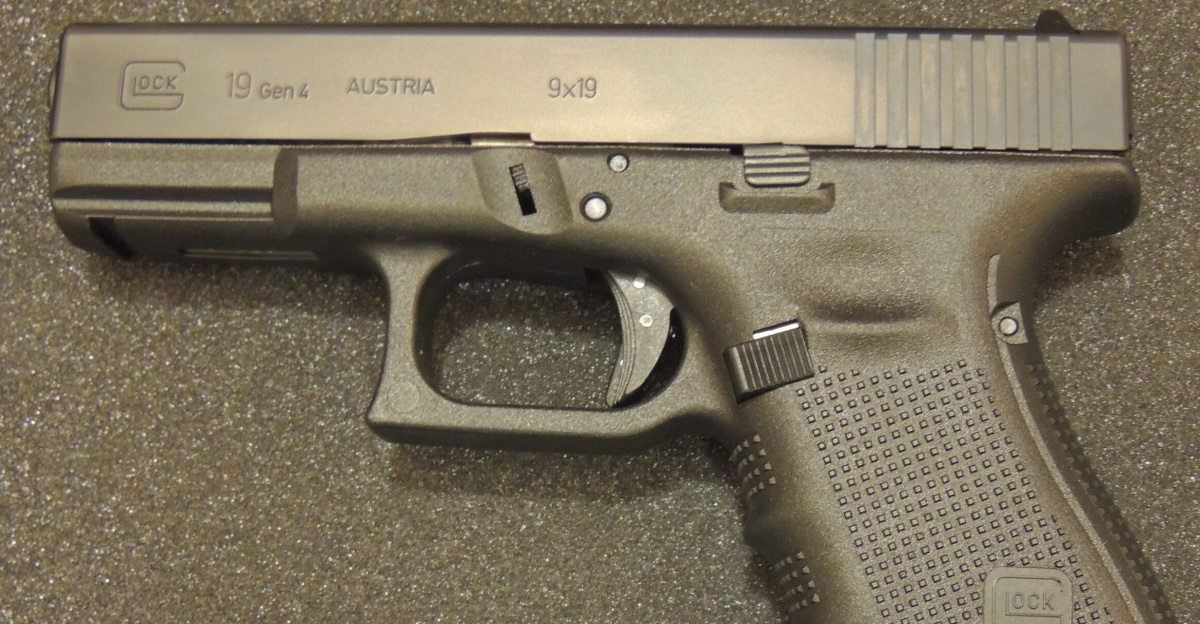
AB 1127 made California the first state to ban pistol sales that can be converted with switches, rather than just banning switches themselves. Assemblymember Jesse Gabriel called it “commonsense,” adding: “As parents and lawmakers, we refuse to stand idly by while our schools and communities are threatened by illegal machine guns.”
Assemblymember Catherine Stefani added: “Let’s call this what it is: reckless greed from gun manufacturers who know their products can be turned into illegal machine guns.” The law passed along party lines.
A Turning Point
The debate captures a larger reckoning: who is responsible for products when modifications are easily available. Everytown research shows Glock pistols are found at crime scenes 1.5 times more often than the second-leading manufacturer in several cities. Yet millions have used Glock pistols for decades without issue.
How Glock responds—through redesign, legal action, or market exit—will shape how other manufacturers navigate similar pressures and whether California’s model becomes a national trend or constitutional overreach.