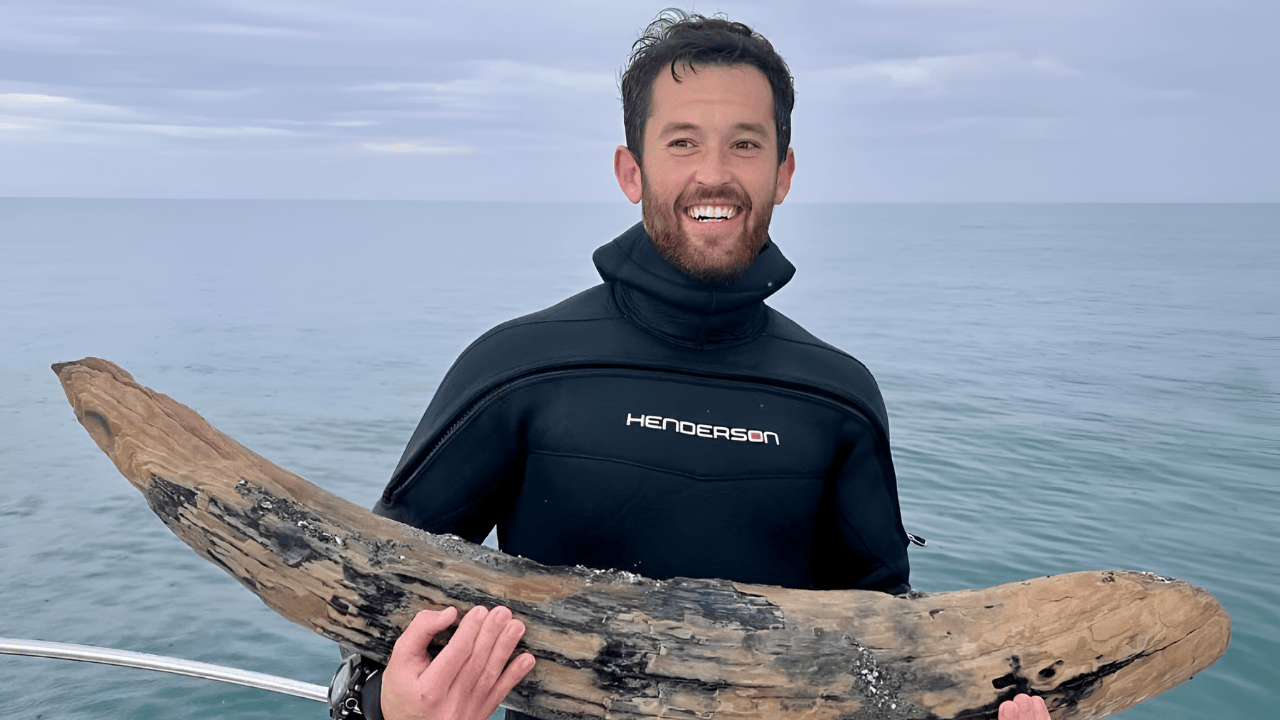
Venice, Florida’s shallow waters hide an extraordinary secret that tourists and beachgoers walk over daily without realizing.
The Gulf floor, just 4.5 kilometers from the modern shoreline, holds hundreds of thousands of microfossils packed into every square meter—ancient teeth from creatures that ruled these waters millions of years before humans existed.
Local divers and fossil hunters have long referred to Venice as the “Shark Tooth Capital of the World,” but recent scientific analysis reveals that the area contains far more than just megalodon teeth.
The seafloor’s fossil layer runs 18 to 35 feet deep, constantly releasing its contents through wave action and storms that churn the ancient sediments.
Systematic Excavation
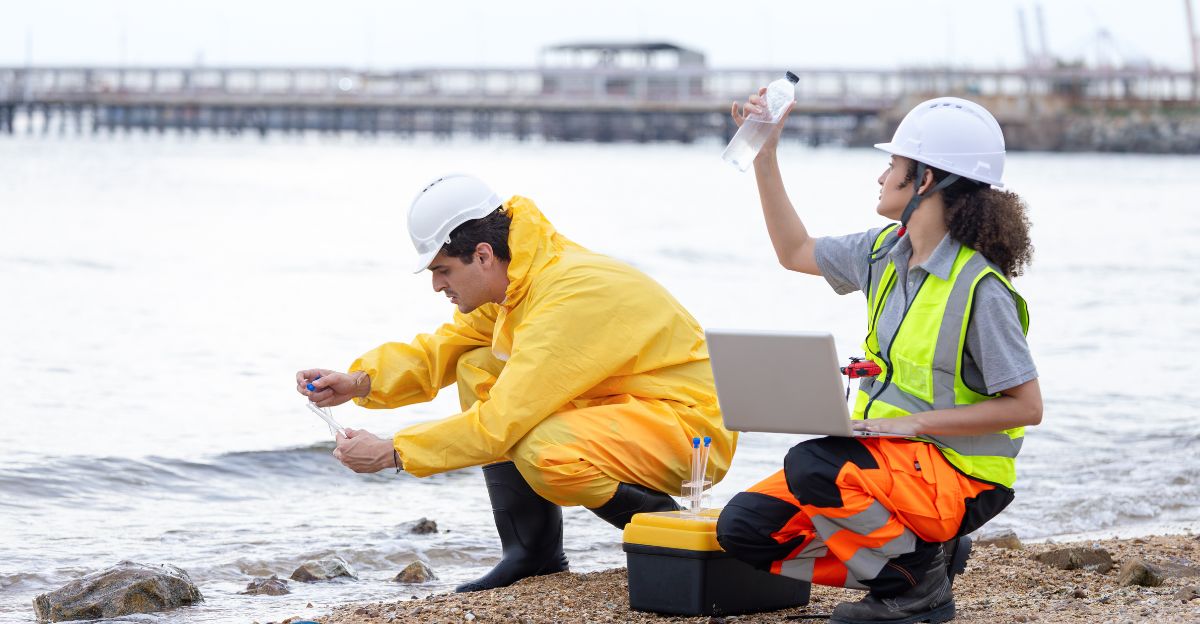
A Florida Gulf Coast University paleontologist launched intensive fieldwork off Venice’s coast, deploying SCUBA diving teams to collect sediment samples from the submerged continental shelf in waters no deeper than 12 meters.
The research effort focused on exposed clay and limestone formations that lie beneath the modern Gulf floor, remnants of ancient sea channels from when Florida was entirely underwater.
Unlike casual fossil hunters searching for large teeth, this scientific expedition targeted microscopic specimens smaller than a centimeter—fragments most beach visitors would overlook entirely.
The systematic collection and laboratory analysis represent years of underwater work in conditions where visibility rarely exceeds 5 to 10 feet.
Ancient Submersion
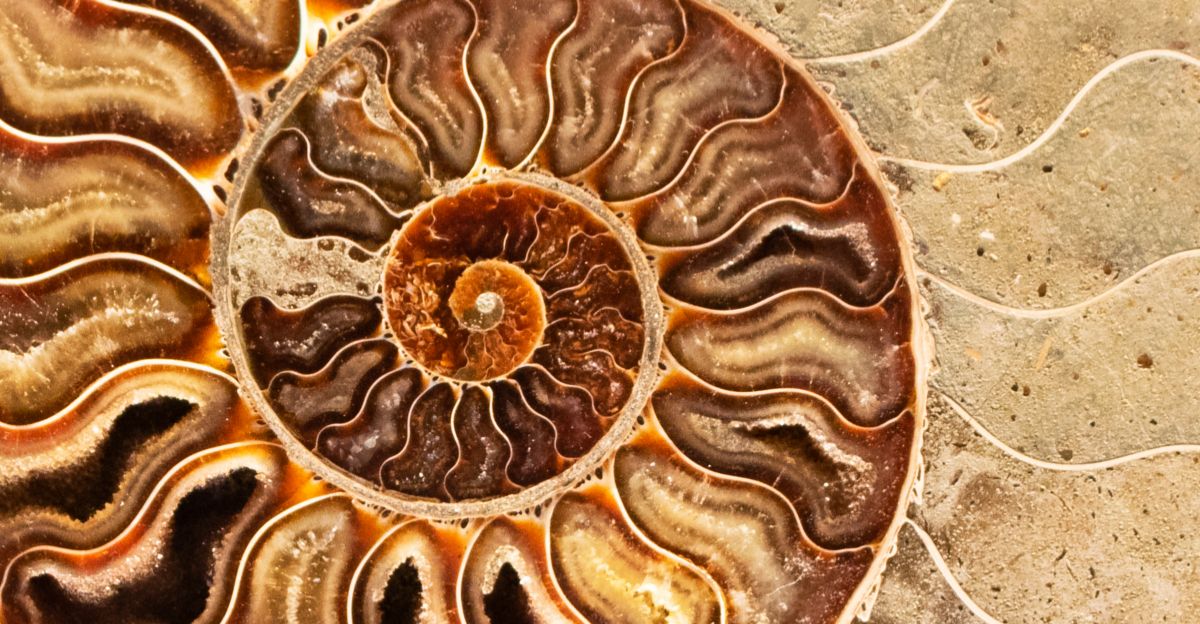
Florida’s modern landscape bears little resemblance to its prehistoric past. During the Miocene Epoch—approximately 24 to 5 million years ago—the entire Florida platform remained submerged beneath warm, shallow seas protected by the Gulf of Mexico’s tropical waters.
These marine habitats supported thousands of species of sharks, rays, and other marine animals as the region’s climate became progressively drier and more seasonal through the late Miocene.
The Peace River and Tamiami geological formations, now exposed on the seafloor near Venice, accumulated during this epoch as sharks died and their teeth fossilized in phosphate-rich sediments.
Each shark produces 20,000 to 25,000 teeth across its lifetime, leaving vast quantities to accumulate on the ancient ocean floor.
Geological Treasure Vault
Venice’s unique position atop the Peace River Formation creates an ongoing fossil delivery system unlike anywhere else on Florida’s coast.
The gentle slope of the ocean floor between Englewood and Nokomis—rather than a sharp drop-off—allows slow, continuous erosion of the fossil-bearing layer that constantly exposes preserved teeth and washes them toward shore.
Glacioeustatic sea-level cyclicity, shifting ancestral shorelines, fluvial incision, and storm activity since the Miocene have accumulated residual, fossiliferous lag deposits on the modern seafloor.
The area known as “The Boneyard,” an ancient riverbed located approximately one mile offshore at a depth of 30 feet, concentrates even larger specimens.
This geological convergence makes Venice a natural focal point for both casual collectors and serious paleontological research.
45 Species Documented
Dr. Harry M. Maisch IV of Florida Gulf Coast University’s Department of Marine and Earth Sciences published peer-reviewed findings in October 2025 documenting at least 45 distinct species of sharks and rays from fossils collected exclusively by SCUBA diving near Venice.
The comprehensive analysis, co-authored with researchers from William Paterson University and DePaul University, identifies specimens from both the Late Miocene Peace River Formation (approximately 11-8.5 million years ago) and the Early Pliocene Tamiami Formation (5.2-4.3 million years ago).
Eight of the 45 documented species are now globally extinct, including the massive predator Otodus megalodon, the elusive Parotodus benedenii, and the 6-meter weasel shark Hemipristis serra.
The published study in Palaeo-Electronica represents the most diverse assemblage of fossil sharks and rays ever reported from Florida.
Regional Implications

The Venice discovery significantly enhances our understanding of Florida’s prehistoric marine ecosystems across the entire Gulf Coast region.
Scientists can now reconstruct ancient sea levels, water temperatures, and food webs that existed during the Miocene and Pliocene epochs with unprecedented detail.
The fossil assemblage reveals that southwest Florida’s shallow continental shelf supported extraordinary biodiversity during periods of significant climate transition, when the region became increasingly drier and more seasonal.
Researchers note that Venice’s coastal position atop these formations makes the area an irreplaceable paleontological resource—the largest fossil elasmobranch assemblage collected by SCUBA diving on any continental shelf known globally.
The findings provide baseline data for understanding how marine ecosystems respond to long-term environmental changes.
Microscopic Evidence

Dr. Maisch emphasized that “fossils don’t have to be huge to be important” when describing the painstaking laboratory work examining sediment samples under microscopes.
His team documented microfossils—tiny teeth measuring less than one centimeter—that previous collectors had overlooked in favor of prized megalodon teeth measuring three to five inches.
The microscopic specimens revealed multiple shark and ray species that had never been recorded in Florida before, including some that represent the first reports for the state or extremely rare finds.
Each handful of sediment from the Gulf floor contained hundreds of these microfossils, transforming what appeared to be ordinary sand into a detailed record of ancient marine life.
The discovery demonstrates how scientific methodology can unlock information invisible to casual observation.
Global Context

The Venice assemblage stands out among fossil shark collections worldwide not just for its diversity but for its unique preservation context.
Researchers compared the 45-species collection to other major elasmobranch fossil sites across the United States and globally, finding it represents one of the most diverse fossil shark assemblages reported from the entire country.
The Peace River and Tamiami formations preserve species ranging from small cookiecutter sharks (Isistius triangulus) to massive predators, such as the 75-foot megalodon, alongside multiple species of rays, guitarfish, and sawfish.
Previous Florida chondrichthyan research by Perez et al. (2022) documented fossils from similar formations but without the comprehensive systematic analysis that Maisch’s team provided. The peer-reviewed publication sets a new benchmark for Florida paleontology.
Climate Change Archive

The fossil teeth function as a climate archive spanning millions of years of environmental transitions. During the Miocene Climatic Optimum, Florida experienced relatively high sea levels as abundant phosphate deposits accumulated in the shallow seas of the region.
The Late Miocene through Early Pliocene period witnessed significant climate shifts, including increasing aridity, changing ocean temperatures, and fluctuating sea levels, which are reflected in the species composition and abundance patterns.
Scientists studying the Venice fossils can detect which shark species thrived during warmer versus cooler periods, how marine food webs shifted in response to environmental stress, and which predator-prey relationships dominated during different epochs.
This paleoclimatic data becomes increasingly relevant as modern Florida faces its own period of rapid environmental change.
Extinct Predator Ecology

The discovery reveals a previously unknown consequence of Florida’s prehistoric oceans: several apex predators that coexisted off Venice belonged to now-extinct lineages that have left no modern descendants.
Hemipristis serra, a 6-meter weasel shark that specialized in hunting dugongs (Metaxytherium), disappeared during the Mid-Pleistocene approximately one million years ago after surviving climate upheavals that killed larger predators.
Parotodus benedenii, a 7-8 meter “false-toothed mako shark,” hunted in pelagic waters and may have preyed on juvenile megalodons—yet this entire evolutionary lineage vanished by the early Pleistocene.
The Venice fossils capture the final chapters of these extinct shark families, documenting predator guilds that will never exist again. Understanding why these species disappeared while modern sharks, such as great whites, survived provides crucial insights into extinction vulnerability.
Tourism Tension
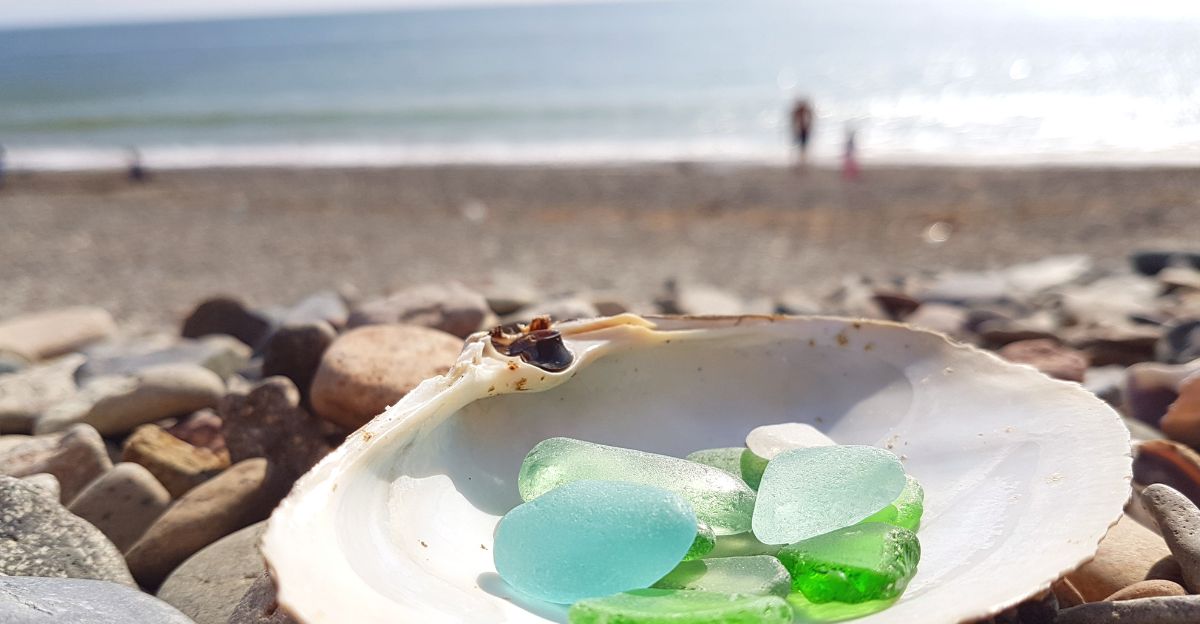
Venice’s dual identity as both “Shark Tooth Capital of the World” and a significant scientific research site creates ongoing tension between fossil collectors and paleontologists.
Thousands of tourists annually flock to Venice beaches armed with “Venice Snow Shovels”—screened baskets fitted onto handles—to hunt for fossils, particularly the highly prized megalodon teeth.
Local dive operations offer 2-3 tank trips to “The Boneyard,” an offshore fossil bed, catering to collectors willing to pay premium prices for large specimens.
While casual collecting remains legal and culturally embedded in Venice’s identity (celebrated annually at the Sharks Tooth Festival), scientists worry that uncontrolled fossil removal from key geological exposures could erase important scientific data before systematic study occurs.
The challenge lies in balancing public access with preservation of paleontological resources.
Institutional Recognition

The research received formal institutional backing from Florida Gulf Coast University’s Department of Marine and Earth Sciences, where Dr. Maisch serves as an instructor.
Co-authors include Dr. Martin A. Becker, Professor at William Paterson University, whose research focuses on evolutionary relationships of chondrichthyans; Dr. Victor J. Perez, Professor at DePaul University and Adjunct Curator at the Sternberg Museum of Natural History; and Dr. Kenshu Shimada, also from DePaul University and a Scientific Affiliate at the Field Museum of Natural History.
The multi-institutional collaboration, published in Palaeo-Electronica, a peer-reviewed paleontology journal, underwent rigorous review before acceptance in August 2025, following its initial submission in December 2024.
This academic endorsement elevates the Venice findings from local curiosity to a globally significant paleontological discovery.
Museum Display Plans
The newly discovered fossils will eventually be displayed at the Florida Museum of Natural History in Gainesville, providing the public with access to specimens that rewrite Florida’s paleontological record.
The museum previously hosted popular exhibits on megalodon and prehistoric sharks, including the “Megalodon: Largest Shark that Ever Lived” touring exhibit, which has attracted over 1.5 million visitors since 2008.
Museum officials have not announced specific dates for displaying the Venice collection, but Dr. Maisch indicated that “there’s still plenty more to come” as ongoing research continues to yield new findings.
The planned display will showcase both the microscopic teeth that have unlocked new species identifications and larger specimens, such as megalodon teeth, that capture the public imagination.
Educational programming will emphasize how small fossils can reveal big stories about ancient ecosystems.
Ongoing Investigation

Researchers acknowledge that the October 2025 publication represents only the beginning of a comprehensive analysis of Venice’s offshore fossil deposits.
Dr. Maisch presented the findings to the New York Paleontological Society in November 2025, describing the discovery as revealing “a lost world beneath Florida’s Gulf Coast” while emphasizing that vast areas of the submerged continental shelf remain unexplored.
The study documented fossils recovered exclusively by SCUBA diving within the surveyed area, but similar formations extend along Florida’s Gulf Coast, potentially harboring additional undiscovered species.
Future research will investigate how the Venice assemblage compares to fossil deposits in other Gulf states, whether additional extinct species await identification in museum collections, and what the complete ecosystem structure looked like during the Late Miocene.
The scientific work transforms Venice into an active paleontological research site.
Prehistoric Secrets
What other lost worlds lie hidden beneath Florida’s coastal waters, waiting for scientific examination to reveal their secrets? The Venice discovery raises profound questions about how much of Earth’s prehistoric past remains undocumented despite existing in accessible locations visited by millions of people annually.
If microscopic analysis of sediment from a popular beach destination can identify eight globally extinct species and rewrite state paleontological records, what treasures might careful study uncover elsewhere along Florida’s 1,350 miles of coastline?
As Dr. Maisch demonstrated, the most important fossils don’t require exotic expeditions to remote locations—sometimes they rest beneath the waves just a mile from a crowded beach, invisible until someone looks closely enough.
The ancient sharks and rays documented off Venice Beach remind us that every grain of sand carries stories shaped by deep time.