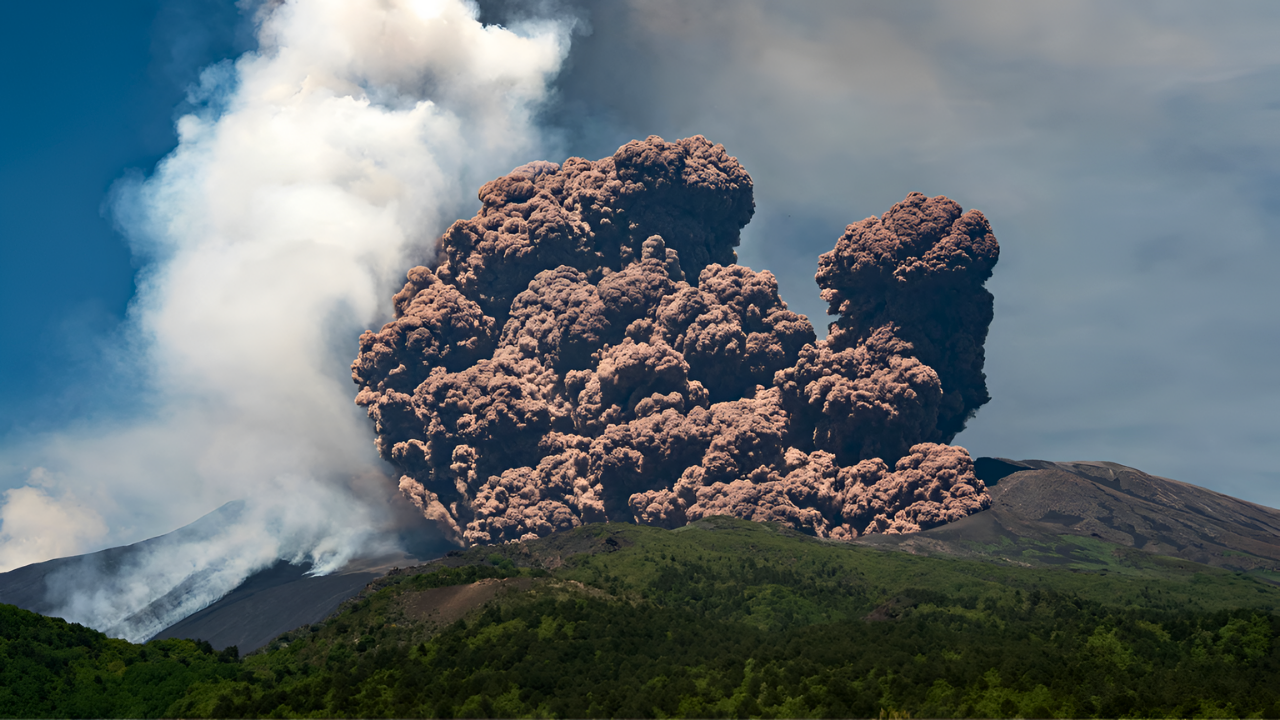
Europe’s most active volcano started 2026 with a spectacular eruption, but instead of drawing crowds to watch glowing lava at night, Mount Etna has sparked an unexpected showdown. Authorities in Catania have tightened rules for visitors, no excursions after dark, stay at least 200 meters from the flowing lava, and groups limited to just ten people.
Tour guides who lead climbers up the mountain say these rules go too far. They’ve gone on strike, the first time in decades, arguing that the lava flows are slow enough to see safely with a professional guide.
New Rules Change Everything Overnight
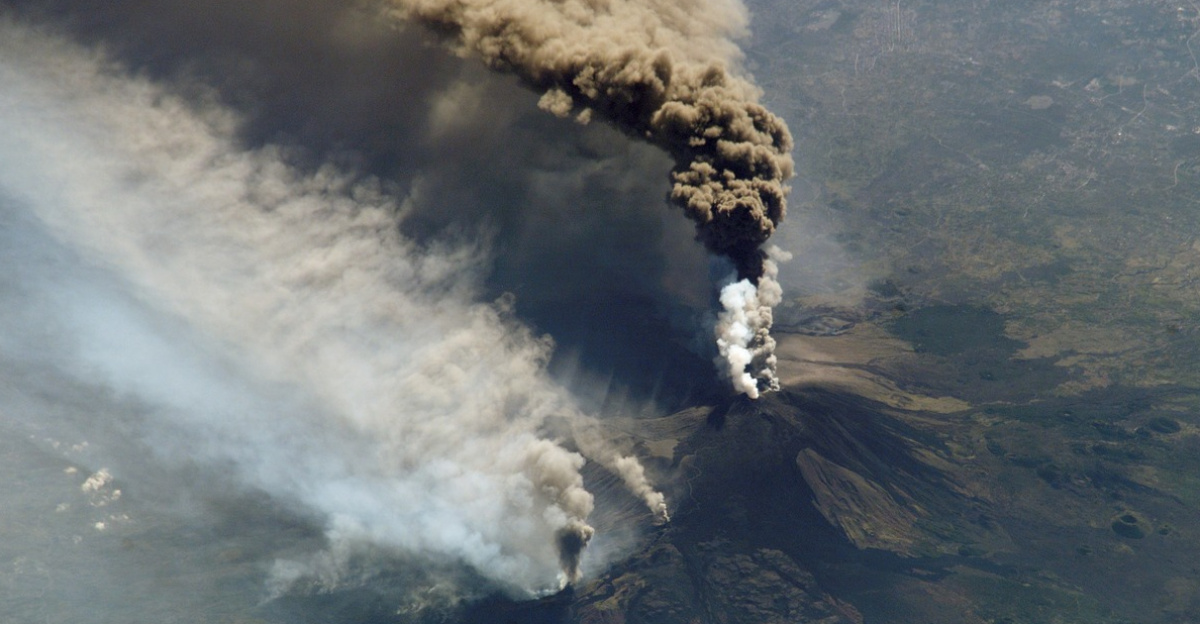
Within days of Mount Etna’s January 1 eruption, authorities completely rewrote the rulebook for visiting the lava. The most dramatic change kills the experience many tourists pay for: watching glowing lava at night. Under the new rules, all excursions must end by dusk, wiping out the magical sunset-to-darkness period when lava glows brightest.
Visitors cannot get closer than 200 meters to active flows. Forestry police now patrol the slopes, and drones monitor from above to count people and catch rule-breakers. On one night alone, officials reported 21 cases of visitors ignoring the restrictions.
Europe’s Tallest Volcano
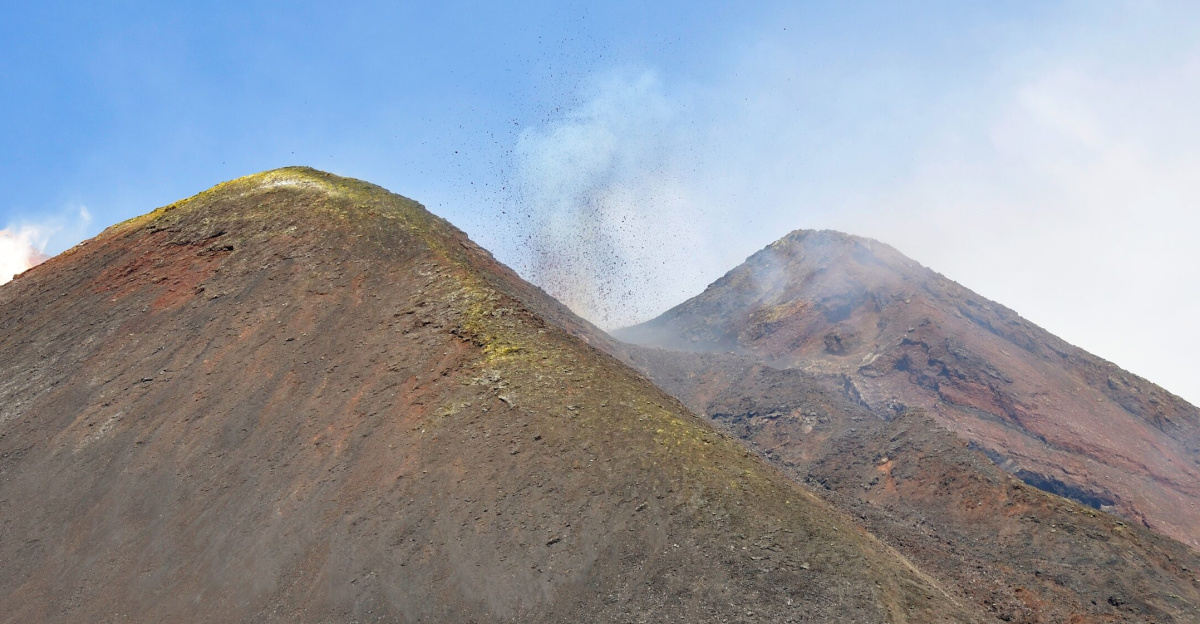
Mount Etna dominates eastern Sicily at roughly 3,300 meters (about 10,800 feet), making it Europe’s tallest volcano, and one of the world’s most active. UNESCO recognizes Etna as “one of the world’s most active and iconic volcanoes,” a designation that underscores both its scientific importance and its cultural significance.
For millennia, persistent eruptions and lava flows have shaped the Sicilian landscape and economy. Today, about 1.5 million visitors travel to Etna annually, from casual sightseers hoping to catch a distant glimpse to serious mountaineers trekking to the crater rim. The volcano sits at the heart of a UNESCO World Heritage Site, drawing visitors who treat Etna as much a natural laboratory as an outdoor playground.
A Pattern of Restless Power
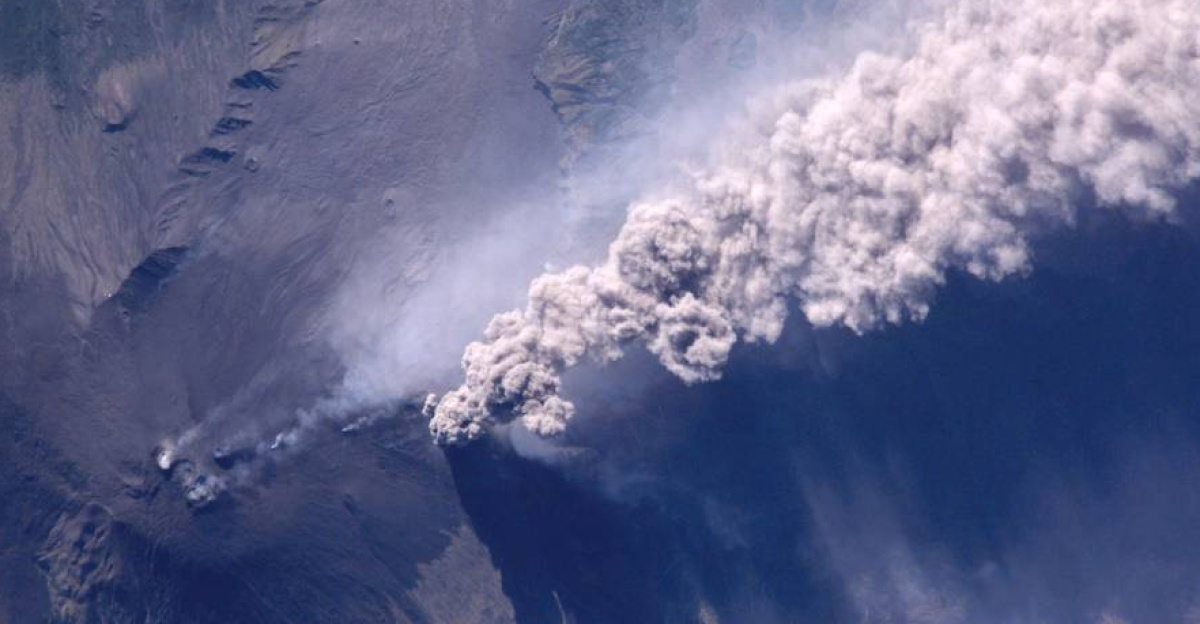
Mount Etna has erupted so frequently throughout recent history that scientists track persistent explosive eruptions from its summit craters as normal behavior. The volcano alternates between constant summit activity, sometimes gentle, sometimes violent, and rarer but more powerful flank eruptions where lava bursts from the volcano’s sides.
This pattern of behavior means officials remain constantly vigilant. In June 2025, an explosive episode sent ash and hot material high into the sky, forcing about 40 tourists to flee the slopes. Those fresh memories now weigh heavily on local safety officials, making them quick to act cautiously when new lava appears.
New Year’s Dramatic Fissure
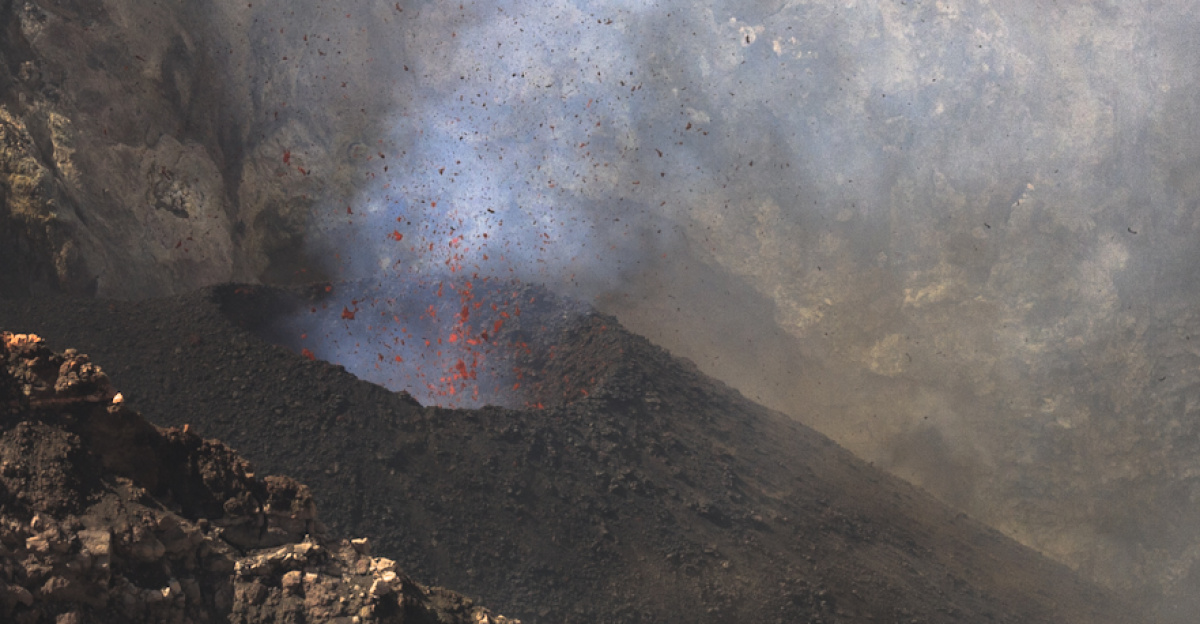
The current dispute centers on one specific event on the evening of January 1, 2026. Mount Etna opened a new fissure at about 2,000–2,100 meters elevation in the Valle del Bove, a natural basin on the volcano’s eastern flank. Lava emerged from multiple vents, creating several slow-moving branches. The longest flow eventually reached about 3.14 kilometers and covered roughly 550,000 square meters before cooling at lower elevations between 1,360–1,420 meters.
Scientists from Italy’s National Institute of Geophysics and Volcanology stressed from the beginning that no towns or critical infrastructure faced danger. Despite this reassuring assessment, authorities decided to implement strict new tourism rules anyway, treating the eruption as a reason to overhaul visitor access immediately.
A Tourism Powerhouse on the Slopes
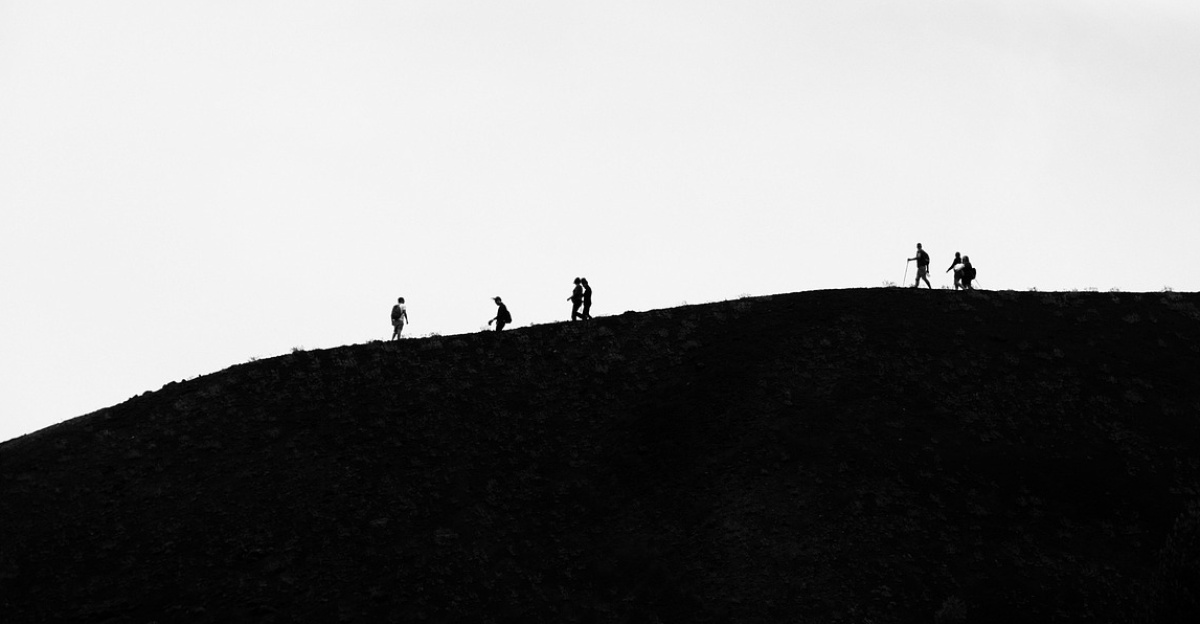
Before the new restrictions took hold, Mount Etna represented the centerpiece of a thriving regional economy. Sicily received roughly 14 million visitors in 2019, with approximately 1.5 million drawn specifically to Etna’s craters, hiking routes, and lava fields. Wine production on Etna’s fertile lower slopes, where volcanic soil produces distinctive dark wines, generates an estimated €123 million annually, alongside about €50 million in official Etna DOC wine certification and sales.
Hundreds of local businesses depend on the volcano: 4×4 tour operators, mountain restaurants, wine bars, and hospitality providers all profit from Etna’s reputation as an accessible natural wonder. When authorities restrict access to the volcano’s most dramatic features, the entire ecosystem feels the economic pain.
Guides Walk Off the Job
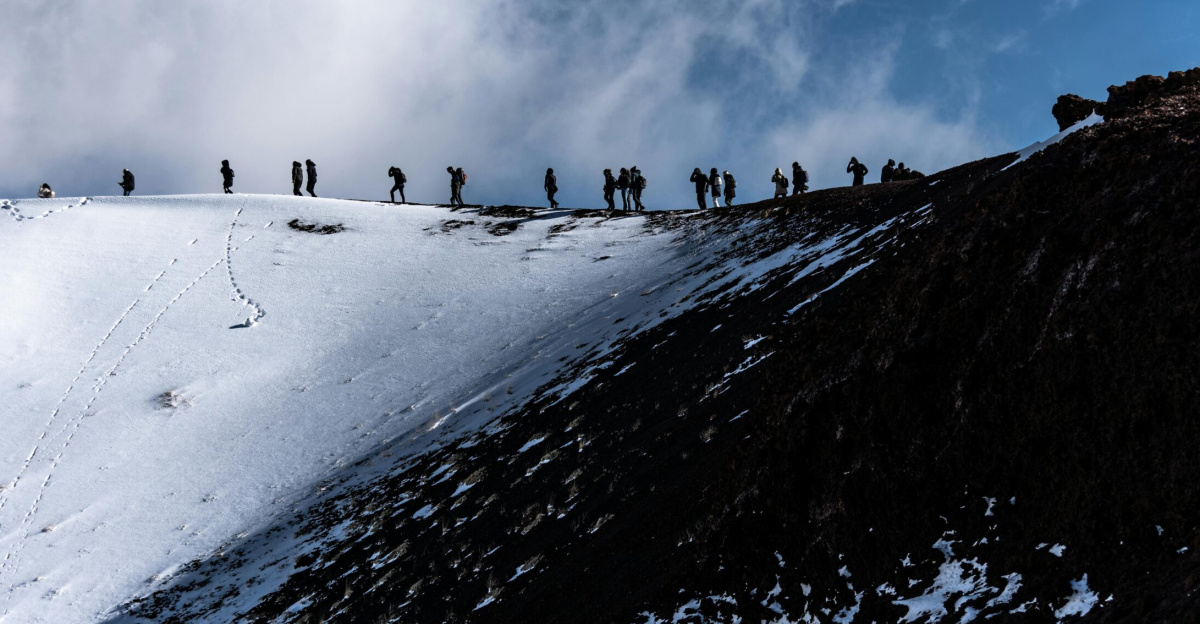
Licensed volcano and alpine guides, legally required above certain altitudes under Italian law, responded to the new restrictions by organizing a rare strike, the first in decades. Dozens of professional guides assembled near the main access gate, blocking vehicle traffic and organized tour groups to draw attention to their cause.
Many guides argue that the current lava flows move slowly and predictably enough to safely guide visitors, just as they have during previous eruptions. For guides, the 200-meter buffer and dusk curfew eliminate the very activities that tourists book and pay for, destroying their income without clear justification.
Authorities Defend a Cautious Approach
Municipal leaders and forestry officials defend the strict new rules as necessary precautions during volcanic activity. Forestry police now patrol key access routes, and drones help authorities count group sizes and spot visitors approaching too close to active flows. On a recent night, officers cited 21 people for violating the new restrictions.
Authorities point to Etna’s December–January eruptive phase and past evacuations as justification for acting cautiously. They argue that even slow-moving lava can change behavior rapidly if conditions shift, perhaps accelerating, perhaps changing direction. They also emphasize that large crowds ignoring safety instructions create chaos and risk during emergencies.
Scientists Say the Danger Is Small
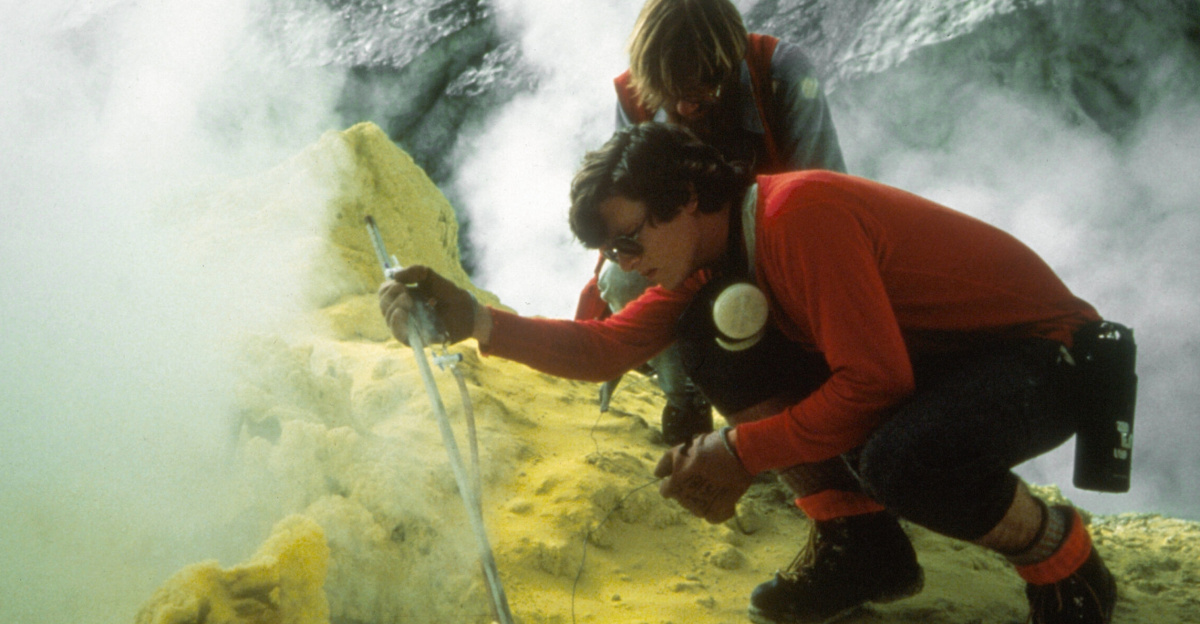
Volcanologists studying the eruption paint a more reassuring picture. The National Institute of Geophysics and Volcanology describes the current activity as “modest effusive activity”, meaning lava flowing out steadily rather than violently exploding. As of early January, the longest lava flow was already stationary and cooling, posing minimal hazard.
From the scientific perspective, the genuine dangers stem from the steep, rugged winter terrain, sudden weather changes, and inexperienced visitors trying to self-navigate near the lava rather than from the lava flows themselves overrunning communities.
Winners and Losers in Etna’s Economy

The new restrictions reveal how unevenly Etna’s economy is now feeling the impact of the eruption. Close-up lava excursions face the dusk curfew, distance rules, and the guide strike, with some operators estimating a 70 percent drop in front-row lava tour availability.
Yet other parts of the tourism sector continue operating almost unchanged: wine tastings on lower slopes, village restaurants, coastal sightseeing, and cultural tours all proceed with minimal new constraints, even though they rely on Etna’s reputation and dramatic backdrop. For local residents and business owners, this imbalance raises uncomfortable questions: whose version of safety takes priority?
Disappointed Tourists Face Last-Minute Changes

The human impact of the restrictions is immediate and frustrating. Tourists who booked lava-viewing excursions weeks or months ago are arriving to find their tours canceled or dramatically modified. One visitor, Claudia Mancini, traveled from Palermo specifically for a lava hike.
“Unfortunately, we got the bad news of the cancelling of all activity,” she told reporters, adding that the situation “is not making anyone happy.” Instead of front-row encounters with flowing lava, visitors are offered shorter walks to more distant viewpoints. Many travelers sympathize with the guides’ strike and safety concerns but feel betrayed by sudden cancellations that upend carefully planned itineraries.
Ash and Aviation Concerns
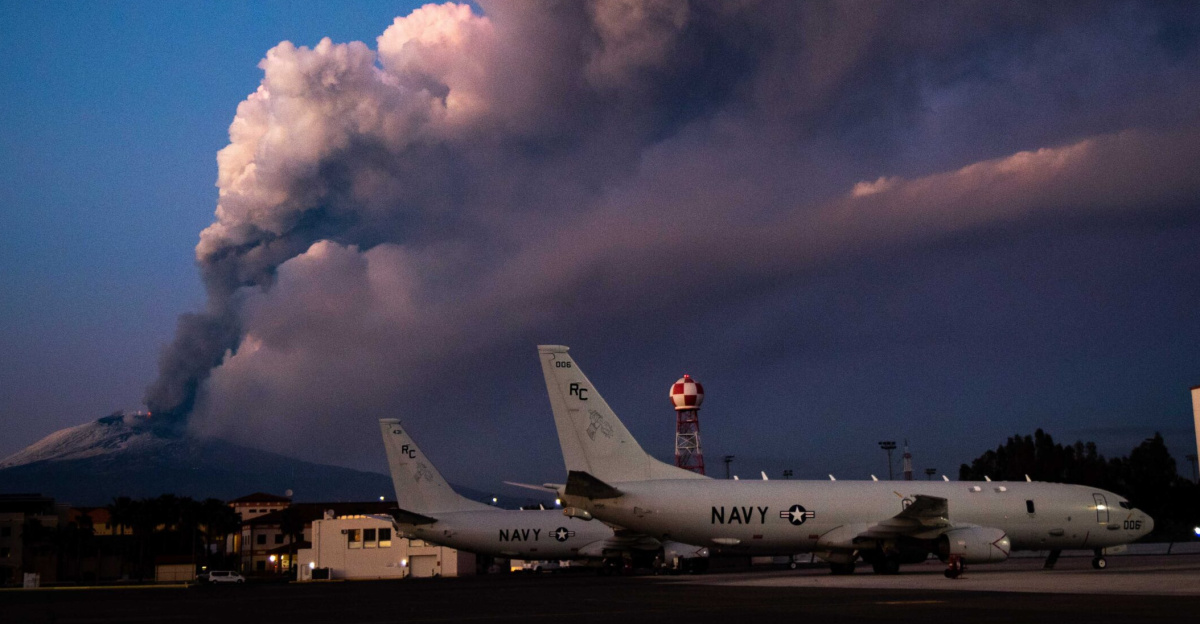
Mount Etna’s eruptions affect more than just ground-level tourists, they threaten aviation safety too. The volcano has a documented history of disrupting flights at Catania’s airport, one of Sicily’s busiest transportation hubs, when ash plumes rise to aircraft cruising altitudes. Around 180,000 passenger movements typically pass through Catania during the Christmas-to-Epiphany holiday period, concentrating significant risk in a short window.
Although the current lava flows remain confined to the Valle del Bove without sending major ash plumes skyward, authorities know that aviation closures can cascade across Sicily’s wider tourism and transportation networks. This awareness gives municipal leaders another powerful incentive to act cautiously on the ground, an aviation shutdown would damage the regional economy far more severely than any lava-tour restrictions.
Guides Versus Government Rules

Behind the protesting guides lies a fundamental disagreement about how risk should be managed on Europe’s most active volcano. Guides argue that their decades of experience and their mandatory presence above certain altitudes under Italian law already provide a robust, proven safety system. They contend that professional judgment, assessing conditions in real-time and deciding whether to proceed, has kept visitors safe through previous eruptions.
Municipal leaders counter that such case-by-case decisions depend too heavily on individual judgment and create enforcement challenges. They prefer clear, universal rules that apply identically to everyone and do not require officials to trust individual decision-makers. For now, neither side has signaled a willingness to compromise significantly. The guides want their restrictions eased; authorities want clear rules maintained. Until one side yields, the strike will likely continue.
Reimagining the Mountain Experience
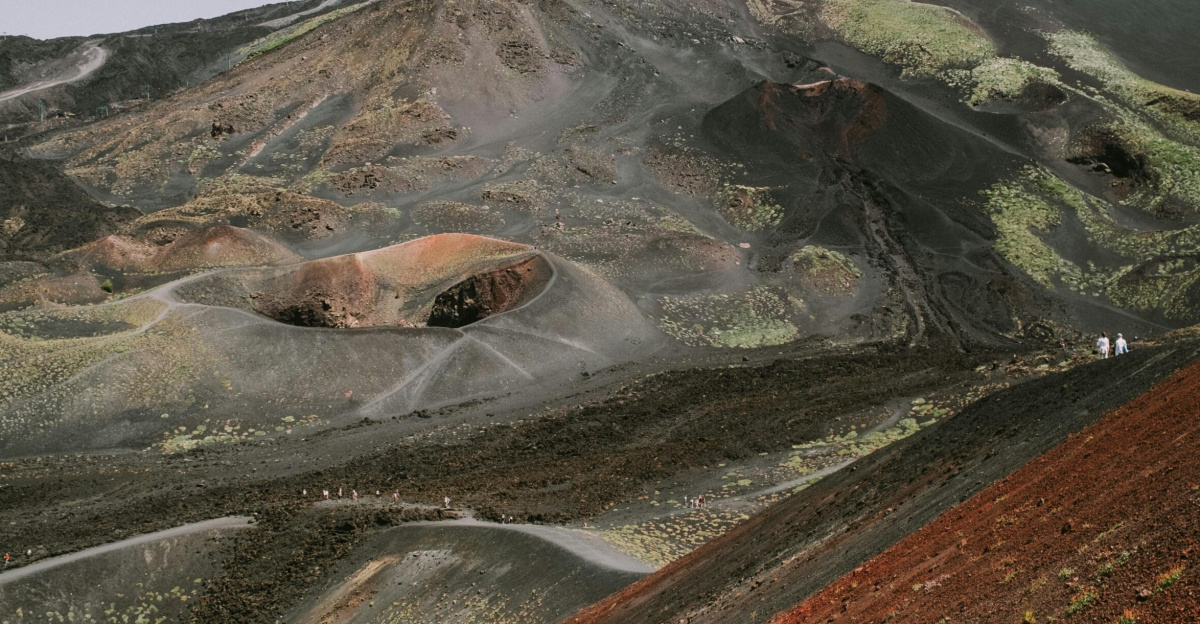
With classic lava-front hikes effectively shut down, some tour operators are scrambling to redesign their offerings. New day trips increasingly emphasize panoramic viewpoints from safer distances, historic crater rim walks, and post-eruption landscape viewing rather than edge-of-flow encounters. Other operators are steering guests downslope toward wine estates, traditional villages, and coastal viewpoints where Etna smolders dramatically on the horizon.
These pivots may keep some revenue flowing through the tourism sector, but for adventure travelers who specifically booked Etna precisely to stand near flowing lava, a distant panorama feels like a poor substitute. If the restrictions remain in place for weeks or months, Etna’s international reputation may shift from accessible active volcano to volcano you can view from far away, a fundamental repositioning that could reshape the mountain’s appeal over the long term.
What Comes Next for Europe’s Restless Giant
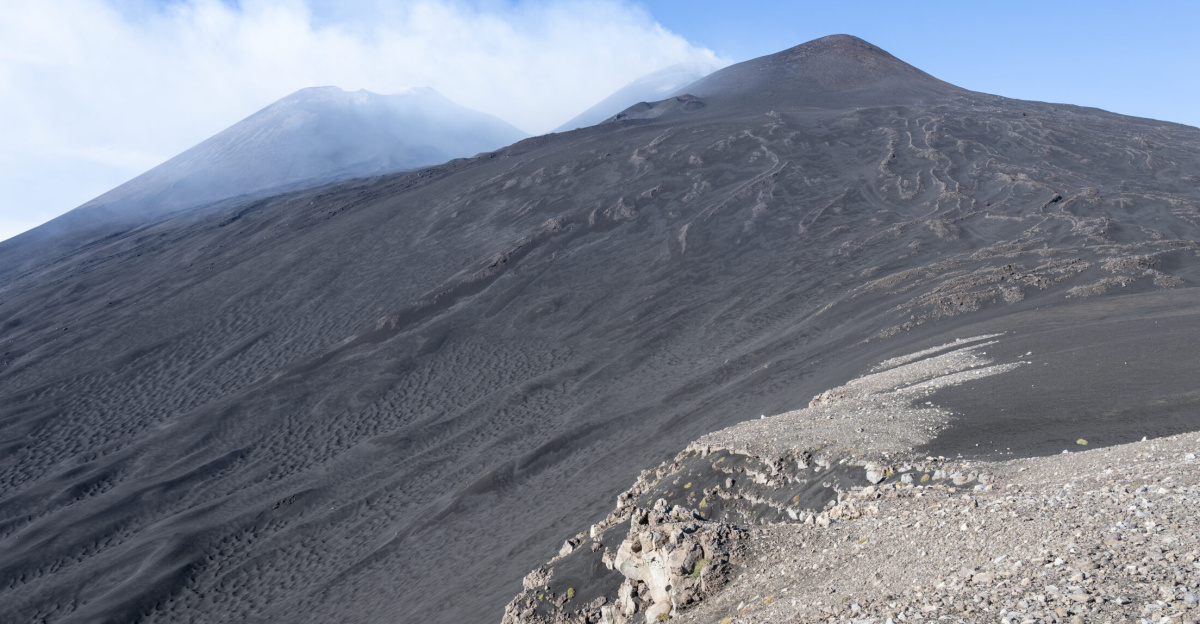
Mount Etna remains Europe’s most active volcano and among the world’s most recognizable natural wonders, serving simultaneously as a geological laboratory and a tourist playground. Volcanologists describe the current eruption as relatively harmless compared to historical episodes, yet it has triggered some of the strictest peacetime access limits anyone can remember.
As lava cools and negotiations between guides and authorities continue, a fundamental question looms: will this season’s safety restrictions become the new normal for visiting one of the world’s most iconic volcanoes, or will access eventually return to pre-eruption levels? The answer will depend on whether authorities and guides can find compromise, or whether either side will ultimately abandon negotiation and impose a solution unilaterally.
Sources:
Euronews – “Mount Etna tour guides protest new restrictions on visiting Europe’s most active volcano” – 7 January 2026
ABC News / Associated Press – “Volcano guides at Mount Etna are protesting over new safety rules” – 7 January 2026
ClickOrlando / Associated Press – “Europe’s most active volcano is erupting, and tour guides are told to stay away” – 7 January 2026
Türkiye Today – “Mount Etna tour guides strike over new safety restrictions” – 8 January 2026