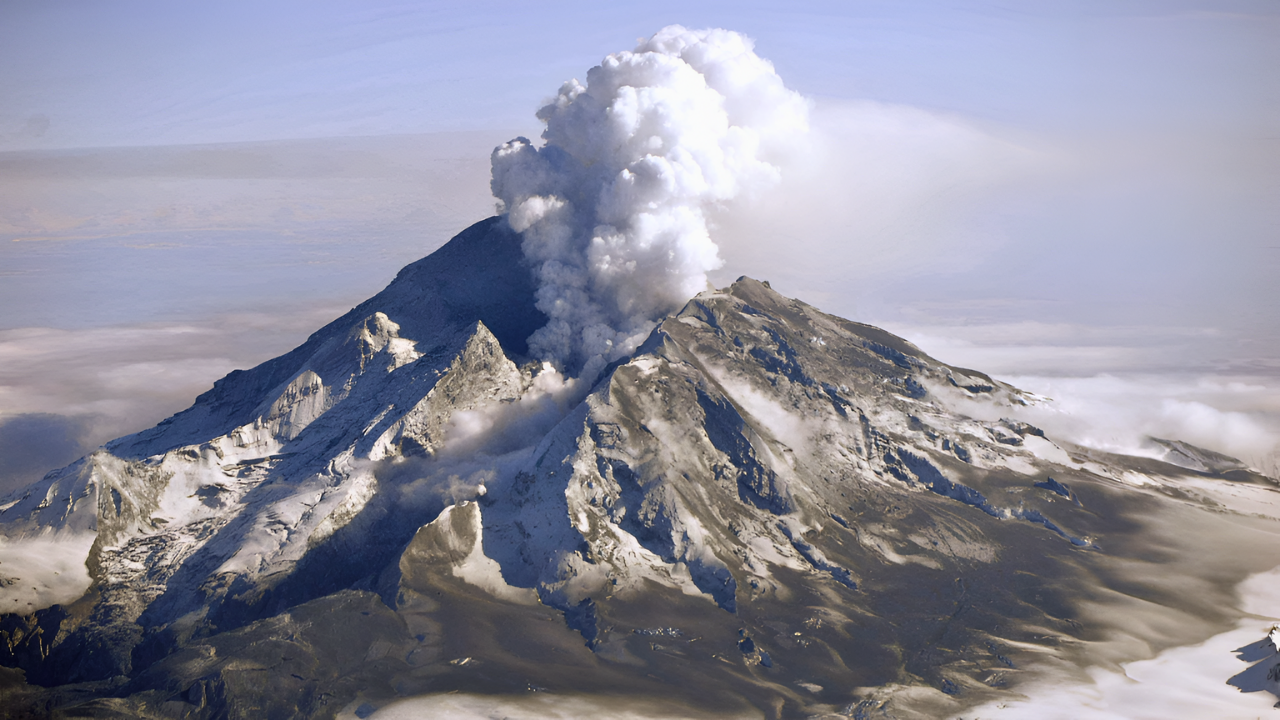
A colossal volcano in southeastern Iran is showing signs of life after 700,000 years of peaceful silence. Mount Taftan, standing nearly 12,000 feet tall, is one of the largest volcanoes in its region, looming over communities where tens of thousands of people live. For most of recorded history, this massive peak remained completely dormant.
But scientists have just made a startling discovery using satellite technology: the volcano’s summit has started rising. This marks the first time anyone has ever recorded movement at Taftan, raising urgent questions among researchers and Iranian officials. Should the people living nearby worry?
Ancient Dormancy
For 700,000 years, Taftan has been classified as extinct, meaning it hasn’t erupted during the entire period humans have existed on Earth. The volcano sits along the Makran subduction zone in southeastern Iran, where the Arabian tectonic plate slowly slides beneath the Eurasian plate.
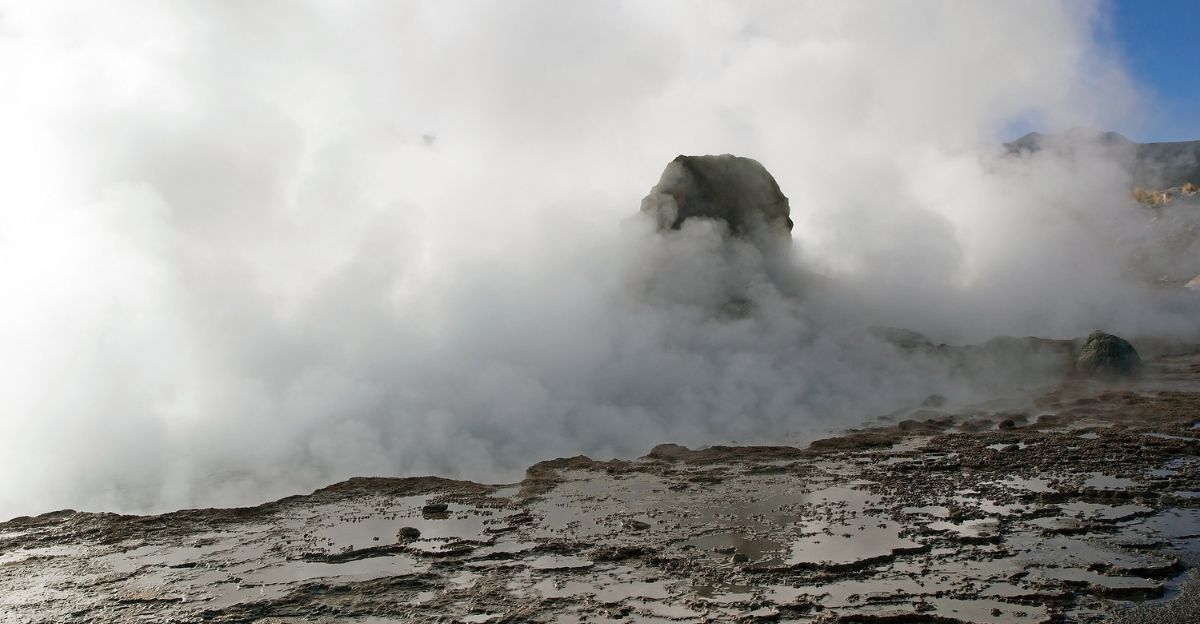
Sometimes, sulfurous gases escape through natural vents called fumaroles, creating a noticeable rotten-egg smell. Despite these occasional gas releases, no lava or ash has emerged for hundreds of thousands of years. Local residents in nearby cities occasionally reported smelling these gases, but scientists had largely dismissed serious risks.
Faint Warnings
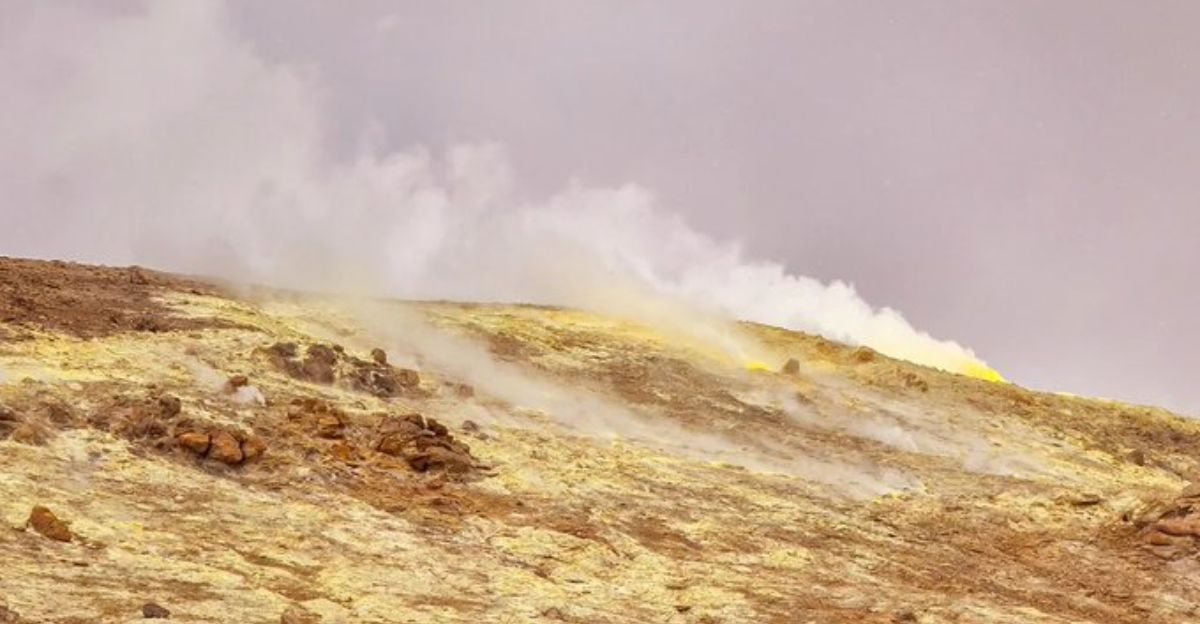
Something shifted dramatically between 2023 and 2024. Residents in Khash, a city located about 31 miles away from Taftan, reported increasingly strong sulfur smells and visible plumes of gas drifting from the volcano’s vents. Local social media buzzed with observations, and news outlets picked up the story, some mistakenly calling these gas releases “eruptions.”
Scientists paid special attention to what wasn’t happening as there were no earthquakes accompanying these gas releases, yet the venting was visibly stronger than in previous decades. The intensified sulfur odors and visible plumes appearing in May 2024 created growing concern among both residents and monitoring agencies across Iran.
Subduction Pressure

To understand Taftan’s recent activity, you need to know what’s happening deep beneath the surface. The volcano formed at the Makran subduction zone, a 275-mile chain of volcanoes where oceanic crust is slowly being pushed beneath continental crust at a rate of roughly 2.5 to 3 centimeters per year, about the speed your fingernails grow.
This collision releases trapped fluids and heat, fueling volcanic activity. Prior studies from 2015 to 2020 found almost no measurable movement at Taftan’s surface. However, the remote location combined with insurgent activity and border tensions between Iran and Pakistan made ground-based monitoring nearly impossible.
Ground Swells
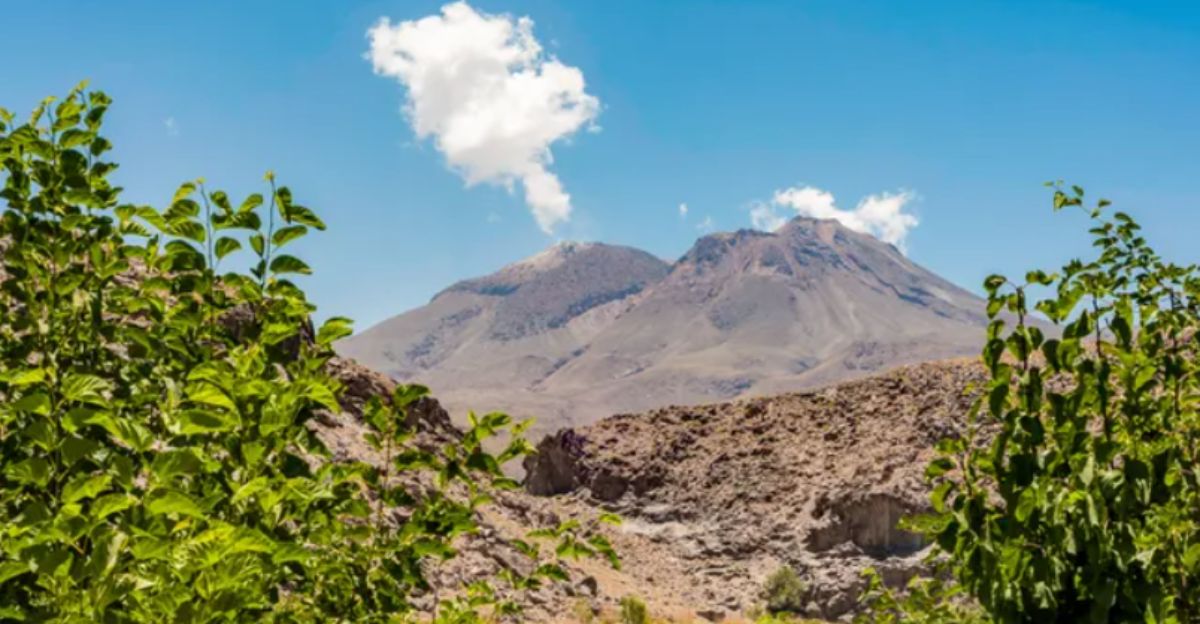
Between July 2023 and May 2024, something remarkable happened that stunned volcanologists worldwide: Taftan’s summit rose 9 centimeters, about 3.5 inches. This marked the first uplift ever recorded at this volcano in human history, and scientists spotted it using European Space Agency Sentinel-1 satellites equipped with advanced InSAR (Interferometric Synthetic Aperture Radar) technology.
InSAR works by bouncing radar signals off the ground and measuring subtle changes in how those signals bounce back, revealing ground deformation with millimeter precision. The uplift data pointed to a pressure source located about 1,600 to 2,000 feet below the summit. Most importantly, no earthquakes or unusual rainfall explained this movement.
Nearby Peril

The implications of this discovery fall directly on the people living near Taftan. Tens of thousands of residents in Khash and surrounding villages are situated only kilometers from the volcano’s base, making them potentially vulnerable to any changes. In 2024, gas plumes traveled an impressive 31 miles from the summit, carrying sulfur odors that residents could detect and smell from their homes.
Although no eruption appears imminent based on current data, the persistent pressurization signals an active system that could pose hazards to nearby communities. Without seismometers or GPS stations on the ground these communities rely entirely on distant satellites for early warnings.
Sulfur Warnings

Between May 18 and 27, 2024, Khash residents noticed something distinctly different and unsettling. Hydrogen sulfide odors intensified dramatically, and visible plumes of gas rose visibly from Taftan’s summit. Some reports mentioned smoke and ash, which amplified local fears of an imminent eruption, though scientists clarified that no ash actually fell. What residents were seeing was mainly volcanic gas and water vapor.
Fumaroles, which have been active for centuries, surged four separate times during 2023 and 2024, an unusual frequency compared to previous decades. Daily life continued despite the haze and odors, but the experience raised legitimate health and environmental concerns for the community.
Gas Buildup?
Lead researcher Pablo González, a volcanologist at Spain’s Institute of Natural Products and Agrobiology, studied the uplift data intensively and proposed two possible explanations. The first possibility: gas accumulated in the hydrothermal system, the network of superheated water and gases circulating beneath Taftan’s surface, and pushed the ground upward.
The second possibility is that molten rock (magma) intruded at shallow depths, about 1,600 to 2,000 feet down, causing the same observable effect. Neither scenario indicated an imminent violent eruption based on current evidence, but both signaled an active, dynamic system requiring careful monitoring.
Surveillance Void
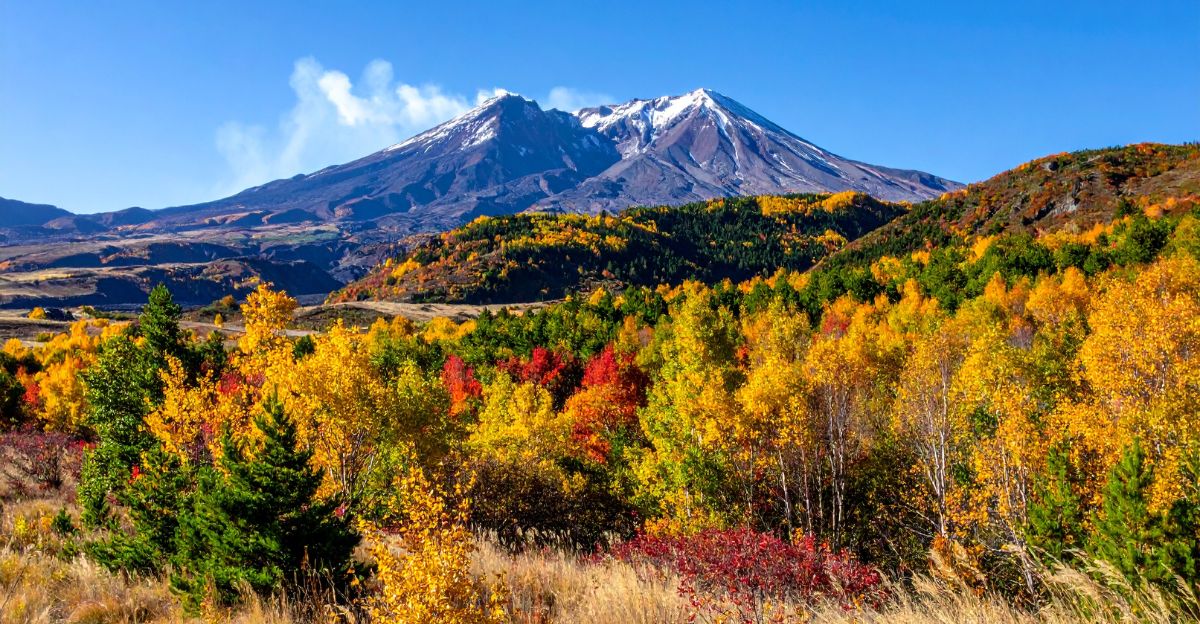
Taftan represents a larger problem facing volcano science worldwide: many dangerous volcanoes lack on-site monitoring equipment. Unlike Mount St. Helens in Washington state, which has dozens of seismometers and GPS stations constantly recording data, Taftan sits in a remote, conflict-affected region where installing equipment proved extremely impractical and dangerous.
Satellites have become the lifeline for monitoring volcanoes in such locations, yet this approach has significant limitations. Satellites capture snapshots of deformation at intervals but cannot provide the minute-by-minute seismic data that ground instruments deliver continuously.
Hidden History
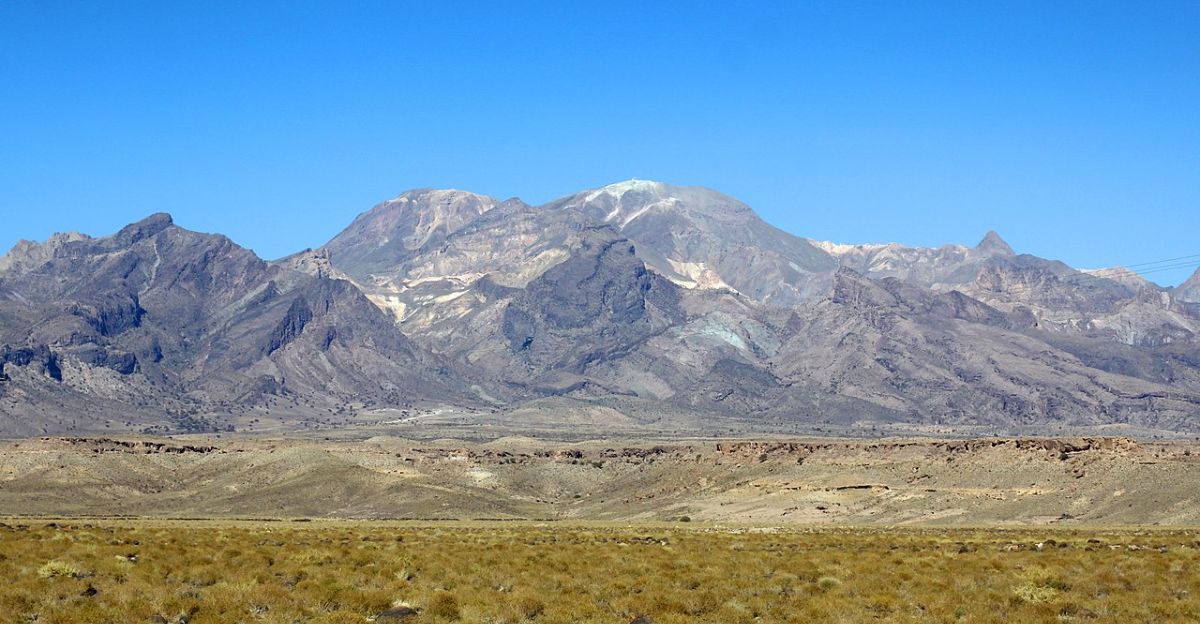
Recent research suggests Taftan’s history is far more complicated than scientists previously believed. Rather than being completely dormant for 700,000 years, the volcano may have experienced weaker periods of activity throughout that time. Historical records document fumarolic “eruptions”, intense gas venting episodes, occurring in 1902, 1914, 1970, and 1993, following similar patterns to current activity.
Some historical accounts may have confused these gas surges with true volcanic eruptions, creating confusion about the volcano’s actual activity level. Geologists now suspect that the last genuine magmatic eruption occurred around 7,000 years ago, not 700,000 years ago as long assumed. If true, this reframes Taftan as a persistently restless volcano rather than a completely sleeping giant.
Monitoring Pleas

Researchers involved in the study have issued urgent pleas for authorities to take immediate action. The phrase “wake-up call” appears repeatedly in their statements to media and government officials. According to González: “This is a wake-up call to the authorities in the region in Iran to designate some resources to look at this.” The Iranian Geophysical Society, after verifying the findings independently, emphasized that continuous seismic observation and modeling are necessary to fully assess risks to the region.
However, Iranian officials have responded cautiously, prioritizing other projects over Taftan monitoring infrastructure. The frustration stems from a simple, compelling fact that monitoring equipment costs far less than disaster recovery and rescue operations.
Dormant Label
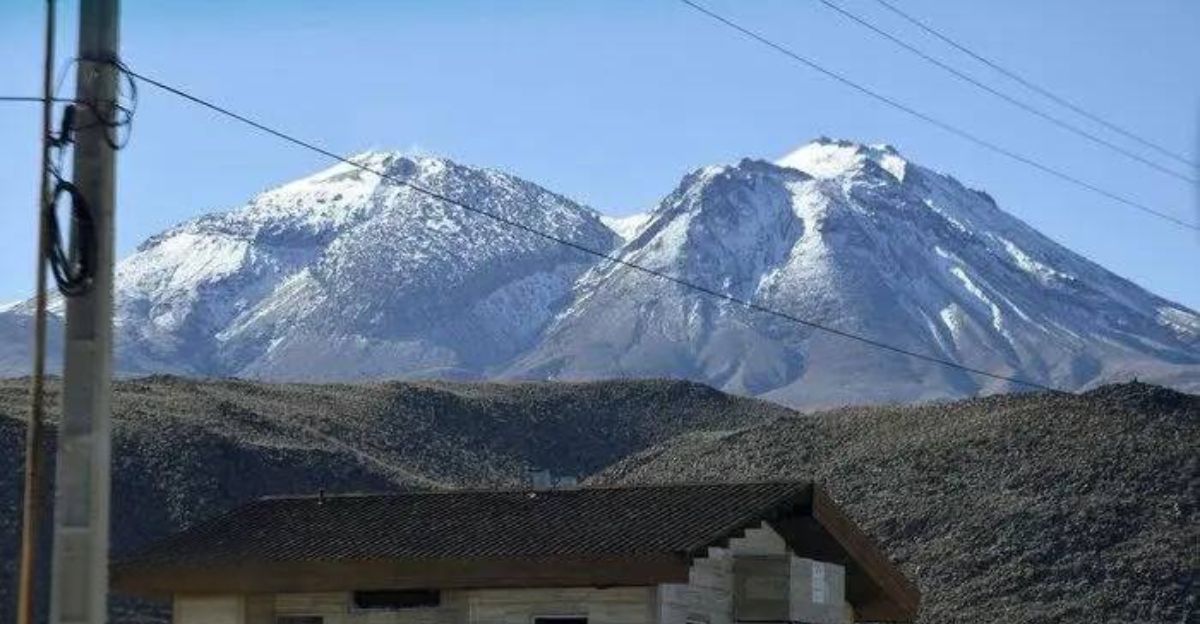
Based on recent findings, González and his colleagues propose fundamentally changing how scientists officially classify Taftan. Currently, it bears the label extinct, suggesting permanent death and no future danger. González recommends reclassifying it as “dormant,” acknowledging that the volcano could potentially erupt again in the future.
This shift in terminology may seem minor to non-scientists, but it carries significant implications for how monitoring resources are allocated and how emergency planning proceeds. A classification change would likely prompt authorities to allocate additional funds for monitoring and prepare communities for potential hazards.
Vent Strategies
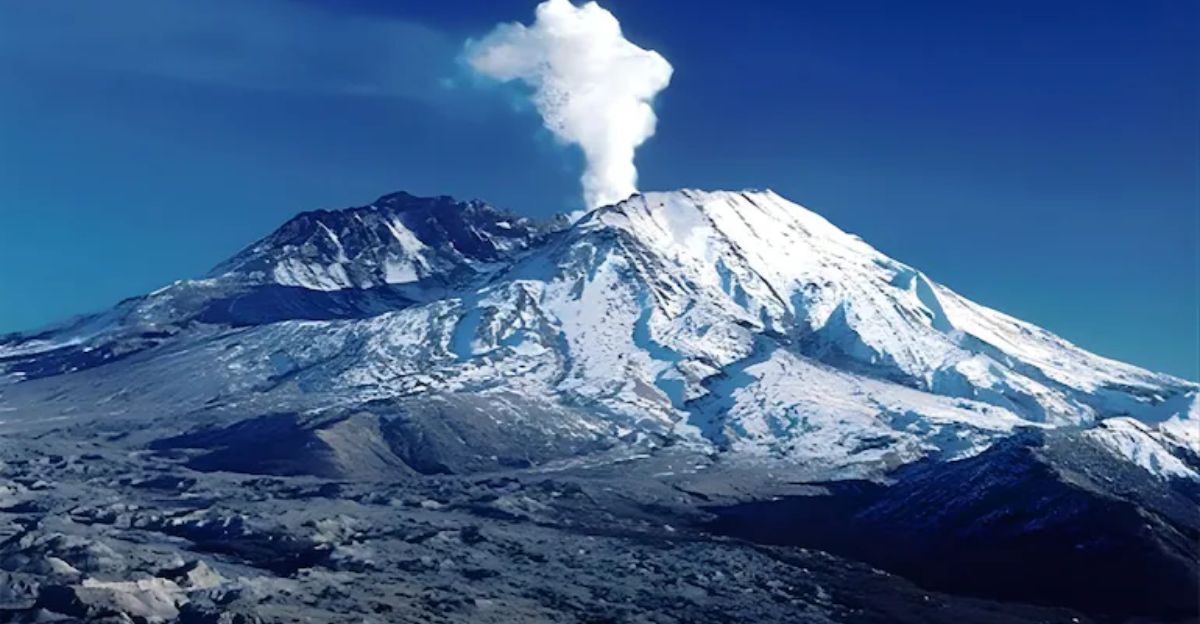
The key question facing scientists involves how Taftan will ultimately release the pressure building beneath its surface. One scenario involves gradual release through fumaroles, similar to the gas surges observed in 2024. In this case, pressure dissipates slowly over months or years, with increasingly intense sulfur odors and visible plumes as a warning.
The second scenario involves violent release through a phreatic explosion, where superheated water flashes to steam and explodes outward with force. Such an event could occur if accumulated gases become trapped beneath an impermeable layer and pressure exceeds safe limits.
Uncertain Odds
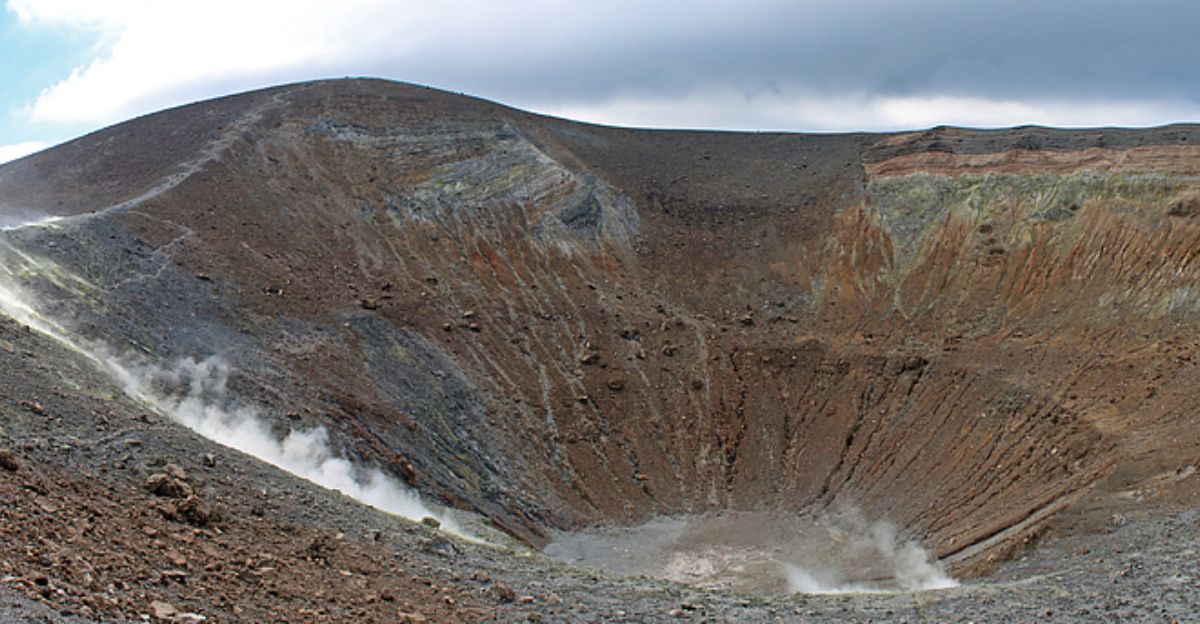
Not all volcanologists agree on what Taftan’s recent activity means for future danger levels. Simon Carn expressed healthy scientific skepticism, noting: “It could be magma… or hydrothermal.” The 9-centimeter uplift could result from gas accumulation in the hydrothermal system rather than rising magma from deeper chambers. Historical comparisons prove instructive when predicting volcano behavior.
Italy’s La Fossa Caldera experienced similar uplift without subsequently erupting. Alaska’s Mount Spurr showed dramatic precursory signals before erupting, creating false certainty among observers. Each volcano behaves differently based on its unique internal structure and specific pressure regime.
Imminent Risk?

Looking forward, the Taftan story remains completely unwritten and unpredictable. Lead researcher González summarized the situation plainly: “It has to release somehow in the future, either violently or quietly.” The critical question is not whether pressure will eventually be released, but how and when that release will occur.
The European Space Agency’s Sentinel-1 satellites will continue orbiting Earth, periodically photographing Taftan’s summit to detect any new uplift or subsidence. Will Iran deploy seismometers and GPS stations despite geopolitical challenges and severe budget constraints? Will international monitoring networks integrate Taftan into their operations? Persistent unrest could redraw the map of Makran volcanic risks, forcing a global rethinking of how humanity monitors remote volcanoes in difficult-to-reach regions.
Sources:
Live Science, An Iranian volcano appears to have woken up — 700,000 years after its last eruption, 2025-10-16
ABC News, Volcano dormant for 700,000 years could soon resume activity, 2025-10-23
Discover Magazine, Taftan Volcano May Be Waking Up After a 700,000-Year Slumber, 2025-10-19
Geophysical Research Letters, Spontaneous Transient Summit Uplift at Taftan Volcano (Makran Subduction Arc) Imaged Using an InSAR Common-Mode Filtering Method, 2025 (online early)
Earth.com, Volcano wakes up after 700000 years, is now considered “stirring”, 2026-01-04
YouTube – GeologyHub, After 700,000 Years, This Volcano Is Waking Up, 2026-01-05