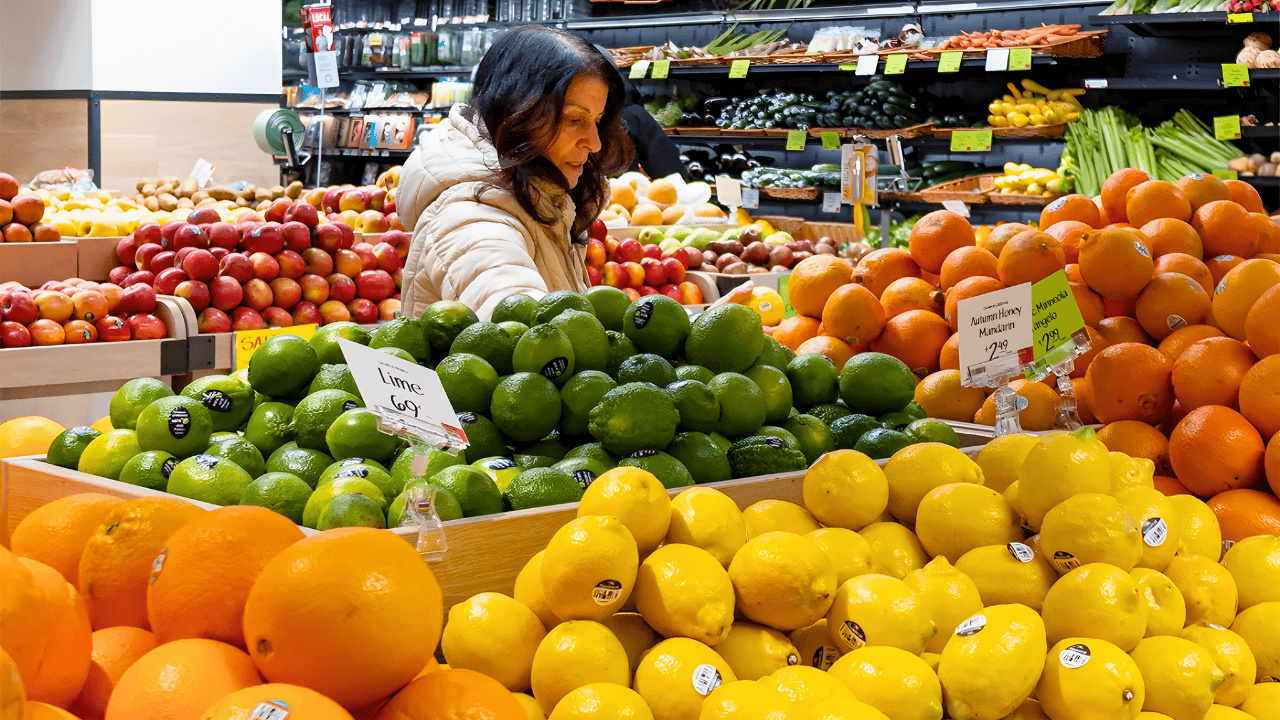
Orange juice prices have skyrocketed across America. A 12-ounce bottle that cost $2.30 in 2020 now sells for more than $4.50 in 2025. This price shock tells the story of Florida’s citrus industry falling apart. In 1996, Florida had 857,687 acres of citrus groves and produced approximately 300 million boxes of citrus by 2004.
The state dominated America’s orange juice supply. Today, only 208,186 acres remain, and producers expect just 14.6 million boxes for the 2024-25 season. That represents a 92% decline in production over two decades, making it one of the most severe agricultural collapses in modern U.S. history.
A tiny insect caused this disaster. Scientists first spotted the Asian citrus psyllid in Palm Beach County in June 1998. This bug carries bacteria that cause a disease known as citrus greening, also referred to as huanglongbing. Florida confirmed the disease in its groves in 2005. The infection attacks a tree’s vascular system, blocks nutrients, stunts growth, and eventually kills the plant. Within several years, the disease spread across the entire state.
By the 2010s, approximately 90% of Florida’s orange groves were infected. Researchers found no cure. Growers spent heavily on pest control, antibiotics, pruning, and replanting to keep trees alive long enough to produce fruit. Hurricanes made everything worse. Matt Joyner, CEO of Florida Citrus Mutual, explained that growers fought three hurricanes in seven years while battling “one of the most damaging diseases known to citrus globally for twenty years.”
Major Producer Alico Shuts Down Operations
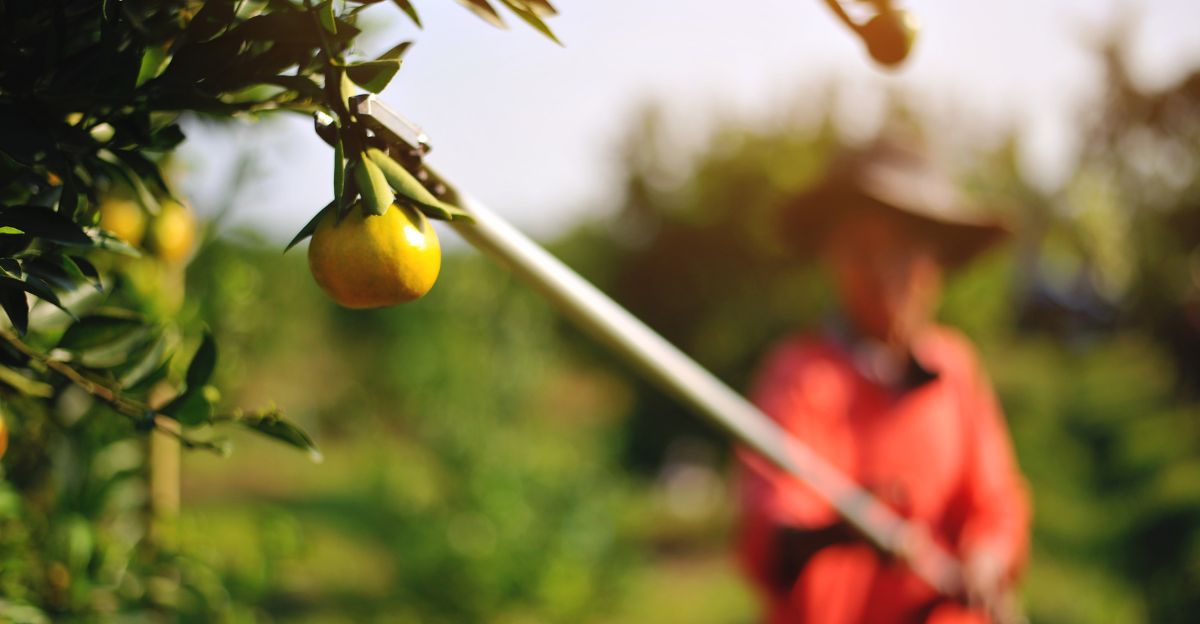
On January 6, 2025, Alico Inc. announced it would stop growing citrus after the current harvest. Alico ranked as one of America’s largest citrus producers and supplied Tropicana. The Fort Myers-based company controlled about 49,000 acres of citrus and represented roughly 14-15% of Florida’s citrus market. CEO John Kiernan stated bluntly: “Growing citrus is no longer economically viable for us in Florida.”
The decision hit rural communities hard. Florida’s citrus industry once supported about 33,000 jobs in growing, packing, processing, and distribution. Towns like Lake Wales, Sebring, and Immokalee built their economies around citrus mills and packing houses. Now they face layoffs, business closures, and declining tax revenues.
The University of Florida reported that the number of citrus growers in the state decreased by 62% between 2002 and 2017, and losses continued to accelerate through 2025. Many families who owned citrus land for generations sold their property to real estate developers.
Global Trade Shifts and an Uncertain Future

Florida’s collapse reshaped the worldwide orange juice market. Brazil increased its dominance as the world’s leading producer of orange juice. California overtook Florida as the top U.S. orange producer. Global orange juice futures climbed from around $1 per pound a decade ago to between $4.77 and $5.30 per pound in 2024-25. Trade tensions added pressure.
In March 2025, the Trump administration imposed 25% tariffs on imports from Canada and Mexico, hitting Florida orange juice exports to Canada. Prime Minister Justin Trudeau publicly urged Canadians to avoid Florida orange juice. American consumers changed their habits as prices rose. Per capita orange juice consumption in the United States has dropped by more than half since the mid-2000s, as people have switched to flavored waters, teas, and other fruit juices.
Scientists and growers spent more than $200 million searching for solutions to citrus greening. The University of Florida reported progress on genetically engineered citrus trees that produce proteins deadly to young psyllids, but these trees remain years away from commercial use. Some new varieties show better tolerance to the disease, with yield gains of up to 50% in trials; however, experts warn that it could take decades to replant enough acres to restore production.
Alico announced plans for Corkscrew Grove Villages, a 9,000-home residential project in Collier County, and shifted to cattle ranching, sugarcane, and soybeans. By November 2025, CEO Kiernan told investors Alico now considers itself a “diversified land company” rather than a farming business. As 2026 begins, affordable Florida orange juice has become a memory for many Americans rather than an everyday choice.
Sources:
Food & Wine, Orange Juice Prices Are About to Surge Even More, March 2025
Food Dive, Tropicana orange supplier Alico to exit citrus business, January 2025
CNBC, Orange juice makers turn to alternative fruits amid record high prices, May 2024
Fresh Plaza, Global orange juice prices soar after poor harvests, October 2025
USDA National Agricultural Statistics Service, Commercial Citrus Inventory, August 2025
University of Florida IFAS Citrus Research and Education Center, How the Asian Citrus Psyllid Brought the Citrus Industry to Its Knees, 2025