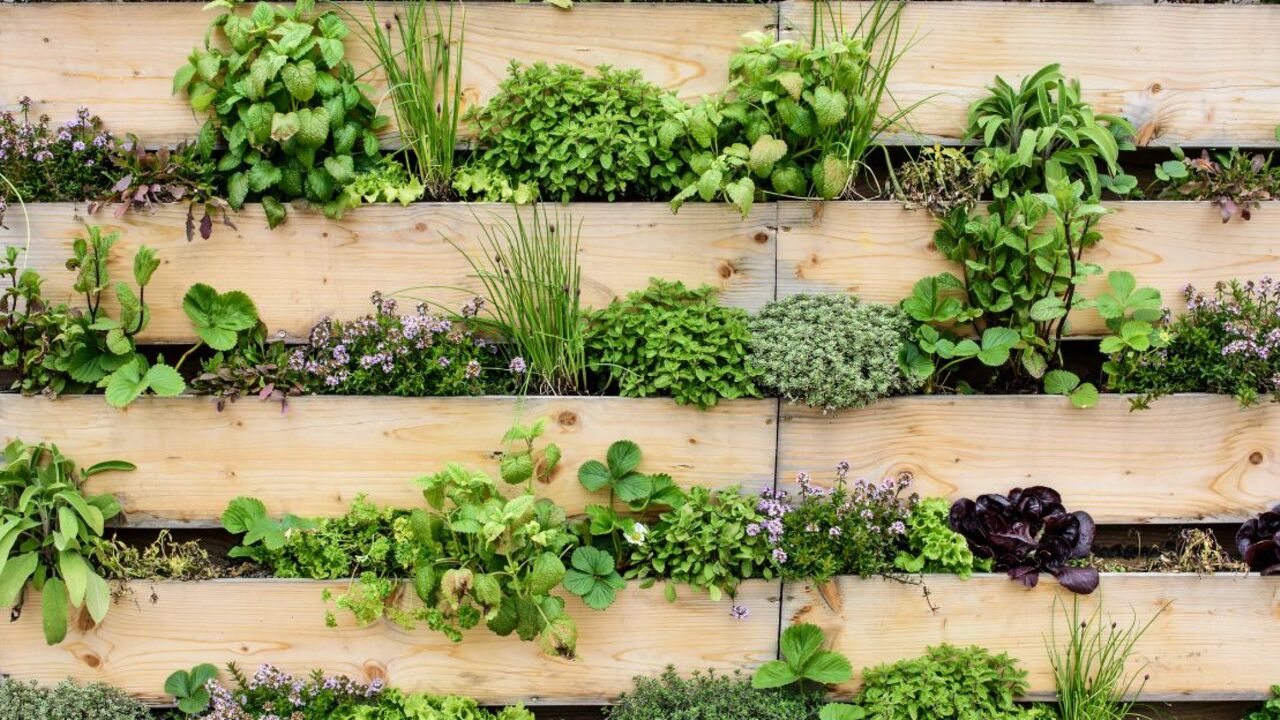
If you’re short on space but big on flavor in your kitchen, a vertical herb garden is a clever way to grow more in less room. With the right structure, you can turn a bare wall or balcony into a lush, kitchen-ready feature. A self-watering system makes maintenance easier and keeps herbs happy even on busy weeks. With a few tools and thoughtful plant choices, you can build a productive garden in just an afternoon.
Getting Your Vertical Herb Garden Set Up
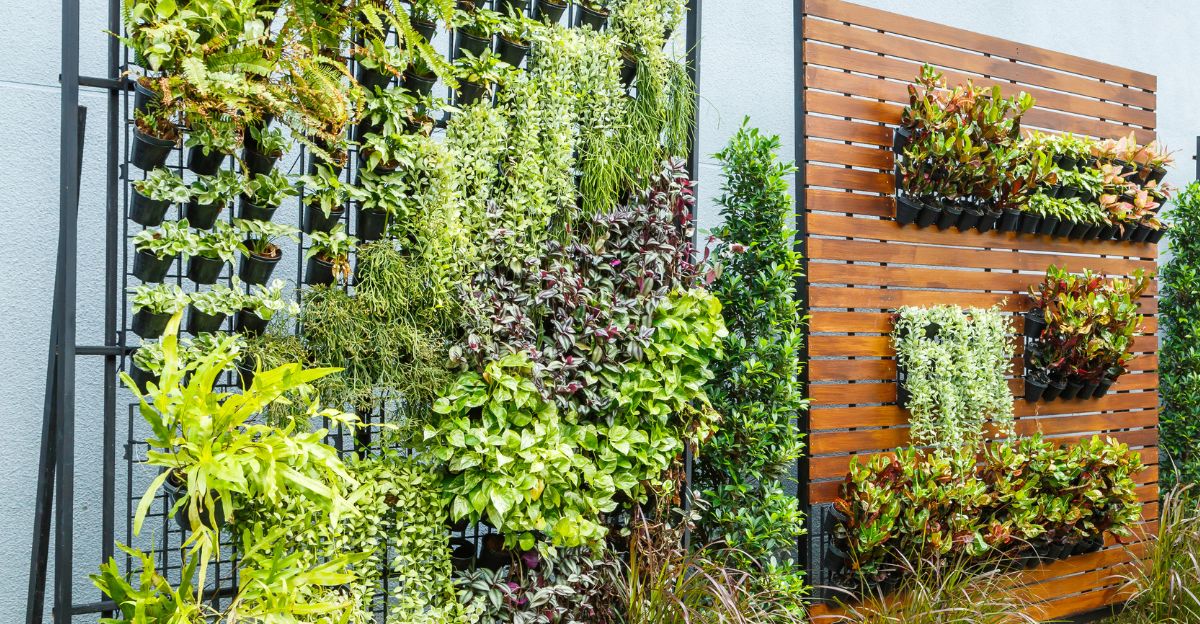
Start by choosing the sunniest spot you have, such as a deck, balcony, or bright patio wall, because herbs thrive with plenty of light. If ground space is limited, opt for a slim vertical unit that offers multiple tiers of planting pockets while taking up very little floor area. Many ready-made systems come flat-packed in a couple of boxes and can be assembled quickly by putting together the frame and slotting in the planters. Expect to spend under an afternoon on assembly and planting, making this a realistic weekend DIY project.
Look for a system with built-in water reservoirs beneath each planter and a visible water meter on the side. These reservoirs store water below the soil so your plants can draw moisture as needed rather than sitting in soggy roots. In some designs, a single opening at the top allows you to pour water in, which then flows down through all the connected planters. This means you only need to top up from one point and occasionally check the meters, greatly reducing how often you have to water.
Choosing and Planting Your Herbs Wisely
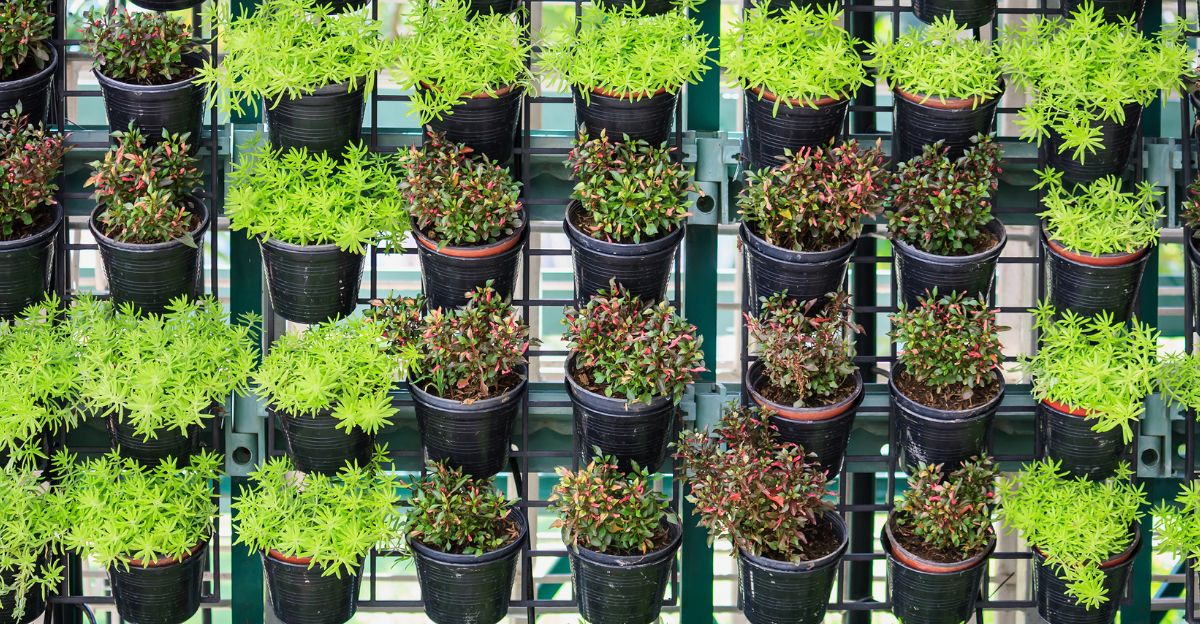
When selecting herbs, mix everyday favourites with a few special varieties you use often in cooking. Classics like mint, basil, parsley, sage, oregano, and rocket (arugula) are ideal because they’re versatile and benefit from regular picking. You can even sneak in a compact tomato plant for fresh salads or sauces, as long as it gets enough sun and support. If your local nursery is missing something specific, like Thai basil for curries, leave space to add it later so your garden can evolve with your tastes.
Plant each herb in its own compartment to avoid overcrowding and to make it easier to manage different growth habits. Fast spreaders like mint do best when given their own section so they don’t smother slower-growing neighbours. Water thoroughly after planting to help the roots settle into the fresh soil, then rely on the built-in reservoir system to keep moisture steady. With smart planning and simple maintenance, your vertical herb garden will provide fresh, waste-free flavor just a few steps from your kitchen.
Sources:
Collective Gen vertical herb garden setup guide July 2020