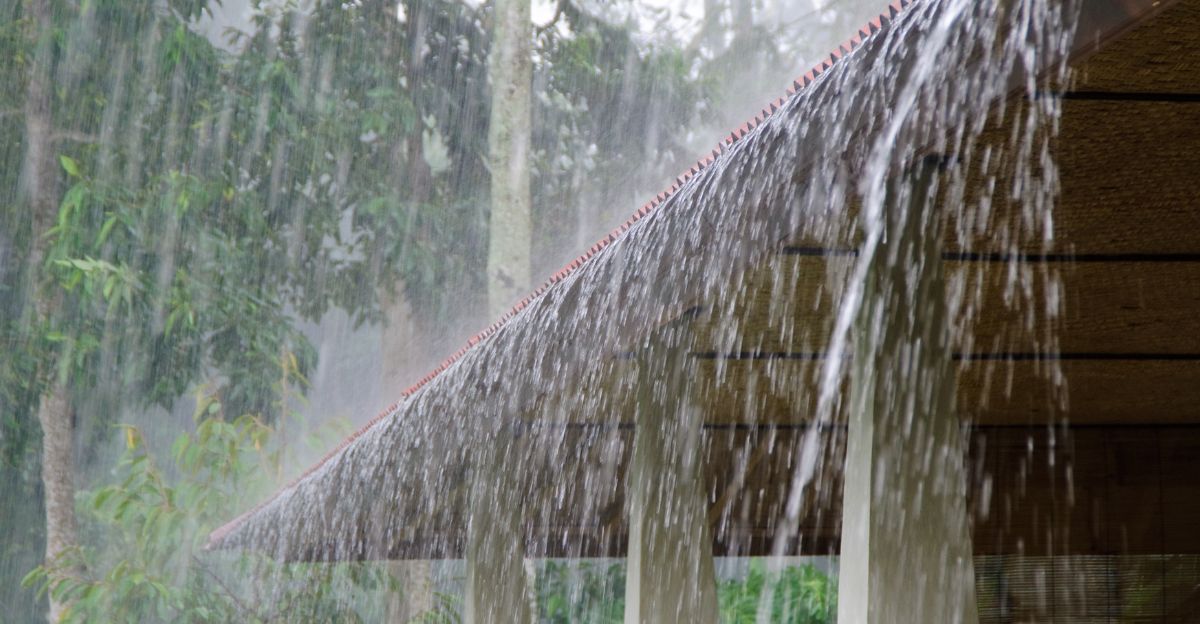
Rain hammered down in blinding sheets as California’s latest atmospheric river stalled over the state, turning highways into rivers and forcing emergency crews into nonstop rescues.
By the morning of November 16, 2025, gauges at San Marcos Pass showed 8.53 inches of rainfall, while downtown Los Angeles logged nearly a full month’s average precipitation in just 24 hours.
Forecasters warned the system would continue dumping two to five more inches on urban areas through November 19.
A Warning to Millions

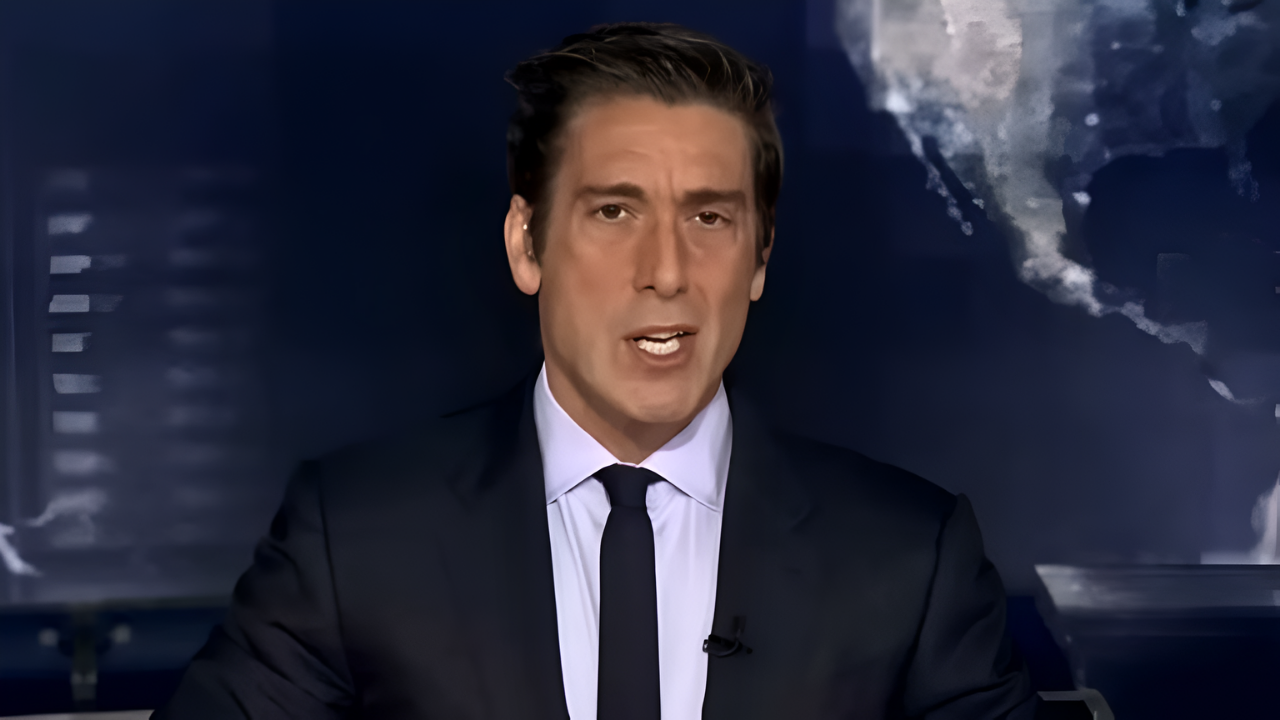
ABC News anchor David Muir delivered urgent warnings on World News Tonight on Monday, November 17, 2025, as California faced a “dangerous and deadly situation.”
With 23 million residents under flood alerts and 100,000 people in evacuation zones near burn scars, Muir emphasized the life-threatening risks from debris flows and flash flooding.
Tragic Death Toll
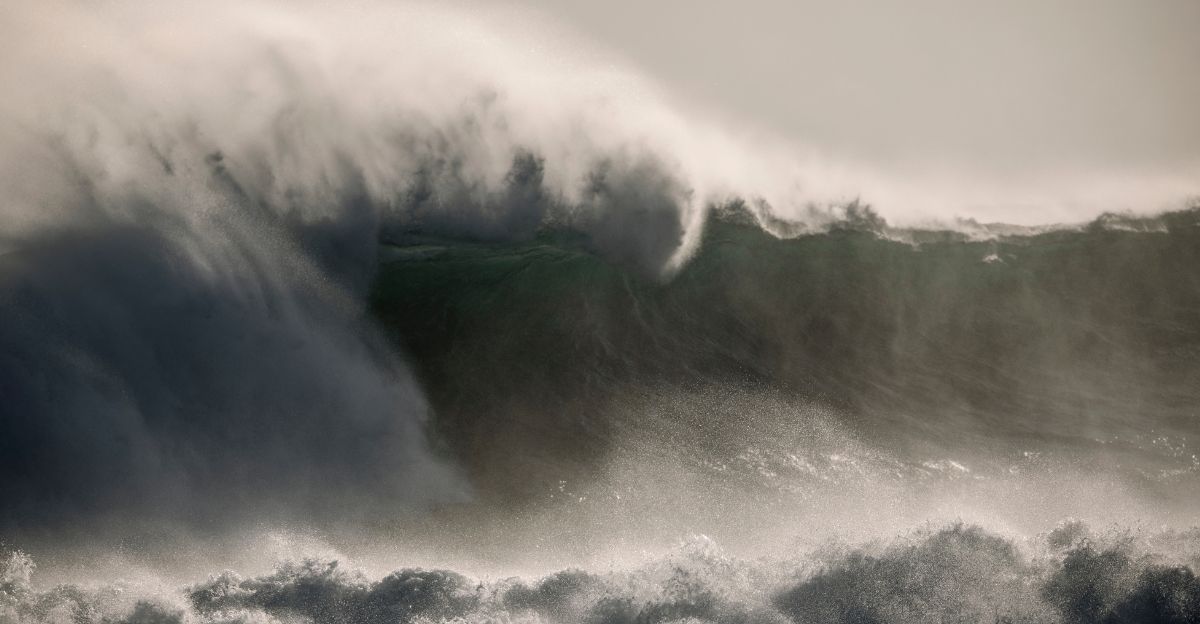
Seven people died during the storm, including a 7-year-old Canadian girl and her 39-year-old father, who was swept away by a massive wave at Big Sur.
A 71-year-old man was swept off a flooded bridge in Sutter County. Four migrants perished when their boat capsized off San Diego’s coast during the dangerous conditions.
Massive Population Impact
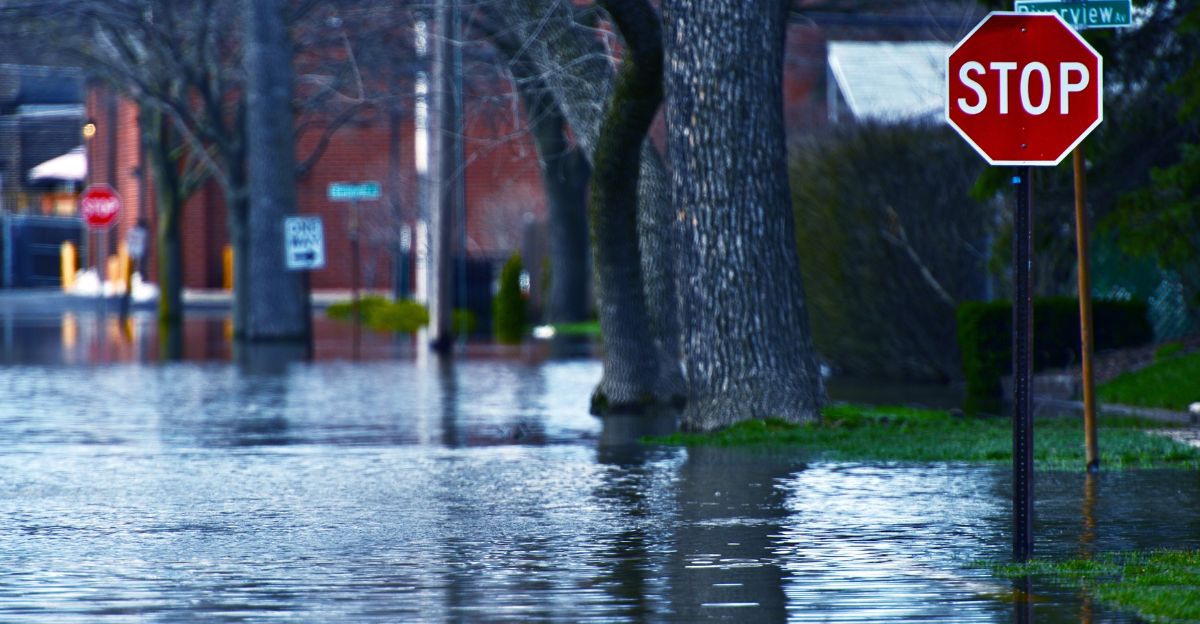
Twenty-three million California residents—nearly 60% of the state’s population—came under flood alerts as the powerful storm system unleashed life-threatening conditions.
The National Weather Service issued urgent warnings through Wednesday, November 19, covering vast stretches of Southern California and Central Coast communities, which were experiencing unprecedented rainfall rates.
What Fueled the Storm
Meteorologists rated this AR a 3-4 atmospheric river, a powerful “river in the sky” funneling Pacific moisture into California.
These systems transport Mississippi River-equivalent water vapor and are responsible for 65% of the West Coast’s extreme precipitation events.
The storm’s intensity delivered rainfall rates of nearly one inch per hour during peak conditions on Saturday morning.
Burn Scar Threat
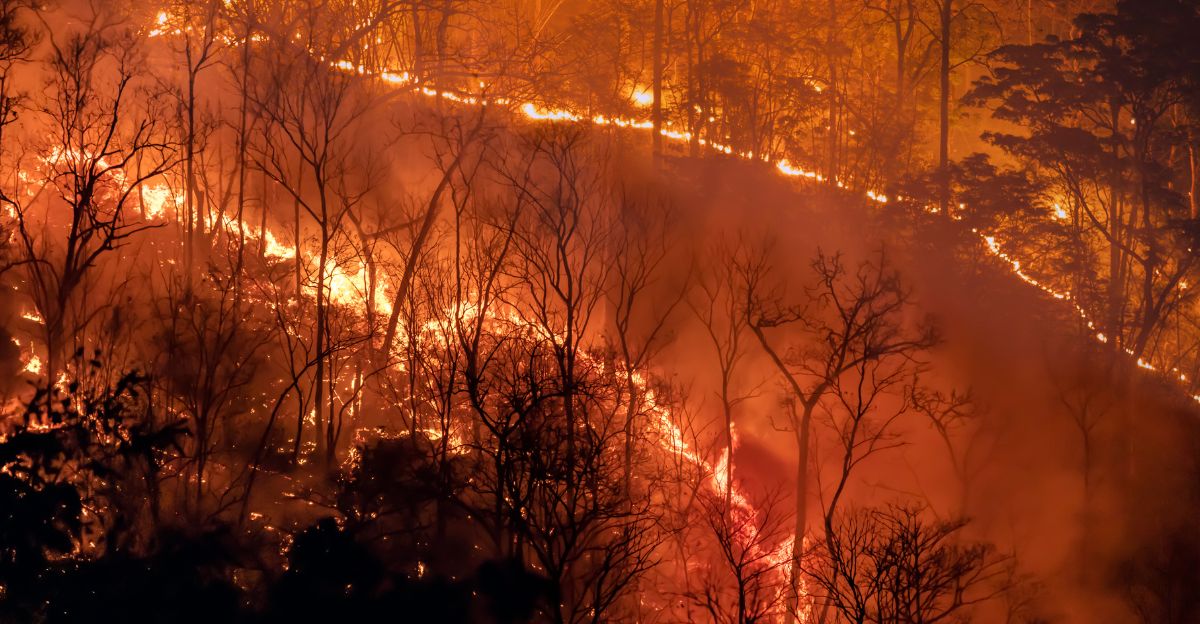
The Palisades and Eaton fires earlier in 2025 consumed 58 square miles and killed 31 people, leaving vulnerable burn scars across hillsides.
Wildfire-scorched soils become water-repellent, transforming slopes into deadly slip zones. The National Weather Service issued a warning of “widespread flash flooding and debris flows” across these vulnerable areas.
Mass Evacuations Ordered
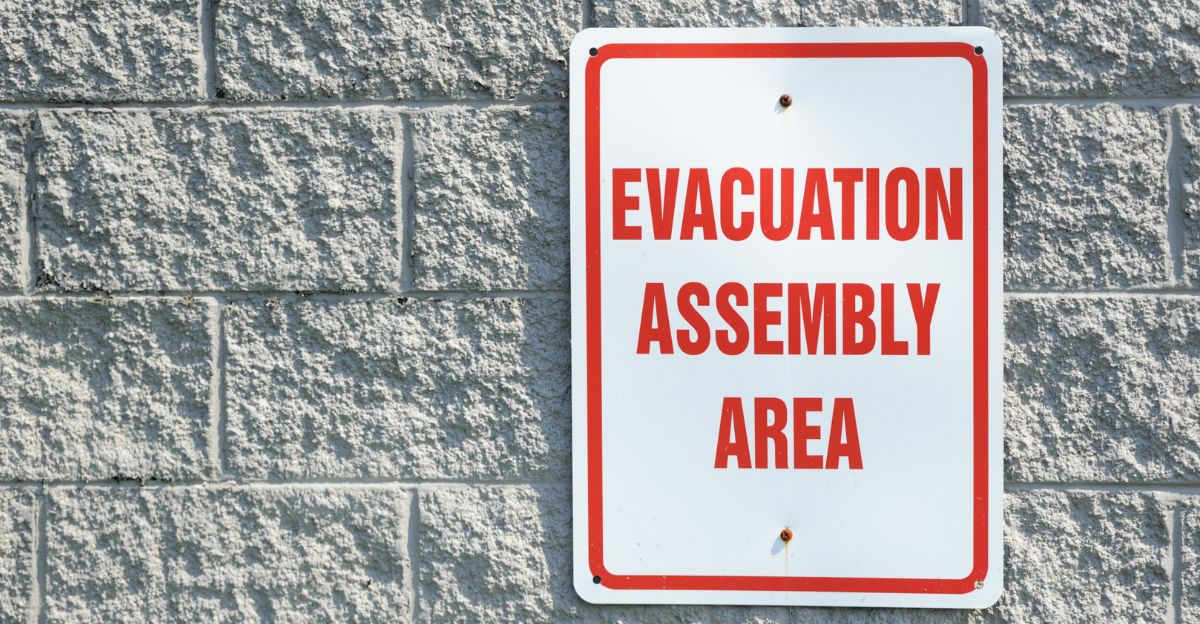
Authorities issued evacuation orders for thousands of residents in high-risk burn scar zones, including Palisades, Eaton, Canyon, Bethany, Hurst, Kenneth, Sunset, Lidia, Franklin, and Bridge fire areas.
The orders remained in effect from 8:00 p.m. on Friday through 8:00 a.m. Sunday, giving families a tight 36-hour window to flee or shelter.
Emergency Response
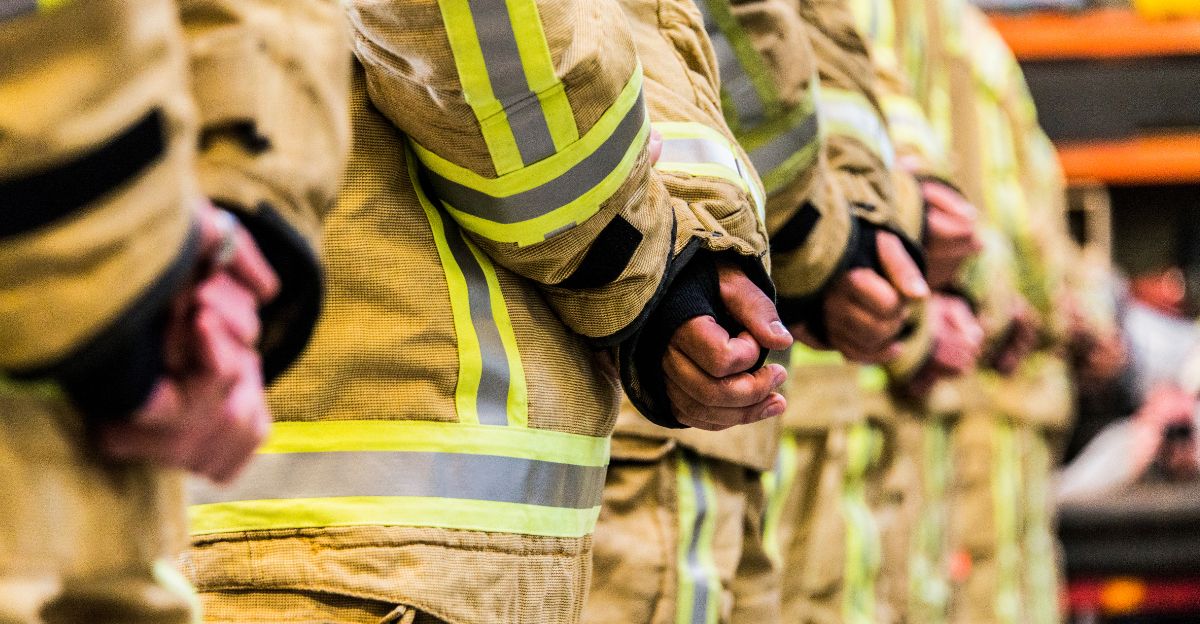
Four hundred firefighters, rescue crews, first responders, and emergency dispatchers deployed across Southern California.
Three swift-water rescue teams, urban search-and-rescue units, and a 22-member heavy-duty rescue truck crew stood ready.
Emergency shelters opened to accommodate displaced families as mudslides buried neighborhoods and water levels surged rapidly.
Deadly Coastal Conditions and Widespread Infrastructure Damage
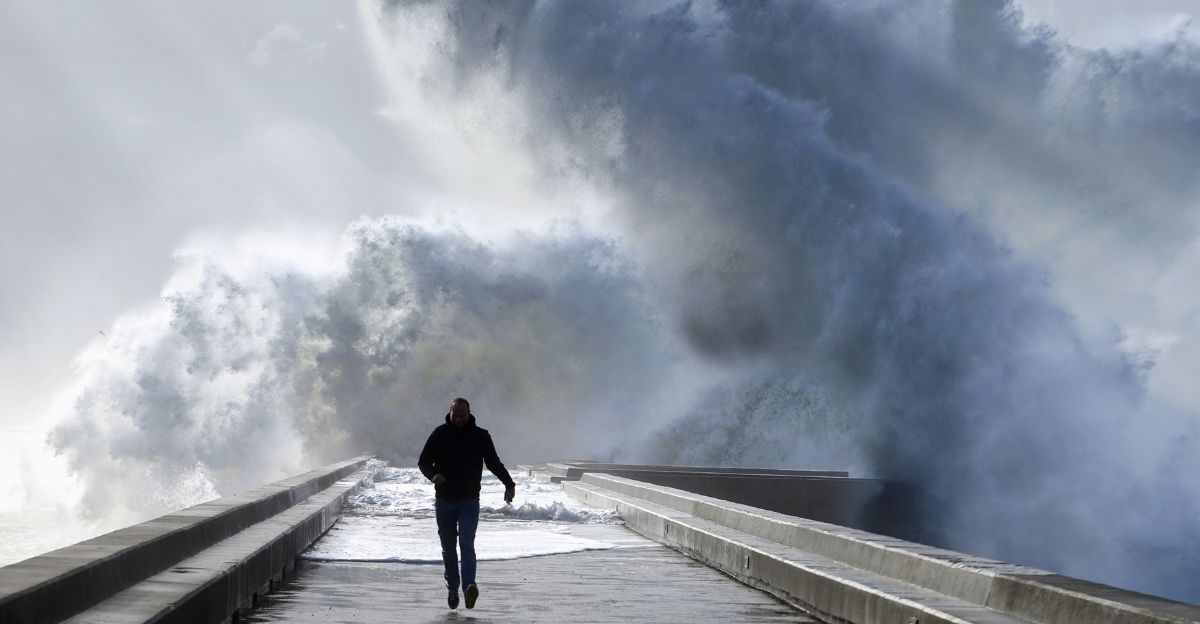
Fifteen to twenty-foot waves battered California’s Central Coast, creating lethal “sneaker wave” conditions that claimed lives at Big Sur beach.
The massive swells struck without warning, demonstrating the storm’s multi-faceted dangers. Coastal communities faced unprecedented wave heights combined with torrential rainfall, forcing beach closures and harbor restrictions throughout the region.
Flooding caused major road closures, business shutdowns, and power outages across Los Angeles and Ventura counties. Supply chains were disrupted as highways became impassable.
Economic Fallout
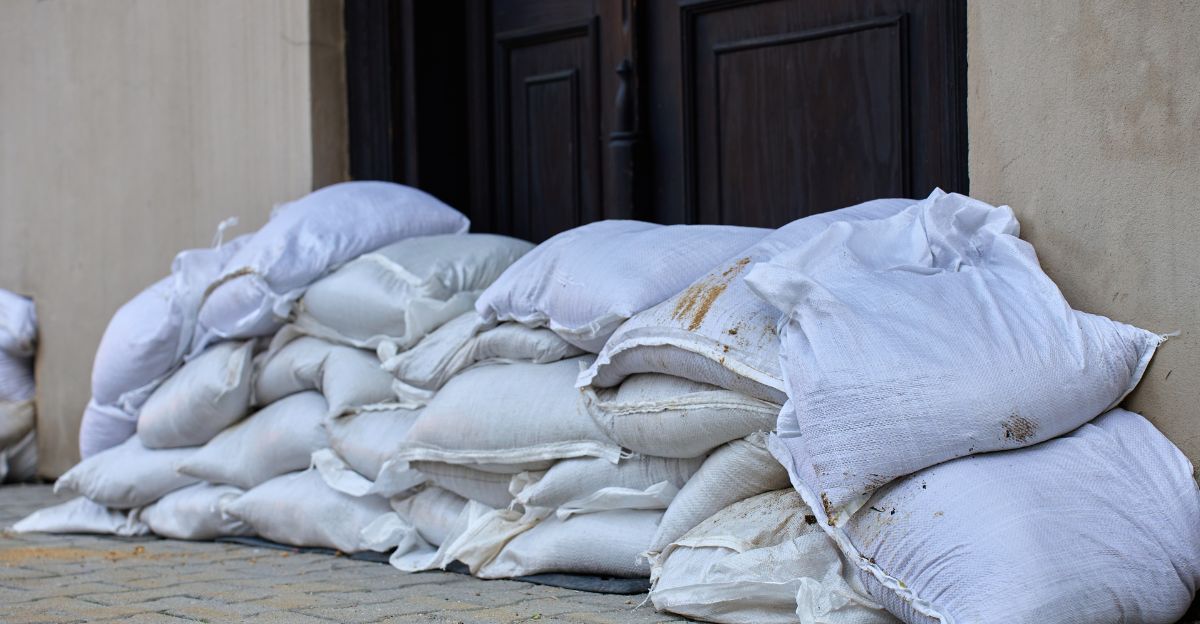
Hardware stores reported a surge in sales of sandbags and sump pumps as residents prepared for flooding. Construction and cleanup services are anticipated to last for weeks following the repair work.
Economists warned that prolonged disruptions could drive inflation higher in the construction and transportation sectors.
Insurance premiums were expected to rise as companies fielded thousands of claims for water damage and business interruption.
Community Response
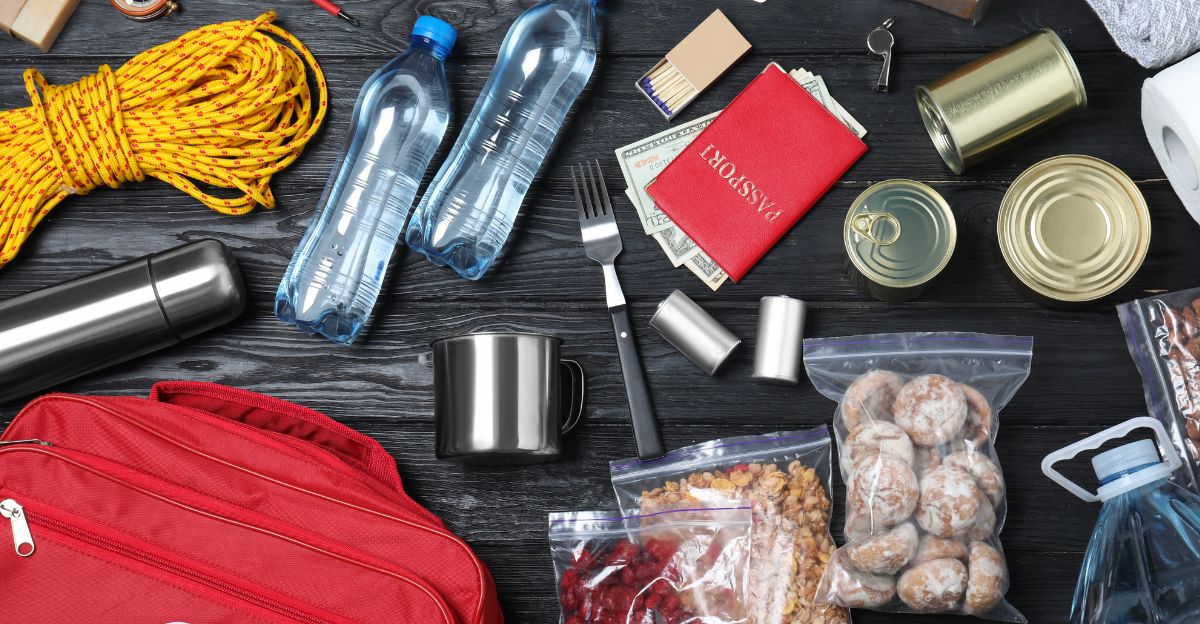
Millions of residents stocked up on essentials, avoided travel, and reinforced homes against water intrusion. Health officials have warned of waterborne illnesses and risks associated with mold.
Schools and workplaces shifted to remote operations as a precaution. Families who survived January’s deadly fires now faced evacuation from mudslide threats in the same scorched zones.
Breaking November Records
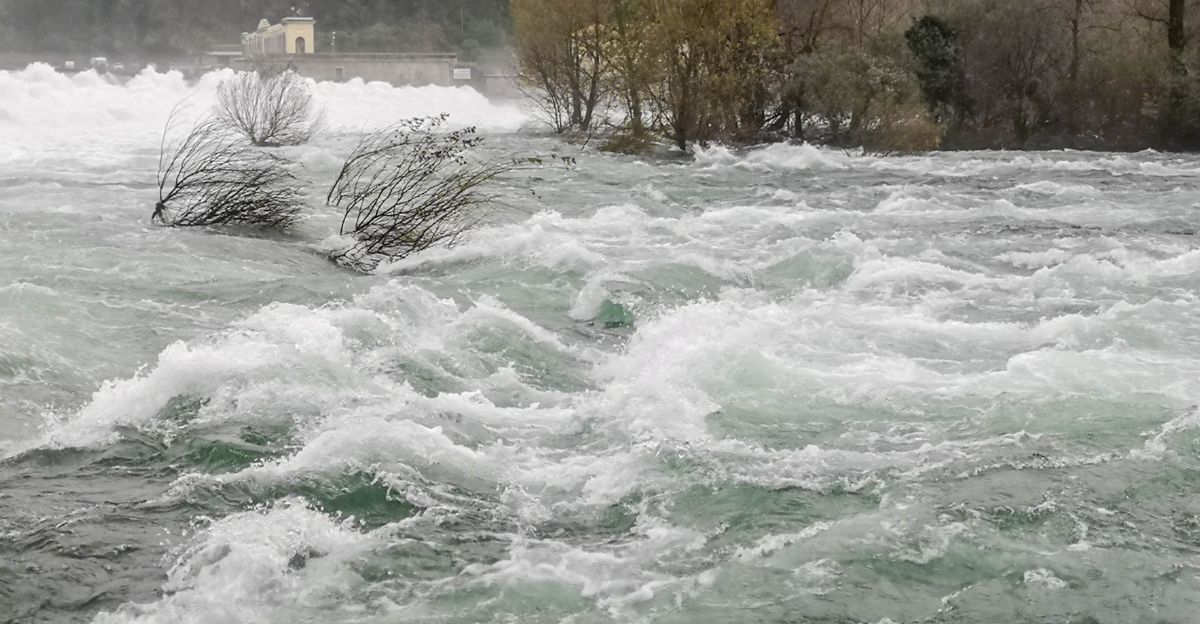
Downtown Los Angeles approached its wettest November in 40 years, with 2.57 inches recorded by November 17. The city typically receives only 0.78 inches of precipitation for the entire month.
San Marcos Pass’s 8.53-inch total represented more than ten times LA’s monthly average. This ranked as one of the highest seasonal rainfall events in recent California history.
California’s New Reality
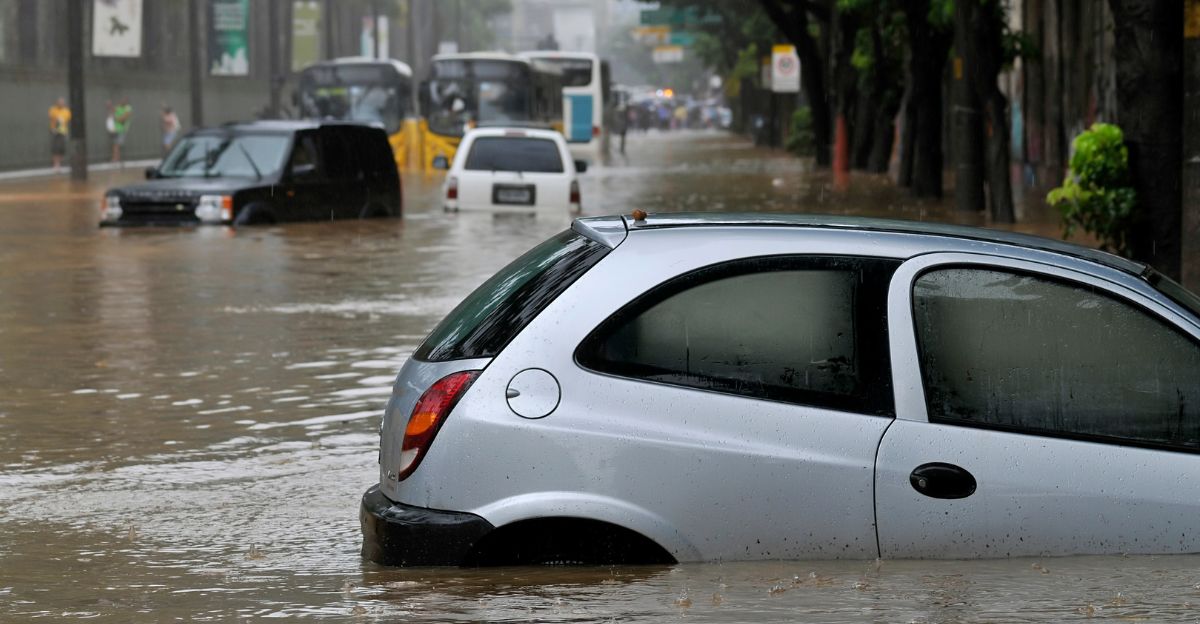
California experienced rapid “wet-dry whiplash” in 2025, swinging from historic drought to atmospheric river barrages within the same year. Earlier atmospheric rivers triggered severe flooding, tornadoes, avalanches, and mudslides.
Cities received up to a month’s worth of rain in single events. Experts questioned whether this extreme variability represents California’s new climate normal.
State Emergency Actions

Governor Gavin Newsom pre-deployed specialized response teams and coordinated with local agencies to manage evacuations and emergency sheltering.
County officials issued phased evacuation warnings, prioritizing vulnerable burn scar communities. The state’s disaster response framework was fully activated to streamline aid and deploy resources where needed most urgently.
What’s Next for California
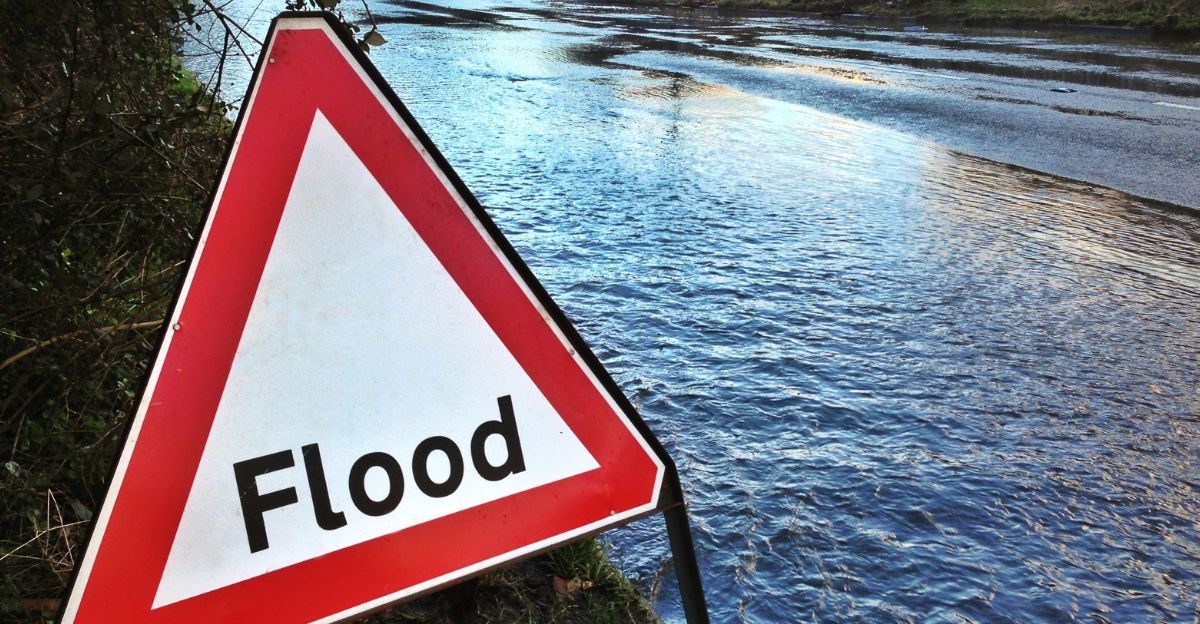
As the storm’s immediate threat recedes, California faces a lengthy recovery and a critical reassessment of its preparedness for future extreme weather events.
Investment in resilient infrastructure and community education remains essential to weather the next crisis.