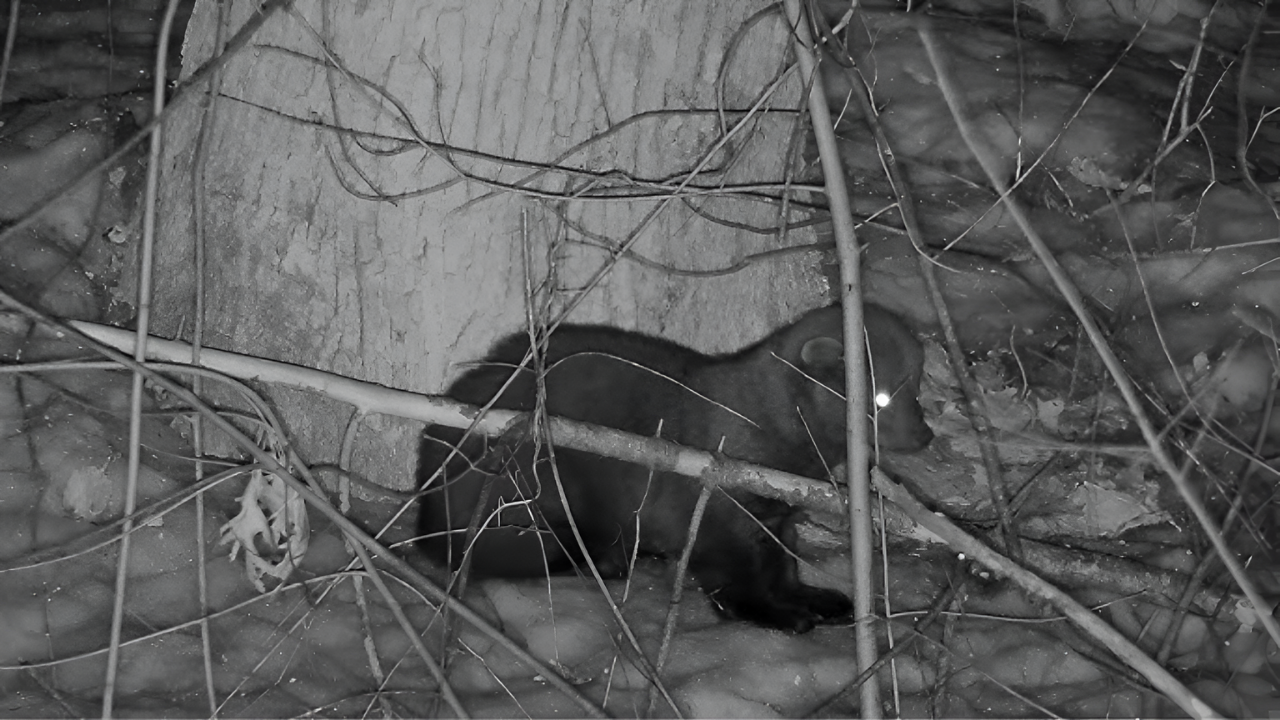
A trail camera mounted along a Cleveland Metroparks path flickered on. In the grainy nighttime footage, a long, dark-furred mammal moved low to the ground, its body stretching between trees at the forest edge. No people were present—only the quiet motion of an animal not documented here for generations.
When wildlife officials reviewed the footage in early 2025, they confirmed what hadn’t been seen in Cuyahoga County in over a century: a fisher had returned.
Forests Vanished

By 1900, Ohio had lost roughly 20 million acres of forest to agriculture, logging, and development. As habitats disappeared, so did wildlife. Around 15 mammal species were wiped out locally, including wolves, mountain lions, and fishers.
Cuyahoga County was hit especially hard, its forests fragmented and predator populations erased. Today’s conservation efforts aim to reverse those losses, but the return of elusive carnivores tests how fully ecosystems can recover.
Historical Extirpation
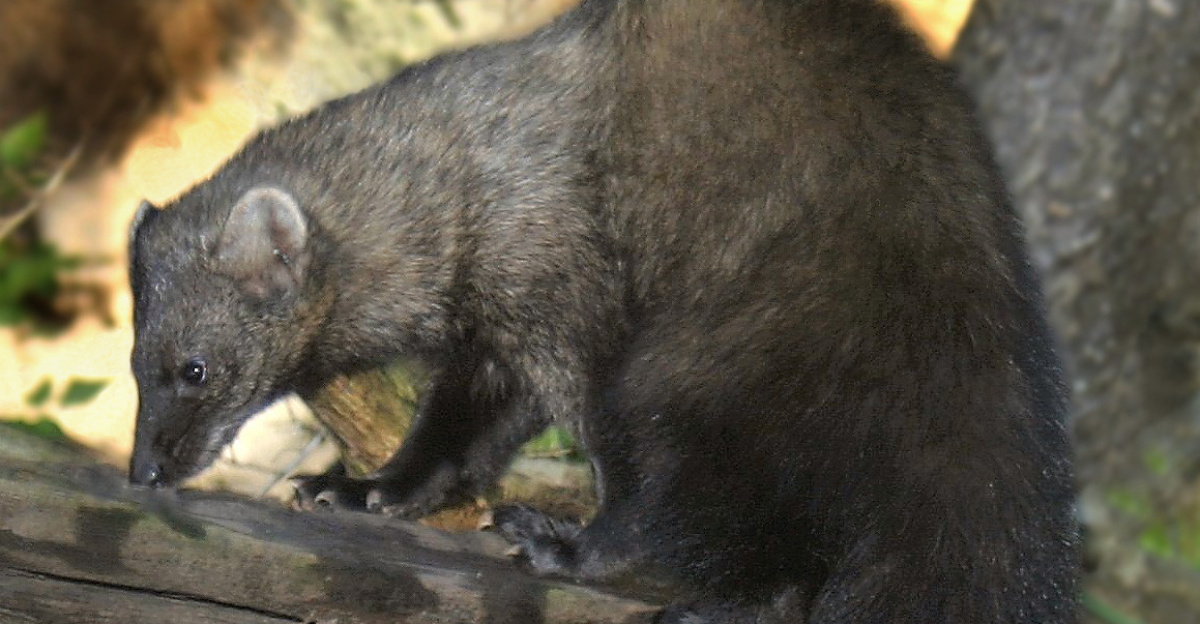
Fishers—medium-sized predators in the weasel family—once roamed Ohio’s dense forests. By the mid-1800s, unregulated trapping for fur and widespread deforestation drove them out.
Ohio wildlife records show fishers were extirpated from this region by the late 19th century, with no verified sightings in Cuyahoga County for roughly 170 years. Their disappearance became a footnote of industrial expansion—until modern monitoring reopened the question.
Conservation Momentum
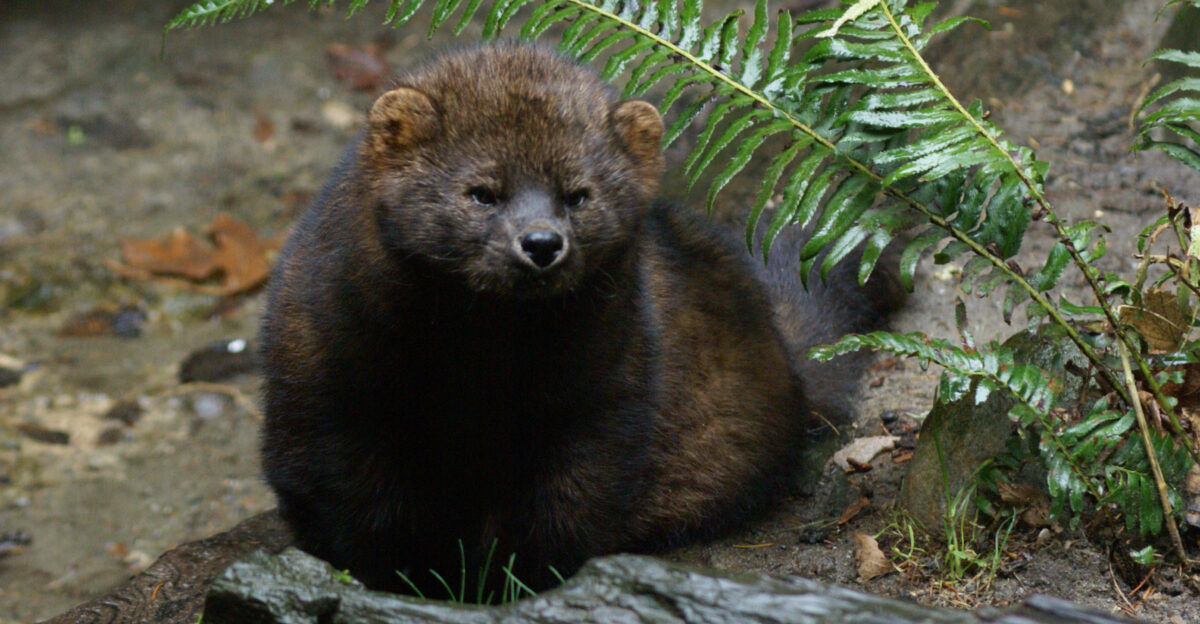
Cleveland Metroparks has seen a wave of wildlife returns in recent decades. River otters reappeared and have grown steadily since 2021. Bobcats were confirmed again beginning in 2022. Trumpeter swans, reintroduced in 1996, now thrive across park waters.
Meanwhile, about 40 verified fisher sightings have occurred across 10 Northeast Ohio counties since 2013. Habitat restoration and long-term protection are quietly rebuilding the conditions predators need to survive.
Fisher Captured
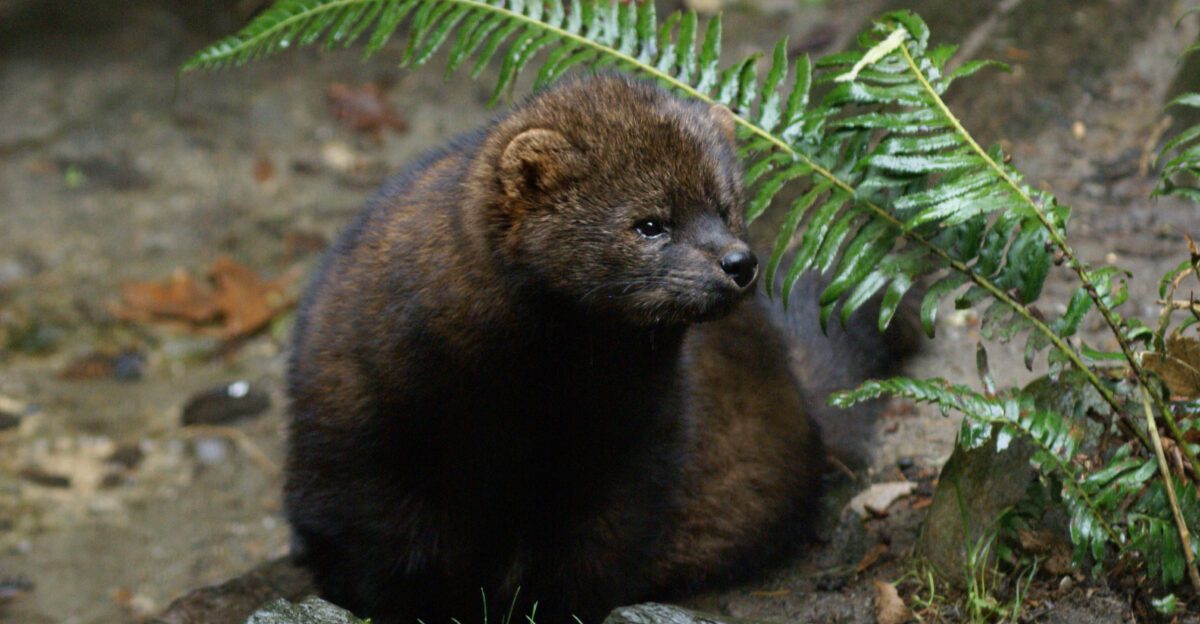
The breakthrough came from a single trail camera inside Cleveland Metroparks. Earlier in 2025, it recorded clear footage of a fisher moving through recovered forest habitat. The sighting was publicly reported in December 2025.
It was later announced on January 18, 2026. Wildlife Management Coordinator Andy Burmesch identified the animal, and the Ohio Division of Wildlife confirmed it—marking the first verified fisher record in Cuyahoga County since the 1800s.
County Milestone
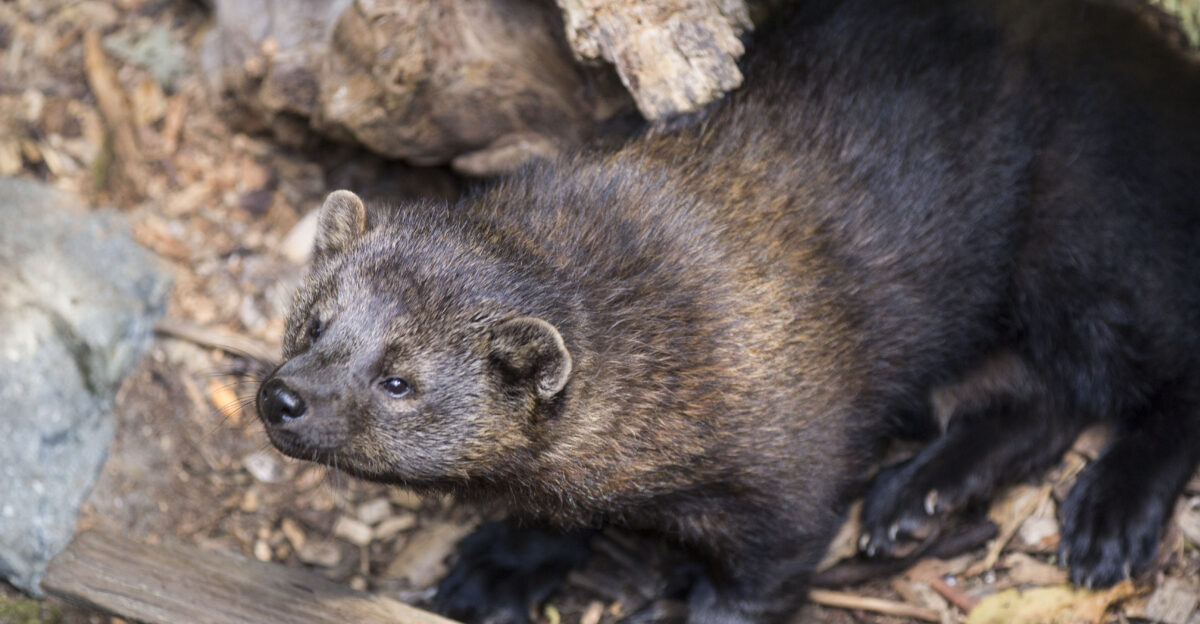
The confirmation carries historic weight. Cuyahoga County, home to roughly 1.26 million residents, had no verified fisher presence for over a century. The animal was recorded within Cleveland Metroparks’ 25,000-plus acres spanning 18 reservations.
Its appearance suggests recolonization, not coincidence. With about 200 trail cameras operating across the system, officials are tracking how this predator navigates forests bordered by highways, neighborhoods, and recreation.
Human Coexistence
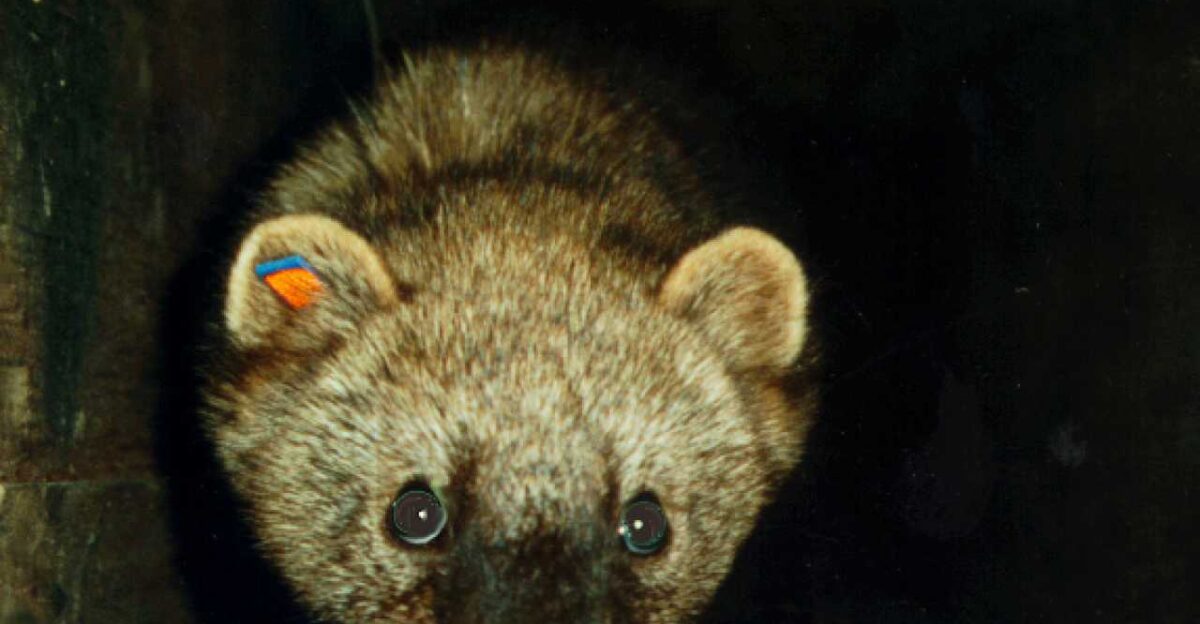
“This is tremendously exciting,” park officials said publicly, while emphasizing balance. Wildlife ecologist Jon Cepek notes Cleveland Metroparks prioritizes both conservation and recreation. Fishers are wary, rarely seen, and unlikely to interact with people.
Still, more than a million residents now share space with a predator their ancestors never knew. Misidentifications are common, with mink often mistaken for fishers, highlighting curiosity and the need for careful verification.
Regulatory Confirmation

The Ohio Division of Wildlife, which tracks fishers as a species of conservation interest, formally confirmed the identification and the species’ long absence from the county. No reintroduction occurred.
The fisher arrived naturally, likely dispersing from established populations in Pennsylvania. This aligns with Ohio’s management strategy: restore habitat, reduce pressure, and allow wildlife to recolonize on its own.
Macro Recovery Trend

Ohio’s forests never fully vanished—but decades of protection allowed many to regrow. As habitat returned, species followed. White-tailed deer rebounded first. Mid-level predators came later.
Now, fishers are appearing again across Northeast Ohio. Since 2013, verified sightings across 10 counties show slow expansion. In 2023, collected carcasses added biological evidence of establishment.
Pregnant Proof
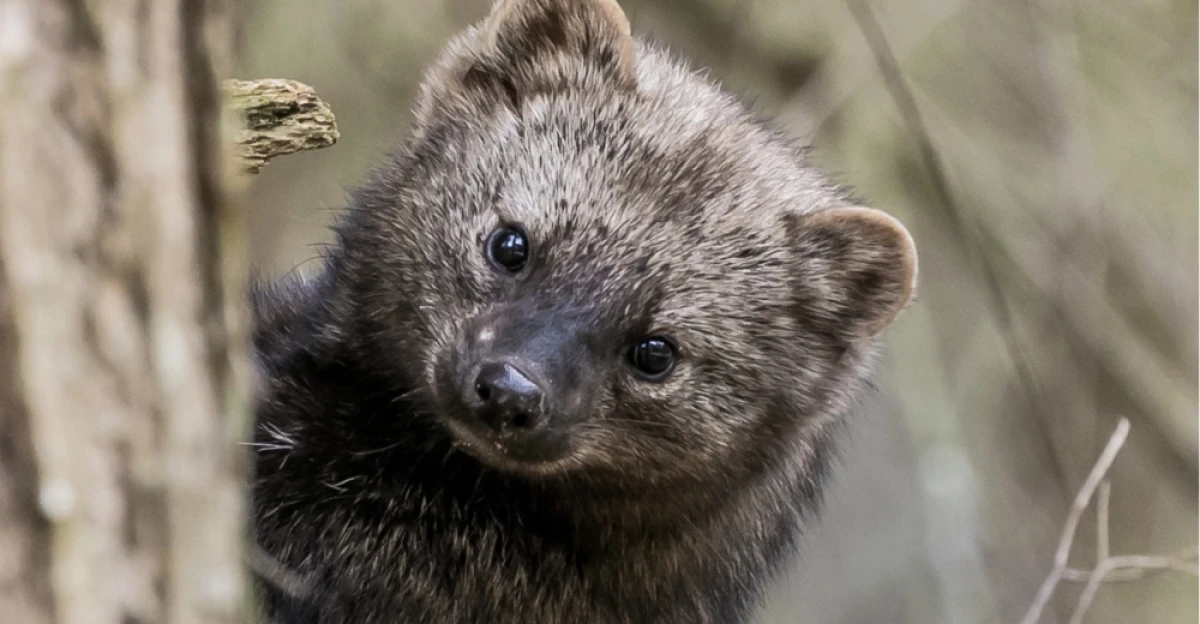
In February 2023, the Ohio Department of Natural Resources recovered two fisher carcasses in Northeast Ohio. Laboratory analysis revealed that one was pregnant.
That detail changed the narrative. It indicated natural reproduction within Ohio—not just wandering individuals—strengthening the case that fishers are reclaiming their historic range.
Skeptical Watchers

Despite excitement, uncertainty remains. “We don’t have cameras everywhere, and they don’t see everything,” Jon Cepek cautions. Fishers are nocturnal, solitary, and adept at avoiding detection.
False reports complicate tracking, with many sightings turning out to be mink. Officials debate whether one animal represents a population or an isolated pioneer.
Leadership Response
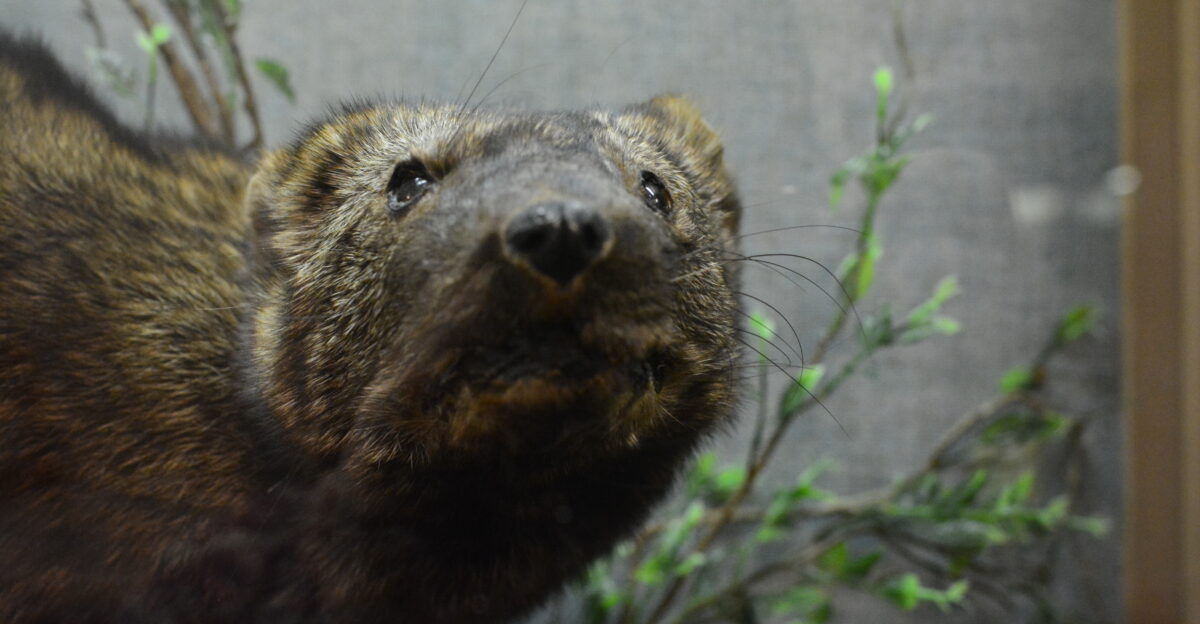
Cleveland Metroparks staff described the discovery as “tremendously exciting” in public statements and social media posts. While no policy shifts followed immediately, the sighting elevated monitoring priorities.
Ecologists like Cepek and Burmesch are dedicating more attention to predator movement. The Ohio Division of Wildlife continues to lead verification and scientific oversight.
Strategic Monitoring
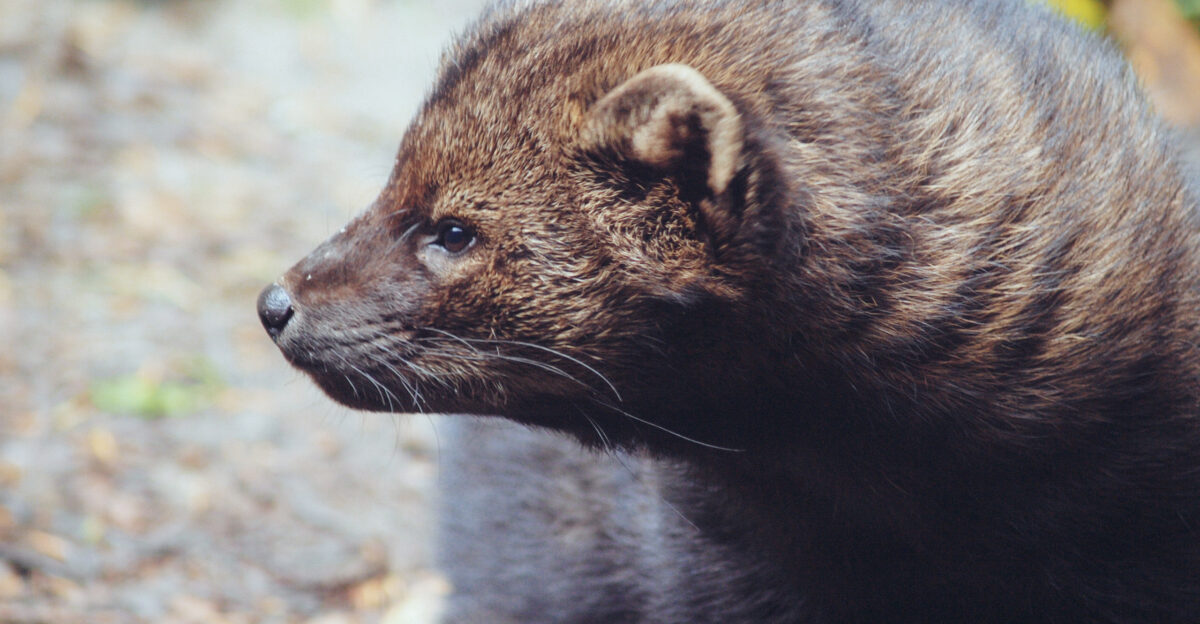
Approximately 200 trail cameras operate across Cleveland Metroparks, documenting wildlife movement, behavior, and habitat use. These cameras provide noninvasive data on how fishers adapt to urban-adjacent landscapes.
Officials encourage the public to report sightings but stress verification. Clear photos and details help distinguish fishers from similar species.
Expert Caution
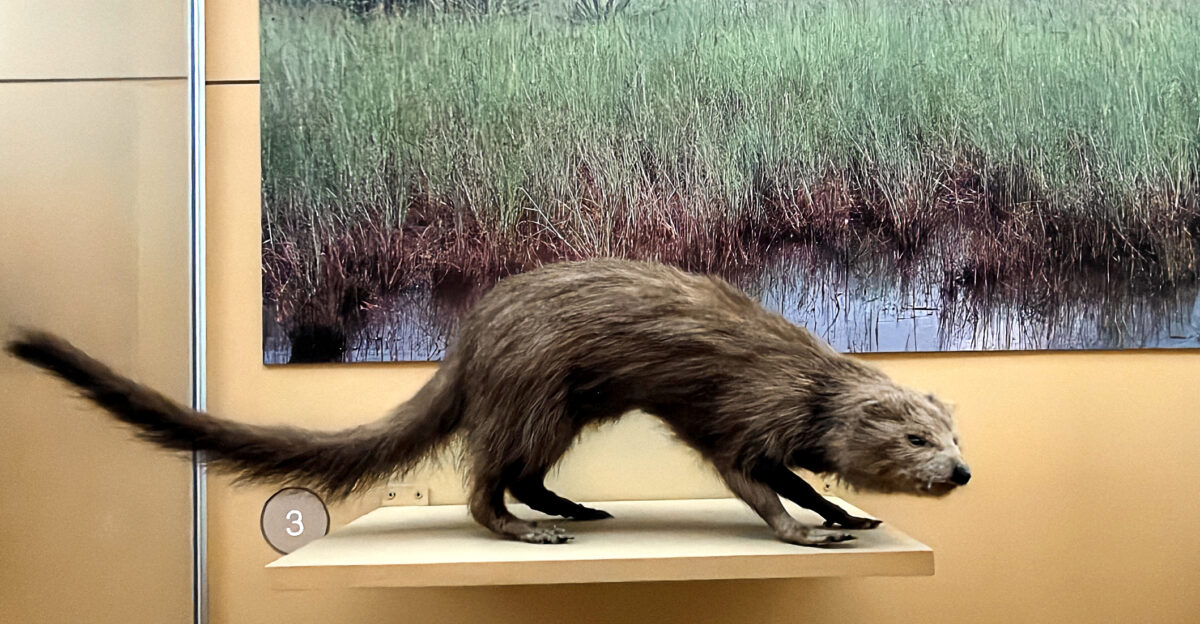
“This is a species that’s new here and probably very wary of people,” Cepek explains. State biologists agree that fishers expand slowly and require connected forest cover.
While recovery zones suggest populations can spread 10–15 miles per year, expectations remain conservative. Long-term monitoring will determine success.
Future Footprint
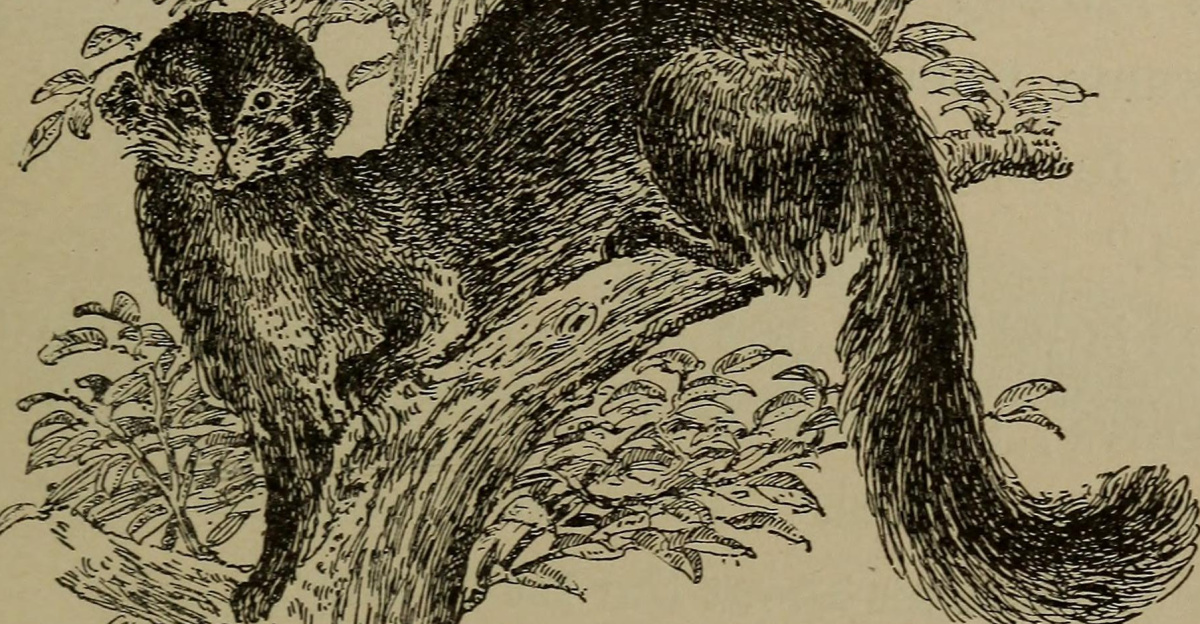
Key questions now guide research. Can Northeast Ohio’s forests support multiple fishers long-term? Will they find enough prey without conflict?
And can urban edges accommodate a predator absent for generations? The answers may shape future coexistence strategies across the region.
Policy Wins
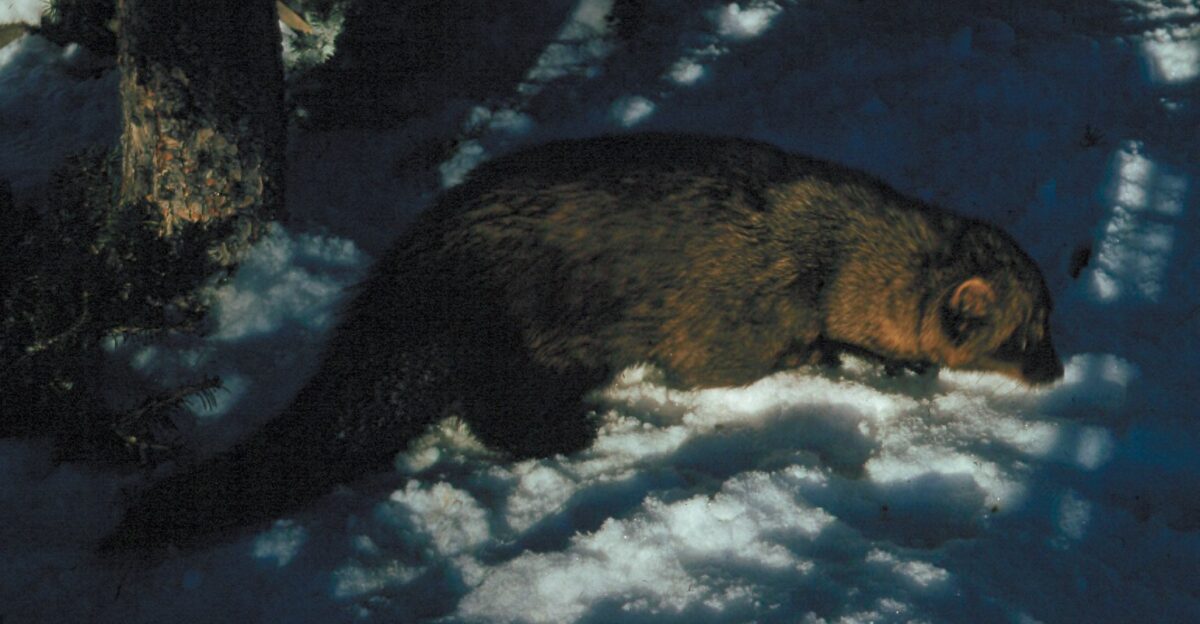
The fisher’s return reflects decades of policy choices. Habitat protections, wetland restoration, and sustained funding created conditions for natural recolonization—without forced reintroduction.
Cleveland Metroparks exemplifies a model where public lands serve both people and wildlife, showing how patience can reverse century-long losses.
Regional Migration
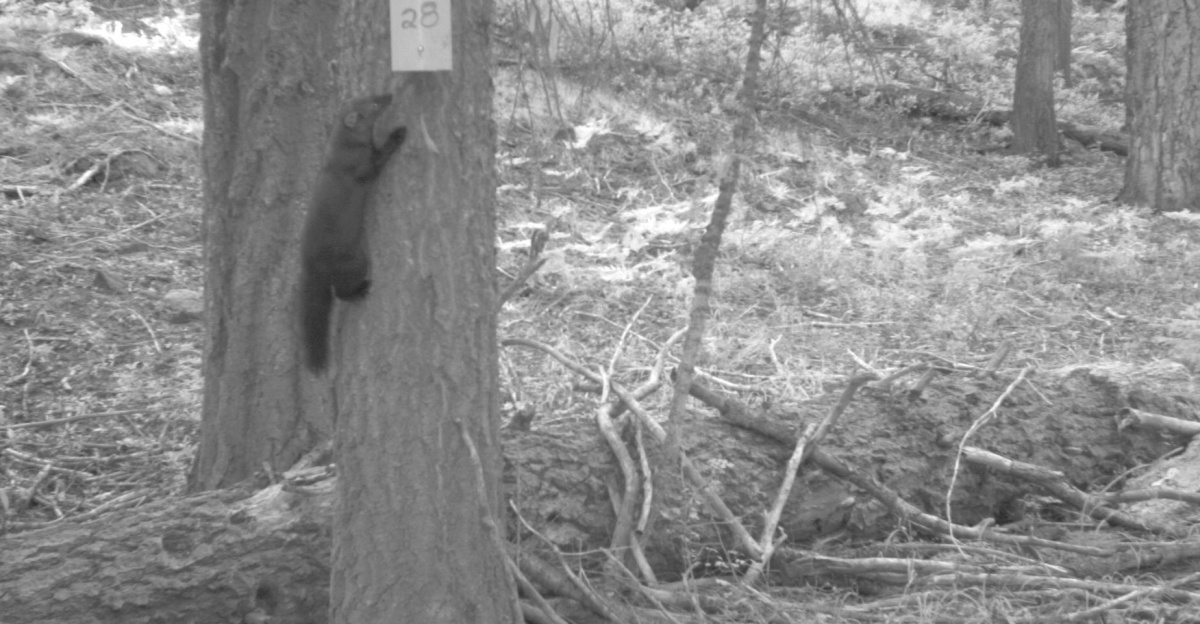
Fishers documented in 10 Northeast Ohio counties likely arrived from Pennsylvania populations, part of a broader northeastern U.S. recovery.
Their movement highlights how connected forests across state lines matter, making coordination between states essential for protection.
Environmental Signals
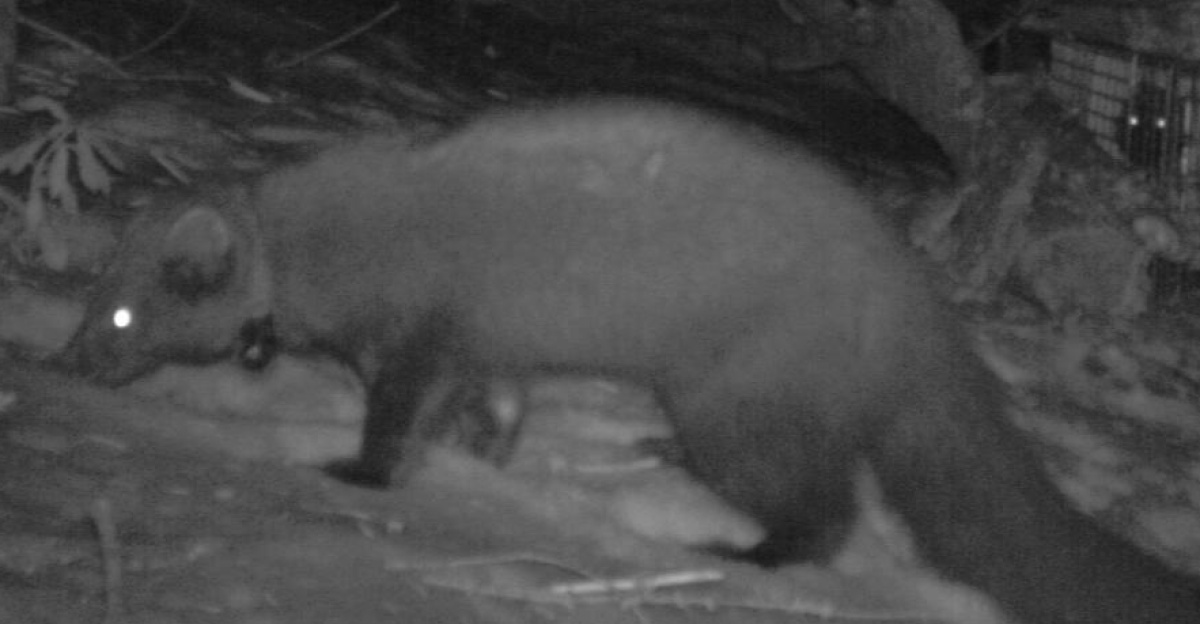
Carnivores are indicators of ecosystem health. The fisher’s return suggests forest structure, prey availability, and habitat connectivity have reached a critical threshold.
Legal protections and active management help ensure this recovery is not reversed after 170 years.
Cultural Shift
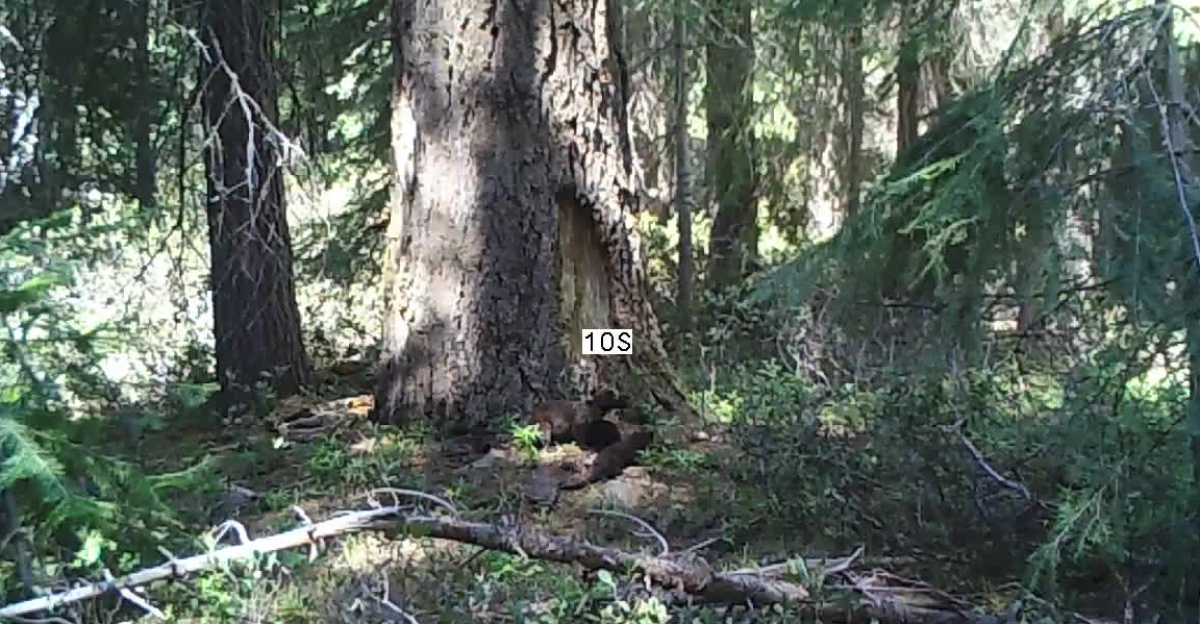
No living resident of Cuyahoga County had seen a verified fisher here until now. The moment carries cultural weight.
Misleading nicknames like “fisher cat” spark education, shifting perceptions from myth toward understanding.
What It Signals
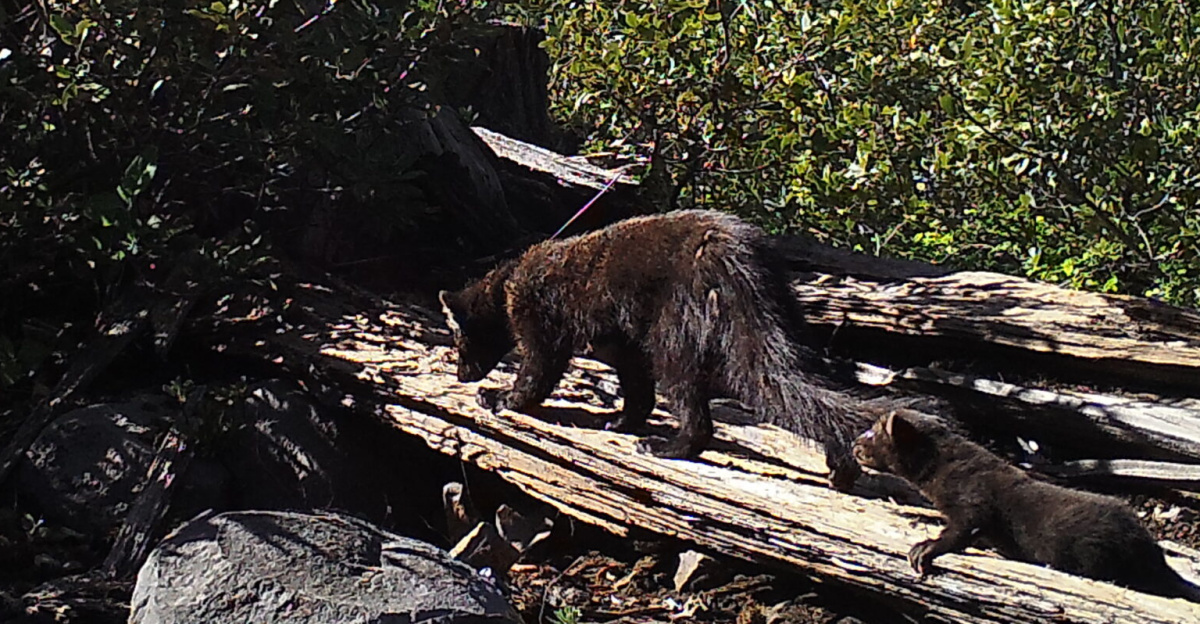
One trail-camera clip erased a century of absence. The fisher’s return shows conservation can work quietly over generations.
It suggests other native species may be closer than assumed, urging vigilance, protection, and coexistence as history reenters the present.
Sources:
WOSU / WYSO – Rare fisher spotted in Cleveland Metroparks for first time in nearly 200 years – December 17, 2025
News 5 Cleveland – 200 years later: Fisher spotted on Cleveland Metroparks trail camera – December 15, 2025
Petapixel – Trail Camera Captures Elusive “Fisher” in Ohio County for First Time Since 1800s – December 17, 2025
Yahoo News (via ODNR reporting) – A pregnant fisher, the animal, was discovered in Ohio. Here’s why that matters. – March 6, 2024
Good News Network – Trail Cam Spotted a Rare Fisher Not Seen in the Cleveland Area Since the 1800s – December 29, 2025
Outdoor News – Ohio Mixed Bag: Fishers reproducing in the state – March 11, 2024