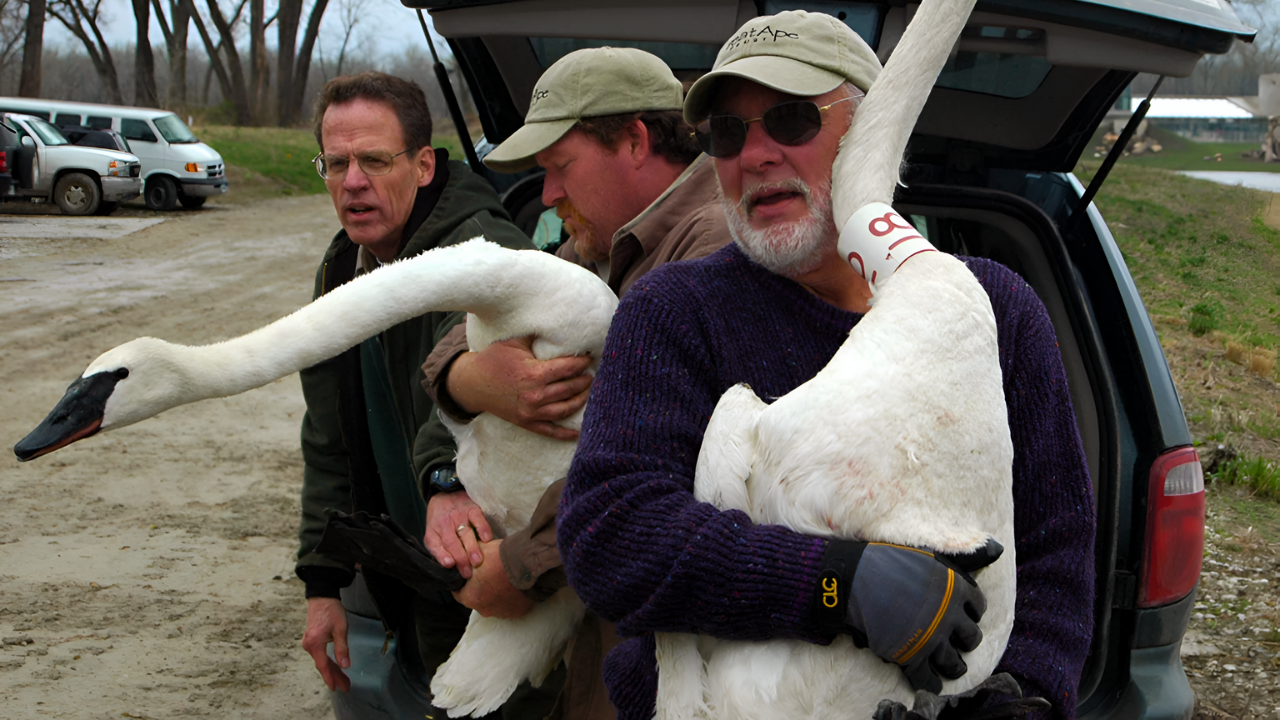
California wildlife authorities have issued a statewide alert regarding the invasive mute swan, which poses significant environmental and economic threats to Northern California. Dubbed “aquatic feral pigs” by state officials for their destructive feeding habits, these large, non-native birds have become a critical ecological crisis.
The California Department of Fish and Wildlife estimates the current population at approximately 6,900 birds, with concentrated populations in critical wetland areas.
Origins: From European Parks to California Marshes
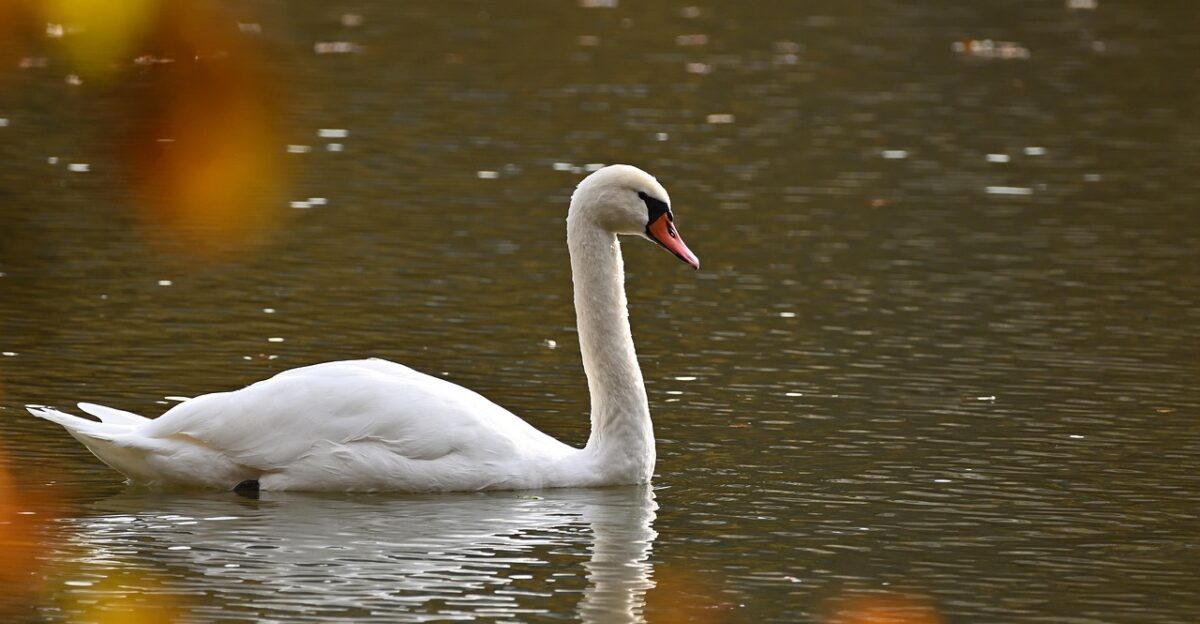
Mute swans were originally introduced to North America in the mid-1800s as ornamental display birds for zoos, parks, and private estates throughout New York and other northern states. In California, specifically, some individuals kept these birds as pets for aesthetic purposes in parks and private residences.
Over time, escaped or released swans established wild populations, expanding their range across the continent.
First Detection in 2007: How It Started

California’s Department of Fish and Wildlife first detected mute swans in the state in 2007, in the Suisun and Napa marshes, through the annual Waterfowl Breeding Population Survey.
These initial detections represented the beginning of what would become an exponential population explosion. Since that discovery, the population has grown more than sixfold, demonstrating the species’ rapid reproductive success in California’s wetland habitats.
Population Explosion: From Hundreds to Thousands
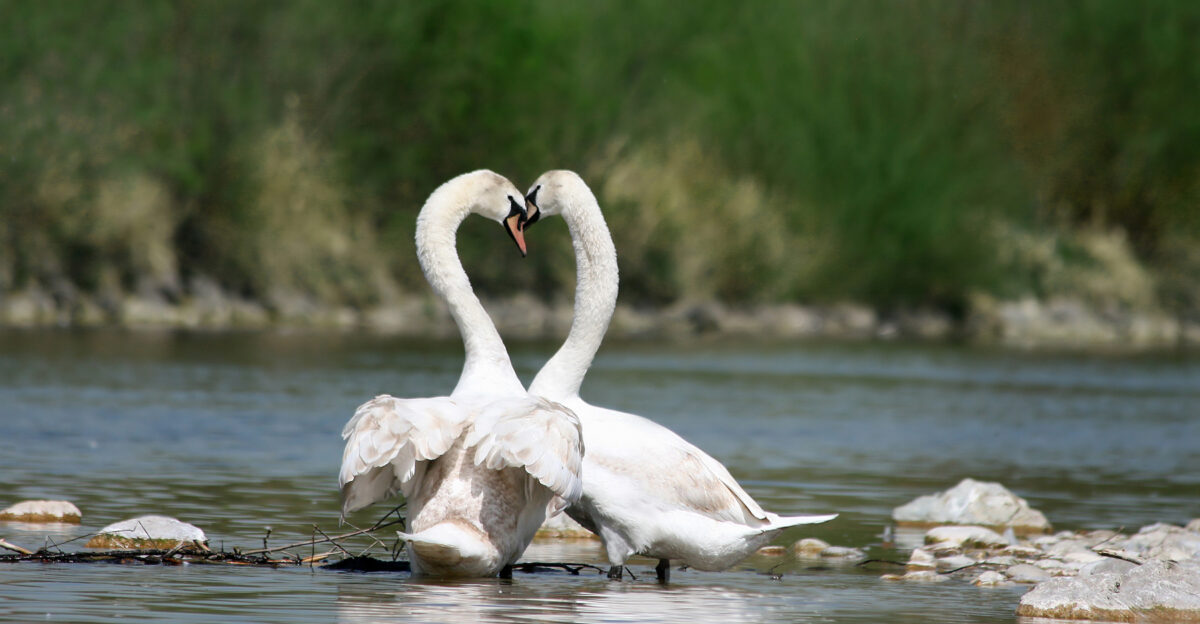
The mute swan population in California has surged dramatically, growing from approximately 1,150 birds in 2022 to over 6,900 documented birds today, representing a sixfold increase in just four years. Most of these swans concentrate in the Suisun Marsh near Fairfield, creating hotspots of ecological devastation.
Wildlife biologists warn that without active management, populations could continue to double every seven to eight years, as documented in other regions.
Massive Vegetation Destruction: The 8-Pound Daily Threat
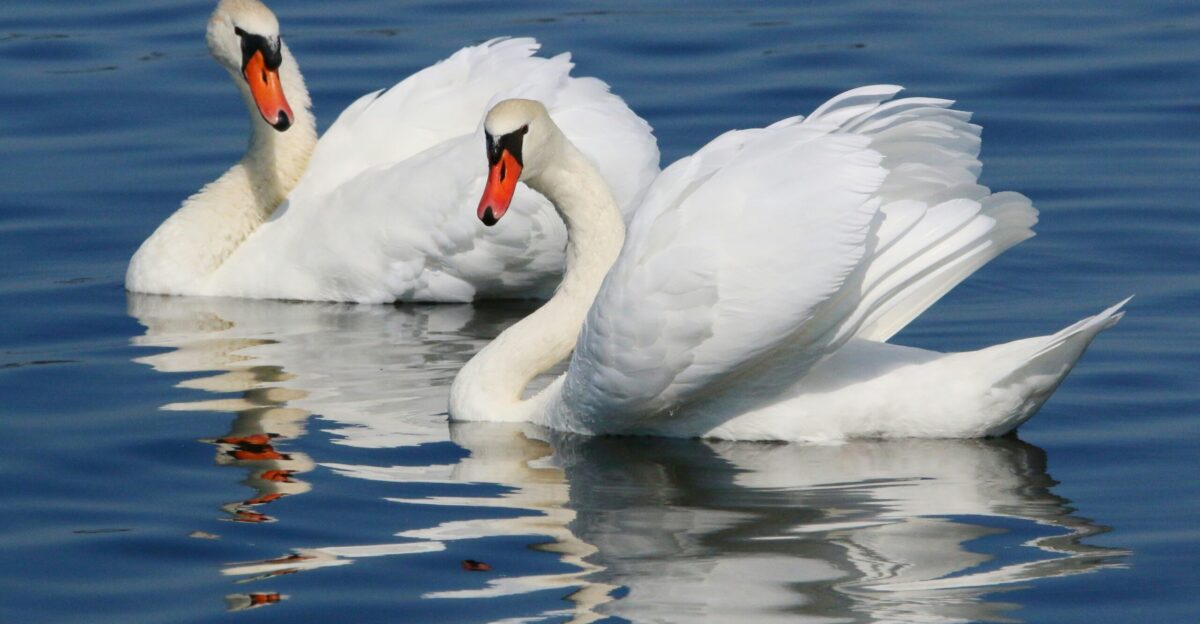
Mute swans consume up to 8 pounds of aquatic vegetation daily, with studies indicating they destroy equal or greater quantities through their feeding and uprooting behaviors.
This voracious consumption devastates submerged aquatic vegetation, which is essential for sensitive native species, breeding ducks, and other wetland-dependent birds. The remnant vegetation left floating after their feeding further degrades water quality and ecosystem function in already stressed habitats.
Aggressive Territorial Behavior Endangers Wildlife and Humans
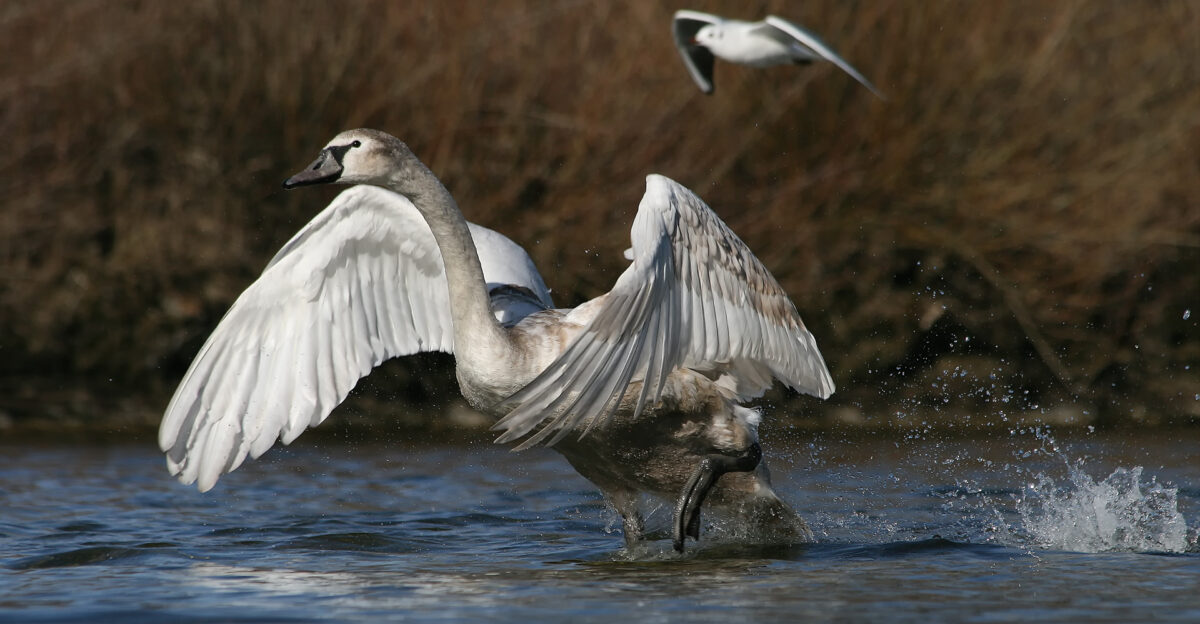
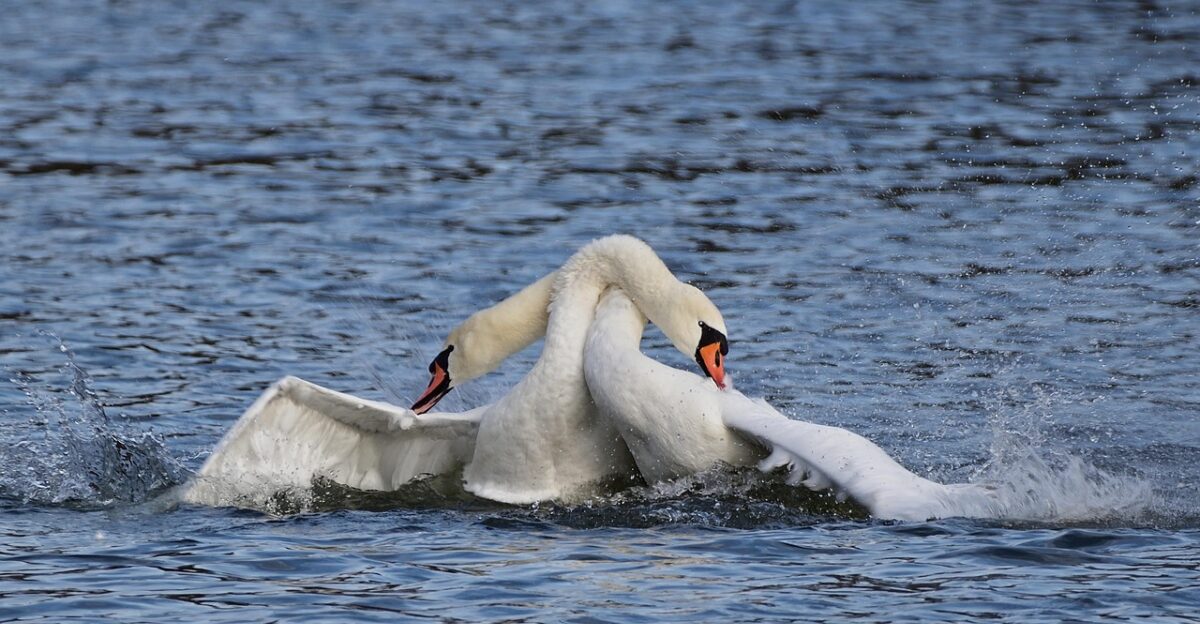
Beyond their destructive feeding, mute swans are fiercely territorial, especially during breeding season, and aggressively attack other waterfowl, sometimes killing competing species outright.
These birds, weighing up to 30 pounds with wingspans reaching eight feet, have been documented attacking humans, including a 2012 incident where a mute swan killed an Illinois man by drowning him. Children and pets remain particularly vulnerable to aggressive swan behavior in affected areas.
Water Quality Degradation: Feces and Environmental Damage
Beyond vegetation destruction, mute swan feces significantly impact water quality in marshes and ponds, requiring expensive labor and disinfectants to clean and sanitize affected areas.
The accumulation of swan waste creates hazardous conditions for human recreation, reducing property values and the aesthetic appeal of aquatic areas. This water quality degradation compounds the environmental crisis already facing California’s fragile estuary systems.
The Sacramento-San Joaquin Delta in Crisis
The Sacramento-San Joaquin Delta, the largest estuary on the West Coast, faces unprecedented pressure from invasive mute swans. This critical ecosystem supports native waterfowl, fish species, and agricultural interests vital to California’s economy.
Wetland biologists warn that uncontrolled mute swan populations threaten the few remaining intact wetlands, which have been historically reduced by over 40 percent due to human development and land-use changes.
Economic Consequences: Cumulative Financial Burden
The economic consequences of mute swan invasions extend far beyond the costs of habitat restoration, encompassing wildlife management operations, ecosystem restoration efforts, property damage, reduced recreational use, and declining waterfront property values.
These cumulative costs represent a substantial financial burden on Northern California’s communities and natural resource agencies. Wetland managers across the region report significant expenditures for control measures, lake cleanup operations, and ongoing population monitoring efforts.
Legislative Response: AB 764 and Expanded Hunting Authority

California Governor Gavin Newsom signed Assembly Bill 764 into law on October 6, 2025, introducing comprehensive measures to address the invasive swan crisis.
The legislation, sponsored by the California Waterfowl Association and authored by Assemblymember Jeff Gonzalez, adds mute swans to California’s list of nongame birds that can be taken by licensed hunters at any time. The law remains in effect through January 1, 2031, providing a five-year framework for active population control.
Unprecedented Authority for Landowners and Hunters

Starting January 1, 2026, California landowners and lessees gained unprecedented authority to kill mute swans on their property without requiring a hunting license or a depredation permit.
Licensed hunters can also take mute swans at any time without seasonal restrictions, a rare provision in California wildlife law. Mute swans were joined only by the English sparrow and European starling as nongame birds that could be freely taken under these regulations.
Federal Law Provides No Protection
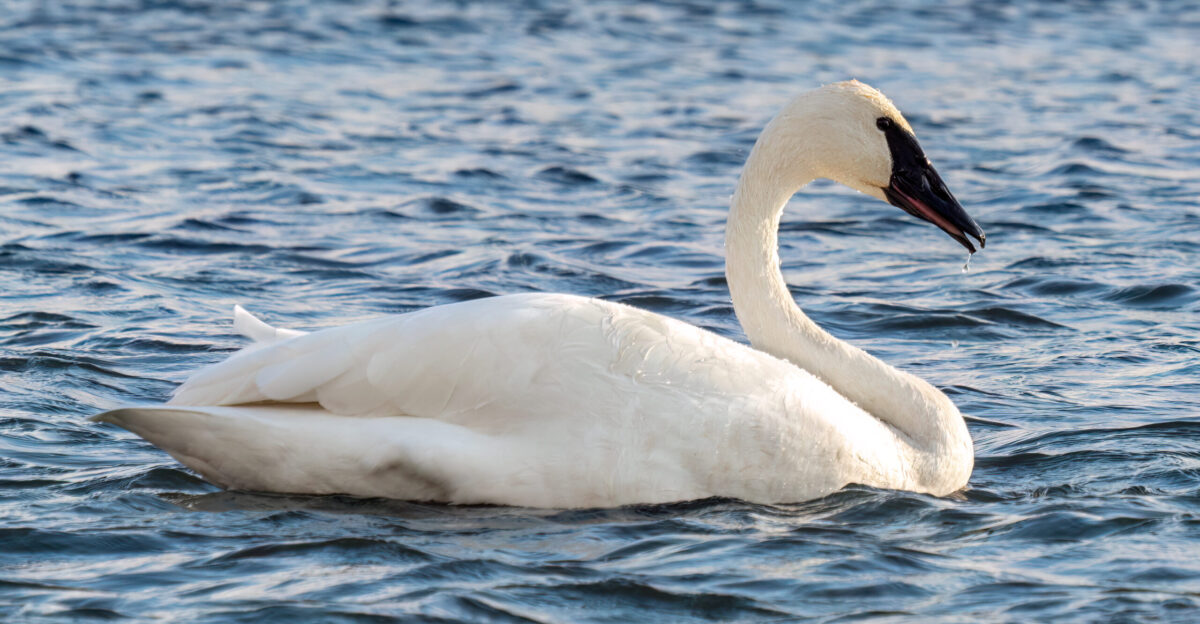
Unlike native tundra and trumpeter swans protected under the Migratory Bird Treaty Act, mute swans receive no federal protection since their introduction during the mid-1800s makes them an unprotected non-native species.
This legal distinction proved critical in enabling aggressive management strategies that would be impossible with federally protected species. California wildlife officials worked extensively with federal agencies to ensure a coordinated response.
Conservation Concerns: Failed Alternative Strategies
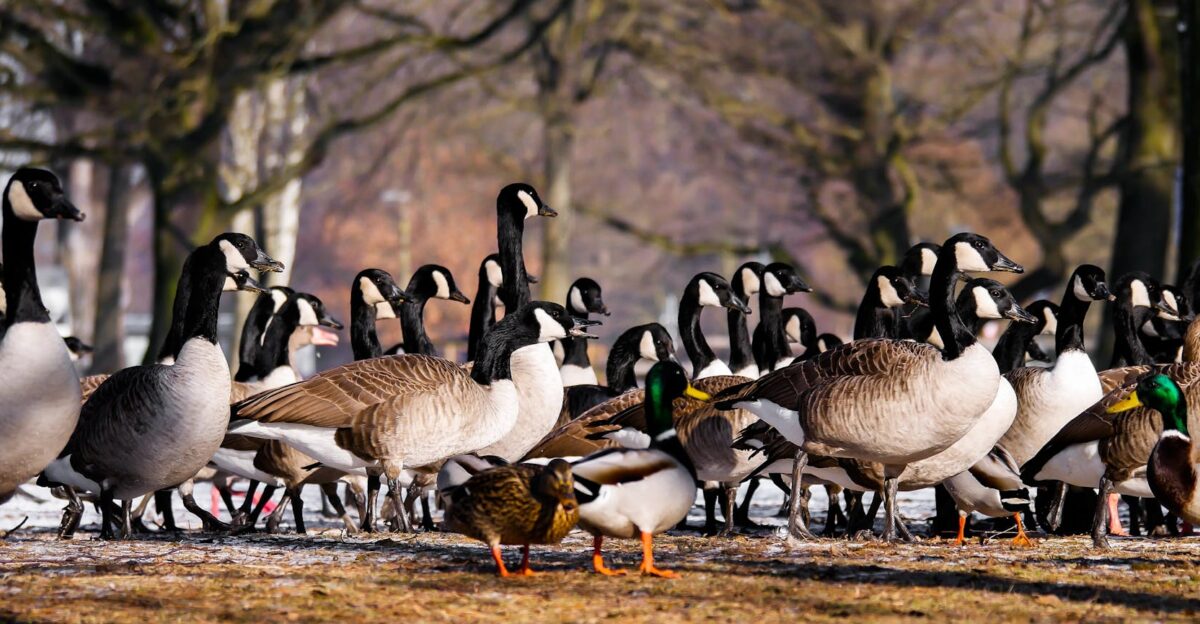
Foster City authorities previously attempted to use mute swans to control Canada goose populations, along with euthanasia and controversial robot dogs, ultimately abandoning this approach.
This attempted biological control exemplified why introducing one invasive species to manage another typically exacerbates ecological problems. California’s experience underscored the critical importance of preventing invasive species introductions rather than relying on unproven management alternatives.
Distinguishing Mute Swans from Native Species
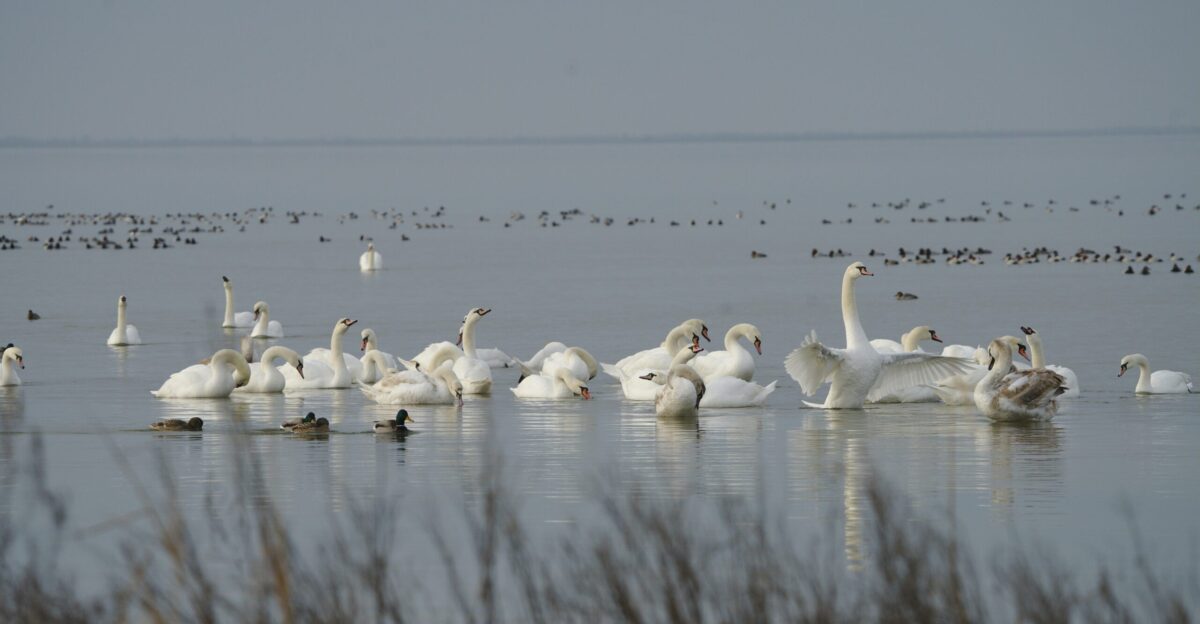
California residents must properly identify mute swans to avoid the illegal killing of protected native species, such as tundra and trumpeter swans.
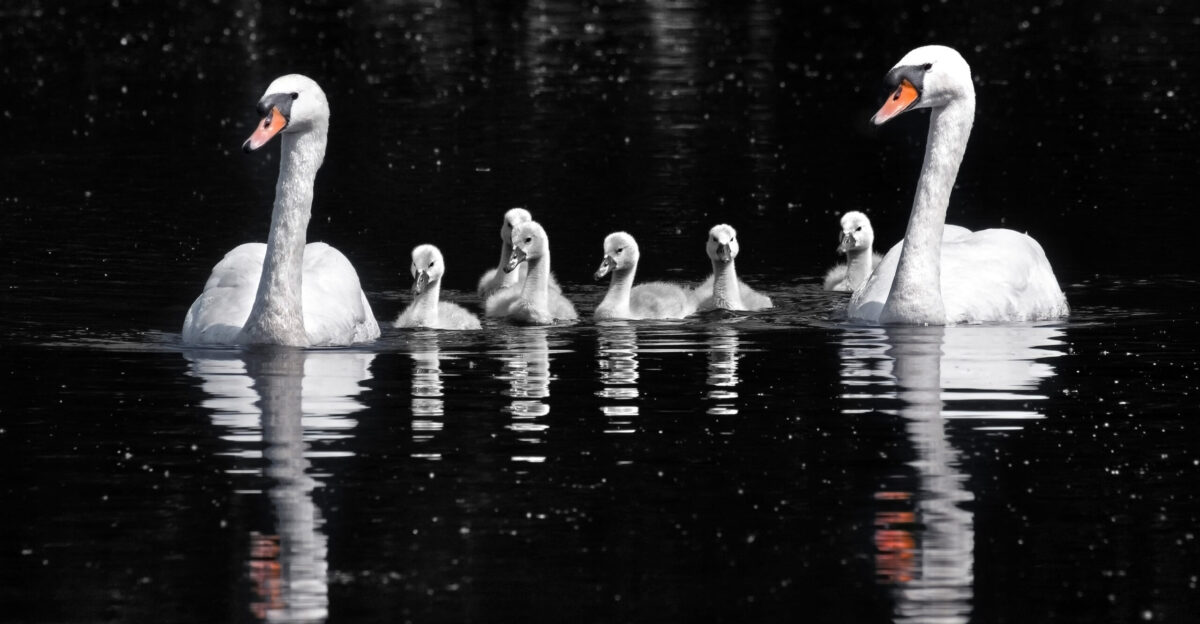
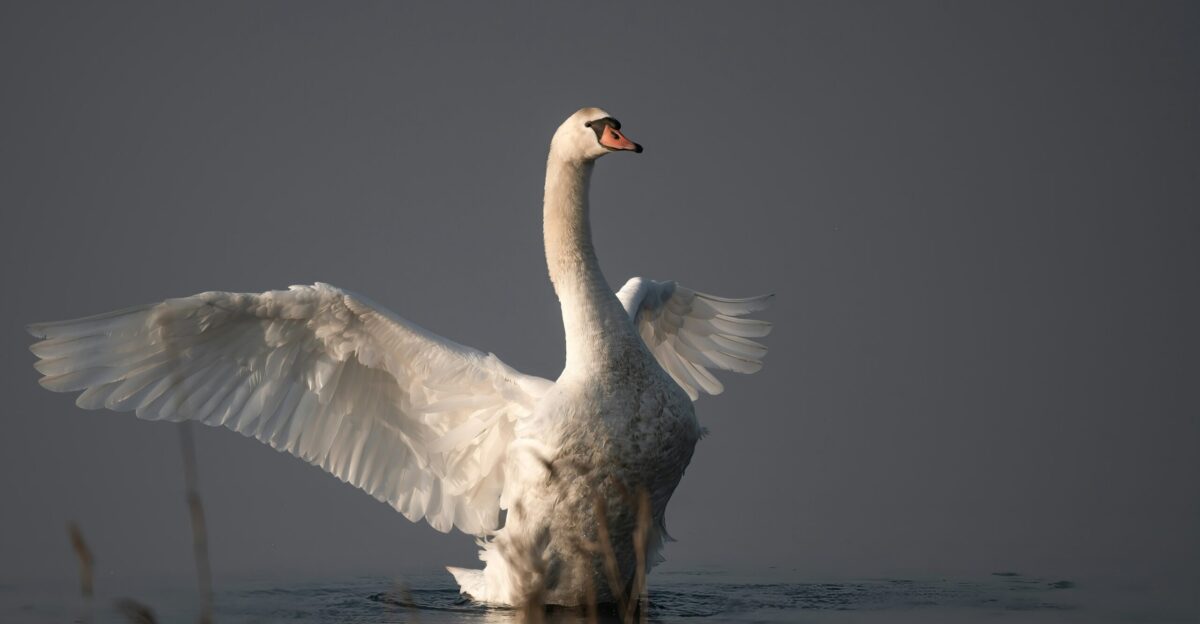
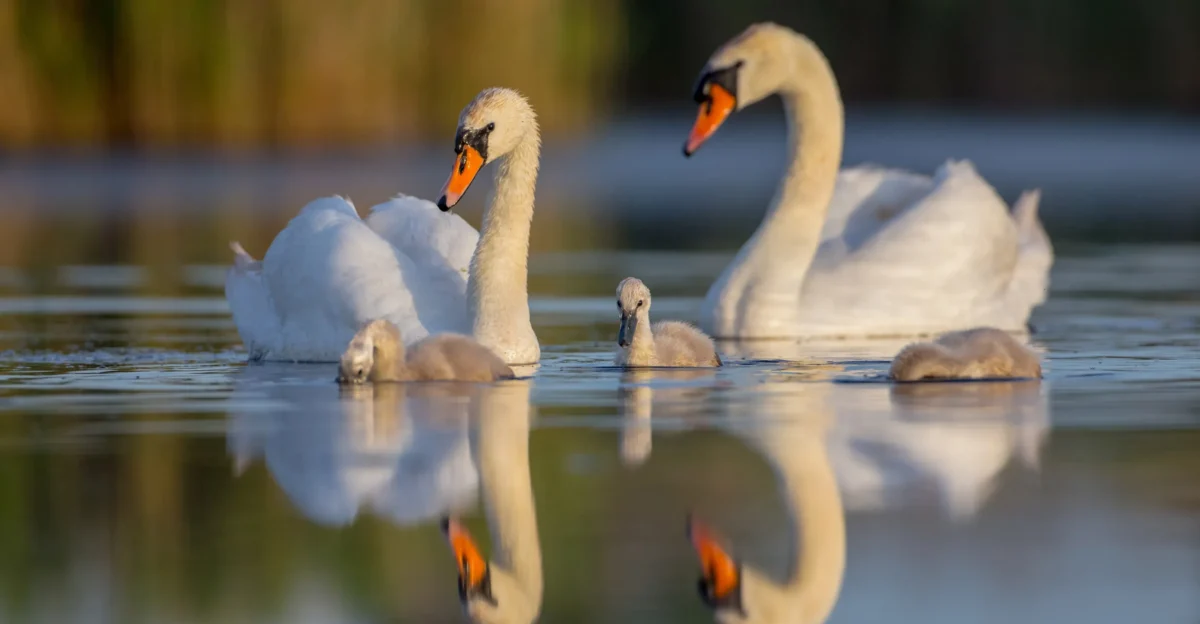
Mute swans display distinctive orange and black bills with curved necks, while native tundra swans possess black bills with yellow spots and straight necks. Wildlife officials distributed identification guides to hunters and the public to ensure accurate species recognition.
Future Outlook: Ongoing Management and Monitoring Efforts
Wildlife agencies recognize that successful invasive species management requires sustained, long-term commitment, active population monitoring, and adaptive management strategies.
As mute swan populations continue expanding, California’s aggressive regulatory approach represents a critical effort to protect irreplaceable wetland ecosystems and native species.