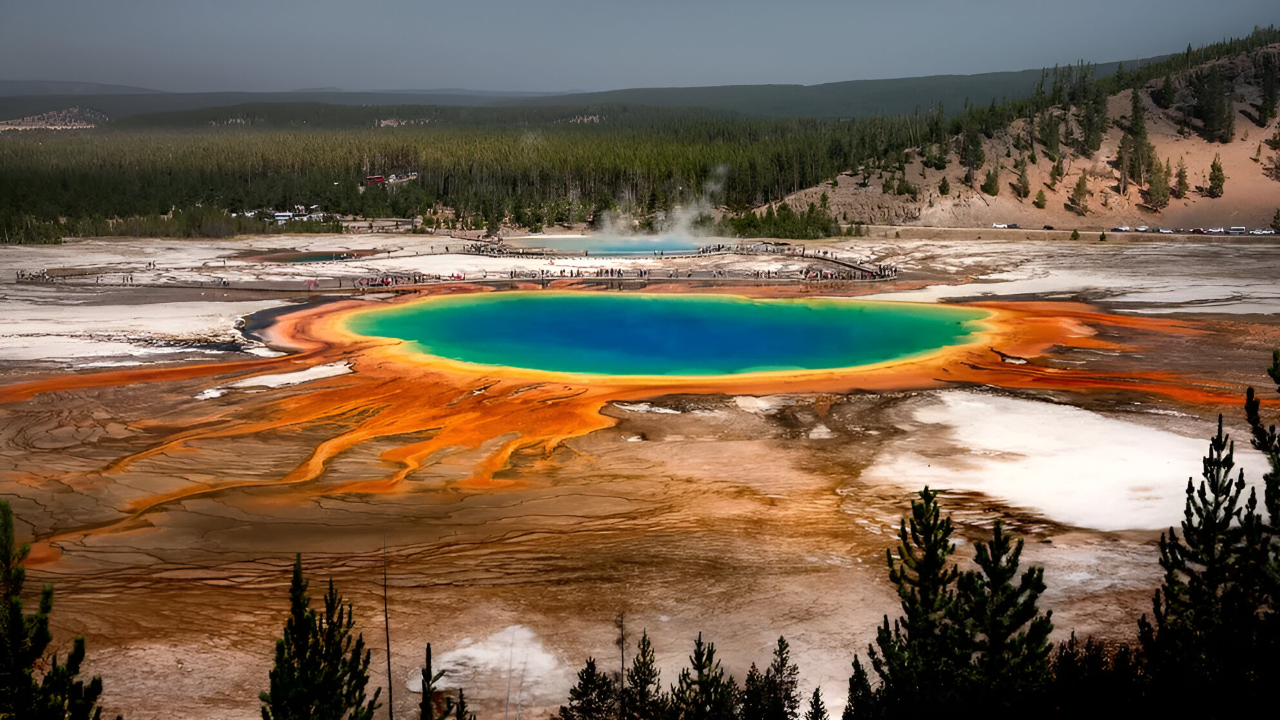
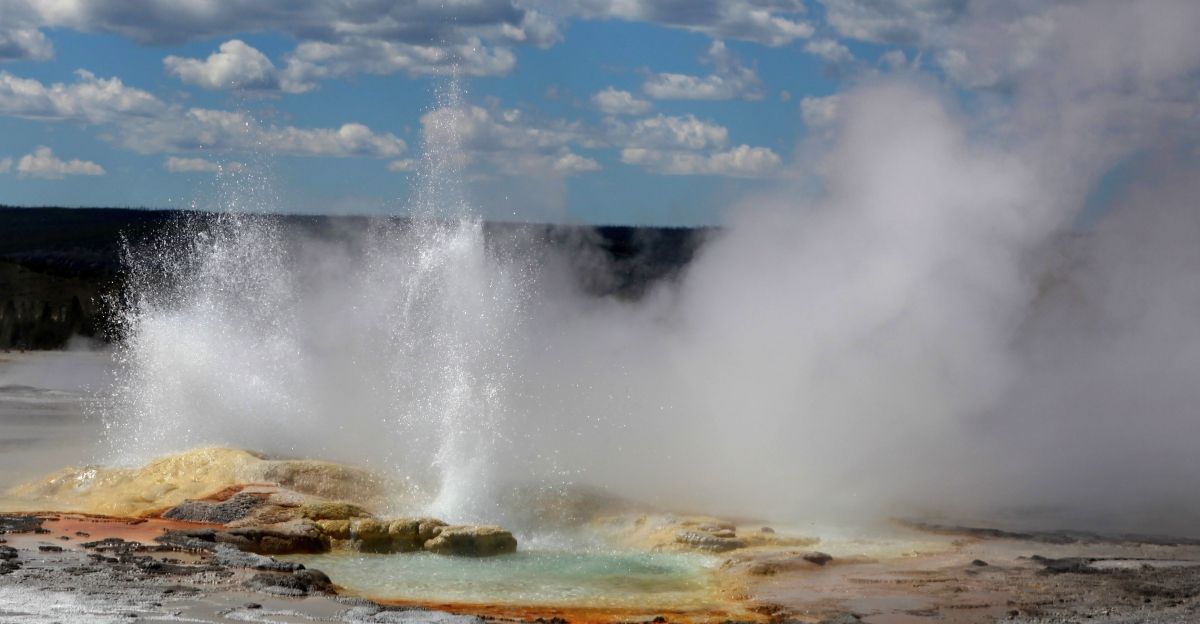
Yellowstone National Park, famed for its geysers and hot springs, sits atop one of the world’s largest active supervolcanoes. Spanning Wyoming, Montana, and Idaho, this geothermal wonder draws millions of visitors each year. Yet beneath its scenic surface lies a vast magma chamber, a geological force capable of reshaping continents. Scientists have long monitored Yellowstone’s volcanic system, aware that its potential for destruction is matched only by its rarity.
Assessing the Threat: Eruption Risks and Scientific Consensus
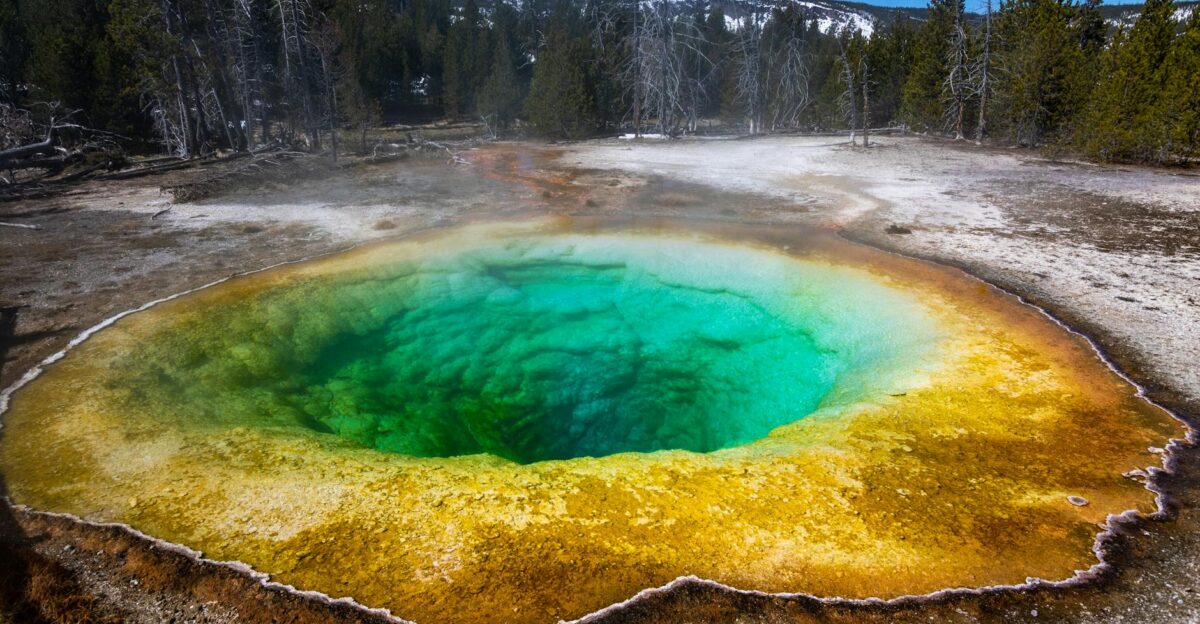
Despite the dramatic possibilities, the likelihood of a catastrophic Yellowstone eruption remains extremely low. According to the U.S. Geological Survey, the annual probability of such an event is about 0.001 percent—roughly one in 730,000 in any given year. Most research suggests that the next supervolcano eruption at Yellowstone is not expected for another one to two million years. The magma beneath the park is mostly solid, and current monitoring shows no signs of imminent activity. Scientists emphasize that volcanoes like Yellowstone do not erupt without warning; months of increased seismic and thermal activity would precede any major event, allowing time for alerts and preparation.
Immediate Dangers: Pyroclastic Flows and the Kill Zone
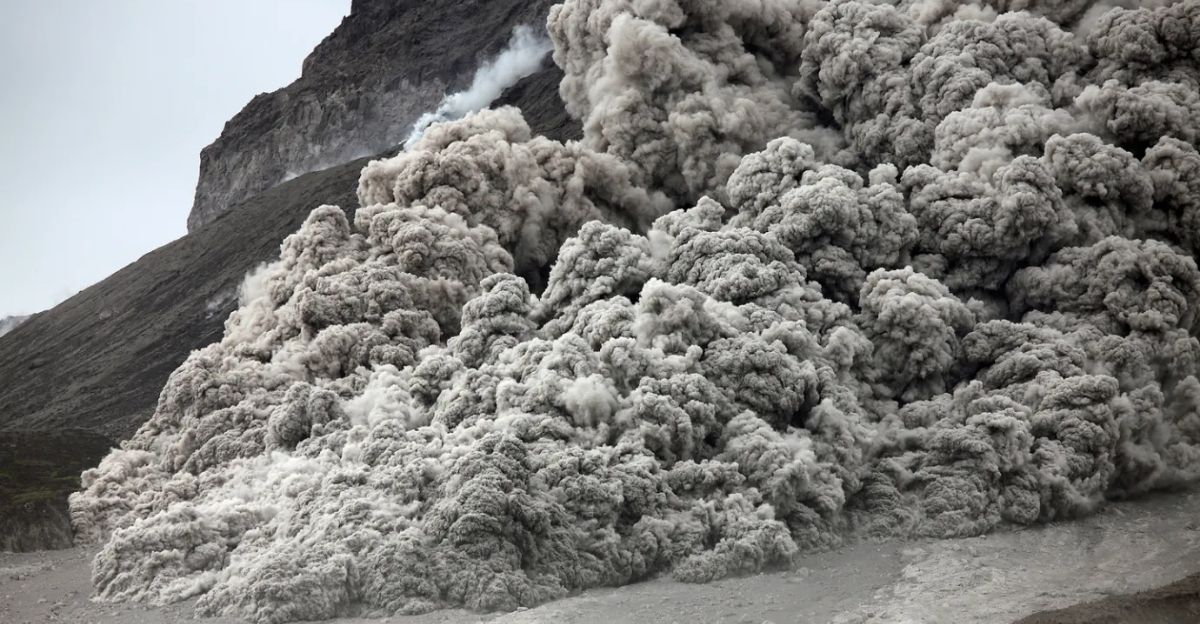
If Yellowstone were to erupt, the most lethal hazard would be pyroclastic flows—fast-moving avalanches of superheated gas, ash, and rock. These flows can travel at over 200 miles per hour, incinerating everything in their path. Communities closest to the caldera, such as West Yellowstone, Montana, and Mammoth Hot Springs, would be in what FEMA designates as “Zone One”—the kill zone where survival is virtually impossible. Towns like Island Park, Idaho, and Cooke City, Montana, would also face total destruction within minutes. Even cities farther away, including Bozeman and Billings in Montana, Denver in Colorado, Salt Lake City in Utah, Boise in Idaho, and Casper in Wyoming, would be buried under thick layers of volcanic ash. Infrastructure would collapse, water supplies would be contaminated, and daily life would become impossible across a vast region.
Nationwide Fallout: Ash, Infrastructure, and Economic Collapse
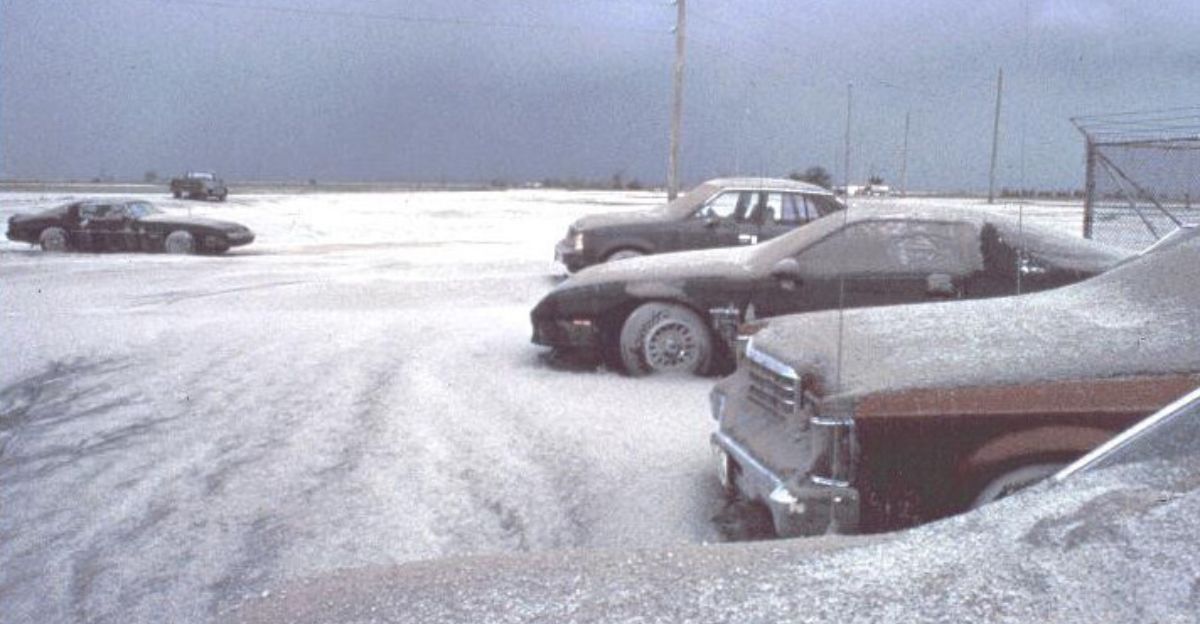
The devastation would not be confined to the immediate vicinity. A Yellowstone supereruption could eject around 240 cubic miles of ash and debris into the atmosphere. Ashfall would blanket much of the United States, with cities as far as Minneapolis, Des Moines, Portland, Seattle, New York, Los Angeles, and Miami receiving measurable amounts. Even a few centimeters of ash can disrupt transportation, damage buildings, and contaminate water supplies. The economic impact would be staggering: FEMA estimates damages could reach $3 trillion, or up to 20 percent of the U.S. gross domestic product. Power grids would fail, food distribution would halt, and recovery would take decades. Research suggests immediate casualties could reach 87,000, with tens of thousands in the kill zone facing non-survivable conditions. Emergency response would be overwhelmed, and rescue operations would be nearly impossible in the hardest-hit areas.
Global Consequences: Volcanic Winter and Food System Collapse
A supereruption at Yellowstone would have consequences far beyond North America. The volcano could inject up to 2,000 million tonnes of sulfur dioxide into the stratosphere, forming aerosols that block sunlight and trigger a volcanic winter. Global temperatures could drop by as much as ten degrees, with the Northern Hemisphere experiencing the most severe cooling. These conditions could persist for six to ten years, leading to widespread crop failures and food shortages. Asia’s monsoon patterns could collapse, and two-thirds of the United States might become uninhabitable for a generation. The global food system would be pushed to the brink, with humanitarian crises on an unprecedented scale.
Looking Ahead: Monitoring, Preparedness, and Perspective
Despite the catastrophic scenarios, scientists stress that Yellowstone’s supervolcano is not poised to erupt anytime soon. The Yellowstone Volcano Observatory maintains a sophisticated network of seismic, GPS, and gas sensors to detect any changes in the caldera’s behavior. Current data show no unusual activity, and the magma system remains largely solid. While the risks are real and the potential consequences severe, the probability of an eruption in our lifetimes is extraordinarily remote. Ongoing research and monitoring ensure that any warning signs will be detected early, allowing for informed emergency planning. For now, Yellowstone remains a place of natural wonder, its hidden power a subject of scientific vigilance rather than immediate concern.