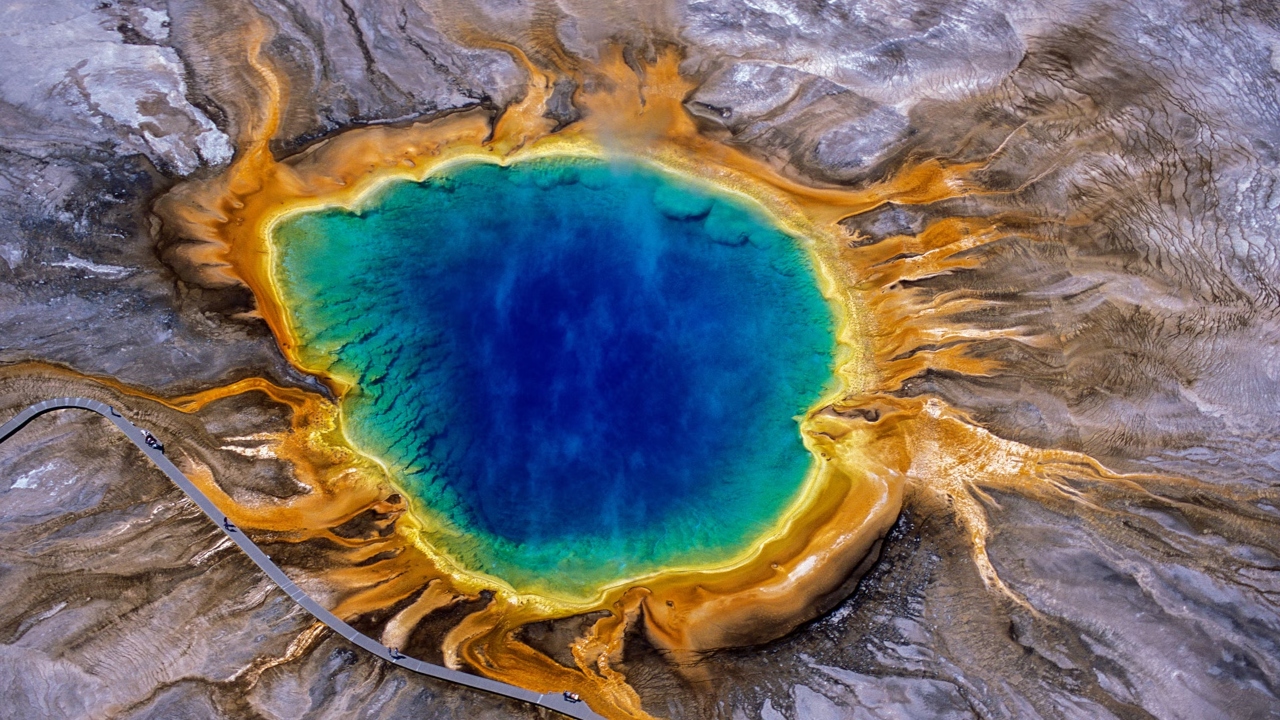
Yellowstone National Park sits atop one of the world’s largest active supervolcanoes, a geological marvel that has shaped landscapes and captured the attention of scientists for centuries. Nestled across Wyoming, Montana, and Idaho, this geothermal marvel powers thousands of geysers and hot springs, drawing millions of visitors annually.
However, beneath its natural beauty lies an enormous magma chamber capable of unleashing devastation on an unimaginable scale. Scientists continuously monitor this volatile system for signs of future activity.
The Reality of Future Eruptions
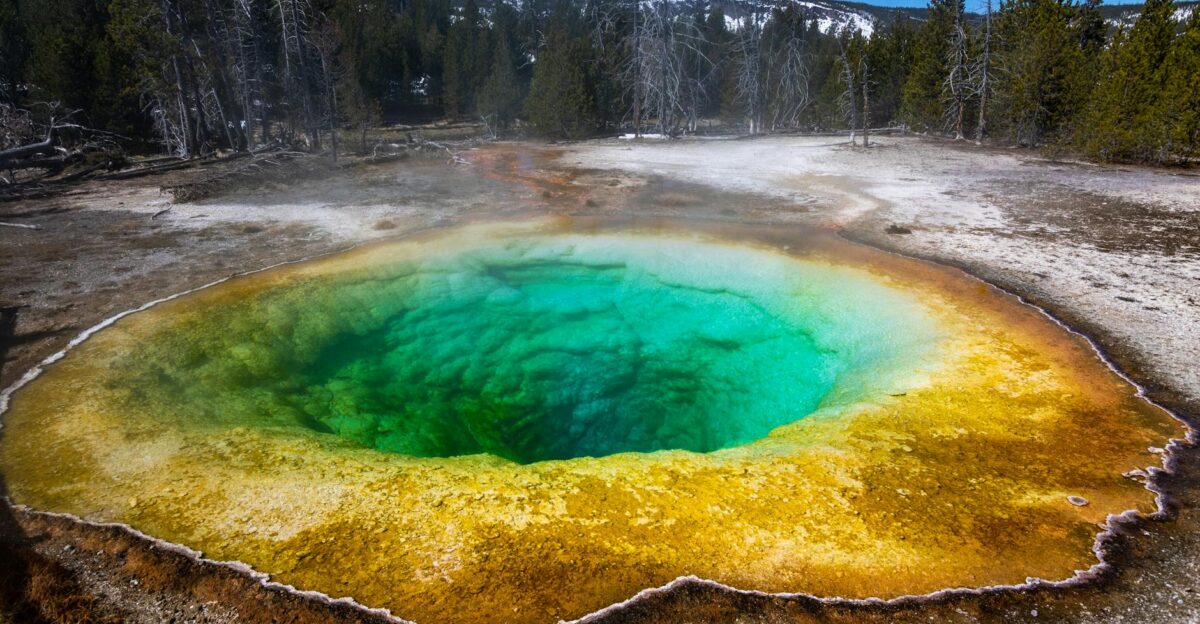
While Yellowstone poses a potential threat, the actual probability of a catastrophic eruption remains extraordinarily low. The USGS estimates the annual probability of a Yellowstone eruption at approximately 0.001 percent, or about one in 730,000 chances in any given year.
Research suggests that the next supervolcano eruption at Yellowstone will likely occur in one to two million years, not in our immediate future. The magma beneath Yellowstone remains predominantly solid, with no current evidence indicating an imminent eruption.
Understanding Pyroclastic Flows
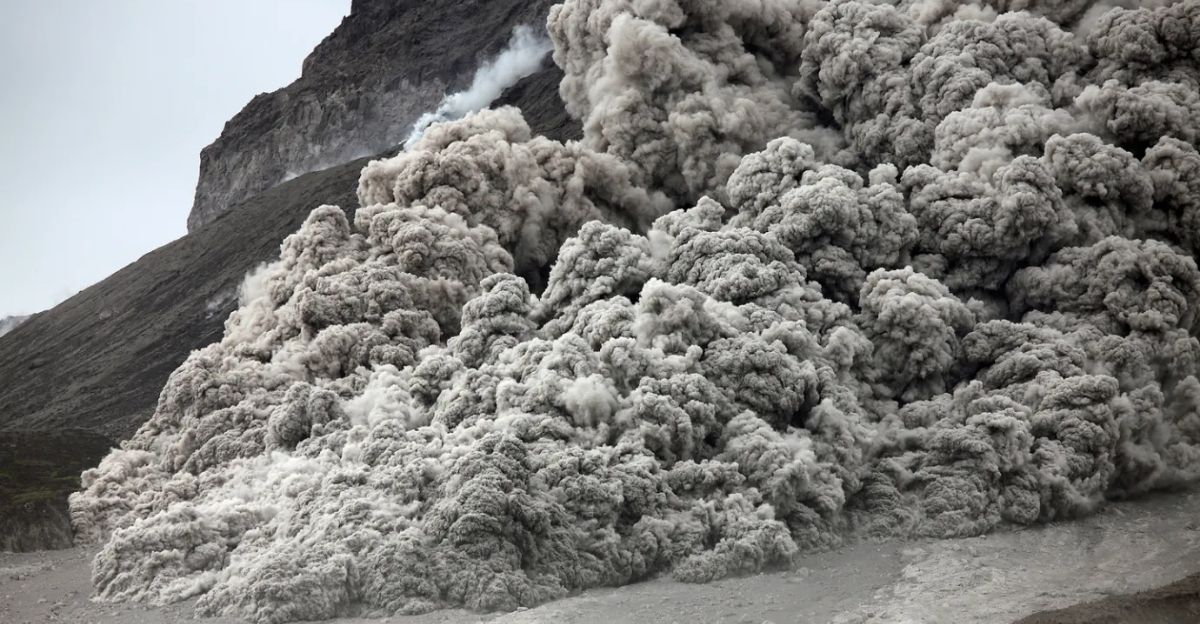
The most immediately lethal hazard from a Yellowstone eruption would be pyroclastic flows—superheated avalanches of gas, ash, and rock that travel at speeds exceeding 200 miles per hour. These flows incinerate everything in their path and prove impossible to outrun if nearby.
They represent the volcanic phenomenon most associated with catastrophic loss of life in regions directly adjacent to the caldera. The intense heat and velocity of pyroclastic flows create an inescapable kill zone.
1: West Yellowstone, Montana
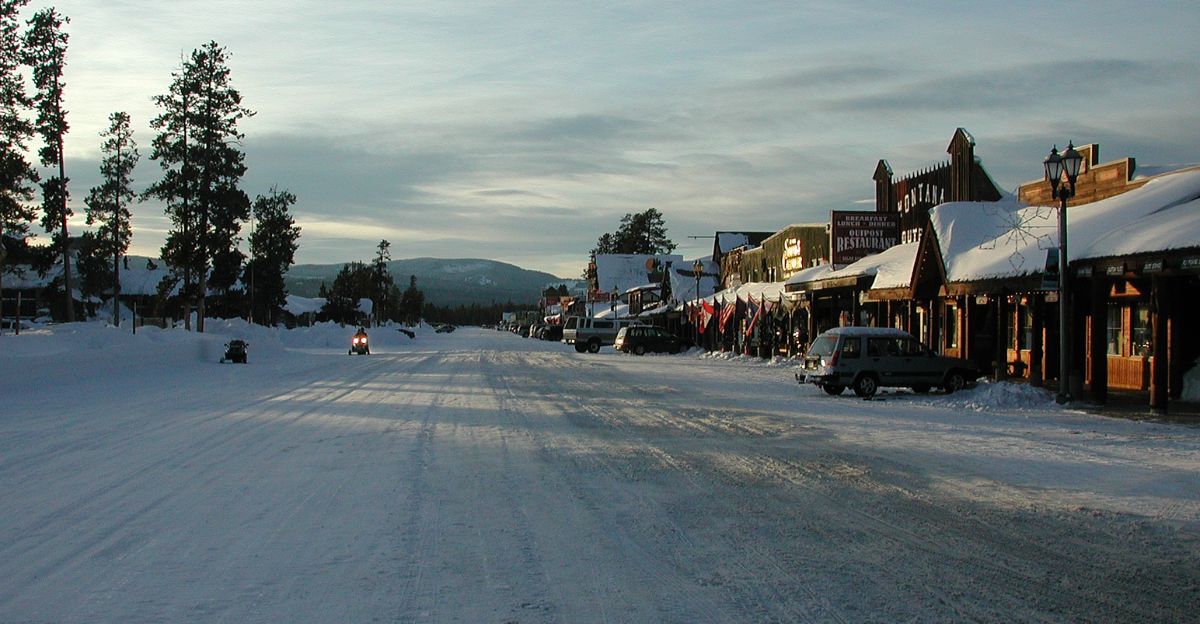
West Yellowstone, Montana, sits directly at Yellowstone’s western entrance, making it extraordinarily vulnerable to a supervolcano eruption.
This gateway community would be instantly obliterated by pyroclastic flows, lava, and superheated gases, which reach temperatures exceeding 400°C. FEMA designates West Yellowstone as “Zone One,” the kill zone where survival is virtually impossible. The town’s economy, infrastructure, and population would be completely wiped out.
2: Mammoth Hot Springs, Montana
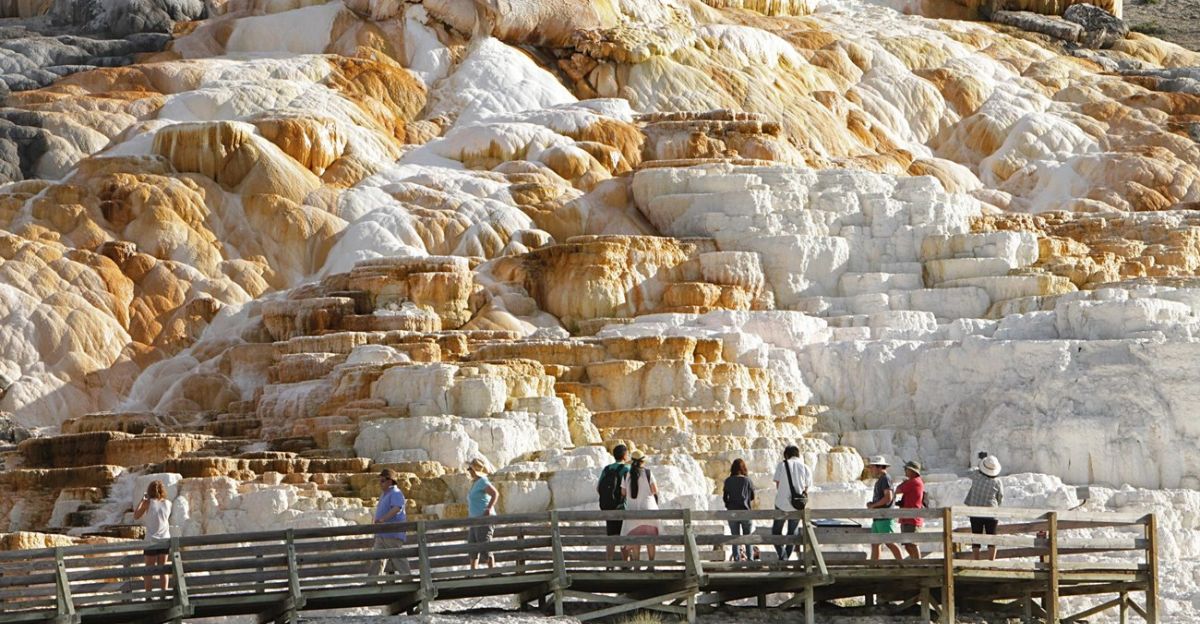
Mammoth Hot Springs and the adjacent community of Gardiner occupy Yellowstone’s northern entrance, situated merely 0.7 to 0.9 miles from the park boundary. These communities would face complete annihilation from pyroclastic flows and superheated ash during an eruption.
The thermal features that define this iconic area would intensify catastrophically. Everything above ground would be destroyed instantly by the eruption’s initial blast.
3: Island Park, Idaho
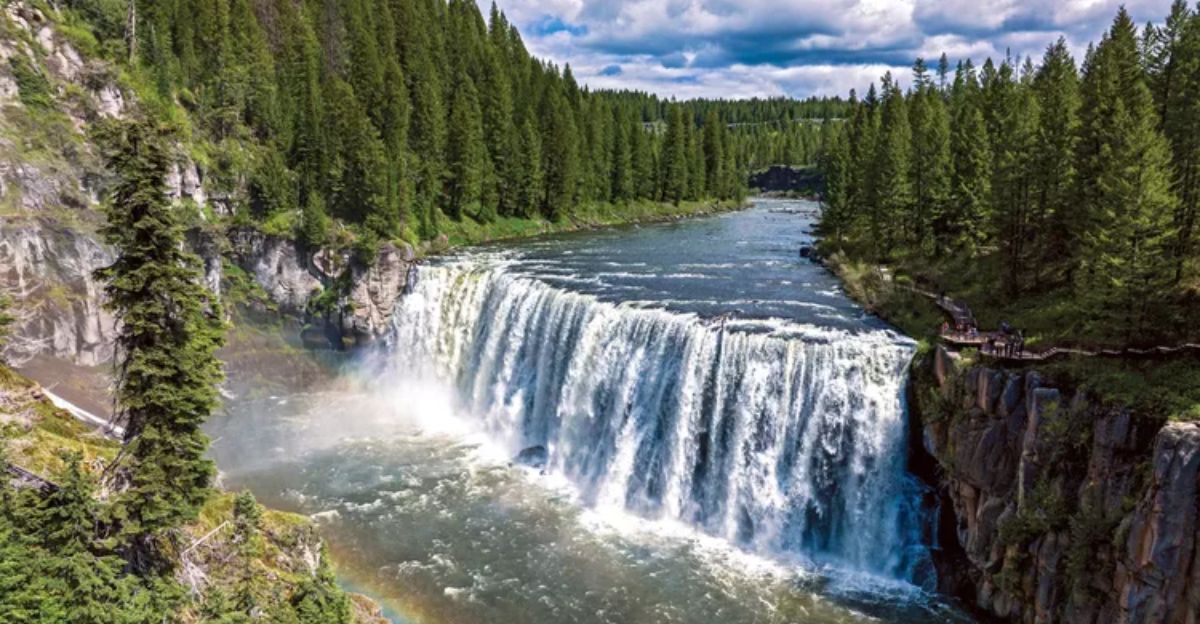
Island Park, Idaho, a small community of fewer than 200 permanent residents, lies directly south of West Yellowstone along Highway 20. Its proximity to the Yellowstone caldera and position along the Snake River Plain volcanic system would subject it to complete destruction by pyroclastic flows. This remote town’s isolation offers no protection from volcanic devastation. The eruption’s effects would reach this location within minutes of initiation.
4: Cooke City and Silver Gate, Montana
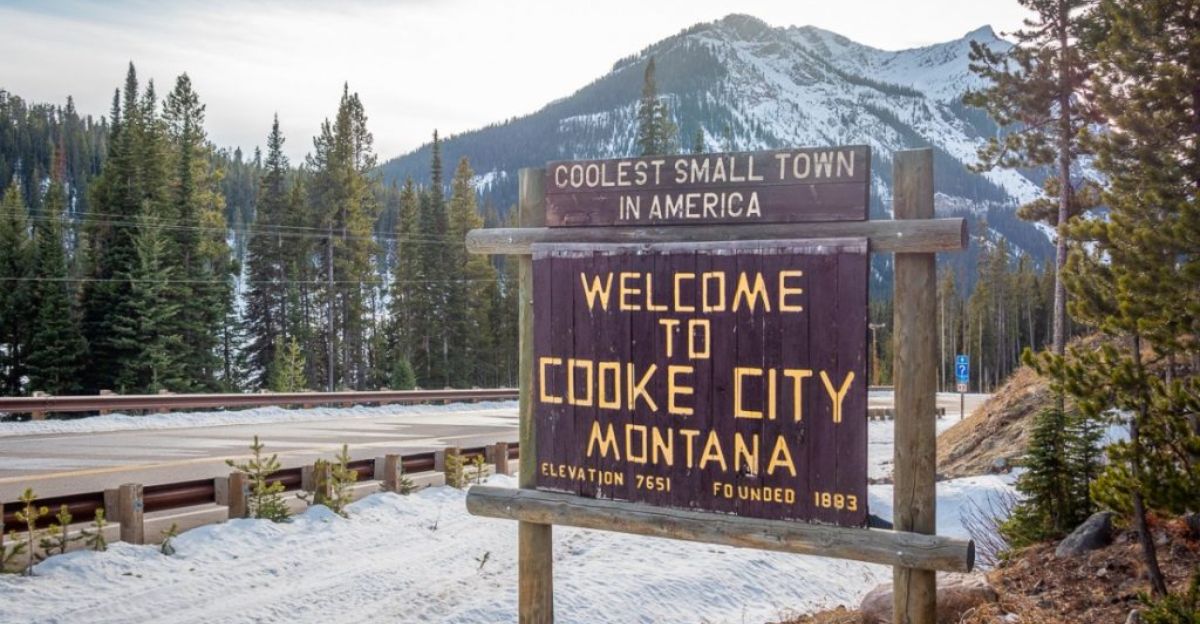
Cooke City and Silver Gate, two tiny communities at Yellowstone’s northeast entrance, would be engulfed immediately by the initial blast wave and pyroclastic flows. Their remote location, already 50 miles from the nearest larger town, offers no advantage against volcanic destruction.
These communities are extremely vulnerable due to their proximity to the caldera. Evacuation routes would be rendered unusable within moments.
5: Bozeman, Montana
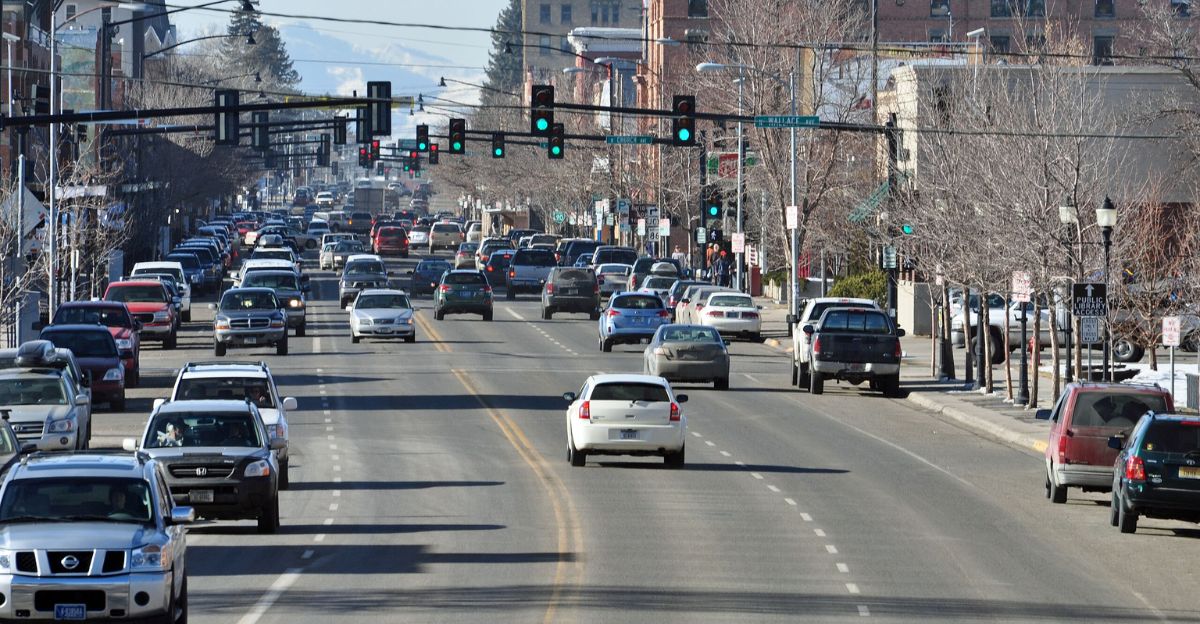
Located approximately 90 miles from Yellowstone’s entrances, Bozeman would have faced burial under meters of volcanic ash, despite its relative distance from the epicenter. Montana’s fastest-growing city, home to roughly 55,000 residents, would experience complete infrastructure collapse.
Ash accumulation would crush roofs, block transportation routes, and contaminate water supplies with sulfuric acid. The city’s regional importance would become irrelevant in the face of such devastation.
6: Billings, Montana
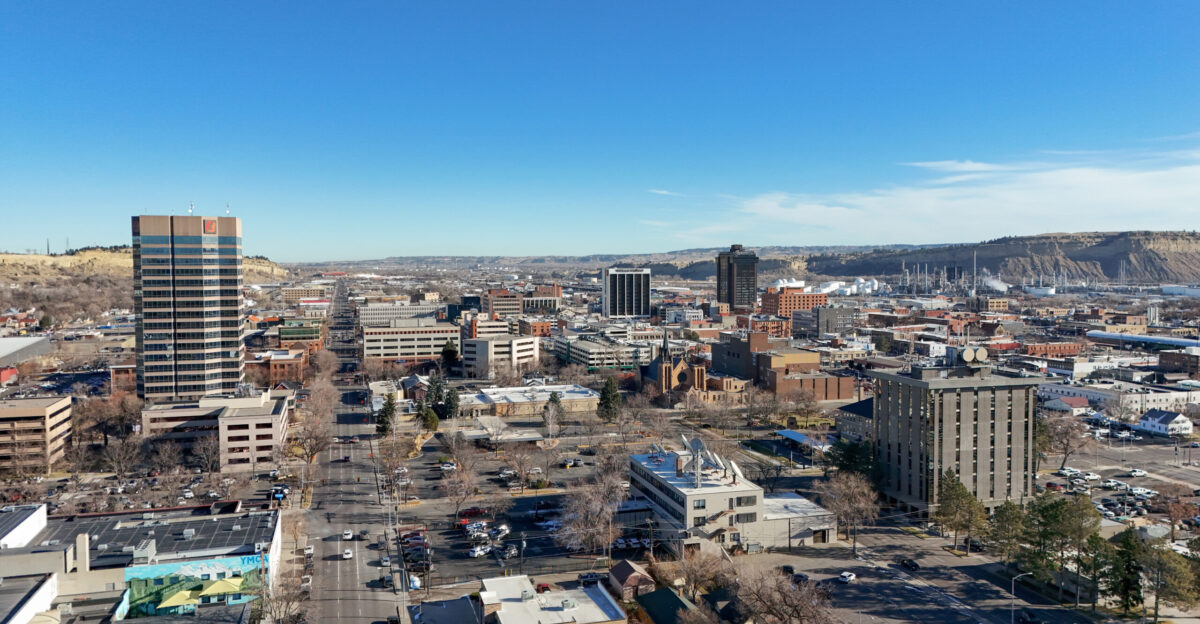
Billings, Montana’s largest city with approximately 120,000 residents, sits about 130 miles from Yellowstone. The city would be covered by tens of centimeters to more than a meter of ash following a supervolcano eruption.
This massive ashfall would cause widespread building damage, rendering most structures uninhabitable or causing them to collapse. Power grids would fail completely, and water systems would become contaminated. The regional economic center would be rendered dysfunctional.
7: Denver, Colorado
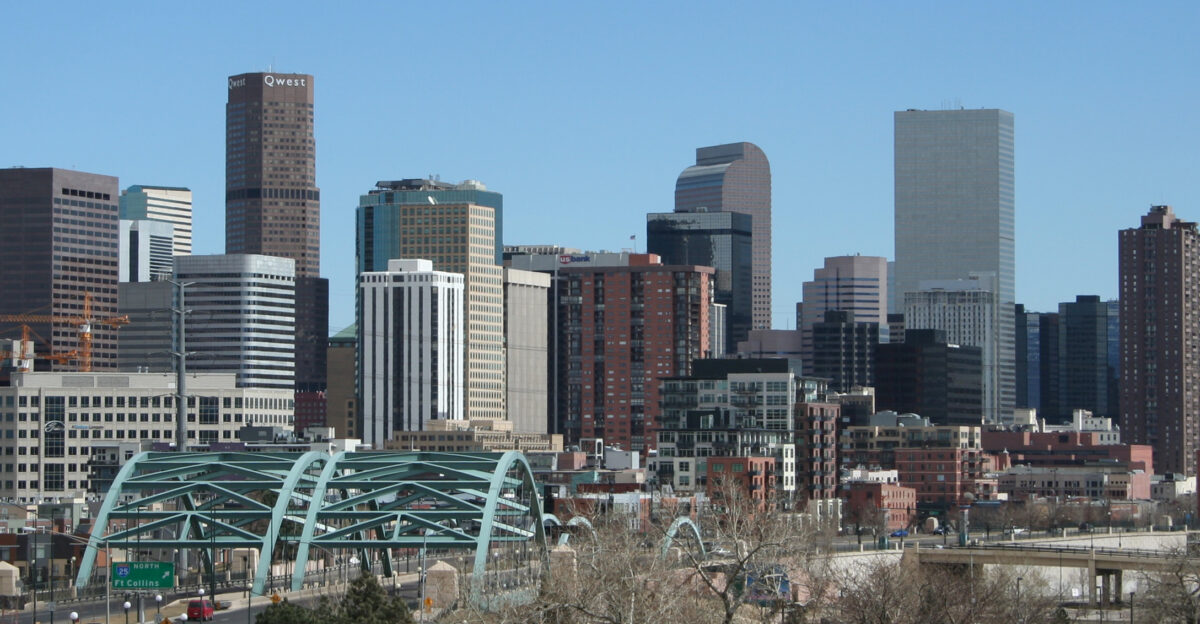
Denver, Colorado’s capital city, would face devastating impacts despite being several hundred miles from Yellowstone. Western and northern Colorado could be buried under thirty to sixty centimeters of volcanic ashfall.
The weight of ash would collapse roofs on most buildings, cause vehicle failures, and contaminate water supplies. Denver’s metropolitan area of over three million people would face catastrophic conditions. The city would become largely uninhabitable.
8: Salt Lake City, Utah
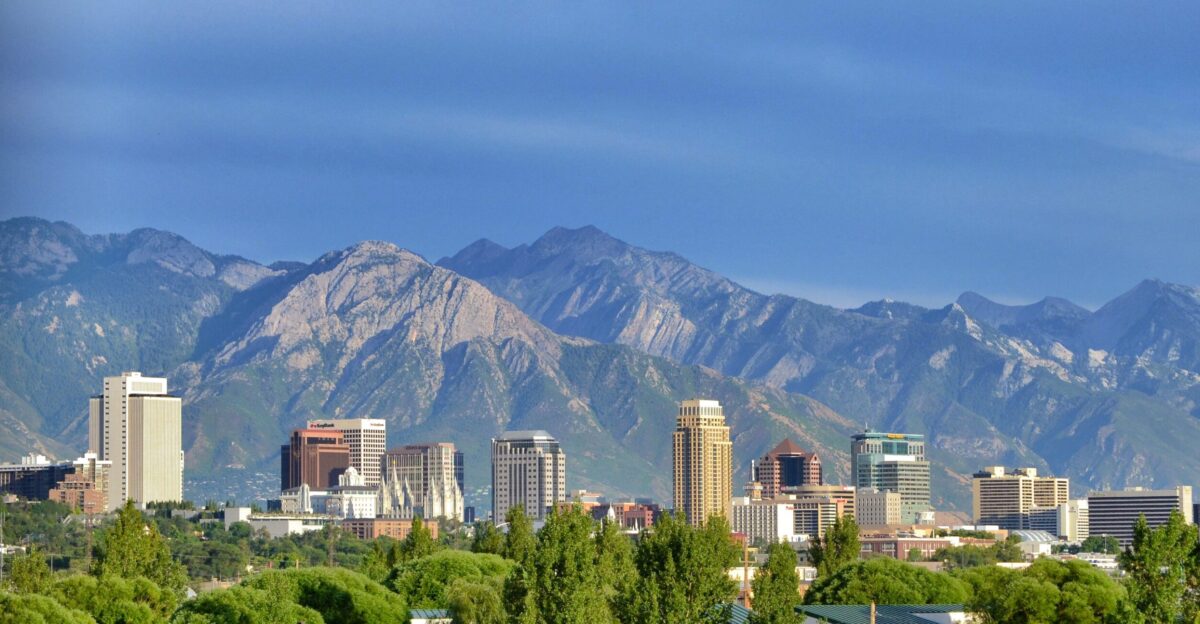
Utah’s capital city, Salt Lake City, would be devastated by thick volcanic ash deposits from a Yellowstone eruption. Studies predict Colorado, Utah, and Wyoming could be covered with almost three feet of toxic volcanic ash.
This quantity of ash would render infrastructure non-functional and make outdoor life impossible. Salt Lake City’s population of nearly two million would face unlivable conditions. The metropolitan region would experience civilizational collapse.
9: Boise, Idaho
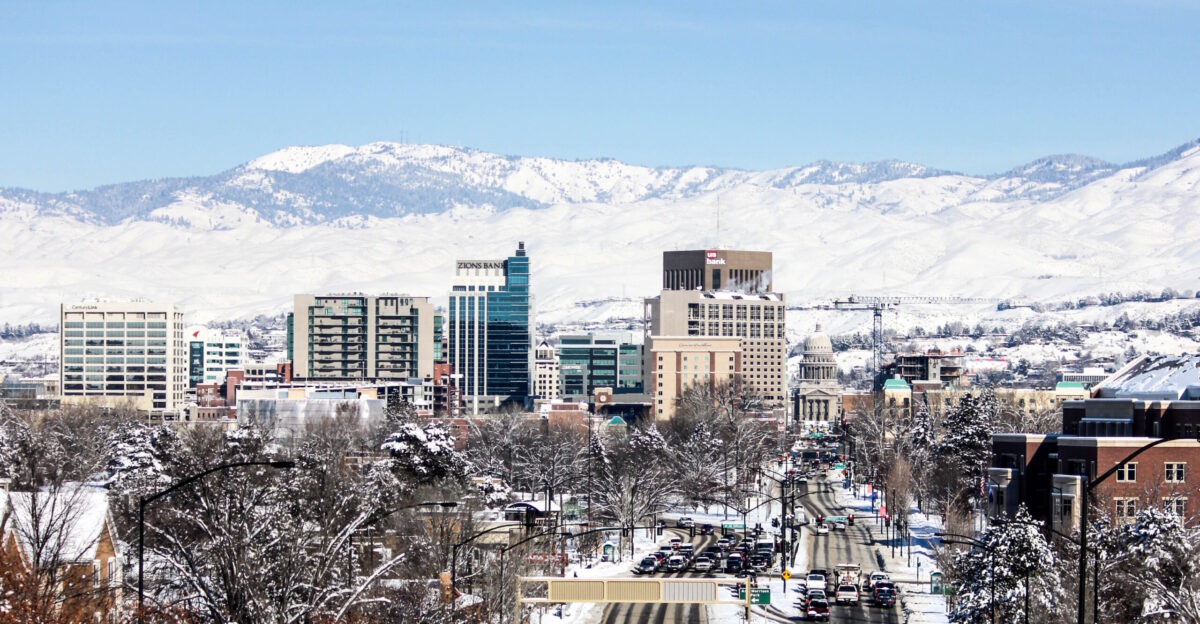
Boise, Idaho’s capital, would likely be severely impacted by heavy ashfall and pyroclastic material, despite being several hundred miles from the eruption epicenter.
The city is situated within the predominant ash dispersal pattern. Infrastructure failures would be comprehensive and complete. Transportation, power, and water systems would cease functioning. The city would become uninhabitable within hours.
10: Casper, Wyoming
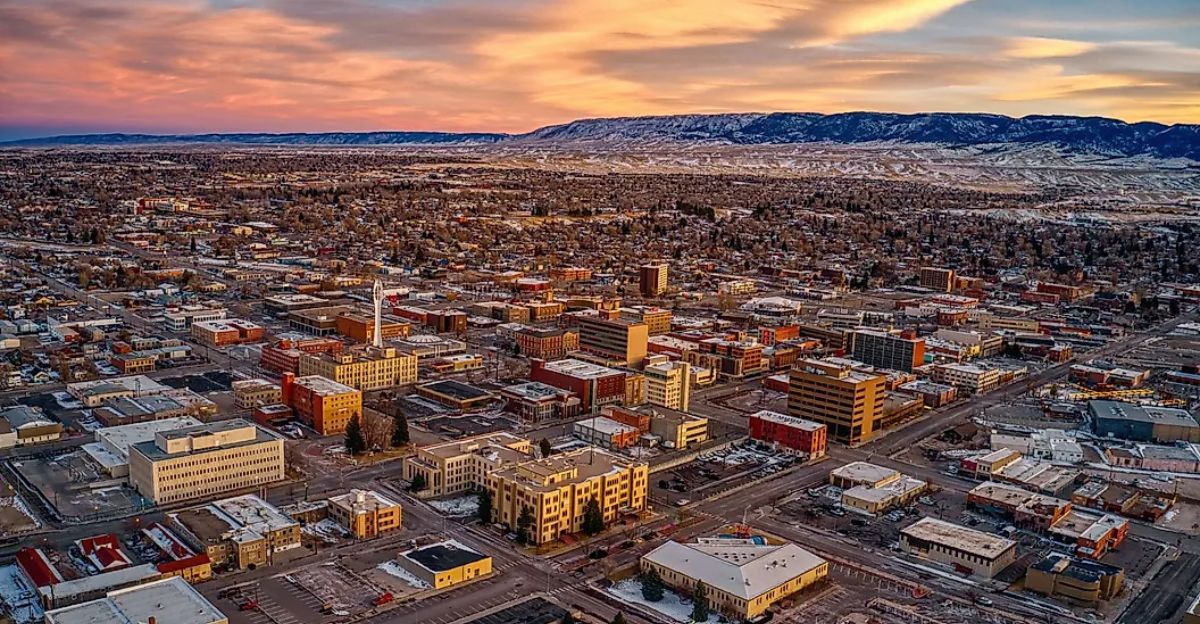
Casper, Wyoming, positioned approximately 300 miles southeast of Yellowstone, would be covered by centimeters to potentially more than a meter of ash. The city’s oil refineries and petroleum infrastructure would be overwhelmed by the massive ash burden. Casper’s economy, dependent on energy production, would collapse instantly.
Transportation infrastructure would become impassable. The region would experience total economic disruption.
Extended Ashfall Across America
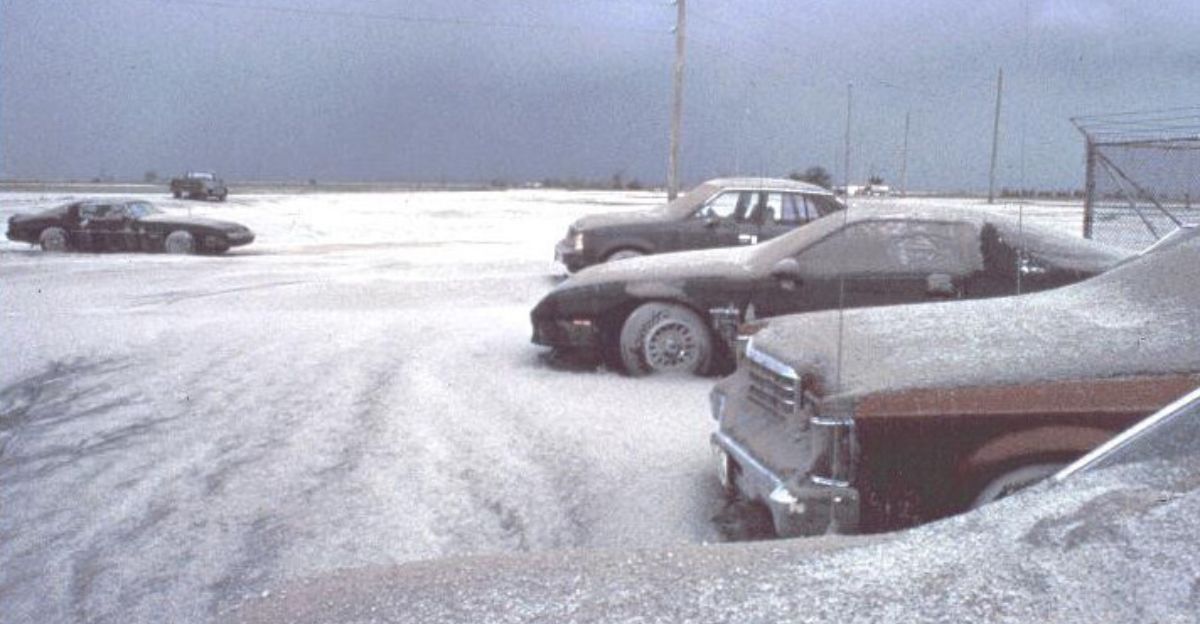
Beyond these ten locations, the United States would experience widespread devastation from ashfall. Minneapolis and Des Moines would receive measurable centimeters of ash, disrupting daily operations. Portland and Seattle would receive up to several centimeters, causing significant regional problems.
Even New York, Los Angeles, and Miami would receive millimeters of ash—enough to disrupt transportation systems and infrastructure. The entire continental United States would face direct volcanic consequences.
The Catastrophic Economic Impact
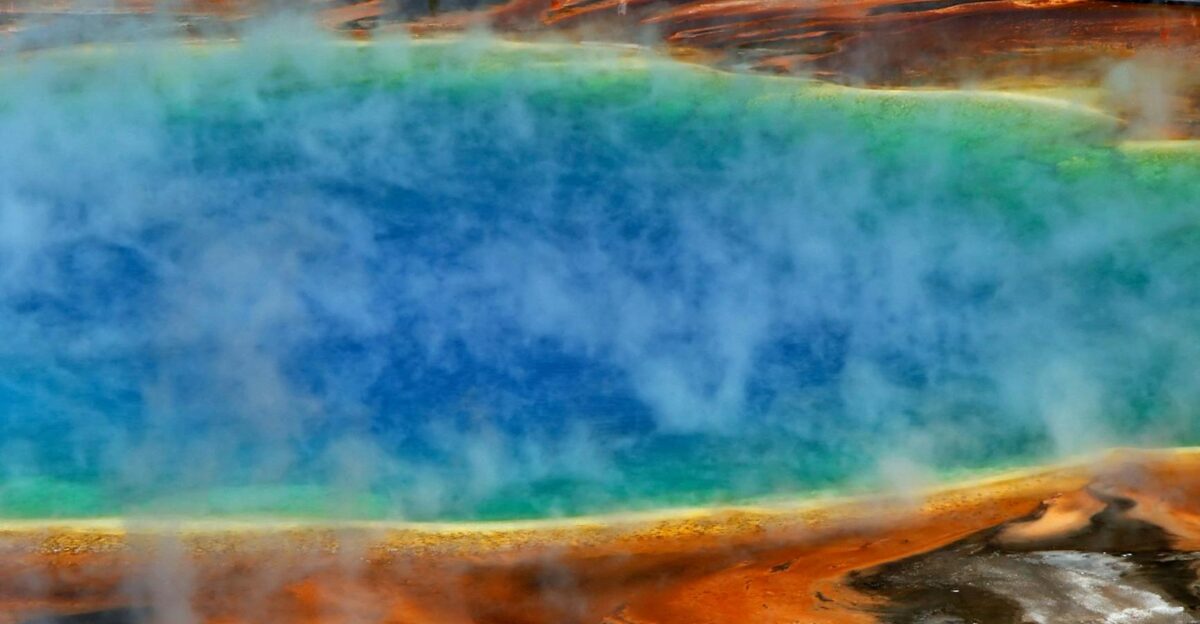
A Yellowstone supereruption would eject approximately 240 cubic miles of ash, molten rock, and gases into the atmosphere, resulting in planetary-scale consequences. FEMA estimates that the disaster would cause $3 trillion in damage, representing approximately 14 to 20 percent of the U.S. gross domestic product.
This economic destruction would dwarf all previous natural disasters combined. The financial system would experience unprecedented collapse. Economic recovery would require decades of reconstruction efforts.
Immediate Human Casualties
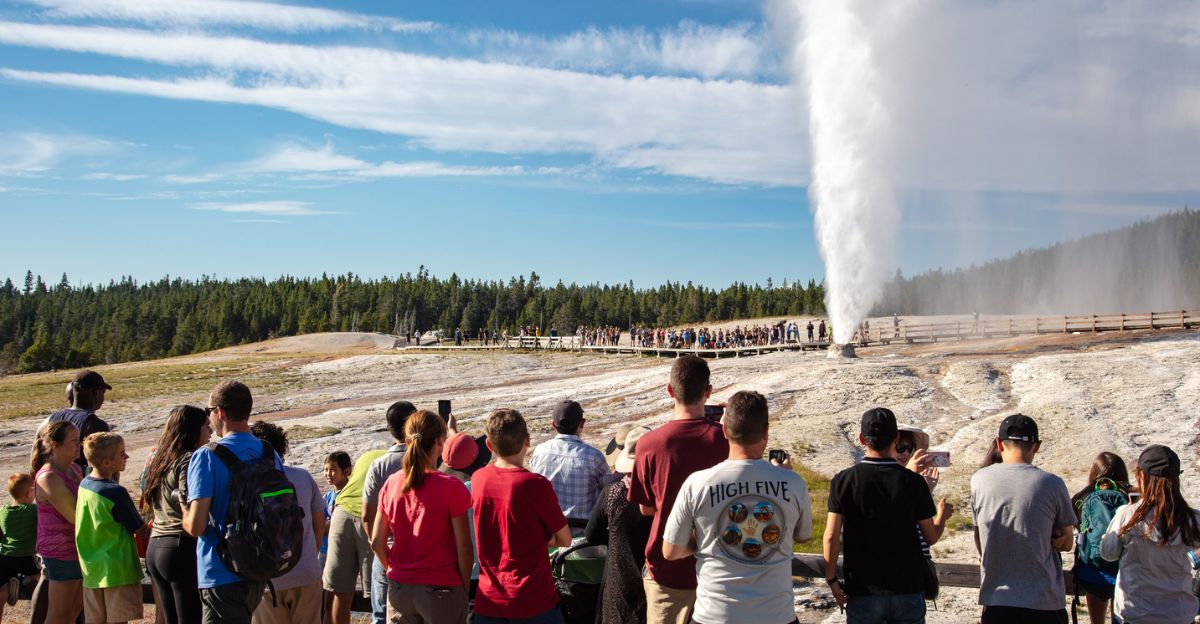
Approximately 87,000 people could be killed immediately in the eruption’s direct effects, with FEMA estimating that about 70,000 people in Zone One face “non-survivable” conditions. The concentrated population in and around Yellowstone’s gateway communities would suffer complete annihilation. Emergency services would prove ineffective and unable to respond.
No rescue operations could succeed in the immediate aftermath. The death toll would represent an unprecedented domestic catastrophe.
The Global Volcanic Winter
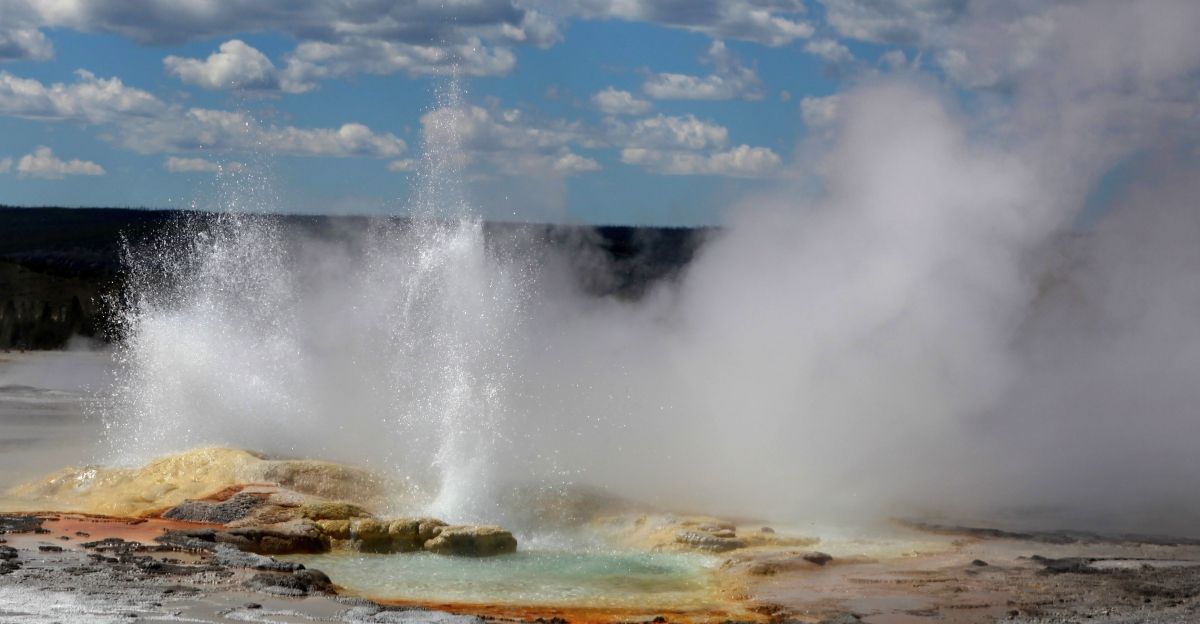
A Yellowstone eruption would inject 2,000 million tonnes of sulphur dioxide forty to fifty kilometers above Earth’s surface. Resulting sulphuric acid aerosols would encircle the globe within two to three weeks, causing dramatic global cooling.
Global temperatures could drop up to ten degrees, with the Northern Hemisphere cooling up to twelve degrees. Europe could experience temperatures five degrees colder the following summer. Colder conditions could persist for six to ten years, devastating global agriculture.
Agricultural and Food System Collapse
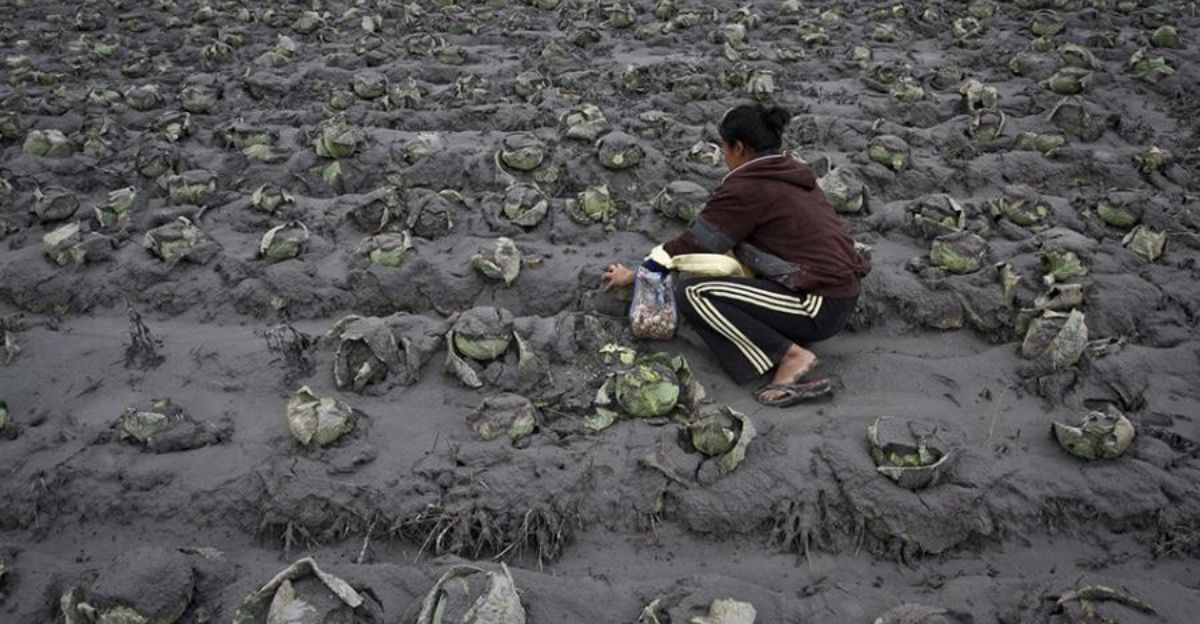
A volcanic winter following a Yellowstone eruption would lead to catastrophic failures in global food production. Crop failures would occur worldwide due to reduced sunlight and lower temperatures that would last for years. Asia would face widespread starvation as monsoon patterns fail due to hemispheric temperature disruption. Two-thirds of the United States would become uninhabitable, rendering the nation’s farmland unusable for a generation.
Global food systems would collapse, creating humanitarian crises of unprecedented magnitude. Survival would depend on stored food reserves.
Current Monitoring and Safety Measures
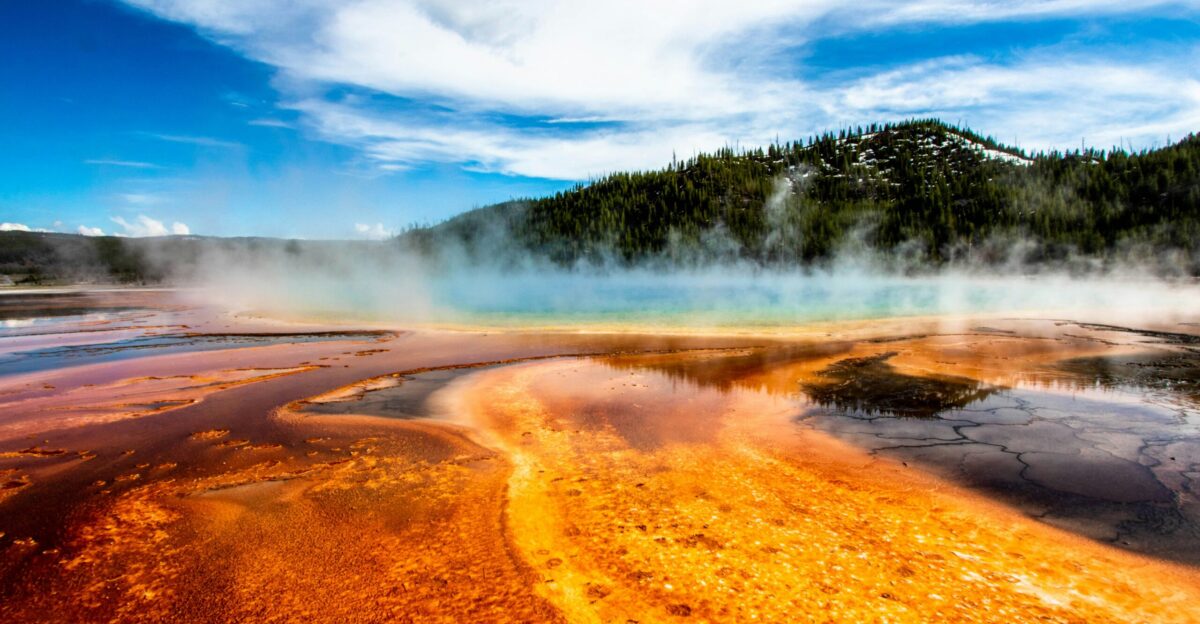
The Yellowstone Volcano Observatory continuously monitors the caldera using sophisticated seismic networks, GPS instruments, and gas emission sensors. Scientists emphasize that “volcanoes like Yellowstone don’t erupt without warning” and would expect “months of intense volcanic activity” before any eruption. Current monitoring data shows no signs of imminent activity.
The magma system remains largely solid with no unusual patterns detected recently. Advanced warning systems provide some reassurance of adequate preparation time if eruption signals emerge.
Conclusion: Understanding Risk in Perspective
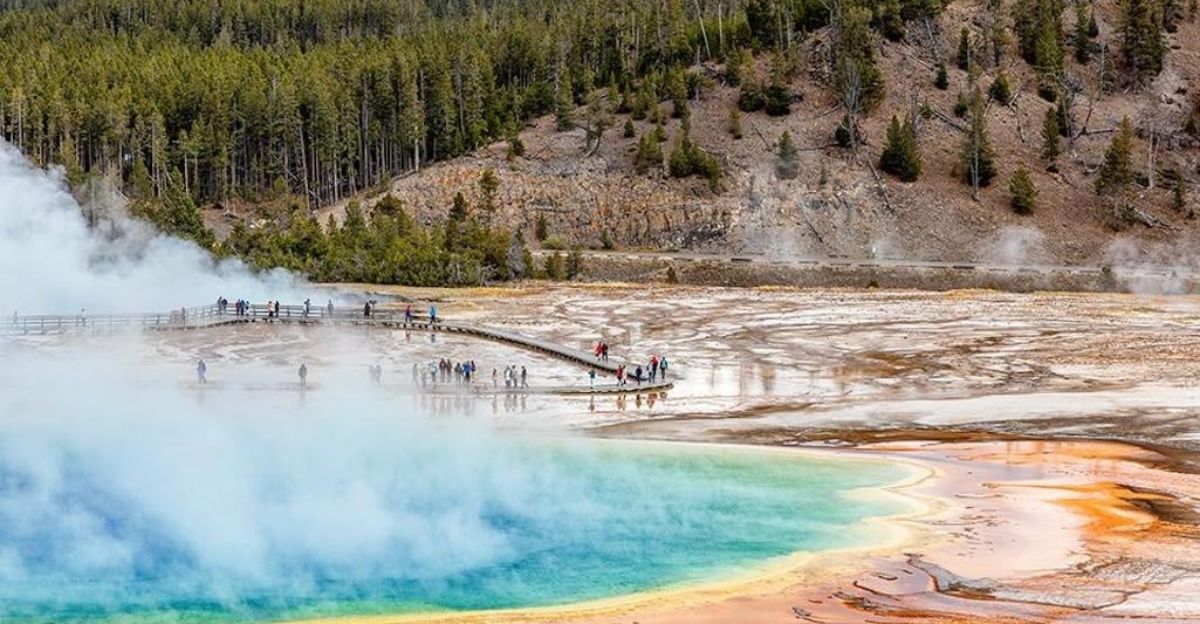
While a Yellowstone supervolcano eruption would produce catastrophic consequences for America and the world, the probability of such an event occurring in the near future remains extraordinarily remote. Scientific research indicates that the next supervolcano eruption is likely to occur in one to two million years.
Yellowstone’s geothermal system currently shows no indicators of impending eruption. Understanding these risks helps inform long-term geological research and emergency planning, but immediate concerns remain minimal and theoretical. Continued scientific monitoring ensures that any future warning signs will be detected and properly evaluated.