
A viral TikTok video featuring South African veterinarian Amir Anwary left viewers stunned and questioning the popularity of certain dog breeds. With over three million views, Anwary revealed 10 of the most adored breeds he refuses to own.
Backed by years of experience in treating chronic health conditions and behavioral problems, the vet’s list challenged pet lovers to rethink their choices.
As viewers eagerly debated, the question remained: could these well-loved breeds actually be causing more harm than good? Do you own any of these dogs?
1. Dachshunds

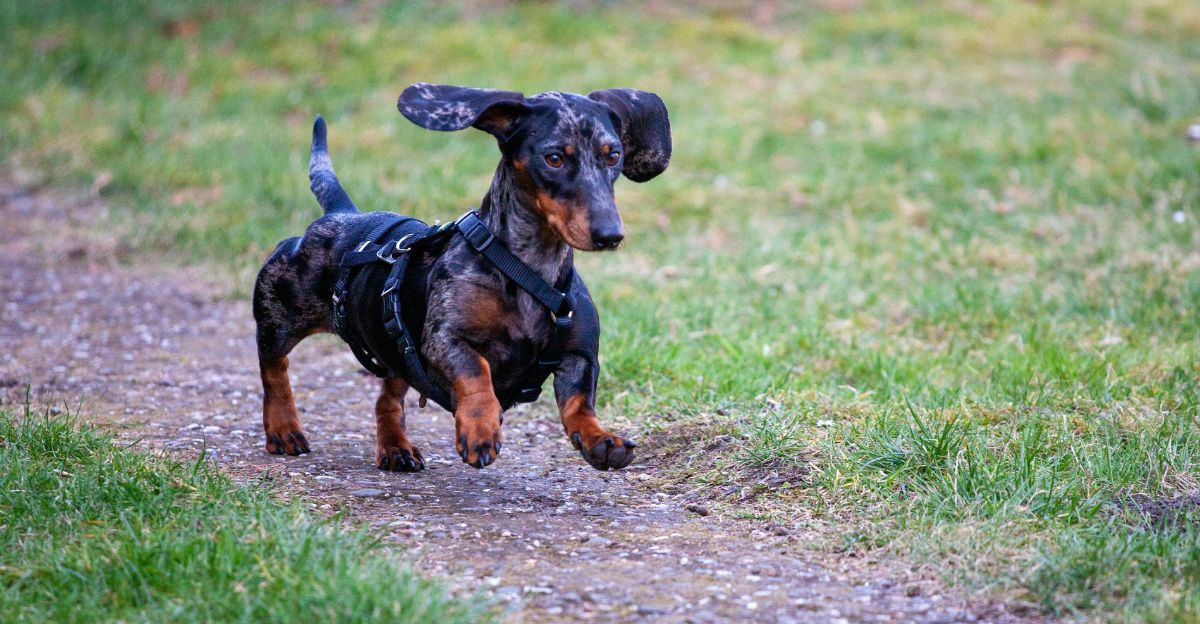
Known for their iconic long bodies, Dachshunds are prone to intervertebral disc disease (IVDD). With one in four developing this condition, the breed faces a high risk of sudden paralysis.
Vet bills can climb into the thousands for emergency surgeries. Despite their cute appearance, Dachshunds’ spines pose significant orthopedic challenges, requiring constant weight control and limited physical activity to manage their health risks.
2. French Bulldogs

The current favorite in American households, French Bulldogs are plagued by over 20 health conditions tied to their flat faces. Most notably, brachycephalic obstructive airway syndrome causes severe breathing difficulties, especially during heat or exertion.
Approximately half of all French Bulldogs experience breathing issues that require lifelong veterinary intervention. Despite their popularity, the breed’s health struggles are enough to make any vet hesitate before recommending them.
3. Belgian Malinois

Anwary describes the Belgian Malinois as a “machine” rather than a dog due to its boundless energy and work-driven mentality. Originally bred for police and military work, these dogs need intense physical and mental stimulation.
Their high drive makes them a poor fit for average households, and they often face behavioral issues when their needs aren’t met. If underexercised, they become anxious and destructive, often ending up in shelters.
4. Border Collies
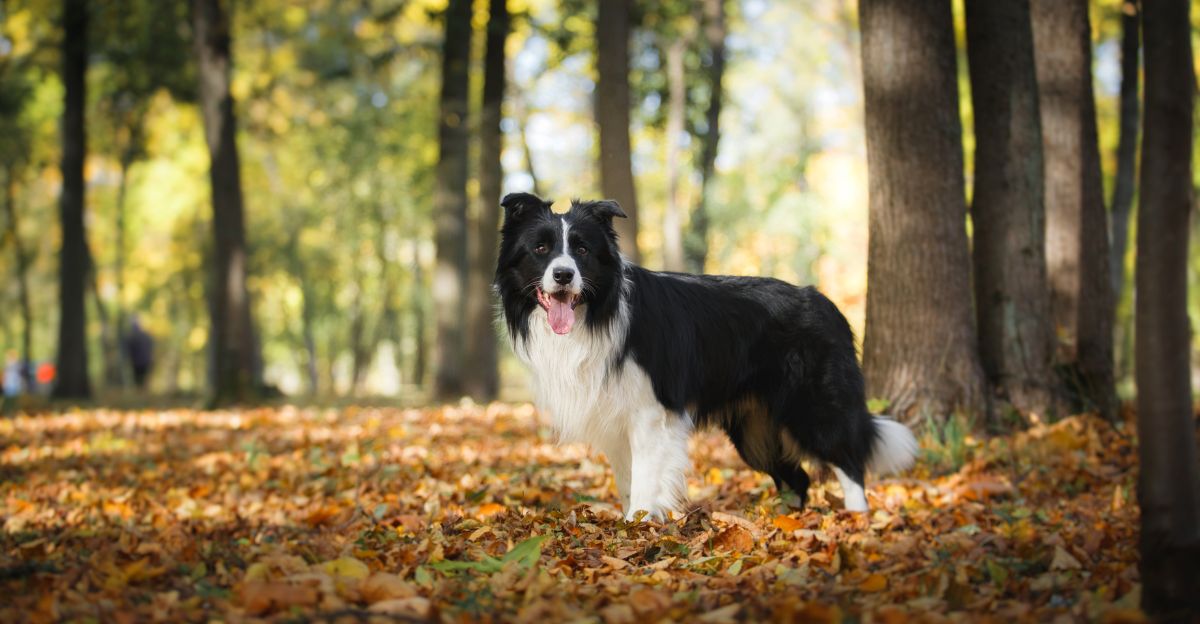
Though Border Collies are beloved for their intelligence and work ethic, they require a level of commitment few owners can provide. Originally bred for long hours of herding, these dogs need constant mental and physical stimulation.
Without it, Border Collies can develop compulsive behaviors such as spinning and destructive chewing. They thrive in active environments but can struggle in homes looking for a low-maintenance companion.
5. Labrador Retrievers

While Labradors are among the most popular dog breeds in America, they are prone to a genetic predisposition to obesity. Around 25% of Labradors have a gene mutation that causes constant hunger and a slower metabolism.
This makes them prone to overeating, resulting in obesity-related issues like joint problems and early arthritis. Vet Anwary admits he struggles to resist giving them treats, but this trait makes them incompatible with pet owners who struggle with self-control.
6. Shar-Peis
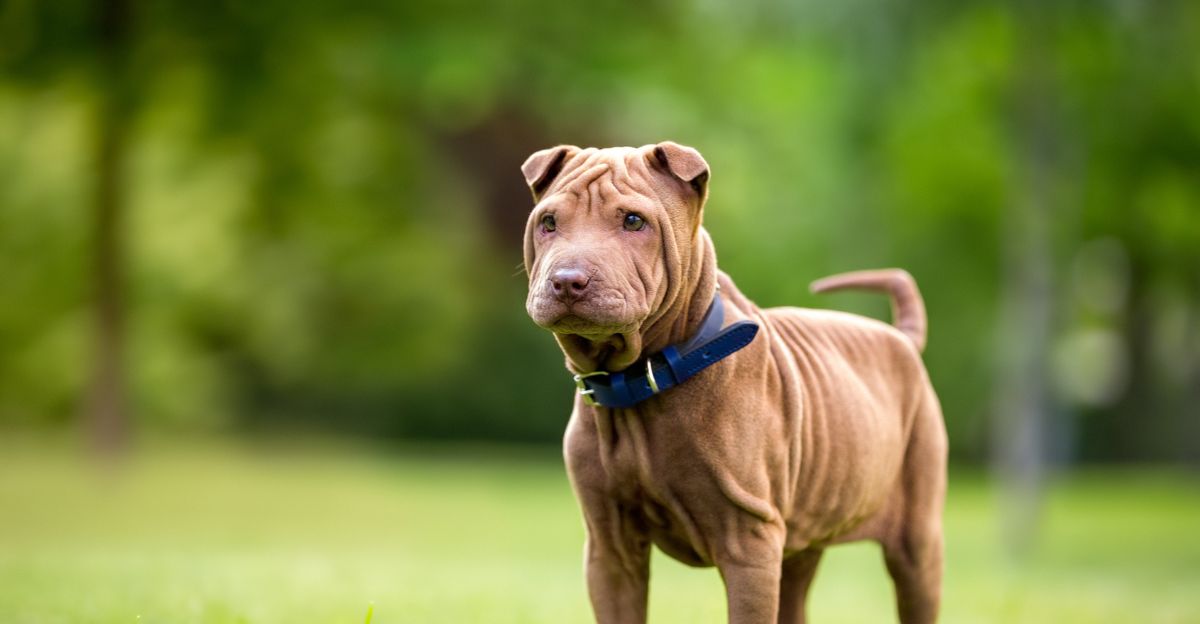
Shar-Peis’ signature wrinkles might make them adorable, but they come with a host of health issues. Chronic skin infections, eye problems, and inflammation are common due to the excessive folds of skin.
Their popularity in the ’80s led to rushed breeding, which concentrated genetic disorders. Managing these skin conditions requires constant attention and veterinary care, making this breed more demanding than its appearance suggests.
7. Siberian Huskies
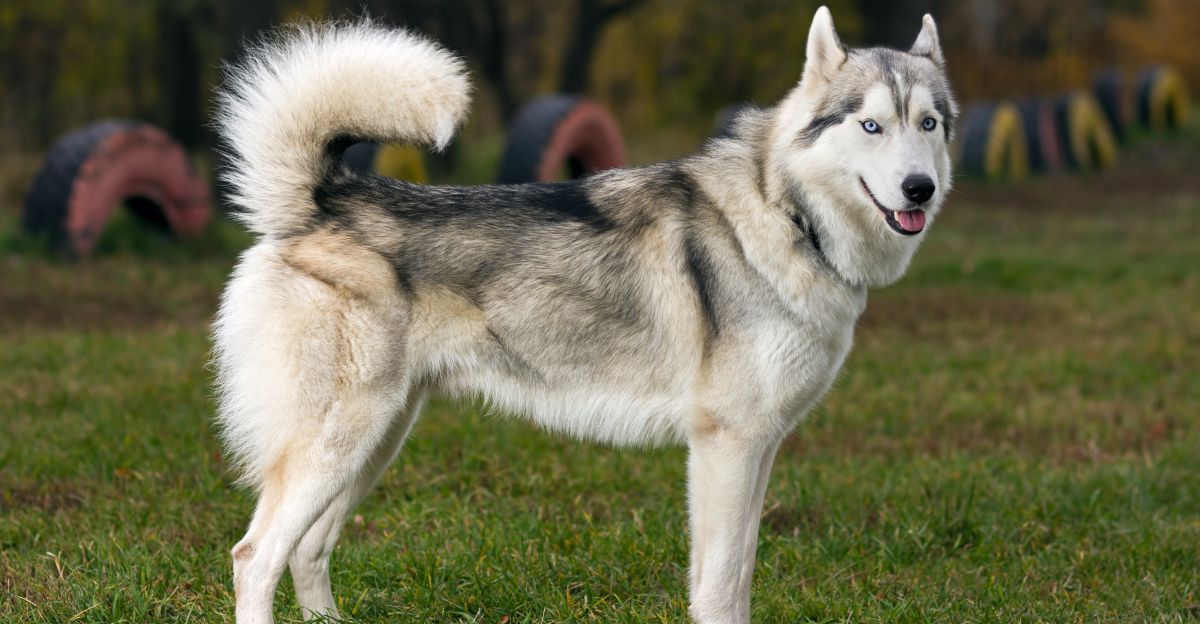
Known for their striking appearance and energetic nature, Siberian Huskies are also notorious for being vocal and hard to train. These dogs require hours of exercise daily to burn off their energy.
If not properly stimulated, they become destructive, digging, chewing, and escaping fences. Their independent nature and high prey drive make them difficult to train, and they can be dangerous around small pets.
8. Cocker Spaniels

Though generally healthy, Cocker Spaniels can suffer from a neurological condition called rage syndrome. This condition causes sudden, unpredictable aggression, especially in solid-colored English Cocker Spaniels.
These episodes can occur without warning, leaving owners concerned for their safety. While rare, the unpredictability of the syndrome makes it difficult for families to anticipate or manage, leading to potential danger in households with children or other pets.
9. Goldendoodles

Goldendoodles, popular for their friendly temperament and hypoallergenic coats, inherit health risks from both Poodles and Golden Retrievers. They are prone to hip dysplasia and von Willebrand’s disease, among other genetic issues.
Additionally, their coats are unpredictable, requiring frequent grooming at high costs. While marketed as low-maintenance hybrid dogs, their genetic variability and expensive grooming needs can turn out to be a significant burden for owners.
10. Chihuahuas
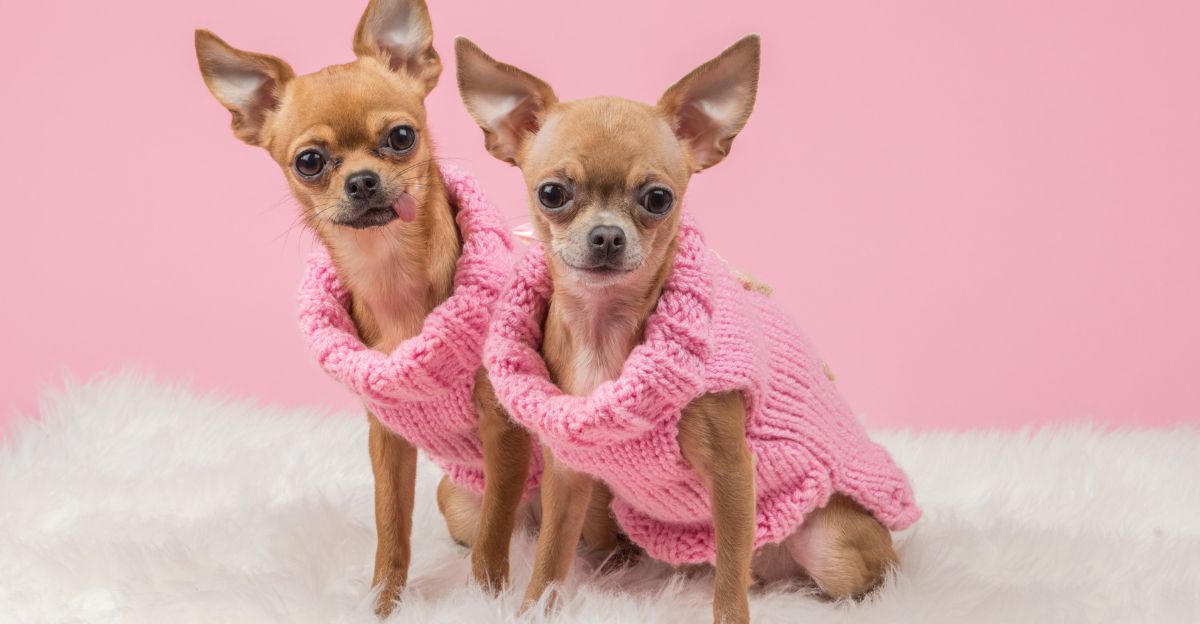
Chihuahuas may be small, but they can develop serious behavioral problems when owners treat them as accessories rather than real pets. “Small dog syndrome” causes them to display aggression and anxiety, often in reaction to unfamiliar people or situations.
This fear-based aggression makes them unsuitable for households with young children or other pets, as their tiny size can make them vulnerable to accidental injury.
French Bulldogs’ Ethical Dilemma
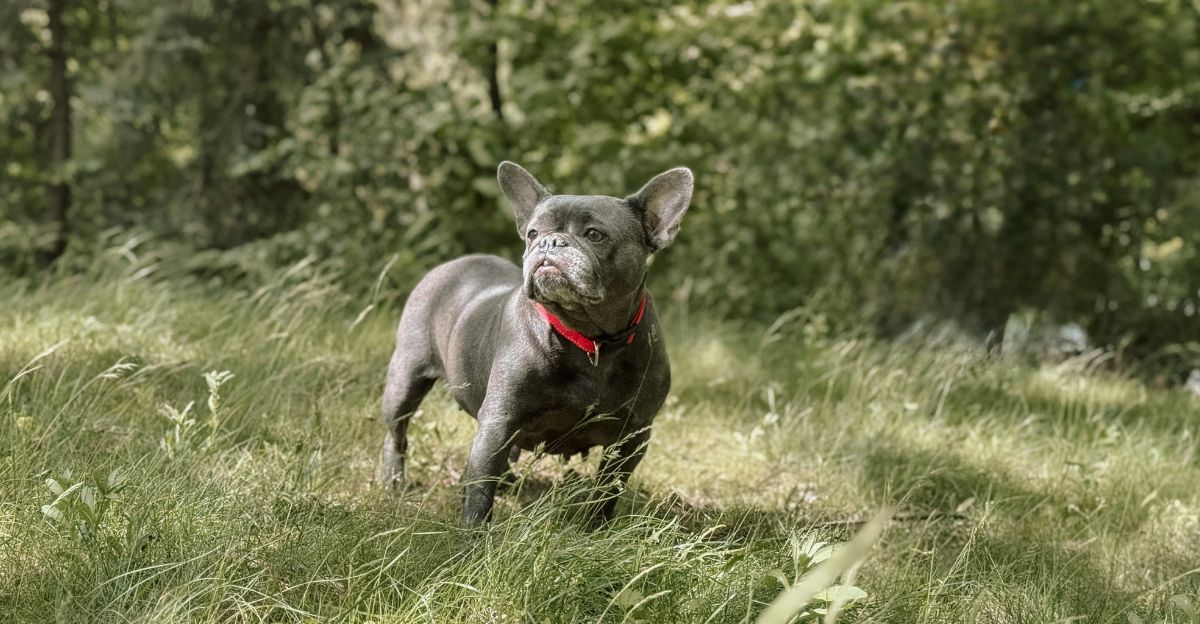
The French Bulldog is at the center of an ethical debate in the dog breeding industry. Brachycephalic dogs, such as French Bulldogs, often suffer from significant respiratory issues that impair their ability to breathe and regulate body temperature.
This leads to a range of health issues, from heatstroke to emergency breathing interventions. European veterinary colleges are pushing for stricter breeding regulations to prevent the suffering caused by these extreme physical traits.
Labradors and Weight Issues

Labrador Retrievers’ genetic mutation linked to obesity doesn’t just affect their appearance but leads to serious health consequences.
Overfeeding, which stems from their constant hunger, accelerates joint degeneration, causing arthritis and limited mobility.
Labradors’ propensity for weight gain means that owners must constantly monitor their dog’s diet to prevent early-onset health issues, which significantly shorten the dog’s lifespan.
Historical Consequences of Popularity
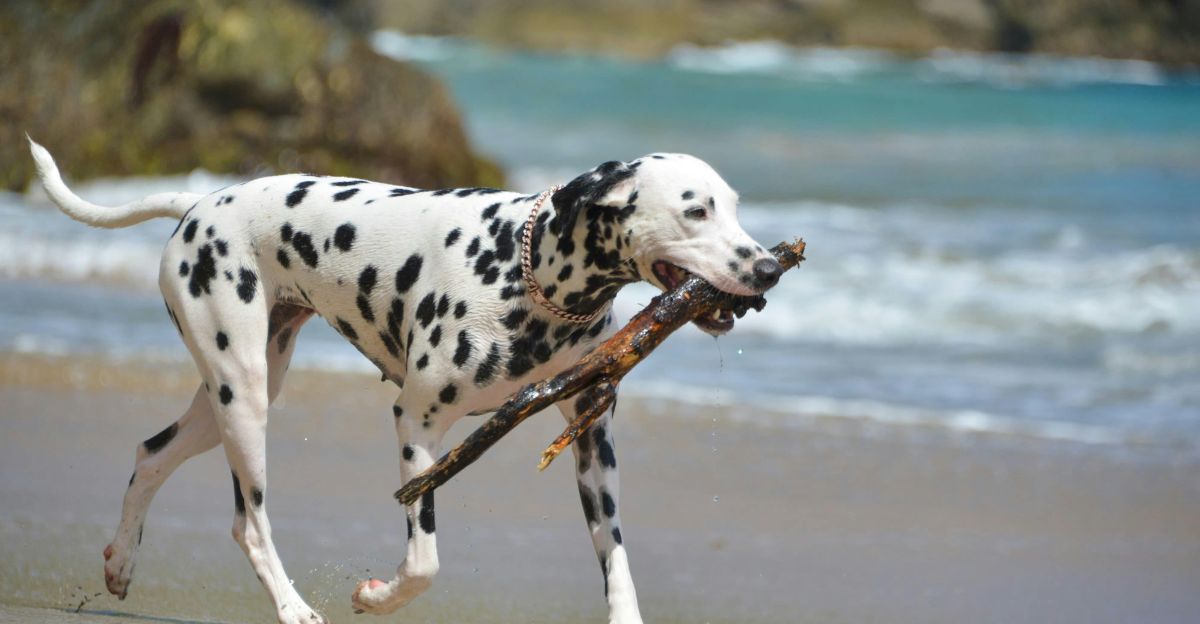
Many of the breeds on Anwary’s list became popular due to media exposure, but the unintended consequence is an increased prevalence of concentrated genetic health issues.
For instance, the 101 Dalmatians movie led to a surge in demand for Dalmatians, which in turn led to an increase in genetic defects.
The rise of French Bulldogs to fame through social media has driven unethical breeding practices, prioritizing appearance over health. This growing trend highlights the need for improved breeding standards and increased public education.
The Working Dog Dilemma
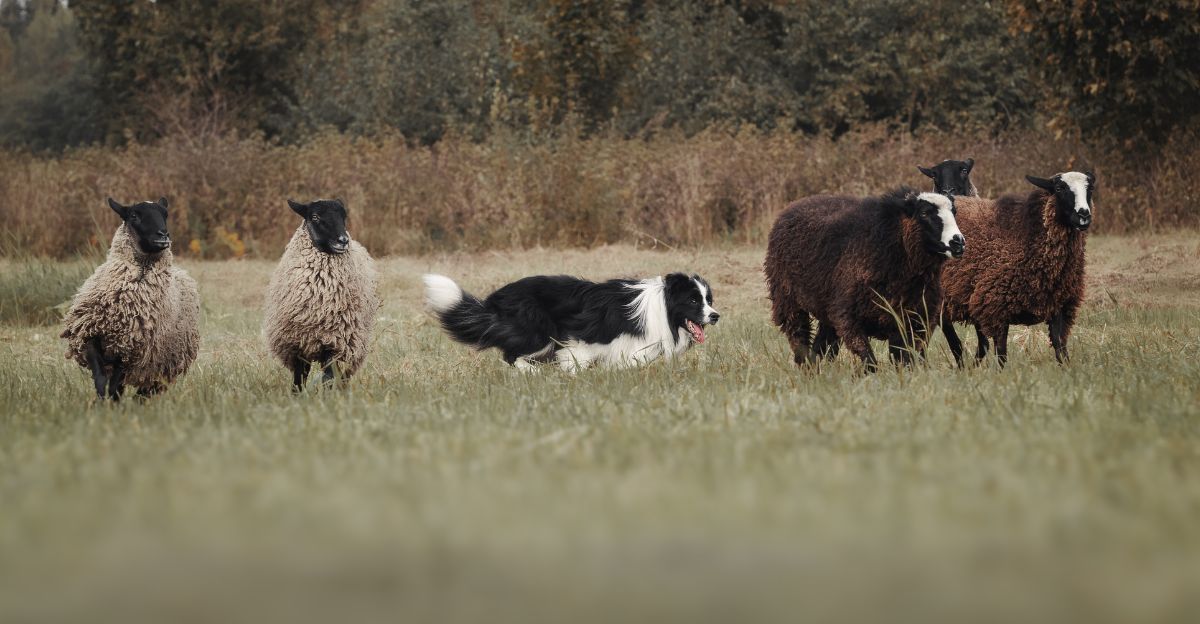
Belgian Malinois and Border Collies, bred for specialized work, often face challenges when placed in homes that can’t meet their high energy needs. These working dogs thrive in environments that require them to be on the go, such as police or rescue operations.
However, when their intense energy and drive aren’t properly channeled, they become destructive and may develop behavioral issues. Many working breeds end up in shelters as a result of mismatched expectations.
The Cost of Popular Breeds

The financial cost of owning breeds like French Bulldogs and Dachshunds can be steep. With their specialized medical needs, owners often face high veterinary bills.
French Bulldogs, for example, can incur $20,000 in lifetime veterinary expenses due to their respiratory issues, while Dachshunds require regular orthopedic care.
Pet insurance premiums for these breeds can also be significantly higher, leading to a financial burden that many owners overlook before adopting these popular dogs.
The Training Challenge
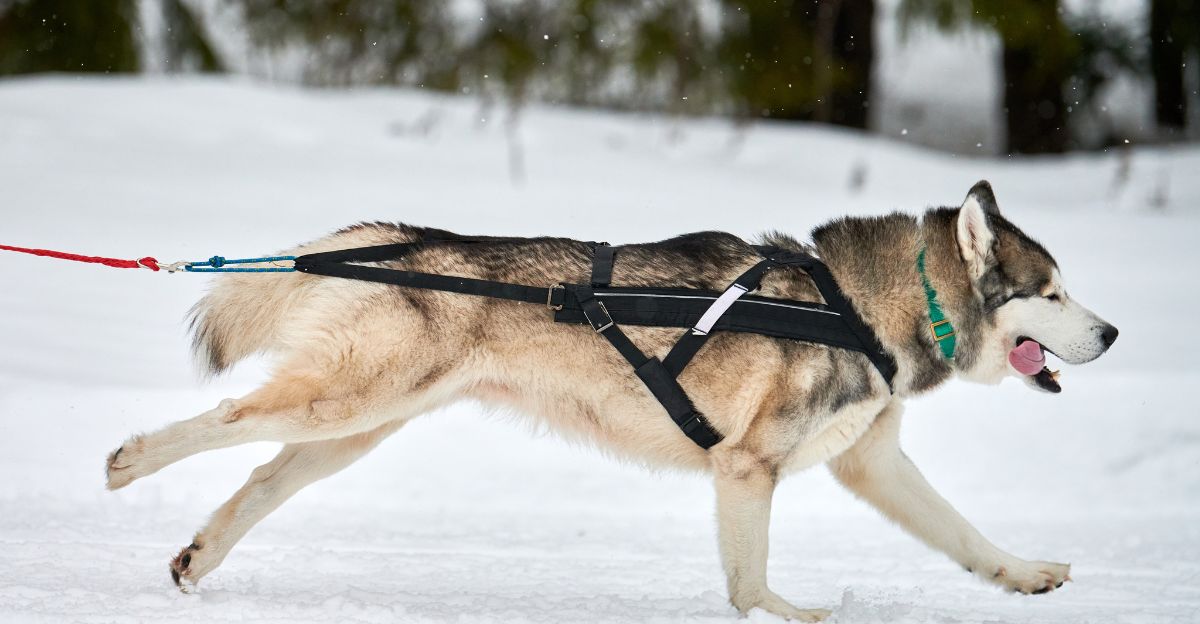
Siberian Huskies’ independence and high prey drive make them difficult to train and manage. They are known to escape fences and require rigorous obedience training, which can be challenging for first-time dog owners.
Goldendoodles, although generally friendly, often inherit traits from their parent breeds that make them hard to train as well. Without proper guidance, both breeds can develop undesirable behaviors, leading to frustration for owners.
Unpredictable Genetics

Goldendoodles often don’t live up to the expectations of potential pet owners. While marketed as hypoallergenic, their coats can range from wiry to heavily shedding, resulting in unexpected grooming needs.
The lack of standardization in breeding practices means that these dogs may inherit health problems from either parent breed, leaving owners to contend with issues such as hip dysplasia or heart conditions. Despite the hype, the reality of owning a Goldendoodle can be far from ideal.
Vet’s Honest Perspective on Popular Breeds

Amir Anwary’s list of breeds he won’t own is not a blanket condemnation but an invitation for pet owners to make informed decisions.
He aims to educate prospective dog owners about the health and behavioral challenges that come with owning certain breeds.
With his viral TikTok video, Anwary encourages people to prioritize long-term pet welfare over short-term desires for trendy appearances. Researching a dog’s health, behavioral needs, and compatibility with one’s lifestyle is essential before making a commitment.
The Responsibility of Dog Ownership
Choosing a dog breed isn’t just about looks—it’s about understanding and preparing for the responsibilities that come with pet ownership.
Owners must consider factors like health, behavior, and the breed’s specific needs. Amir Anwary’s list serves as a reminder to research a breed thoroughly before adopting, ensuring that the decision is based on the well-being of both the pet and the owner. Ethical breeding practices and responsible ownership start with making informed, thoughtful choices.