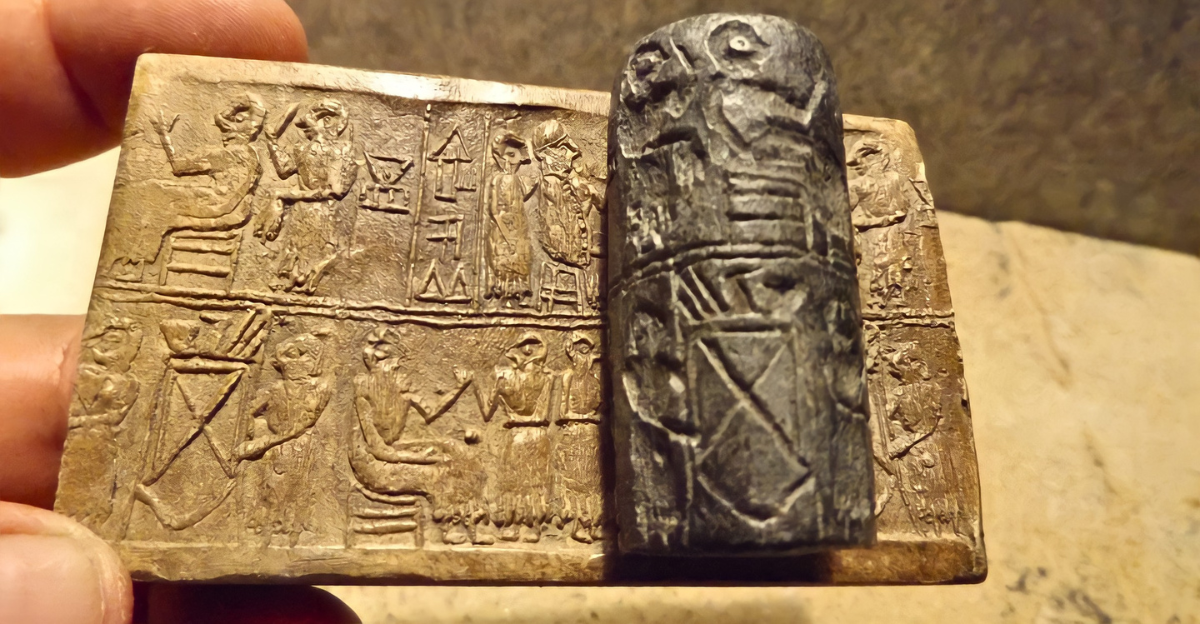
After 4,400 years of silence, an ancient Sumerian tablet has finally revealed a powerful myth. Published in Iraq journal, Dr. Jana Matuszak’s new translation tells of a storm god trapped in the underworld, waiting to be freed. It’s a breakthrough moment that changes how we see the world’s oldest myths.
A Buried Tablet That Stayed Silent for Centuries
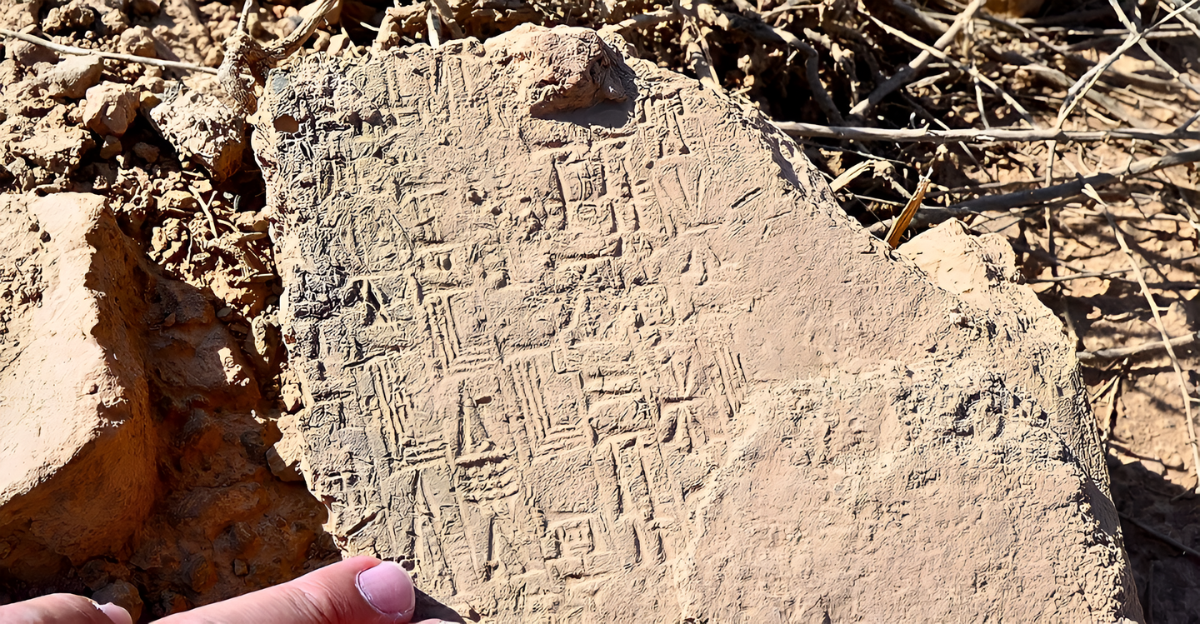
The clay tablet known as Ni 12501 was uncovered in 19th-century digs at Nippur, in today’s Iraq. No one could read it for over 100 years. Even scholar Samuel Noah Kramer featured it without explanation in his 1956 book. According to experts, the text remained a mystery, until now.
Scholar Deciphers Ancient Puzzle at Last
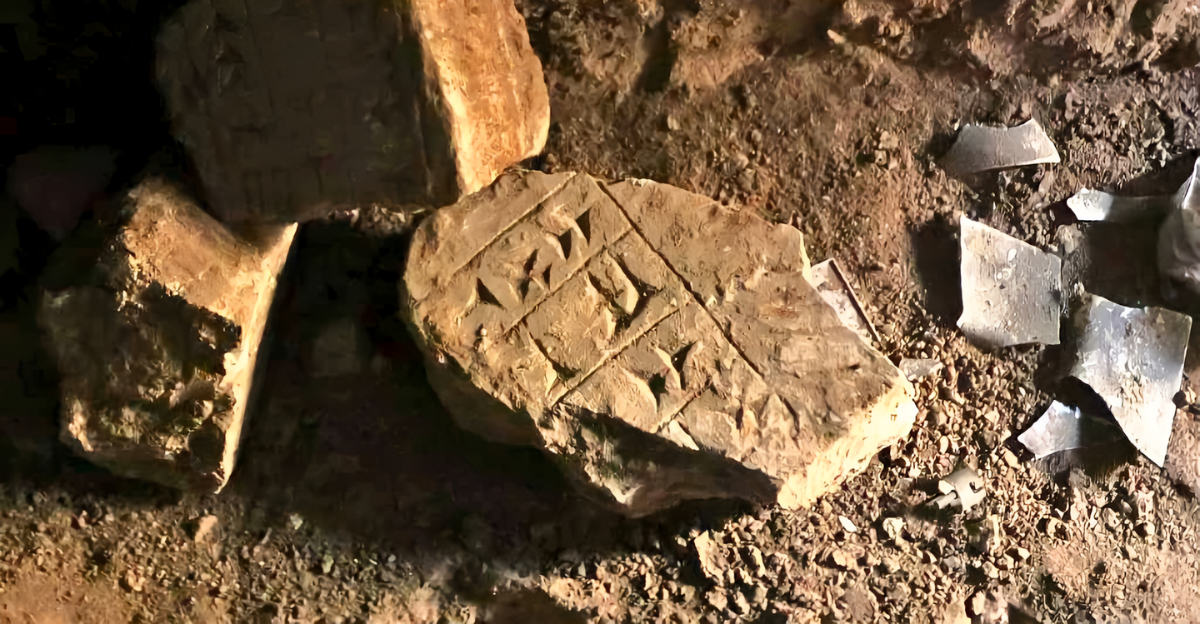
Dr. Jana Matuszak, a Sumerologist at the University of Chicago, cracked the code after studying the tablet firsthand in Istanbul in 2022. She noticed what others missed and decoded unreadable parts. According to her December 2024 study in Iraq journal, this is now the most complete version of the myth.
A Forgotten Story Finally Comes to Life
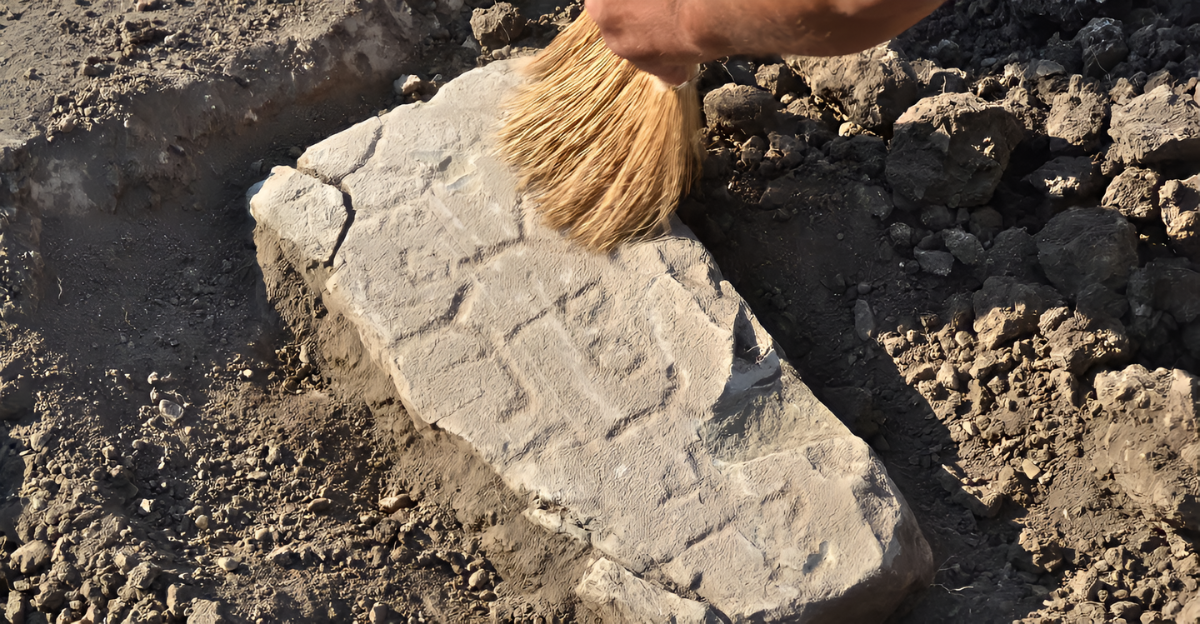
Written around 2400 BCE, the myth opens with peaceful abundance, plentiful fish, thriving cattle. But things unravel when divine balance is lost. Dr. Matuszak said the story reflects a local Nippur tradition and likely helped ancient people make sense of harsh environmental changes that suddenly shattered their way of life.
The Storm God Takes the Lead
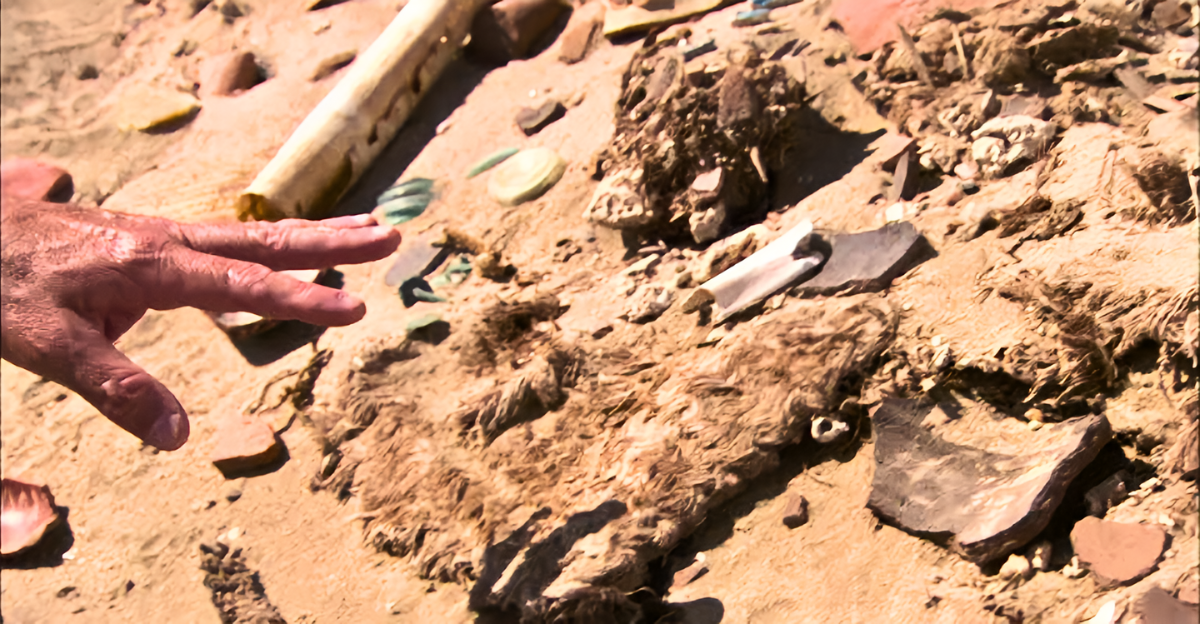
Iškur, the Sumerian storm god linked to rain and farming, plays the lead. That’s rare—Dr. Matuszak said Iškur “rarely starred in myths,” and this is the only known story where he takes center stage. In the myth, he’s trapped in the underworld while the world above suffers without his rains.
A Drought That Devastates All Life
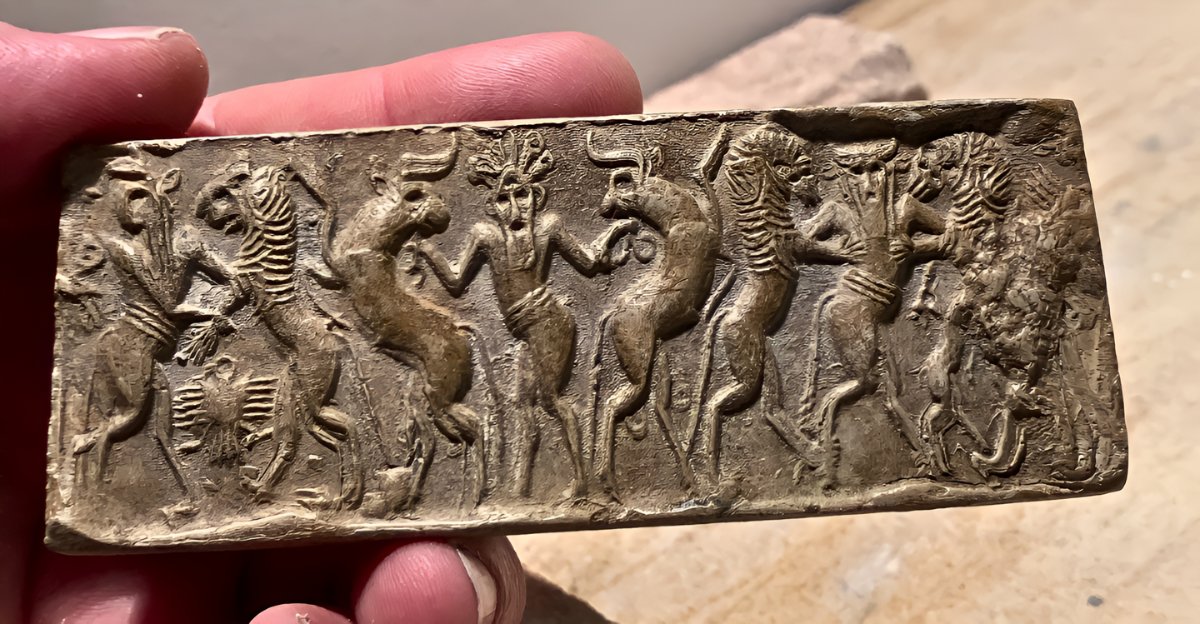
With Ishkur gone, disaster strikes. According to Dr. Jana Matuszak’s 2025 translation in Iraq, prosperity vanishes; children die, rivers run dry, and multicolored cattle disappear. The phrase “carried off by the kur” strongly implies death from drought. The myth highlights just how vital rain, and Ishkur, were to ancient Mesopotamian survival.
The Gods Gather—And Do Nothing
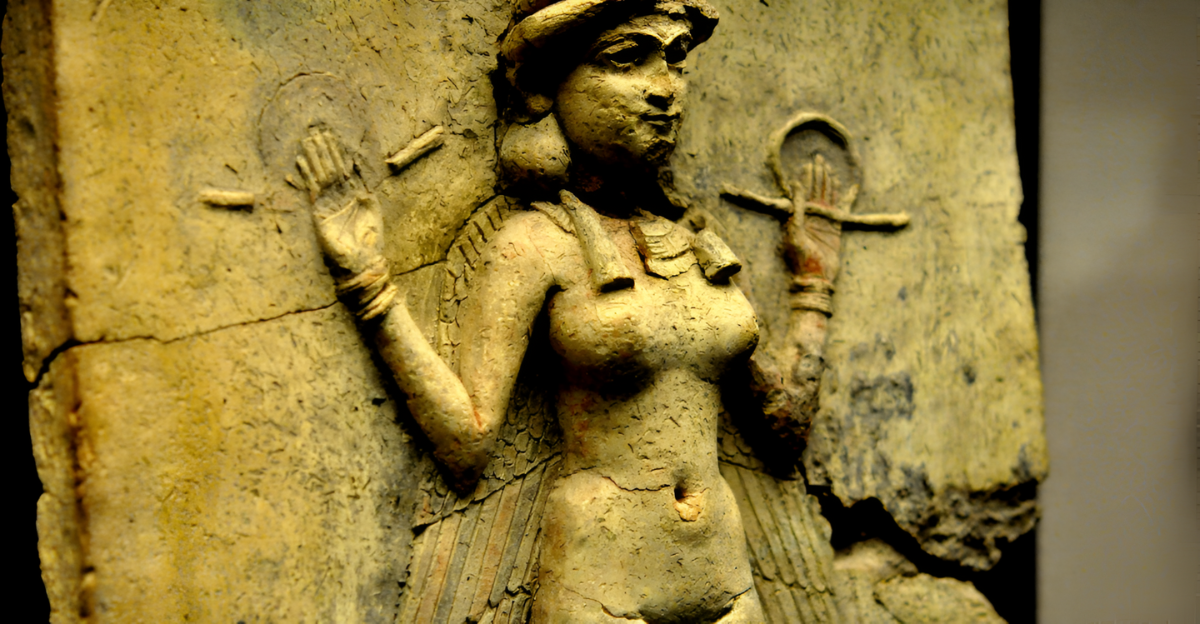
Enlil, Ishkur’s father and head of the gods, convenes the pantheon. According to Dr. Matuszak’s analysis in Iraq, he asks who will retrieve his son, but none volunteer. This reflects a common Mesopotamian myth theme: gods paralyzed by inaction, leaving room for an unexpected hero to emerge in their place.
A Clever Fox Steps Up
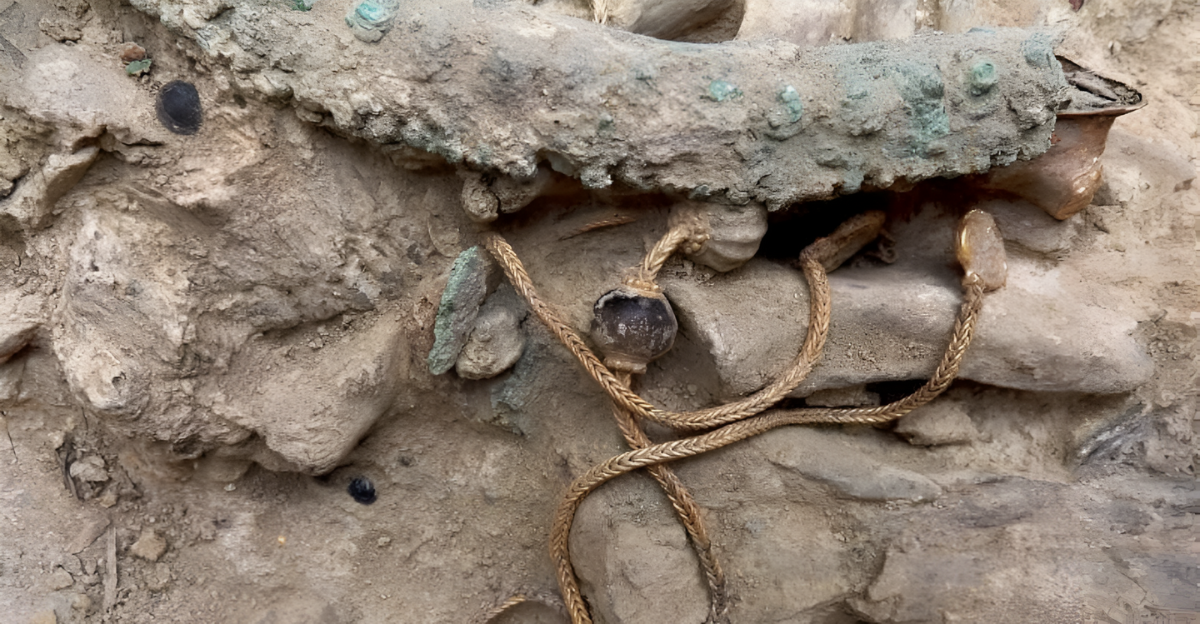
When the gods stay silent, a fox volunteers. Fox becomes the unexpected hero. Dr. Matuszak identifies this moment as “the earliest attestation of the motif of the cunning fox”, appearing about 2,000 years before Aesop. This ancient tale introduces the world’s first known version of the clever, quick-thinking fox archetype.
Fox Ventures Into the Underworld
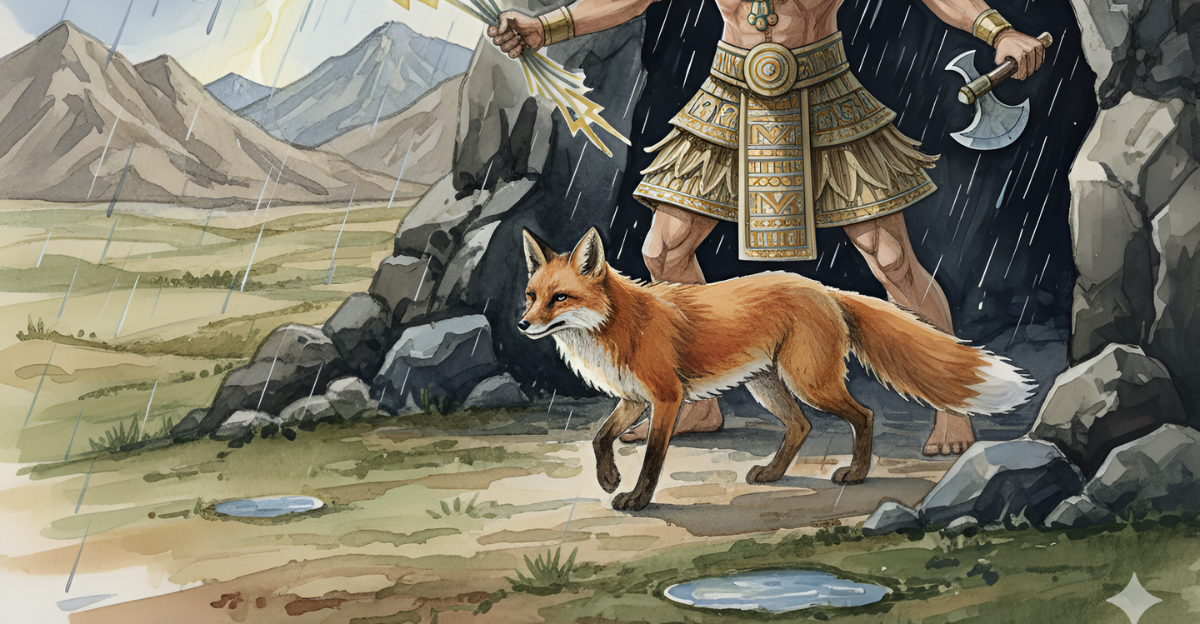
Fox journeys into Kur, the feared Mesopotamian underworld. Known as the “land of no return,” it’s a place where entry usually means eternal entrapment. Dr. Matuszak says the story mirrors other ancient myths like Inanna’s Descent, where crossing into Kur risks doom, raising the stakes of Fox’s brave mission.
Fox Outsmarts Death’s Domain

Kur traps souls through food, but Fox outwits the system. According to Dr. Matuszak’s translation, he hides the offered bread and water in containers, avoiding consumption while pretending to eat. This clever act defies underworld rules, though the tablet breaks off before we learn if the trick actually saved Ishkur.
The Ending Breaks Off in Stone

Just when the story builds to its climax, the tablet cuts off. The bottom portion is missing, lost over time. We don’t know exactly what happens next. Yet Dr. Jana Matuszak notes in Iraq that the surviving lines show literary sophistication, with hymnic repetition and structured parallels, rare for such an early text. Despite the missing ending, the story still reveals exceptional ancient storytelling skill.
Scholars Piece Together the Ending
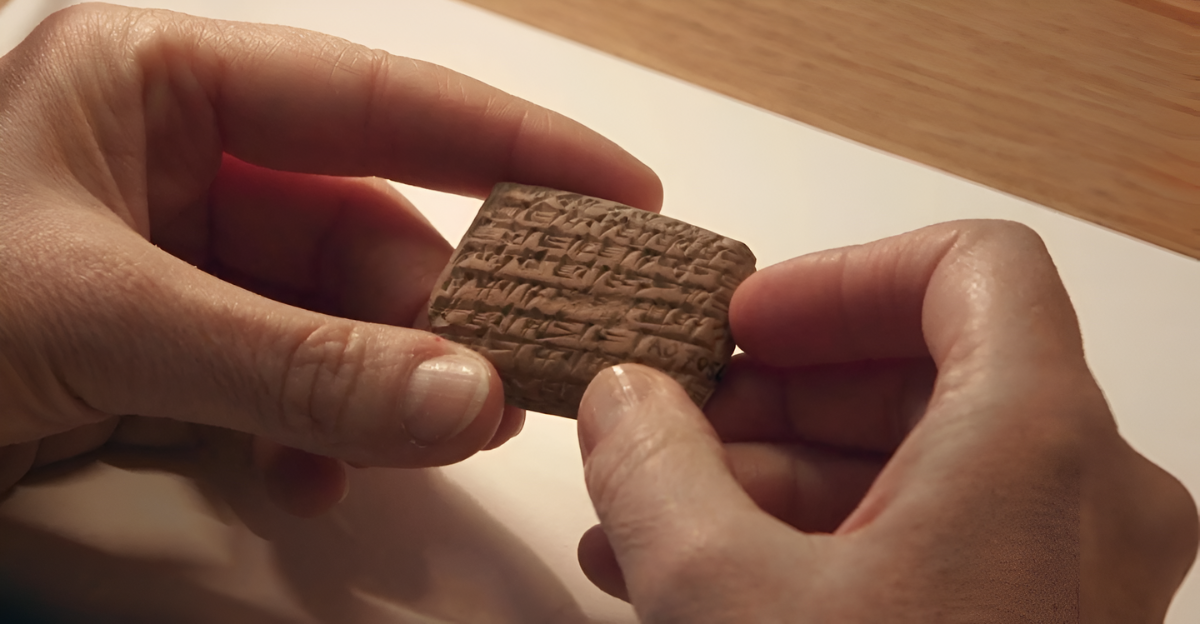
Similar myths suggest Fox succeeded. In Enki and Ninḫursaŋa, Fox rescues the goddess, who revives Enki. Dr. Matuszak sees parallels in both rescues, especially the “rescue and reward” structure. She concludes, “one can reasonably assume that the storm god was not trapped in the netherworld forever”—Fox likely saved the day.
The Storm Breaks—and Life Returns

While the ending is lost, scholars believe Iškur’s release restored the rains. The myth likely helped ancient Mesopotamians explain recurring droughts and rain cycles. If Fox succeeded, as parallel stories suggest, Iškur’s return would have ended the drought and revived prosperity, reaffirming the storm god’s critical role in maintaining balance and life.
Why This Myth Stands Alone
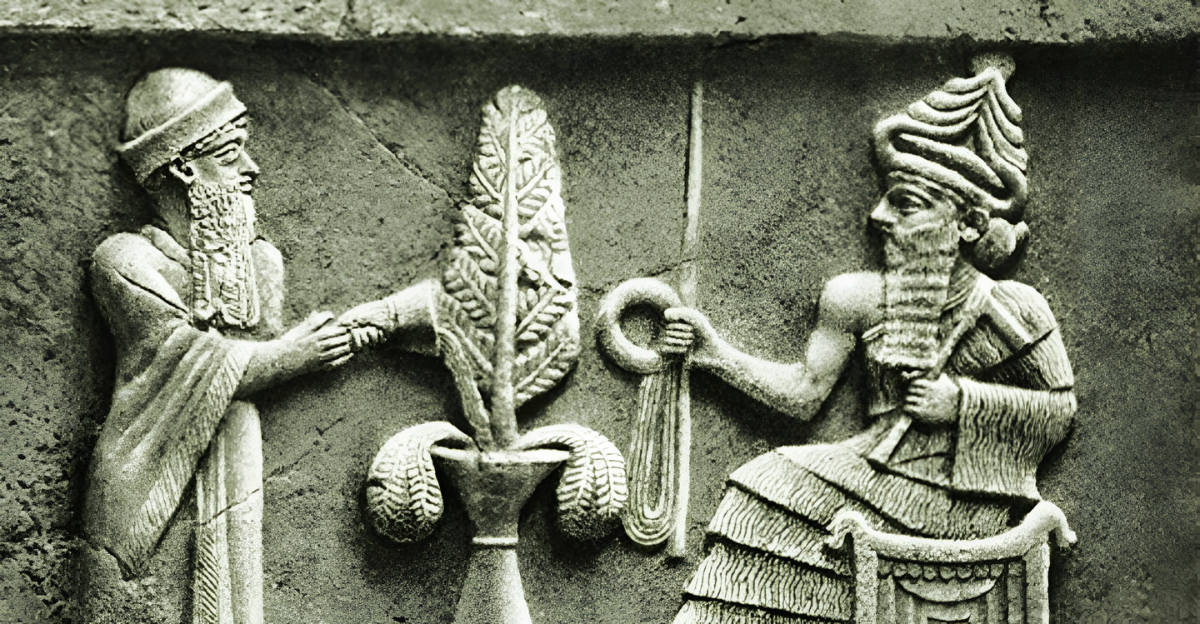
This is the only known story where Iškur takes center stage. As Dr. Matuszak confirms in Iraq, “Ni 12501 is the only extant mythological narrative… that features the storm god as protagonist.” It’s also the oldest tale with Fox as a trickster hero, a groundbreaking story in ancient literature.
A Myth Rooted in Climate Crisis
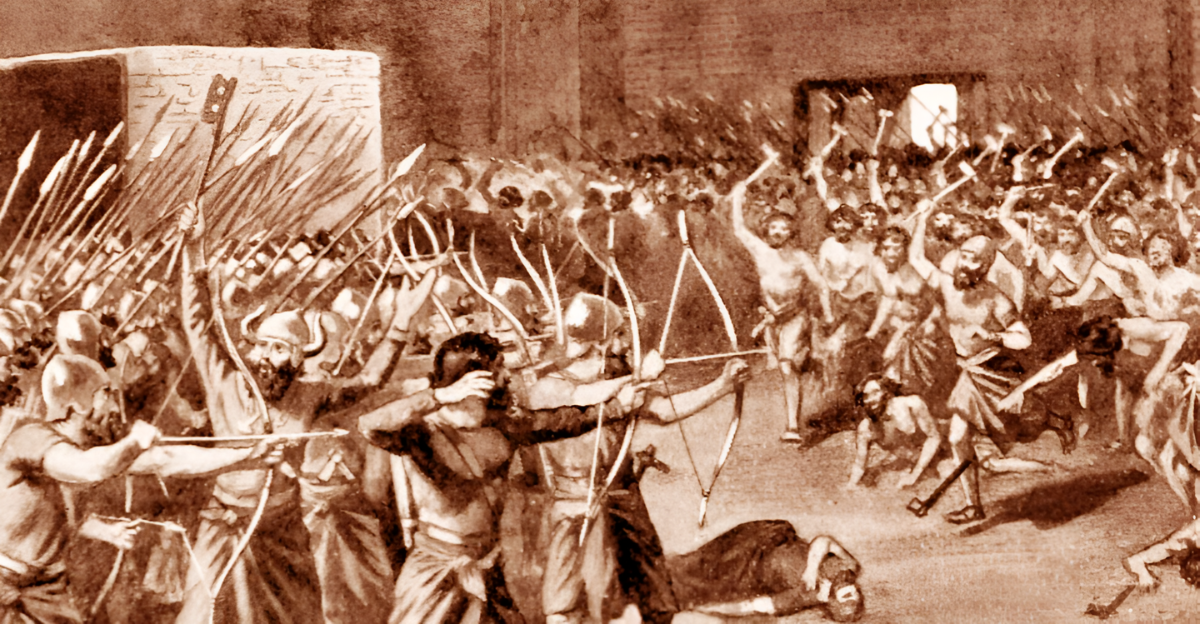
Iškur’s disappearance may echo real droughts, like the 4.2 ka event around 2200 BCE that helped collapse the Akkadian Empire. The tablet’s focus on lost rivers and irrigation reflects survival concerns. Fox’s cleverness navigating between worlds may symbolize the ingenuity needed to endure extreme conditions in ancient Mesopotamia.
Ancient Fears That Still Resonate
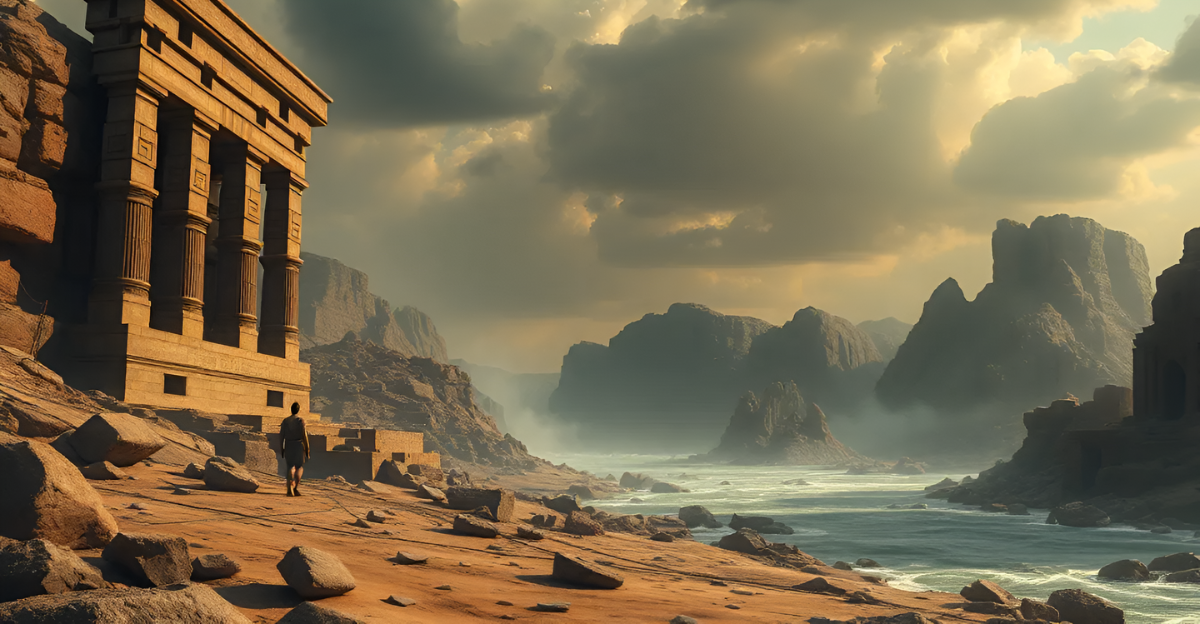
This myth shows how early Mesopotamians deeply feared losing water. Rain and rivers were life itself, and gods like Iškur symbolized these vital forces. Embedding their fears in stories helped people understand the dangers they faced each year and gave meaning to unpredictable natural threats.
One of the Oldest Trickster Figures
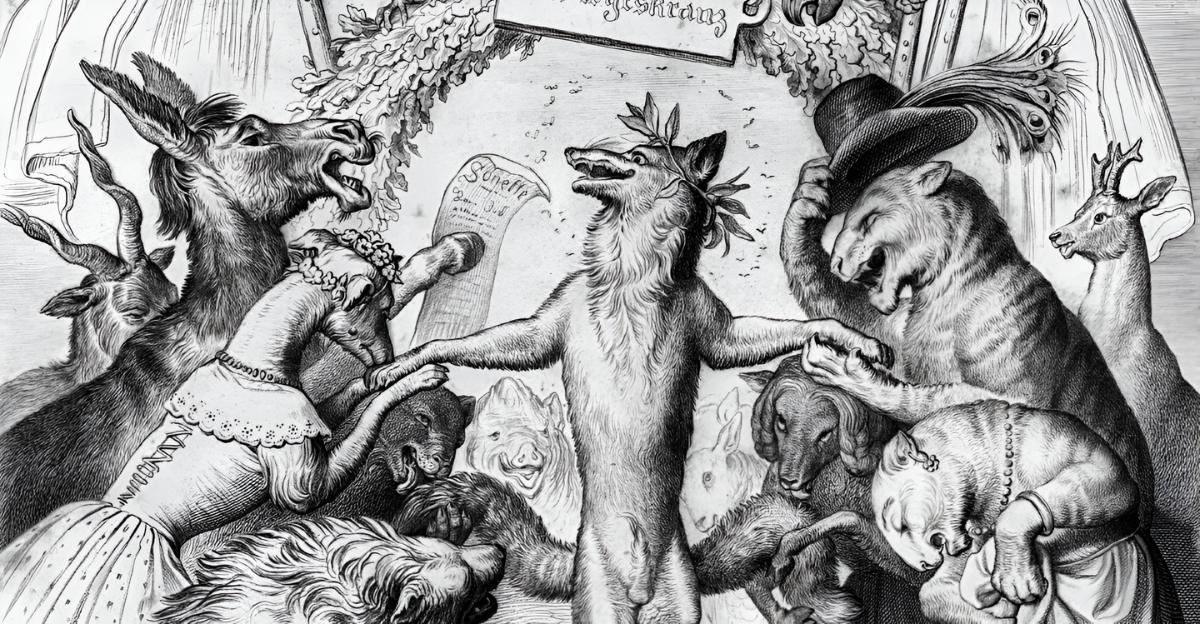
The fox in this myth is one of the earliest tricksters recorded. Assyriologist Dr. Jennifer Matuszak says the fox moves between worlds and breaks rules, traits common to tricksters in folklore worldwide. While foxes are ancient tricksters, many cultures have their own early versions, so it’s not the only one.
A Unique Story on a Single Tablet
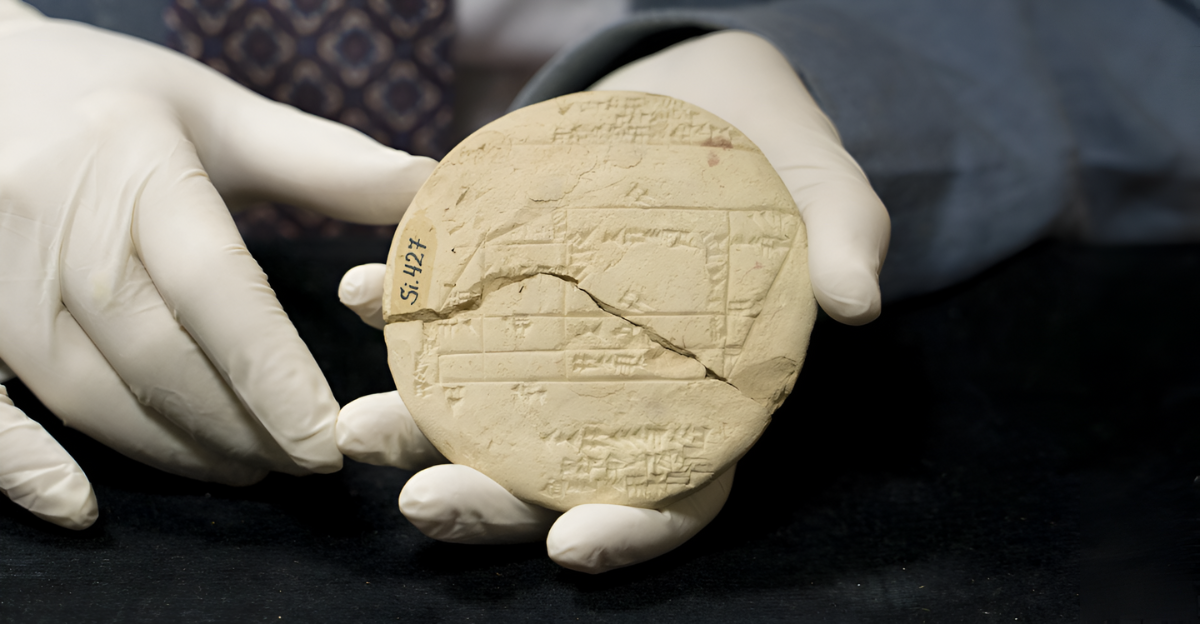
Ni 12501 is the only clay tablet holding this myth, making it invaluable. Whether a local Nippur tale or part of a lost wider tradition, its survival is remarkable. Scholars consider it a lucky find that offers rare insight into early Mesopotamian mythology and storytelling.
Searching for More Pieces of the Puzzle
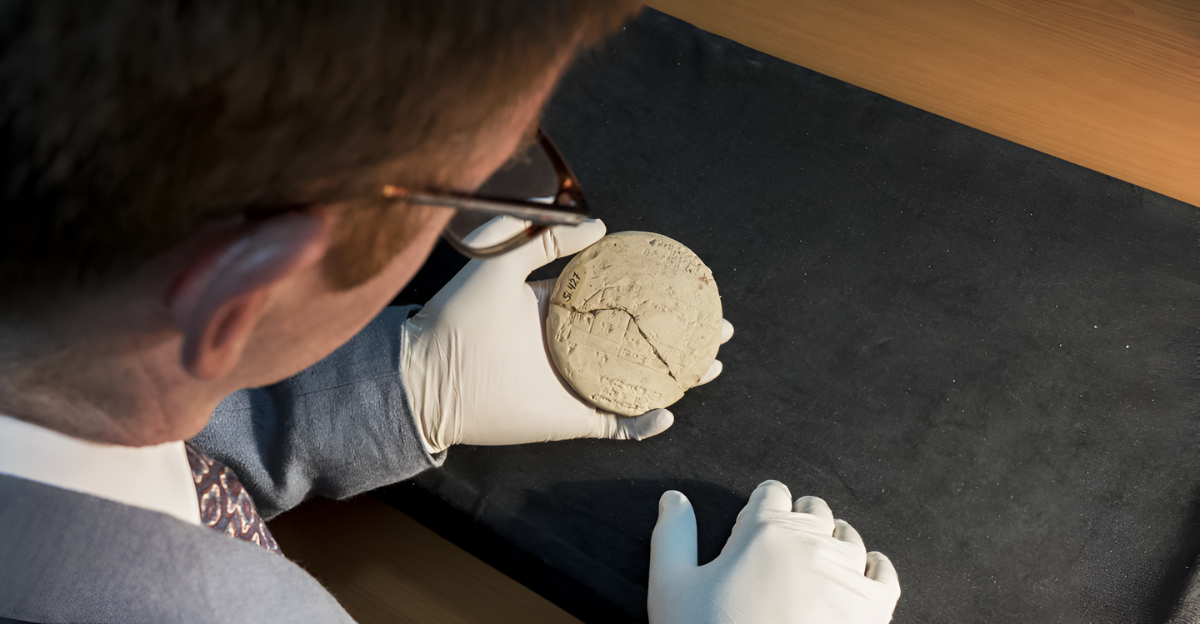
Following Dr. Matuszak’s work, researchers are combing museum collections and comparing myths for more fragments or versions. Ongoing cataloging of cuneiform tablets worldwide fuels hope to uncover the missing ending or discover new, related stories that deepen our understanding of ancient narratives.
The Storm God’s Tale Is Alive Today

After millennia, Iškur’s story is back in the spotlight thanks to modern linguists. As climate challenges grow, this ancient tale of drought, survival, and clever solutions through a fox’s courage feels timely and relevant, reminding us that human ingenuity has long been key to facing tough times.