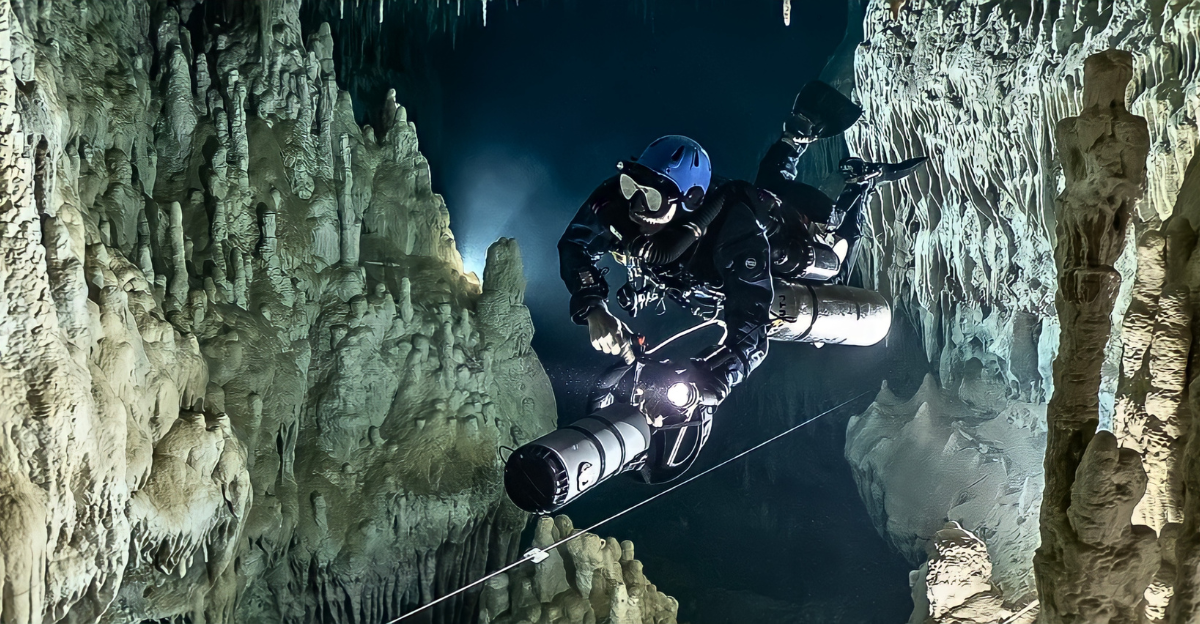
Scientists have found that a submerged 25-foot limestone bridge in Genovesa Cave (Mallorca) was built about 5,600–6,000 years ago.
Using uranium-series dating on minerals encrusting the bridge, the team showed that people must have been on the island much earlier than previously believed.
This revelation, reported in Nature Communications Earth & Environment, “provides evidence for early human presence on the island dating at least 5,600 and possibly beyond ~6,000 years ago”, rewiring the history of Western Mediterranean settlement. Such a precise age determination would have been impossible with ordinary archaeology alone.
Timeline Shock
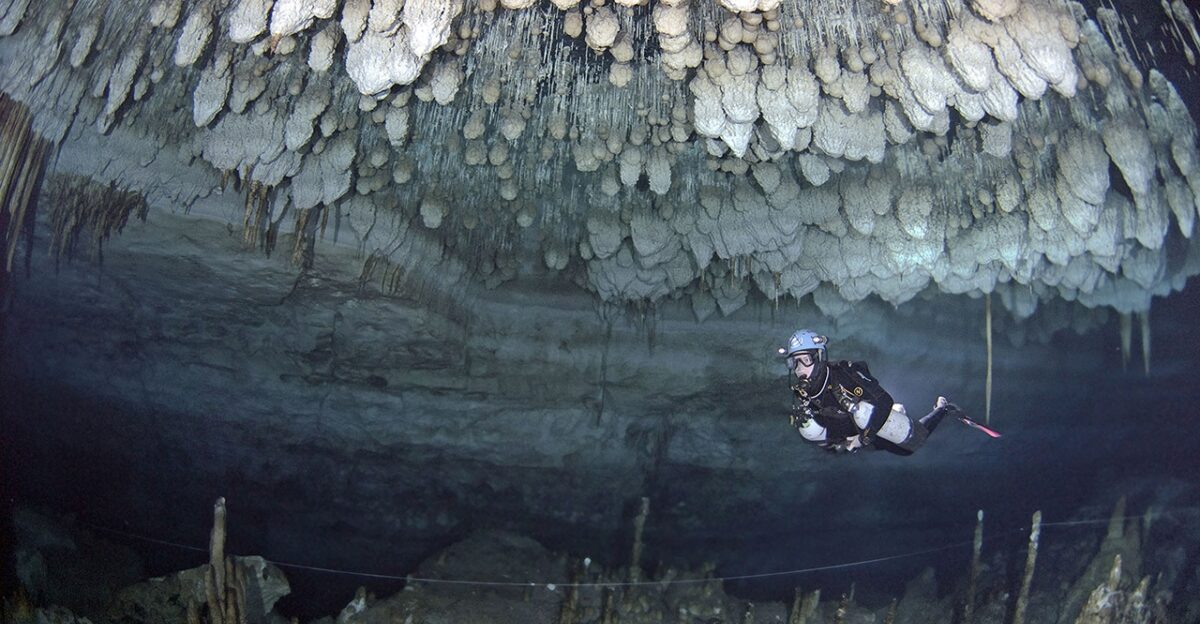
This new timeline pushes Mallorcan settlement back by over a millennium. Earlier research had placed the first human arrival around 4,400–4,600 years ago based on charcoal and bone finds.
By analyzing the cave bridge, the researchers conclude humans were on Mallorca closer to 6,000 years ago.
The gap between human colonization of eastern Mediterranean islands and the Balearics has nearly closed. The finding overturns decades of assumptions that Mallorca lagged far behind islands like Cyprus and Crete in early settlement.
Mediterranean Context

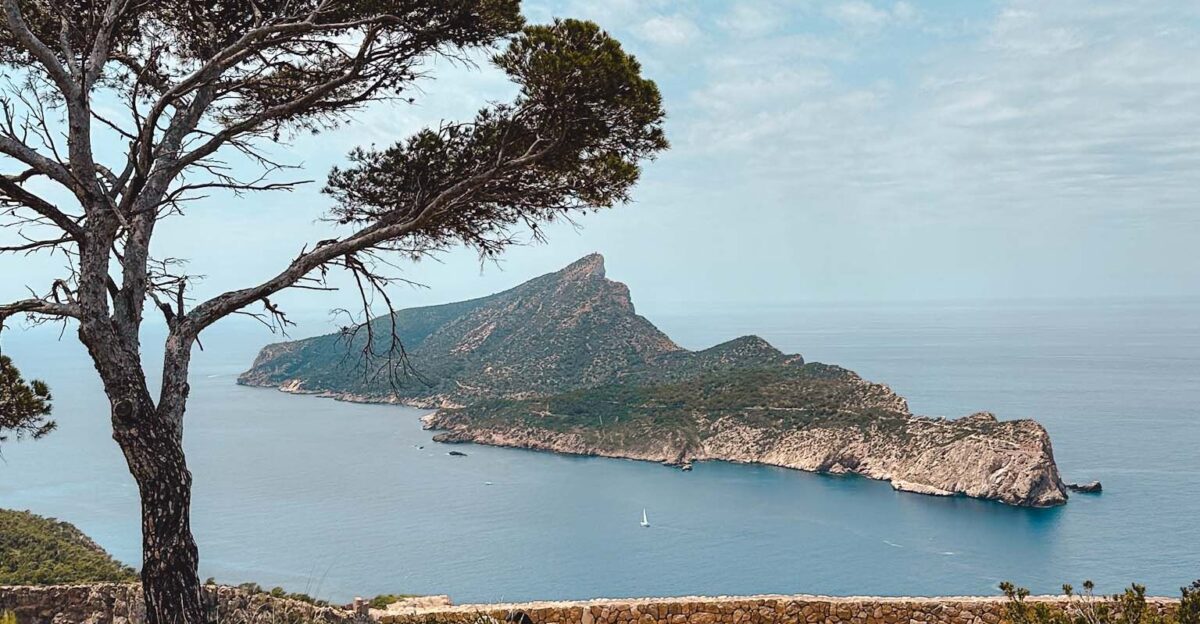
Mallorca is the sixth-largest island in the Mediterranean, yet it was long thought to be one of the last to be settled.
By 6,000 years ago, most of the big Mediterranean islands had farming villages, but the Balearics remained a mystery. Archaeologists have puzzled over why Mallorca, Menorca and Ibiza saw no clear signs of people until much later.
The new evidence helps explain this anomaly: once we account for submerged caves, Mallorca’s story fits the broader pattern of early seafaring expansion, rather than being an inexplicable exception.
Growing Pressure
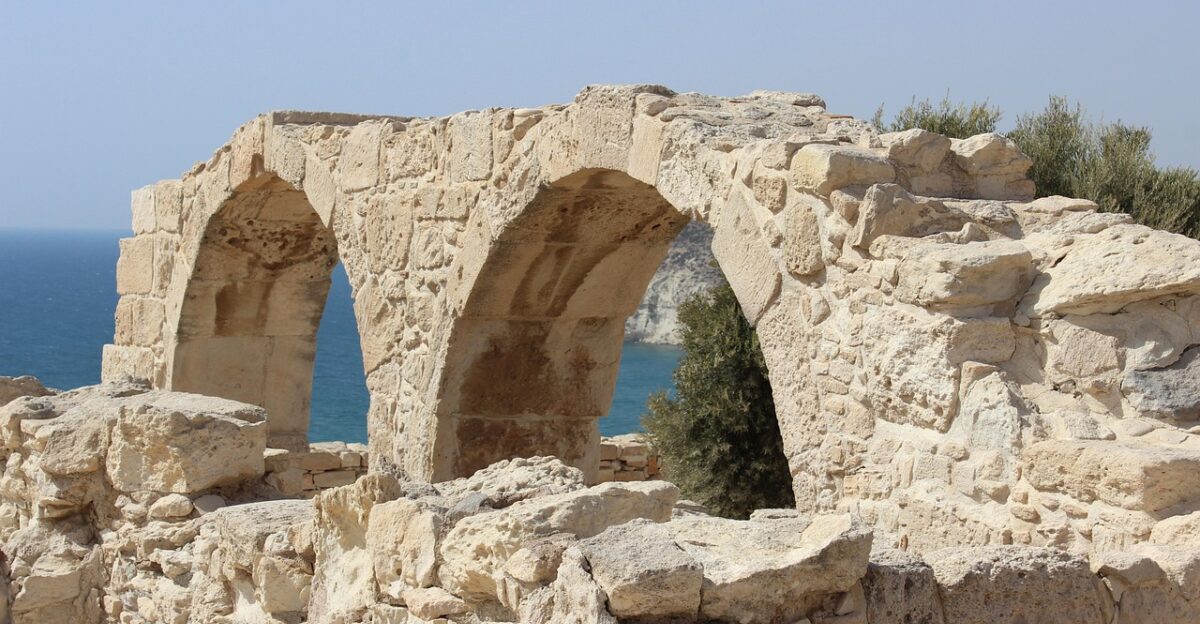
Meanwhile, other discoveries have steadily lowered island-settlement dates. For example, excavations in Cyprus show human presence about 14,000 years ago.
Similarly, regions like Sicily, Sardinia and Corsica saw farming communities by roughly 6,000–5,700 years ago.
Mallorca’s apparently late colonization stood out even more sharply.
The Mediterranean record has been transformed by these finds, and the Mallorca bridge discovery came as part of this trend, raising fresh questions about our models of early maritime migration.
Bridge Revelation
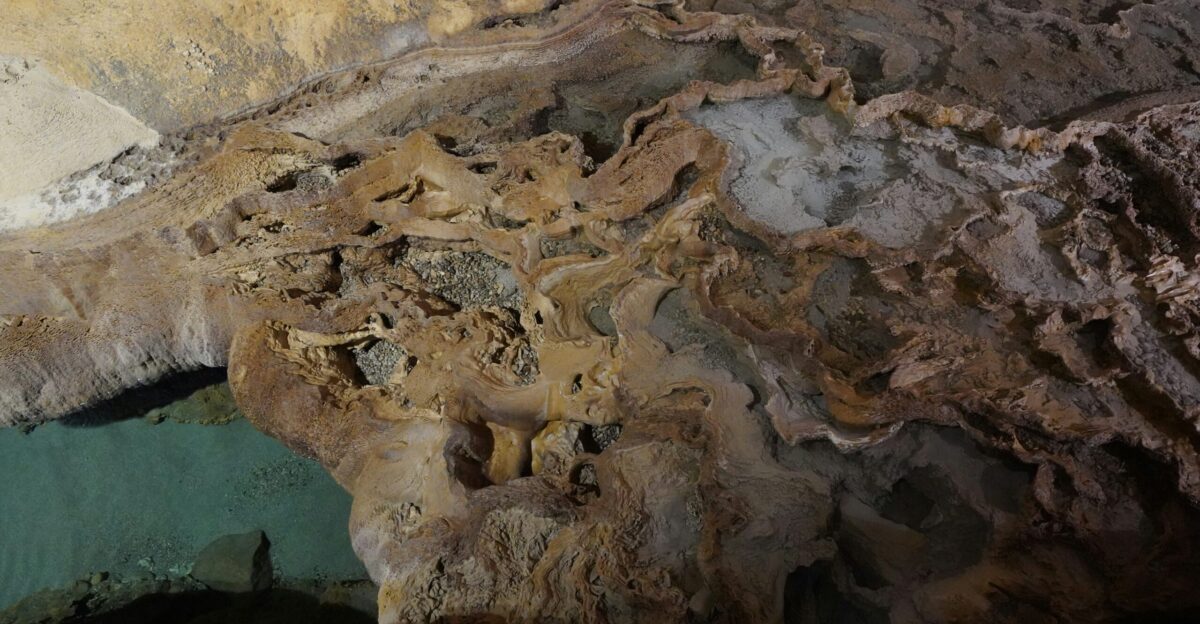
Deep inside the cave, geologists found a “bathtub ring” of calcite and other mineral encrustations on the bridge’s upper stones, which mark ancient water levels.
By dating the speleothem layers at the level of this ring, they pinned the bridge’s construction to about 5,600–6,000 years ago.
That means builders had to be on Mallorca when the sea level was stable at that height.
As one researcher noted, the discovery of this large engineered structure is telling: “The presence of this submerged bridge and other artifacts indicates a sophisticated level of activity,” said lead geologist Bogdan Onac, “implying that early settlers recognized the cave’s water resources and strategically built infrastructure to navigate it.”
Regional Impact
These findings force a rethink of Western Mediterranean prehistory.
By 6,000 years ago, roughly three-quarters of large Mediterranean islands were inhabited, yet Mallorca’s human evidence seemed to start only around 4,500 BCE.
The cave bridge dates show that capable seafarers were in the Balearics far earlier. In other words, sophisticated boats and navigation must have already existed across the sea basin.
The new timeline bridges (literally and figuratively) the gap between eastern Mediterranean civilizations and those in the west, indicating that maritime exploration and island settlement were more simultaneous than sequential.
Human Story

The leading scientist behind the dating, University of South Florida’s Bogdan Onac, has spent years refining cave-based climate tools.
He and his team emphasize the human element of the find: even without a fancy quote here, Onac’s excitement is clear from his work.
For him, the discovery is a triumph of combining geology with archaeology: “This research underscores the importance of interdisciplinary collaboration in uncovering historical truths,” he said.
It took cave science and archaeology together to finally rewrite this chapter of human history.
Scientific Method

The key to the breakthrough was a novel dating method. The team dated thin mineral layers called phreatic overgrowths on speleothems (POS), which form exactly at sea level inside caves.
Uranium-series dating of these layers provides very precise ages.
By matching the height of a POS layer on a stalactite to the light-colored band on the bridge, the scientists could determine when the bridge was dry versus submerged.
This approach of combining geological sea-level markers with an archaeological structure gave a dating accuracy on the order of centuries – unheard-of precision for Mediterranean prehistory.
Global Context

This discovery fits into a global pattern: many early coastal sites have been lost to rising sea levels since the Ice Age.
Scholars now know that post-Ice Age sea-level rise submerged vast stretches of ancient shoreline, hiding Stone Age villages under water.
Studies of Holocene sea-level change (like global sea-level reconstructions) show that shorelines moved tens of meters.
By using speleothem markers to date coastal features, archaeologists can uncover other sunken sites. In effect, techniques like this open a new window onto a drowned landscape of early human migration.
Extinction Link

The revised timeline intriguingly coincides with Mallorcan wildlife extinctions. Mallorca was home to unique dwarf animals, such as the goat-antelope Myotragus balearicus, which had evolved over ~5 million years in isolation.
Strikingly, Myotragus vanished shortly after people arrived.
Scientists note that while the species thrived for millennia, it “did not survive the arrival of a major predator, Homo sapiens, some 3,000 years ago,” likely hunted to extinction.
Human presence on the island appears to have immediately altered the ecosystem. Local ecologists today see this as a classic case of prehistoric overhunting: the bridge find hints that farmers or herders appeared exactly when Myotragus disappeared.
Archaeological Tension
Not everyone is fully convinced yet, though. Critics point out that none of the cave’s artifacts are as old as the bridge.
The only recovered human-made objects (potsherds and tools) date to about 3,550–3,000 years ago, far later than the geological date.
Eos reporter Marisa Galvez notes that archaeologist Thomas Leppard calls the new claim “controversial,” warning it will remain unaccepted unless more archaeological evidence turns up.
This discrepancy – geology saying one thing, artifacts another – highlights how debates continue. Eventually, more excavations in Genovesa Cave may either find older artifacts or explain the paradox.
Research Leadership
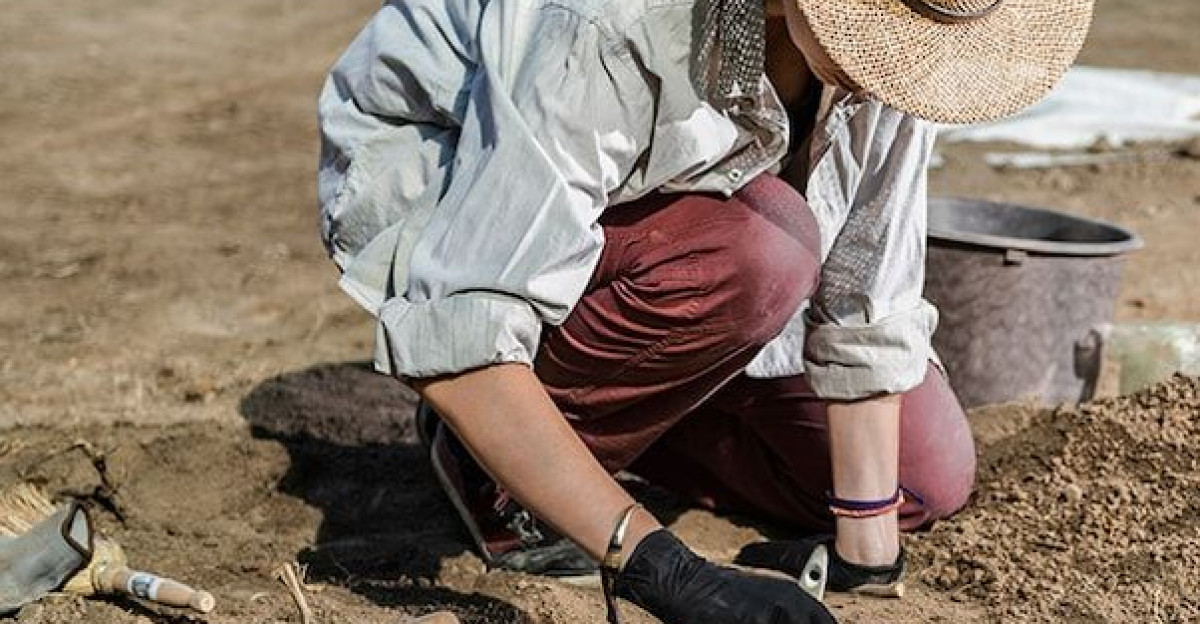
The study’s leader, Bogdan P. Onac, is a USF professor renowned for cave paleoclimate work.
His lab pioneered using cave deposits (ice, guano and mineral layers) to track past climates and sea levels.
The international team also included experts from the University of New Mexico (geochemistry lab), Harvard University, and the University of the Balearic Islands.
This diverse lineup – geologists, archaeologists and climate scientists – exemplifies the new interdisciplinary approach. In short, a new generation of researchers is breaking down old silos: combining hard science methods with field archaeology.
Methodological Innovation

By integrating U-series dating with precise sea-level modeling, the researchers set a new standard.
They combined geochronology from phreatic overgrowths with the known sea-level history of Mallorca to pin down the bridge’s age.
As the published paper explains, this synthesis “constrains the construction of the bridge between ~6000 and ~5600 years ago”.
Instead of relying on single artifacts, the team tied together geology and archaeology. This multidisciplinary protocol – dating cave minerals to chart human activity – could be applied at other submerged sites worldwide.
Expert Outlook

Early reactions in the scientific community have been mixed but promising. Skeptics note the lack of corollary artifacts, but supporters point out the robust method and peer review.
For now, the rigorous U-series results stand on their own. The new approach has energized researchers: many say it will prompt investigations of other coastal caves.
Already, teams plan to scan Mediterranean caves with stable sea levels for more clues. If applied broadly, this could rewrite island histories wherever caves exist near ancient shorelines.
Future Implications

The bridge discovery raises big questions about ancient seafaring. If farmers or fishermen were on Mallorca 6,000 years ago, they must have had purposeful boats and navigation strategies.
The find suggests archaeologists should systematically survey other coastal caves for hidden structures.
It also means migration models across the Mediterranean need updating: people might have explored islands much earlier and more widely than thought. As Live Science explains, analyzing the calcite band on the bridge showed it was built about 6,000 years ago, “pushing back the timeline” by roughly 1,600 years.
Policy Ramifications

This work has practical consequences for heritage policy. With climate change raising sea levels and damaging coasts, protecting underwater sites is urgent.
For example, in Tunisia’s Djerba, UNESCO in 2023 made the island a World Heritage site precisely because coastal monuments were threatened by rising seas.
Mallorca’s cave sites, now known to contain early history, similarly need protection.
The discovery strengthens calls for comprehensive surveys of submerged landscapes and for international collaboration (UNESCO’s underwater archaeology conventions, for instance) to safeguard these vanishing cultural resources.
European Significance

In Europe’s broader submerged heritage, Mallorca’s bridge stands out as a unique find. It is now the continent’s oldest known underwater pedestrian structure.
It recalls the 2023 discovery of a 7,000-year-old stone roadway off Croatia’s Korčula Island. There, a diver carefully excavated a Neolithic road lying 5 meters underwater.
Archaeologist Igor Borzić marveled, “People walked on this roadway almost 7,000 years ago”.
Like that Croatian road, Mallorca’s bridge reveals a lost world of prehistoric maritime infrastructure, reshaping our understanding of early European communities.
Climate Connections
These findings also feed into climate science. The dated bridge and cave deposits give data points for mid-Holocene sea levels in the western Mediterranean.
Knowing when sea levels were at specific heights (± a few centuries) refines models of post-Ice-Age water rise. In turn, that helps calibrate predictions of how fast coastlines can change today.
By studying how ancient settlers in Mallorca adapted to rising waters, we can glean lessons on resilience.
Coastal communities today face similar shifts, and learning from the past may help us prepare for the future.
Cultural Evolution
The bridge’s sophisticated construction suggests surprising social complexity. Building a multi-ton limestone path into a cave required planning, labor and coordination.
Mallorca’s first farmers or herders must have organized themselves on a community scale.
This challenges earlier assumptions that early Balearic visitors were simple, small groups. Instead, Onac points out, “the presence of this submerged bridge … indicates a sophisticated level of activity”.
The first Mallorcans were not casual wanderers but organized engineers, reshaping our picture of their society.
Broader Perspective

This discovery is more than a revised date – it’s a lesson in how interdisciplinary science can unlock hidden history.
As a USF news release observes, “this research underscores the importance of interdisciplinary collaboration in uncovering historical truths and advancing our understanding of human history”.
In a changing world, understanding how past cultures navigated environmental challenges is crucial.
By combining cave geology, archaeology and climate science, researchers have rewritten Mallorca’s origin story. This approach will be vital as we study other submerged sites, helping us learn from the past as the planet warms and coastlines transform.