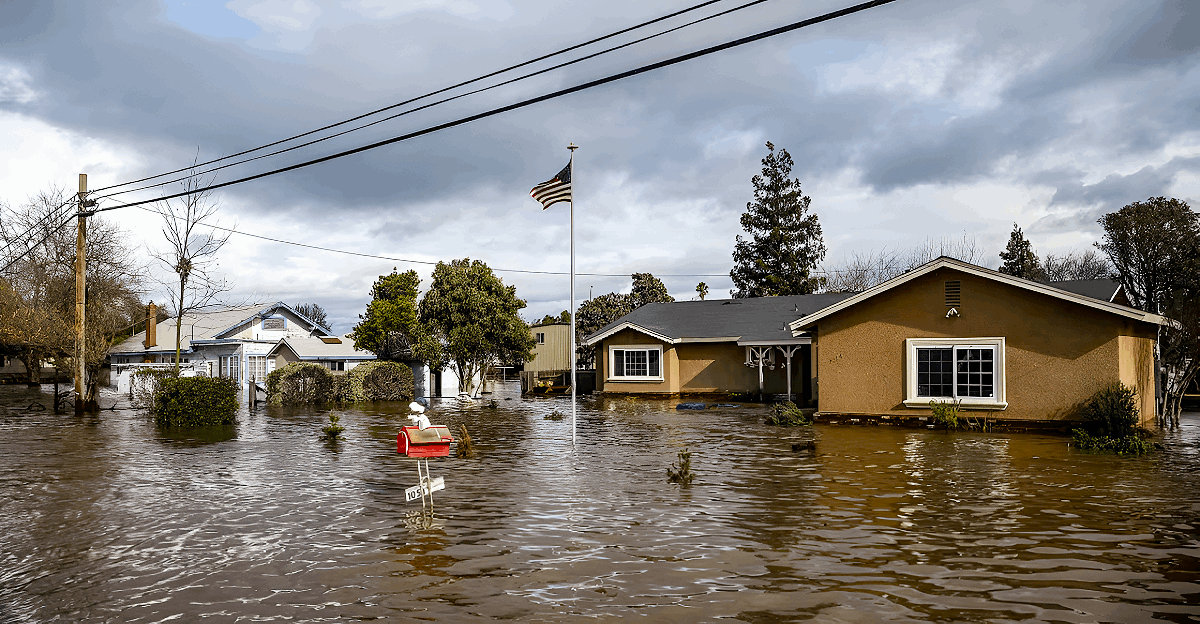
The Bay Area entered late September with meteorologists warning of one of the most significant weather shifts recorded in years.
According to the National Weather Service and CBS News San Francisco, temperatures were set to plunge dramatically, replaced by thunderstorms and gusty winds.
This introduced a striking transition from the prior week’s intense heatwave to an unseasonably stormy pattern, catching both residents and officials by surprise.
Intense Heatwave Peaks

Extreme heat gripped the entire Bay Area, with temperatures exceeding 90°F in San Francisco and its neighboring cities, including Oakland and San Jose. The state’s official climate summary noted the peak on September 23, causing public health warnings.
Residents faced an elevated risk of heat exhaustion, and energy demand soared, pushing local utilities to their maximum capacity for the third time in the month.
Historical Weather Volatility

Weather records from the California Hydrology Update and long-term monitoring stations indicate that abrupt temperature changes are rare in September. Data since 2000 reveal that the Bay Area usually experiences mild, dry conditions at this time.
This year’s rapid transition has drawn attention to the region’s vulnerability to climate fluctuations and raised questions about the future resilience of its infrastructure.
Escalating Risks for Residents
Escalating heat and dry conditions increased the wildfire potential across surrounding counties in the days leading up to the rain’s arrival.
Emergency agencies activated extra crews after the National Weather Service highlighted risks of sudden storms and flooding.
Public advisories focused on the transition window between the heat and incoming rainfall, emphasizing dangers to outdoor workers and commuters during this unusual weather cycle.
Thunderstorms Break Drought
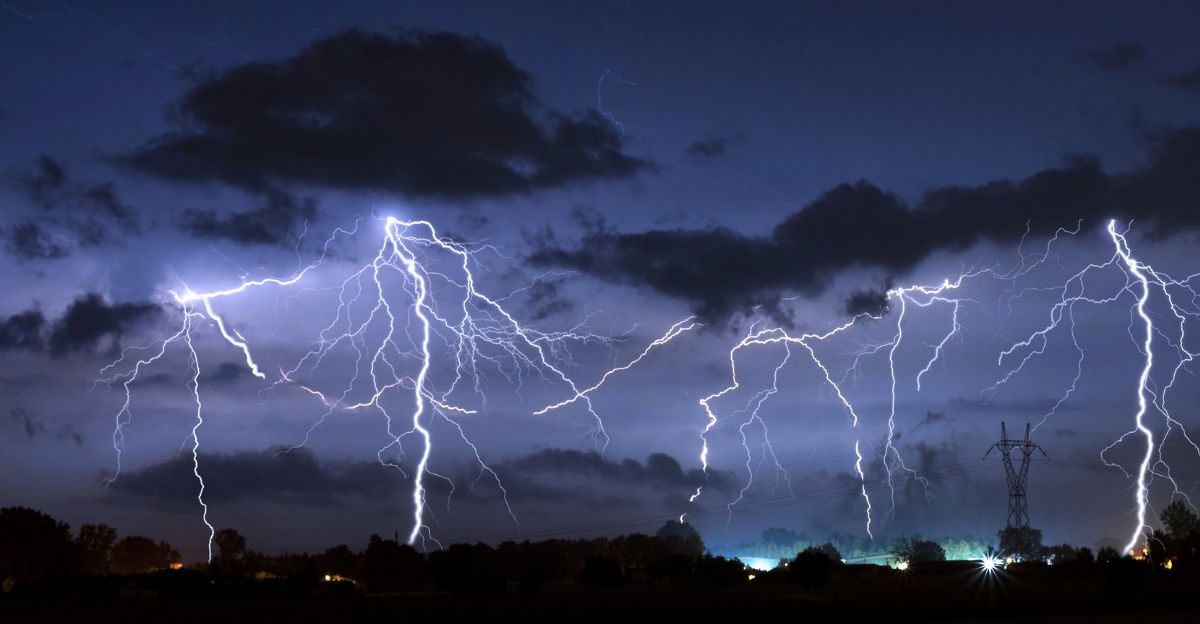
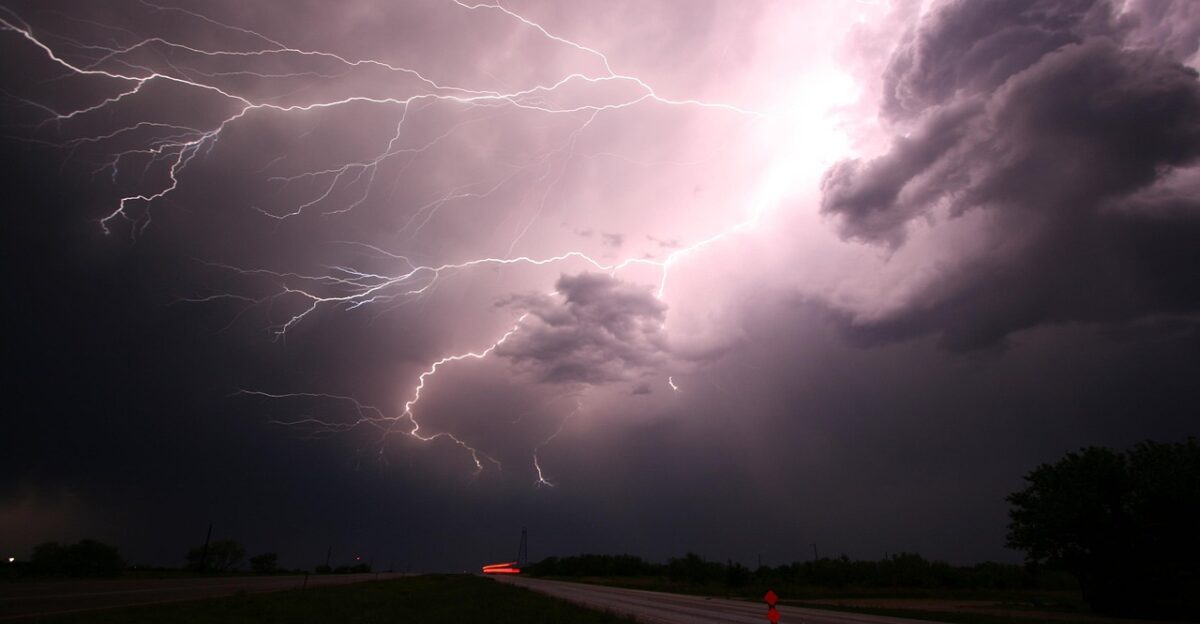
On September 24, a rare cutoff low-pressure system brought thunderstorms and rain throughout the Bay Area, marking the most dramatic weather flip in years.
The National Weather Service confirmed measurable rain at San Francisco International Airport following a 90°F day, a scenario witnessed only twice before in recorded history. This event disrupted routines overnight and triggered a regional emergency response.
Rainfall Hits Urban Centers

Rain began falling in key cities, including Oakland, the East Bay, and parts of San Jose, with localized totals surpassing a half-inch in some neighborhoods.
CBS News San Francisco reported that the North Bay received even higher rainfall, nearing the wettest September day in decades, according to regional forecasters. The dramatic shift from heat to moisture complicated daily activities for thousands.
Infrastructure Put to the Test
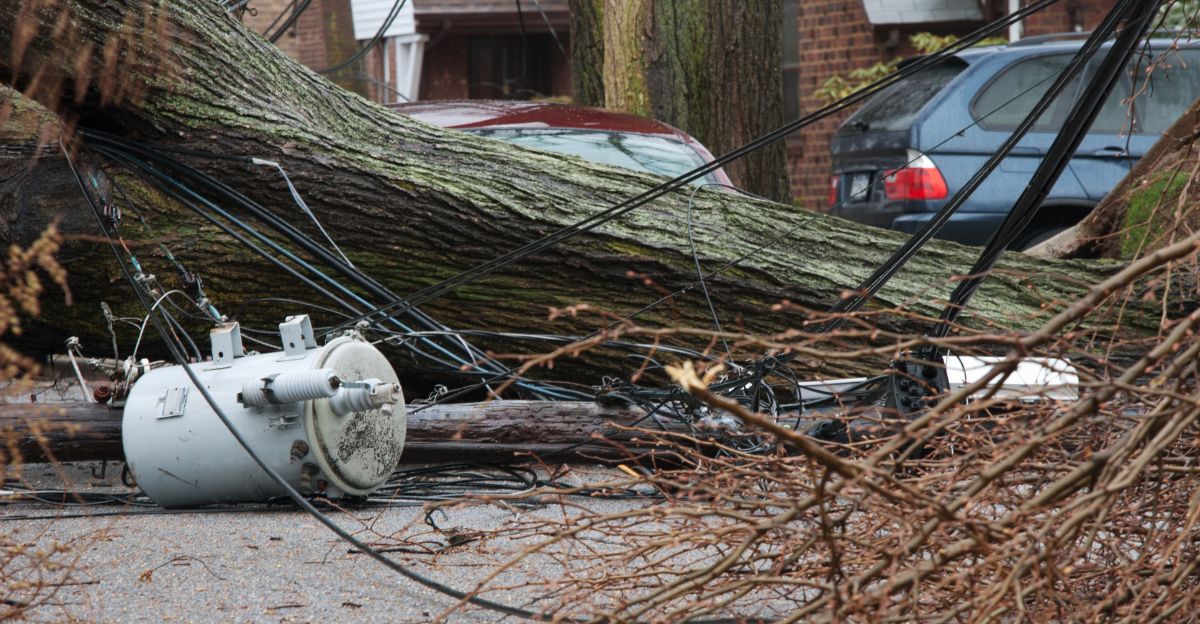
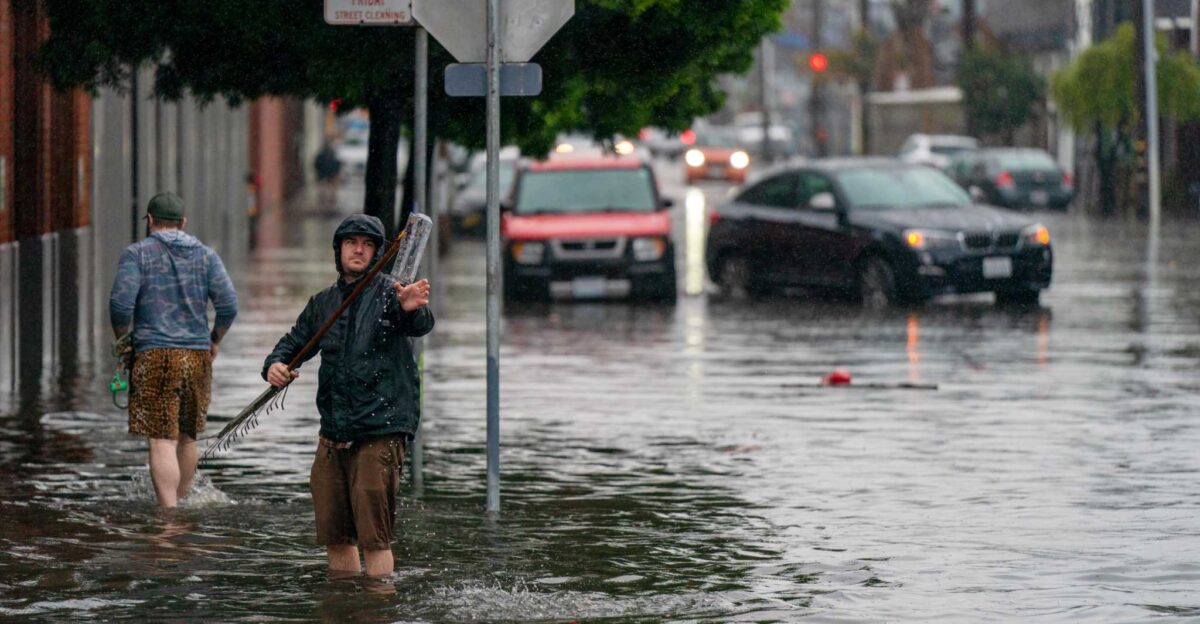
The sudden storm put added strain on aging infrastructure throughout the region. PG&E, California’s primary utility provider, responded to multiple downed power lines and brief outages, especially where gusty winds reached up to 40 mph as reported by the National Weather Service. Municipal crews scrambled to clear debris from storm drains and maintain traffic flow amid flash flooding.
Power Outages and Repairs
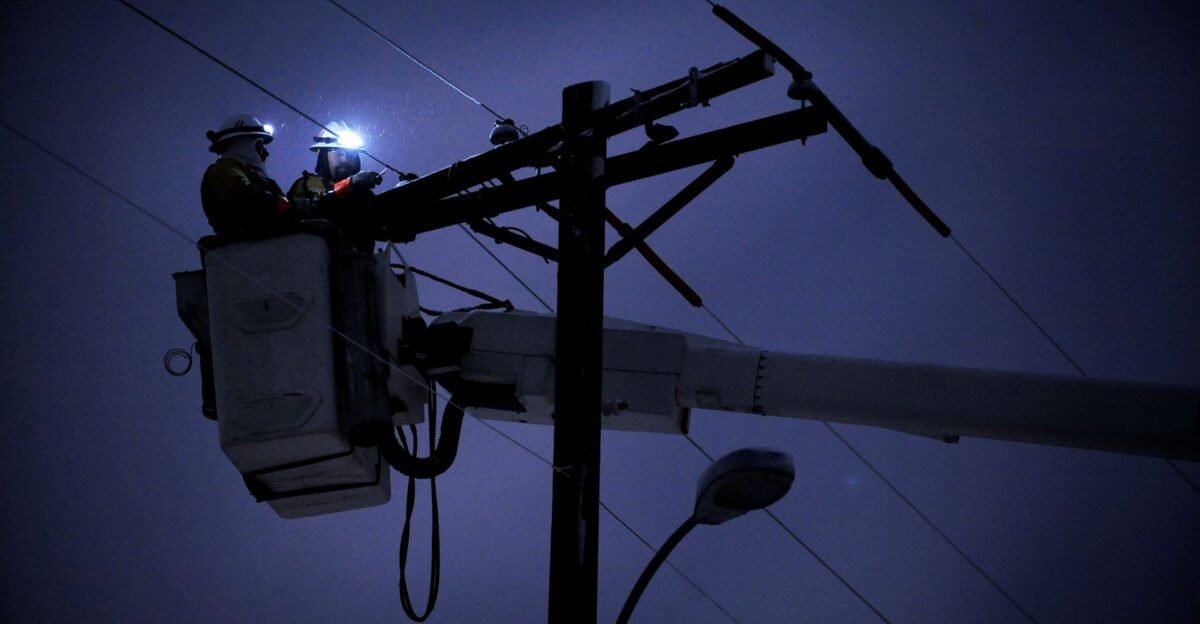
As the weather changed overnight, scattered power outages impacted neighborhoods in San Francisco, Oakland, and the East Bay. PG&E’s engineers worked quickly to restore service, often battling flooded streets and fallen branches.
CBS News noted that traffic delays and advisories were issued as heavy rainfall tested emergency preparedness measures citywide.
Comparing Recent Extremes
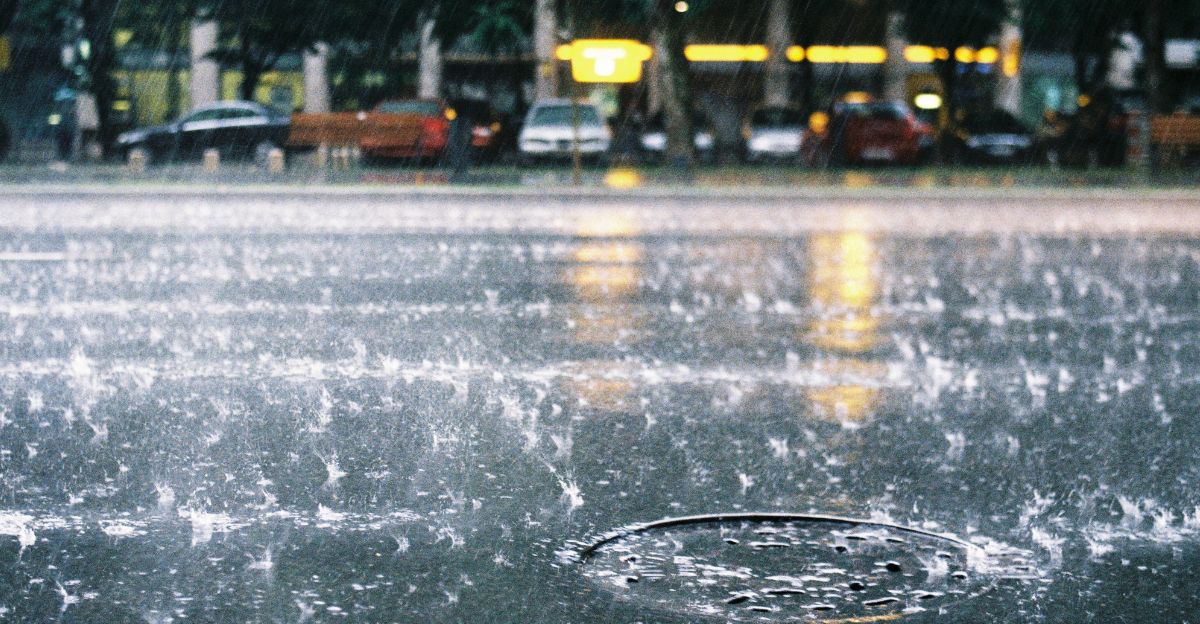
Analyses by weather experts at the San Francisco Chronicle demonstrated that the Bay Area has not seen comparable rapid weather reversals in over two decades.
Notably, rainfall exceeding an inch in a single September day was described as “almost unheard of” since 1986, underlining the historical magnitude of the event. Such extremes are now viewed as harbingers of ongoing climate instability.
Storm Movement: A Rarity
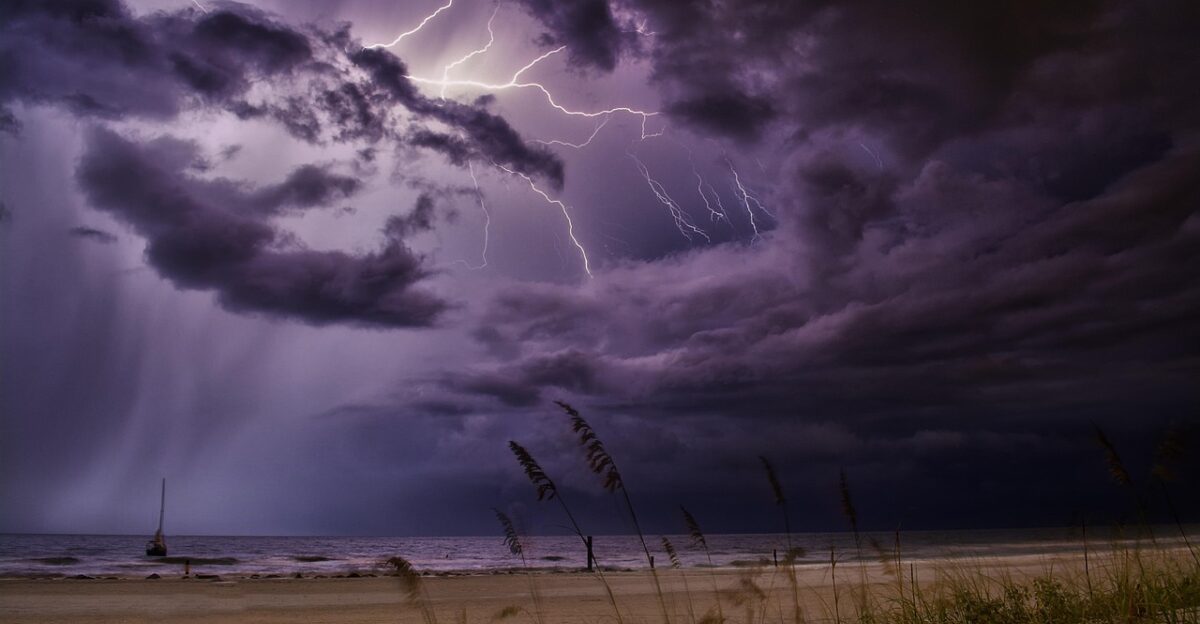
One unique aspect of this storm was its east-to-west progression, which is contrary to the region’s typical pattern. The National Weather Service highlighted how this rare positioning led to bands of heavy rain striking the North Bay and localized thunderstorms developing over the Central Coast, complicating forecasts and increasing risks for flash floods.
Disrupted Daily Routine

Schools, transit systems, and local businesses reported operational challenges as the severe weather moved through the area.
CBS News San Francisco described closures, schedule adjustments, and community warnings as residents struggled to adapt to shifting conditions.
The unpredictability of the event reinforced the need for flexible, rapid-response infrastructure improvements.
Local Leadership Responds

Mayors and county officials held a joint press conference on September 25, urging residents to monitor weather updates and secure property against further damage.
According to the SF Chronicle, the Bay Area’s Emergency Operations Center coordinated resources across multiple cities, bolstering the region’s ability to cope with cascading challenges.
Rapid Cleanup Efforts
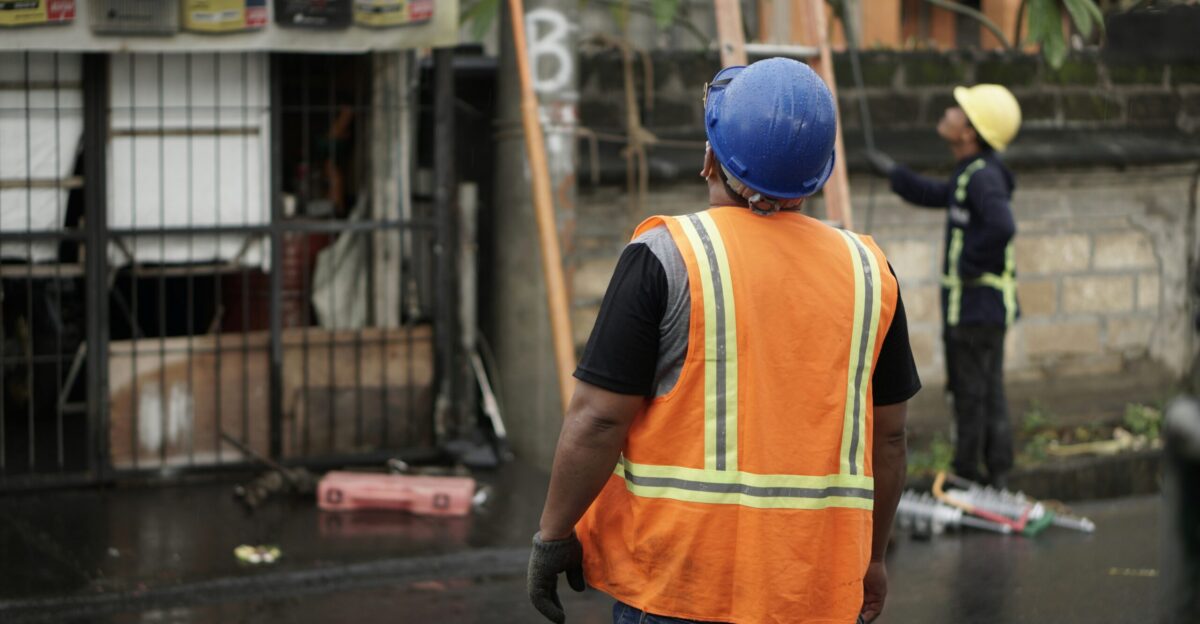
Municipal workers began clearing debris, pumping water from low-lying streets, and reopening public spaces within hours of the storm’s passing. PG&E teams restored most electrical service by the next morning, minimizing prolonged outages.
Emergency agencies continued to monitor for further rains, readying supplies and personnel for additional weather impacts later in the week.
Scientific Expert Commentary
Dr. Michael Anderson, California’s state climatologist, explained, “This kind of rapid temperature and precipitation swing is consistent with what we expect in a changing climate.
The underlying trend is toward greater volatility.” Anderson’s comments align with California Hydrology Update data showing a long-term increase in both extremes.
Looking Toward Autumn

With temperatures now below seasonal averages, weather centers predict further atmospheric instability as autumn progresses. According to the National Weather Service, the return periods for similar heat-to-rain events may be shorter.
Residents are encouraged to prepare for potential additional disruptions and review their household emergency plans as weather unpredictability increases in the region.
Resilience Planning
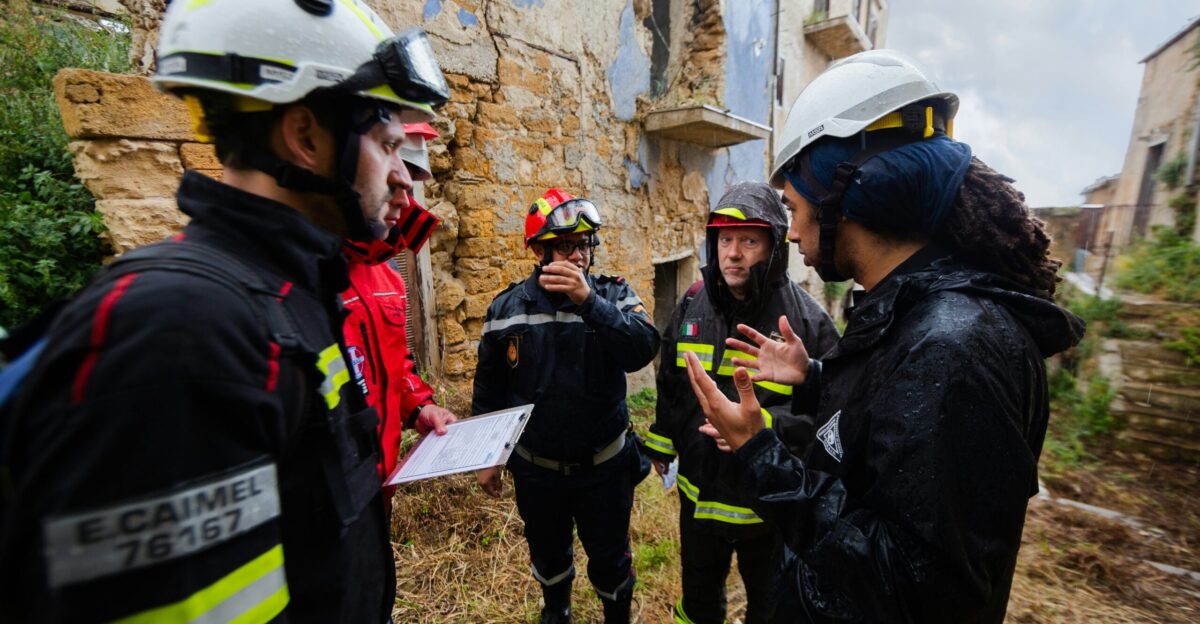
City and county governments across the Bay Area are considering new building codes and disaster response strategies in light of recent events.
Policy makers referenced increased funding for critical infrastructure and regional cooperation. The SF Chronicle reported plans for expanded flood defenses and weatherization grants targeting vulnerable communities.
International Parallels
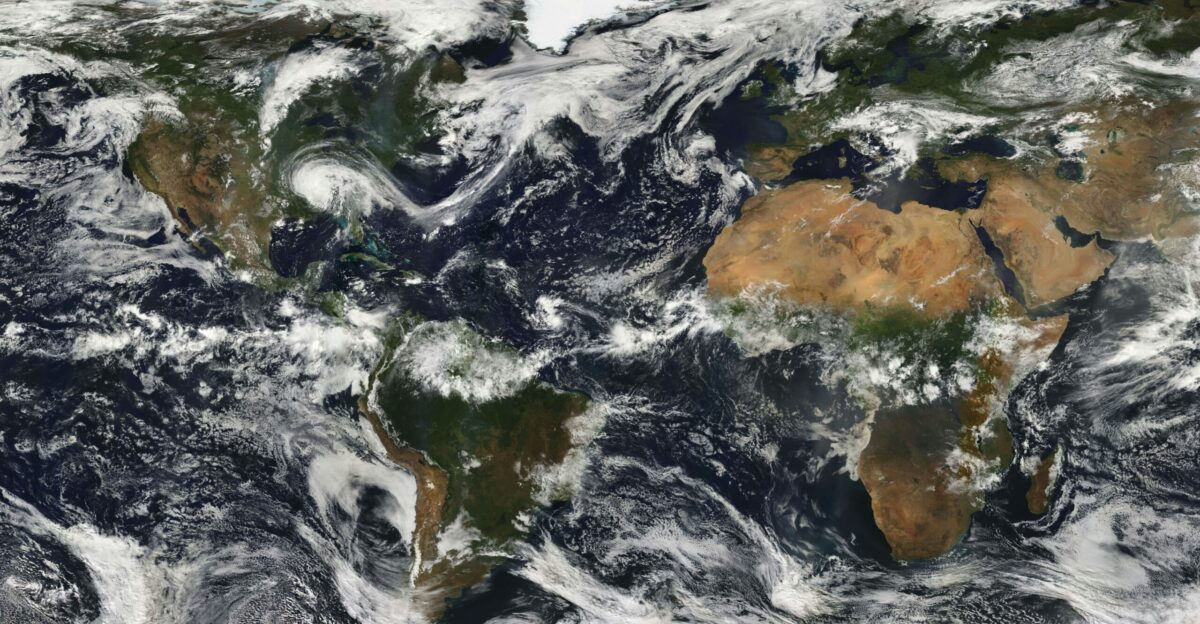
Meteorological experts note similar trends emerging in cities across Europe and Asia, where unstable jet streams have led to unprecedented autumn weather fluctuations.
United Nations climate reports highlighted the Bay Area’s experience as a case study for adaptation strategies and projected further global research collaboration.
Environmental Costs and Benefits

Sudden rainfall provided brief relief for drought-stressed landscapes and lowered wildfire risk in Northern California.
However, the SF Chronicle noted stormwater runoff could transport urban pollutants into San Francisco Bay, straining local water treatment capacity.
Environmental agencies urged residents to dispose of waste properly and report blockages that threaten waterways.
Changing Local Culture

Communities throughout the Bay Area are responding to shifting weather patterns by adopting new risk management strategies, from home floodproofing to regular emergency drills.
Social scientists tracking adaptation efforts reported a marked increase in public engagement with regional resilience programs, strengthening preparedness at every level.
Lessons and Reflections
The dramatic weather flip that shocked the Bay Area in September 2025 signals a new era of climatological uncertainty.
Local, national, and international experts agree: cities must invest in adaptable infrastructure and maintain community awareness in the face of growing extremes. This event serves as a poignant reminder of the ongoing impacts of climate change on urban regions worldwide.