Eli Lilly made headlines in August 2025 when it finished its third clinical trial of an oral weight loss drug, orforglipron. This daily pill helped people lose 12.4% of their body weight in just over a year.
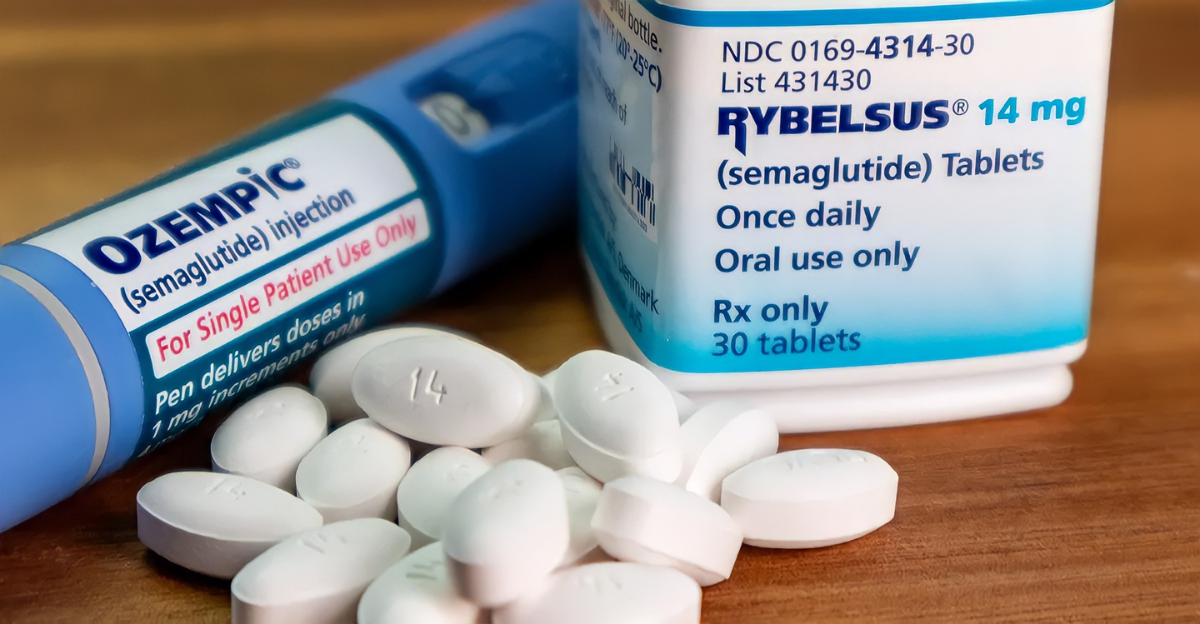
The medication, which works by affecting hormones that control appetite, is commonly referred to as a ‘pill version of Ozempic,’ although the drugs work through different mechanisms.
Orforglipron has a totally different molecule from Ozempic’s semaglutide. The FDA does not approve it, so it won’t be available for patients until at least 2026, if it gets the green light. Following completion of its third Phase 3 trial in August, Eli Lilly announced plans to submit orforglipron to the FDA and other global regulators by the end of 2025.
Market Disruption

Obesity drugs called GLP-1 agonists have already become a $30 billion global business. Experts think the market could grow to $100–$150 billion by 2030.
Most currently approved GLP-1 drugs like Wegovy, Ozempic, and Zepbound require injections, and supply shortages are common because demand is so high. If pills work as well as shots, they could take over a massive share of the market, especially among people who are scared of needles.
Analysts think oral meds could account for as much as a quarter of all future obesity drug prescriptions, bringing new people into treatment who would never have considered injections.
Different Drug

Although headlines often say orforglipron is an oral Ozempic, this comparison isn’t entirely accurate scientifically.
Ozempic is made from a peptide discovered by studying lizard venom, but orforglipron is a totally different, small-molecule drug found in Japan. Both drugs work by hitting the same appetite-related target in the body, but they do it uniquely.
The only real “oral Ozempic” is Rybelsus, but it has strict food and water rules that orforglipron avoids.
Scientific Promise
The main orforglipron study, ATTAIN-1, included more than 3,000 adults from 10 countries, making it one of the most extensive oral obesity drug studies ever.
On average, people who took the highest 36mg dose lost over 27 pounds in 72 weeks, while people on the placebo lost just over 2 pounds. About 6 in 10 participants lost at least 10% of their bodyweight, and 4 in 10 lost 15% or more.
Orforglipron demonstrated consistent efficacy across multiple endpoints, with over 90% of treatment arms showing statistically significant improvements compared to placebo in weight loss, blood sugar control, and cardiovascular risk markers.
Unlike Rybelsus, orforglipron can be taken at any time, with or without food. Still, losing 12–15% of bodyweight is less than you’d get with bariatric surgery, so it isn’t a magic bullet.
Reality Check

The truth is, while orforglipron shows promising results with 90% efficacy across multiple clinical endpoints, it remains unavailable to patients outside of clinical trials. As of September 2025, the drug has effectively landed on the FDA’s desk with regulatory submissions underway, but formal approval hasn’t been granted yet.
The drug achieved an average weight loss of 12.4% in trials, with consistent improvements in weight reduction, blood sugar control, and cardiovascular markers across treatment groups. However, FDA applications are just being filed in late 2025, meaning approval and patient access likely won’t happen until 2026 at the earliest.
Patients can’t obtain orforglipron anywhere outside of a research setting right now, and final FDA approval isn’t guaranteed despite the positive trial data. The drug’s commercial availability depends on successfully navigating the regulatory process, manufacturing scale-up, and eventual insurance coverage decisions.
Patient Impact

So far, real-world results have been mixed with oral versions of semaglutide, the ingredient behind Ozempic and Rybelsus.
In a small 105-person study, people who took the pill had more stomach side effects and were more likely to quit than those who took injections. Both forms helped with blood sugar, but injectables led to slightly better weight loss. Still, many people prefer pills for convenience.
Insurance can be a big problem: some plans dropped GLP-1 coverage because each person’s meds can cost $500–$1,000 per month.
Regional Variations
Access to these weight loss drugs depends on where you live and your insurance. In some states, government workers’ health plans buy GLP-1 meds, but in others, like North Carolina, high costs caused plans to cancel coverage.
Medicare still doesn’t cover these drugs, though rules could change. Outside the U.S., there are shortages and rationing in parts of Europe. Most people now fill their GLP-1 scripts at retail pharmacies, showing how strong demand has become.
In some countries, cost and tight supply are even bigger hurdles than in the U.S.
Side Effect Reality
The idea that orforglipron will have ‘fewer side effects’ is partially accurate
Like other GLP-1s, the main problems are stomach-related: nausea, vomiting, constipation, and diarrhea are common. In the trial’s highest dose group, nearly 1 in 4 people dropped out due to side effects.
The benefit is fewer issues at “injection sites,” simply because it’s a pill. But the way these drugs work means digestive issues can’t be avoided.
Manufacturing Challenges
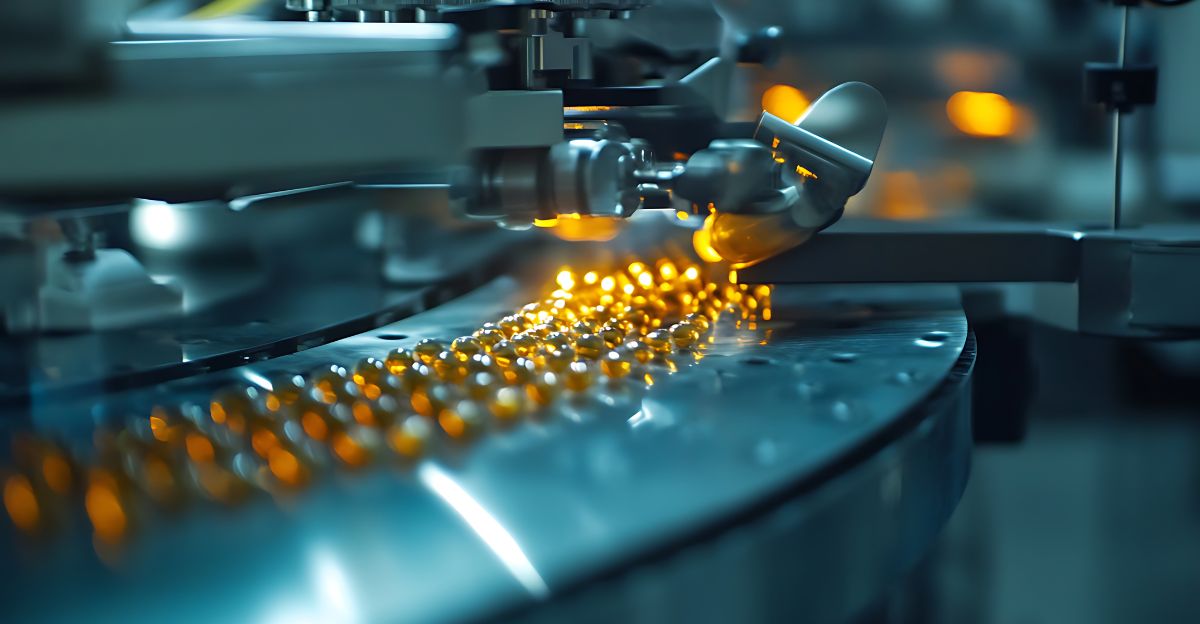
Getting enough obesity drugs to people has been tough. Factories struggled to keep up with demand for injectable GLP-1 meds, and companies spent billions to ramp up production after patients complained about shortages.
Small-molecule drugs like orforglipron are easier to make in large batches, but Eli Lilly still needs to build new factories and hire staff before launch.
The goal is to avoid the painful backorders that happened with Wegovy and Ozempic.
Regulatory Fast Track
Some analysts think orforglipron could be among the first drugs to get a super-fast FDA review under a new “Priority Voucher” program, cutting review time from almost a year to just a month or two.
If this happens, Lilly could earn over $1 billion in early extra sales. However, company leaders haven’t confirmed whether they’ll use this pathway.
They say it’s “too early” to link the new program to orforglipron, but if the need is urgent and data is strong, approval could come sooner than in the past.
Corporate Response

Lilly’s CEO, David Ricks, has said that orforglipron might be on the market “around this time next year,” showing the company’s optimism about approval.
Only one of the seven required Phase 3 trials is done; others will finish through 2026. Excitement over obesity drugs has pushed Lilly’s stock price near record highs, giving the company a market value approaching $1 trillion.
Lilly’s making significant investments in new factories and working to get regulators worldwide on board to launch quickly.
Competitive Landscape
The fight for the obesity drug market share is fierce. Novo Nordisk recently cut 9,000 jobs as it focused more on diabetes and obesity products and faced significant competition from Eli Lilly.
Over 80 weight loss drugs are being tested by more than 25 companies; some newer ones hope to boost weight loss even further by using combinations of drugs.
Starting in 2026, some companies’ exclusive rights to their drugs will expire, letting cheaper generic versions compete and shaking up the current market dominance.
Insurance Battlefield

As costs soar, insurance companies are changing their tune. At first, many covered GLP-1 meds, but now stricter rules and more denials mean it’s getting harder for patients to fill prescriptions.
Some plans only cover them for people above a certain BMI or after they try lifestyle changes. The government estimates these drugs will cost more than they’ll save, but some hope better heart health and diabetes prevention might make coverage affordable long-term.
Drug makers offer some discount programs, but many patients still struggle with out-of-pocket costs.
Global Rollout

Lilly isn’t just planning a U.S. launch; the company is simultaneously filing for approval on multiple continents.
Getting these drugs to patients worldwide means each country’s health systems and insurance plans must be convinced to pay. Some countries can start sooner; others may have to wait because of budget issues and rules about covering expensive new medicines.
Many GLP-1 drugs require refrigerated storage so that transportation will be challenging in places with weaker infrastructure.
Future Implications

How well or forglipron works will affect investment in similar oral obesity treatments. If it’s a hit, other companies will launch their pills quickly.
Investors may focus more on injections or new medicine types if it struggles. Whether pills can match the effects of shots is still unclear, and insurance coverage and price will decide how many people can actually use them.
With more than a billion people worldwide with obesity, the results could change the treatment landscape for years.
Regulatory Landscape

In 2025, the FDA updated the rules for these drugs, stopping compounding pharmacies from making their own versions and making it harder for smaller companies to compete.
Only established companies will likely have the resources to follow new safety and testing rules.
The agency has made it a point to speed up approval for obesity drugs, reflecting how urgent the obesity crisis has become in public health discussions.
Industry Ripple Effects

The boom in obesity drugs is changing the whole healthcare system. More doctors specialize in weight loss, and hospitals are opening new clinics. Related businesses are forming new partnerships.
Drug-storage and shipping companies are growing fast, too. The pharma industry is putting more research money into obesity than ever, shifting priorities throughout the sector.
Public Perception

Social media coverage has made GLP-1 drugs famous, with stars and influencers talking about them. However, misinformation is everywhere; some promote cheaper, unregulated alternatives or “compounded” pills with questionable safety.
Advocates push for broader insurance coverage. At the same time, some doctors worry the costs will get out of control. The medical world is split: Some welcome drug treatments for obesity, while others recommend diet and lifestyle changes.
Public health leaders say medication is only one part of the solution and call for broader efforts to fight obesity at its root.
Historical Context

Drug regulators and patients remember failed weight loss pills of the past, like Fen-Phen, which caused heart problems and was banned, and Belviq.
The new GLP-1 drugs are the most promising in decades, but developers are careful not to repeat old mistakes.
Companies use special patents and delivery techniques to keep the market to themselves longer, often stretching exclusivity to nearly 20 years, raising profits and legal scrutiny.
Promising Science, Unproven Hype

Orforglipron represents a real scientific step forward, with 90% efficacy across multiple clinical endpoints and 12.4% average weight loss in trials. While commonly called an “oral Ozempic,” it uses different molecular mechanisms than semaglutide-based drugs.
The drug has successfully completed three Phase 3 trials and landed on regulators’ desks for review, but patient access remains months away. Its future success depends on FDA approval, manufacturing scale-up, pricing decisions, and insurance coverage.
Whether it lives up to the hype will depend on decisions made by scientists, insurers, patients, and doctors in the next few years. The clinical promise is clear, but commercial reality awaits regulatory approval.