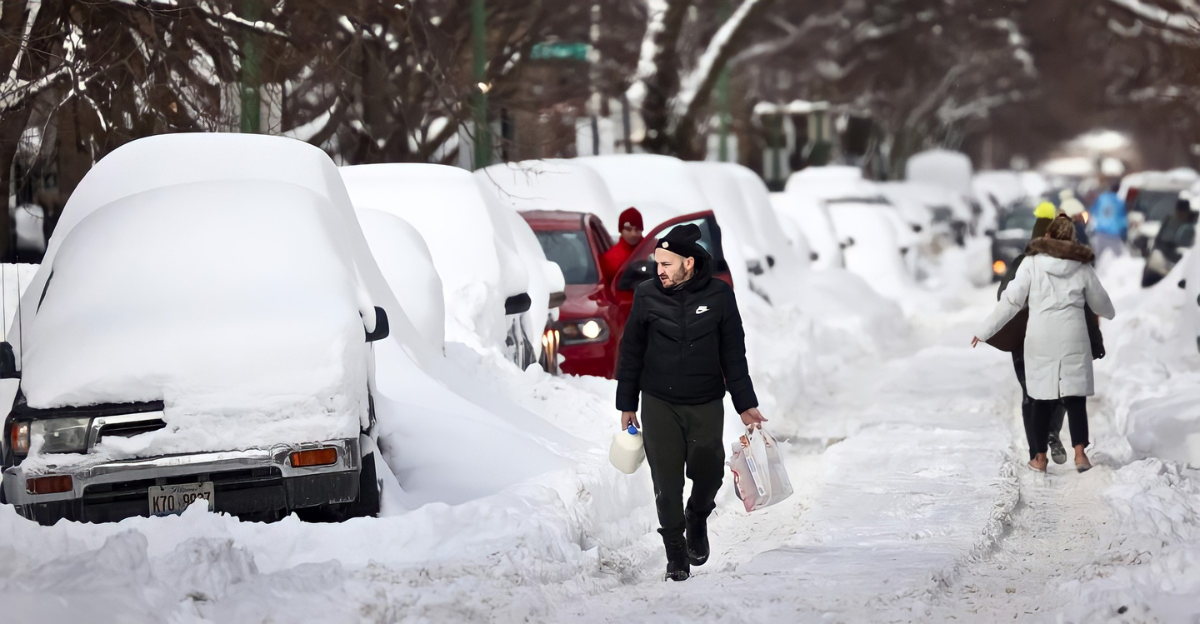
In early September 2024, a very unusual cold front from the Arctic swept down into the Upper Midwest, affecting North Dakota, South Dakota, Nebraska, Wyoming, and Minnesota.
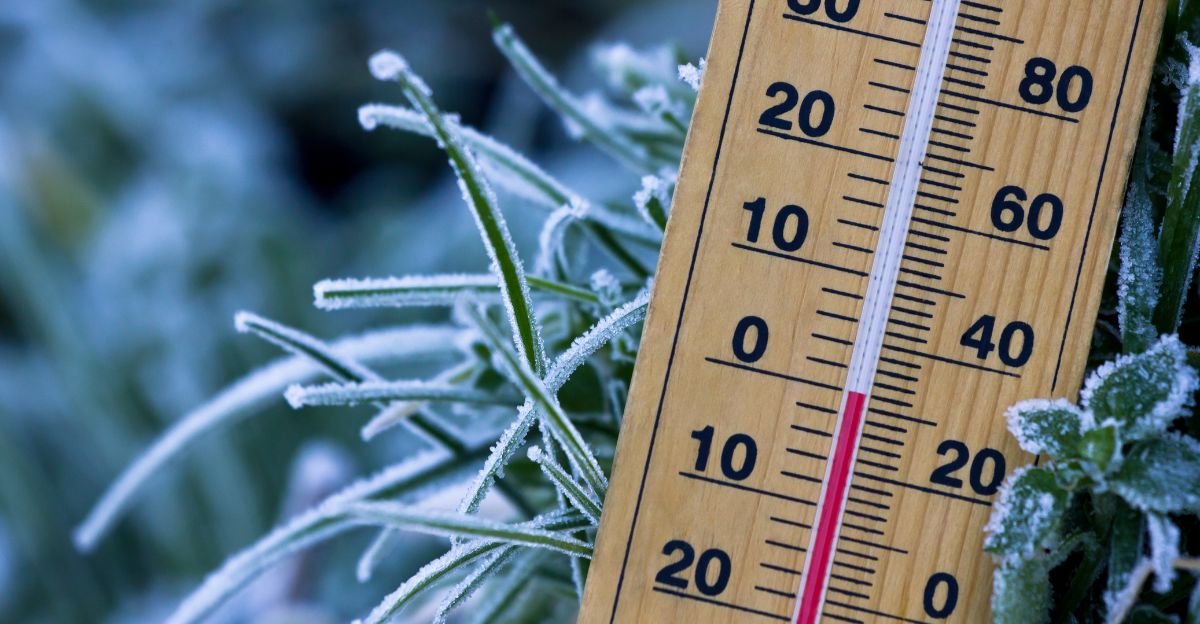
Hundreds of thousands faced “freeze warnings” and “frost advisories” from the National Weather Service, even though it was only September. Some towns saw the temperature drop all the way to 29°F, forcing everyone to hurry and protect gardens, pipes, and crops that could be ruined by such unexpected cold.
September Shock
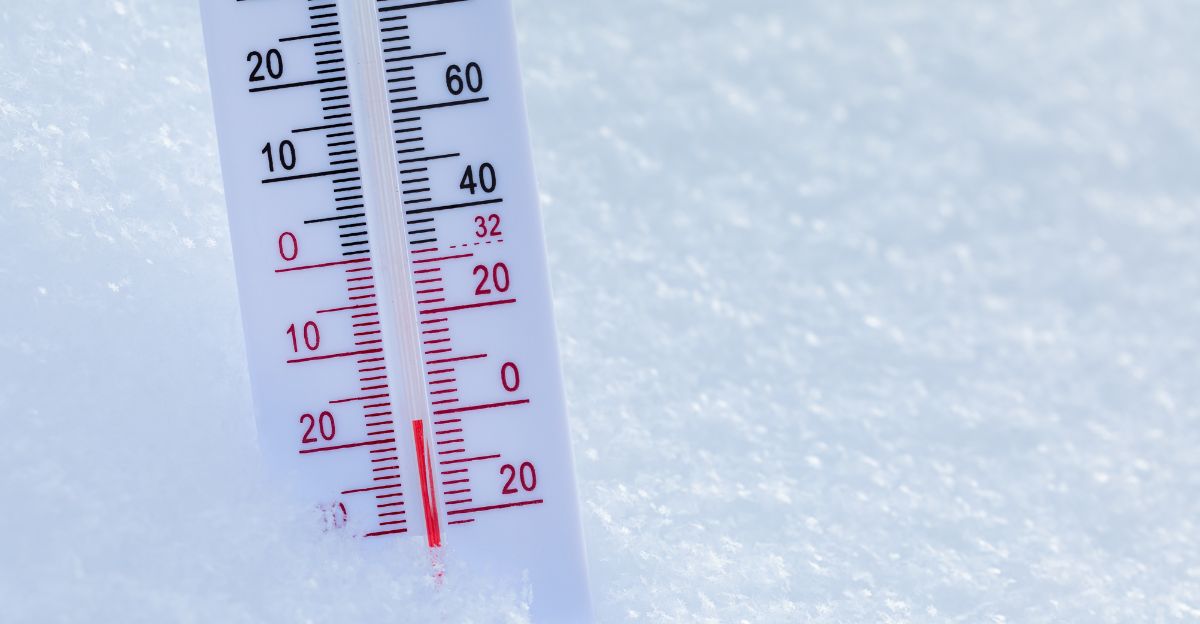
This cold snap caught meteorologists and residents by surprise. Just days before, temperatures had been several degrees warmer than average for September.
Suddenly, the arrival of the Arctic air meant that in some towns, temperatures dropped 20 degrees or more in hours. This unusual burst of freezing temperatures was especially concerning for farmers, since September is usually still part of the growing season for many crops.
Weather centers scrambled to send out alerts, warning that the freeze could last several days.
Growing Danger
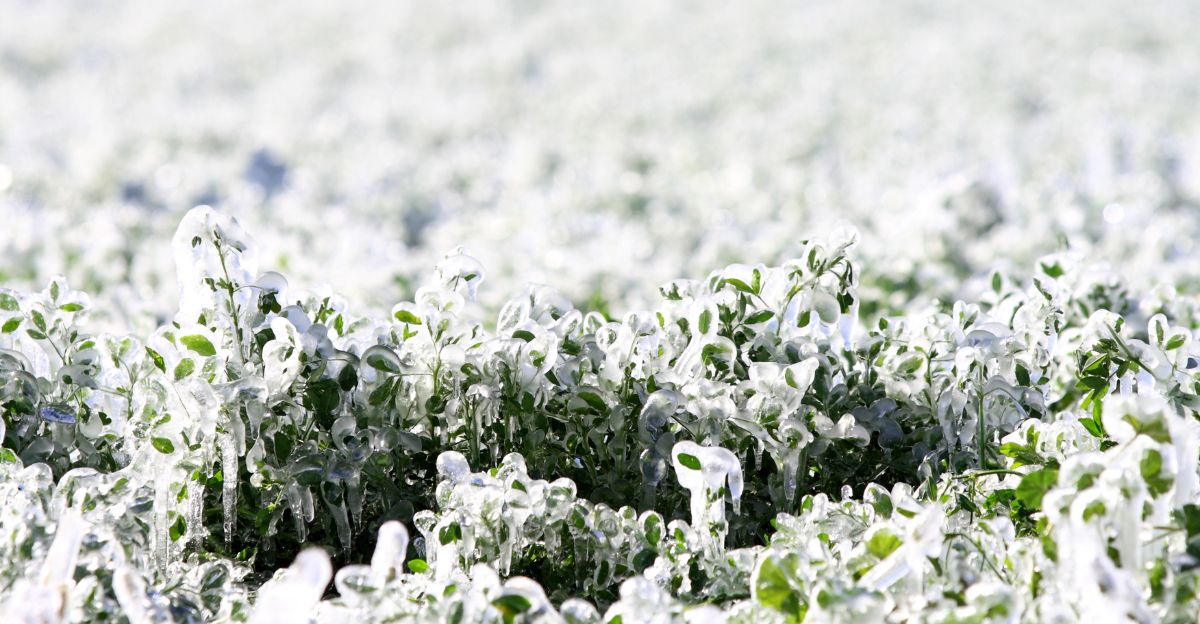
Farmers were some of the most worried people during this event. Corn, soybeans, and many other crops that need warm weather to finish growing were still in the fields.
Freezing temperatures, especially below 32°F, can stop plant growth and kill some crops. The damage can worsen if temperatures drop below 28°F for a few hours.
As a result, many farmers across these states faced huge losses that could hurt family incomes and the local food supply, especially since farming had already been tough in 2024.
Widespread Warnings
The National Weather Service worked overtime to issue warnings across this vast area, from North Dakota’s Bismarck to Minneapolis, Minnesota.
Emergency managers in all five states started winter protocols months ahead of schedule. Town leaders told residents to check on their elderly neighbors and protect their water pipes from bursting.
The cold front stretched over 500 miles, an area much bigger than usual for a September freeze, and many people had never seen such a thing happen this early in the year.
Historic Record
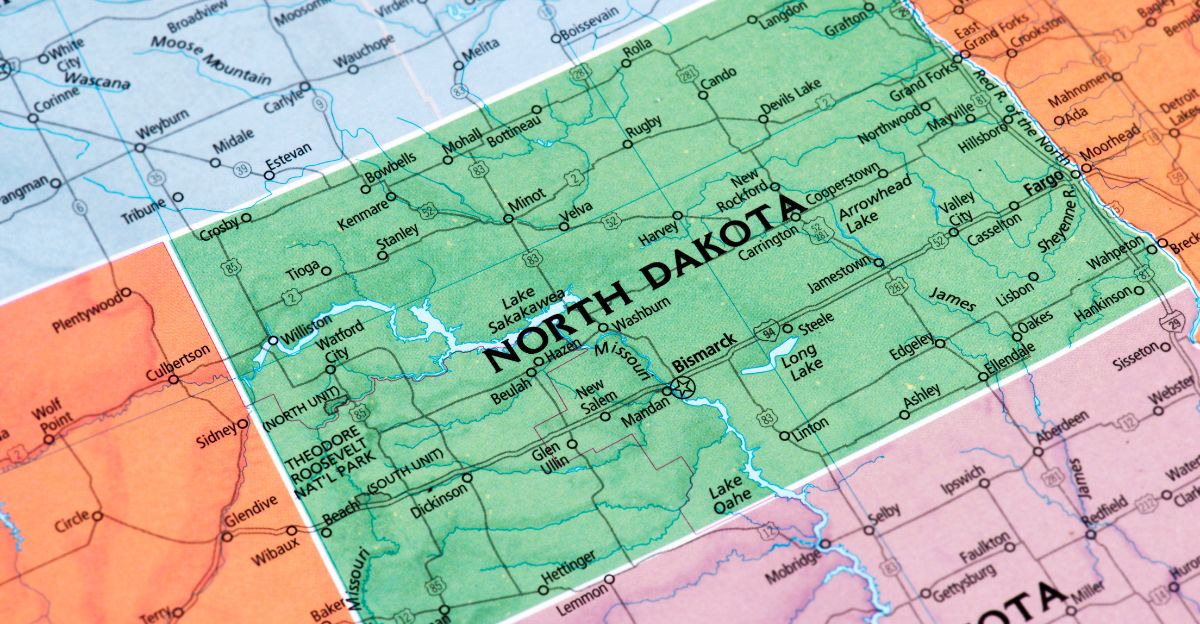
On September 4, 2024, Grand Forks, North Dakota, experienced something unusual: a high temperature of only 48°F.
This shattered the record for the coldest September 4 in Grand Forks history, which dated back to 1893. That means people living there set a new record that survived for over 130 years.
Meteorologists and climate scientists paid close attention, and reading after reading confirmed it was real. This cold blast truly was historic.
Human Impact

For regular people in these states, the cold meant significant changes. Suddenly, families turned on their heat and winterized their homes long before expected.
Hardware stores saw a run on heaters, insulation, and materials for protecting gardens. People living in rural or farming areas worked extra hard to protect their animals and crops.
There was an increase in cold-related injuries, especially for people working outside or those without regular shelter.
Economic Ripples
The freezing weather immediately caused bad news for the local economy. Farmers scrambled to file insurance claims for ruined crops, and reports suggested that the losses might reach millions of dollars.
Unexpectedly, electricity and natural gas demand shot up as people cranked up their heat, sometimes straining power companies. Transportation was also disrupted, delivery schedules were changed, and road department crews had to suddenly prepare for icy conditions instead of finishing summer projects.
Scientific Analysis

Scientists said this cold outbreak was linked to a disturbance in the polar vortex, a large band of swirling air in the Arctic.
Warming at the North Pole is causing the vortex to weaken, letting more cold air escape and travel south, a process called “Arctic amplification.”
Research shows that while global temperatures rise, this kind of event becomes more likely, a counterintuitive effect where rapid Arctic warming makes cold snaps in places like the Midwest or Europe more common.
Pattern Recognition
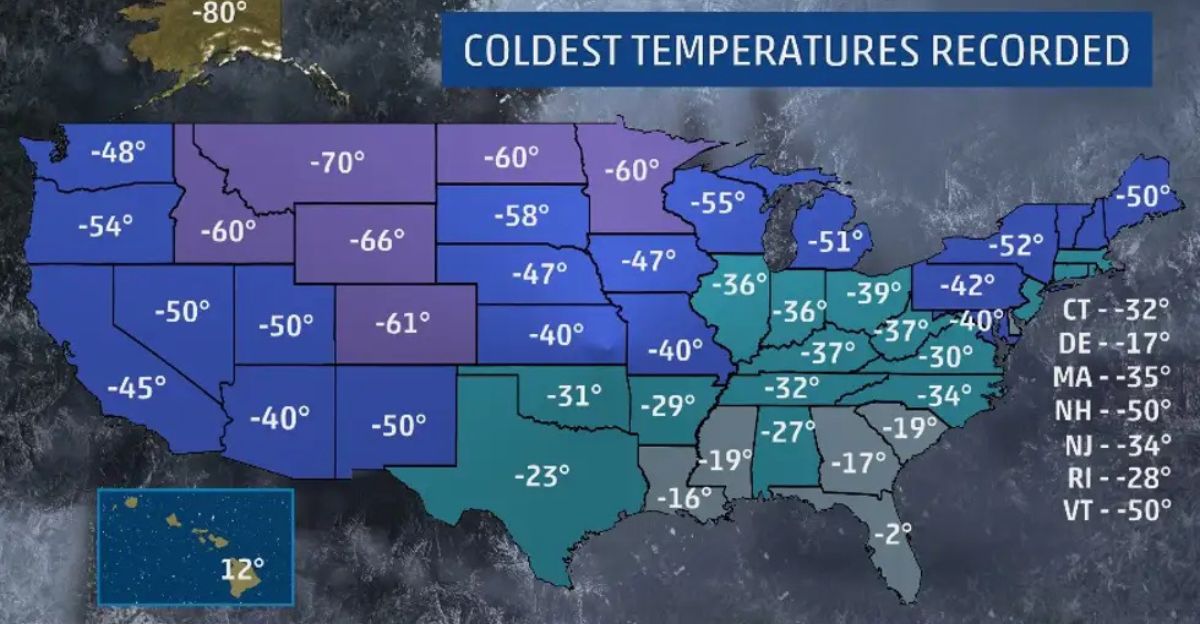
Looking back, this cold snap was similar to several others worldwide, like the December 2023 freeze in China and cold waves that hit Northern Europe earlier in 2024.
Studies show that most of these extreme cold events happen because of atmospheric changes tied to Arctic warming. High-pressure systems help push the cold air farther south than usual.
Weather experts even pointed out that the setup for this event looked a lot like the one that caused the deadly Texas winter storm in 2021.
Timing Mystery
What made this event even weirder was that it arrived during what would become the hottest year ever recorded on Earth.
September is not when people expect freezing weather, even though most farmers were planning for the first frosts in late September or October.
Scientists’ climate models now predict that while these events may become less frequent, they might get more intense when they happen, showing just how unpredictable weather can be in a warming world.
Agricultural Response
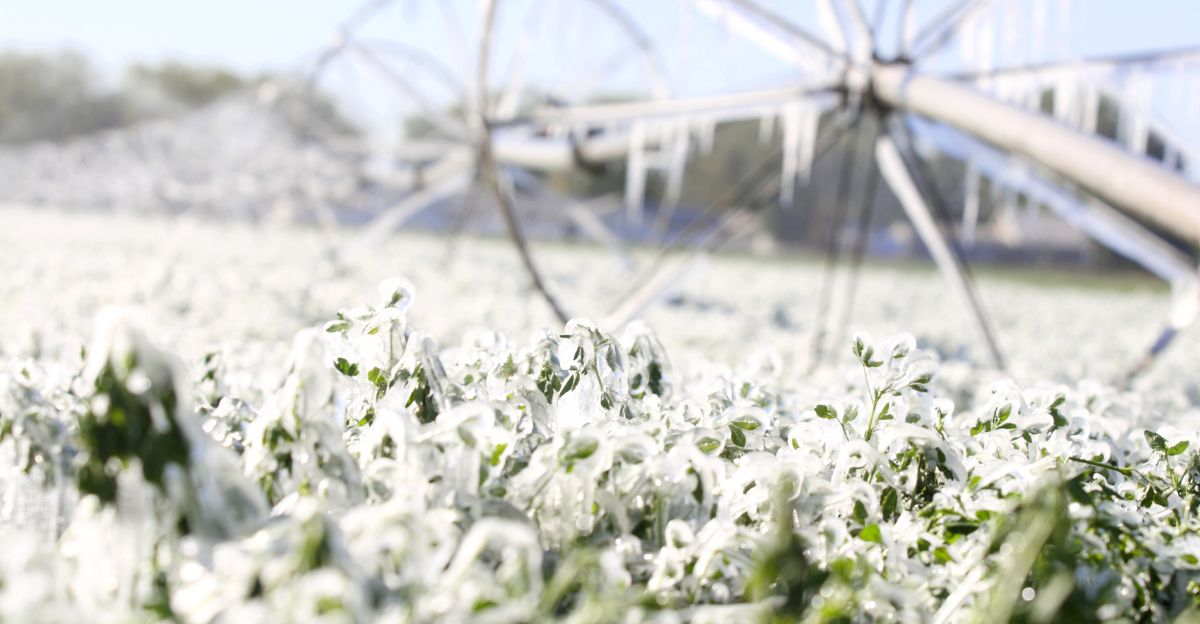
Farm groups and agricultural officials quickly took action. Extension agents advised farmers on saving as much of their crops as possible and helping livestock survive the nights.
The Weather Service worked with agricultural experts to dial in their warnings for each area. State departments began checking in on crop damage, starting the paperwork needed so farmers could apply for disaster assistance.
Grain elevators and food markets are prepared for unexpected changes in crop harvests and prices.
Infrastructure Adaptation
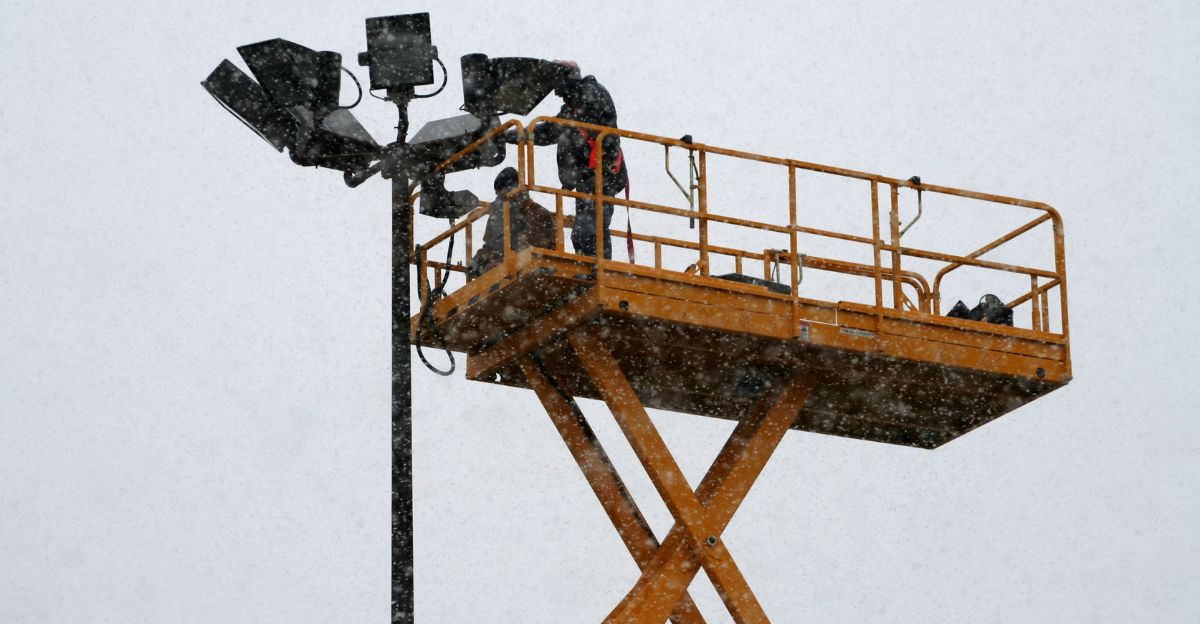
Utility companies were caught off guard, too. They activated systems meant for winter and pumped extra power into the grid. Cities and towns hurried to protect water pipes and infrastructure from freezing.
Some places even told residents to boil water just in case. Road crews moved up their winter planning, preparing trucks and salt in case the cold led to icy roads.
All this early action reminded communities that systems must be ready for surprises, not just the usual seasonal routines.
Community Mobilization

Emergency shelters opened early to help those at risk, including those without stable housing.
Community organizations raced to hand out blankets, warm clothes, and heating supplies before the first real chill hit. Farmers helped each other with things like spare tarps or livestock shelter.
People were reminded how important it is to have flexible plans and strong community support when weather patterns change quickly and unexpectedly.
Recovery Planning

When the freeze ended, officials began determining the damage to farmers and towns. Insurance companies worked to process claims fast so families and businesses could start recovering.
Scientists launched projects to gather weather data from the event, hoping to make better freeze prediction tools next time.
For many in government, this early-season cold was a lesson in the importance of working together when facing extreme weather.
Future Implications
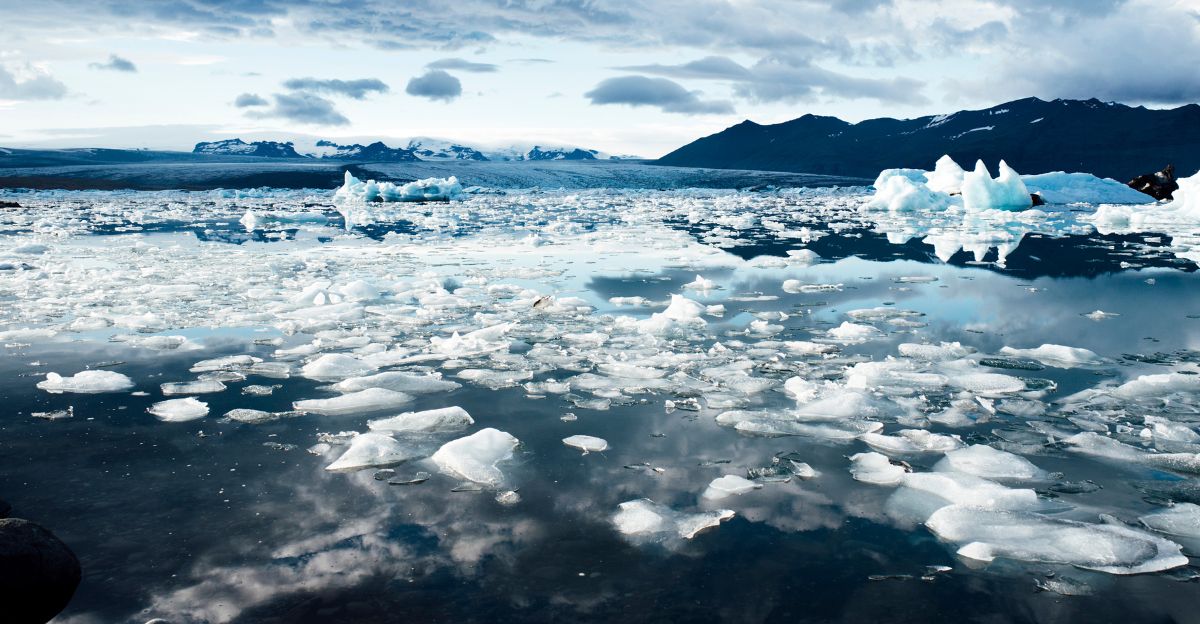
Climate experts warned that we’ll likely see more early and strange cold snaps as the Arctic keeps warming. They say farmers will need new types of crops and better farming techniques to deal with unpredictable weather.
Emergency planners called for better warning systems so communities could respond faster to fast-changing seasons.
The event exposed many weaknesses in infrastructure and showed that old assumptions about the timing of winter might no longer be reliable.
Research Developments

Months later, scientists increased their efforts to monitor the polar vortex more carefully, looking for clues that might warn of future cold snaps.
The National Science Foundation funded major studies about how losing sea ice far away in the Arctic might be affecting weather as far south as the Midwest.
New forecasting models are being built to better predict these sudden changes, and lawmakers are pushing for more money to help farming communities adapt to future wild weather.
Industry Adaptations
Private companies got involved, too. Crop-breeding companies began developing plants that survive in much colder and suddenly changing weather.
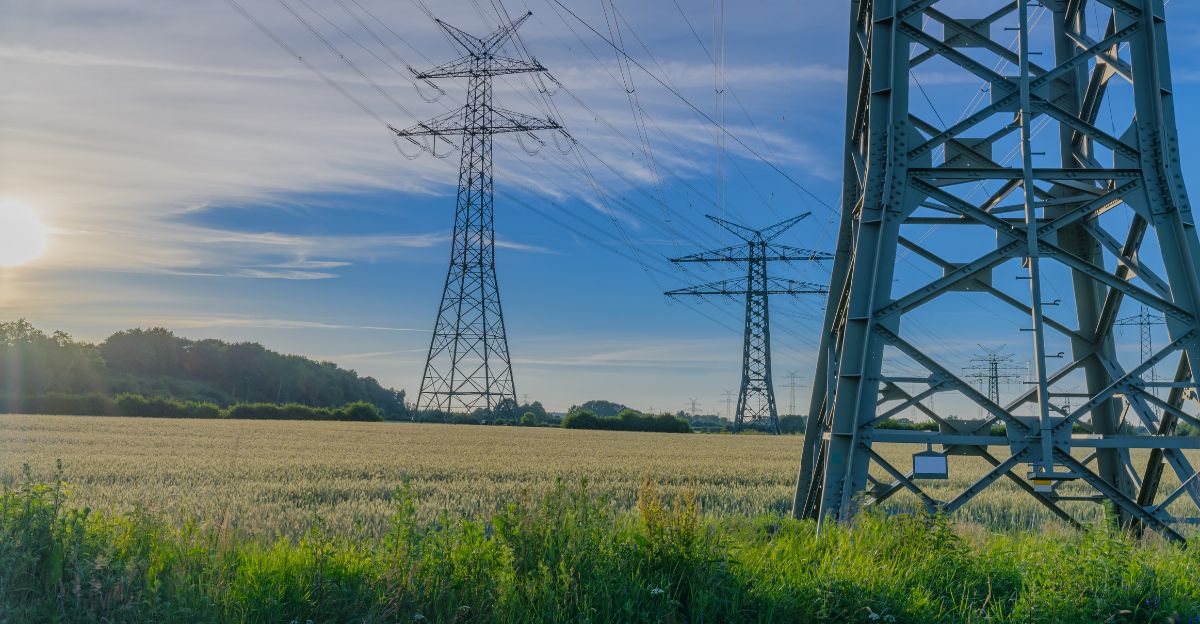
Energy companies improved their systems to handle unexpected heating or cooling needs at any time of year.
Insurance companies updated their risk models, and food supply companies made backup plans in case future cold snaps ruin crops and shake up the food system.
Public Understanding
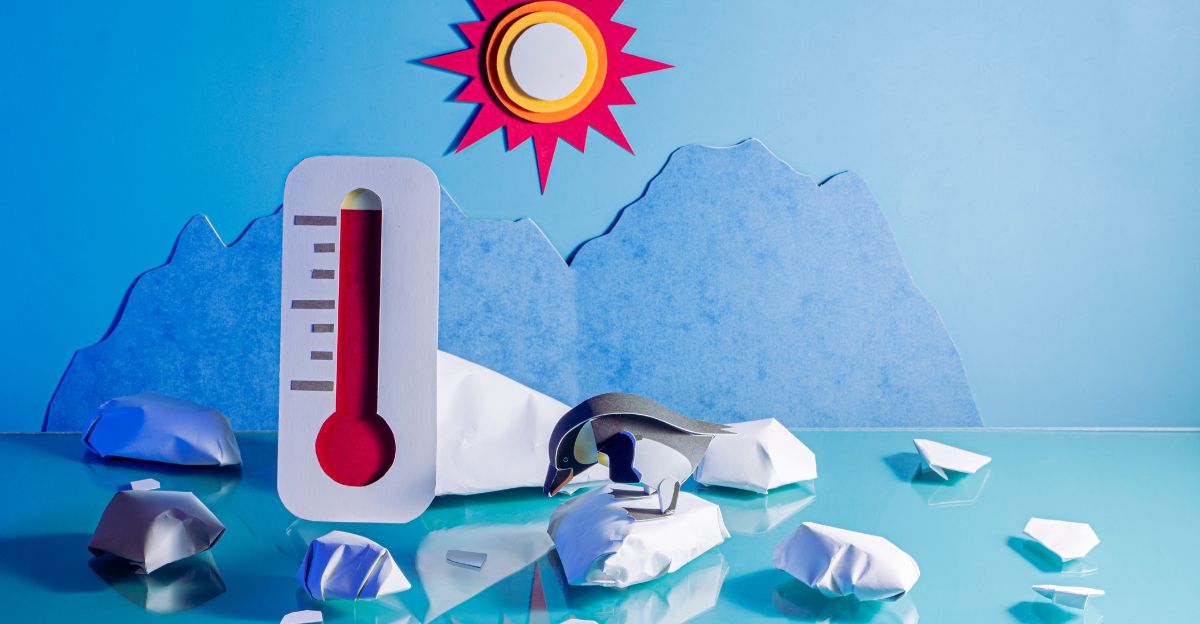
People online noticed the strange weather and began debating what it meant for climate change. Some questioned how the planet could be warming while it was freezing in their backyards.
Scientists explained that warming near the poles paradoxically can make extreme cold events more common elsewhere. Schools and news organizations worked to educate people so they could better understand the complicated link between climate and local weather swings.
Still, many false ideas about climate change spread during the cold snap, showing how much more science communication is needed.
Historical Context
Experts pointed out that the Midwest has had other early-season freeze events, some dating to the 1800s and 1900s, but most families no longer expect such rapid changes.
In 2024, as in past cold snaps, the agricultural economy was hit hard.
Looking back at the records from 1893 and other chilly Septembers helps researchers see what’s new about today’s climate and what goes in cycles. It gives insight into which cold events are part of history and which are becoming more common in a warming world.
The Bottom Line

The September 2024 Arctic cold blast shocked the Midwest with historic records, economic hardship, and new lessons for everyone.
The event showed that, even as the world gets warmer, we can still expect sudden and severe cold events that upend routines and expectations.
Communities, farmers, scientists, and emergency workers all learned that climate change is not just about hotter summers but also about being ready for bigger weather surprises in every season.