It’s 7 p.m., and you’re staring at a pile of takeout containers in your kitchen, feeling the weight of another dinner that’s unhealthy and expensive. You’ve been relying on frozen meals and fast food for months, maybe years, but tonight, something clicks. The thought hits you: Why have I never learned to cook? The answer is simple: no one ever taught you the basics.
But there’s good news: with just a few easy tricks, you can take control of your kitchen and cook your family the best meals you can possibly imagine. Let’s take a look at nine simple cooking hacks that you’ll wish you knew sooner!
1. Ditch the Spatula
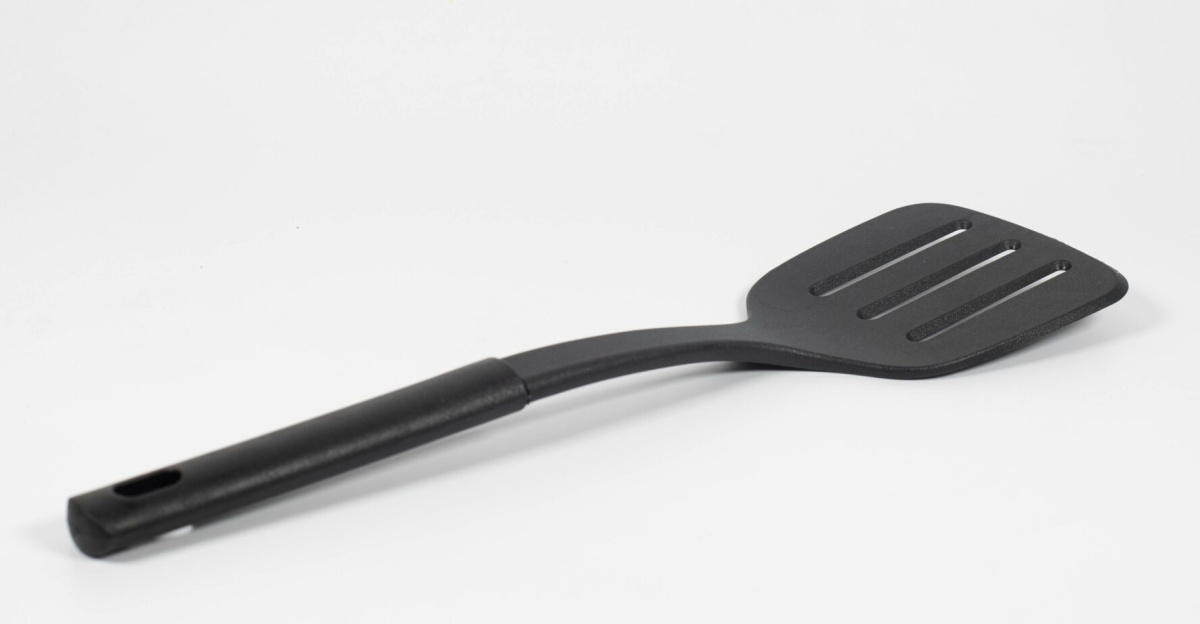
Here’s a shocker: that spatula you use for everything is probably not your best tool. While it works well for flipping eggs and pancakes, there’s a more versatile option for almost every other task in your kitchen.
Once you discover this option, you’ll wonder how you ever managed without it. It’s simple, effective, and will make your time in the kitchen feel a lot smoother. Get ready for a change.
The Game-Changer: Kitchen Tongs
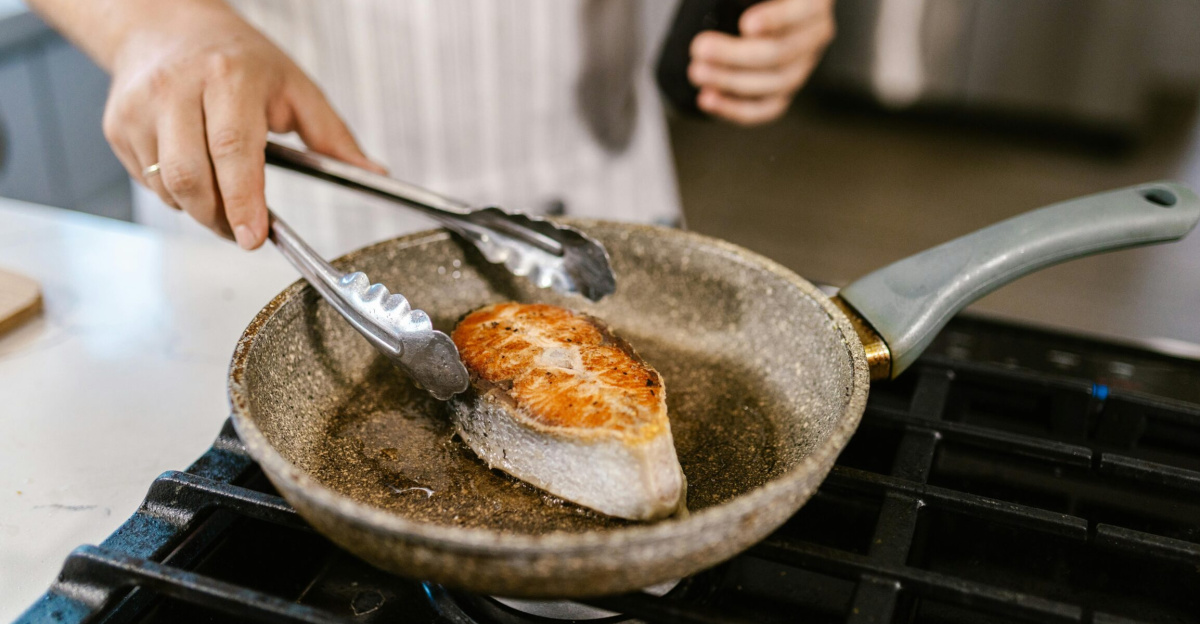
Tongs are one of the best tools you can have in your kitchen. They’re nimble, less awkward than spatulas, and allow you to have more control over what you’re doing while you’re cooking.
You’ll never drop food again when flipping or sautéing things. Plus, they work for everything from turning meat to tossing pasta. You can even buy some nylon-tipped tongs that help protect your non-stick pans. Look for 12-inch tongs to keep your hands safely away from heat while you cook!
2. The Crisper Drawer Lie
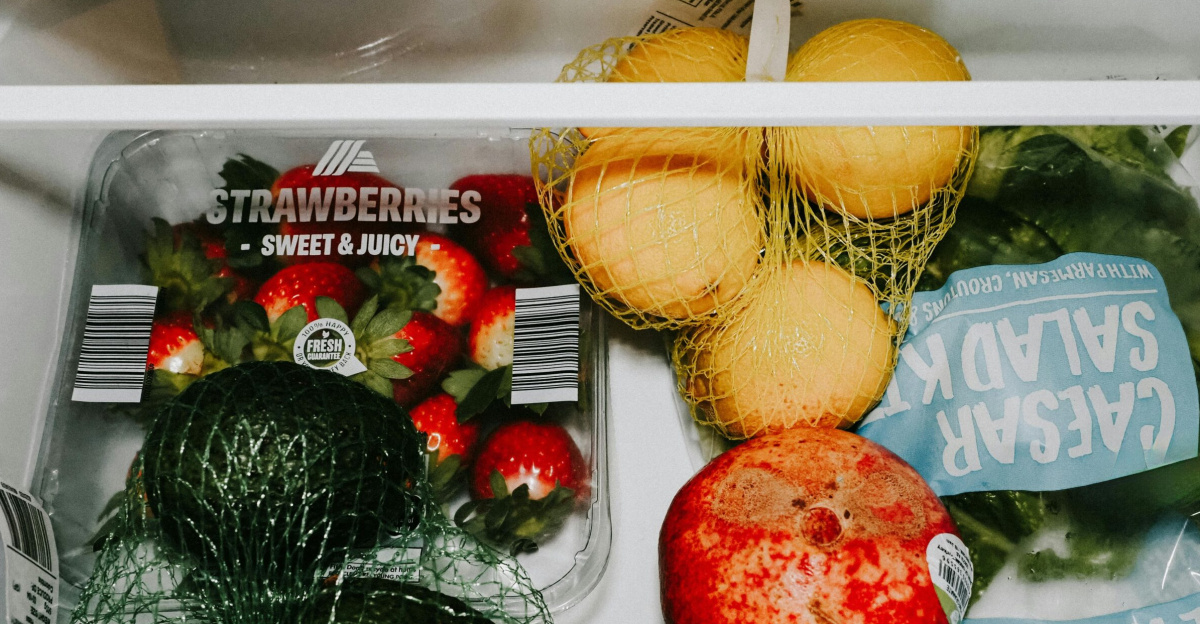
We’ve all bought fresh vegetables or fruits, trusted the crisper drawer to keep them fresh, and then found them wilted or moldy a few days later.
The truth? Your crisper drawer isn’t as effective as it claims to be. Instead of relying on this unreliable feature, there’s an easy solution that’ll save you money and keep your produce fresh for longer. You likely already have it in your kitchen.
The Tupperware Revolution
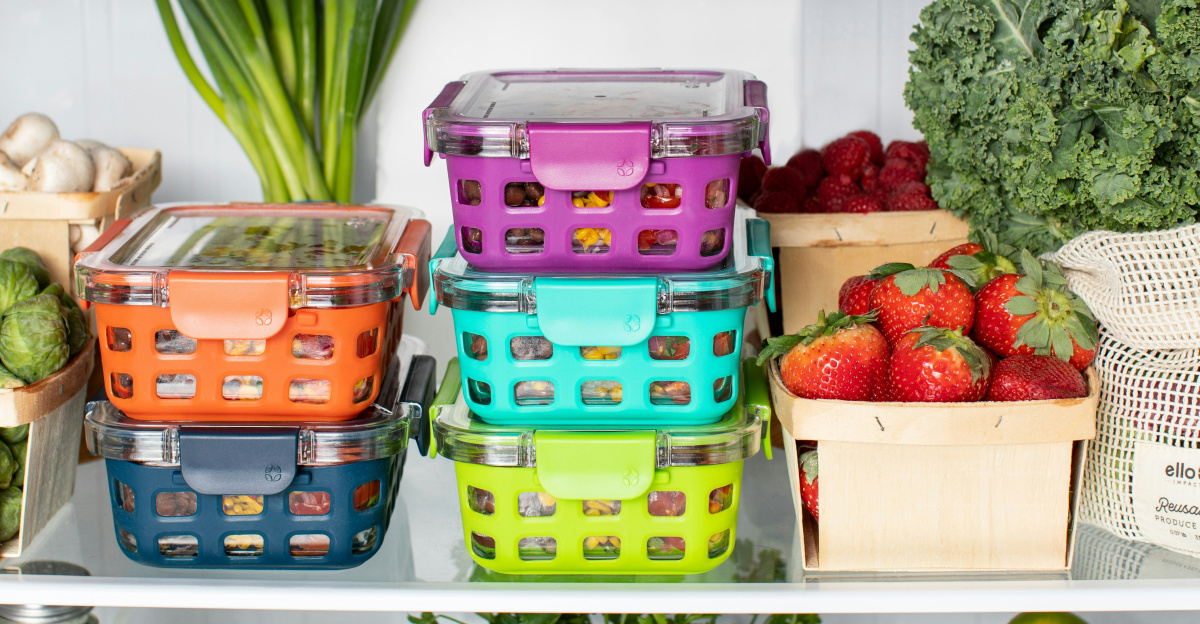
The secret to keeping produce fresh is airtight containers. Storing berries, greens, and cut vegetables in Tupperware prevents moisture loss and protects them from temperature fluctuations.
It’s a simple and effective hack that works way better than relying on the crisper drawer. Plus, reusable containers are more eco-friendly than plastic wrap, which saves you money and reduces waste.
3. The Garlic Press Mistake
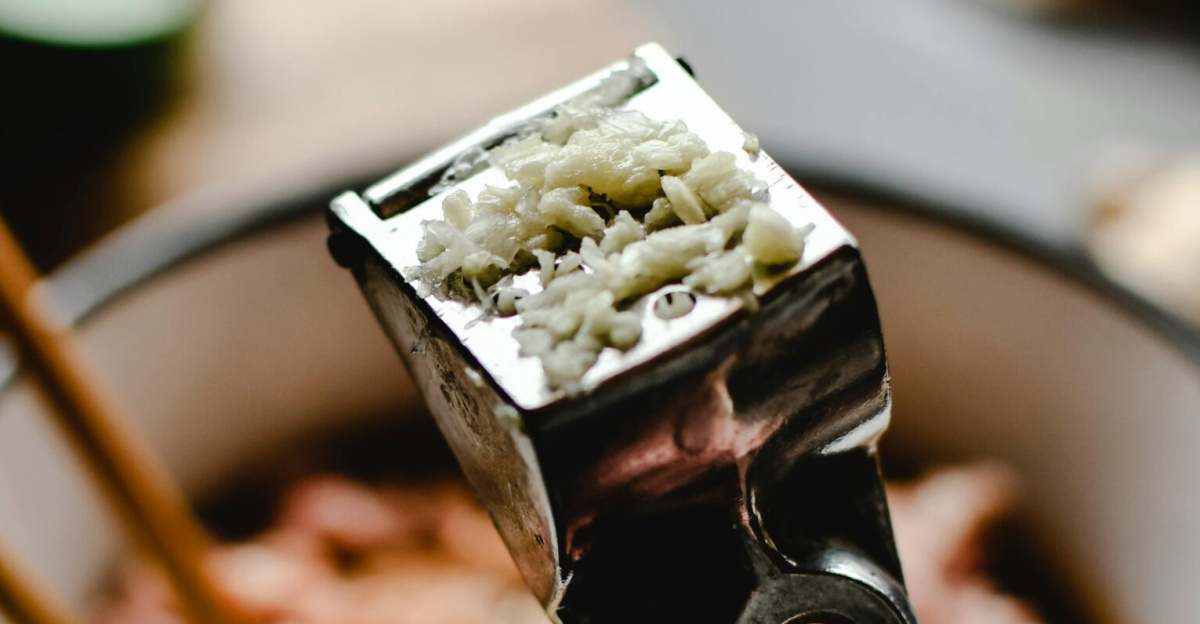
Still struggling with that garlic press that’s so hard to clean? Or peeling garlic cloves one by one, wasting precious time?
It’s time to ditch those annoying techniques and learn a faster, simpler method. This easy hack will make garlic prep feel like a breeze, saving you time and eliminating that messy, stubborn garlic press. Once you try this simple hack, you’ll never look back.
The 10-Second Garlic Hack
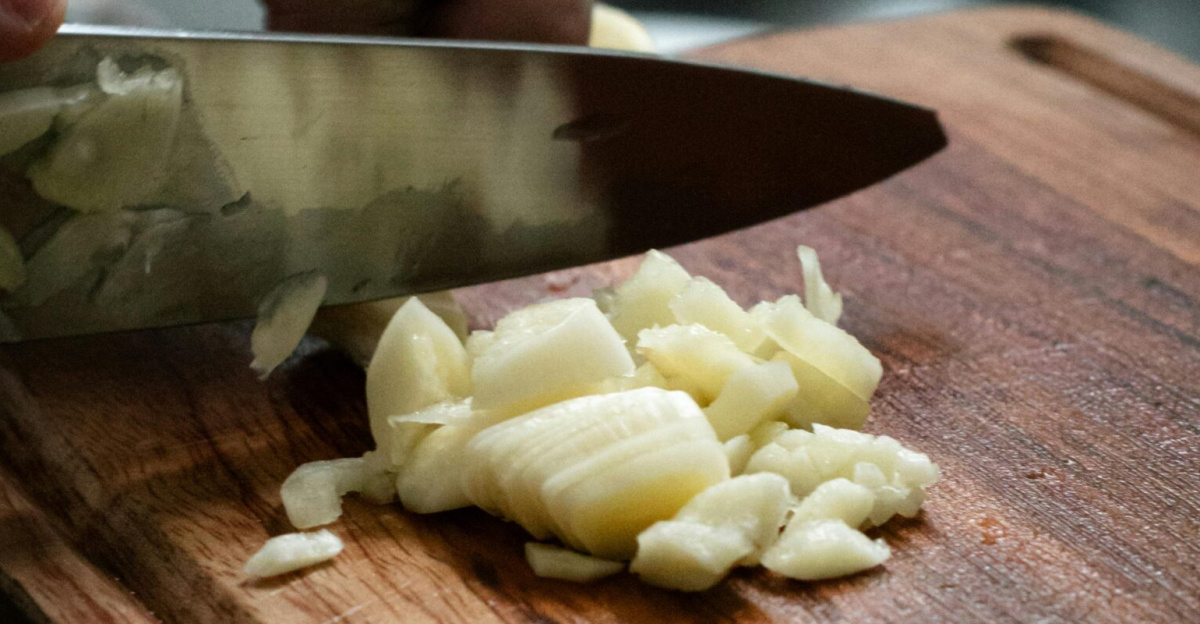
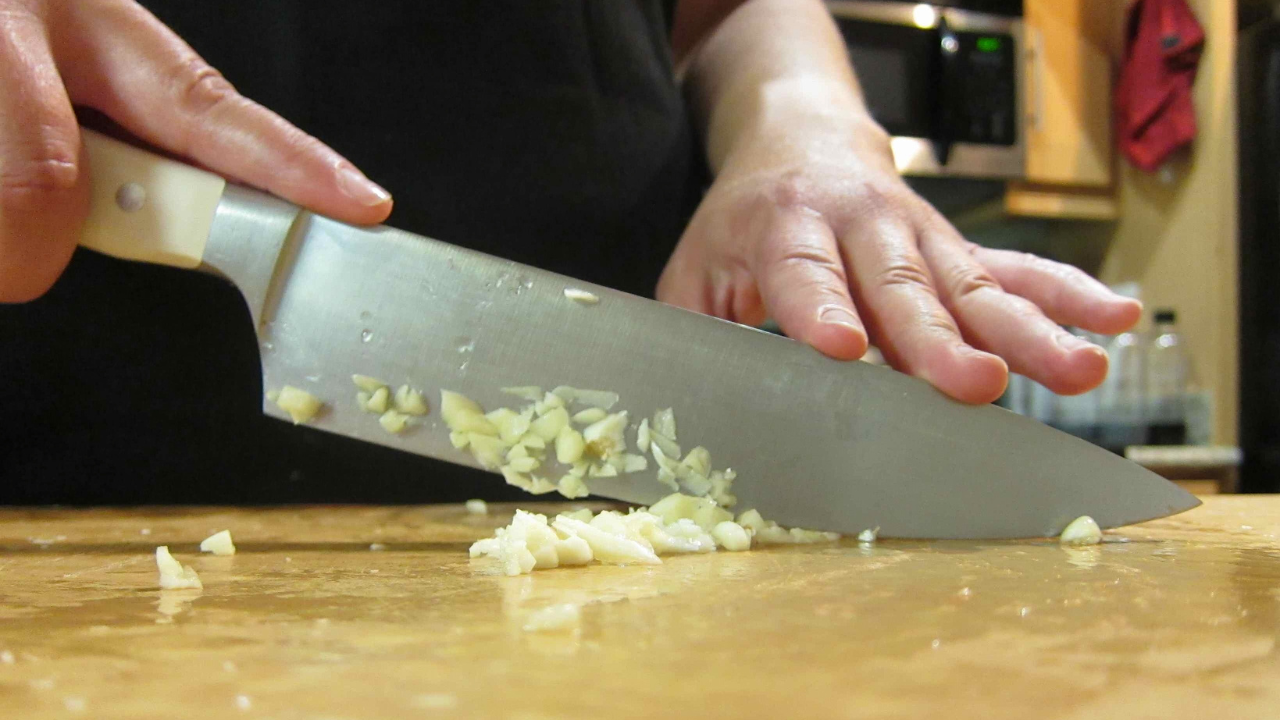
Instead of using a garlic press, place a garlic clove on your cutting board and give it a firm smash with the flat side of a chef’s knife.
The skin will fall off immediately, leaving you with perfectly peeled garlic. Now you can mince it in about 10 seconds with the knife, and you won’t have to worry about cleaning the press. It’s quick, efficient, and it doesn’t leave behind a huge mess.
4. You Need TWO Cutting Boards
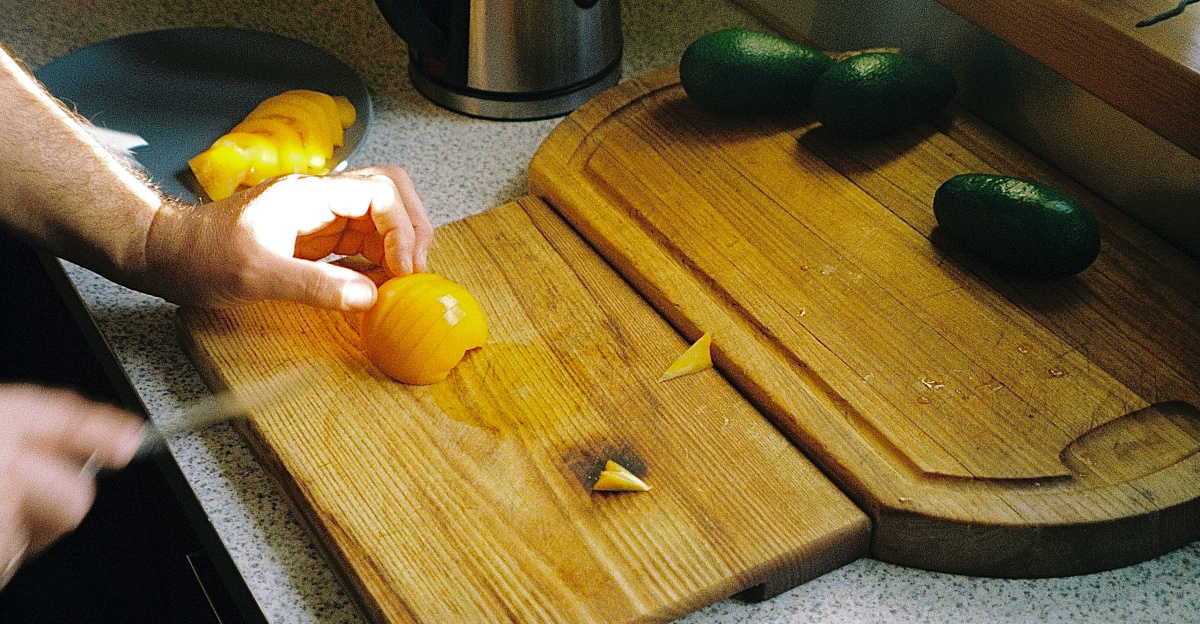
Here’s a hack you might initially question: get two cutting boards. One for garlic, onions, and other strong flavors, and one for fruits, cheeses, or delicate ingredients.
Why? Cutting boards absorb flavors, and using the same one for everything can lead to unexpected flavor contamination. Imagine cutting strawberries on a board that just had onions on it. Not ideal, right? Keep your flavors pure by separating your boards.
The “No Garlic Zone” Board
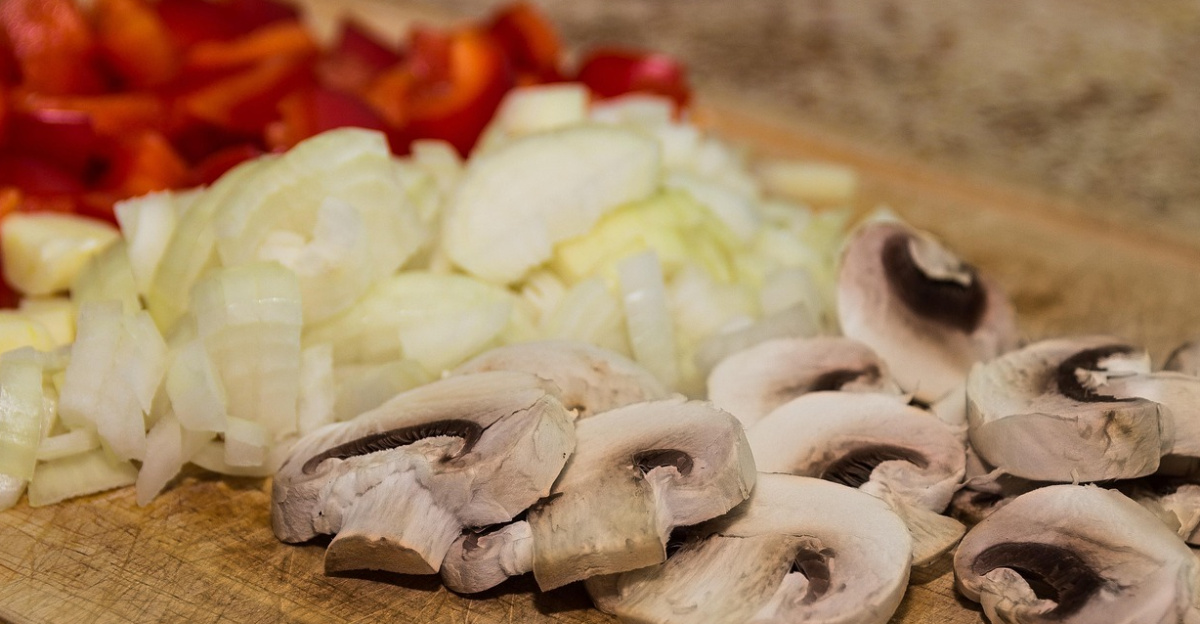
Designate a cutting board exclusively for foods that don’t need garlic or onion flavor contamination. Fruits, cheeses, and delicate vegetables all need a separate, dedicated cutting board. This is a small investment that makes a huge difference in what your food tastes like.
This way, you won’t constantly be wondering why your fruit tastes so weird. A simple board keeps your meals tasting just like they should: fresh, clean, and perfectly balanced.
5. Dried Herbs Are Dead Herbs
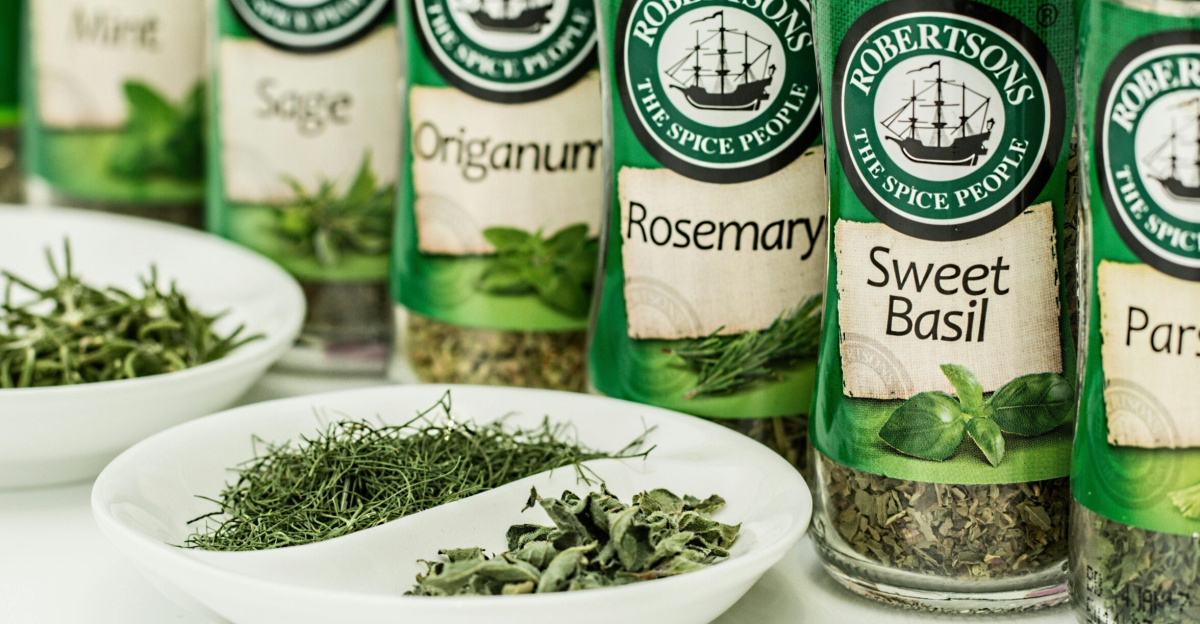
That jar of dried basil or oregano sitting in your cupboard? Chances are, it’s not adding much flavor to your meals. Dried herbs lose their potency quickly and basically become flavorless dust.
Sure, dried oregano still works for some dishes, but most herbs, especially the green ones, should be fresh. This simple switch will instantly upgrade your meals with better flavors and aromas that you won’t get from dried herbs.
Go Fresh with Green Herbs
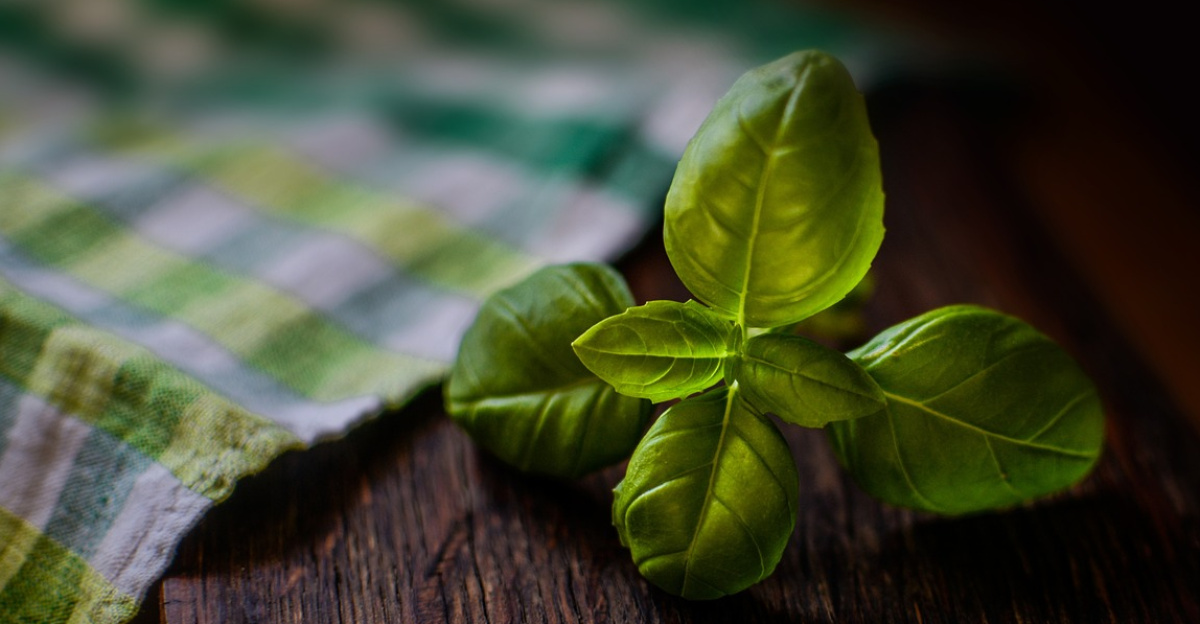
Fresh herbs like basil, cilantro, parsley, and thyme bring a whole new level of flavor to your dishes. Dried versions don’t compare, as they lose their aroma and taste after a short amount of time.
You can keep fresh herbs in your fridge and use them to elevate any meal. It’s a quick, affordable way to make a massive difference in the outcome of your cooking.
6. Your Spice Rack Is Ruining Your Food
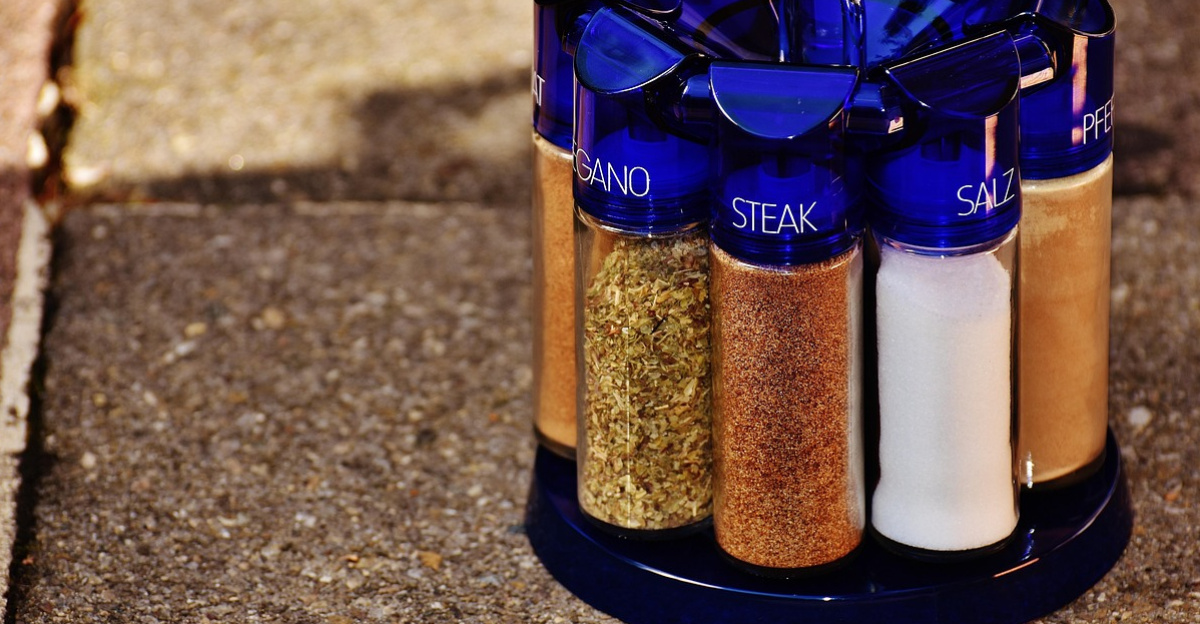
Pre-filled spice racks might look beautiful on your counter, but they’re a culinary mistake. Spices degrade over time, and the ones sitting in your rack likely lost their flavor months ago.
That cinnamon stick? Dull. Your curry powder? Lost its punch. Instead of buying those pre-made racks, buy your spices in smaller quantities. This ensures you’re always using potent, flavorful spices in your cooking.
The Strategic Spice Method
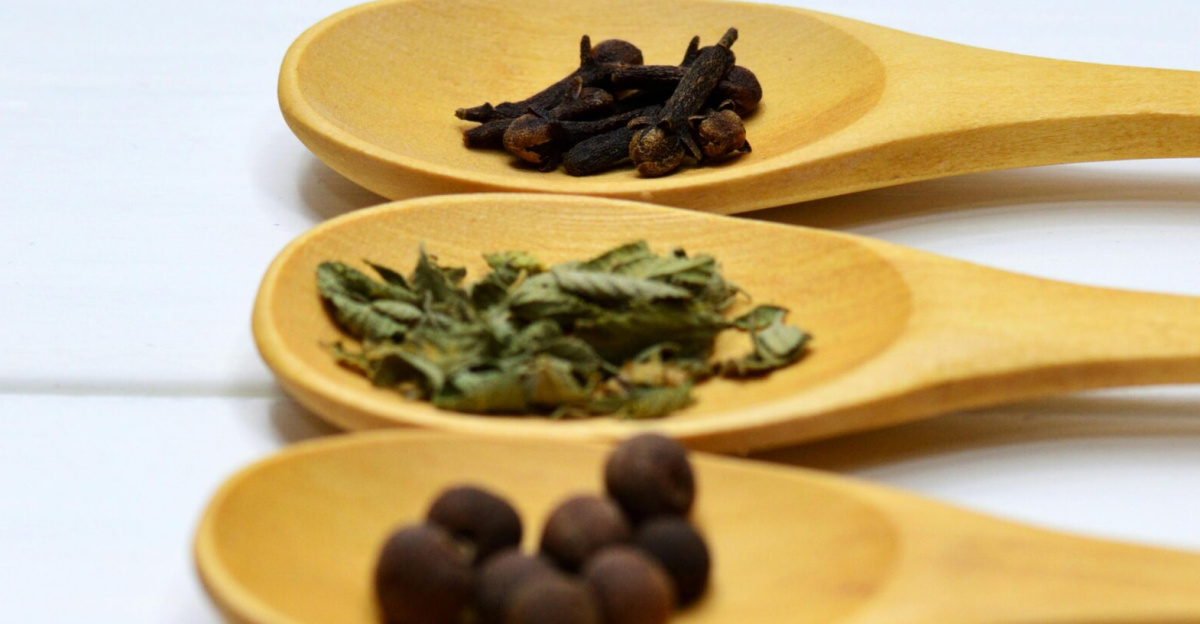
Instead of investing in a pre-filled spice rack, buy your spices as needed. This reduces waste, keeps your cabinet organized, and ensures your spices are fresh when you use them.
Ground spices, like cinnamon and cumin, are especially vulnerable to going stale. Buying them fresh, as needed, ensures their flavor is always at its peak, making your food taste better without cluttering your kitchen.
7. Overcooking Is the Silent Killer
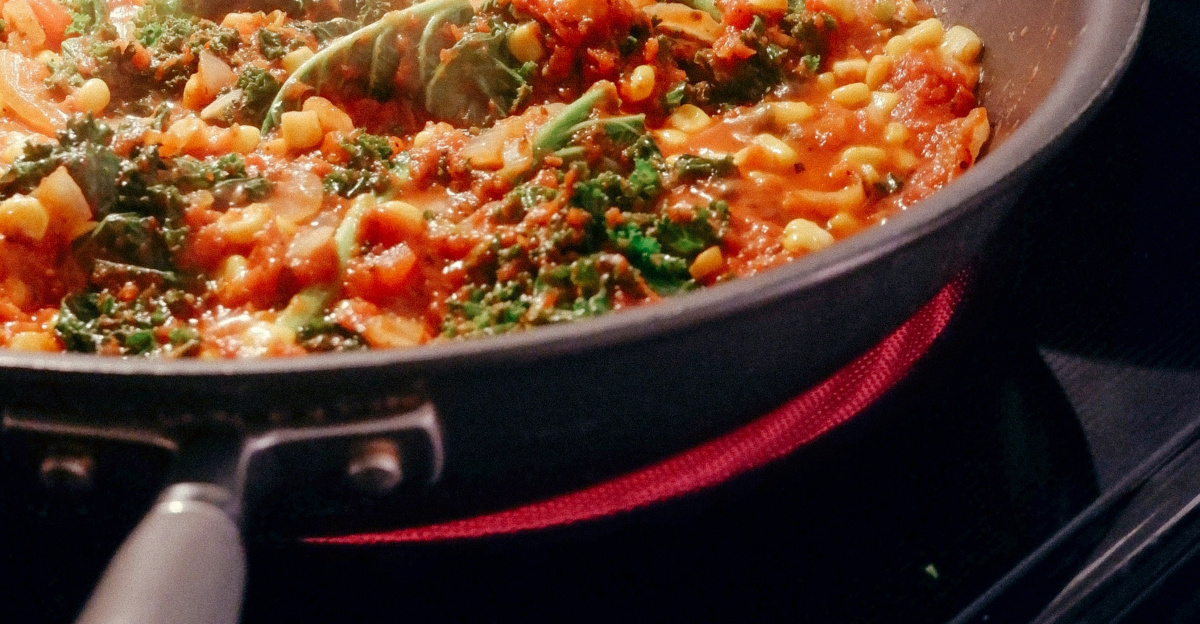
Overcooking your food is the silent destroyer of meals. Whether it’s vegetables that become mushy, meats that dry out, or grains that become soggy, overcooking ruins dishes before you even realize it.
It’s a mistake that happens so often because we’re taught to cook everything until it’s “done.” But the secret is to undercook your food slightly and let residual heat finish the job. It’s a simple trick that will make your food taste so much better.
Master the Art of “Almost Done”
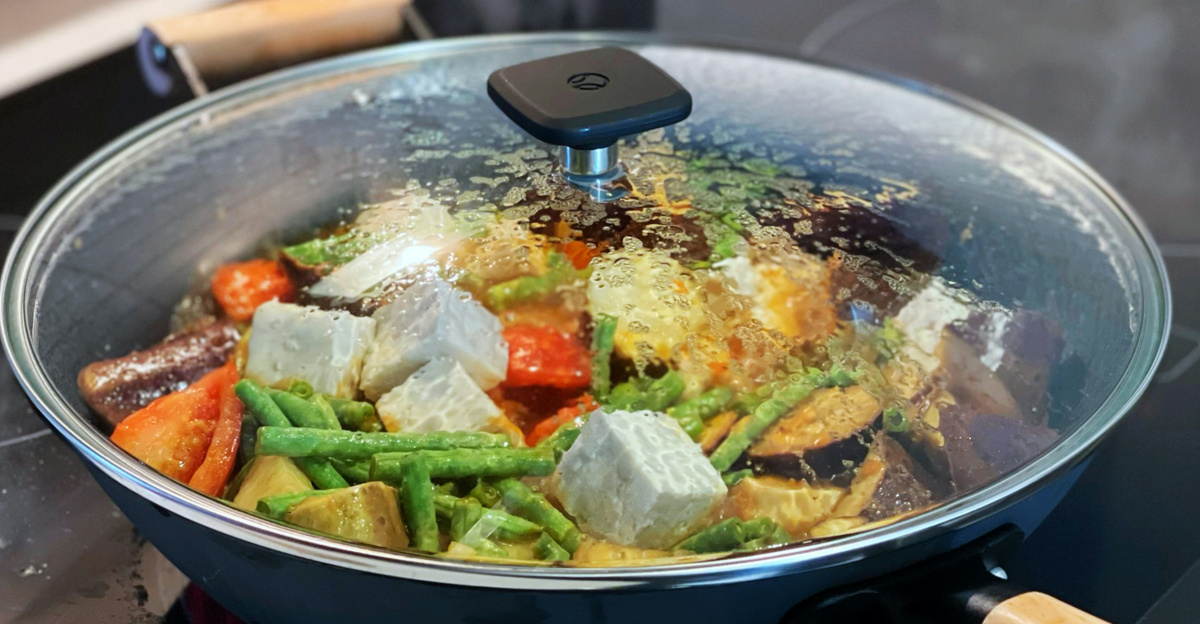
Pull your food off the heat just before it’s fully cooked. This allows the residual heat to continue cooking it. This is called carryover cooking, and it’s a pro trick.
Chicken, vegetables, and even rice all benefit from this method. You’ll avoid the dry, overcooked disasters that happen when you leave food on the heat too long.
8. Your Food Isn’t Bad—It Just Needs Seasoning
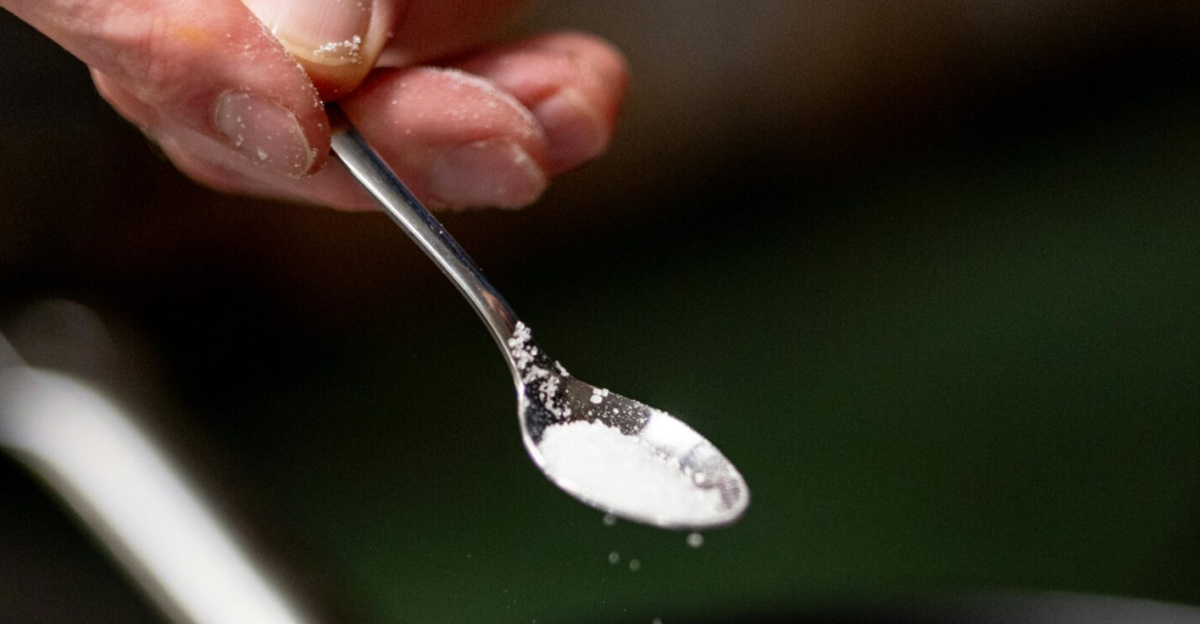
Sometimes your dish tastes “okay,” but not great. Don’t throw it away just yet. The problem isn’t the recipe or the technique; it’s likely that your dish is missing one crucial element: seasoning. Salt is the most common culprit.
Many home cooks skip it or use too little. But just a little bit of salt can make all the difference between a good dish and a great one. Give it a try.
Rescue Your Meal with Salt, Acid, and Fat
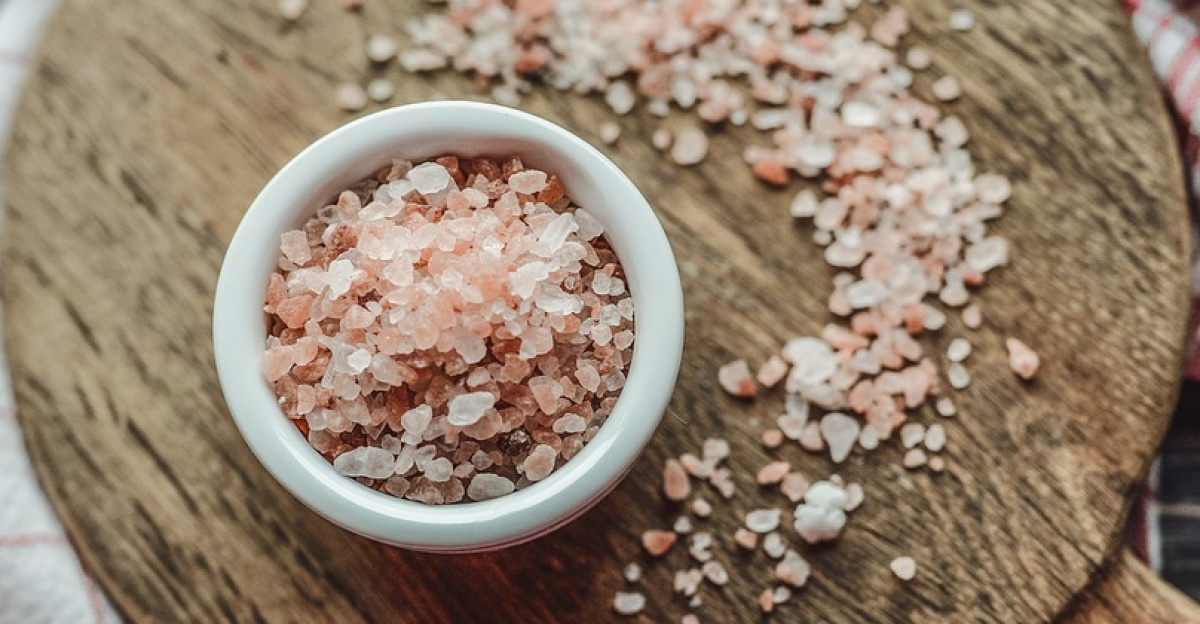
If your food tastes bland, first try adding salt. It’s the easiest and most effective way to enhance flavor. If it still feels off, add a splash of vinegar or lemon juice to add brightness.
Finally, finish with a touch of olive oil or butter to bring richness to the dish. These three ingredients are the foundation of professional-level flavor building. Don’t skip them.
9. Stop Buying the Wrong Onions
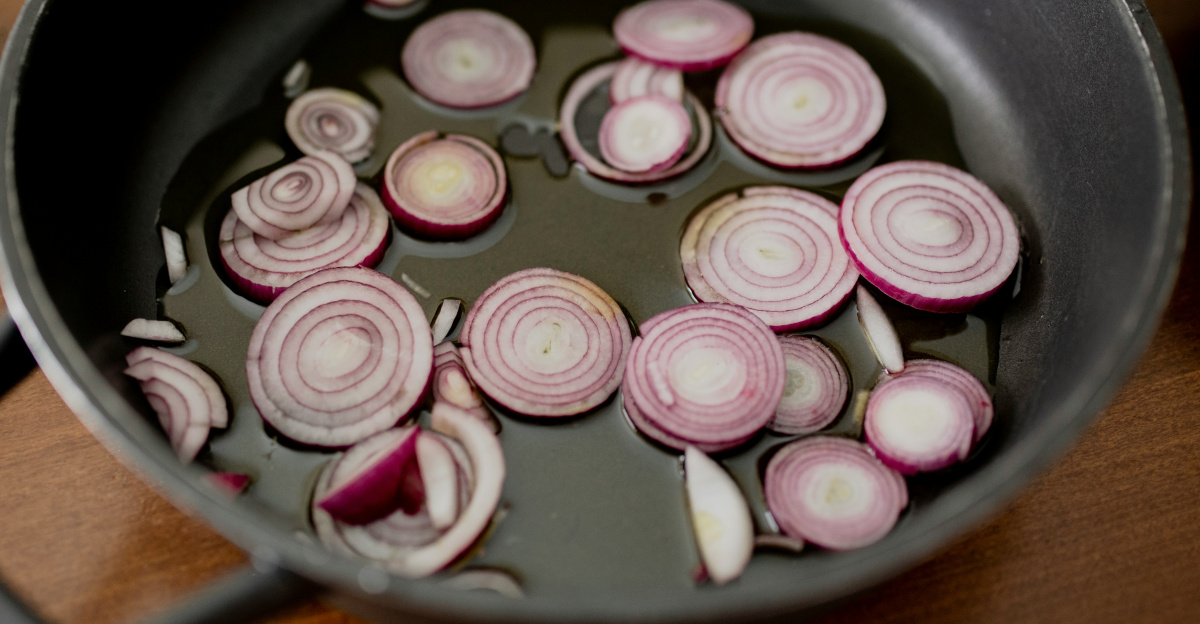
Yellow onions are the staple of most kitchens, but they can be overpowering in delicate dishes. If you’re using them in everything, you’re missing out on the subtle, complex flavors that shallots and leeks offer.
These gentler alliums add sophistication to your meals without overwhelming them. They’re perfect for everyday cooking, and making the switch will give your dishes a more refined taste. It’s a small change with big results.
The Shallot and Leek Advantage
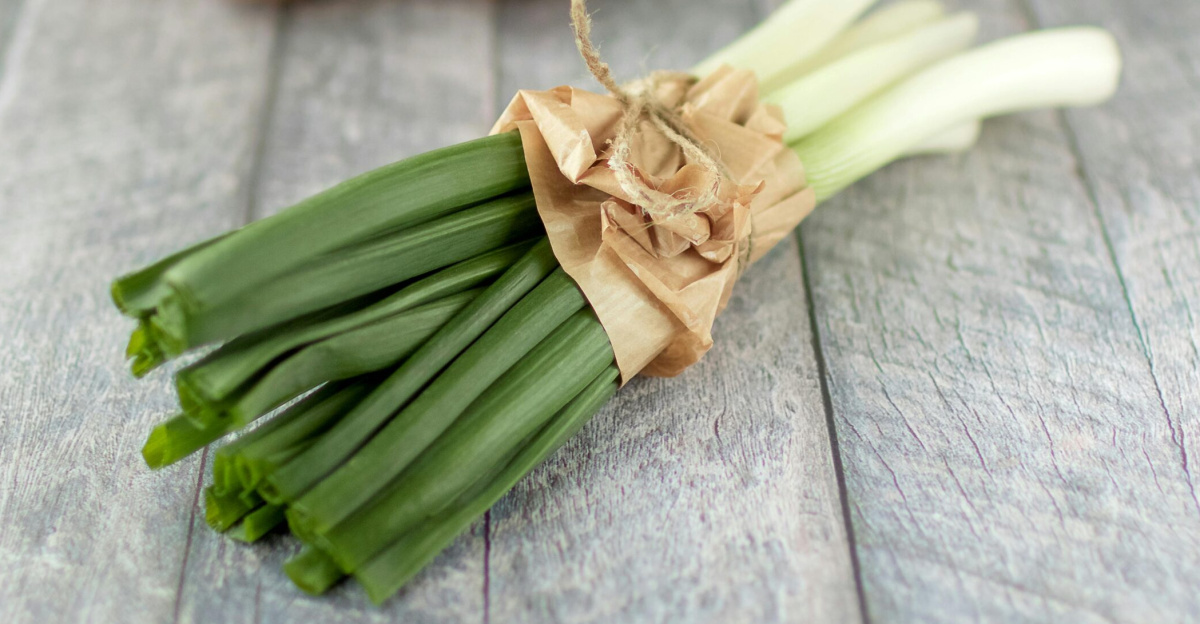
Shallots and leeks provide a delicate, sweet onion flavor without the sharp bite that yellow onions bring. Shallots have a subtle garlic-like flavor, while leeks bring an understated onion taste.
These varieties are perfect for dishes where you don’t want the onion flavor to dominate. Switch to these more nuanced alliums for a more balanced, complex flavor profile in everything from salads to soups.
Bonus Hack: Your Fridge Is Killing Your Fruit
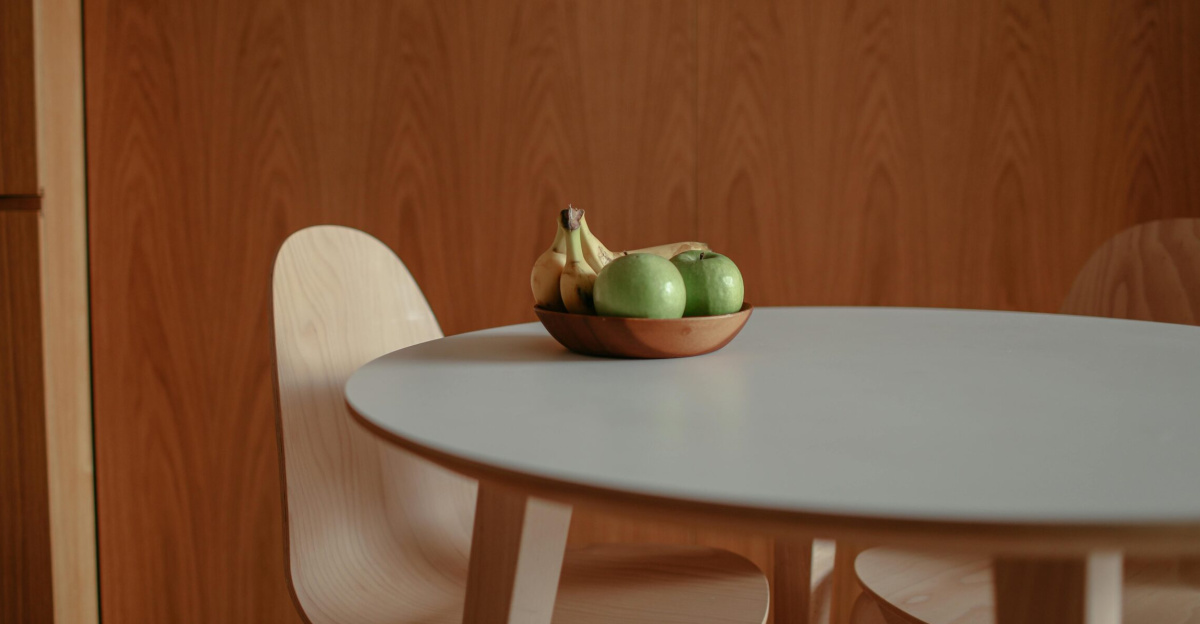
That fruit bowl you stored in the fridge to keep it fresh? It’s likely losing flavor. Most fruits, except berries, actually taste better when kept at room temperature.
Apples, pears, and bananas lose their full flavor potential in the cold. Keep them on the counter if you want them to be really tasty. Only refrigerate them if you’re not eating them soon or live in a hot climate.
Sources:
“Salt, Fat, Acid, Heat: Mastering the Elements of Good Cooking.” Samin Nosrat, Simon & Schuster, 2017.
“How to Store Fresh Produce: Storage Tips To Last Longer.” Markets at Shrewsbury, Dec 2024.
“Fresh herbs, dried herbs, which to use when, and why.” Jill Hough, Aug 2025.
“I Tried 4 Garlic-Peeling Hacks and This Was the Winner.” Real Simple, Oct 2025.