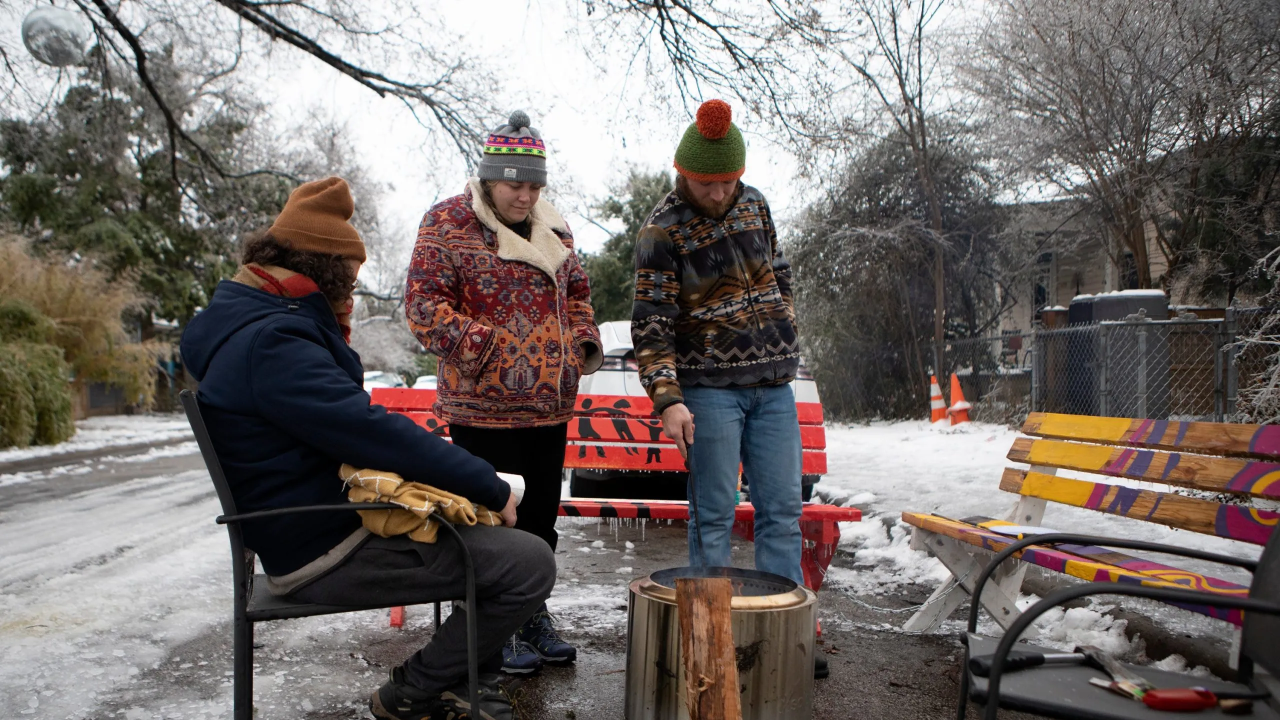
Winter Storm Fern gripped Texas with wind chills dropping to minus 12 degrees Fahrenheit in the Dallas-Fort Worth area, single-digit highs forecast statewide through Tuesday, and electricity demand surging as heaters activated across homes and businesses.
ERCOT, the grid operator for nearly 26 million Texans, monitored reserve margins closely as usage neared critical levels. Historical patterns indicated demand rises by about 50 megawatts for every one-degree temperature drop, pushing projections toward peaks last seen in the 2021 winter crisis that caused hundreds of deaths and over $130 billion in damages.
Demand Spike Challenges
The Arctic blast intensified electricity use among major consumers, placing ERCOT under intense scrutiny. Officials anticipated potential disruptions that could lead to blackouts, echoing vulnerabilities exposed in prior events. Texas’s deregulated power market, established in the late 1990s to favor low costs, operates independently with limited federal oversight, a setup efficient in normal conditions but prone to failures during extremes.
Lessons from 2021 lingered unresolved. That year’s failures—frozen power plants, iced natural gas pipelines—prompted reform promises, yet improvements remained piecemeal. Backup capacity and winterization efforts fell short of expert recommendations, setting the stage for this new test.
Unlocking Hidden Reserves
Amid dire forecasts, attention turned to roughly 35 gigawatts of idle backup generators nationwide, held by data centers, hospitals, and industrial sites. These could stabilize grids in emergencies but sat unused due to unclear federal authority for grid operators to mandate activation. As the storm loomed, Washington officials considered tapping this resource.
On Saturday, January 25, 2026, U.S. Energy Secretary Chris Wright invoked Section 202(c) of the Federal Power Act, a rare emergency power. The order allowed ERCOT to direct large users, mainly data centers and industrial facilities, to switch to onsite backups, preserving grid power for homes and essentials. Wright stated, “The Trump administration is committed to unleashing all available power generation needed to keep Americans safe during Winter Storm Fern.” The measure asserted federal influence over Texas’s independent grid and stayed in effect through Tuesday.
Outages and Human Toll
Despite interventions, over 83,000 Texans lost power by Sunday afternoon, concentrated in East Texas where ice and wind battered aging infrastructure. Utility crews battled hazardous roads and freezing conditions to repair lines and poles. Unlike 2021’s multi-day statewide failures affecting millions, these remained localized.
Residents faced real hardships: families bundled in coats indoors, some idling cars in garages despite carbon monoxide risks, others seeking shelter with powered neighbors. Hospitals and dialysis centers, exempt from the order, managed patient care amid stress. Elderly in nursing homes activated emergency plans, while rural patients drove hours to powered clinics.
Tech’s Role in the Crisis
Data centers from Amazon, Google, Microsoft, Meta, and others—consuming 20-25% of ERCOT’s electricity, a share nearly doubled in five years—became focal points. These facilities, drawn to Texas by cheap power and light regulation, could shift to diesel and natural gas backups under the order. Companies complied quietly, though the federal directive sparked debate on private infrastructure’s role in public emergencies.
The move highlighted a paradox: digital infrastructure essential to modern life strained the grid during crises, prioritizing cloud and AI over basic heating needs.
Grid Stability and Future Stakes
By Tuesday evening, as temperatures rose above freezing, ERCOT avoided emergency level 3 alerts or rolling blackouts. Backup generators saw minimal activation, suggesting the order’s threat deterred peaks. Crews restored power to remaining outages by Wednesday afternoon.
Relief mixed with caution. Analysts noted the storm’s severity fell short of prolonged extremes; wind generation underperformed, natural gas winterization lagged, and renewables’ winter reliability stayed uncertain. ERCOT’s post-2021 investments added capacity but faced criticism for insufficient progress.
The event tested federal intervention’s viability, with other regions like California and the Mid-Atlantic eyeing similar powers. Debates intensified over ERCOT’s independence versus federal oversight, deregulation’s flaws, and resilience costs. Texas’s grid held narrowly, but enduring solutions—new gas plants, renewables with storage, or policy shifts—remain divisive. Balancing cheap energy with weather-proof reliability will define the state’s, and nation’s, energy path amid intensifying storms.
Sources
Bloomberg – “US Declares Power Emergency in Texas as Storm Boosts Demand”
Fox 4 News – “Texas winter storm: Energy emergency declared to keep ERCOT grid stable”
Texas Tribune – “Live winter storm updates: Texas power grid remains stable”
U.S. Department of Energy – “Energy Secretary Issues Emergency Order to Secure Texas Grid Amid Winter Storm Fern”
U.S. Department of Energy – “Energy Secretary Prepares to Unleash Backup Generation Ahead Winter Storm Fern”
Click2Houston (KPRC 2) – “U.S. Department of Energy issues emergency order for backup resources”