
Winter Storm Fern battered the Eastern U.S. from January 24-25, 2026, triggering widespread power plant failures across PJM’s grid, impacting 67 million people in 13 states.
The storm caused the forced shutdown of 21 GW of generation, prompting PJM to issue a pre-emergency order, asking customers to reduce electricity use through Tuesday.
Frigid Cold and Fuel Crunch Spark Grid Crisis
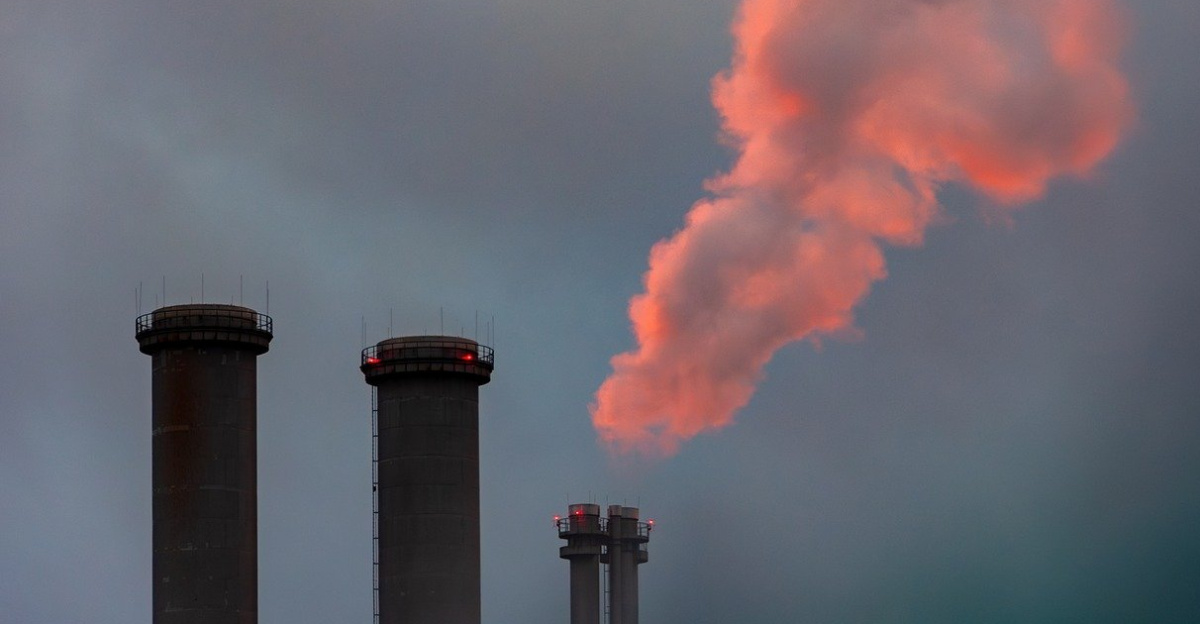
Extreme cold from Winter Storm Fern severely constricted natural gas supplies, creating a 10% production shortfall by January 25.
Power plant failures in PJM, ISO New England, and ERCOT were exacerbated by freeze-offs, and prices soared to $1,800/MWh in Virginia, as data center loads pushed the grid to its limits.
Consumers Face Widespread Blackouts in Eight States
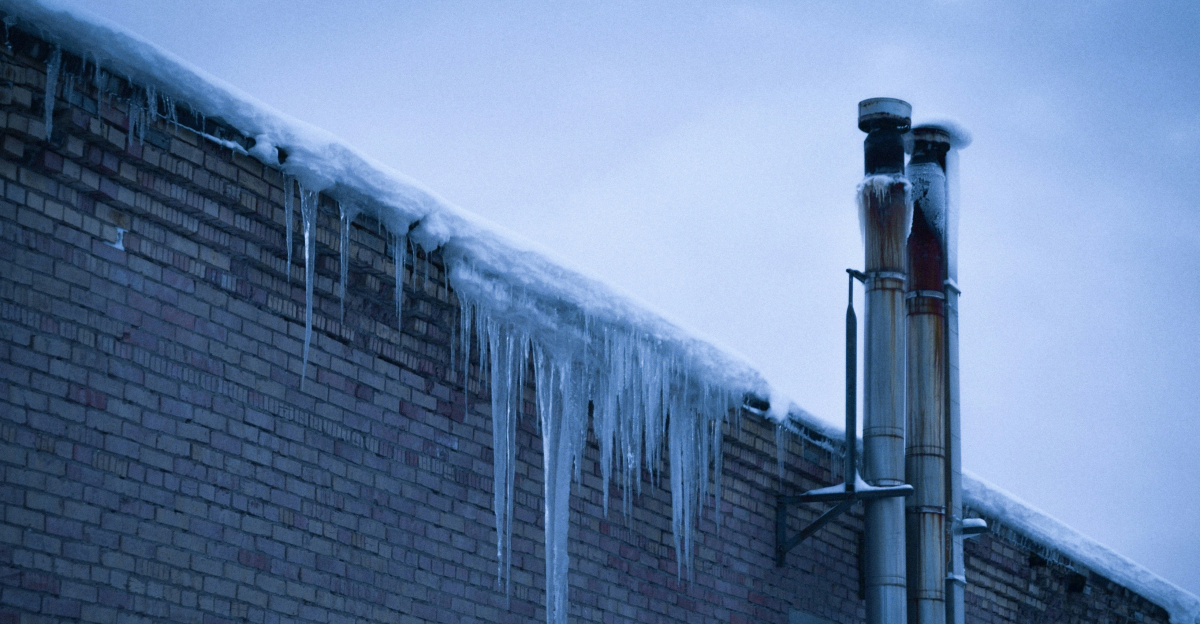
On January 25, nearly 1 million customers were without power across eight states, including Tennessee, Texas, Mississippi, and Virginia.
Tennessee was hit hardest, with ice-damaged lines causing prolonged outages and dangerously low temperatures, creating significant risks of hypothermia, especially for vulnerable populations.
Utilities Activate Emergency Measures and Demand Response
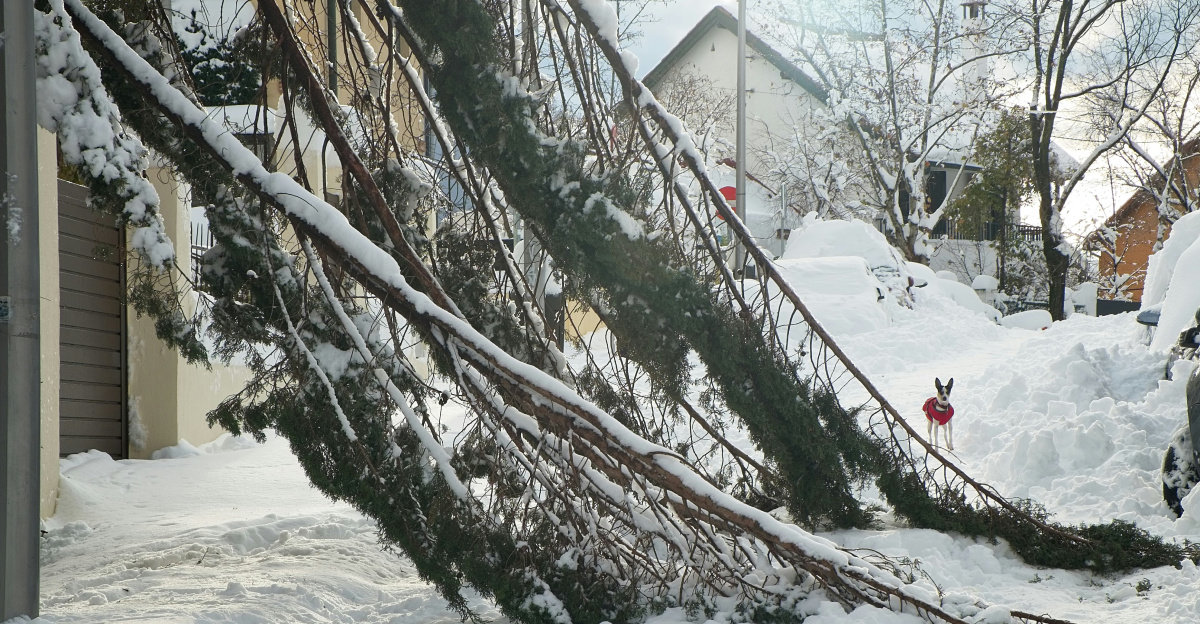
In response to the power crisis, PJM activated emergency demand response measures, curbing electricity use for utilities like BGE, Pepco, and Dominion.
Meanwhile, ISO New England shifted more generation to oil-fired plants, and ERCOT predicted peak demand near 84 GW, signaling the stress of rising data center demands.
Oil and Backup Generators Fill Gas Shortfall Gaps
With gas supply shortages, ISO New England and Virginia relied on oil-fired generation to maintain grid stability.
In Virginia, data centers switched to backup generators, highlighting the grid’s vulnerability to extreme cold and the difficulties of maintaining sufficient backup capacity in winter conditions.
Gas Price Surge Ripples to Neighboring Markets
The storm’s impact extended beyond the Eastern U.S., driving natural gas prices up sharply across several regions.
As gas production faced disruptions, neighboring markets like MISO South saw outages, and prices surged, creating an economic ripple that affected heating and manufacturing costs throughout the Northeast and Midwest.
Workers Battle Ice in Rural Restoration Efforts
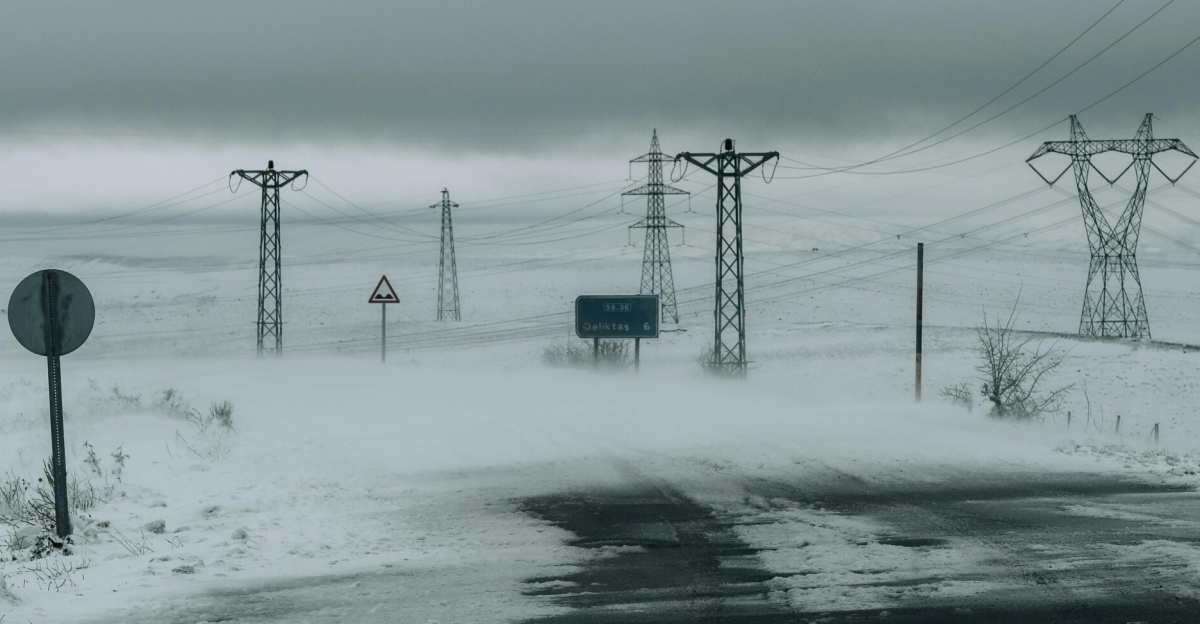
Power restoration crews faced significant challenges in rural areas, especially in Georgia and Tennessee, where icy conditions caused major delays.
Line crews battled through frigid conditions to repair damaged power lines, with some areas, like Atlanta, seeing restoration delays as high as 70,000 customers without power.
DOE and FERC Step In with Emergency Directives
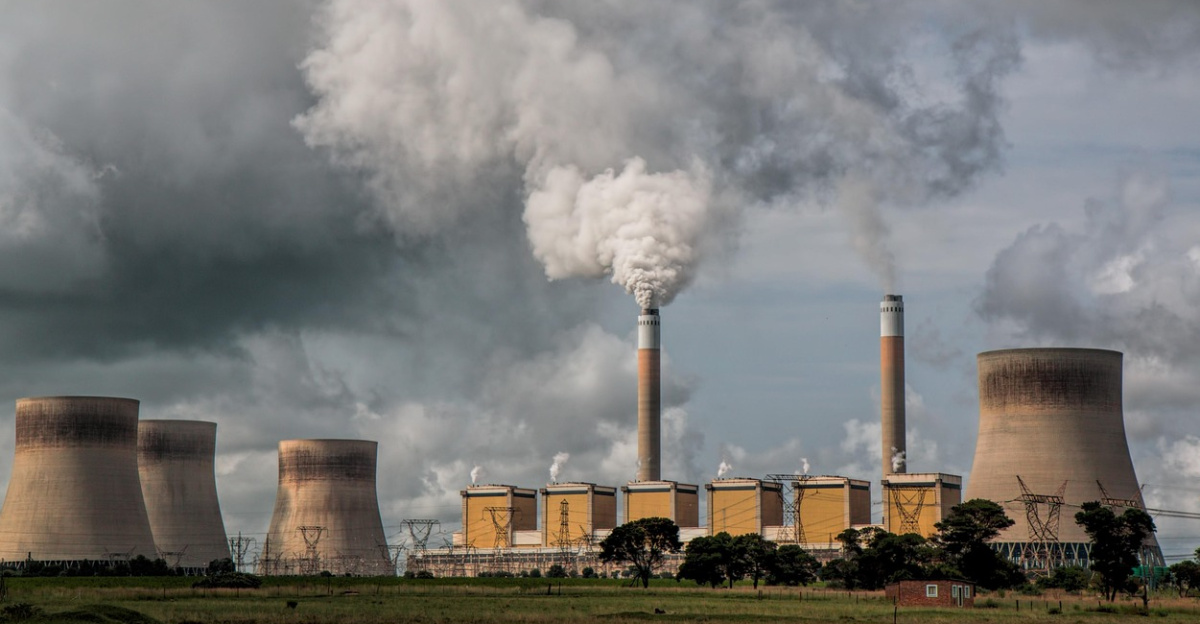
The U.S. Department of Energy issued emergency orders under Section 202(c) on January 22-26, allowing data centers and utilities to operate backup generation despite pollution limitations.
These measures were taken to alleviate grid pressure, especially in PJM and New England, as PJM warned of ongoing stress until February 1.
Wholesale Prices Soar, Fueling Inflation Pressures
The surge in wholesale electricity prices reached $1,800/MWh outside Washington, D.C. on January 25. Prices skyrocketed due to massive generation outages and record high demand.
The economic impact is already rippling into utility bills and manufacturing costs, exacerbating inflationary pressures in the affected regions.
Families Adapt with Heat Loss and Health Alerts

As outages extended into the night, many Southern residents had to adjust, relying on batteries and carefully managing indoor generators.
Authorities warned of health risks like hypothermia and advised people to charge medical devices and monitor outage maps. Prolonged outages in Tennessee and Mississippi added to the strain on families already enduring the cold.
Storm Fuels Debate on Grid Winterization Needs
Fern’s impact underscored the need for better winterization in Southern power plants.
Experts are questioning whether current infrastructure, which is often optimized for summer conditions, is adequate to handle the demands of winter, especially with the increasing load from growing data center facilities.
Global Eyes U.S. Energy Wobbles for Supply Chains
The grid’s instability caught the attention of international markets, particularly European buyers who faced rising LNG prices due to diverted U.S. supplies.
Asia, with its reliance on U.S. tech hubs, is closely monitoring the situation, as any extended strain on Virginia’s data centers could delay AI and manufacturing projects worldwide.
Data Centers Emerge as Significant Load Driver
Virginia’s data centers are playing a significant role in the grid’s strain, driving up peak demand during winter’s worst weather.
With rising energy consumption and the retirement of coal plants, PJM’s grid margins have become tighter, and its reliance on oil plants and backup generators has increased.
Markets Bet on Cold Snap; Conserve Now
Weather forecasts predict continued cold through early February, which could push demand to new record highs.
PJM urges consumers to conserve energy and prepare emergency kits as the storm causes delays in rural restoration efforts. Historical data shows that rural areas often experience power restoration delays after major winter storms.
Lingering Cold Sets Stage for Record Demand Test
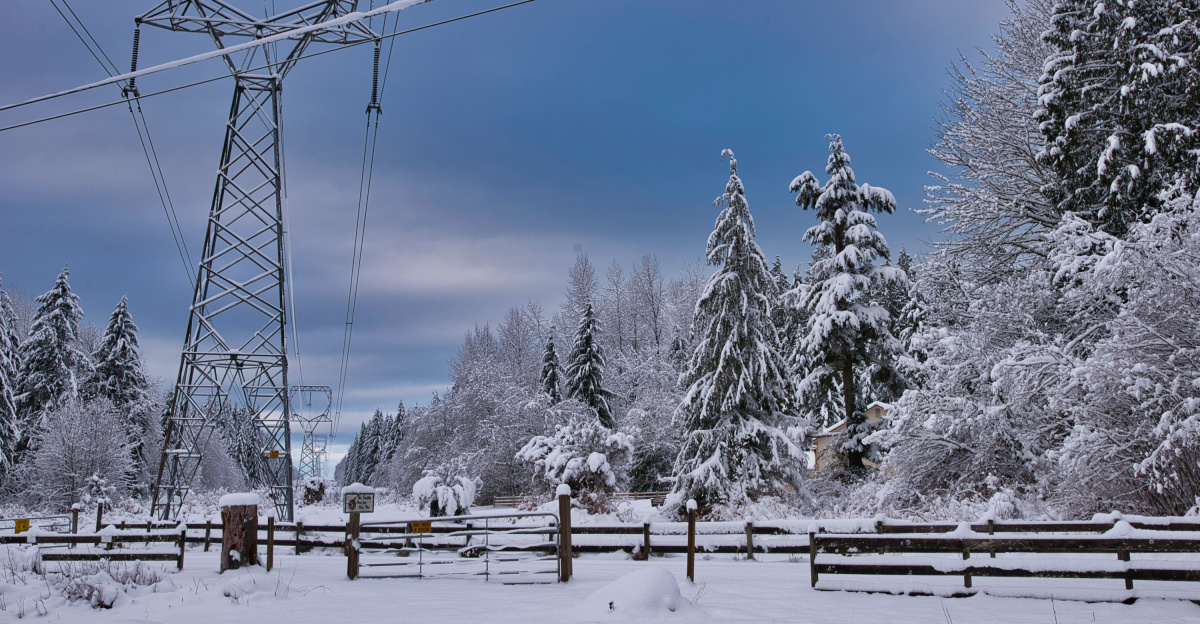
The lingering cold sets the stage for new record-breaking demand across the PJM grid.
Experts emphasize the need for more resilient infrastructure, including better transmission ties, diversified fuel sources, and regulatory reforms to avoid future grid crises and to protect against growing winter demands.
Sources:
“Power prices surge as winter storm spikes demand in U.S. ‘data center alley.'” Reuters, 25 Jan 2026.
“Winter storm tests US electric grid as outages spread.” Politico, 25 Jan 2026.
“Public Power Utilities Work to Restore Power in Wake of Winter Storm Fern.” American Public Power Association, 24 Jan 2026.
“Energy Secretary Secures Mid-Atlantic Grid Amid Winter Storm Fern.” U.S. Department of Energy, 24 Jan 2026.