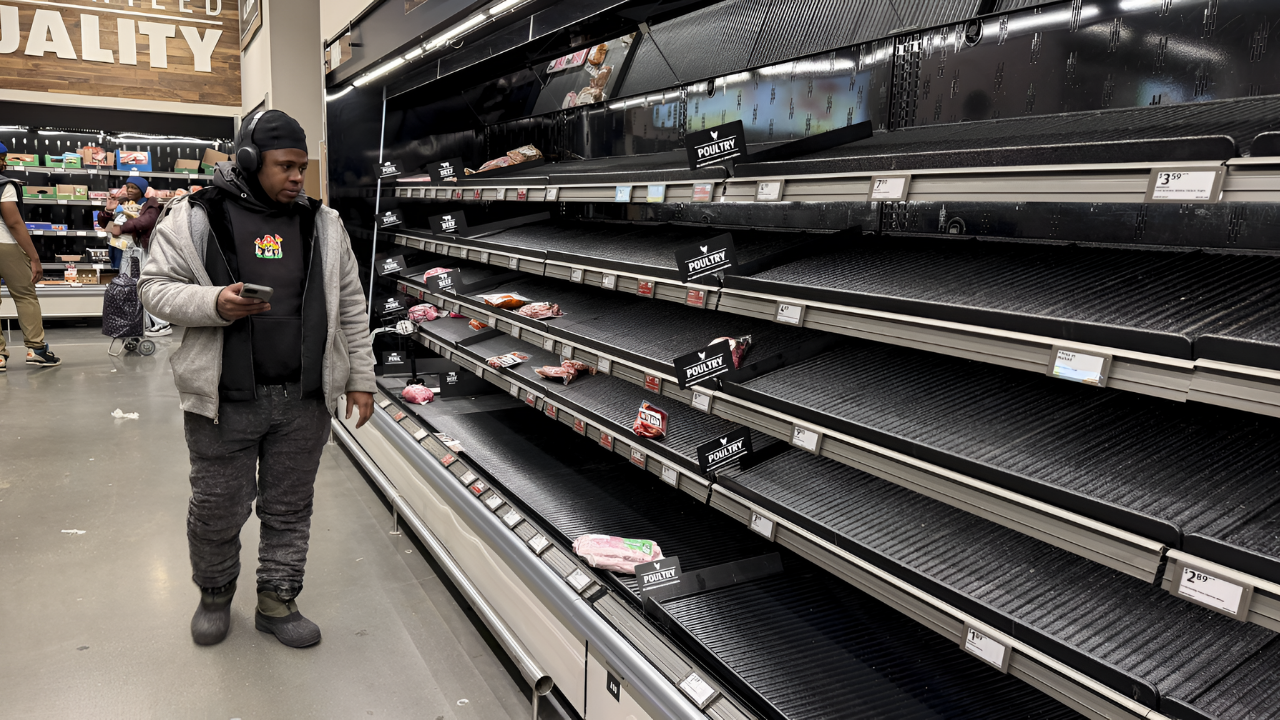
An explosive winter storm, stretching over 2,000 miles, has created one of North America’s most intense weather events in years. With Arctic air merging with Gulf moisture, millions are bracing for impacts across the Mid-South.
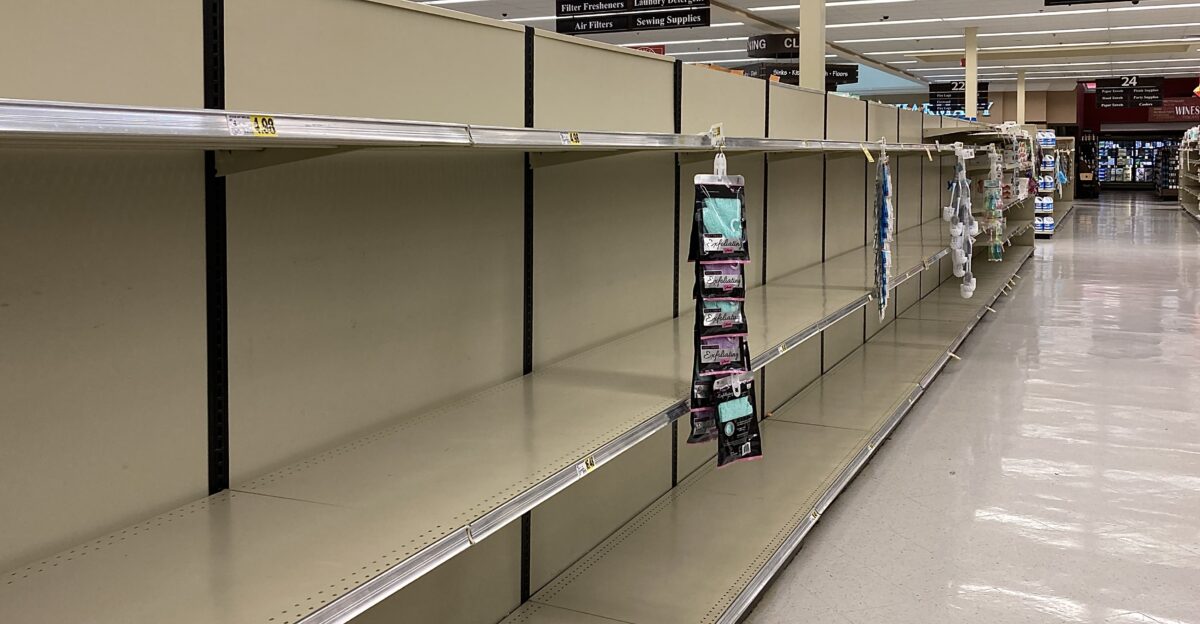
Shelves are cleared as families scramble to prepare. The storm, unofficially named Winter Storm Fern, is already prompting major emergency responses. This early preparation may be the key to weathering the chaos about to unfold.
Arctic Blast Explained
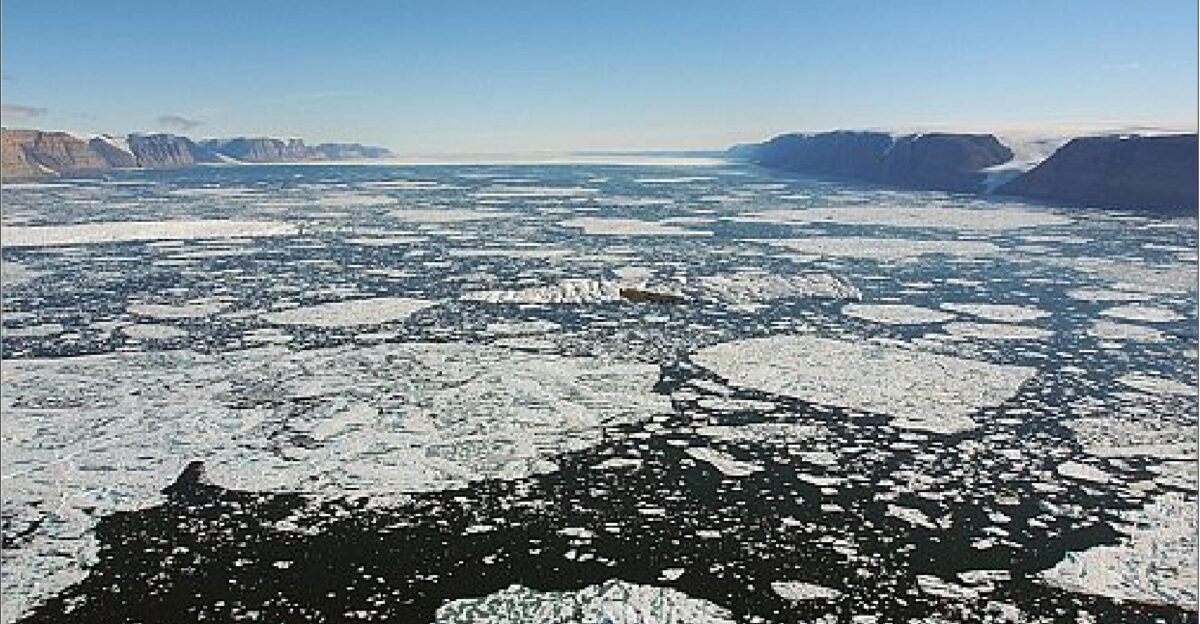
The origins of this storm lie in the polar vortex, typically confined to Canada and Alaska. A disruption in the upper atmosphere allowed frigid Arctic air to surge southward, combining with moisture from the Gulf of Mexico.
This collision of cold and wet is fueling the massive ice and snowstorm set to wreak havoc across the Great Plains, South, and Northeast—brought on by atmospheric instability that set the stage for a crippling storm.
Panic at the Stores
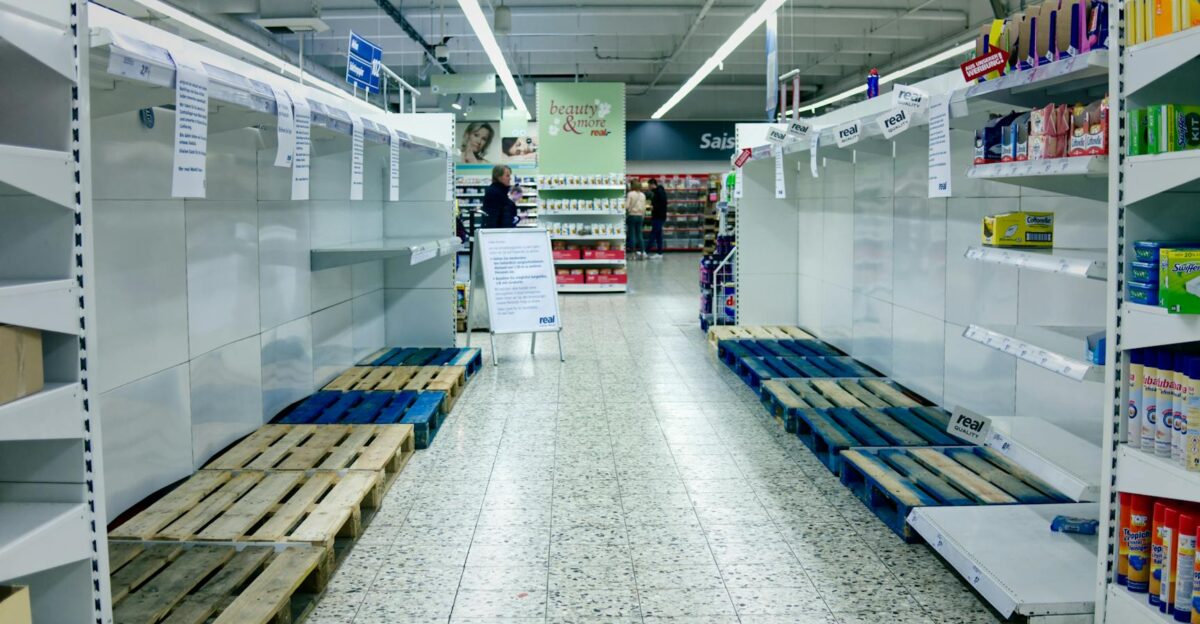
Across Kentucky, Tennessee, and Arkansas, residents flooded stores to stock up on essentials as Winter Storm Watches escalated into Warnings. Panic buying left shelves emptied of food, water, batteries, and heating supplies.
Families braced for power outages and the threat of impassable roads. As reports flooded in on January 22, WeatherNation urged, “There’s still time to prepare,” but many opted for immediate action, fearing the worst.
Retail Chains Race to Restock
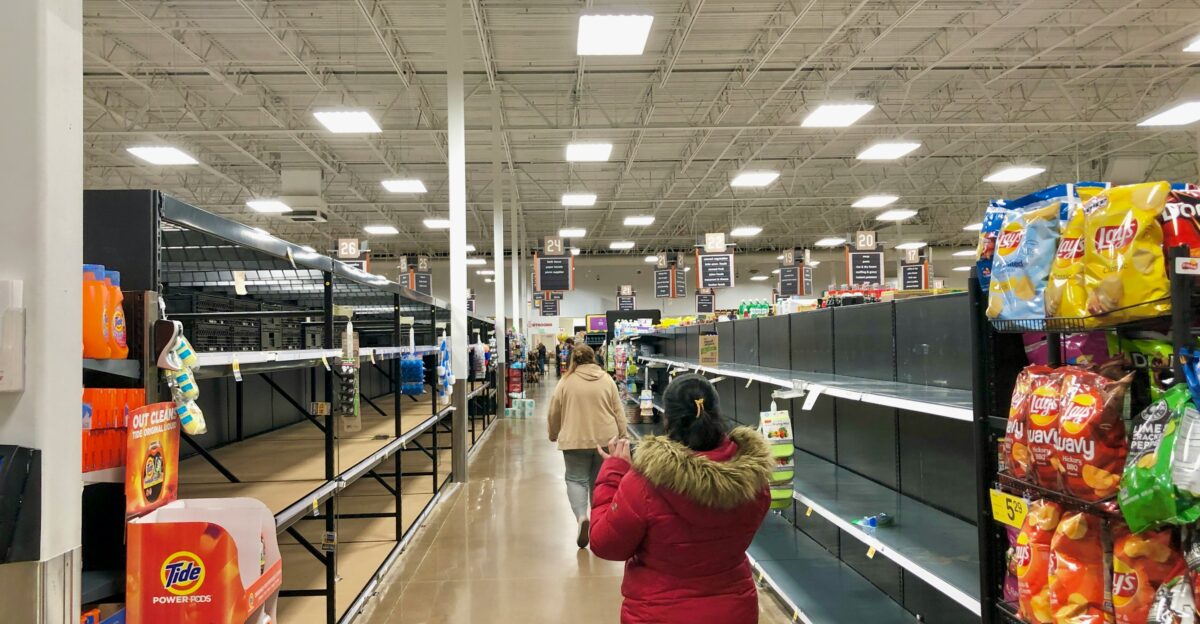
As the storm looms, major retailers like Walmart and Target sprang into action, pushing emergency shipments to impacted areas. However, icy roads and flight cancellations hampered efforts to restock in time.
By January 25, over 10,000 flights were grounded, worsening supply chain delays. Despite these challenges, stores continued their best efforts to replenish critical supplies, though many communities found themselves waiting longer than expected.
Fuel and Heating Equipment in High Demand
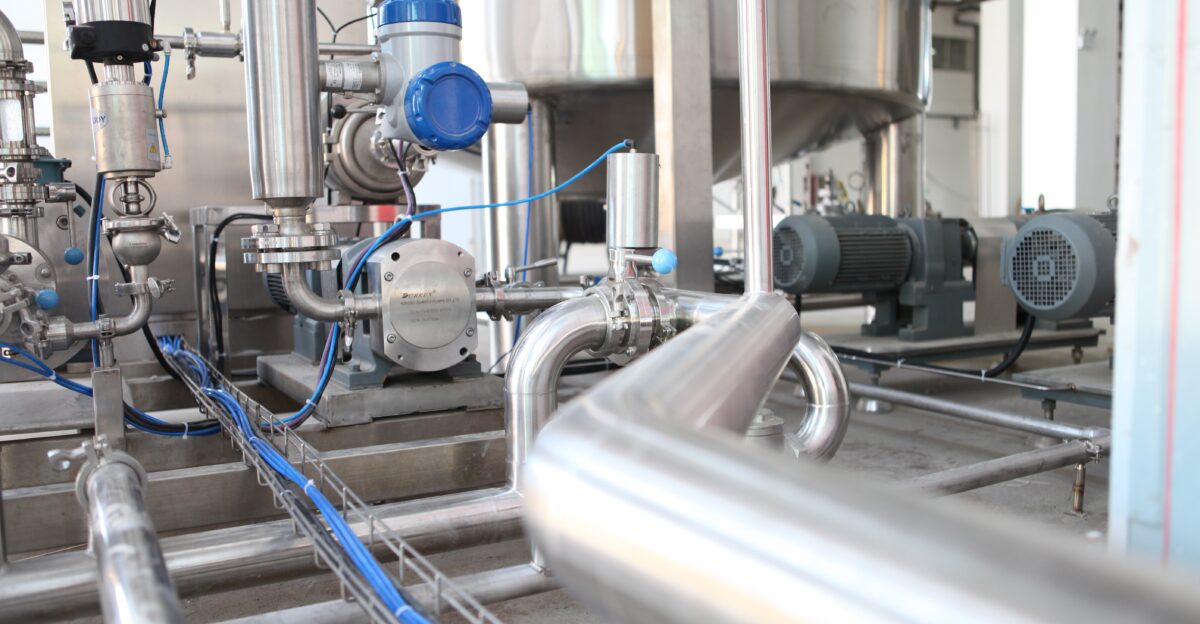
Hardware and fuel suppliers saw unprecedented demand for generators and space heaters, as residents scrambled to secure warmth before the storm hit.
Home Depot and Lowe’s reported sellouts across the region. Propane distributors mobilized to deliver additional supplies, but some places imposed purchase limits to prevent hoarding. These products quickly became the lifeblood of communities bracing for freezing temperatures.
Global Ripple Effects
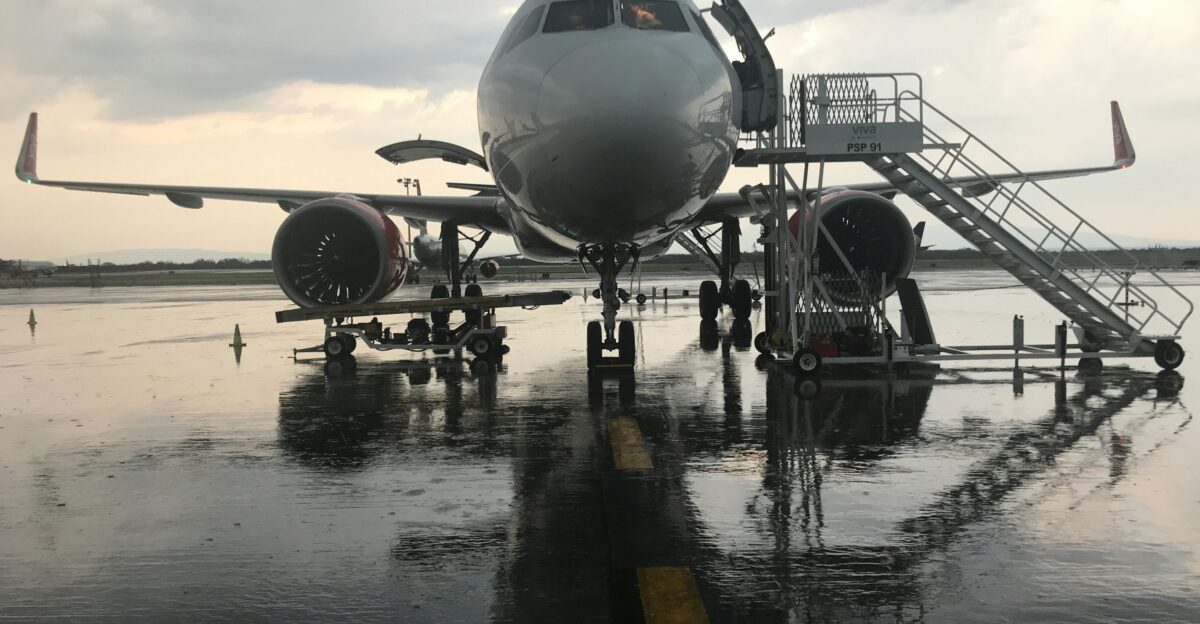
The storm’s impact rippled through international supply chains. Over 560 flights were canceled by midday January 25, disrupting trade routes and halting production.
North American manufacturers saw delays in fresh produce and auto parts, while Canadian energy exports experienced shipping blockages. These global disruptions raised concerns over supply shortages, sending shockwaves through industries far beyond the affected region.
The Human Toll

By January 25, at least 12 fatalities had been linked to the storm. Tragically, two deaths were caused by hypothermia in Louisiana, and a Michigan college student died after exposure to the extreme cold.
Fatalities from car accidents further highlighted the deadly nature of this storm. As the storm rages on, safety concerns continue to rise, leaving many communities vulnerable to its deadly consequences.
Emergency Declarations Across 24 States

Governors from 24 states, including Texas, Louisiana, and Georgia, declared emergencies. National Guard units were activated, and disaster response funds were quickly allocated.
Arkansas committed $250,000 to support recovery efforts. These emergency measures were crucial to deploying resources quickly and ensuring that areas hit hardest by the storm could begin their recovery efforts as soon as conditions allowed.
Power Outages Hit Millions
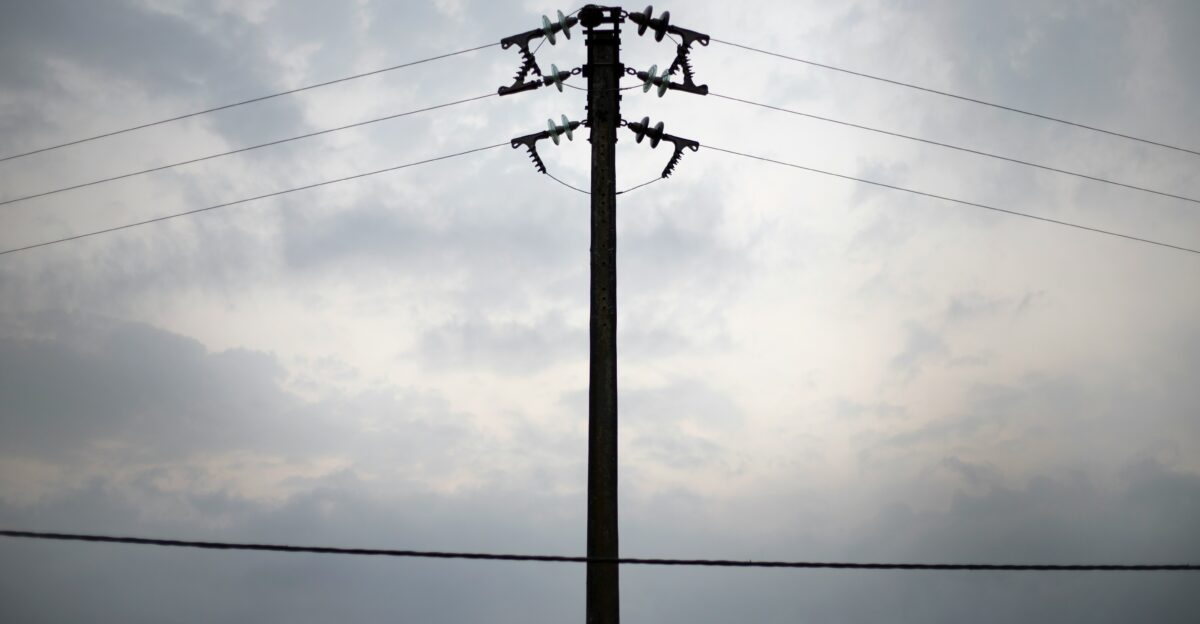
By midday January 25, over one million people had lost power, primarily across Texas, Louisiana, and the Mississippi Delta.
Ice accumulation on power lines and damage from winds as high as 71 mph left utility crews scrambling to restore service. Many residents faced long periods without electricity, forced to endure freezing temperatures in the dark as restoration efforts took time.
Retail Closures Add to Strain
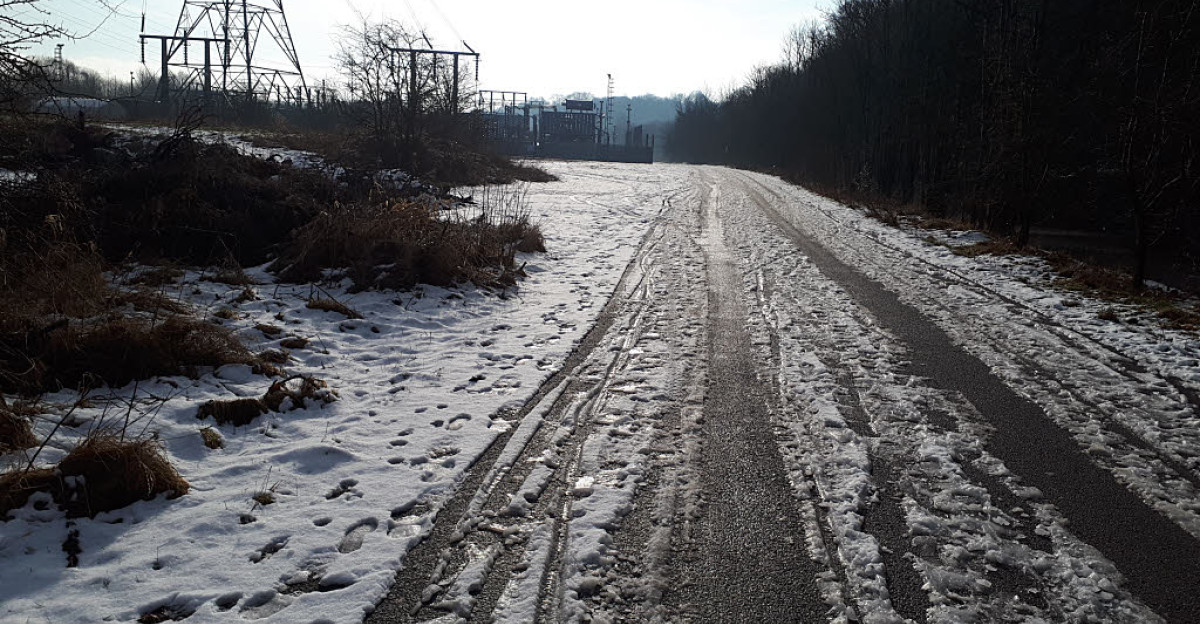
As icy roads rendered travel impossible, thousands of retail stores were forced to close temporarily. Grocery stores, pharmacies, and gas stations shuttered, leaving people stranded without essential supplies.
The closures exacerbated an already chaotic situation, making it harder for families to get what they needed to ride out the storm. This left people waiting for stores to reopen once conditions improved.
Hospitality and Sports Venues Stopped
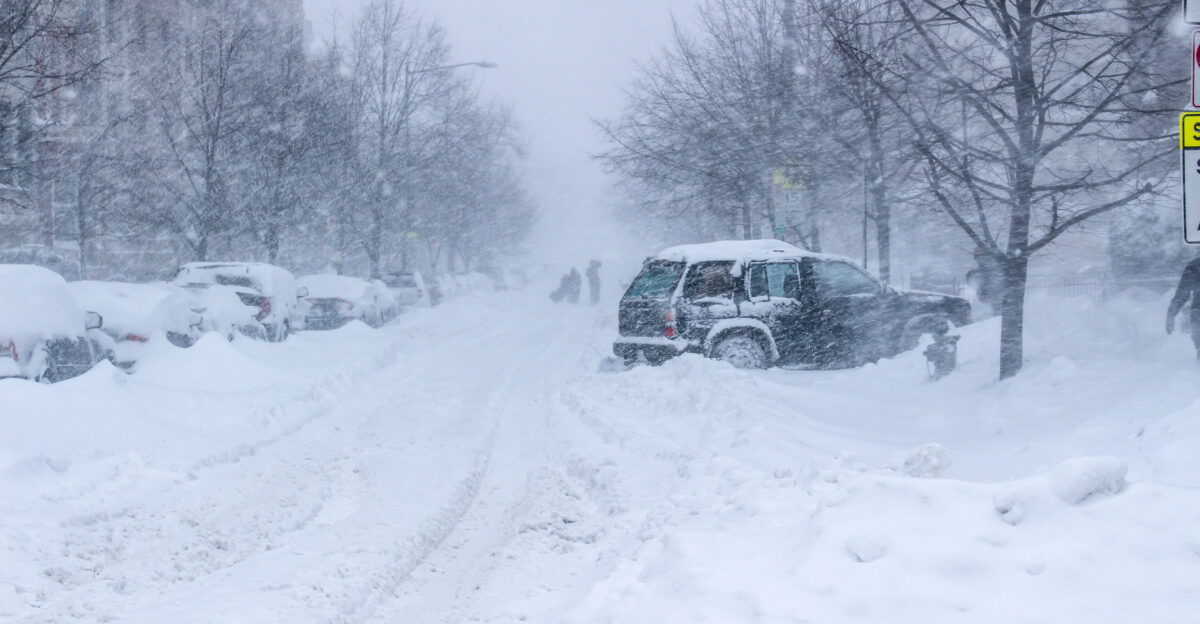
The storm didn’t spare the hospitality and entertainment sectors either. The Memphis Grizzlies’ game was postponed, Amtrak canceled multiple train routes, and restaurants and hotels across the South closed their doors.
With limited fresh supplies and employees unable to reach work, many establishments faced closures, costing the hospitality industry millions in lost revenue.
Agriculture and Pet Food Disruptions

Agricultural suppliers and pet food manufacturers struggled to meet demand as transportation networks faltered. Fertilizer shortages were reported as spring planting approached, and pet food suppliers faced stockouts due to shifting priorities in inventory.
Trucking companies also absorbed added costs, including fuel surcharges and overtime, further tightening the already fragile supply chain.
Global Consumers Feel the Pressure
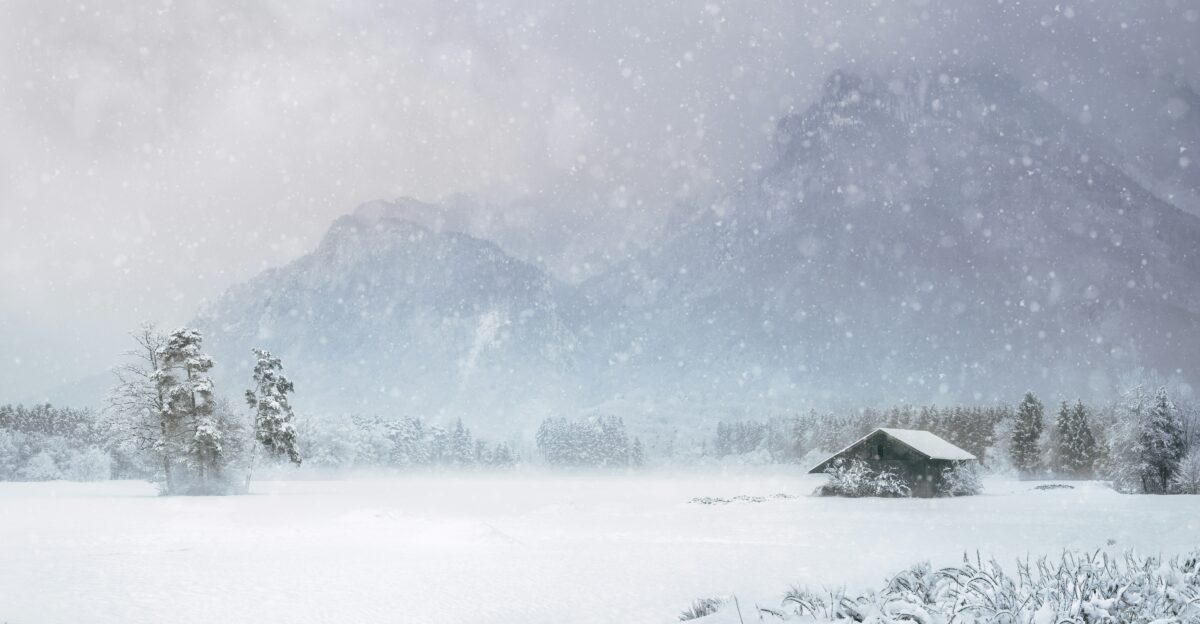
International markets felt the storm’s effects as exports from North America slowed. European and Asian markets, reliant on Canadian energy and North American agriculture, faced delays.
These disruptions compounded global inflationary pressures, with supply shortages pushing prices higher across various sectors. Consumers worldwide are bracing for continued supply chain disruptions.
Healthcare System Under Pressure

Hospitals reported a surge in emergency room visits, many of which were weather-related injuries, car accidents, and worsening chronic conditions. With roads hazardous, ambulance response times slowed.
Elective surgeries were postponed, and public health officials urged communities to check on elderly neighbors. In the coming weeks, mental health services are expected to face increased demand as storm trauma and seasonal affective disorder cases rise.
Climate Change and Extreme Weather
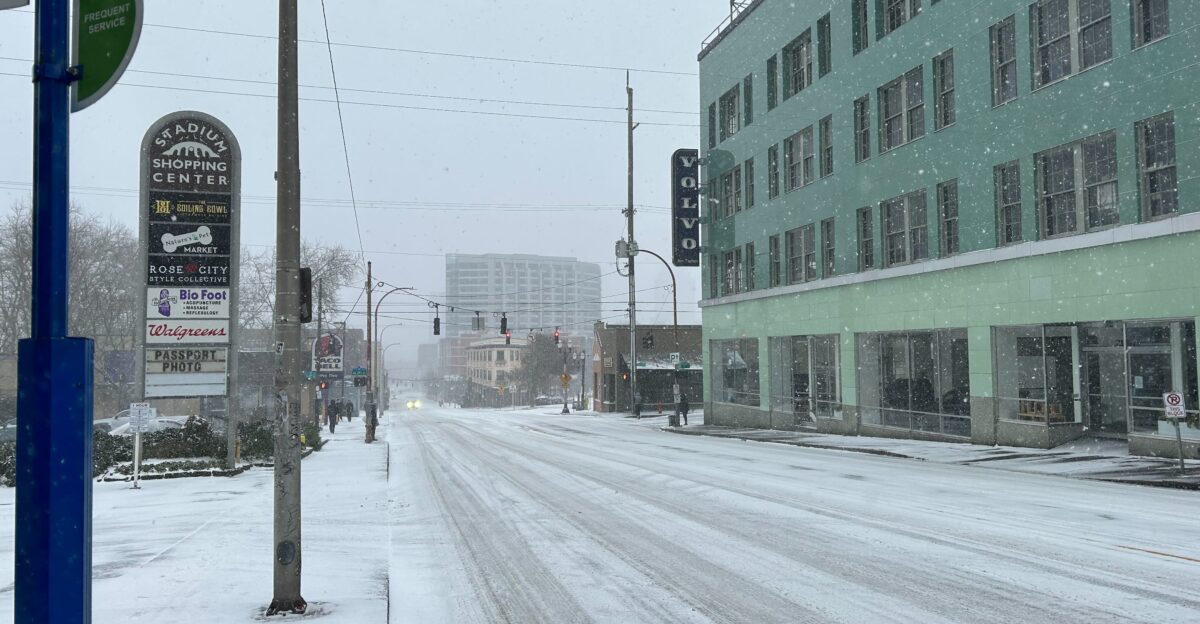
The severity of Winter Storm Fern sparked debates over climate change and extreme weather patterns. Some experts linked the storm’s ferocity to disruptions in the polar vortex due to Arctic warming.
As weather patterns grow increasingly erratic, advocates call for stronger infrastructure resilience, while skeptics argue that the storm is part of natural variability. The debate about the storm’s causes and future risks intensifies.
Emergency Response Sectors Thrive

While many industries suffered, emergency response contractors and heating fuel suppliers saw a surge in demand.
HVAC technicians worked overtime to restore heating, propane distributors set records, and tow services were at full capacity. Insurance companies also saw increased claims activity, although the long-term payouts would eventually overshadow short-term gains.
Financial Markets React
The storm sent shockwaves through commodity markets, with agricultural futures spiking due to supply concerns.
Meanwhile, energy prices rose amid heightened heating demand. Airline stocks plummeted as flight cancellations soared, while insurance and disaster recovery companies saw a rise in stock value. Speculation on infrastructure spending spiked, with investors focusing on grid resilience and weather-related infrastructure investments.
Preparing for the Next Storm
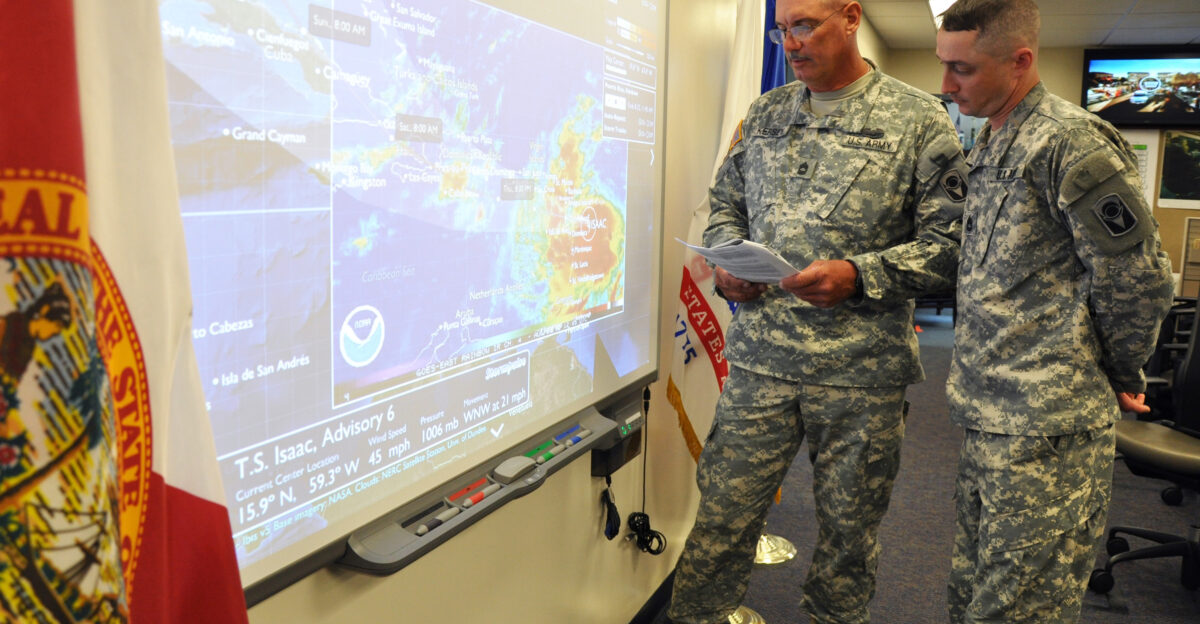
Experts urge residents to always be ready for future storms by maintaining emergency kits with food, water, medications, and batteries.
They recommend diversifying sources for supplies to avoid dependency on a single store. After the storm, it’s essential to document property damage for insurance claims and support local businesses as they recover and restock.
Future Resilience: Investing in Infrastructure
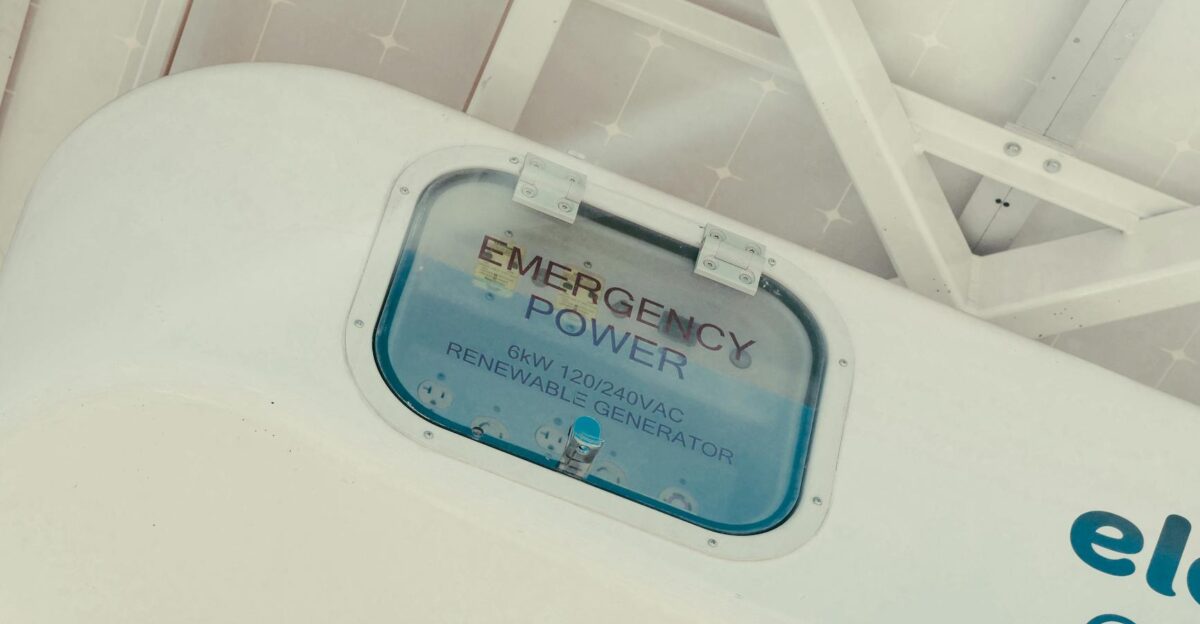
The storm raised urgent questions about the resilience of America’s power grid and emergency management systems. Policymakers are already assessing whether current infrastructure can handle increasingly severe weather.
Utilities are evaluating whether to improve equipment and vegetation management. As climate change accelerates, debates over the need for climate adaptation funding will intensify in legislative sessions to come.
The Ripple Effect of One Storm
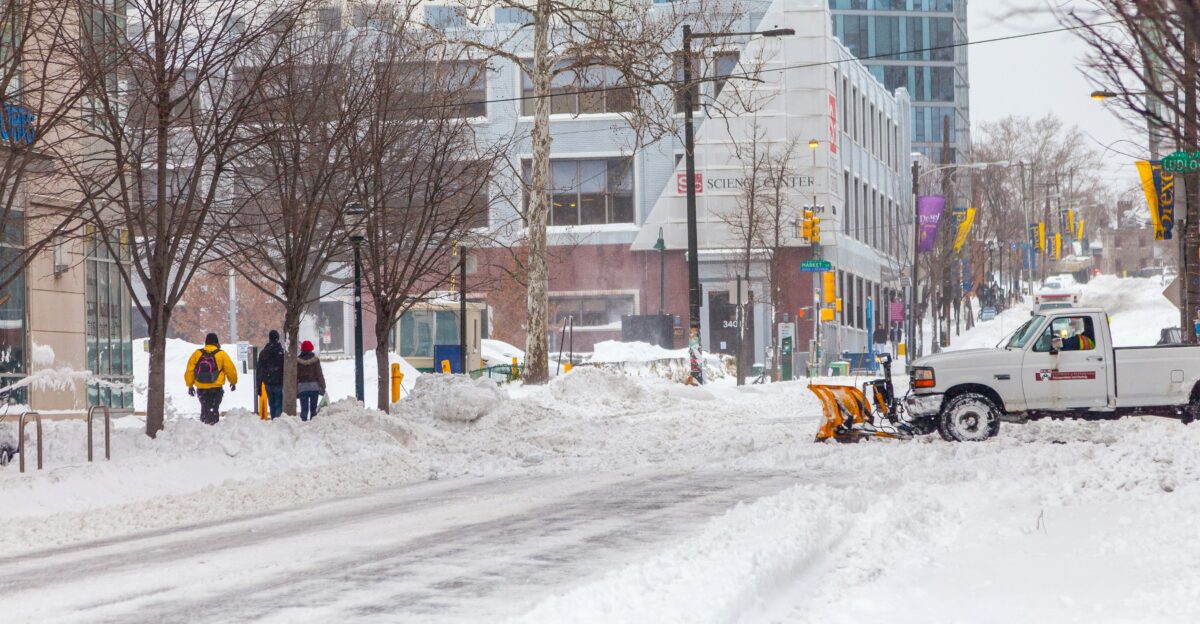
Winter Storm Fern demonstrates the far-reaching consequences of extreme weather events. From empty shelves in Kentucky to delayed shipments across the globe, the storm reveals the vulnerabilities in modern supply chains and infrastructure.
As climate patterns shift, such events may become more common, demanding proactive investments in resilience, preparedness, and adaptive capacity across all sectors.
Sources:
“Winter Storm Fern Turns Deadly: Live Updates.” The Weather Channel, 25 Jan 2026.
“January 2026 North American winter storm.” Wikipedia, 25 Jan 2026.
“Winter storm grips much of US in snow, ice, Arctic cold.” Reuters, 24 Jan 2026.
“Winter storm leaves over a million people without power, thousands of flights cancelled.” Al Jazeera, 25 Jan 2026.