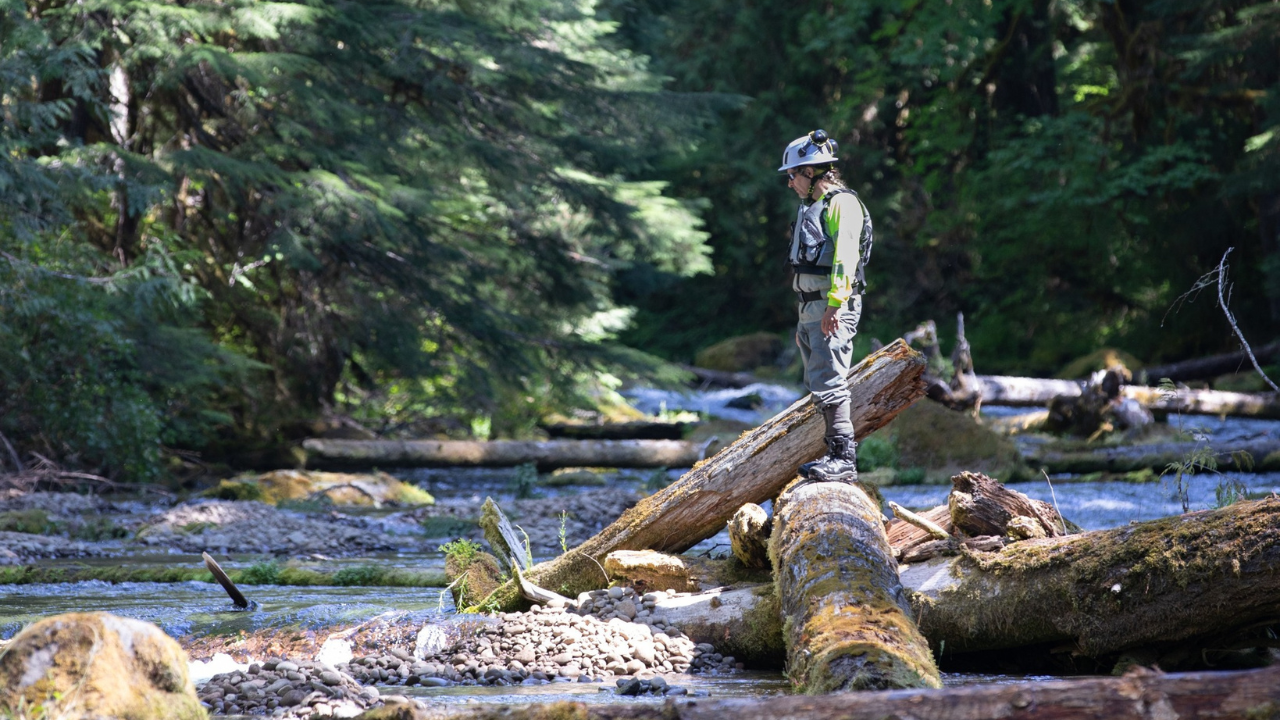
Helicopters swing massive logs over steep Washington valleys, depositing them precisely into streams carving through Yakama Nation territory. This spectacle marks the largest river restoration in the Northwest, reversing a century of misguided cleanups to revive salmon habitats.
Reversing Past Mistakes
For decades, agencies viewed fallen trees as hazards, clearing them from rivers to ease fish passage and curb floods. This stripped waterways of vital structure, accelerating flows, eroding banks, and eliminating deep pools essential for salmon resting and spawning. Research from the 1980s revealed the error: logs anchor gravel, form riffles, and create shaded refuges. In the Yakima Basin, such removals, combined with overgrazing and logging roads, dried creeks and crashed fish populations. Now, partners intentionally return wood to mimic natural complexity.
Key Collaborators Unite
The Yakama Nation Department of Natural Resources directs the effort, partnering with the U.S. Forest Service, Washington Department of Fish and Wildlife, The Nature Conservancy, and Mid-Columbia Fisheries Enhancement Group. Funding flows from eight sources, including the Bonneville Power Administration and state programs. Yakama habitat biologist Scott Nicolai, who once removed logs on federal crews, now oversees their reinstallation, his perspective shifted by witnessing stream degradation.
Scale and Logistics
The project targets 38 kilometers of streams with over 6,000 logs—mostly Douglas fir, cedar, and grand fir. About 1,000 go into a 1.5-mile stretch of the Little Naches River near Lost Meadow Campground, dubbed the “Wood Fiesta.” Helicopters haul four logs per flight from staging areas, completing 1,500 trips over 3,600 air kilometers to reach roadless sites. Ground crews flag drop zones in bright colors for pinpoint placement, using hydraulic models to position logs crosswise or diagonally for optimal flow diversion and bar formation. Costs run tens to hundreds of thousands per 100 meters, but benefits include bolstered fisheries and flood mitigation.
Ecological Revival Underway
Logs transform channels upon landing. Currents snag against them, slowing water, trapping sediment, and carving pools and side channels. Early results in the Little Naches show new gravel bars, complex flows, and cooler depths—critical as climate change brings hotter summers and earlier snowmelt. These refuges aid juvenile salmon past barriers like Prosser Dam. Beyond wood, the work addresses layered harms: overgrazing, roads, railroads, splash-dam logging, and dam-altered flows. National guidelines guide designs to balance habitat gains with risks to roads and campgrounds.
Cultural Stakes and Future Reach
Salmon hold sacred status for the Yakama as first foods tied to ceremonies, identity, and treaties. Declines from dams and alterations spurred tribal fisheries programs asserting longstanding stewardship. The Little Naches serves as a model; success could scale to other tributaries on reservation and ceded lands. In a warming world, this adaptation offers salmon refuge amid shifting flows, promising healthier runs for tribal, commercial, and recreational users while restoring floodplain resilience.
Sources:
Upworthy, Helicopters dump 6,000 logs into rivers in the Pacific Northwest to save salmon, 2026-01-22
Columbia Basin Bulletin, Restoring Yakima River Basin Habitat: Helicopters Drop 6,000 Logs In 24 Miles Of Streams To Provide Cover For Salmon/Steelhead, 2021-05-07
Yakama Nation Fisheries, Yakima Basin “Wood Fiesta” Helicopter Aquatic Restoration project, 2021-05-01
Trackography / syndicated news, Helicopters dump thousands of logs into remote rivers in the US Northwest, 2026-01-19