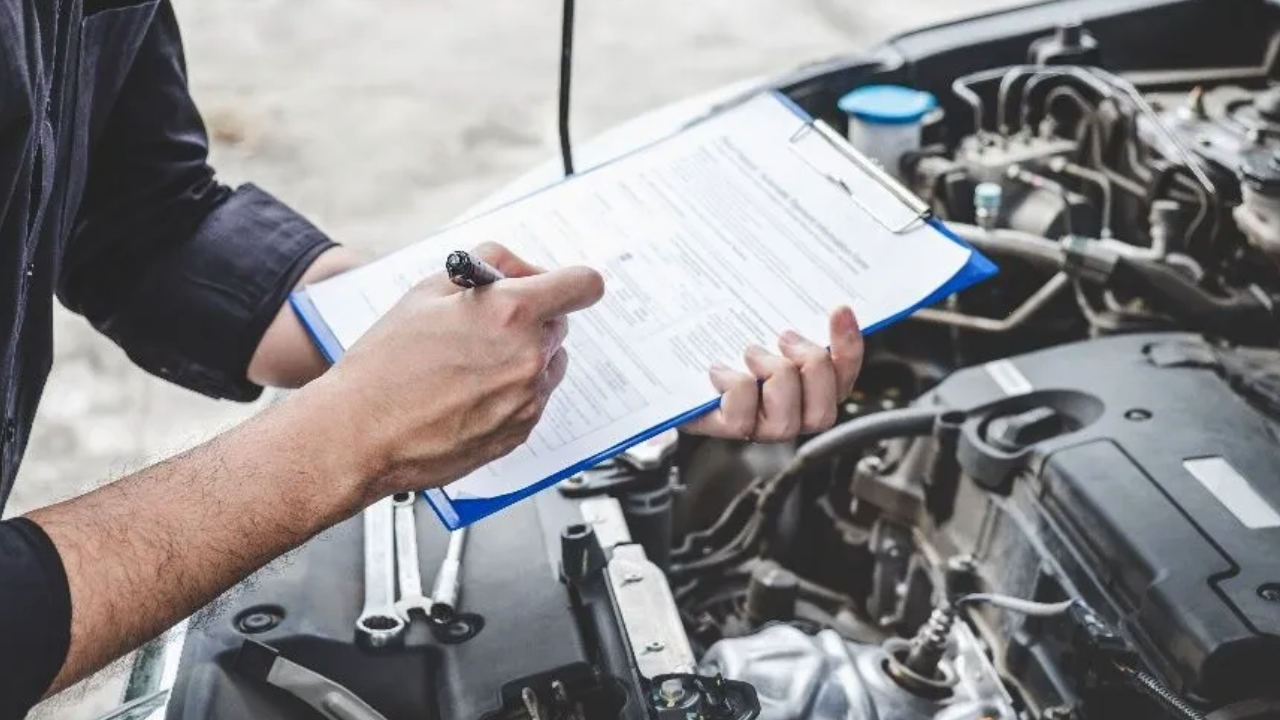
Luxury cars have long symbolized superior engineering, but recent data shows that prestige and tech-heavy vehicles may not live up to their reputation. Consumer Reports’ 2026 Automotive Report Card and J.D. Power’s dependability studies reveal that many premium models experience more problems than lower-priced alternatives, leaving owners facing costly repairs. “Complex infotainment and in-car tech features drive a disproportionate share of complaints,” J.D. Power analysts note. Here’s what’s happening when technology and luxury collide.
The Data That Shook Automakers
J.D. Power’s 2023 U.S. Vehicle Dependability Study examined 2020 model-year vehicles after three years, revealing an industry average of 186 problems per 100 vehicles. Premium brands averaged 205 problems per 100 vehicles, compared with 182 for mass-market brands, the widest gap since the study began. Analysts attribute much of this disparity to complex infotainment and in-car tech features.
Consumer Reports similarly found tech-heavy and electrified models landing at the bottom of its predicted reliability rankings for 2026. Hundreds of thousands of owner survey responses covering engines, transmissions, and electric-drive components informed these findings, highlighting a growing concern among high-end vehicle buyers about escalating repair costs.
Why Modern Tech Is Failing Drivers

Features intended to enhance comfort and connectivity have instead created headaches. J.D. Power identifies infotainment systems, smartphone integration, voice recognition, and navigation updates as top problem areas, explaining that new technology “is a driving force for the dependability disparity” between premium and mass-market brands.
Consumer Reports reports that large touchscreens, complex driver-assist packages, and electrical accessories are common weak points in 2026 models. Vehicles with fewer high-end tech features often avoid these issues, while luxury crossovers, minivans, and EVs expose owners to glitches. As automakers continue to prioritize high-content interiors, reliability risks grow, leaving buyers questioning whether cutting-edge features are worth the potential downtime.
Electric Dreams Meet Repair Reality
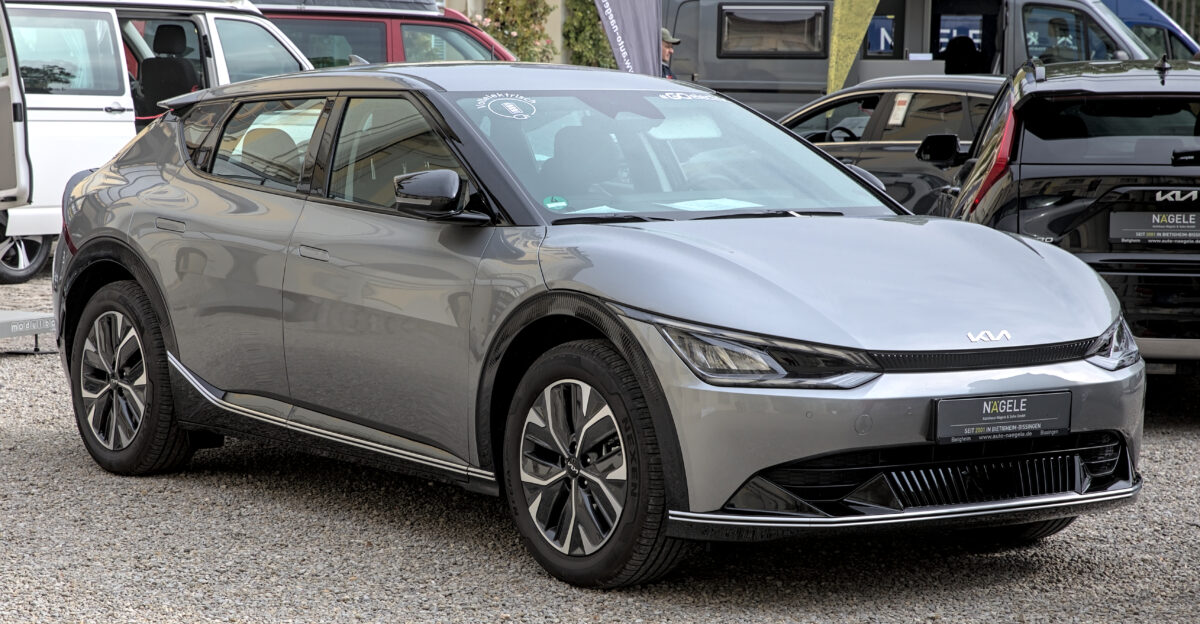
Despite expectations that EVs would simplify ownership, many fall short. Consumer Reports’ 10 Least Reliable Cars of 2026 includes the Chrysler Pacifica Hybrid (26), Honda Prologue (25), Kia EV6 (25), Kia EV9 (24), Mazda CX‑90 Plug-in Hybrid (20), Rivian R1T (18), and GMC Acadia (14). Trouble spots range from battery pack issues to electric motors, charging systems, and in-car electronics.
Many repairs can be expensive and out-of-warranty, sometimes running into thousands of dollars, based on Consumer Reports’ survey of roughly 380,000 vehicles across 26 brands. Electrification, while promising cleaner and simpler driving, still comes with costly teething problems, especially in premium models with complex systems.
Financing Turns Failure Into Crisis
Reliability issues often hit while buyers are still repaying long-term loans, stretching five to seven years. Consumer Reports’ analysis shows that problems in years two through four coincide with high outstanding balances, creating financial strain. J.D. Power’s research highlights software defects, starter-battery failures, and age-related issues appearing in the third year of ownership at record rates.
Owners of least-reliable vehicles may face tough choices: pay for major repairs, endure persistent faults, or roll negative equity into their next loan. Even affluent households can feel the impact, as unexpected failures in transmissions, electronics, or EV systems can turn luxury ownership into a budget challenge.
The Ten Least Reliable Vehicles of 2026
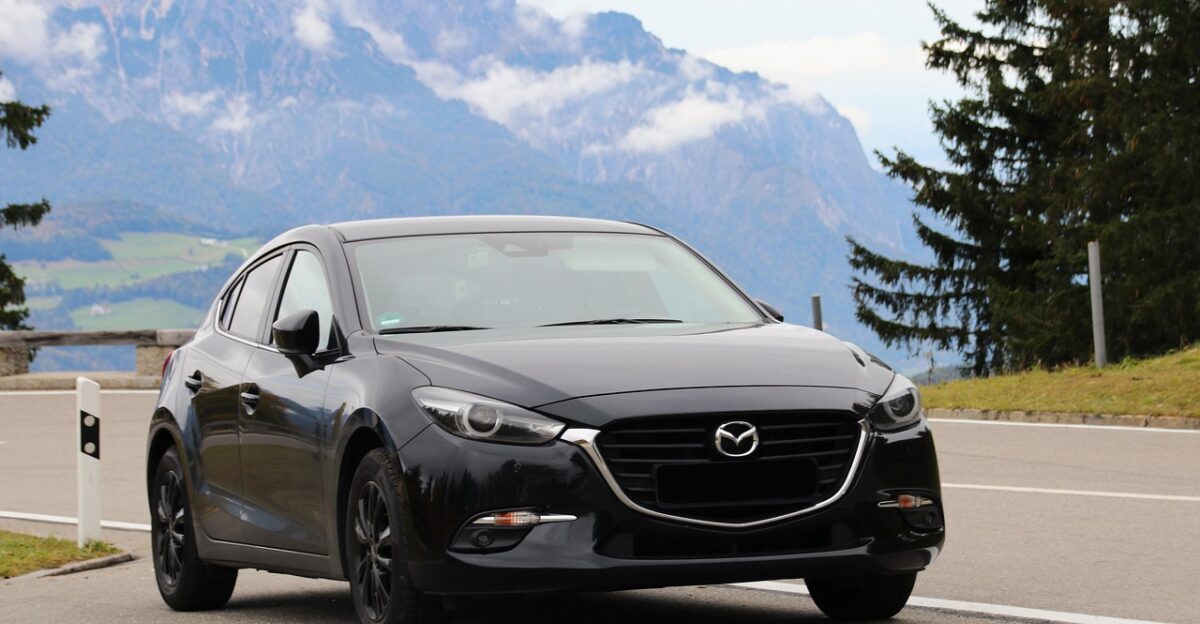
Consumer Reports’ predicted reliability scores reveal the models most likely to test patience and wallets. The lowest-rated vehicles include the Chrysler Pacifica Hybrid (26), Honda Prologue (25), Kia EV6 (25), Kia EV9 (24), Mazda CX‑90 Gasoline (23), Genesis GV60 (21), Mazda CX‑90 Plug-in Hybrid (20), Chevrolet Blazer EV (19), Rivian R1T (18), and GMC Acadia (14).
Seven of these ten rely on electrified powertrains. Frequent transmission, infotainment, and battery-related issues across these models show how quickly repair costs can escalate. Buyers drawn to luxury badges and advanced tech face heightened risk, emphasizing the importance of careful scrutiny before committing to long-term loans for high-tech prestige vehicles.
Choosing Reliability Over Prestige
For 2026 buyers, long-term ownership decisions carry higher stakes than ever. Brand-level rankings still place Toyota, Subaru, Lexus, Honda, and BMW among the most reliable. Mechanically mature designs from these makers remain safer choices for those worried about repair costs and downtime.
Consumer Reports and J.D. Power both urge caution for shoppers pursuing luxury and cutting-edge features: check predicted reliability and dependability data closely. In the race for innovation and prestige, reliability often falls behind, turning high-tech vehicles into potential sources of frustration rather than lasting satisfaction.
Sources:
“Top 10 Least Reliable 2026 Models According to Consumer Reports.” GuideAutoWeb, December 4, 2025.
“See list of top 10 least reliable cars by Consumer Reports.” USA Today, December 18, 2025.
“2023 U.S. Initial Quality Study.” J.D. Power, June 2023.
“2025 U.S. Initial Quality Study Results.” J.D. Power, June 2025.