Thick smoke filled the cabin as flames erupted during a routine test, trapping three astronauts in a pure oxygen chamber on January 27, 1967. The Apollo 1 fire claimed Gus Grissom, Ed White, and Roger B. Chaffee, exposing fatal flaws in spacecraft design and igniting a revolution in space safety protocols that echoes through every mission today.
Fatal Fires and Explosions
These early catastrophes set the stage for rigorous reforms. The Apollo 1 blaze spread rapidly due to an electrical fault in the high-pressure environment, prompting NASA to switch ground tests to an oxygen-nitrogen mix and redesign hatches for quicker escape. Across the ocean, Soyuz 1’s parachute failure on April 24, 1967, killed Vladimir Komarov during re-entry, revealing rushed development issues that forced the Soviet program to overhaul testing and parachute systems. Soyuz 11 followed on June 30, 1971, when a valve opened prematurely, depressurizing the module and dooming Georgi Dobrovolski, Viktor Patsayev, and Vladislav Volkov; cosmonauts now wear pressure suits during critical phases. Soyuz T-10-1’s 1983 launch pad inferno nearly repeated history, but the escape system rocketed Vladimir Titov and Gennady Strekalov to safety seconds before booster detonation, validating such systems as standard.
Shuttle Shocks and Near Misses
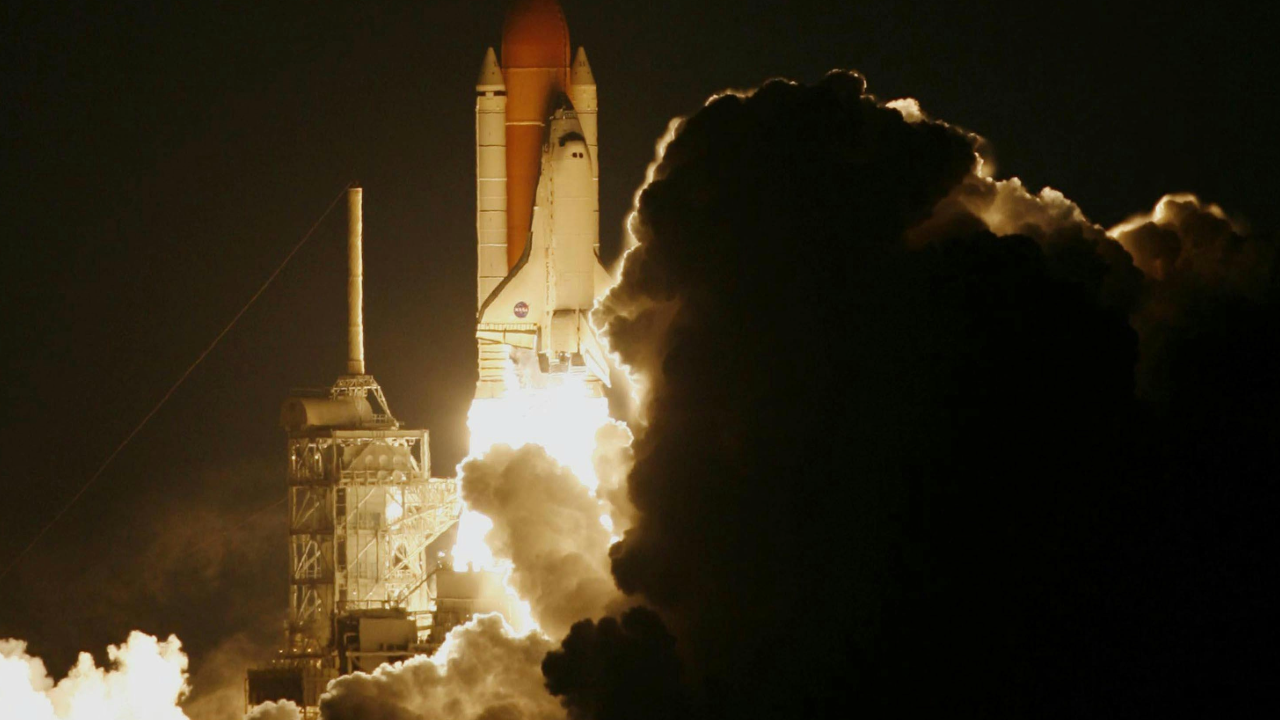
Shuttle programs faced their own trials. Challenger disintegrated 73 seconds after liftoff on January 28, 1986, killing seven, including teacher Christa McAuliffe, when cold weather compromised O-ring seals on solid rocket boosters. Investigations led to booster redesigns and stricter decision-making rules. Columbia broke apart on February 1, 2003, during re-entry, its wing breached by launch foam that damaged thermal tiles, ending seven lives; NASA added wing inspections and on-orbit repairs as norms. Apollo 13’s oxygen tank rupture on April 13, 1970, stranded Jim Lovell, Jack Swigert, and Fred Haise en route to the Moon, but ground ingenuity looped them home safely, birthing advanced contingency plans and life-support redundancies. Apollo 12 weathered lightning strikes on November 14, 1969, restoring power mid-ascent to reach the lunar surface and spurring lightning-proofing for rockets.
Pushing Boundaries, Breaking Limits
Experimental flights tested human endurance with grim lessons. X-15 pilot Michael J. Adams died on November 15, 1967, when his rocket plane spun out of control at high altitude, prompting refined protocols for hypersonic edges. Gemini 8’s thruster stuck on March 16, 1966, sending Neil Armstrong and David Scott into uncontrolled spins post-docking; undocking and re-entry controls saved them, advancing attitude systems and training. Zond 4’s 1968 guidance glitch veered it off-course, triggering self-destruct over the Atlantic and improving Soviet lunar navigation.
Station Struggles and Satellite Surprises
Orbital outposts revealed vulnerabilities. Skylab lost its micrometeoroid shield and a solar array at 1973 launch, slashing power and raising temperatures; crews improvised repairs, influencing station shielding. Salyut 7 went dark in 1985 from power failures, revived by manual docking and fixes that honed maintenance training. The 1996 Tethered Satellite on STS-75 snapped free from Columbia, drifting away and refining tether designs. LDEF, retrieved in 1990 after six years, showed excessive micrometeoroid damage, reshaping material choices for long-orbit stays. Hubble’s 1990 mirror flaw blurred its vision until 1993 repairs installed corrective optics, proving on-orbit fixes viable.
Ground and Planetary Gambles
Even Earth-bound efforts faltered. A Star City training fire exposed Soviet facility risks, mandating fire-resistant upgrades and drills. Mars Climate Orbiter burned up in 1999 from metric-imperial software mismatches, enforcing unit checks. Venera 7 landed on Venus December 15, 1970, but faltered quickly, refining lander durability.
These incidents, from cabin infernos to software slips, claimed 21 lives and countless vehicles yet forged unbreakable safeguards. Today’s crews fly behind escape towers, redundant checks, and repair kits, their survival hinging on lessons carved in tragedy—ensuring space remains a frontier worth the risk.