
GameStop store doors across the U.S. bore stark closure notices in early January 2026, catching employees and customers off guard. Workers learned of their layoffs through the same signs that pitched trade-in deals, igniting widespread criticism over the sudden firings and insensitive messaging.
Closures Accelerate
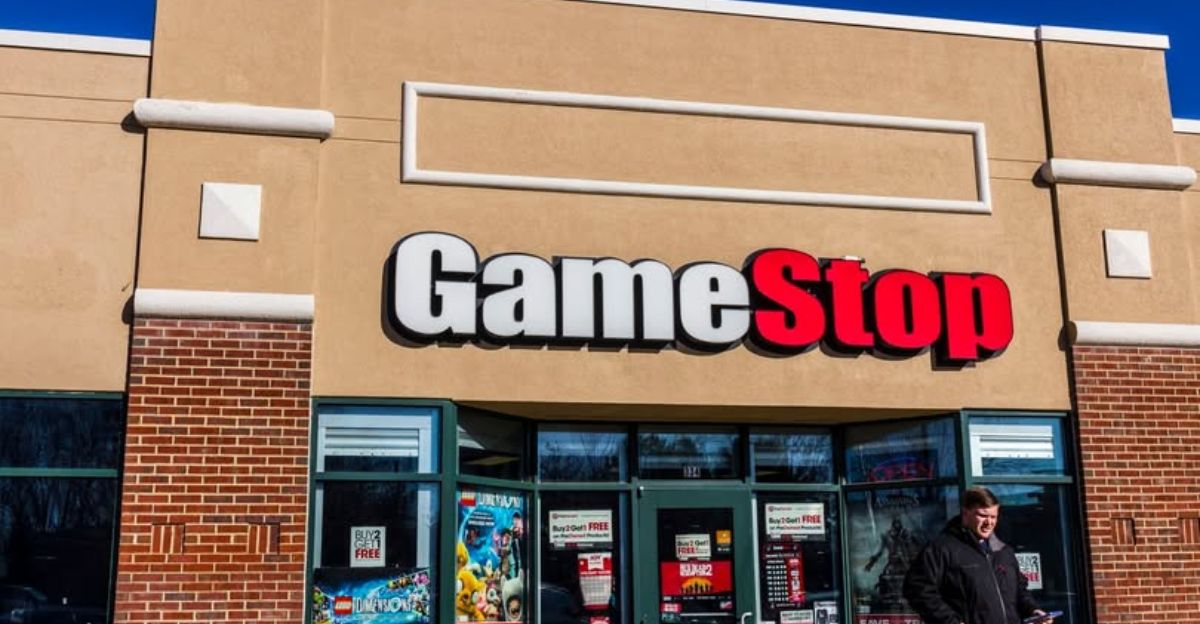
This latest round adds about 470 stores shuttering by January 31, 2026, to the 590 U.S. locations closed in fiscal 2024. The moves stem from falling hardware and software sales, including a 4.6% revenue dip to $821 million in Q3 2025. The rapid cuts mark a sharp retreat from GameStop’s expansive physical retail network, which once anchored its market position.
Retail Crisis Unfolds
GameStop’s downsizing mirrors a wider erosion in video game retail. Digital platforms like Steam and PlayStation Store now lead software sales, with developers favoring direct-to-consumer channels to boost margins. A post-pandemic sales drop in 2023-2024 laid bare the vulnerabilities of physical stores, even as global gaming thrives with 3 billion players and $184 billion in revenue. GameStop has struggled to tap this expansion.
CEO’s High-Stakes Bet

On January 6, 2026, the board replaced Ryan Cohen’s standard pay—salary, bonuses, and equity—with a performance-tied stock option plan potentially worth $35 billion. Modeled after Elon Musk’s Tesla package, it demands a $100 billion market cap from the current $10 billion level and $10 billion in cumulative EBITDA. Cohen receives nothing short of those milestones. Announced amid the closures, the plan drew scrutiny for linking vast executive rewards to success while staff faced abrupt job losses.
Worker Impact and Reactions

Thousands of employees grapple with minimal or no severance after discovering terminations via door signs. In areas like San Antonio, multiple stores closed without warning, prompting online accounts of workers rushing for final paychecks. Social media captured frustration over the contrast: Cohen’s uncapped potential gains versus limited worker support. Long-term staff expressed betrayal, with some pledging to shun the retailer. Stock rose 4% post-announcement, signaling investor approval of the bold structure, while competitors like Best Buy saw eased pressure in gaming niches. E-commerce leaders like Amazon remained unaffected.
Path Forward

GameStop’s pivot under Cohen, who took CEO and chairman roles in 2023, emphasizes e-commerce, collectibles, and gamer communities over traditional retail. Q3 2025 net income rose to $77 million from $17 million prior, but analysts doubt store cuts alone will deliver the explosive growth needed. Collectibles show promise in high-margin sales to superfans, yet remain a small revenue slice. The 470 lease terminations could free hundreds of millions in rent, reshaping mall spaces amid “dead mall” trends. Globally, physical game retail contracts as digital, cloud gaming, and online discovery dominate. Labor advocates call for stronger layoff notices under laws like the WARN Act. The coming quarters will test if a slimmer footprint yields profits or merely postpones deeper challenges, with Cohen’s package embodying the high-risk transformation underway.
Sources:
“GameStop CEO Compensation Plan Draws Ethical Concerns” – Bloomberg, January 6, 2026
“GameStop’s Massive Layoff Wave and CEO Pay Plan” – The Wall Street Journal, January 7, 2026
“The Decline of GameStop and Retail’s Digital Shift” – CNBC, January 9, 2026
“GameStop’s Struggles Continue Amid Store Closures” – New York Times, January 10, 2026
“GameStop’s CEO Ryan Cohen’s $35 Billion Gamble” – Business Insider, January 6, 2026