` Cleveland Park's Trail Camera Films Predator Missing Since The 1800s - Ruckus Factory

Cleveland Park’s Trail Camera Films Predator Missing Since The 1800s

Robert Buchanan – Youtube

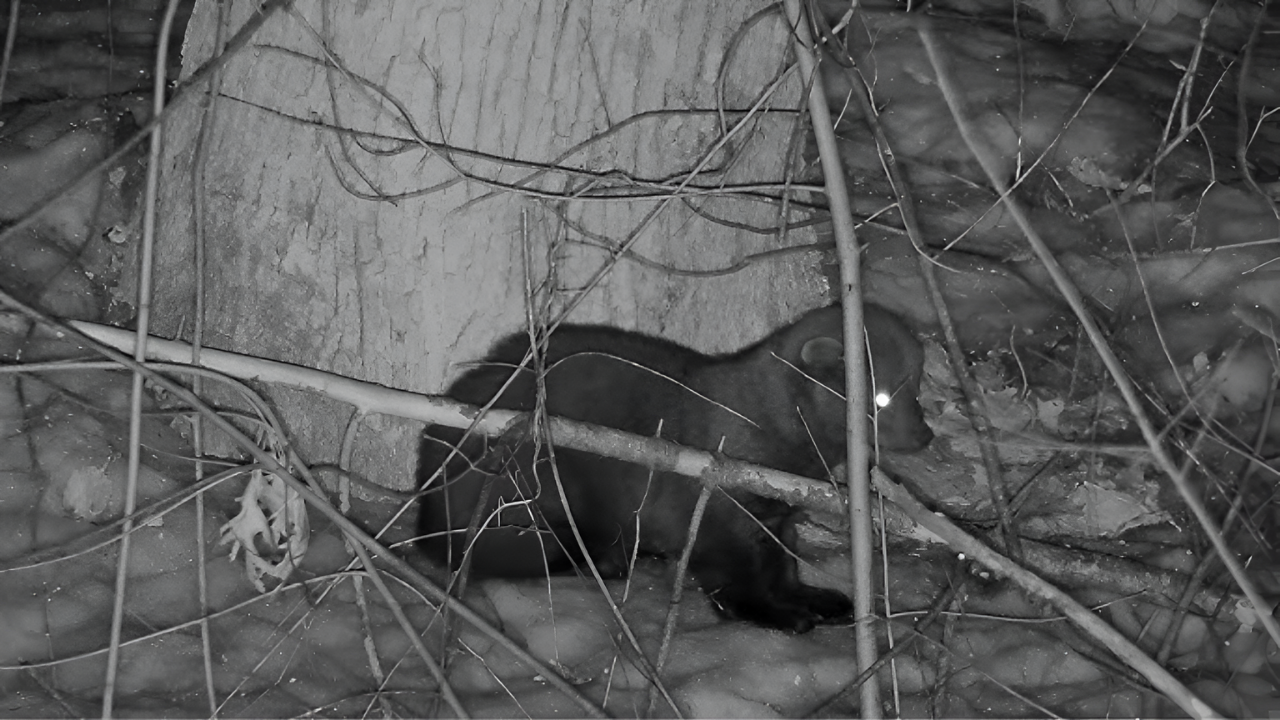
A trail camera mounted along a Cleveland Metroparks path flickered on. In the grainy nighttime footage, a long, dark-furred mammal moved low to the ground, its body stretching between trees at the forest edge. No people were present—only the quiet motion of an animal not documented here for generations.

When wildlife officials reviewed the footage in early 2025, they confirmed what hadn’t been seen in Cuyahoga County in over a century: a fisher had returned.

Forests Vanished
Canva – EmilyNorton

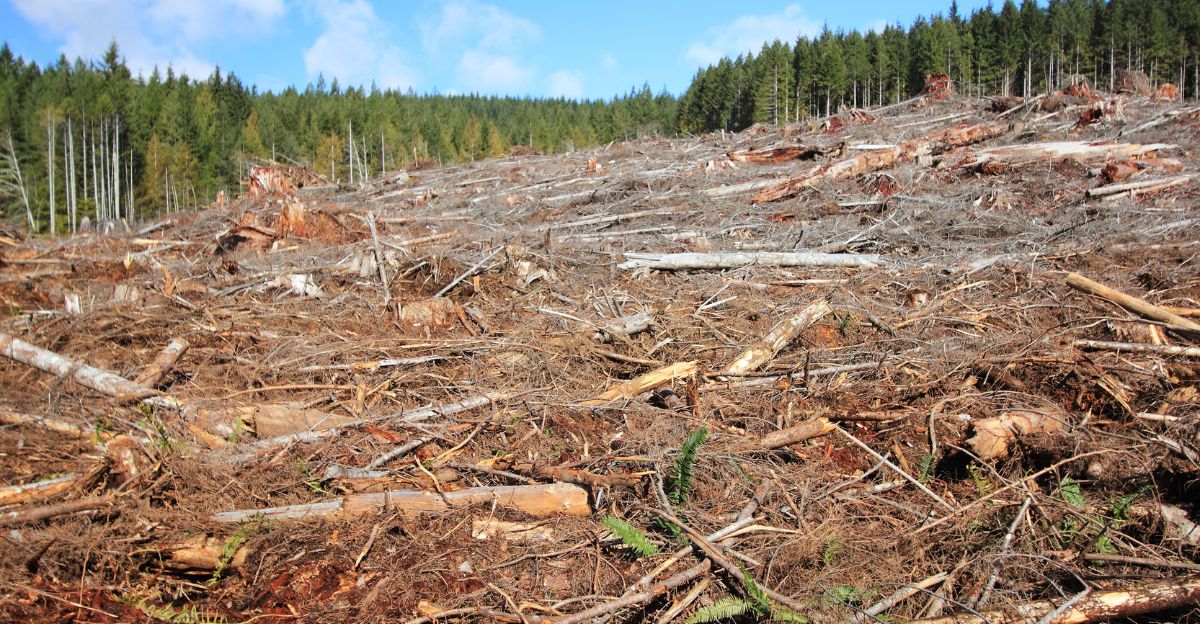
By 1900, Ohio had lost roughly 20 million acres of forest to agriculture, logging, and development. As habitats disappeared, so did wildlife. Around 15 mammal species were wiped out locally, including wolves, mountain lions, and fishers.

Cuyahoga County was hit especially hard, its forests fragmented and predator populations erased. Today’s conservation efforts aim to reverse those losses, but the return of elusive carnivores tests how fully ecosystems can recover.

Historical Extirpation
animal_fisher_adult_JeffLewis
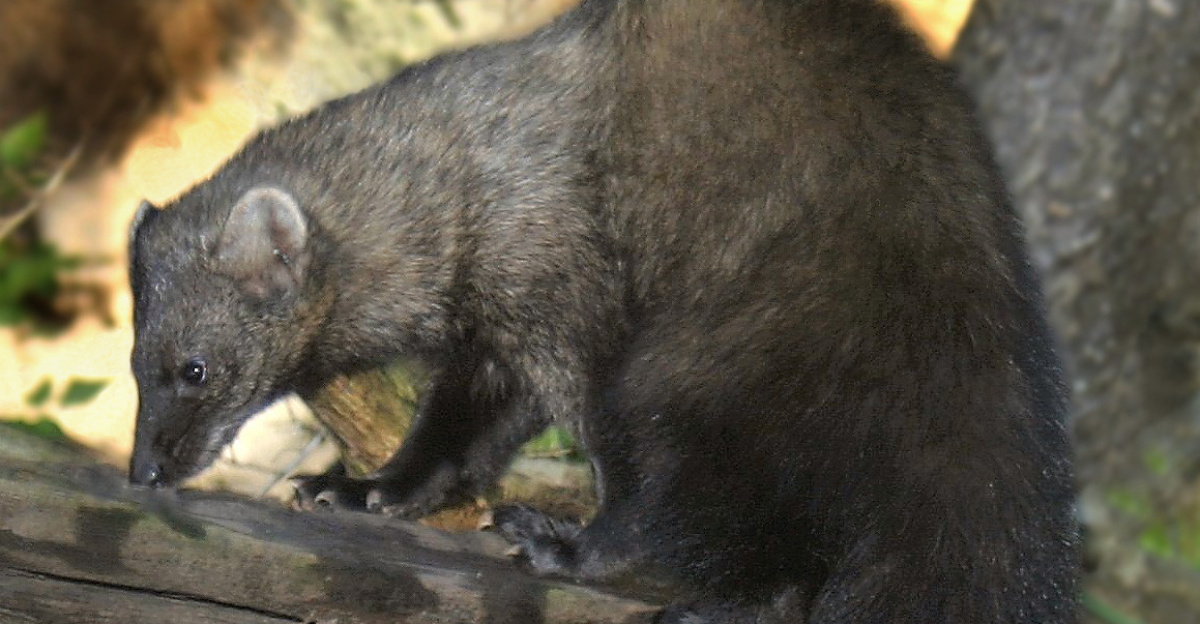
Photo by Olympic National Park Photograph Jeff Lewis on Wikimedia

Fishers—medium-sized predators in the weasel family—once roamed Ohio’s dense forests. By the mid-1800s, unregulated trapping for fur and widespread deforestation drove them out.

Ohio wildlife records show fishers were extirpated from this region by the late 19th century, with no verified sightings in Cuyahoga County for roughly 170 years. Their disappearance became a footnote of industrial expansion—until modern monitoring reopened the question.

Conservation Momentum
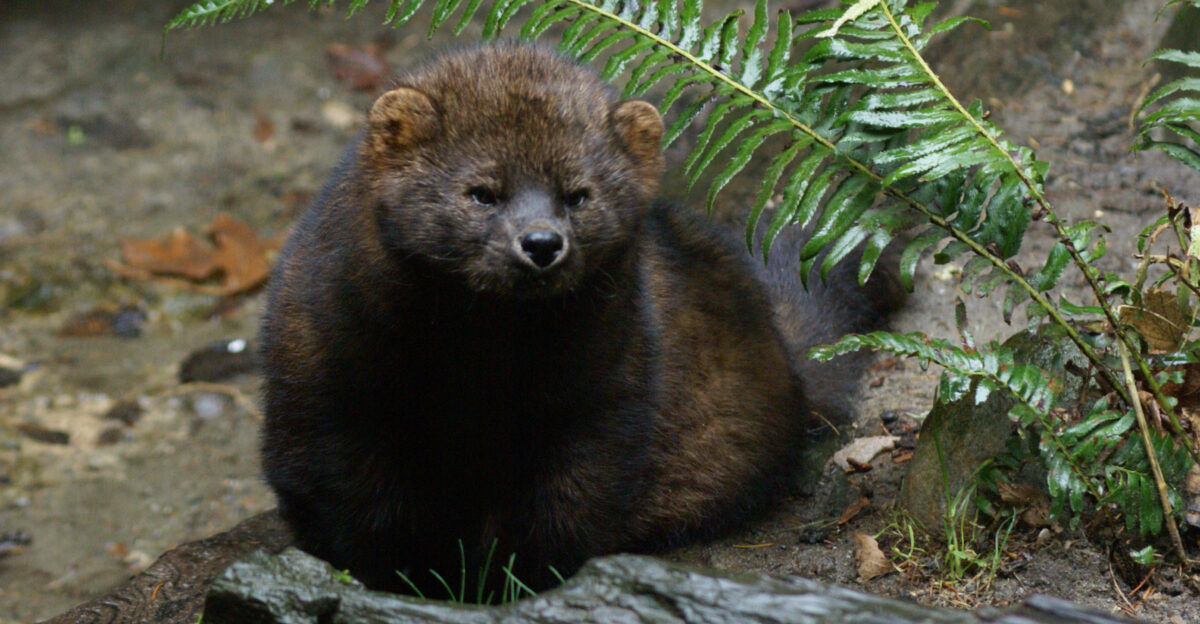
It is a medium-size mammal native to North America It is a member of the mustelid family commonly referred to as the weasel family The fisher is closely related to but larger than the American Marten Martes americana The fisher is a forest-dwelling creature whose range covers much of the boreal forest in Canada to the northern fringes of the United States Names derived from aboriginal languages include pekan pequam and wejack It is also sometimes referred to as a fisher cat though it is not a feline Fishers are omnivorous and feed on a wide variety of small animals and occasionally fruits and mushrooms They show a preference for the snowshoe hare and are one of the few predators able to hunt porcupine Courtesy photo by Bethany Weeks
Photo by Pacific Southwest Region USFWS from Sacramento US on Wikimedia

Cleveland Metroparks has seen a wave of wildlife returns in recent decades. River otters reappeared and have grown steadily since 2021. Bobcats were confirmed again beginning in 2022. Trumpeter swans, reintroduced in 1996, now thrive across park waters.

Meanwhile, about 40 verified fisher sightings have occurred across 10 Northeast Ohio counties since 2013. Habitat restoration and long-term protection are quietly rebuilding the conditions predators need to survive.

Fisher Captured
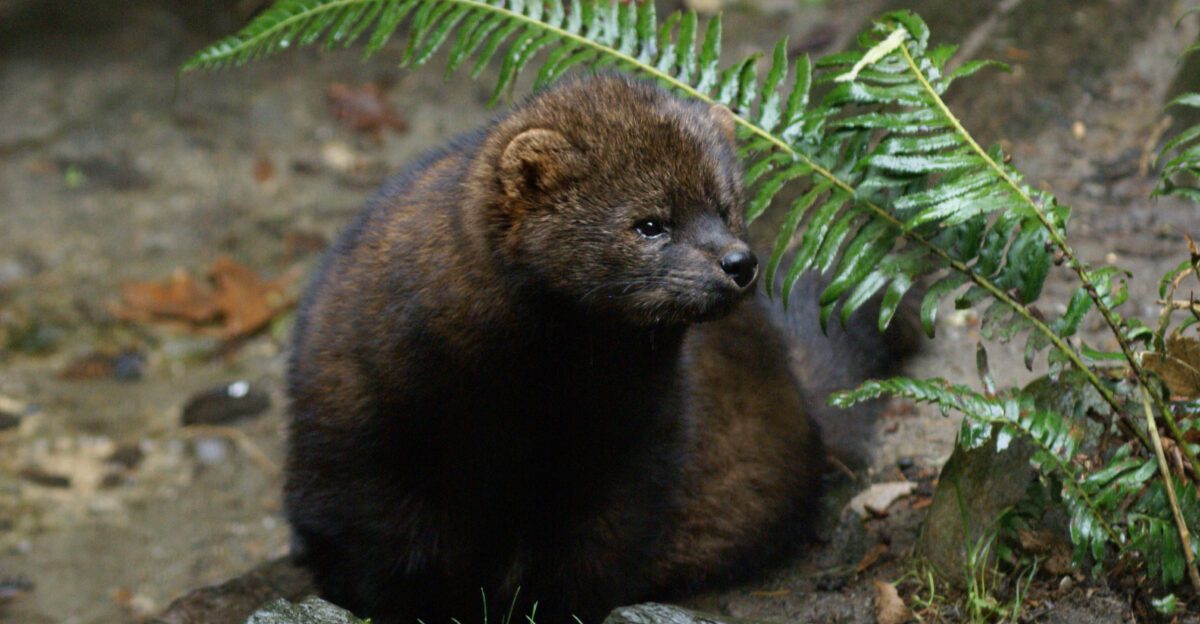
It is a medium-size mammal native to North America It is a member of the mustelid family commonly referred to as the weasel family The fisher is closely related to but larger than the American Marten Martes americana The fisher is a forest-dwelling creature whose range covers much of the boreal forest in Canada to the northern fringes of the United States Names derived from aboriginal languages include pekan pequam and wejack It is also sometimes referred to as a fisher cat though it is not a feline Fishers are omnivorous and feed on a wide variety of small animals and occasionally fruits and mushrooms They show a preference for the snowshoe hare and are one of the few predators able to hunt porcupine Courtesy photo by Bethany Weeks
Photo by Pacific Southwest Region USFWS from Sacramento US on Wikimedia

The breakthrough came from a single trail camera inside Cleveland Metroparks. Earlier in 2025, it recorded clear footage of a fisher moving through recovered forest habitat. The sighting was publicly reported in December 2025.

It was later announced on January 18, 2026. Wildlife Management Coordinator Andy Burmesch identified the animal, and the Ohio Division of Wildlife confirmed it—marking the first verified fisher record in Cuyahoga County since the 1800s.

County Milestone
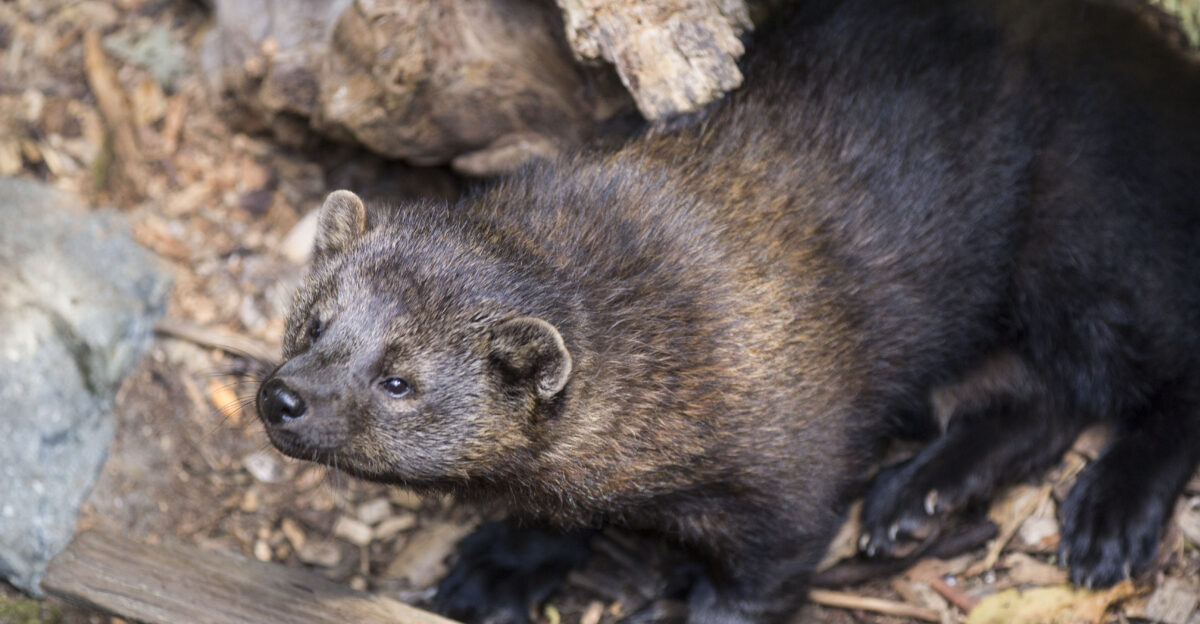
NPS photo by Emily Brouwer
Photo by Mount Rainier National Park from Ashford WA United States on Wikimedia

The confirmation carries historic weight. Cuyahoga County, home to roughly 1.26 million residents, had no verified fisher presence for over a century. The animal was recorded within Cleveland Metroparks’ 25,000-plus acres spanning 18 reservations.

Its appearance suggests recolonization, not coincidence. With about 200 trail cameras operating across the system, officials are tracking how this predator navigates forests bordered by highways, neighborhoods, and recreation.

Human Coexistence
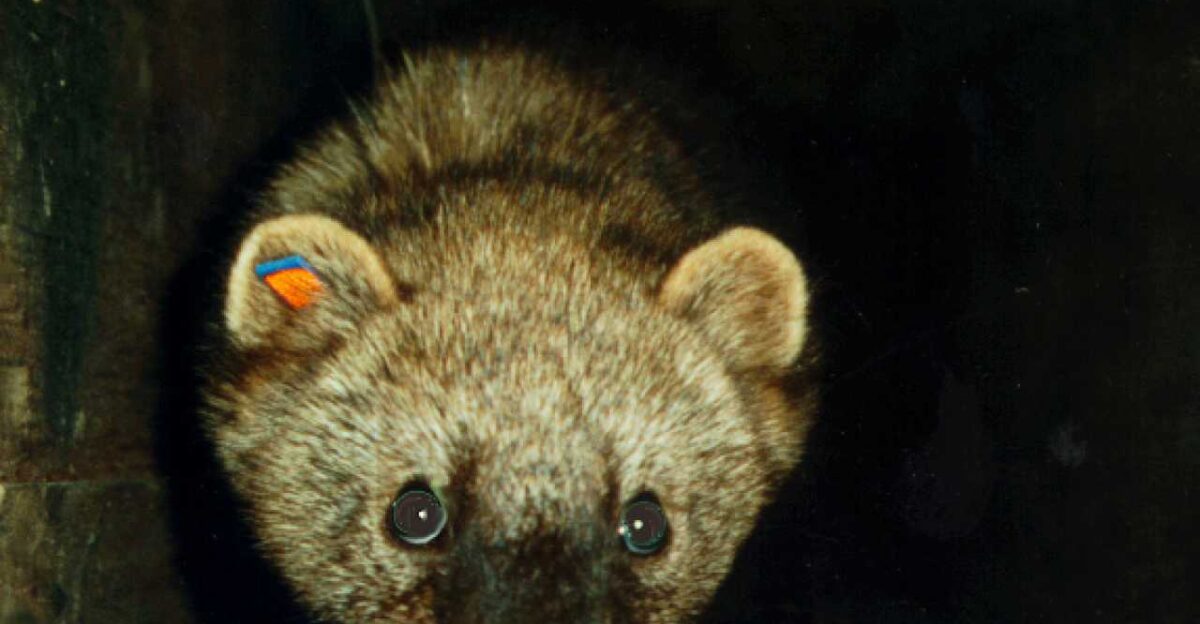
fisher weasel
Photo by PDH on Wikimedia

“This is tremendously exciting,” park officials said publicly, while emphasizing balance. Wildlife ecologist Jon Cepek notes Cleveland Metroparks prioritizes both conservation and recreation. Fishers are wary, rarely seen, and unlikely to interact with people.

Still, more than a million residents now share space with a predator their ancestors never knew. Misidentifications are common, with mink often mistaken for fishers, highlighting curiosity and the need for careful verification.

Regulatory Confirmation

Ohio Department of Natural Resources Dodge Durango
Photo by Rei Findley on Wikimedia

The Ohio Division of Wildlife, which tracks fishers as a species of conservation interest, formally confirmed the identification and the species’ long absence from the county. No reintroduction occurred.

The fisher arrived naturally, likely dispersing from established populations in Pennsylvania. This aligns with Ohio’s management strategy: restore habitat, reduce pressure, and allow wildlife to recolonize on its own.

Macro Recovery Trend
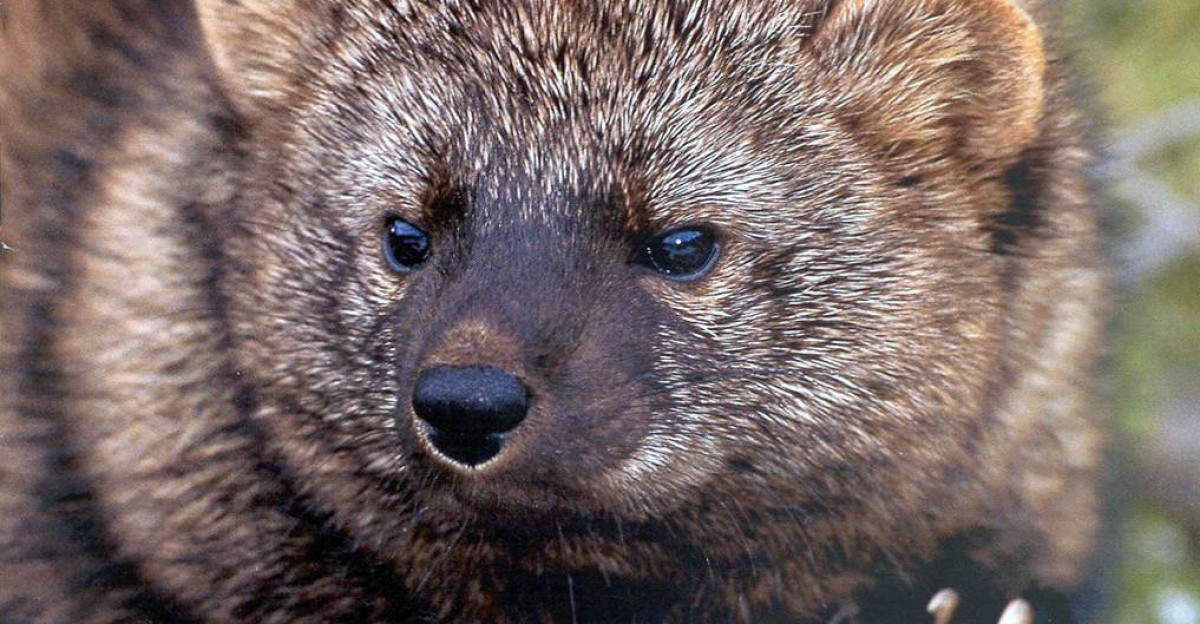
Pacific Fisher Martes pennanti in California It is a medium-size mammal native to North America It is a member of the mustelid family commonly referred to as the weasel family The fisher is closely related to but larger than the American Marten Martes americana The fisher is a forest-dwelling creature whose range covers much of the boreal forest in Canada south through the Northwestern United States to the Sierra Nevada and northwestern Coast Ranges in California Names derived from aboriginal languages include pekan pequam and wejack It is also sometimes referred to as a fisher cat though it is not a feline Fishers are omnivorous and feed on a wide variety of small animals and occasionally fruits and mushrooms They show a preference for the snowshoe hare and are one of the few predators able to hunt porcupine Credits Photo by USFS Region 5 Reg - U S Fish and Wildlife Service Pacific Southwest Region
Photo by Pacific Southwest Region from Sacramento US on Wikimedia

Ohio’s forests never fully vanished—but decades of protection allowed many to regrow. As habitat returned, species followed. White-tailed deer rebounded first. Mid-level predators came later.

Now, fishers are appearing again across Northeast Ohio. Since 2013, verified sightings across 10 counties show slow expansion. In 2023, collected carcasses added biological evidence of establishment.

Pregnant Proof
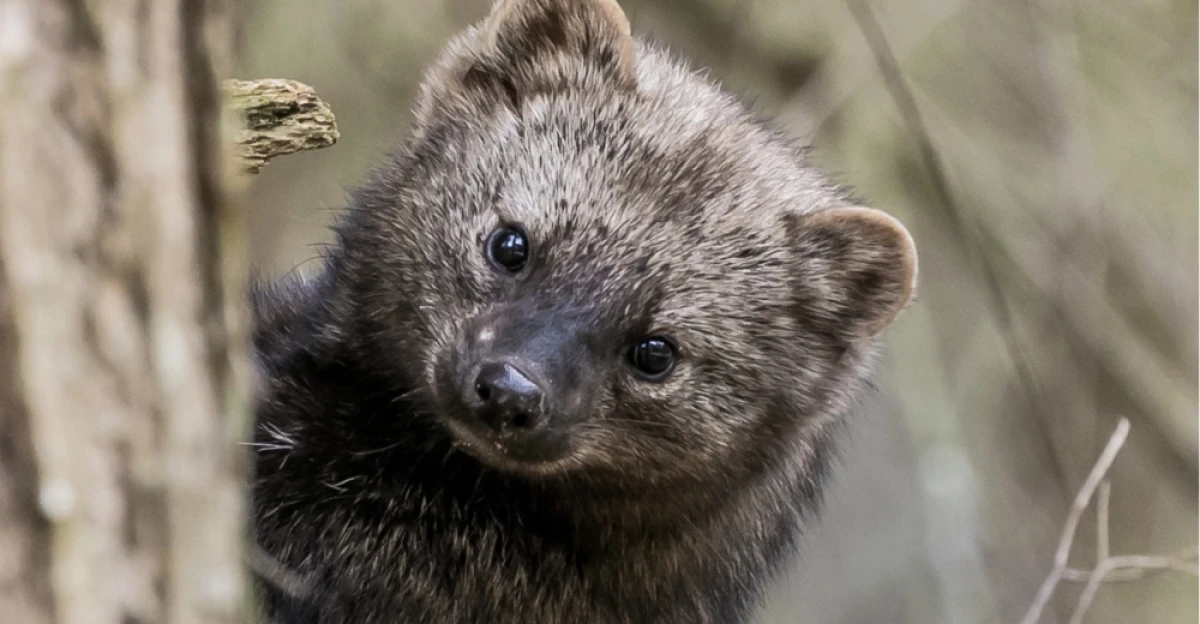
Imported image
Photo by snapshotny.org

In February 2023, the Ohio Department of Natural Resources recovered two fisher carcasses in Northeast Ohio. Laboratory analysis revealed that one was pregnant.

That detail changed the narrative. It indicated natural reproduction within Ohio—not just wandering individuals—strengthening the case that fishers are reclaiming their historic range.

Skeptical Watchers
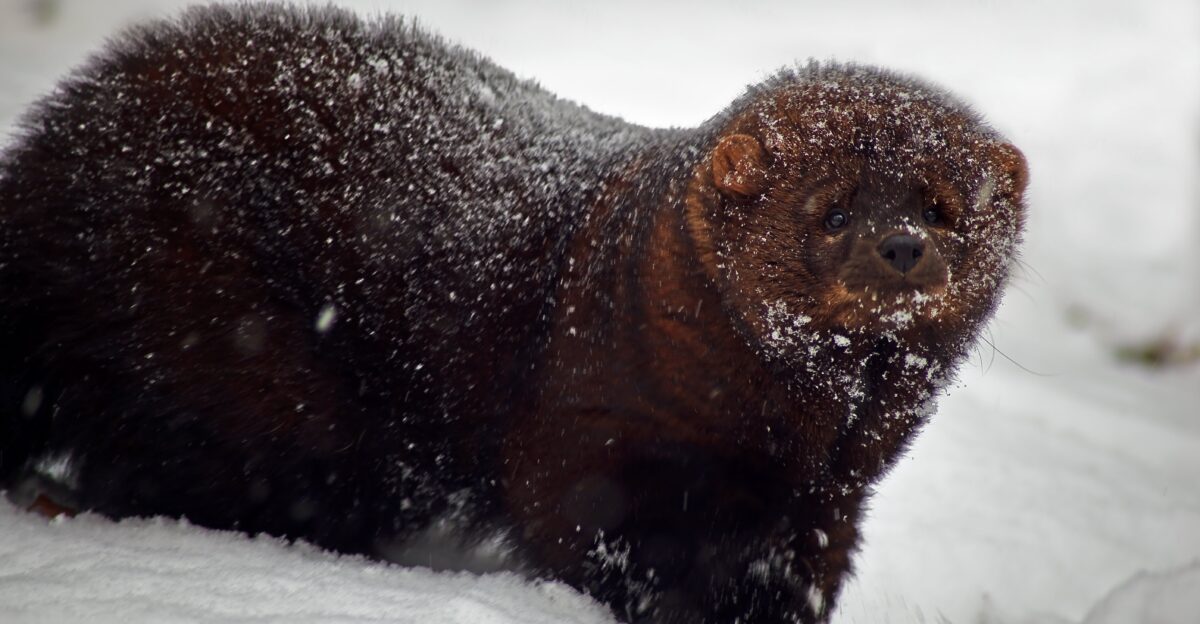
Fisher Animal Snow Storm
Photo by ForestWander Nature Photography 1 on Wikimedia

Despite excitement, uncertainty remains. “We don’t have cameras everywhere, and they don’t see everything,” Jon Cepek cautions. Fishers are nocturnal, solitary, and adept at avoiding detection.

False reports complicate tracking, with many sightings turning out to be mink. Officials debate whether one animal represents a population or an isolated pioneer.

Leadership Response
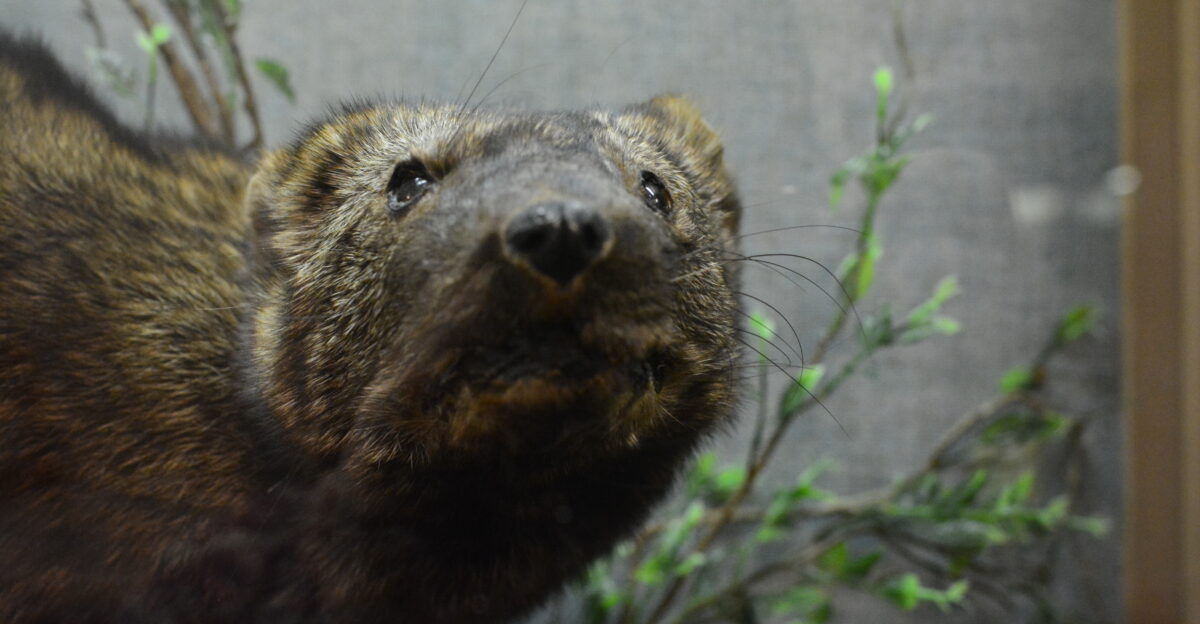
Taxidermied fisher Martes pennanti Longmire Museum Longmire Washington in Mount Rainier National Park
Photo by Joe Mabel on Wikimedia

Cleveland Metroparks staff described the discovery as “tremendously exciting” in public statements and social media posts. While no policy shifts followed immediately, the sighting elevated monitoring priorities.

Ecologists like Cepek and Burmesch are dedicating more attention to predator movement. The Ohio Division of Wildlife continues to lead verification and scientific oversight.

Strategic Monitoring
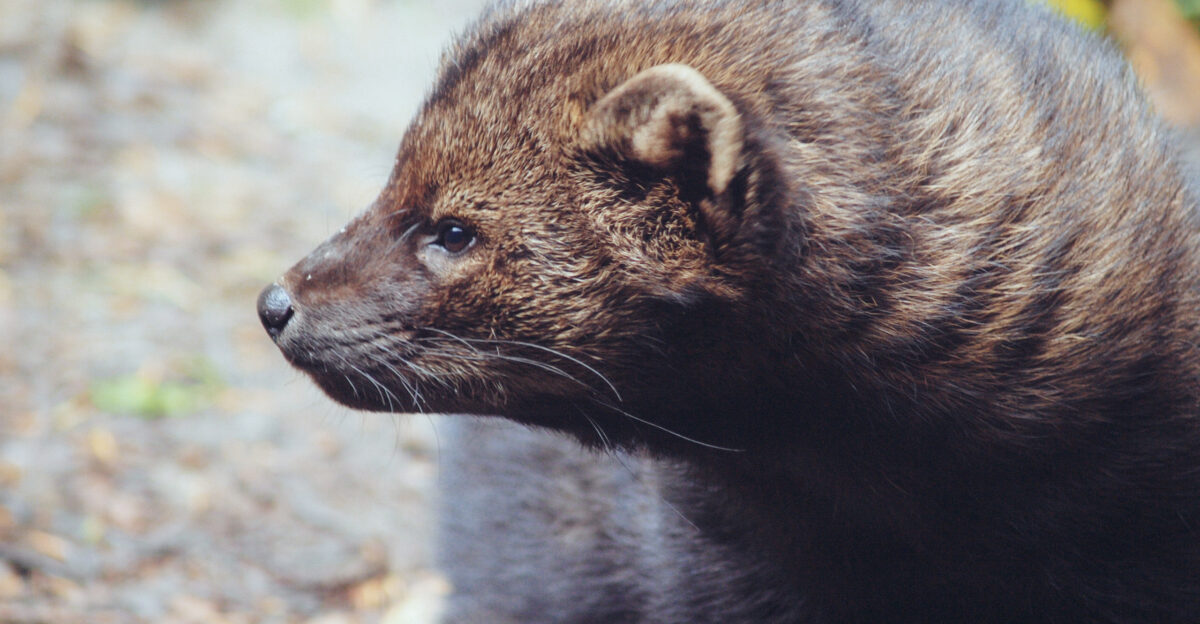
A Fisher up close
Photo by Matthew Zalewski on Wikimedia

Approximately 200 trail cameras operate across Cleveland Metroparks, documenting wildlife movement, behavior, and habitat use. These cameras provide noninvasive data on how fishers adapt to urban-adjacent landscapes.

Officials encourage the public to report sightings but stress verification. Clear photos and details help distinguish fishers from similar species.

Expert Caution
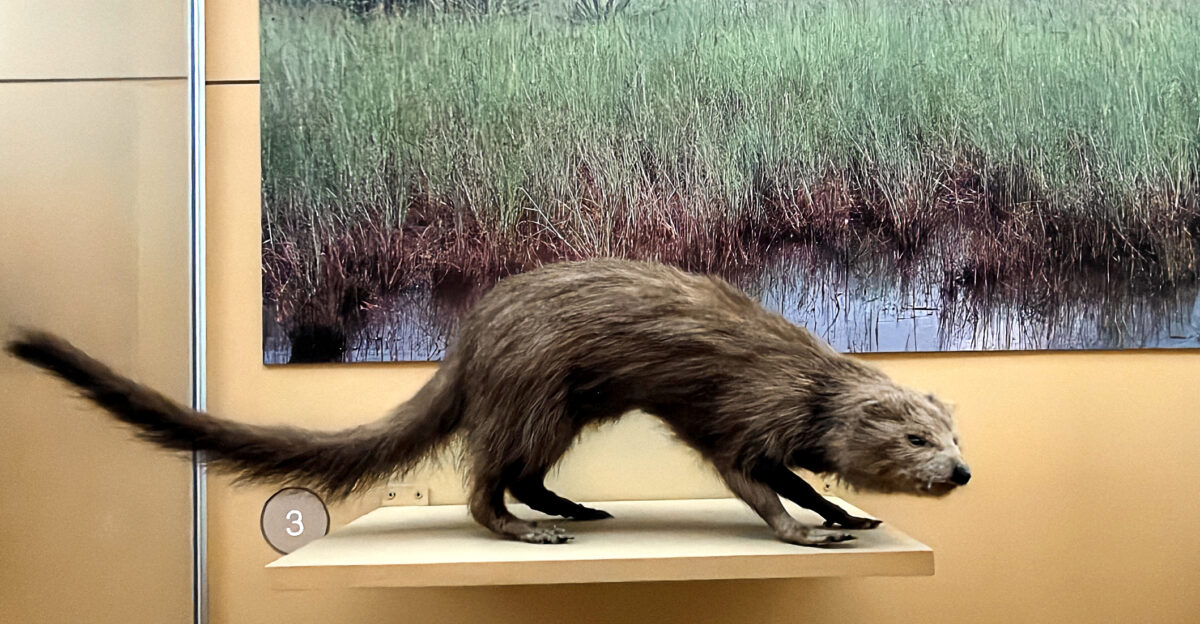
fisher Martes pennanti taxidermy
Photo by Suyash Dwivedi on Wikimedia

“This is a species that’s new here and probably very wary of people,” Cepek explains. State biologists agree that fishers expand slowly and require connected forest cover.

While recovery zones suggest populations can spread 10–15 miles per year, expectations remain conservative. Long-term monitoring will determine success.

Future Footprint
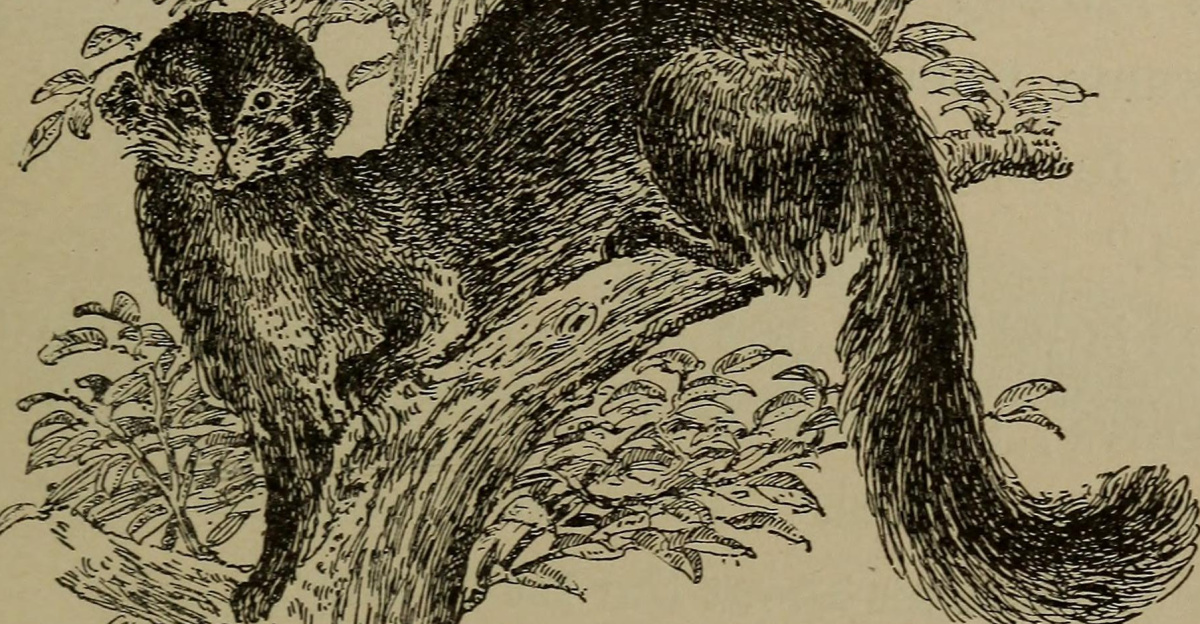
<br>Fisher (<i>Martes pennanti</i>)
<p><b>Identifier</b>: familiarlifeinfi00math (<a class="external text" href="https://commons.wikimedia.org/w/index.php?title=Special%3ASearch&profile=default&fulltext=Search&search=insource%3A%2Ffamiliarlifeinfi00math%2F">find matches</a>)<br>
<b>Title</b>: <a rel="nofollow" class="external text" href="https://www.flickr.com/photos/internetarchivebookimages/tags/bookidfamiliarlifeinfi00math">Familiar life in field and forest; the animals, birds, frogs, and salamanders</a><br>
<b>Year</b>: <a rel="nofollow" class="external text" href="https://www.flickr.com/photos/internetarchivebookimages/tags/bookyear1898">1898</a> (<a rel="nofollow" class="external text" href="https://www.flickr.com/photos/internetarchivebookimages/tags/bookdecade1890">1890s</a>)<br>
<b>Authors</b>:  <a rel="nofollow" class="external text" href="https://www.flickr.com/photos/internetarchivebookimages/tags/bookauthorMathews__F__Schuyler__Ferdinand_Schuyler___1854_1938">Mathews, F. Schuyler (Ferdinand Schuyler), 1854-1938</a> <a rel="nofollow" class="external text" href="https://www.flickr.com/photos/internetarchivebookimages/tags/bookauthorUnderwood__William_Lyman__phot">Underwood, William Lyman, phot</a><br>
<b>Subjects</b>:  <a rel="nofollow" class="external text" href="https://www.flickr.com/photos/internetarchivebookimages/tags/booksubjectZoology">Zoology</a><br>
<b>Publisher</b>:  <a rel="nofollow" class="external text" href="https://www.flickr.com/photos/internetarchivebookimages/tags/bookpublisherNew_York__D__Appleton_and_company">New York, D. Appleton and company</a><br>
<b>Contributing Library</b>:  <a rel="nofollow" class="external text" href="https://www.flickr.com/photos/internetarchivebookimages/tags/bookcontributorThe_Library_of_Congress">The Library of Congress</a><br>
<b>Digitizing Sponsor</b>:  <a rel="nofollow" class="external text" href="https://www.flickr.com/photos/internetarchivebookimages/tags/booksponsorThe_Library_of_Congress">The Library of Congress</a><br>
<br>
<b>View Book Page</b>: <a rel="nofollow" class="external text" href="https://archive.org/stream/familiarlifeinfi00math/familiarlifeinfi00math#page/n159/mode/1up">Book Viewer</a><br>
<b>About This Book</b>: <a rel="nofollow" class="external text" href="https://archive.org/details/familiarlifeinfi00math">Catalog Entry</a><br>
<b>View All Images</b>: <a rel="nofollow" class="external text" href="https://www.flickr.com/photos/internetarchivebookimages/tags/bookidfamiliarlifeinfi00math">All Images From Book</a><br>
Click here to <a rel="nofollow" class="external text" href="https://archive.org/stream/familiarlifeinfi00math/familiarlifeinfi00math#page/n159/mode/1up"><b>view book online</b></a> to see this illustration in context in a browseable online version of this book.<br>
<br>
<b>Text Appearing Before Image:</b><br>
<i>of northern New Hampshire andMaine. Besides the few furs which come into themarket from the northeastern States, there are alarge number which come from the vicinity of LakeSuperior, Canada, the Northwest, and the Pacificcoast. The parallel of 35° is considered by ElliottCoues the fishers southern limit. The name of the animal is somewhat misapplied,as he does no fishing for himself unless it is on theborders of the pond. On the whole the fisher is mostdecidedly arboreal; he spends a great deal of histime exploring the trees for his prey. He is agileand muscular to a degree almost exceeding the ath-letic accomplishments of the cat tribe, and it is saidthat he can make a descending bound of forty feet, FURRY FRIENDS WITH FINE SKINS. 119 never failing at the end to secure his prey. He is,in fact, the expert climber of the family to which hebelongs. In a race with the raccoon the lattersheels are not lively enough to save his hide ; thepoor coon has not a ghost of a chance. I copy what</i><br>
<b>Text Appearing After Image:</b><br>
<i>He spends a great deal ofhis time exploring thetrees for his prey. Mr. Peter Eeid, of Washington County, New York,has said long years ago on that point: While hunt-ing early one winter 1 found the carcass of a freshlykilled sheep, and by the tracks around it in the lightsnow perceived that a fisher had surprised a raccoonat the feast. A hard chase had ensued, the raccoontacking at full speed to avoid his pursuer, the fisheroutrunning and continually confronting his intended 120 FAMILIAR LIFE m FIELD AND FOREST. victim. I saw where at length the fisher had madean assault, and where a bloody contest had evidentlyensued. The raccoon, worsted in the encounter, hadagain broken away and the chase was resumed, butwith diminished energy on the part of the raccoon;the animal had been soon overtaken again, and a stillmore desperate encounter had taken place. Thecoon had failed fast, and it had at last become mere-ly a running fight, when both animals had entereda swamp where it was impossible f</i><br>
<br>
<b>Note About Images</b><br>
</p>
<i>Please note that these images are extracted from scanned page images that may have been digitally enhanced for readability - coloration and appearance of these illustrations may not perfectly resemble the original work.</i>
Photo by Internet Archive Book Images on Wikimedia

Key questions now guide research. Can Northeast Ohio’s forests support multiple fishers long-term? Will they find enough prey without conflict?

And can urban edges accommodate a predator absent for generations? The answers may shape future coexistence strategies across the region.

Policy Wins
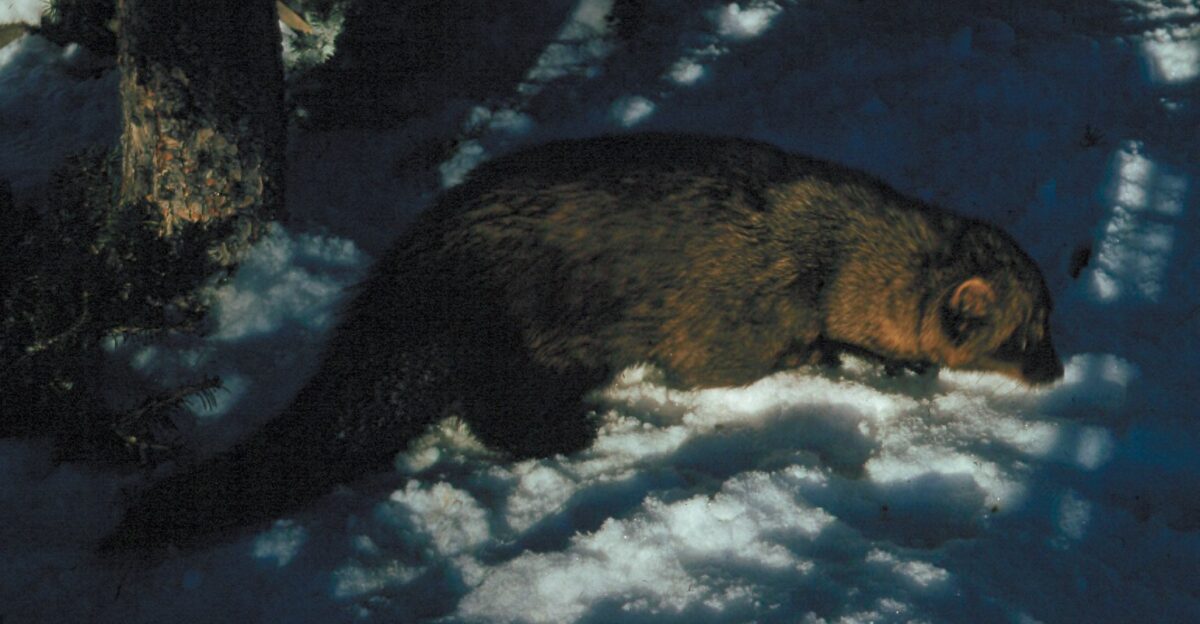
35 mm slide color Scientific Classification Kingdom Animalia Phylum Chordata Class Mammalia Order Carnivora Family Mustelidae Genus Martes Genus species Martes pennanti Animal characteristics Head-Body Length 47-75 cm Weight 2-5 kg Identification The coat of the fisher can vary from medium to dark brown with gold to silver hoariness on the head and shoulders The fisher has a black tail and legs and tail and a cream patch on the chest Habitat Forests Diet Omnivore porcupines small rodents and birds carrion fruit nuts Reproduction Fishers mate in early spring After a gestation period of 11-12 months including a delayed implantation of 9-10 months females give birth to 1-5 young The kits are weaned at two months of age Behavior Because they are built so low to the ground fishers are very adept at fighting porcupines They can attack the porcupine s face underneath the quills until it goes into shock Status No special status Interesting Facts Fishers are highly valued for their fur
Photo by Garst Warren 1922 2016 photographer on Wikimedia

The fisher’s return reflects decades of policy choices. Habitat protections, wetland restoration, and sustained funding created conditions for natural recolonization—without forced reintroduction.

Cleveland Metroparks exemplifies a model where public lands serve both people and wildlife, showing how patience can reverse century-long losses.

Regional Migration
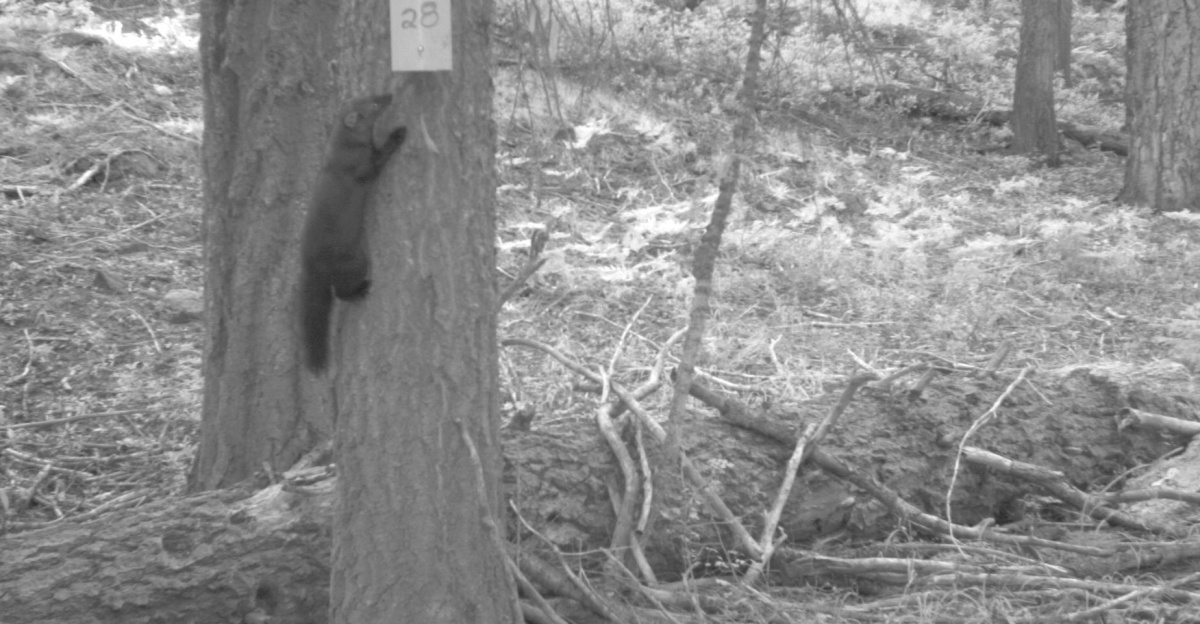
<p>BLM using satellites to study fishers in southern Oregon
</p><p>By Toshio Suzuki, April 14, 2016
</p><p>Capturing a fisher in an Oregon forest can be tricky work. 
</p><p>First off, there aren’t many of them. 
</p><p>Secondly, the cat-sized mammal sports retractable claws and a heart rate that can climb to 300 beats per minute when agitated — double a high rate for humans — and like most animals in the wild, they will defend themselves from capture, even if for scientific research. 
</p><p>“They are carnivores and they have amazing capacities of strength and endurance,” said Katie Moriarty, a research wildlife biologist for the U.S. Forest Service.
</p><p>Moriarty is one of several partners helping the Bureau of Land Management in a first-of-its-kind research project: using GPS collars and satellites to track fisher movements in Oregon. 
</p><p>The end goal is to establish a baseline of habitat information for a species that has been in decline since the trapping and timber industries entered the Western landscape in the 1800s. 
</p><p>In 2014, the West Coast fisher received a “proposed threatened” status by the U.S. Fish and Wildlife Service; but just this week the agency announced the fisher did not warrant listing under the Endangered Species Act. 
</p><p>If land managers like the BLM can learn specific habitat characteristics, they will then be able to make more informed decisions and even potentially figure out why the member of the weasel family is in decline, said Bruce Hollen, a wildlife biologist for the BLM in Oregon and Washington. 
</p><p>“Something about their habitat is affecting their ability to disperse,” said Hollen. “We don't know how come their populations have stayed so small.”
</p><p>Adult fishers can weigh about 3 to 13 pounds, and can be about 2.5 to 4 feet long. They eat seemingly anything smaller than them that can be discovered in the forest: birds, squirrels, mice, reptiles, insects, vegetation and fruit. They also have the unique ability to hunt and eat porcupines. 
</p><p>Porcupines love to eat Oregon trees and are the reason why there were several efforts to reintroduce fishers to the southern Oregon Cascade Range from the early 1960s to early 1980s. 
</p><p>Those reintroduced fishers were mostly from British Columbia, but also Minnesota, according to a 2003 study published in the international journal Biological Conservation.
</p><p>Presently, there are only two known fisher populations in Oregon. One is native and one is the reintroduced population. Both home ranges for the distinct fisher populations are slivers in the southwestern portion of the state. Research data now indicates that native fishers have crossed the I-5 boundary from the west and made it into the historic range of the non-native population.
</p><p>While wildlife biologists agree that any mixed breeding would be interesting, it isn’t always as easy as that for territorial animals.
</p><p>Moriarty, who works at the Pacific Northwest Research Station, related the moving fishers to a typical American street: “You might be able to walk into somebody’s yard but you won’t be able to live there.”
</p><p>Chicken meat bait is what draws the curious fishers into the multi-compartment traps. Once inside and anesthetized, the biologists have 30 minutes to affix collars and conduct a number of tests. 
</p><p>Blood, hair and tissue samples are taken for DNA testing. Feet are measured and a tooth is extracted to determine age. The wildlife biologists even check for fleas and ticks during the evaluation, all while monitoring the animal’s temperature. 
</p><p>“You only get them in your hands every so often, so you want to measure as much as you can,” explained Matt Broyles, a BLM wildlife biologist in Klamath Falls contributing to the ongoing research.
</p><p>Out of the seven fishers captured last October, three adult females got the GPS collars and two adult males were fitted with regular radio telemetry collars. Juveniles were released. The females got priority for the new equipment because they tend to stay within the home range, while males “can decide to go for a long wander,” said Hollen. 
</p><p>“We really want to see what they are doing within their home range — how they use the landscape in that Klamath Falls area,” he said.
</p><p>The GPS units provided real-time data points every 15 minutes, allowing the team to discern resting sites and den locations inside trees. 
</p><p>So far, the wildlife team, which includes specialists from Oregon State University and the Rocky Mountain Laboratories, is very optimistic about the research study that runs through this July. 
</p><p>“The benefits are exponentially phenomenal,” said Moriarty. 
</p><p>tsuzuki@blm.gov
</p>
Photos and videos captured between March of 2015 and April of 2016. All photos by BLM.
Photo by Bureau of Land Management Oregon and Washington from Portland America on Wikimedia

Fishers documented in 10 Northeast Ohio counties likely arrived from Pennsylvania populations, part of a broader northeastern U.S. recovery.

Their movement highlights how connected forests across state lines matter, making coordination between states essential for protection.

Environmental Signals
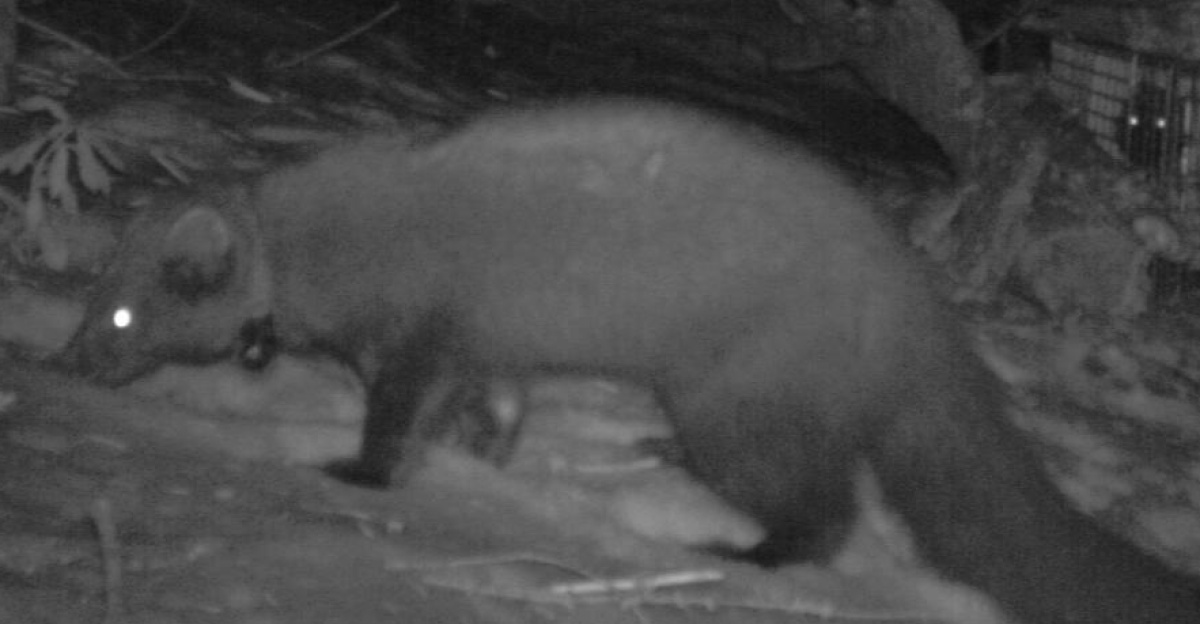
<p>BLM using satellites to study fishers in southern Oregon
</p><p>By Toshio Suzuki, April 14, 2016
</p><p>Capturing a fisher in an Oregon forest can be tricky work. 
</p><p>First off, there aren’t many of them. 
</p><p>Secondly, the cat-sized mammal sports retractable claws and a heart rate that can climb to 300 beats per minute when agitated — double a high rate for humans — and like most animals in the wild, they will defend themselves from capture, even if for scientific research. 
</p><p>“They are carnivores and they have amazing capacities of strength and endurance,” said Katie Moriarty, a research wildlife biologist for the U.S. Forest Service.
</p><p>Moriarty is one of several partners helping the Bureau of Land Management in a first-of-its-kind research project: using GPS collars and satellites to track fisher movements in Oregon. 
</p><p>The end goal is to establish a baseline of habitat information for a species that has been in decline since the trapping and timber industries entered the Western landscape in the 1800s. 
</p><p>In 2014, the West Coast fisher received a “proposed threatened” status by the U.S. Fish and Wildlife Service; but just this week the agency announced the fisher did not warrant listing under the Endangered Species Act. 
</p><p>If land managers like the BLM can learn specific habitat characteristics, they will then be able to make more informed decisions and even potentially figure out why the member of the weasel family is in decline, said Bruce Hollen, a wildlife biologist for the BLM in Oregon and Washington. 
</p><p>“Something about their habitat is affecting their ability to disperse,” said Hollen. “We don't know how come their populations have stayed so small.”
</p><p>Adult fishers can weigh about 3 to 13 pounds, and can be about 2.5 to 4 feet long. They eat seemingly anything smaller than them that can be discovered in the forest: birds, squirrels, mice, reptiles, insects, vegetation and fruit. They also have the unique ability to hunt and eat porcupines. 
</p><p>Porcupines love to eat Oregon trees and are the reason why there were several efforts to reintroduce fishers to the southern Oregon Cascade Range from the early 1960s to early 1980s. 
</p><p>Those reintroduced fishers were mostly from British Columbia, but also Minnesota, according to a 2003 study published in the international journal Biological Conservation.
</p><p>Presently, there are only two known fisher populations in Oregon. One is native and one is the reintroduced population. Both home ranges for the distinct fisher populations are slivers in the southwestern portion of the state. Research data now indicates that native fishers have crossed the I-5 boundary from the west and made it into the historic range of the non-native population.
</p><p>While wildlife biologists agree that any mixed breeding would be interesting, it isn’t always as easy as that for territorial animals.
</p><p>Moriarty, who works at the Pacific Northwest Research Station, related the moving fishers to a typical American street: “You might be able to walk into somebody’s yard but you won’t be able to live there.”
</p><p>Chicken meat bait is what draws the curious fishers into the multi-compartment traps. Once inside and anesthetized, the biologists have 30 minutes to affix collars and conduct a number of tests. 
</p><p>Blood, hair and tissue samples are taken for DNA testing. Feet are measured and a tooth is extracted to determine age. The wildlife biologists even check for fleas and ticks during the evaluation, all while monitoring the animal’s temperature. 
</p><p>“You only get them in your hands every so often, so you want to measure as much as you can,” explained Matt Broyles, a BLM wildlife biologist in Klamath Falls contributing to the ongoing research.
</p><p>Out of the seven fishers captured last October, three adult females got the GPS collars and two adult males were fitted with regular radio telemetry collars. Juveniles were released. The females got priority for the new equipment because they tend to stay within the home range, while males “can decide to go for a long wander,” said Hollen. 
</p><p>“We really want to see what they are doing within their home range — how they use the landscape in that Klamath Falls area,” he said.
</p><p>The GPS units provided real-time data points every 15 minutes, allowing the team to discern resting sites and den locations inside trees. 
</p><p>So far, the wildlife team, which includes specialists from Oregon State University and the Rocky Mountain Laboratories, is very optimistic about the research study that runs through this July. 
</p><p>“The benefits are exponentially phenomenal,” said Moriarty. 
</p><p>tsuzuki@blm.gov
</p>
Photos and videos captured between March of 2015 and April of 2016. All photos by BLM.
Photo by Bureau of Land Management Oregon and Washington from Portland, America on Wikimedia

Carnivores are indicators of ecosystem health. The fisher’s return suggests forest structure, prey availability, and habitat connectivity have reached a critical threshold.

Legal protections and active management help ensure this recovery is not reversed after 170 years.

Cultural Shift
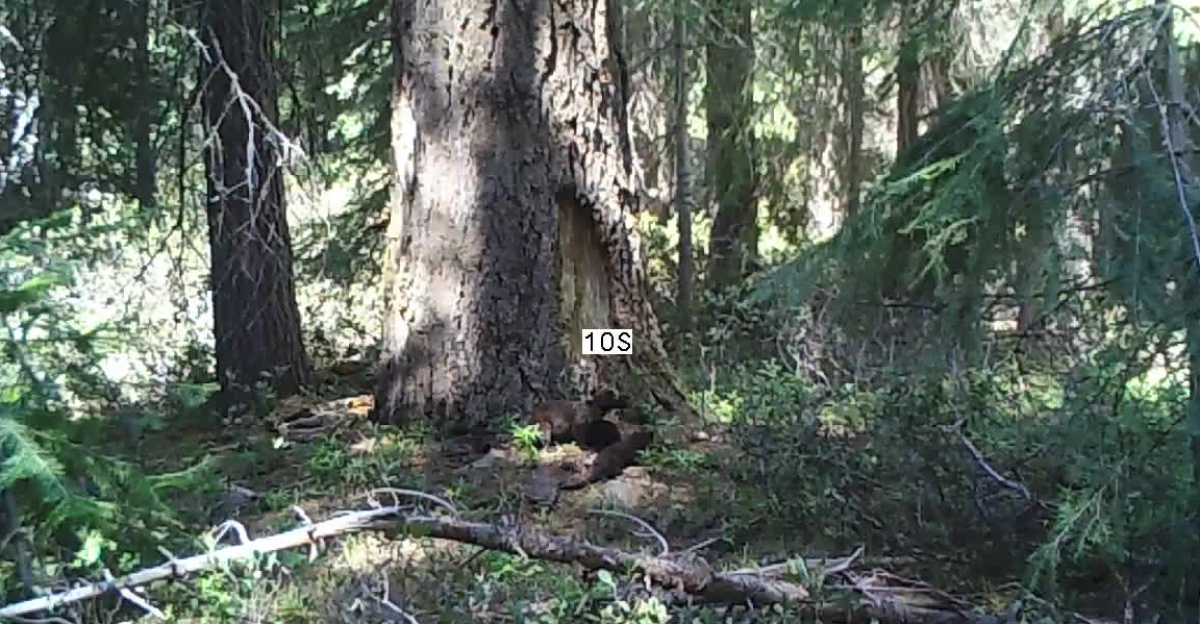
<p>--Photo/video from May and June of 2016 -- story below from April of 2016: 
</p><p>Capturing a fisher in an Oregon forest can be tricky work. 
</p><p>First off, there aren’t many of them. 
</p><p>Secondly, the cat-sized mammal sports retractable claws and a heart rate that can climb to 300 beats per minute when agitated — double a high rate for humans — and like most animals in the wild, they will defend themselves from capture, even if for scientific research. 
</p><p>“They are carnivores and they have amazing capacities of strength and endurance,” said Katie Moriarty, a research wildlife biologist for the U.S. Forest Service.
</p><p>Moriarty is one of several partners helping the Bureau of Land Management in a first-of-its-kind research project: using GPS collars and satellites to track fisher movements in Oregon. 
</p><p>The end goal is to establish a baseline of habitat information for a species that has been in decline since the trapping and timber industries entered the Western landscape in the 1800s. 
</p><p>In 2014, the West Coast fisher received a “proposed threatened” status by the U.S. Fish and Wildlife Service; but just this week the agency announced the fisher did not warrant listing under the Endangered Species Act. 
</p><p>If land managers like the BLM can learn specific habitat characteristics, they will then be able to make more informed decisions and even potentially figure out why the member of the weasel family is in decline, said Bruce Hollen, a wildlife biologist for the BLM in Oregon and Washington. 
</p><p>“Something about their habitat is affecting their ability to disperse,” said Hollen. “We don't know how come their populations have stayed so small.”
</p><p>Adult fishers can weigh about 3 to 13 pounds, and can be about 2.5 to 4 feet long. They eat seemingly anything smaller than them that can be discovered in the forest: birds, squirrels, mice, reptiles, insects, vegetation and fruit. They also have the unique ability to hunt and eat porcupines. 
</p><p>Porcupines love to eat Oregon trees and are the reason why there were several efforts to reintroduce fishers to the southern Oregon Cascade Range from the early 1960s to early 1980s. 
</p><p>Those reintroduced fishers were mostly from British Columbia, but also Minnesota, according to a 2003 study published in the international journal Biological Conservation.
</p><p>Presently, there are only two known fisher populations in Oregon. One is native and one is the reintroduced population. Both home ranges for the distinct fisher populations are slivers in the southwestern portion of the state. Research data now indicates that native fishers have crossed the I-5 boundary from the west and made it into the historic range of the non-native population.
</p><p>While wildlife biologists agree that any mixed breeding would be interesting, it isn’t always as easy as that for territorial animals.
</p><p>Moriarty, who works at the Pacific Northwest Research Station, related the moving fishers to a typical American street: “You might be able to walk into somebody’s yard but you won’t be able to live there.”
</p><p>Chicken meat bait is what draws the curious fishers into the multi-compartment traps. Once inside and anesthetized, the biologists have 30 minutes to affix collars and conduct a number of tests. 
</p><p>Blood, hair and tissue samples are taken for DNA testing. Feet are measured and a tooth is extracted to determine age. The wildlife biologists even check for fleas and ticks during the evaluation, all while monitoring the animal’s temperature. 
</p><p>“You only get them in your hands every so often, so you want to measure as much as you can,” explained Matt Broyles, a BLM wildlife biologist in Klamath Falls contributing to the ongoing research.
</p><p>Out of the seven fishers captured last October, three adult females got the GPS collars and two adult males were fitted with regular radio telemetry collars. Juveniles were released. The females got priority for the new equipment because they tend to stay within the home range, while males “can decide to go for a long wander,” said Hollen. 
</p><p>“We really want to see what they are doing within their home range — how they use the landscape in that Klamath Falls area,” he said.
</p><p>The GPS units provided real-time data points every 15 minutes, allowing the team to discern resting sites and den locations inside trees. 
</p><p>So far, the wildlife team, which includes specialists from Oregon State University and the Rocky Mountain Laboratories, is very optimistic about the research study that runs through this July. 
</p><p>“The benefits are exponentially phenomenal,” said Moriarty. 
</p><p>By Toshio Suzuki, tsuzuki@blm.gov
</p>
Photos and videos captured between May and June of 2016. All photos by BLM.
Photo by Bureau of Land Management Oregon and Washington from Portland, America on Wikimedia

No living resident of Cuyahoga County had seen a verified fisher here until now. The moment carries cultural weight.

Misleading nicknames like “fisher cat” spark education, shifting perceptions from myth toward understanding.

What It Signals
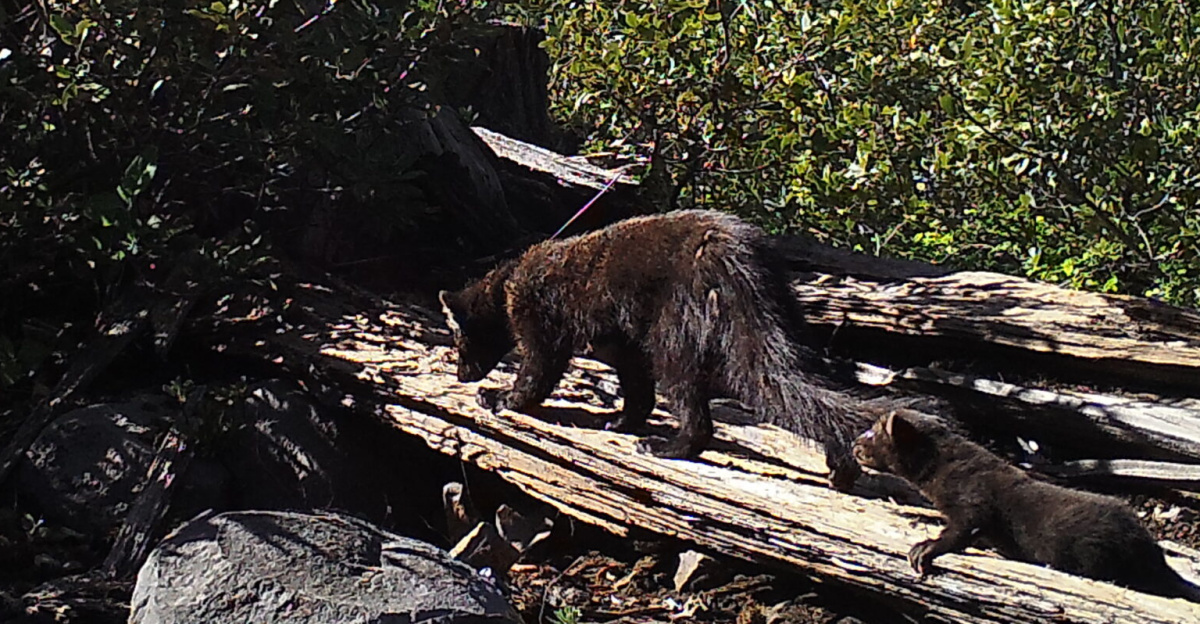
<p>--Photo/video from May and June of 2016 -- story below from April of 2016: 
</p><p>Capturing a fisher in an Oregon forest can be tricky work. 
</p><p>First off, there aren’t many of them. 
</p><p>Secondly, the cat-sized mammal sports retractable claws and a heart rate that can climb to 300 beats per minute when agitated — double a high rate for humans — and like most animals in the wild, they will defend themselves from capture, even if for scientific research. 
</p><p>“They are carnivores and they have amazing capacities of strength and endurance,” said Katie Moriarty, a research wildlife biologist for the U.S. Forest Service.
</p><p>Moriarty is one of several partners helping the Bureau of Land Management in a first-of-its-kind research project: using GPS collars and satellites to track fisher movements in Oregon. 
</p><p>The end goal is to establish a baseline of habitat information for a species that has been in decline since the trapping and timber industries entered the Western landscape in the 1800s. 
</p><p>In 2014, the West Coast fisher received a “proposed threatened” status by the U.S. Fish and Wildlife Service; but just this week the agency announced the fisher did not warrant listing under the Endangered Species Act. 
</p><p>If land managers like the BLM can learn specific habitat characteristics, they will then be able to make more informed decisions and even potentially figure out why the member of the weasel family is in decline, said Bruce Hollen, a wildlife biologist for the BLM in Oregon and Washington. 
</p><p>“Something about their habitat is affecting their ability to disperse,” said Hollen. “We don't know how come their populations have stayed so small.”
</p><p>Adult fishers can weigh about 3 to 13 pounds, and can be about 2.5 to 4 feet long. They eat seemingly anything smaller than them that can be discovered in the forest: birds, squirrels, mice, reptiles, insects, vegetation and fruit. They also have the unique ability to hunt and eat porcupines. 
</p><p>Porcupines love to eat Oregon trees and are the reason why there were several efforts to reintroduce fishers to the southern Oregon Cascade Range from the early 1960s to early 1980s. 
</p><p>Those reintroduced fishers were mostly from British Columbia, but also Minnesota, according to a 2003 study published in the international journal Biological Conservation.
</p><p>Presently, there are only two known fisher populations in Oregon. One is native and one is the reintroduced population. Both home ranges for the distinct fisher populations are slivers in the southwestern portion of the state. Research data now indicates that native fishers have crossed the I-5 boundary from the west and made it into the historic range of the non-native population.
</p><p>While wildlife biologists agree that any mixed breeding would be interesting, it isn’t always as easy as that for territorial animals.
</p><p>Moriarty, who works at the Pacific Northwest Research Station, related the moving fishers to a typical American street: “You might be able to walk into somebody’s yard but you won’t be able to live there.”
</p><p>Chicken meat bait is what draws the curious fishers into the multi-compartment traps. Once inside and anesthetized, the biologists have 30 minutes to affix collars and conduct a number of tests. 
</p><p>Blood, hair and tissue samples are taken for DNA testing. Feet are measured and a tooth is extracted to determine age. The wildlife biologists even check for fleas and ticks during the evaluation, all while monitoring the animal’s temperature. 
</p><p>“You only get them in your hands every so often, so you want to measure as much as you can,” explained Matt Broyles, a BLM wildlife biologist in Klamath Falls contributing to the ongoing research.
</p><p>Out of the seven fishers captured last October, three adult females got the GPS collars and two adult males were fitted with regular radio telemetry collars. Juveniles were released. The females got priority for the new equipment because they tend to stay within the home range, while males “can decide to go for a long wander,” said Hollen. 
</p><p>“We really want to see what they are doing within their home range — how they use the landscape in that Klamath Falls area,” he said.
</p><p>The GPS units provided real-time data points every 15 minutes, allowing the team to discern resting sites and den locations inside trees. 
</p><p>So far, the wildlife team, which includes specialists from Oregon State University and the Rocky Mountain Laboratories, is very optimistic about the research study that runs through this July. 
</p><p>“The benefits are exponentially phenomenal,” said Moriarty. 
</p><p>By Toshio Suzuki, tsuzuki@blm.gov
</p>
Photos and videos captured between May and June of 2016. All photos by BLM.
Photo by Bureau of Land Management Oregon and Washington from Portland, America on Wikimedia

One trail-camera clip erased a century of absence. The fisher’s return shows conservation can work quietly over generations.

It suggests other native species may be closer than assumed, urging vigilance, protection, and coexistence as history reenters the present.

Sources:
WOSU / WYSO – Rare fisher spotted in Cleveland Metroparks for first time in nearly 200 years – December 17, 2025
News 5 Cleveland – 200 years later: Fisher spotted on Cleveland Metroparks trail camera – December 15, 2025
​Petapixel – Trail Camera Captures Elusive “Fisher” in Ohio County for First Time Since 1800s – December 17, 2025
Yahoo News (via ODNR reporting) – A pregnant fisher, the animal, was discovered in Ohio. Here’s why that matters. – March 6, 2024
Good News Network – Trail Cam Spotted a Rare Fisher Not Seen in the Cleveland Area Since the 1800s – December 29, 2025
​Outdoor News – Ohio Mixed Bag: Fishers reproducing in the state – March 11, 2024