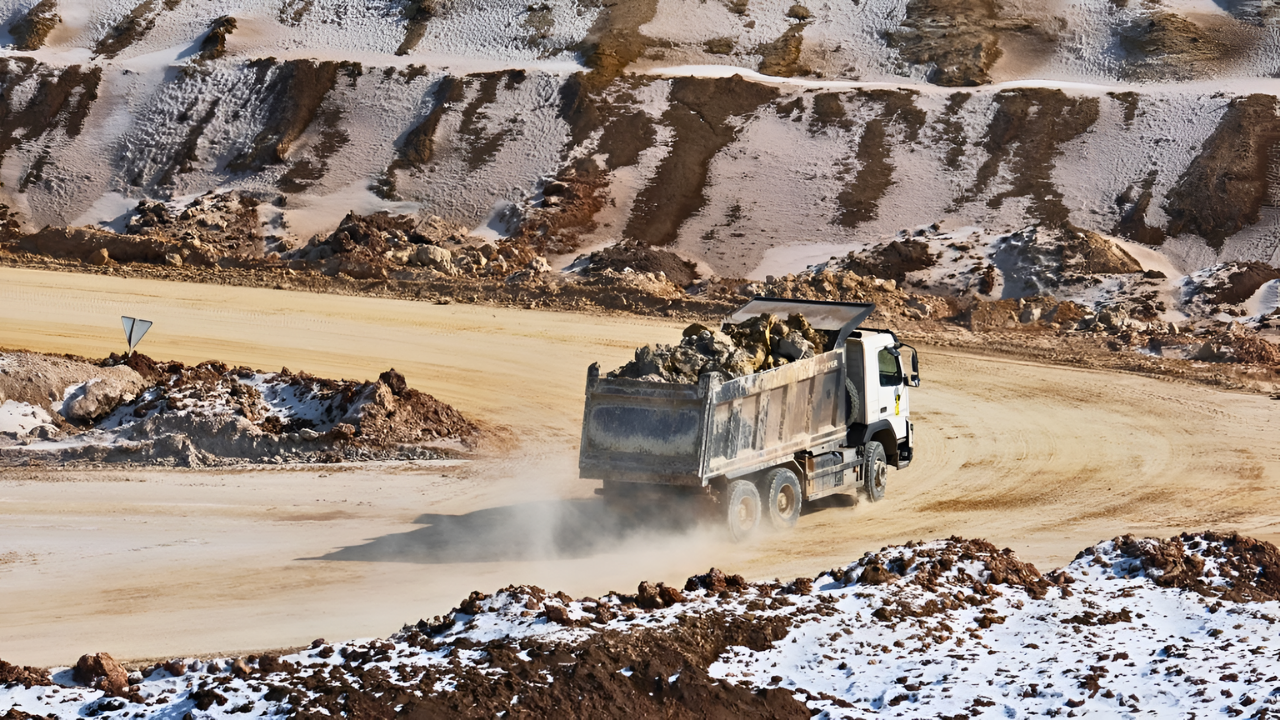
Global lithium demand is soaring due to electric vehicle sales reaching nearly 14 million units in 2023, up 35% from 2022. Analysts project continued growth, straining supply chains. The U.S. aims to reduce reliance on foreign lithium, particularly Chinese refining, to secure energy independence.
The discovery of a massive lithium deposit under the McDermitt Caldera offers a domestic source that could help meet EV battery needs and stabilize supply.
Market Pressures
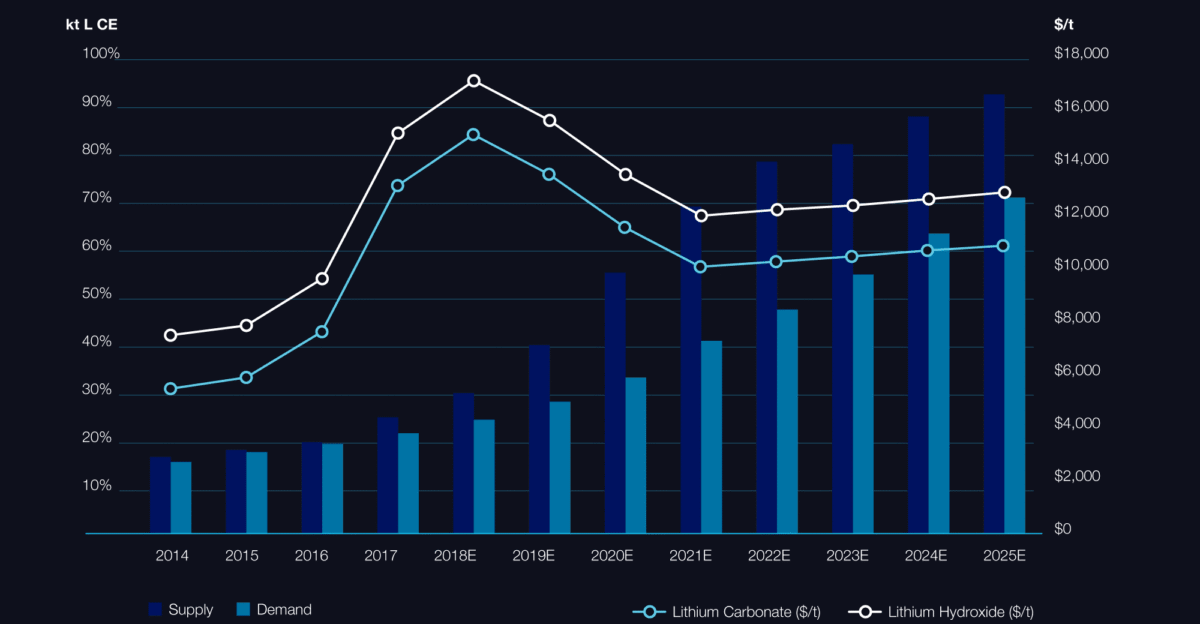
By 2026, the global lithium market is expected to shift from surplus to deficit. Prices have risen sharply in prior years due to high demand.
The U.S. currently imports much of its lithium chemicals for batteries, raising concerns about security and price volatility. Domestic projects like McDermitt are increasingly critical to meet demand, diversify supply chains, and reduce reliance on Chinese processing and cathode production.
Ancient Supervolcano
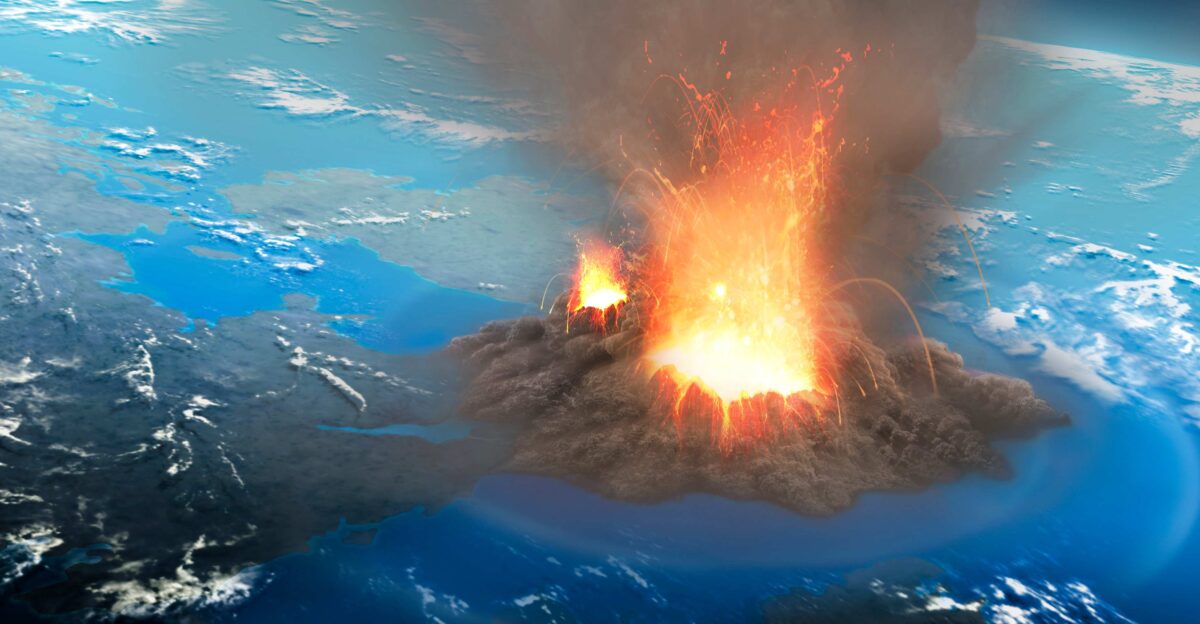
McDermitt Caldera straddles the Oregon–Nevada border, formed 16 million years ago during a Miocene supervolcano eruption. The caldera measures roughly 28 miles long by 22 miles wide and hosts thick lake sediments enriched in lithium-bearing clays.
Hydrothermal fluids further concentrated lithium over millions of years. These geological conditions created one of the largest clay-hosted lithium deposits ever identified, making it a unique and strategically important resource.
Domestic Strategic Importance
The U.S. government now classifies lithium as a critical mineral. Federal and state policies encourage EV adoption, with a goal for half of new car sales to be electric by 2030.
Developing McDermitt would provide domestic lithium, reduce Chinese dependency, and enhance national energy security. However, expedited permitting faces scrutiny from environmental and Indigenous groups, highlighting the tension between strategic priorities and local stewardship.
Massive Lithium Deposit
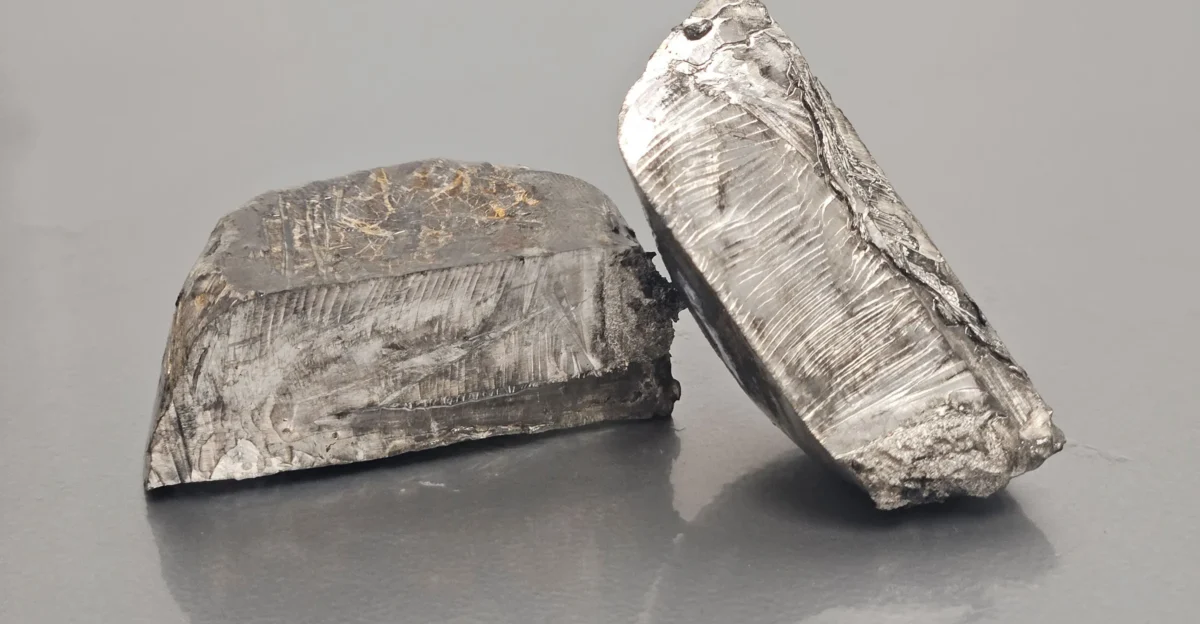
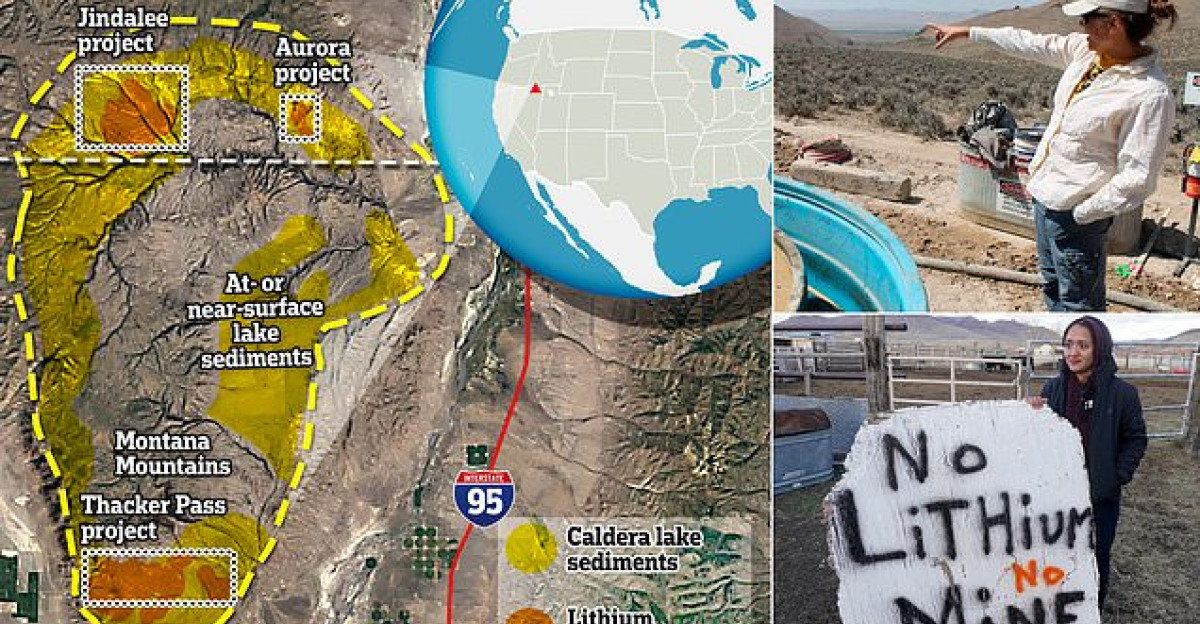
Researchers estimate McDermitt Caldera contains approximately 40 million tons of lithium, worth $1.5 trillion. Deposits are concentrated in claystones, particularly around Thacker Pass.
Although not a formal mineral resource estimate, these numbers indicate one of the largest lithium accumulations globally. If even part of this lithium proves economically recoverable, it could supply hundreds of thousands of EVs annually and significantly shift U.S. lithium supply dynamics.
Regional Context
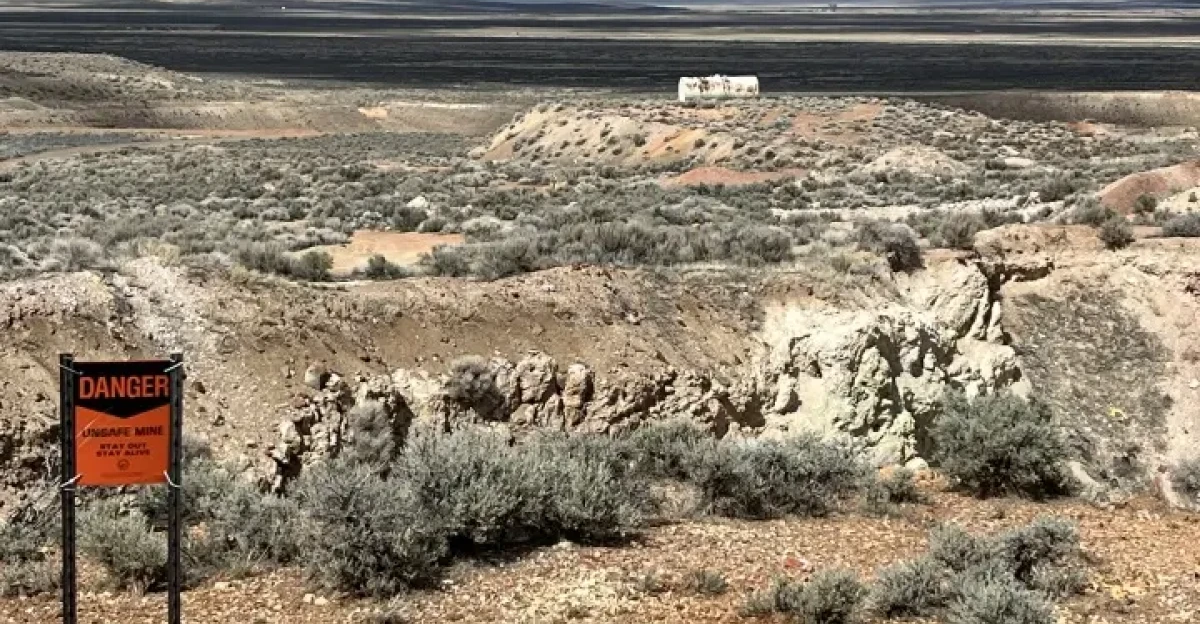
McDermitt lies in a sparsely populated high desert, supporting ranching, wildlife, and small towns like McDermitt.
Thacker Pass, in southern Nevada, covers 17,933 acres. Large-scale mining could alter land use, employment, and infrastructure. Communities face both potential economic benefits and environmental risks, including water management, dust, and habitat disruption. The project illustrates the local-national tension in strategic mineral development.
Local Perspectives

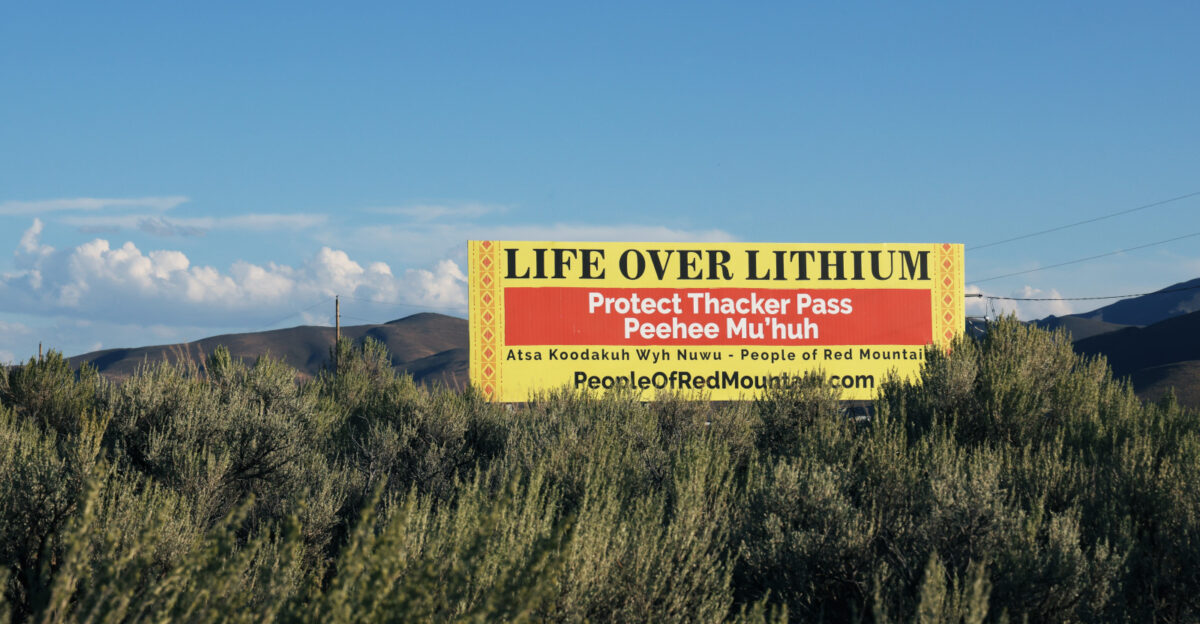
Ranchers and residents worry about dust, road damage, grazing impacts, and water usage. Some have modified land practices to protect sage grouse and native trout, fearing industrial activity may undo conservation efforts.
Tribes cite legacy contamination from historical mercury mining as a cautionary example. The social and ecological stakes are high, balancing economic opportunities against community and environmental protection.
Mining Developments
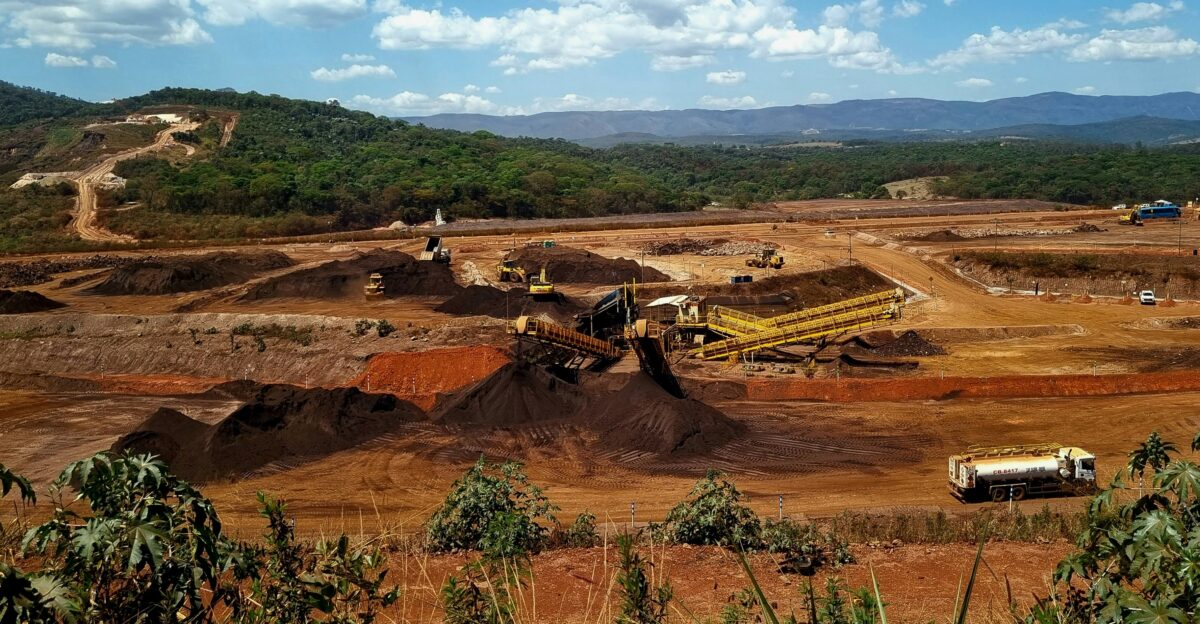
Lithium Americas operates Thacker Pass, approved by the BLM in 2021. General Motors invested $650 million to secure lithium supply for EV batteries. Australian company Jindalee Resources explores adjacent deposits, highlighting growing competition in the region.
McDermitt has become a strategic hub for domestic lithium development, attracting both investment and regulatory attention as companies race to capitalize on rising global demand.
Global Supply Chains
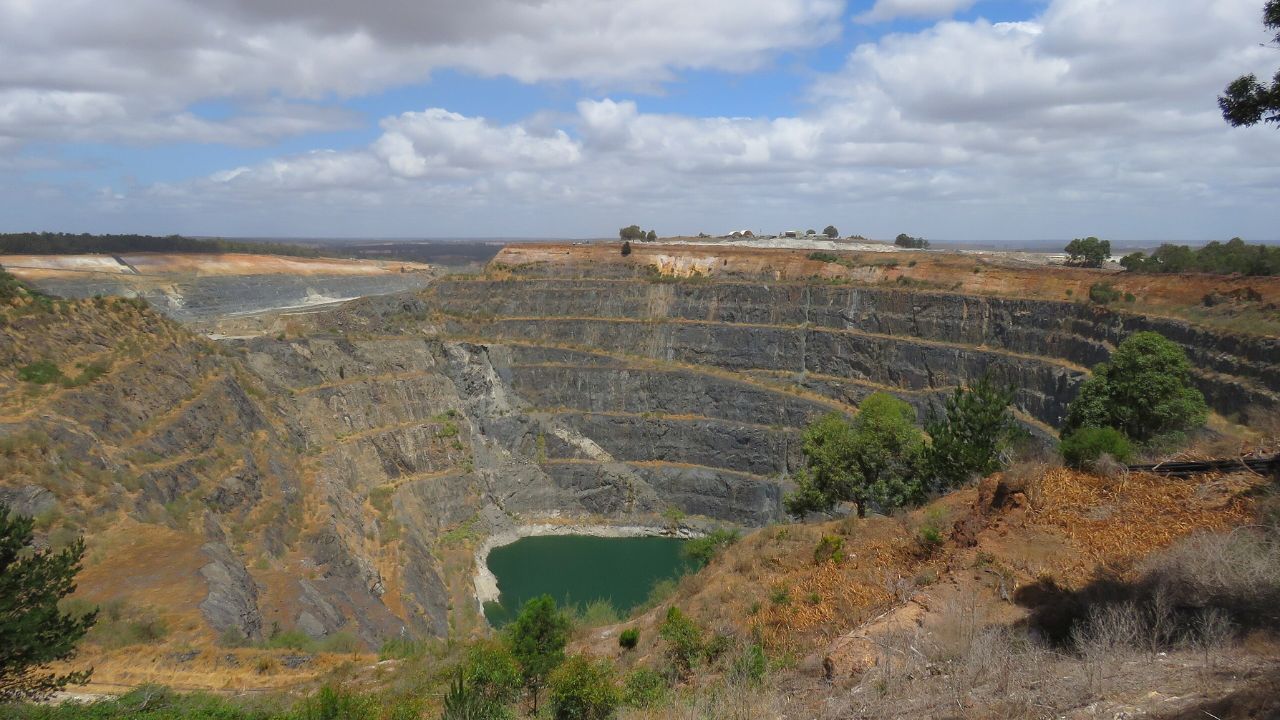
Most lithium comes from Australian hard-rock mines and South American brines, with refining concentrated in China.
This creates supply and geopolitical risks. McDermitt could diversify supply geographically, reduce reliance on Chinese processing, and support domestic cathode production. Extracting lithium from clay, however, is more complex than brine methods, requiring careful environmental management and new processing approaches.
Extraction Challenges
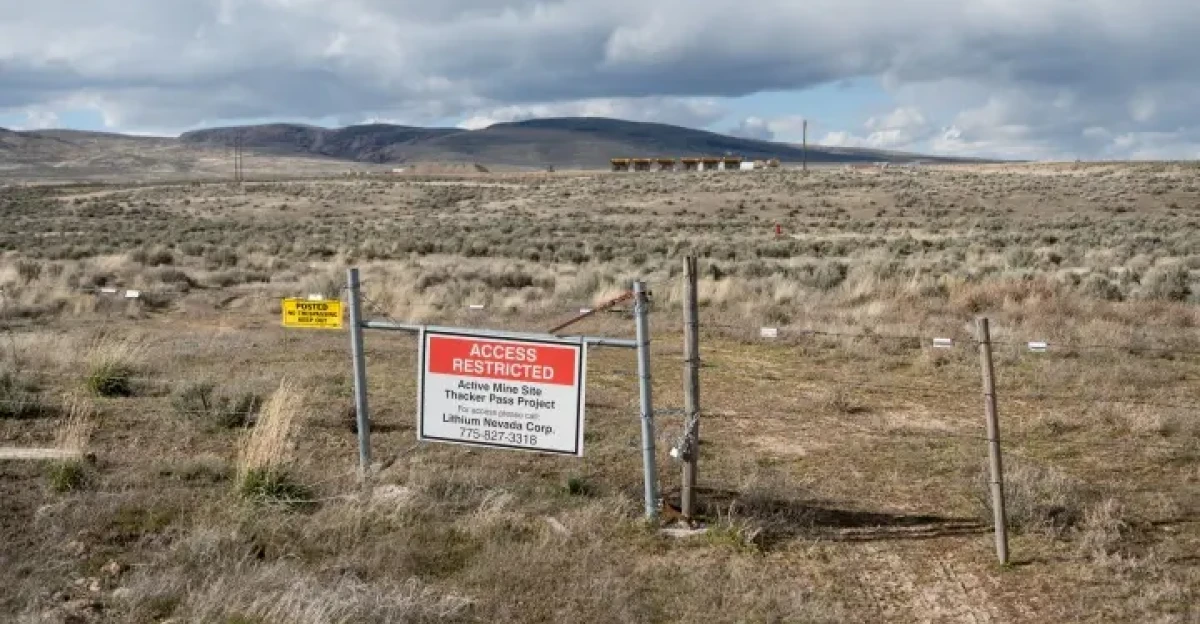
Lithium in McDermitt occurs primarily in smectite and illite clays, requiring acid leaching rather than solar evaporation.
These processes are energy-intensive and generate tailings requiring careful disposal. Environmental advocates stress the need to prevent soil and water contamination, particularly in the water-sensitive high desert. McDermitt represents both a technological challenge and an opportunity to pioneer responsible U.S. clay-based lithium extraction.
Environmental and Cultural Concerns
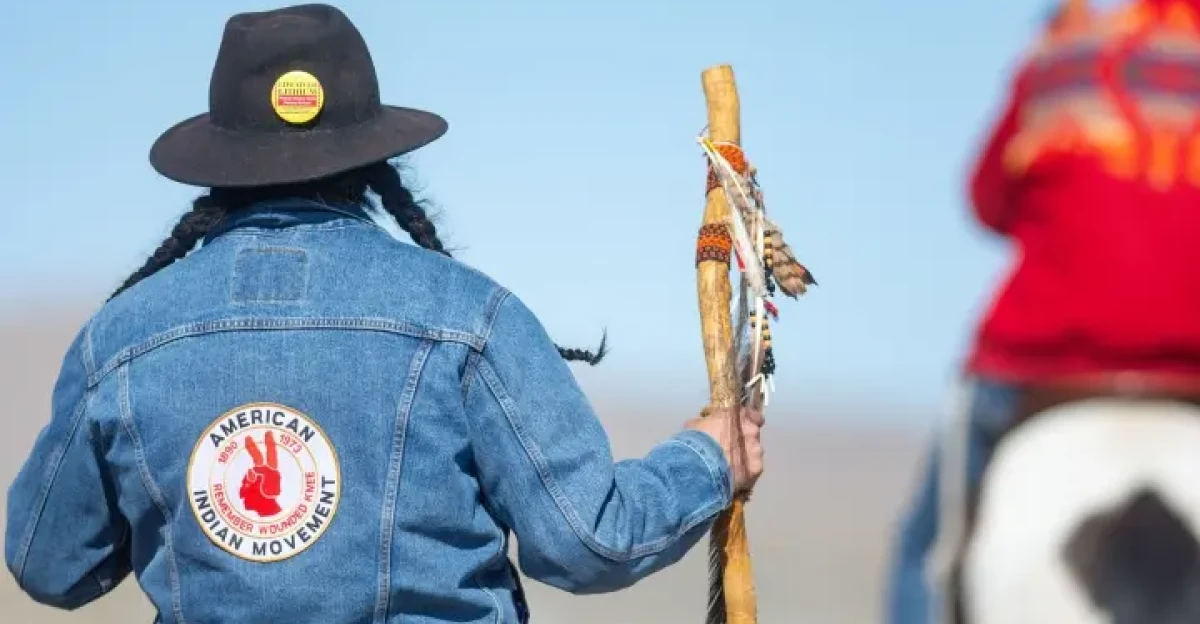
Tribal nations and conservation groups have legally challenged Thacker Pass, citing sacred sites, wildlife, and groundwater risks.
Human Rights Watch notes that Indigenous consultation may have been insufficient. Ranchers worry cumulative projects could threaten sagebrush ecosystems and species like sage grouse. Balancing energy transition goals with Indigenous rights and biodiversity protection remains a central challenge at McDermitt.
Federal Support
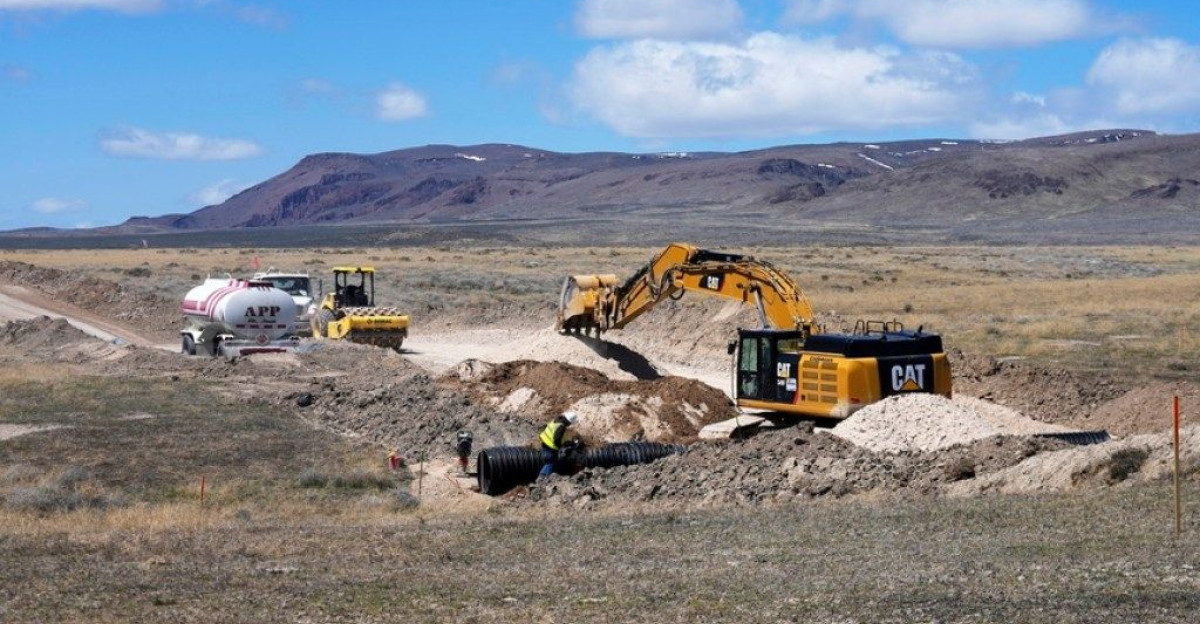
The BLM’s 2021 Record of Decision enabled large-scale clay lithium mining. In 2024, Lithium Americas secured a conditional $2.3 billion DOE loan for Phase 1 development. Federal policy frames McDermitt as critical to domestic clean-energy supply chains.
Streamlined approvals are weighed against environmental and cultural considerations, reflecting the government’s role in balancing strategic, economic, and conservation priorities.
Resource Potential
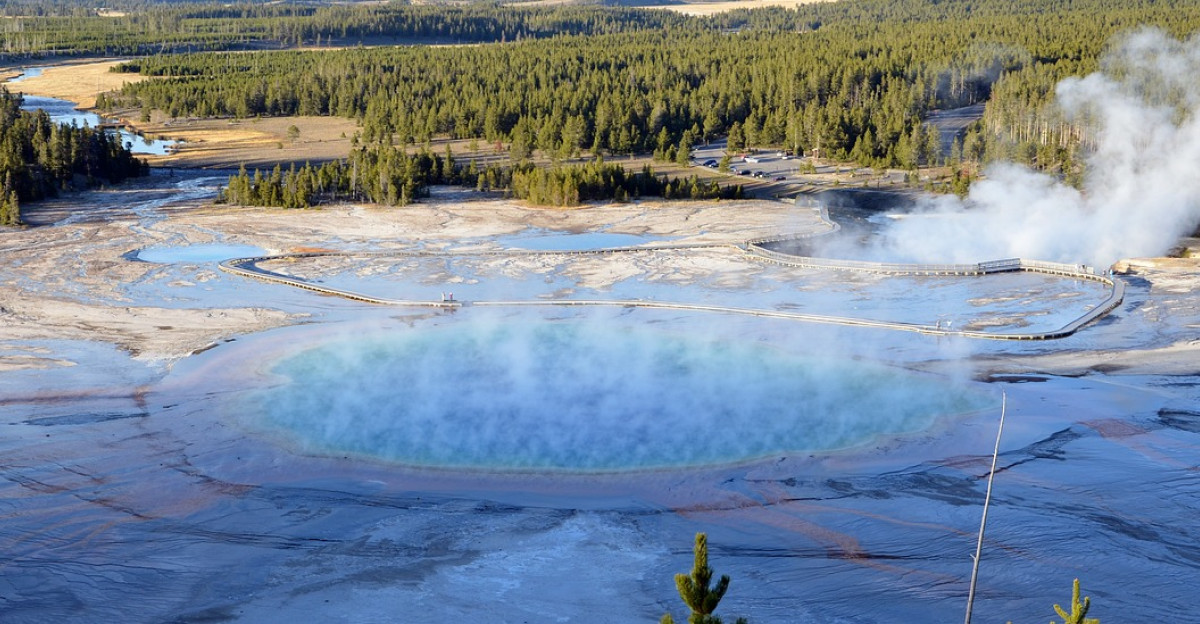
Hydrothermal alteration enriched illite clays near Thacker Pass to lithium concentrations up to 18,000 ppm, about double typical grades. Lithium Americas plans phased, multi-decade mining with integrated processing to produce battery-grade lithium carbonate.
Measures include groundwater monitoring, lined tailings, and habitat mitigation, illustrating an approach to large-scale extraction that seeks to minimize environmental impact.
Strategic and Global Implications
McDermitt could reshape U.S. energy independence by reducing Chinese dominance in lithium refining. Large domestic clay-hosted deposits offer lessons for future development in volcanic terrains.
Global lithium dynamics may shift as U.S. supply grows, supporting EV adoption, stabilizing prices, and setting an example for responsible resource extraction. How the U.S. develops McDermitt will influence both domestic and international clean-energy strategies.
Race Against Time
With the global lithium market expected to flip to deficit in 2026, approvals and development timelines are urgent. Cassian Holt calls McDermitt a “stress test of the clean energy transition.” Decisions made now will impact U.S. EV production, energy security, and ecological stewardship.
The Oregon–Nevada supervolcano holds a $1.5 trillion resource, potentially pivotal for America’s electric future if managed responsibly and sustainably.
Sources:
“Hydrothermal enrichment of lithium in intracaldera illite-bearing claystones” – Science Advances (AAAS / Science)
“US: Lithium Mine Permit Violates Indigenous Peoples’ Rights” – Human Rights Watch (news release and report)
“Lithium mining exploration project in southeast Oregon gets federal approval” – Oregon Public Broadcasting (OPB)
“Special Issues on the Geology and Origin of Lithium Deposits” – Economic Geology (Society of Economic Geologists)
“Global EV Outlook” (various yearly editions) – International Energy Agency (IEA)
“Lithium Americas Increases Mineral Resource and Reserve for Thacker Pass” – Lithium Americas Corp. (news release)