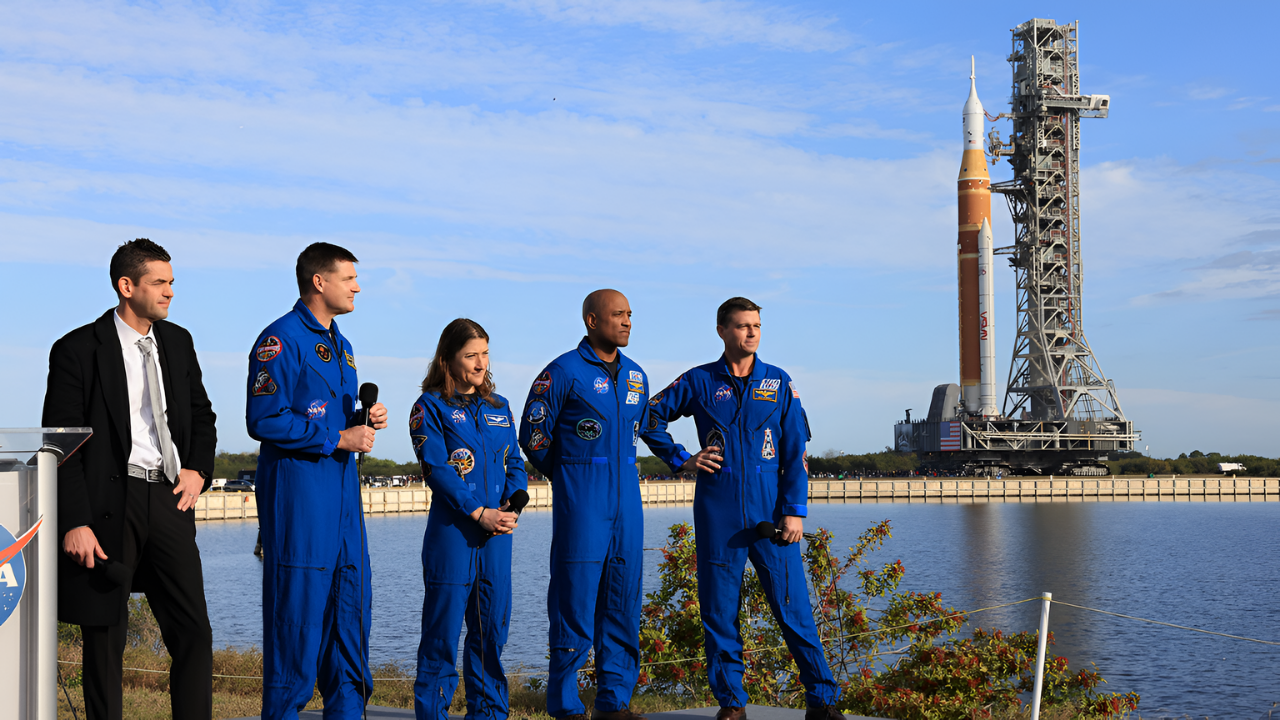
` NASA Locks In First Crewed Moon Shot In 54 Years As 322-Foot Rocket Reaches Pad - Ruckus Factory

NASA Locks In First Crewed Moon Shot In 54 Years As 322-Foot Rocket Reaches Pad

Space Launch Schedule Group – Facebook

A 322-foot rocket crawls across Kennedy Space Center under stadium lights, its white core riding atop a massive steel transporter. The vehicle moves slower than a walking pace—less than one mile per hour—as engineers watch from platforms below.

By 6:42 p.m. EST on January 17, 2026, the Space Launch System reaches Pad 39B. For the first time in 54 years, a crewed lunar mission is physically on the launch pad.

Rocket’s Slow March
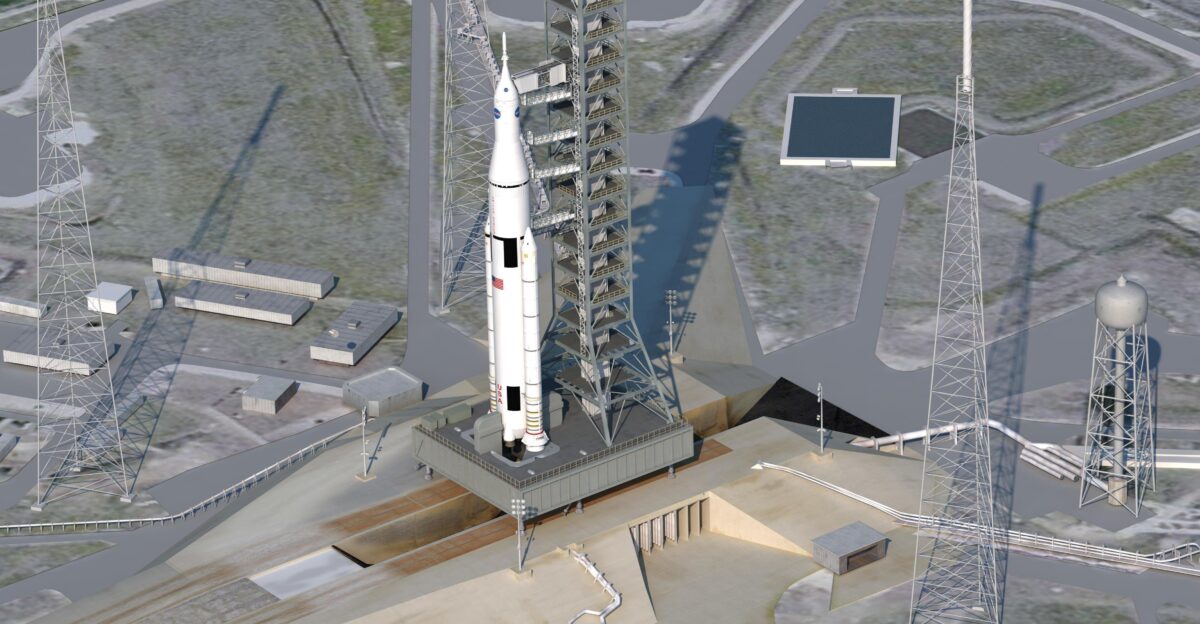
Artist Concept of SLS on Launchpad The Space Launch System or SLS will be designed to carry the Orion Multi-Purpose Crew Vehicle as well as important cargo equipment and science experiments to Earth s orbit and destinations beyond Additionally the SLS will serve as a back up for commercial and international partner transportation services to the International Space Station
Photo by Unknown author on Wikimedia

The rollout covered just four miles, but it took nearly 12 hours to complete. NASA’s crawler-transporter carried the SLS from the Vehicle Assembly Building to Pad 39B at a top speed of 0.82 mph.

Teams paused along the way to adjust the crew access arm and verify alignment. The deliberate pace reflects caution: this is the first time the SLS will fly humans beyond low Earth orbit.

Apollo’s Last Echo
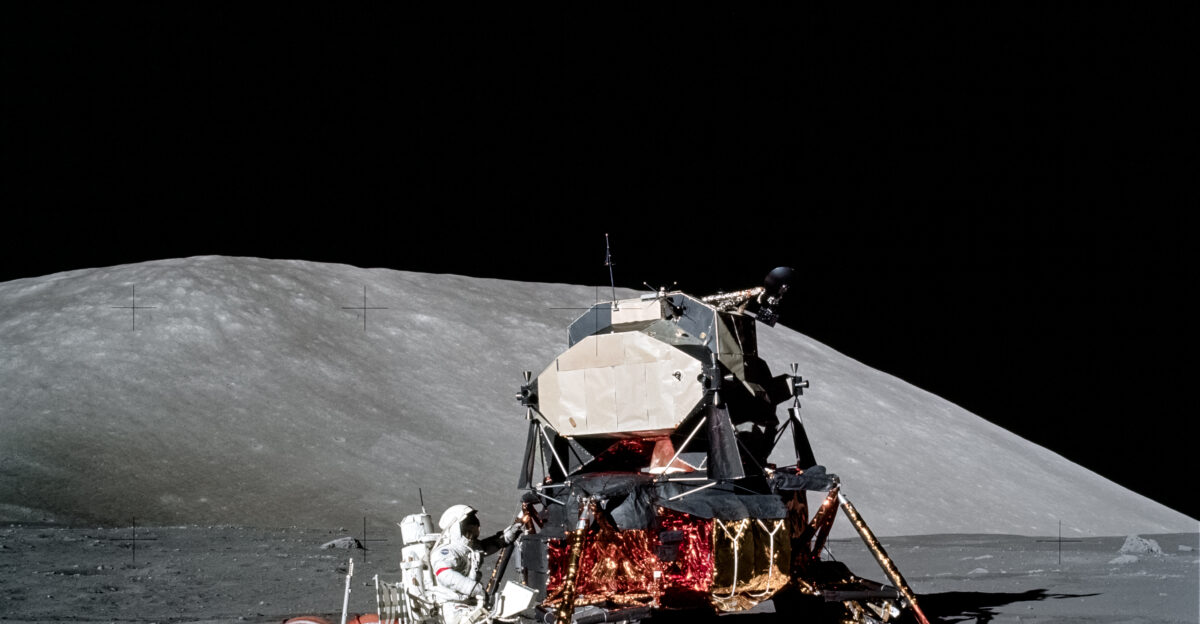
AS17-147-22527 11 Dec 1972 - Astronaut Eugene A Cernan Apollo 17 mission commander makes a short checkout of the Lunar Roving Vehicle during the early part of the first Apollo 17 extravehicular activity EVA at the Taurus-Littrow landing site The Lunar Module is in the background This photograph was taken by scientist-astronaut Harrison H Schmitt lunar module pilot
Photo by NASA on Wikimedia

The last humans to orbit the Moon flew aboard Apollo 17 in December 1972. Astronauts Gene Cernan and Harrison Schmitt walked on the lunar surface while Ronald Evans orbited above.

Since then, no crewed spacecraft has ventured beyond low Earth orbit. Artemis II closes a 54-year gap, marking the first crewed lunar mission since Apollo and passing the torch from a dwindling generation of moonwalkers.

Delays Build Tension
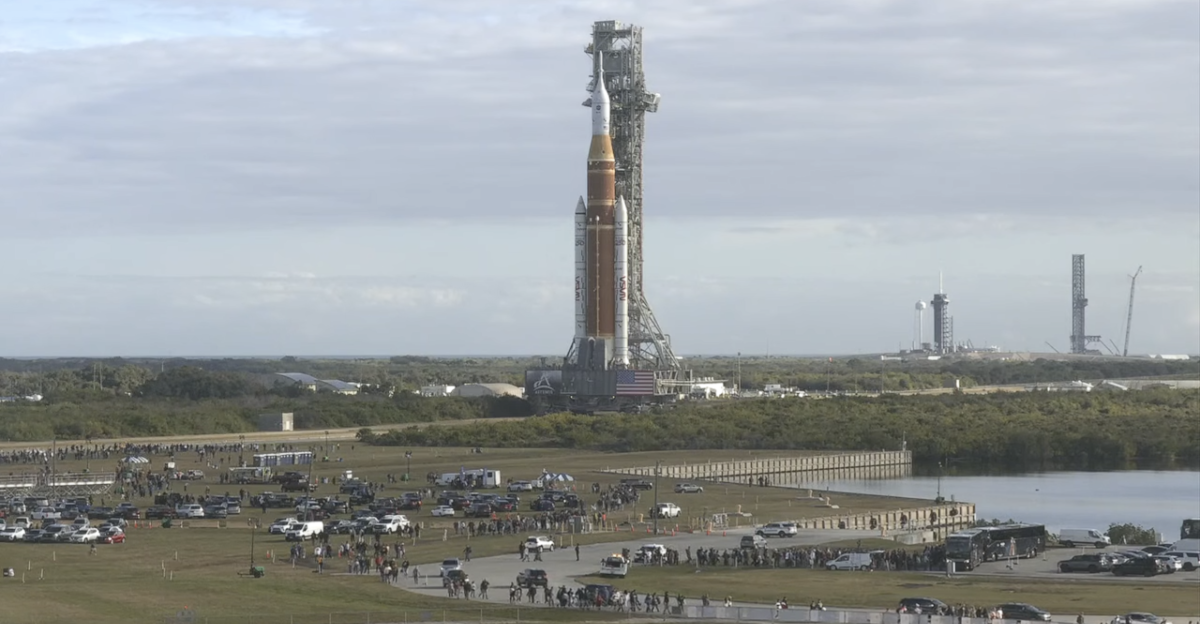
A view of the Artemis II s missions rocket being rolled out with cars in the foreground
Photo by NASA Youtube on Wikimedia

Artemis II has been years in the making. Artemis I’s uncrewed mission in 2022 succeeded, but post-flight analysis revealed unexpected heat-shield wear and fueling complications.

Those findings pushed Artemis II from earlier 2024–2025 targets into 2026. With a narrow February launch window, pressure is high as NASA balances safety, schedule, and long-term Mars ambitions.

Pad Arrival Triumph
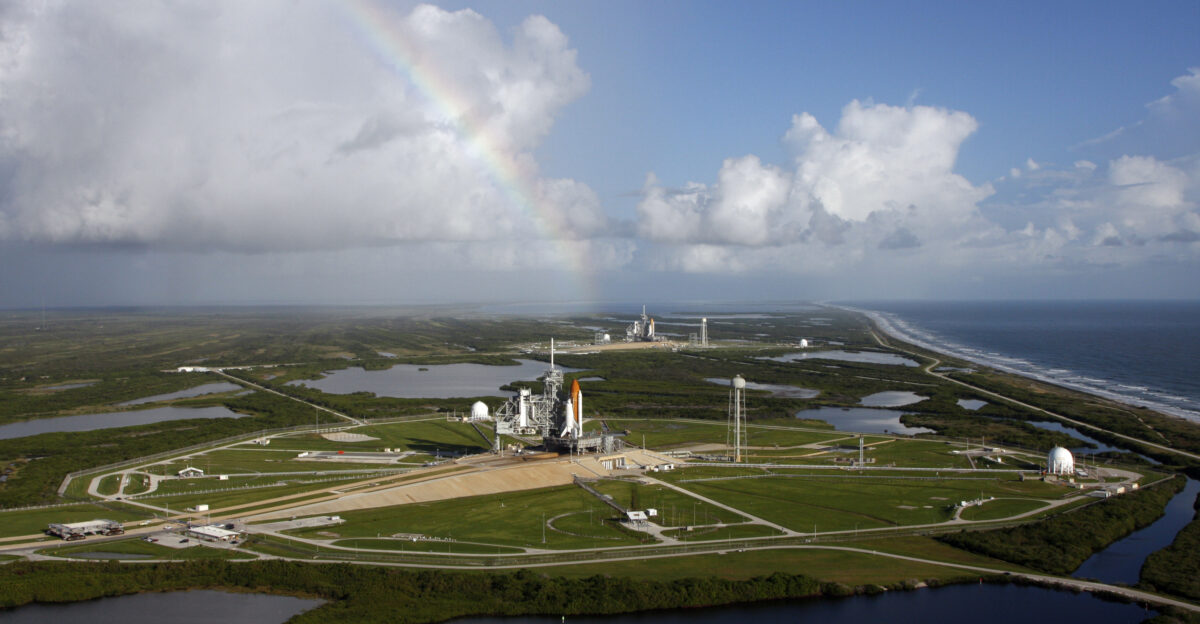
With a rainbow serving as a backdrop in the sky space shuttle Atlantis foreground sits on Launch Pad A and Endeavour on Launch Pad B in this September 2008 photograph This was the first time since July 2001 that two shuttles were on the launch pads at the same time at the Kennedy Space Center
Photo by NASA Jack Pfaller on Wikimedia

When the rocket reached Pad 39B on January 17, it marked one of Artemis II’s most visible milestones. Standing 322 feet tall, the SLS is the most powerful rocket to ever launch humans into deep space.

The Orion spacecraft now sits atop it, awaiting final testing. NASA is targeting a wet dress rehearsal on February 2, followed by a possible launch as early as February 6.

Florida’s Launch Hub
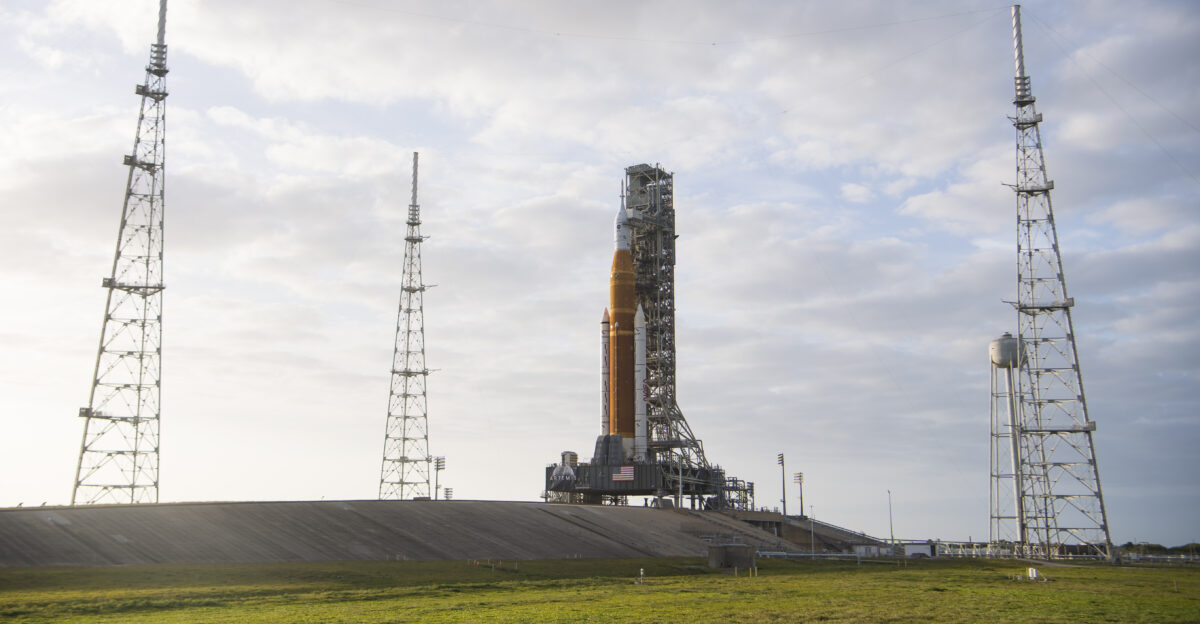
NASA s Space Launch System SLS rocket with the Orion spacecraft aboard is seen atop a mobile launcher at Launch Complex 39B Thursday April 21 2022 at NASA s Kennedy Space Center in Florida Photo Credit NASA Aubrey Gemignani
Photo by Aubrey Gemignani on Wikimedia

Launch Pad 39B is steeped in history, supporting Apollo missions, space shuttle launches, and now Artemis. Modern upgrades allow the pad to handle SLS’s immense power and cryogenic fueling demands.

Local teams oversee final preparations, from liquid hydrogen loading to lightning protection. The crawler-transporter system remains essential to both mission safety and Florida’s space workforce.

Crew’s High Stakes
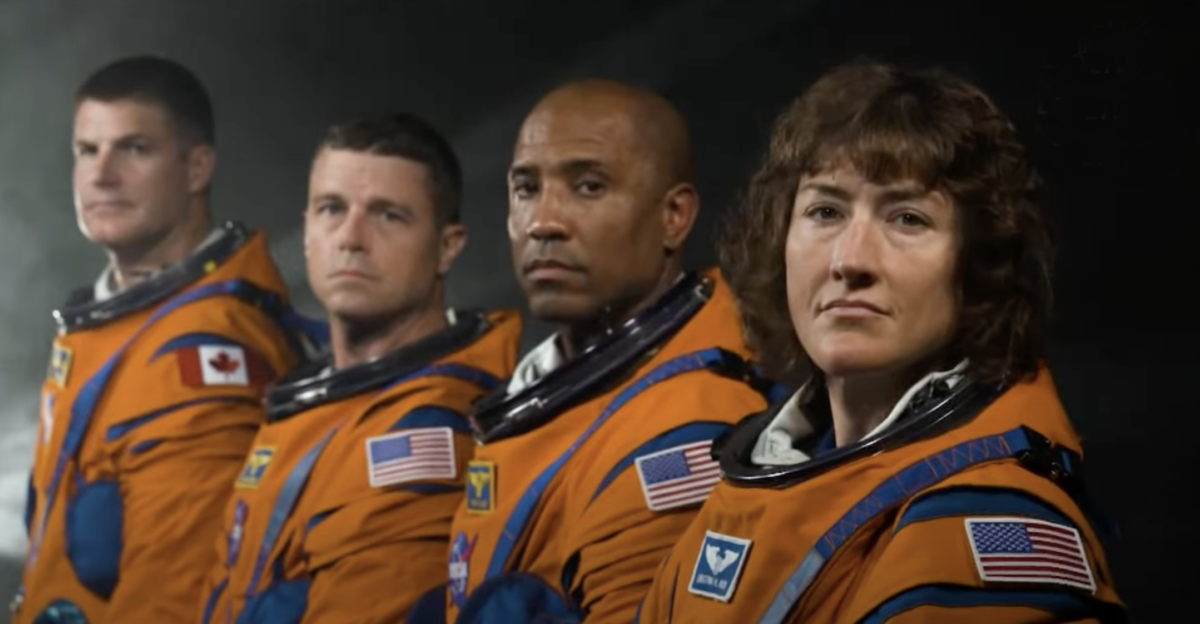
Artemis II crew png
Photo by Uploaded by Patricia Moore on Wikimedia

Four astronauts will ride Artemis II: commander Reid Wiseman, pilot Victor Glover, and mission specialists Christina Koch and Jeremy Hansen. Over roughly 10 days, they will travel more than 600,000 miles.

The crew will fly about 6,400 miles beyond the Moon’s far side. The mission will test Orion’s life-support, navigation, and human endurance in deep space.

SpaceX Shadows NASA
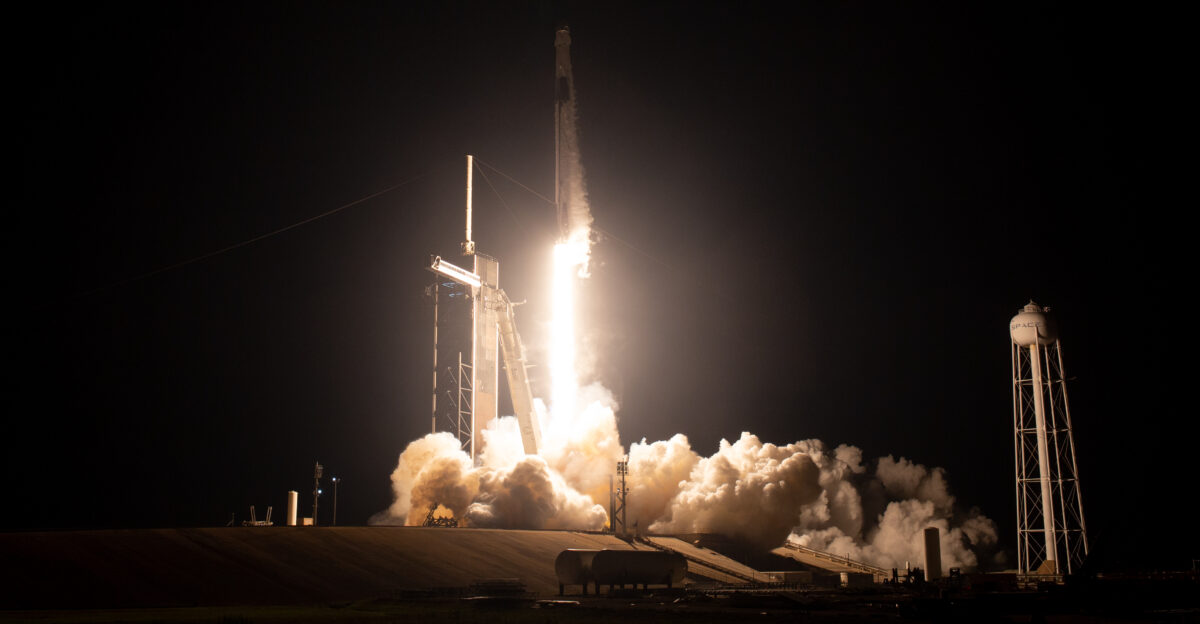
A SpaceX Falcon 9 rocket carrying the company s Dragon spacecraft is launched on NASA s SpaceX Crew-6 mission to the International Space Station with NASA astronauts Stephen Bowen and Warren Woody Hoburg UAE United Arab Emirates astronaut Sultan Alneyadi and Roscosmos cosmonaut Andrey Fedyaev onboard Thursday March 2 2023 at NASA s Kennedy Space Center in Florida NASA s SpaceX Crew-6 mission is the sixth crew rotation mission of the SpaceX Dragon spacecraft and Falcon 9 rocket to the International Space Station as part of the agency s Commercial Crew Program Bowen Hoburg Alneyadi and Fedyaev launched at 12 34 a m EST from Launch Complex 39A at the Kennedy Space Center to begin a six month mission aboard the orbital outpost Photo Credit NASA Joel Kowsky
Photo by Joel Kowsky on Wikimedia

While NASA leads Artemis II with SLS and Orion, commercial partners shape what comes next. SpaceX’s Starship is slated to land astronauts on the Moon during Artemis III.

That mission is expected no earlier than 2027 or 2028. Artemis II must succeed to keep NASA’s timeline intact as private systems mature.

Deep Space Revival Trend
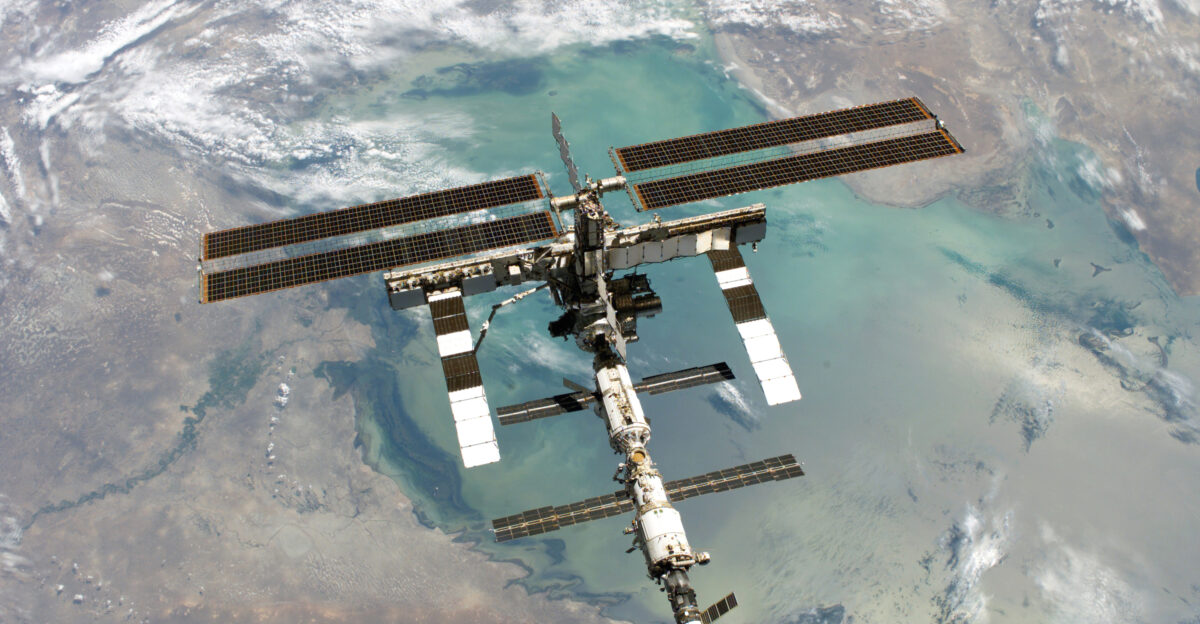
ISS photo taken from shuttle Discovery in August 2005 Original description Backdropped by a colorful Earth this full view of the International Space Station was photographed from the Space Shuttle Discovery during the STS-114 Return to Flight mission following the undocking of the two spacecraft The upper part of the Caspian Sea is visible in the background the Volga delta is the dark area in the lower right Editing Brightness and contrast was enhanced saved 85 JPEG
Photo by NASA on Wikimedia

For decades after Apollo, human spaceflight focused on low Earth orbit through the Space Shuttle and International Space Station. Artemis reverses that trajectory.

Translunar injection burns, long-distance navigation, and radiation exposure return to the forefront. NASA frames the Moon as a proving ground for future Mars missions.

Blackout Looms Ahead
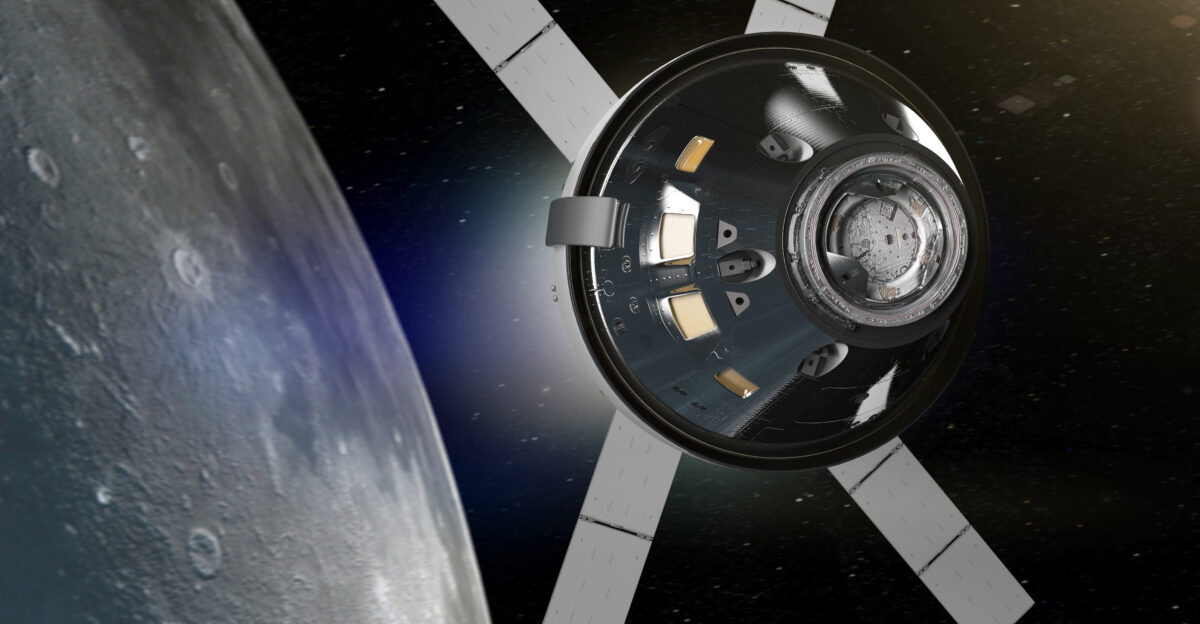
Orion LunarFLyby 4k jpg
Photo by Uploaded by Patricia Moore on Wikimedia

As Orion passes behind the Moon, communication with Earth will temporarily disappear. The crew will rely solely on onboard systems during this blackout.

Artemis II will venture thousands of miles beyond the far side, farther than any human spacecraft has traveled. Astronauts will photograph terrain unseen by human eyes.

Engineers’ Frustrations
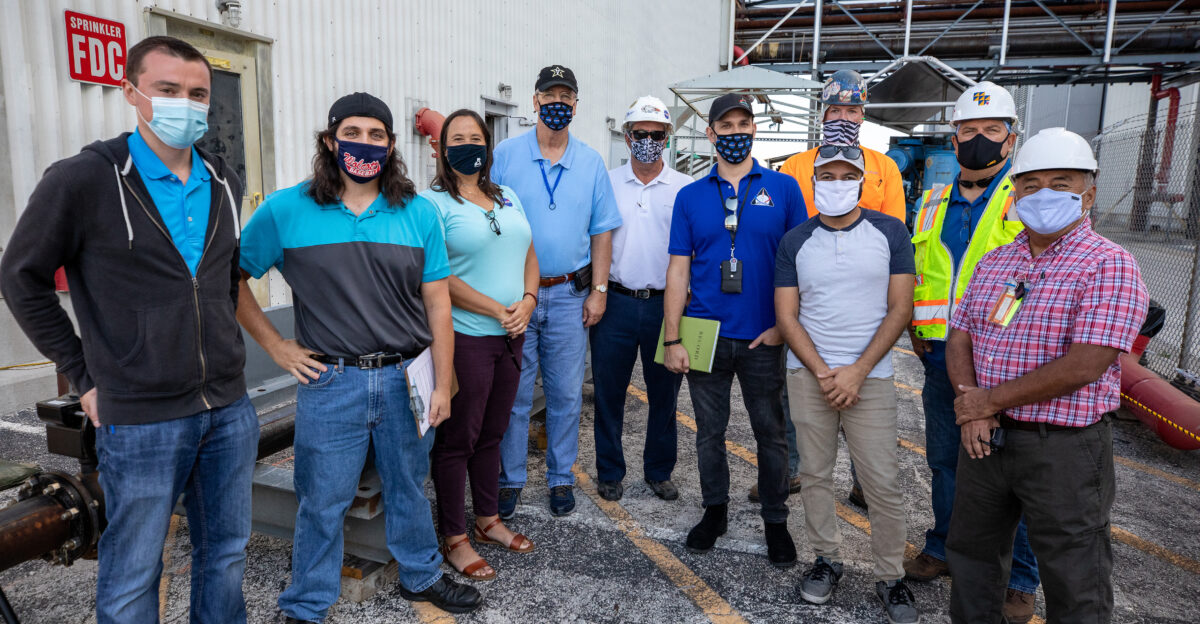
IOP SS Prototype Testing outside the VAB for Artemis II
Photo by NASA Kennedy Space Center NASA Ben Smegelsky on Wikimedia

Behind the scenes, Artemis II reflects years of debate and adjustment. Engineers revised fueling procedures and refined hardware margins after Artemis I.

Program leaders stress data-driven caution. Jeremy Hansen’s seat underscores both international trust and the complexity of flying humans on a new spacecraft.

Leadership Steers Course
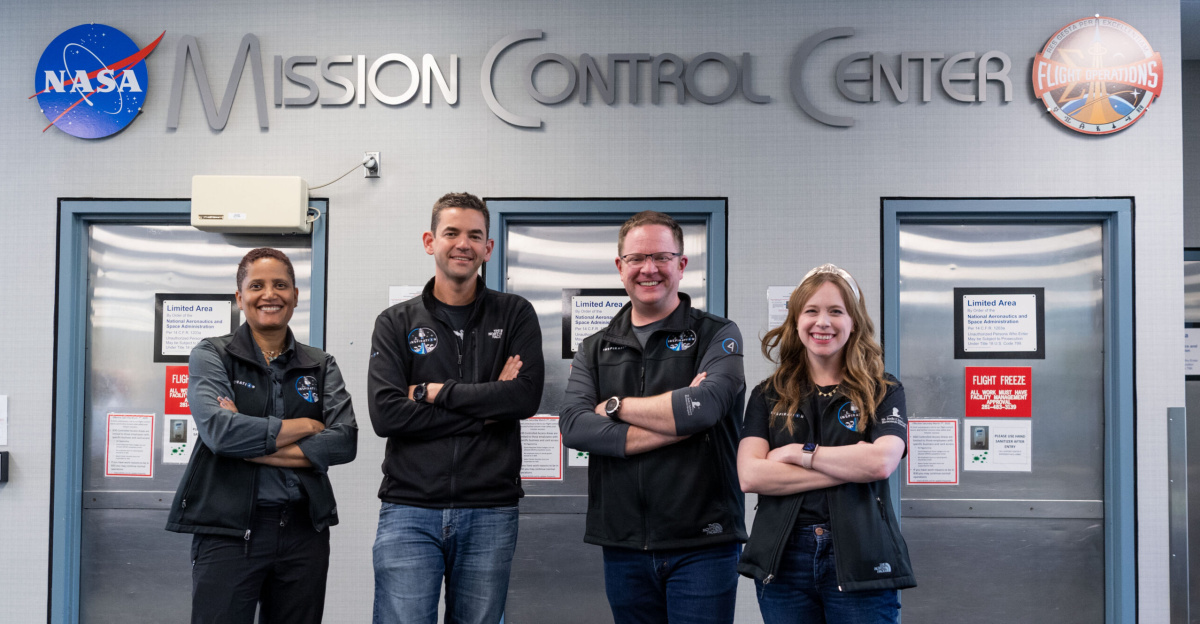
PHOTO DATE: 03/31/2022 
<p>LOCATION: Bldg. 30. 
SUBJECT: Tour for Inspiration 4 and Polaris Crews. 
</p>
PHOTOGRAPHER: Norah Moran
Photo by NASA Norah Moran on Wikimedia

NASA Administrator Jared Isaacman has praised the workforce’s persistence as Artemis evolved across administrations. The Artemis II crew was named in 2023.

While the program traces roots to earlier initiatives, modern Artemis gained momentum after Space Policy Directive-1. The result is a multinational architecture for exploration.

Rehearsal Comeback Plan
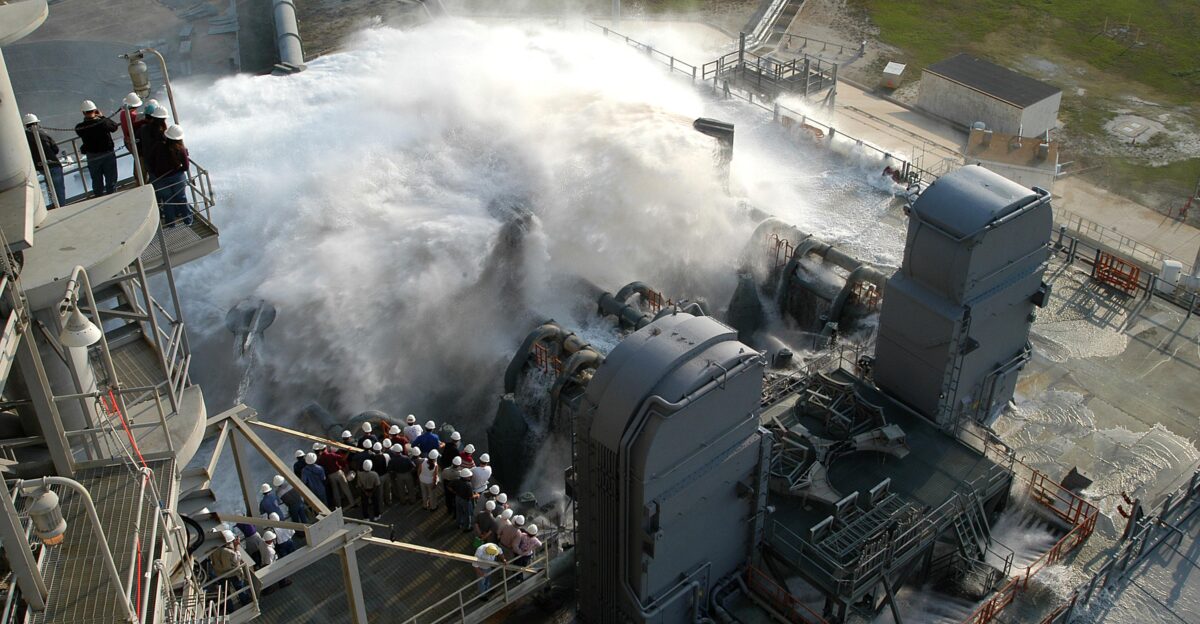
Water is released onto Mobile Launcher Platform 2 MLP 2 on Launch Pad 39A at the start of a water sound suppression test Workers and the media left are on hand to witness the rare event This test is being conducted following the replacement of the six main system valves which had been in place since the beginning of the Shuttle Program and had reached the end of their service life Also the hydraulic portion of the valve actuators has been redesigned and simplified to reduce maintenance costs The sound suppression water system is installed on the launch pads to protect the orbiter and its payloads from damage by acoustical energy reflected from the MLP during launch The system includes an elevated water tank with a capacity of 300 000 gallons The tank is 290 feet high and stands on the northeast side of the Pad The water is released just before the ignition of the orbiter s three main engines and twin solid rocket boosters and flows through parallel 7-foot-diameter pipes to the Pad area
Photo by NASA on Wikimedia

The February 2 wet dress rehearsal will load nearly 700,000 gallons of super-cold propellants into the SLS. Teams will run the countdown to just before ignition.

Success opens a February 6–11 launch window. If problems arise, NASA could roll the rocket back to the Vehicle Assembly Building.

Experts Weigh Risks
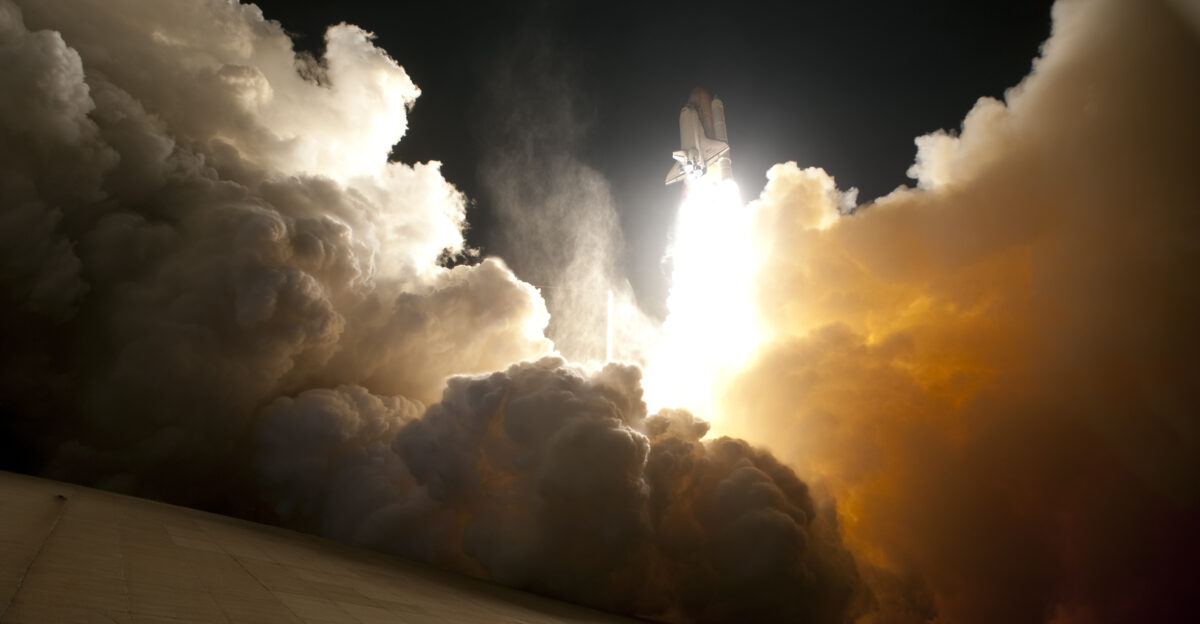
An exhaust cloud engulfs Launch Pad 39A at NASA s Kennedy Space Centre in Florida as space shuttle Endeavour lifts off into the night sky The primary payload for the STS-130 mission to the International Space Station is the Tranquility node a pressurized module that will provide additional room for crew members and many of the station s life support and environmental control systems Attached to one end of Tranquility is a cupola a unique work area with six windows on its sides and one on top The cupola resembles a circular bay window and will provide a vastly improved view of the station s exterior The multi-directional view will allow the crew to monitor space-walks and docking operations as well as provide a spectacular view of Earth and other celestial objects The module was built in Turin Italy by Thales Alenia Space for the European Space Agency
Photo by NASA Sandra Joseph and Kevin O Connell on Wikimedia

NASA officials acknowledge that additional rehearsals remain possible if data warrants it. External reviews have warned that future lunar landings could slip toward 2028.

Agency leaders point to Orion’s deep-space performance as risk-reducing. For now, NASA maintains confidence in an early-2026 Artemis II launch.

Mars Horizon Beckons
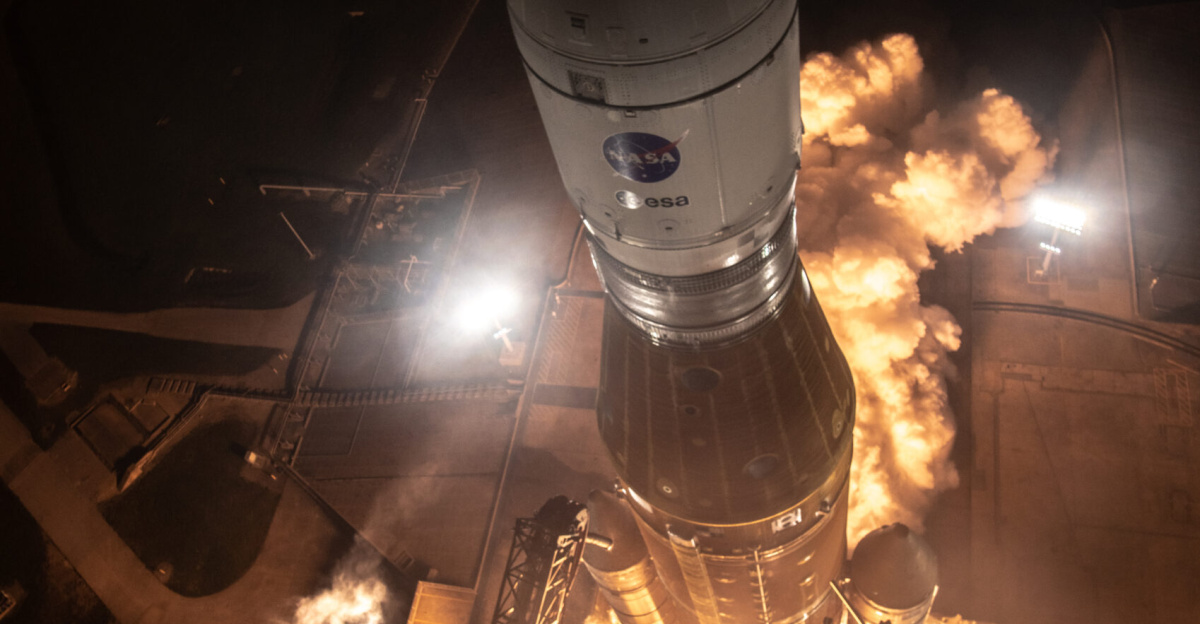
Liftoff! NASA’s Space Launch System carrying the Orion spacecraft lifts off the pad at Launch Complex 39B at the agency’s Kennedy Space Center in Florida at 1:47 a.m. EST on Nov. 16, 2022 in this camera angle from above. The first in a series of increasingly complex missions, Artemis I will provide a foundation for human deep space exploration and demonstrate our commitment and capability to extend human presence to the Moon and beyond. The primary goal of Artemis I is to thoroughly test the integrated systems before crewed missions by operating the spacecraft in a deep space environment, testing Orion’s heat shield, and recovering the crew module after reentry, descent, and splashdown
Photo by NASA Chris Coleman and Kevin Davis on Wikimedia

Artemis II is more than a Moon mission. Its 10-day, 600,000-mile journey will test radiation exposure limits and crew autonomy.

These data inform future Mars planning, where missions could last years. Questions remain about how fast SLS and Orion can evolve.

Policy Power Plays
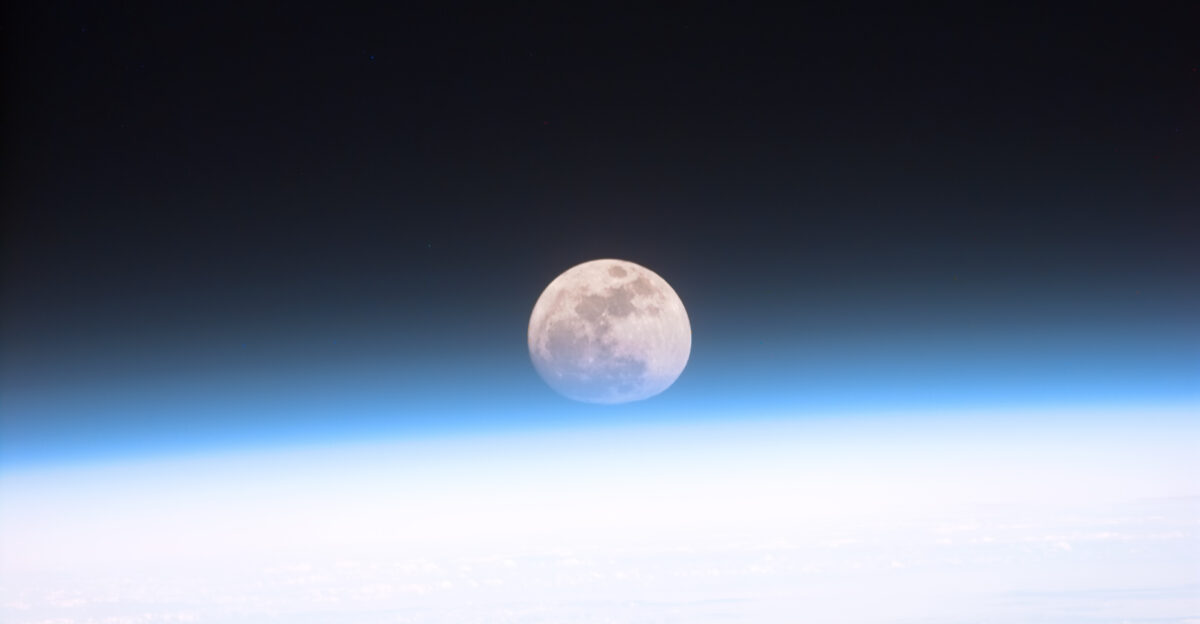
Original caption from NASA S103-E-5037 21 December 1999 - Astronauts aboard the Space Shuttle Discovery recorded this rarely seen phenomenon of the full Moon partially obscured by the atmosphere of Earth The image was recorded with an electronic still camera at 15 15 15 GMT Dec 21 1999
Photo by NASA on Wikimedia

Congress continues funding Artemis to preserve U.S. leadership in space. Despite schedule slips, bipartisan support has largely held.

NASA emphasizes continuity as China and other nations announce lunar ambitions. Artemis II now carries geopolitical weight.

Global Crew Unity
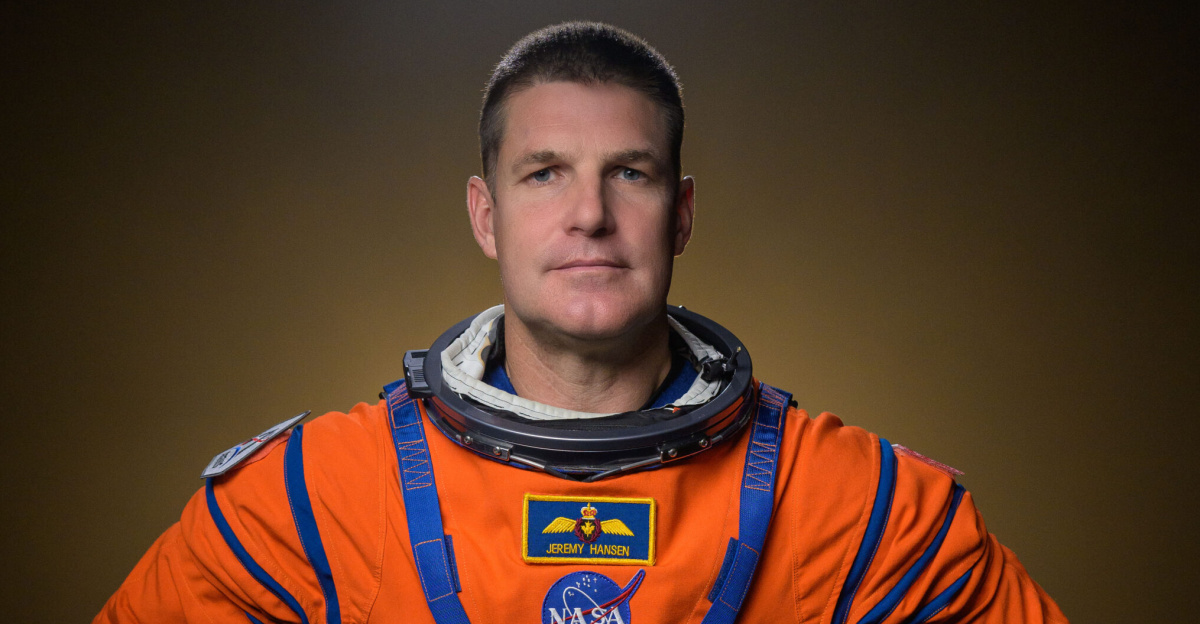
Canadian Space Agency Astronaut Jeremy Hansen is making his first flight to space as a mission specialist on the Artemis II mission. He was one of two recruits selected by CSA in May 2009 through the third Canadian Astronaut Recruitment Campaign and has served in many roles supporting human spaceflight. Hansen has served as Capcom in NASA's Mission Control Center at the Johnson Space Center and in 2017, became the first Canadian to be entrusted with leading a NASA astronaut class, leading the training of astronaut candidates from the United States and Canada. Photographer: Robert Markowitz
Photo by Robert Markowitz on Wikimedia

Jeremy Hansen becomes the first Canadian astronaut assigned to a lunar mission. His role reflects commitments under the Artemis Accords.

International media followed the rollout closely. For partner nations, Artemis II represents shared access to deep space.

Heat Shield Scrutiny
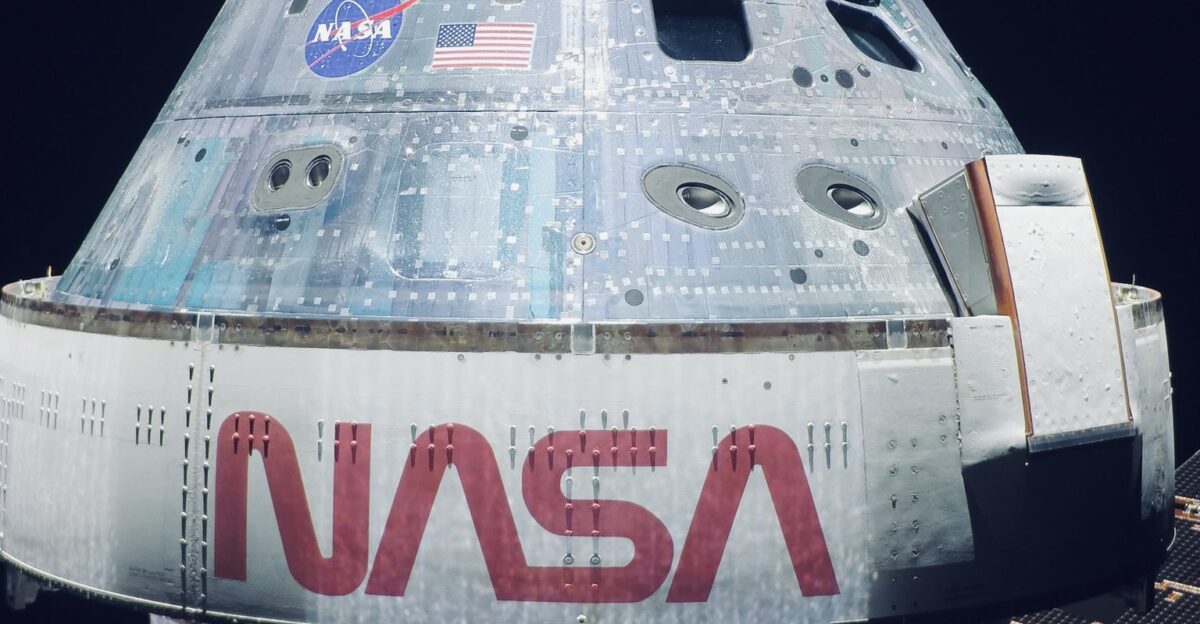
A selfie taken by NASA s Orion Spacecraft while half-way to the Moon for the Artemis I mission taken on November 19th 2022
Photo by NASAs Orion Spacecraft Solar Array Camera on Wikimedia

Orion will reenter Earth’s atmosphere at nearly 25,000 miles per hour. Unexpected charring on Artemis I prompted extensive reviews.

NASA has cleared the heat shield for crewed flight. U.S. Navy teams will recover the capsule after Pacific splashdown.

Cultural Moon Fever
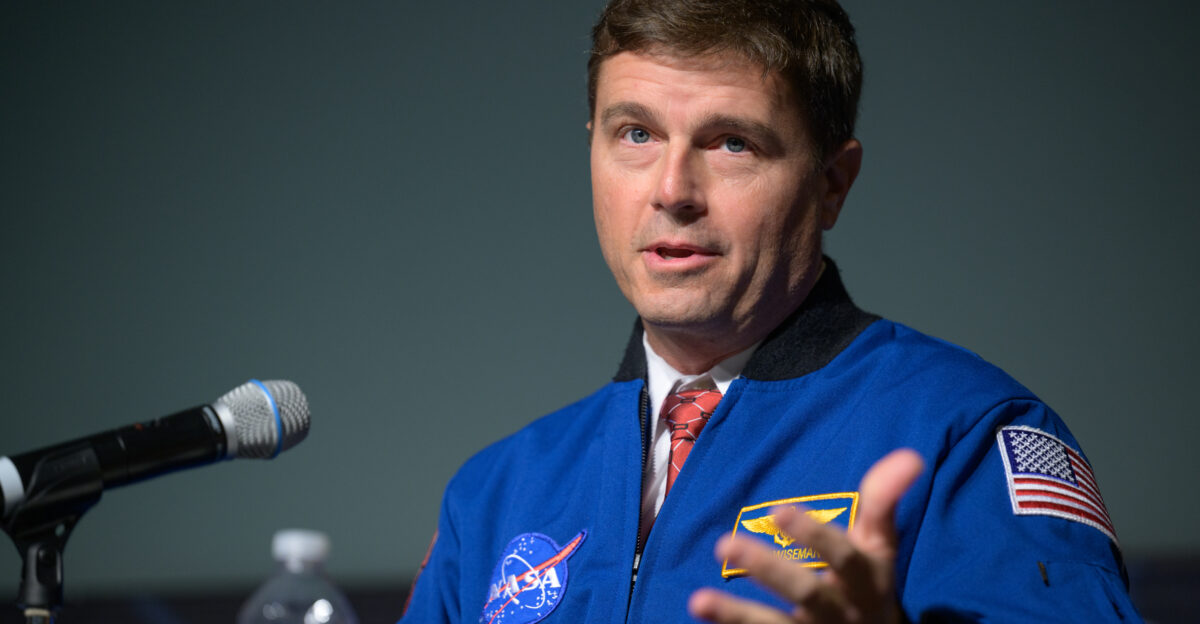
NAME gives remarks during an update on NASA s Artemis campaign Thursday Dec 5 2024 at the NASA Headquarters Mary W Jackson Building in Washington Photo Credit NASA Bill Ingalls
Photo by NASA Headquarters NASA Bill Ingalls on Wikimedia

More than half a century after Apollo, Artemis II resonates across generations. Only four of the original twelve moonwalkers remain alive.

The new crew reflects broader representation. Millions have submitted names to fly aboard Orion.

Humanity’s Next Leap
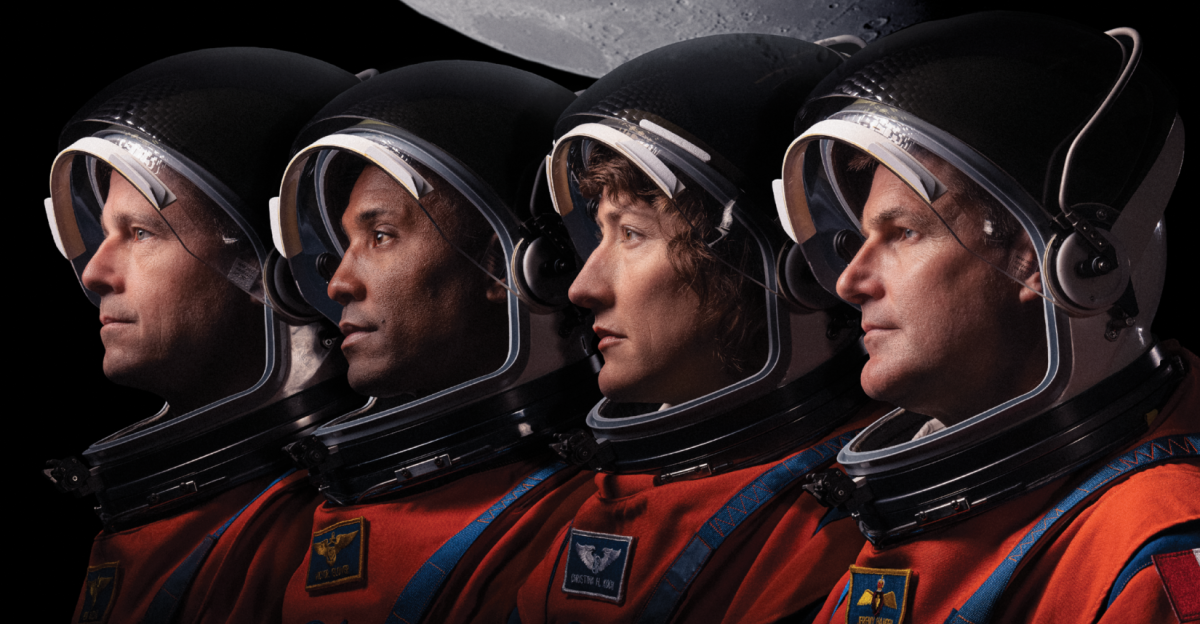
Artemis II Crew Poster
Photo by NASA Headquarters NASA Daniel O ‘Neal on Wikimedia

With Artemis II on the pad, the United States stands on the edge of a renewed lunar era. The mission links Apollo’s legacy to future ambitions.

Success would demonstrate enduring deep-space capability. The question ahead is how humanity chooses to use its return to the Moon.

Sources:
NASA, Artemis II Moon Rocket Ready for Big Move, January 15, 2026
BBC, Artemis II: Nasa’s mega Moon rocket arrives at launch pad, January 17, 2026
NASA, NASA Identifies Cause of Artemis I Orion Heat Shield Char Loss, December 5, 2024
Canadian Space Agency, The Artemis II mission, April 2, 2023
SpaceQ, Updated timeline – First Artemis 2 wet dress rehearsal scheduled, January 18, 2026
NASA, Artemis II: Meet the Moonbound Astronauts, January 14, 2026