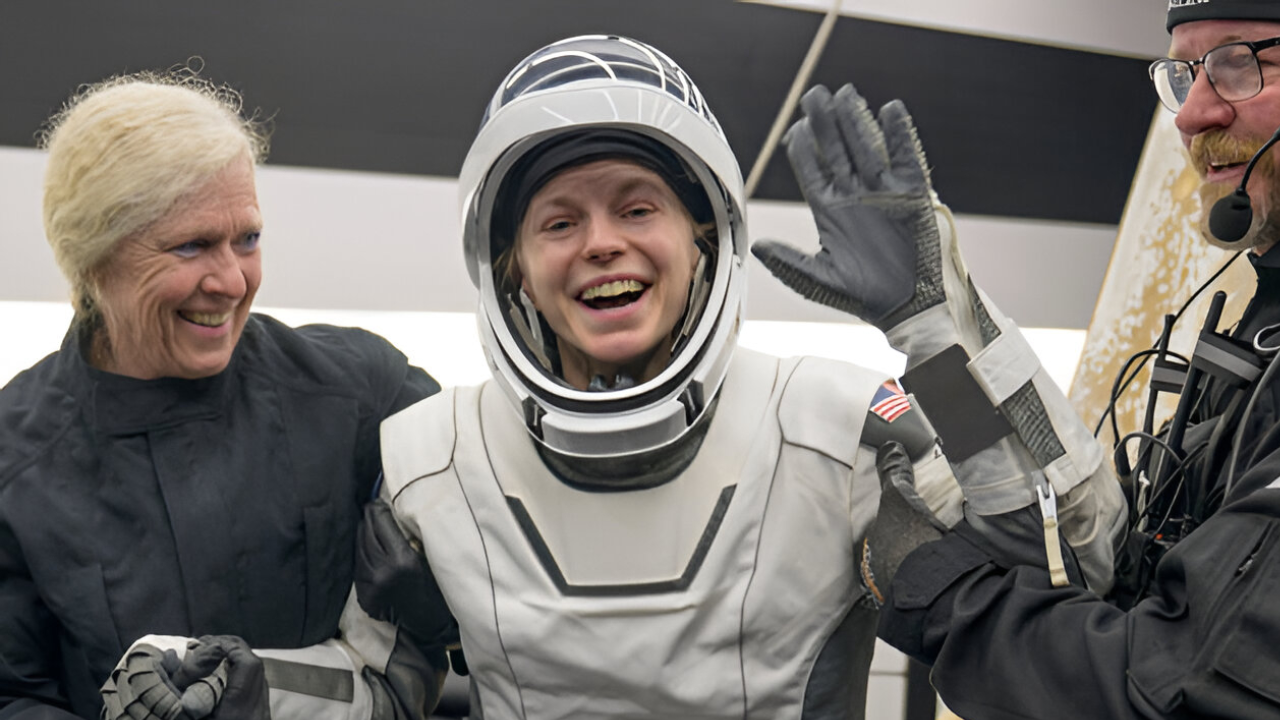
In August 2025, NASA launched its Crew-11 mission from Kennedy Space Center with four astronauts prepared for a six-month stay aboard the International Space Station. After 160 days in orbit, an unexpected health crisis emerged that forced NASA to make a decision it had avoided for a quarter-century: ordering an emergency evacuation. One crew member developed a serious medical condition that could not be treated in the microgravity environment, triggering the first medical evacuation in the ISS’s 25-year history of continuous human habitation.
The decision tested how prepared space agencies truly are when medical emergencies strike beyond Earth’s protective atmosphere. On January 14, Commander Zena Cardman, pilot Mike Fincke, JAXA astronaut Kimiya Yui, and Roscosmos cosmonaut Oleg Platonov undocked from the station and began their journey home, cutting their mission short by more than a month.
A Station Running on Minimal Crew
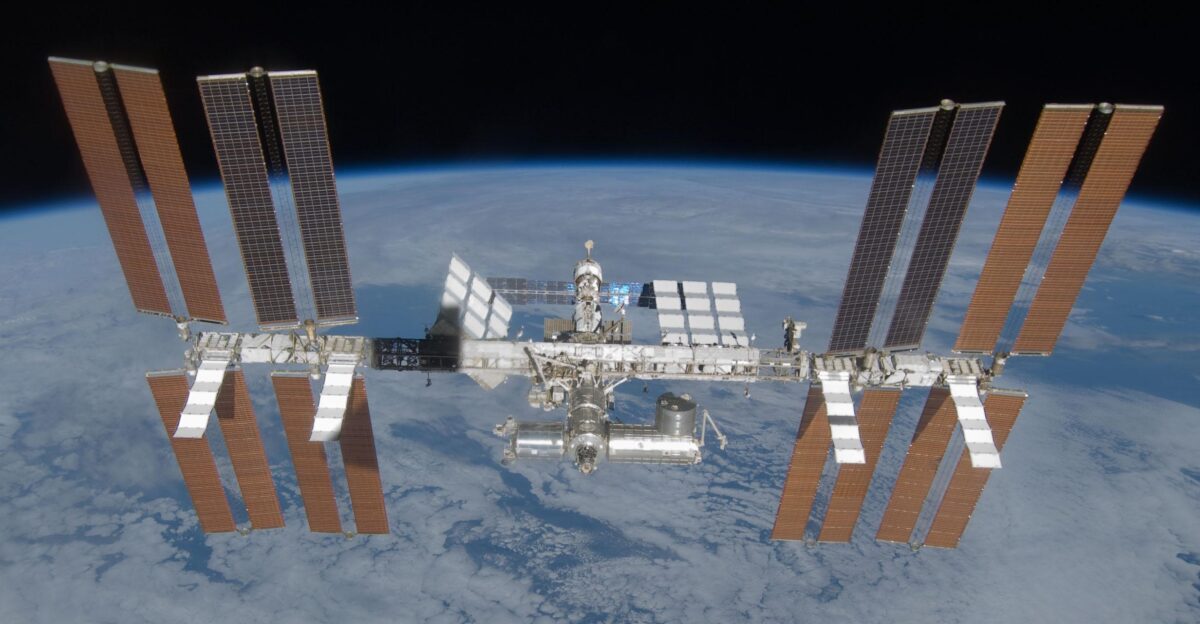
The early departure left the International Space Station with just three people aboard—barely half its normal complement. NASA astronaut Chris Williams remained, along with Russian cosmonauts Sergey Kud-Sverchkov and Sergei Mikaev. With fewer hands available, NASA canceled planned spacewalks, slowed scientific experiments, and faced multiplied operational risks aboard the massive orbiting laboratory.
The skeleton crew highlighted a critical vulnerability in how the station operates. Spacewalks, essential for maintaining the facility, require specialized training and backup support. With only three people on board, no one else possessed the expertise to conduct an extravehicular activity if something went wrong during a mission. This single-point failure exposed a weakness in ISS staffing protocols that NASA will likely address in future crew rotations.
The Toll of Long-Duration Spaceflight
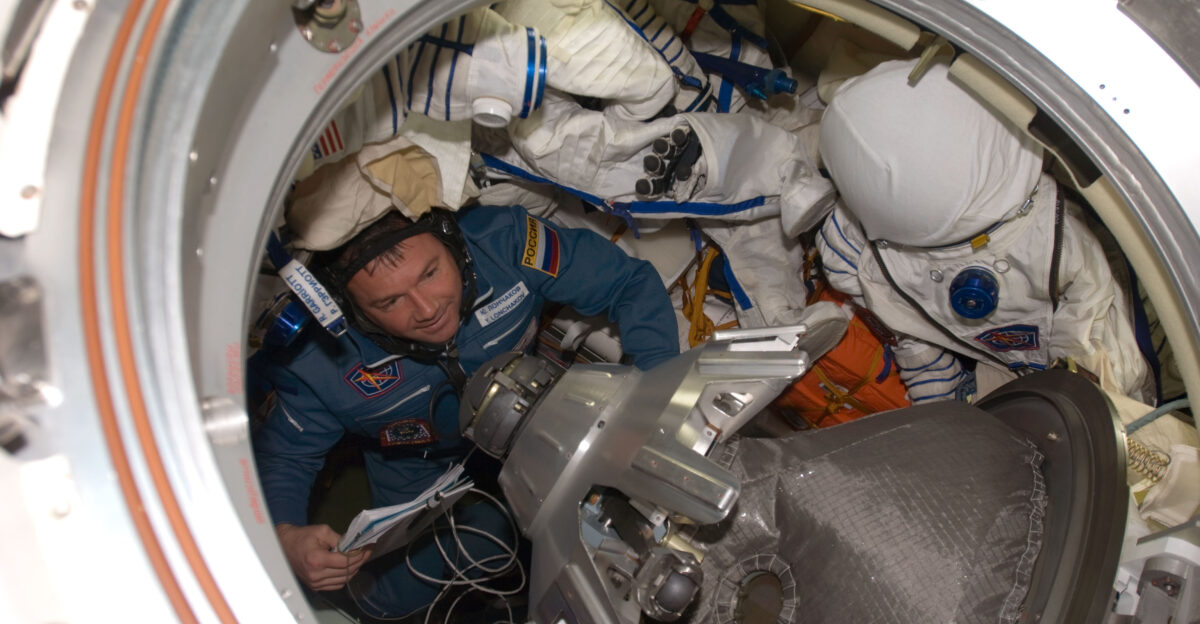
Living in space demands an extraordinary physical price. Astronauts lose bone density and muscle mass at alarming rates—approximately one to two percent of bone mass per month and up to twenty percent of muscle strength during a six-month mission. Recovery takes months of intensive rehabilitation on Earth. These physiological challenges underscore why the health issue detected on January 7 warranted such swift action.
NASA Administrator Jared Isaacman announced the evacuation decision on January 8, stating that after discussions with the medical team, returning Crew-11 ahead of schedule was in the astronauts’ best interest. The affected crew member’s condition was serious enough that it could not be adequately treated in the space environment, where diagnostic tools and medical capabilities remain limited compared to Earth-based facilities.
The Journey Home
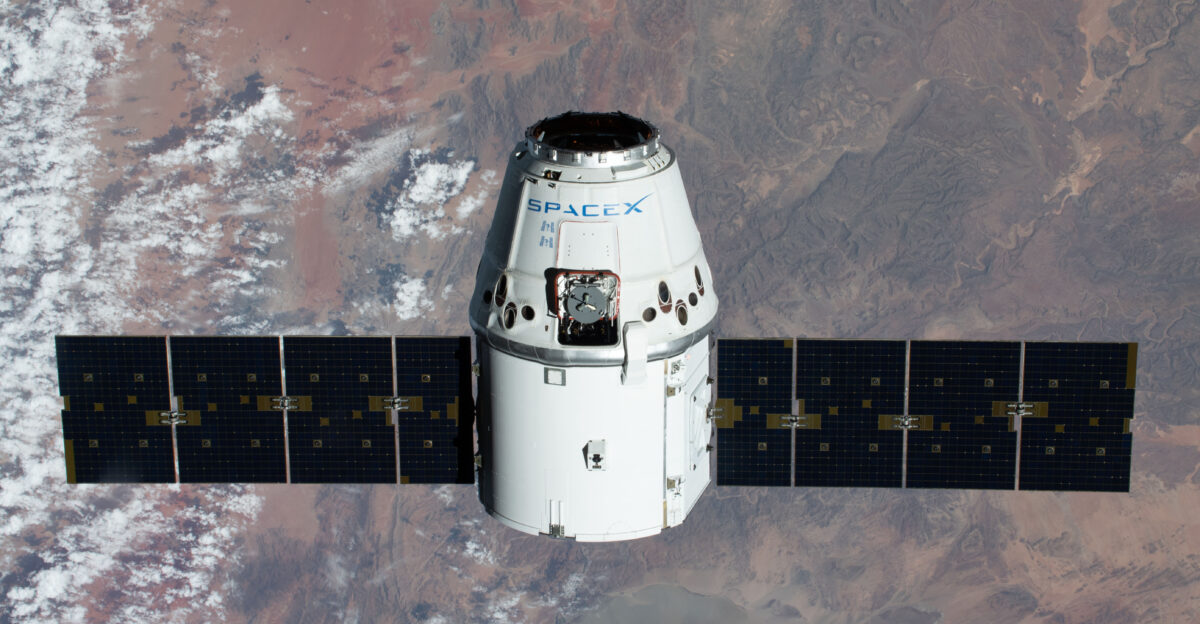
On January 14 at 5:20 p.m. Eastern Time, the SpaceX Dragon capsule Endeavour undocked and fired its thrusters toward Earth. Less than eleven hours later, in the early morning darkness of January 15, the capsule splashed down in the Pacific Ocean off San Diego, California, at 12:41 a.m. Pacific Time. All four astronauts were extracted safely, with initial medical checks confirming they were stable.
The flawless execution of this rapid reentry and recovery operation demonstrated SpaceX’s reliability during a genuine emergency. The Federal Aviation Administration cleared the path immediately, bypassing normal regulatory procedures because the situation warranted expedited action. This success highlighted SpaceX Dragon’s current role as the only dependable means of transporting astronauts to and from the station, particularly as Boeing’s Starliner remains grounded following setbacks.
Restoring Full Operations

NASA wasted no time planning the next launch. Crew-12, consisting of Jessica Meir, Jack Hathaway, ESA astronaut Sophie Adenot, and Russian cosmonaut Andrey Fedyaev, is targeted for mid-February, with February 15 as the primary launch date from Kennedy Space Center. Restoring the station to its full seven-person complement is critical for resuming spacewalks, conducting experiments at full capacity, and maintaining operational redundancy.
The International Space Station represents one of humanity’s greatest achievements, with continuous human presence since November 2000. Over 3,000 scientific experiments have been conducted aboard, studying everything from bone density loss to growing plants without gravity. This evacuation, while unprecedented, underscores both the fragility and resilience of human spaceflight as NASA pursues ambitious goals including lunar return through the Artemis program and eventual missions to Mars. Each lesson learned in low Earth orbit becomes crucial preparation for the deeper-space missions ahead.
Sources:
NASA, NASA ISS update, Jan. 15, 2026
SpaceX (via X), Splashdown confirmation, Jan. 15, 2026
Spaceflight Now, NASA, SpaceX conduct ‘medical evacuation’ Crew-11 return to Earth, Jan. 14, 2026
Space.com, ISS astronaut medical evacuation latest news: Crew-11, Jan. 14–15, 2026
ScienceDaily, NASA brings Crew-11 home early in rare medical evacuation, Jan. 16, 2026
ABC News, Sick astronaut, rest of crew splash down in Pacific after NASA’s 1st medical ISS evacuation, Jan. 15, 2026