
Every year, animal shelters across the United States report high numbers of returned dogs. Families arrive in tears, saying the animal is “too much,” “not what we expected,” or simply unaffordable to keep. Veterinarians and shelter staff say the issue is rarely a “bad dog.” Instead, it is a mismatch between a breed’s built-in needs and an owner’s time, space, and budget. From chronic health conditions to intense exercise demands and complex behavior, some popular breeds are at especially high risk of being surrendered.
Why veterinarians warn about “hidden” demands
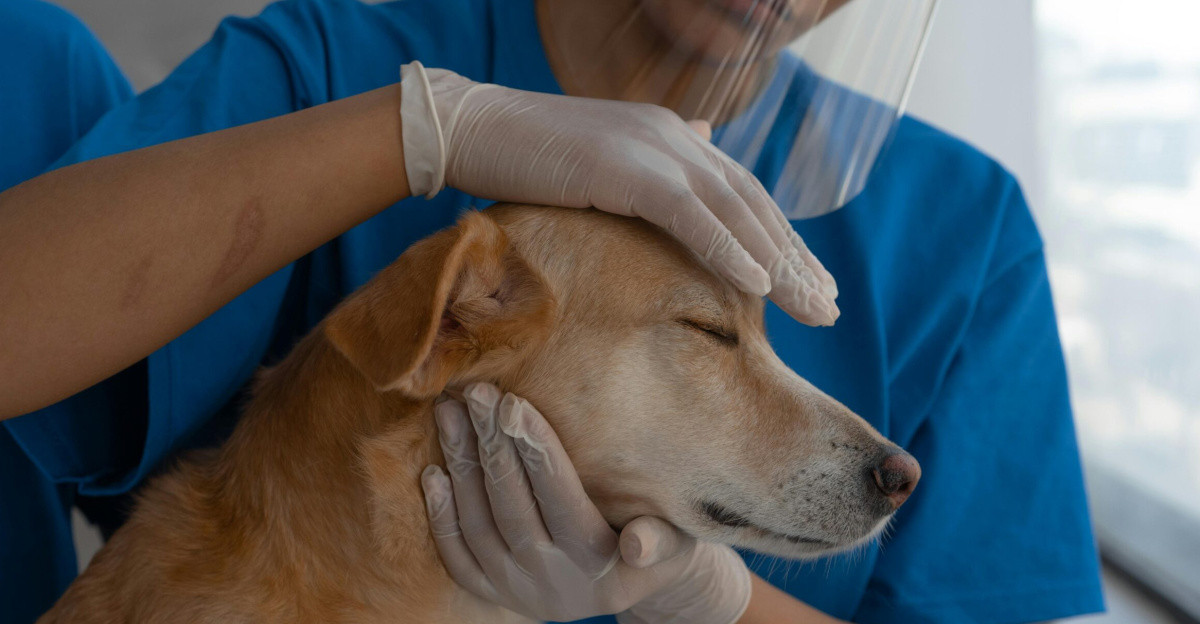
Clinics and shelters report that many returns happen within months of adoption. Owners often start out committed and caring, only to be blindsided by medical costs, behavior challenges, or the sheer work involved in meeting a dog’s needs. Preventive care alone can reach hundreds or even thousands of dollars a year for some breeds, before any major illness or injury. On intake forms, shelters repeatedly see the same explanations: the dog needed more exercise than expected, training felt unmanageable, or bills grew beyond what the household could afford. Veterinarians say better information before adoption could prevent many of these crises.
The financial strain behind tough decisions

Beyond food and routine checkups, many popular breeds carry predictable, inherited health problems that can be expensive to manage. Some dogs are prone to joint disease, spinal issues, or heart conditions that require advanced imaging, surgery, and lifelong medication. Emergency operations can cost $1,500 to $5,000 or more, with specialized procedures reaching higher amounts. Regular grooming for high-maintenance coats can add hundreds of dollars a year. For dogs that need professional training or behavior support, costs can climb even higher. Insurance policies may exclude genetic conditions, leaving families to cover recurring treatments out of pocket. For many owners, these expenses build gradually until keeping the dog no longer feels possible.
Space, energy, and lifestyle clashes
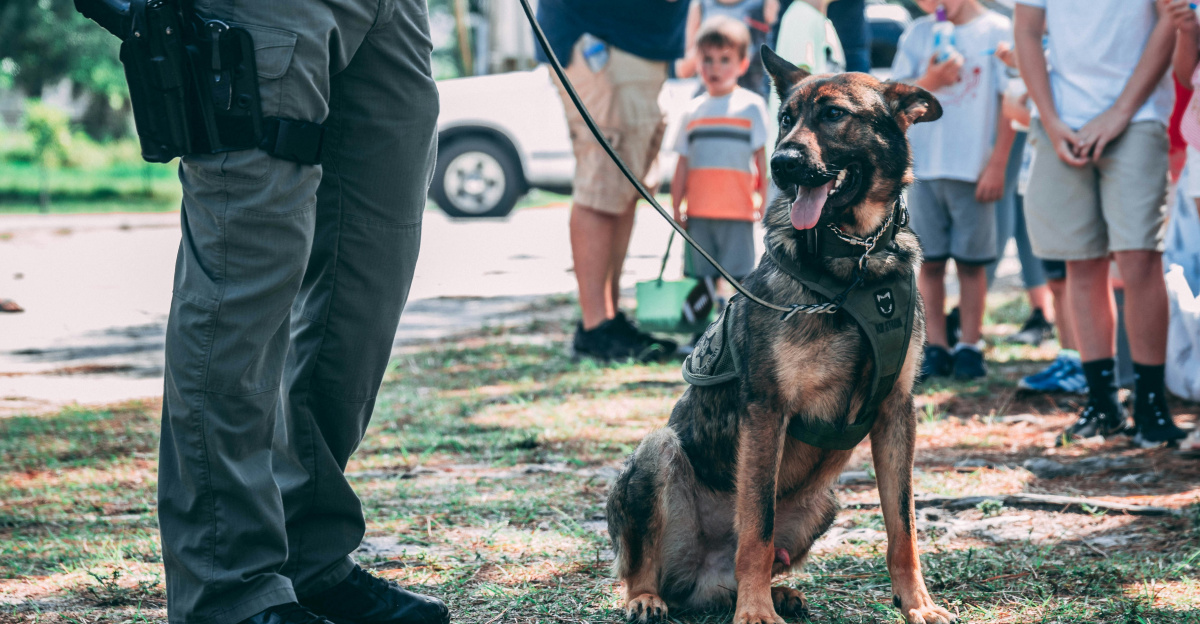
Another frequent factor in surrenders is activity level. Many well-known breeds were developed for demanding jobs such as herding, pulling sleds, guarding property, or working with military and police forces. These dogs often need hours of vigorous exercise and mental tasks every day. In practice, that can mean long runs, structured training, and constant supervision. When those needs are not met, problems follow: destructive chewing, nonstop barking, digging, escape attempts, or anxiety. Families living in small apartments, working long hours, or juggling young children often find they cannot keep up. Even experienced dog lovers can underestimate how hard it is to satisfy a working breed in a modern household.
Breeds that frequently end up back in shelters

Shelter workers and veterinarians regularly cite a similar group of breeds that show up again and again in surrender records, usually because their challenges were underestimated.
Some small companion dogs come with serious health baggage. Cavalier King Charles Spaniels, for example, are significantly more prone to mitral valve disease than other breeds—a progressive heart condition that can require years of monitoring and medication. Many owners are unprepared for repeated cardiac evaluations and emergency visits, or the emotional weight of managing a chronic illness in a beloved pet.
Other compact breeds face orthopedic risks. Miniature Dachshunds are prone to intervertebral disc disease (IVDD), with approximately 19-24% affected during their lifetime. This condition can cause sudden paralysis and may need urgent spinal surgery. Owners may go to bed with a walking dog and wake to a medical crisis. Keeping these dogs safe requires strict control of weight and activity, and avoiding stairs and jumping—limits that can be hard to maintain in everyday life.
Several large or medium-sized breeds are surrendered when their working drive collides with ordinary home routines. Belgian Malinois and working-line German Shepherds are designed for intense tasks and typically require 90-120 minutes or more of structured exercise and advanced training daily. Without that outlet, they can develop severe anxiety, obsessive behaviors, or territorial aggression that demand professional help. Siberian Huskies and Alaskan Malamutes, bred to pull sleds over long distances, often try to roam, dig, and escape fenced yards. Their dense coats need extra care and shed heavily, adding to the workload.
Some breeds bring specialized medical upkeep. Chinese Shar-Peis, with their deep skin folds, are vulnerable to ongoing skin and ear infections that may need frequent veterinary care. Cocker Spaniels are predisposed to chronic ear infections due to their floppy ears and hairy ear canals, requiring regular grooming and veterinary attention. Chow Chows, with their thick coats and reserved temperaments, can need both consistent socialization and scheduled grooming visits. For owners, the combination of regular salon appointments, vet bills, and behavioral management can become overwhelming.
Strength, regulation, and behavior risks also play a role. Pit bull-type dogs and Rottweilers, for example, often face local restrictions, insurance hurdles, and heightened scrutiny. Their physical power means any lapse in training or socialization has serious consequences, and many first-time owners underestimate the responsibility. Akitas and Chow Chows can be independent and strongly territorial, potentially leading to conflict with other animals or visitors if early training is neglected. Even very small dogs are not exempt: Chihuahuas, despite their size, are frequently represented in bite incident reports, especially in homes where their behavior is not consistently managed around children.
Scent hounds such as Beagles present another kind of challenge. Bred to follow scent trails with their highly developed sense of smell, they may ignore recall commands, roam far from home, and bay loudly. This can lead to complaints from neighbors and repeated escapes, problems that push some owners to give up the dog. Hybrid breeds like Goldendoodles, often promoted as low-shedding and simple to live with, can surprise families with unpredictable temperament, joint problems including hip dysplasia, and demanding grooming schedules.
What prospective owners can learn
Experts stress that none of these breeds are inherently unsuitable as companions. With realistic expectations, appropriate training, and a budget that accounts for likely medical and grooming needs, many families thrive with them. The trouble starts when people choose a dog for appearance, popularity, or reputation alone.
Before bringing any dog home, veterinarians recommend an honest assessment: how many hours a day can be devoted to exercise and training; how stable the housing situation is; whether breed-specific regulations apply; and what level of medical and grooming costs the household can absorb over the animal’s lifetime. Talking with veterinarians, reputable breeders, and shelter professionals in advance can give a clearer picture of what living with a particular breed truly involves. Better-matched adoptions, they say, mean fewer painful returns, less strain on shelters, and more dogs spending their lives in the homes that first welcomed them.
Sources:
“Dog Breeds and Conformations in the UK in 2019.” PubMed Central, 2023.
“Prevalence of Disorders Recorded in Cavalier King Charles Spaniels.” PubMed Central, 2015.
“Mitral Valve Disease and the Cavalier King Charles Spaniel.” Cavalier Health Organization, 2006.
“Why 90% of Belgian Malinois Owners Regret Their Decision.” YouTube, 2025.
“Veterinary Medicine: Small Animal Practice.” Journal of the American Veterinary Medical Association, 2024.
“IVDD Pet Insurance Coverage and Treatment Costs.” Bowwow Insurance, 2025.