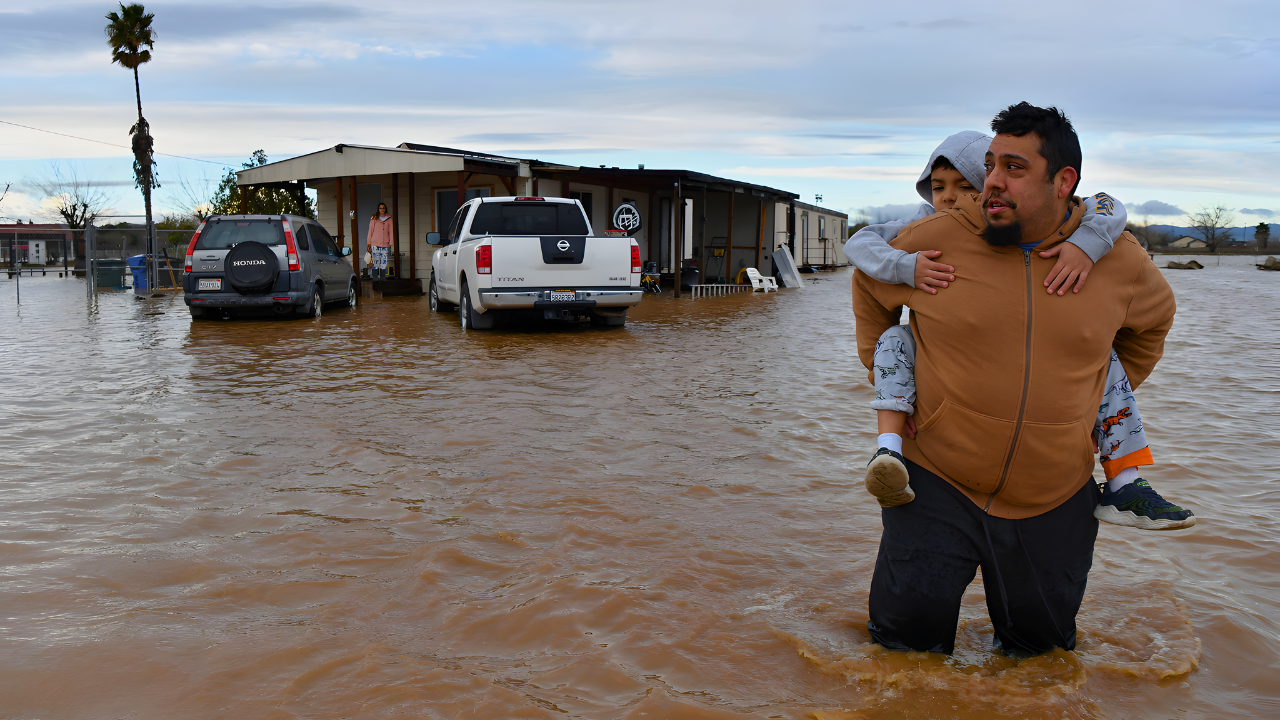
At 10 a.m. on January 3, 2026, the scene in Santa Barbara County was catastrophic. Heavy rain, over an inch per hour, pummeled the region, as mudslides swept across U.S. Highway 101. Cars were stranded, traffic came to a halt, and the Santa Barbara Airport flooded, forcing a temporary closure.
The roads—California’s lifeline for Central Coast—vanished under debris, trapping thousands. By evening, Caltrans and emergency crews were battling the relentless flow. But would they be able to reopen the roads by nightfall, or would this storm bring lasting chaos?
Why It Happened: The Power of Atmospheric Rivers

Atmospheric rivers, narrow bands of moist air from the Pacific, are becoming more intense due to climate change. This particular storm stalled over Santa Barbara County, dumping excessive rainfall.
The region’s steep terrain contributed to dangerous debris flows, worsening the flooding. By January 2, Santa Barbara had already surpassed its typical annual rainfall, and the storm added even more.
Major Road Closures: Traffic in Turmoil

The closures of Highway 101 and Highway 1 left drivers stranded for hours. Caltrans diverted traffic, leading to long detours.
Southbound traffic was rerouted at Gaviota, while northbound traffic was sent off at Winchester Canyon. Thousands of commuters and travelers were forced to adjust their plans, impacting both local business and regional supply chains.
Business Disruptions: How Retailers and Restaurants Adapted

The storm hit local businesses hard, with many stores closing early or operating with reduced staff. Restaurants, especially those relying on tourism, reported low foot traffic, and some hotels had to adjust reservations.
However, businesses quickly adapted, offering curbside pickups and deliveries to mitigate the impact of the closures.
Agricultural Woes: Crop Damage Fears
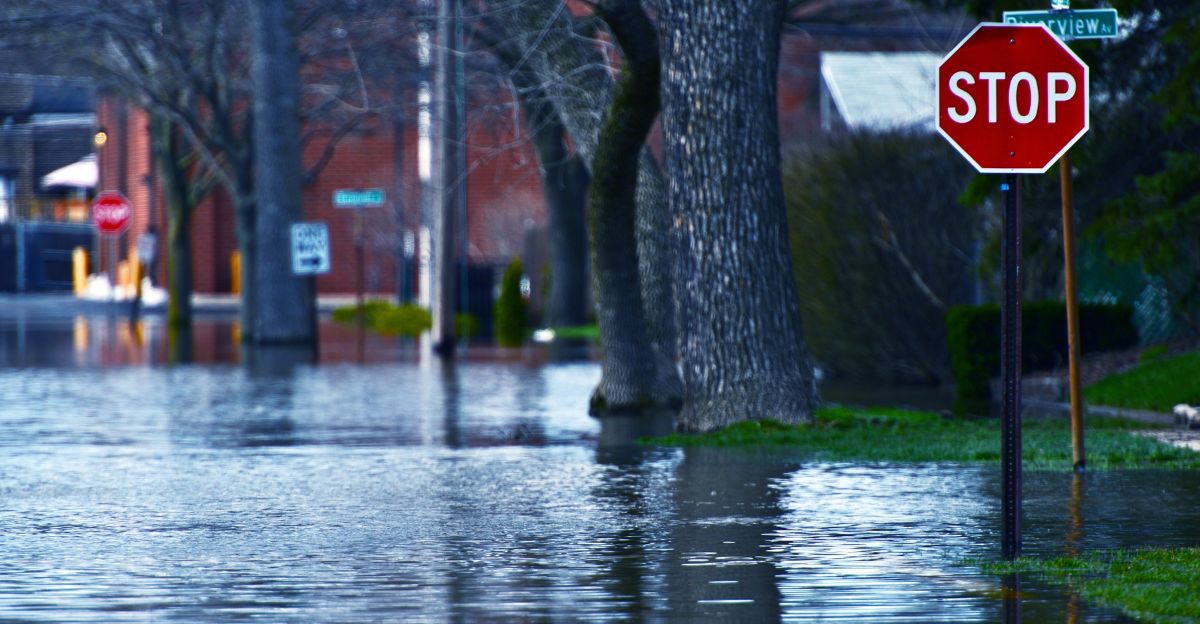
Santa Barbara’s agriculture sector, including strawberries, wine grapes, and avocados, was at risk due to the heavy rains and flooding.
Low-lying fields were flooded, and mudslides threatened crops on hillsides. Harvest operations were temporarily halted as workers faced travel disruptions. The full scope of the damage would take days or weeks to assess.
Supply Chain Disruptions: Regional Distribution Challenges
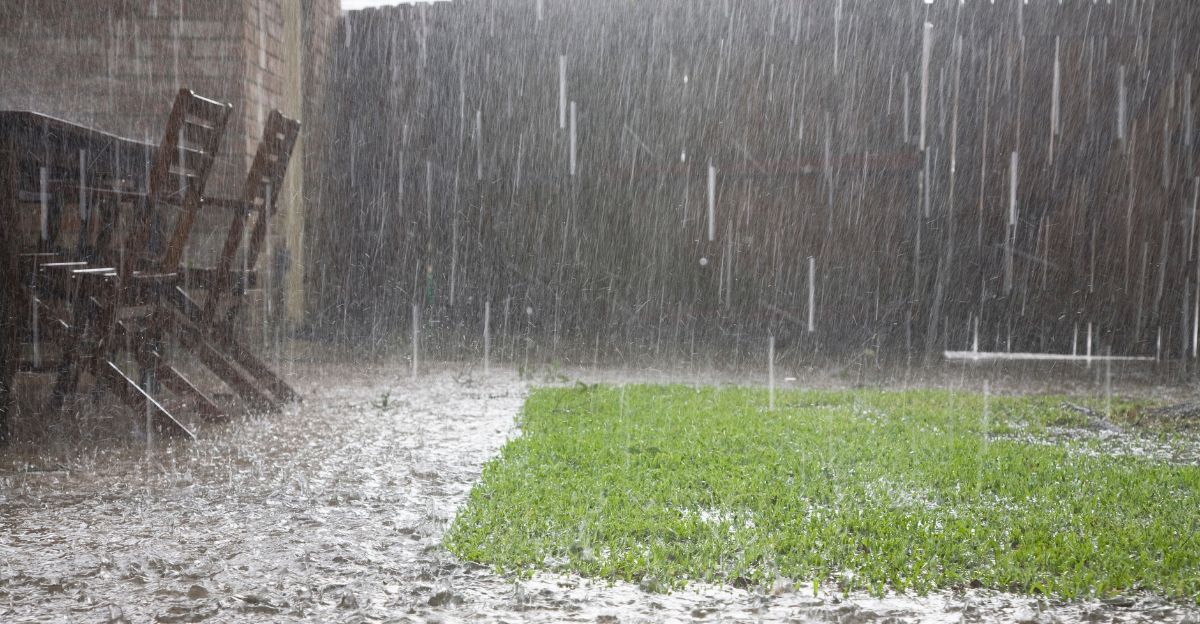
With major highways shut down, goods were delayed or rerouted, causing disruptions in the supply chain.
Santa Barbara County is a major producer of wine, strawberries, and other produce, and these goods were unable to reach markets efficiently. Despite the short-term impact, operations resumed quickly after highways reopened on Sunday morning.
Human Cost: Evacuations and Emergency Response

The storm forced some residents to evacuate, particularly those living in flood-prone areas. Emergency shelters were set up, and local services responded to multiple incidents.
Tragically, a person was killed during a creek rescue in Goleta Valley. Emergency responders worked tirelessly to assist residents, manage flooding, and clear the roads.
Government’s Role: Quick Response to the Crisis
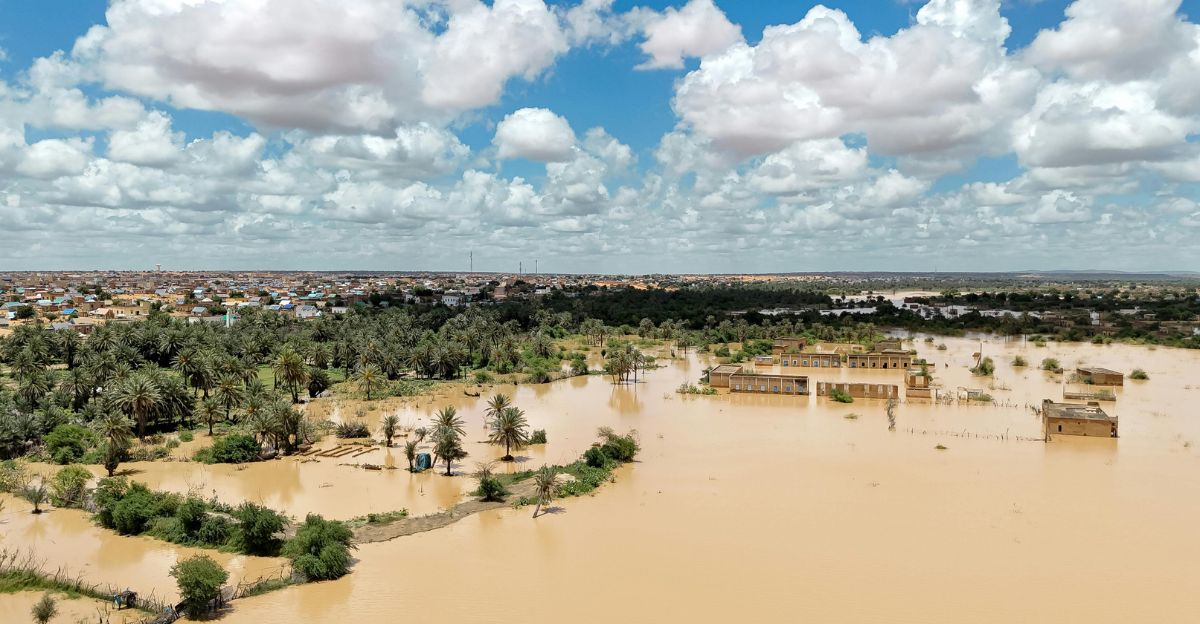
Caltrans quickly mobilized to clear debris and reopen roads. Despite the uncertainty about the reopening timeline, crews worked overnight to restore traffic flow.
Governor’s office resources were pre-positioned to address flooding, and Caltrans kept the public updated on road conditions throughout the event. The highways were reopened by Sunday morning.
Agricultural Sensitivity to Weather Extremes
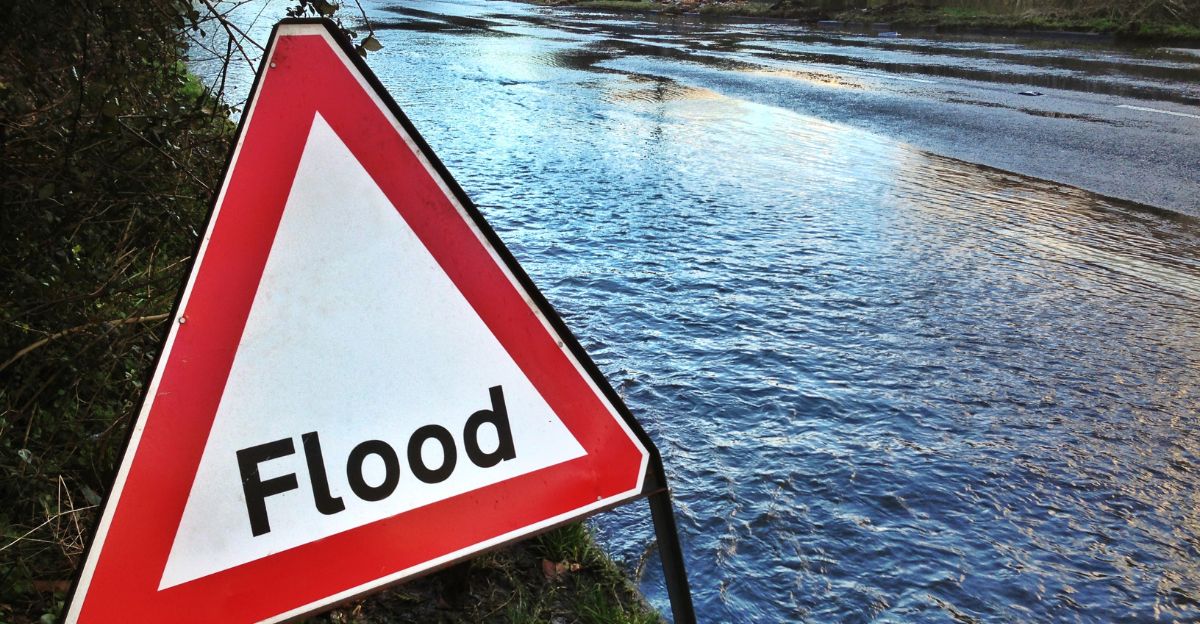
California’s agriculture, highly sensitive to weather extremes, faced significant challenges from the storm.
The Central Coast is a major supplier of strawberries and avocados, and while disruptions were temporary, supply chain concerns remained. Long-term impacts will depend on how much damage to infrastructure and crops is sustained in the coming weeks.
Emergency Preparedness: Reassessing Plans

Heavy rainfall serves as a reminder for residents to review emergency plans. Flood insurance, often not included in standard homeowner policies, is crucial.
Experts advise keeping emergency kits with at least 7–10 days of supplies, including water, non-perishable food, medications, and flashlights. The storm highlighted how crucial it is to be prepared for sudden extreme weather events.
Climate Change: The Role of Atmospheric Rivers

This storm is a stark example of how climate change is driving more intense atmospheric rivers. Santa Barbara’s infrastructure has been vulnerable to flooding, with past events in 2024 illustrating the growing risks.
As ocean temperatures rise, atmospheric rivers are expected to increase in frequency and intensity, stressing the need for resilient infrastructure and better flood management.
Public Awareness: How California’s Climate Extremes Are Perceived
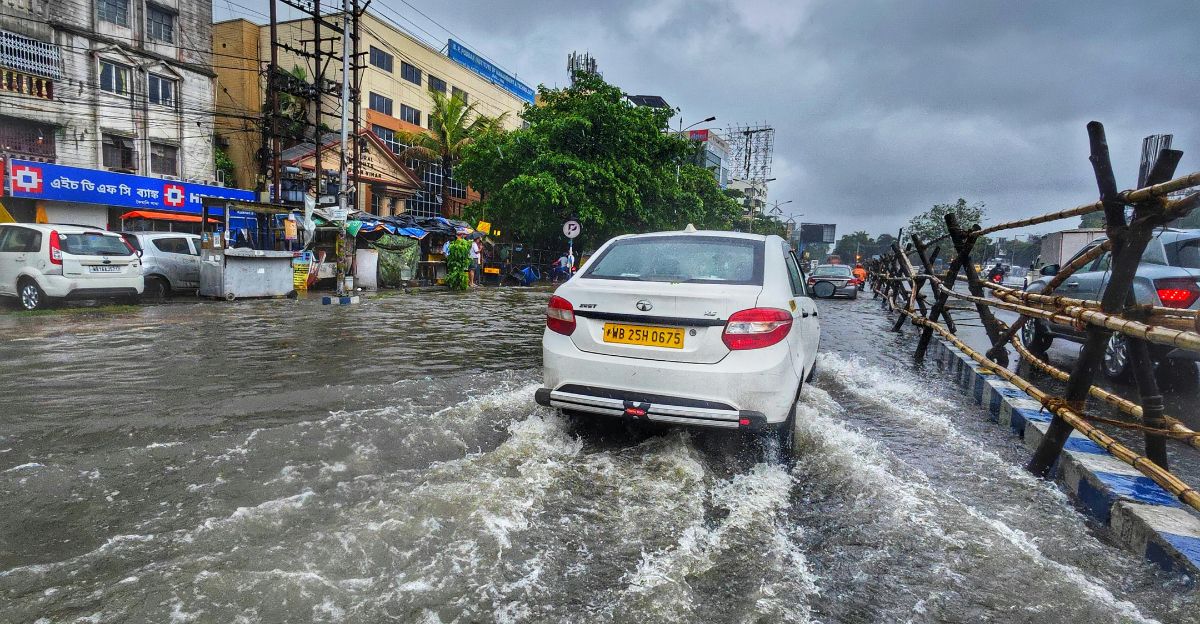
The media coverage of the storm highlighted California’s dramatic shift from drought to flood, reinforcing the state’s reputation for climate extremes.
Social media posts, showing flooded highways and airports, captured the scale of the impact. This contrast challenges long-standing narratives about California’s climate, as the state faces both drought and intense rainfall.
Economic Impact: Winners and Losers in the Aftermath

Despite the disruptions, some industries benefited from the storm. Construction and debris-removal companies are expected to see increased demand for their services.
On the other hand, businesses dependent on tourism and transportation faced setbacks. Economic analysis suggests that while the damage was costly, the storm’s economic impacts were largely contained in the short term.
Consumer Preparedness: Flood Insurance and Safety Tips

Experts recommend that residents in flood-prone areas review their insurance coverage. The National Flood Insurance Program offers flood coverage, which is often excluded from regular homeowners policies.
Maintaining emergency supplies and a family communication plan are essential steps in preparing for such events. The storm underscored the importance of being ready for extreme weather.
Looking Ahead: Building Resilience to Future Flooding

The Santa Barbara flooding event serves as a call to action for improving infrastructure resilience. With more atmospheric rivers expected, both businesses and residents must invest in better flood management and preparedness strategies.
California’s ongoing struggle with climate extremes demands adaptive solutions to protect its people, economy, and environment from the growing threat of severe weather events.
Sources:
“Southern California storms slam Santa Barbara, Ventura. Rain through Tuesday.” Los Angeles Times, 3 Jan 2026.
“Flash Flood Warning Issued for Parts of Santa Barbara County as 101 Closes for ‘Unknown Duration’.” Santa Barbara Independent, 3 Jan 2026.
“Santa Barbara Airport Closes Due to Flooding.” Santa Barbara Independent, 3 Jan 2026.
“California man dies after being swept into creek during Jan. 2026 storms.” FOX 11 Los Angeles, 3 Jan 2026.