Nearly 40 years ago, the catastrophic explosion at Reactor 4 defined the Chernobyl nuclear disaster as the worst in history. According to historical records, the 1986 event forced the evacuation of approximately 350,000 people, leaving a 30-kilometer exclusion zone in northern Ukraine frozen in time.
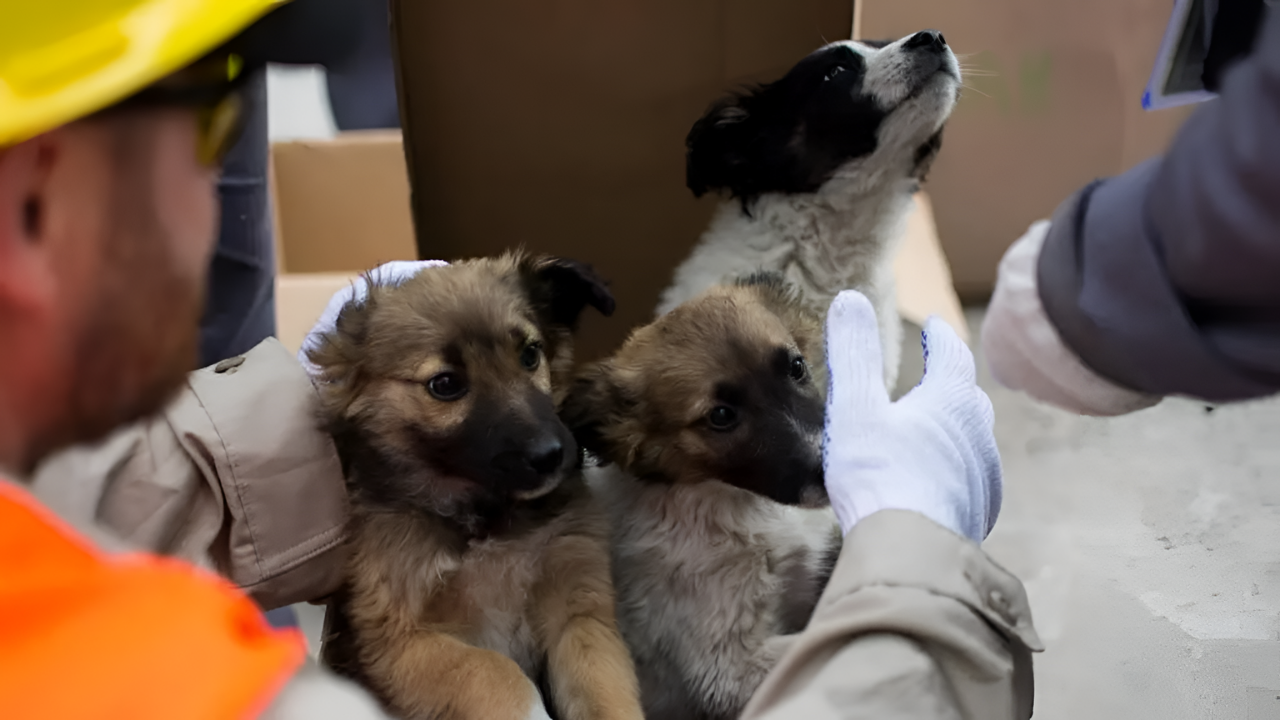
Yet, while humans fled the invisible threat, hundreds of stray dogs remained behind. These animals have managed to survive and breed for decades within one of the most contaminated places on Earth.
A Unique Genetic Landscape
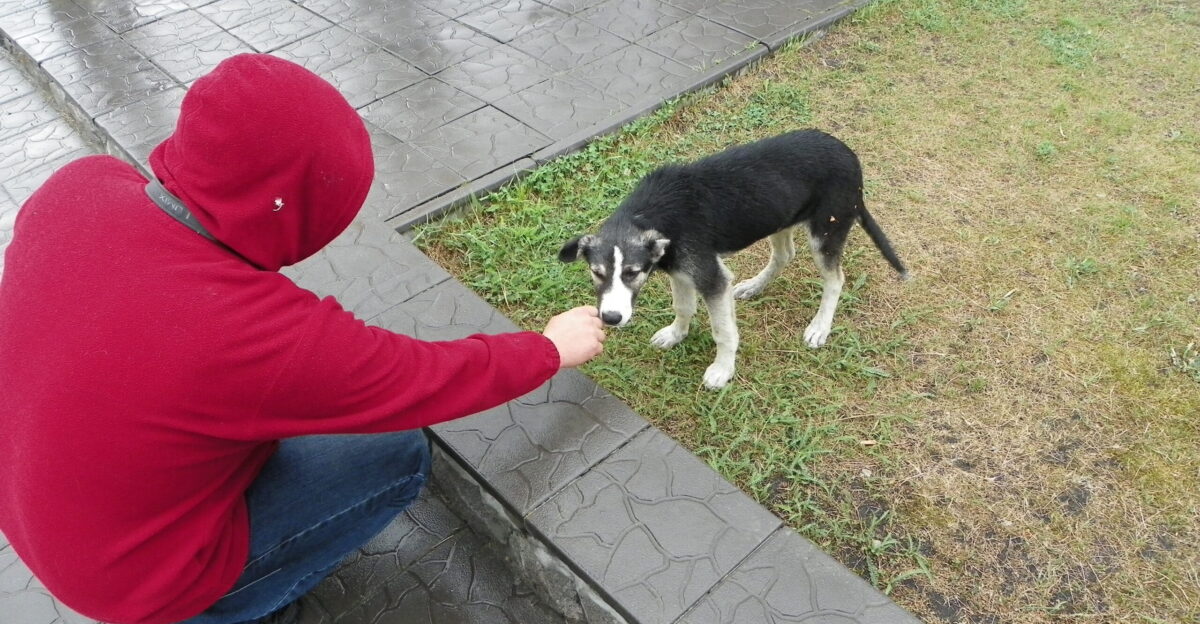
In a groundbreaking collaboration, researchers from North Carolina State University, Columbia University’s Mailman School of Public Health, and the International Atomic Energy Agency (IAEA) launched the first large-scale genomic study of these free-breeding dogs.
Their research sought to determine if living in a radioactive wasteland has fundamentally altered the canine genome, transforming these animals into a unique sentinel species for radiation survival.
Two Distinct Populations Identified
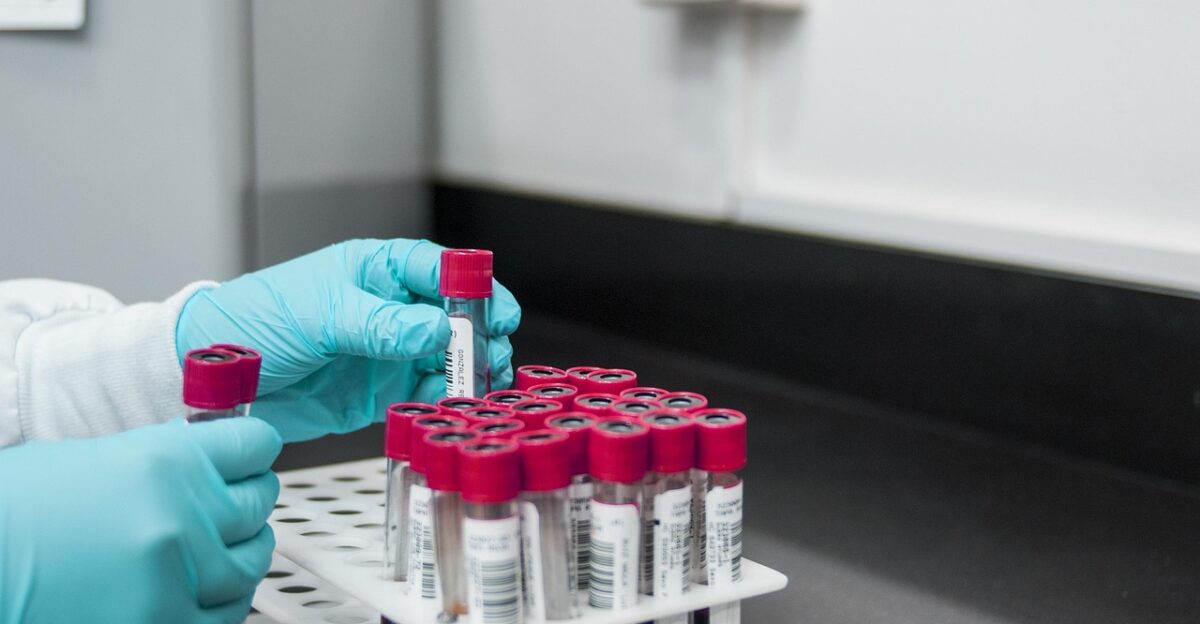
The study focused on 116 semi-feral dogs living within the exclusion zone. Researchers collected blood samples to analyze their DNA, revealing a surprising divide in the population. According to the data, the dogs living directly near the decaying reactor complex are genetically distinct from those living in Chernobyl City, just 16.5 kilometers away.
This sharp genetic divergence suggests that the intense environmental pressures near the reactor are shaping the population in ways previously unseen in nature.
Generations Of Radioactive Exposure
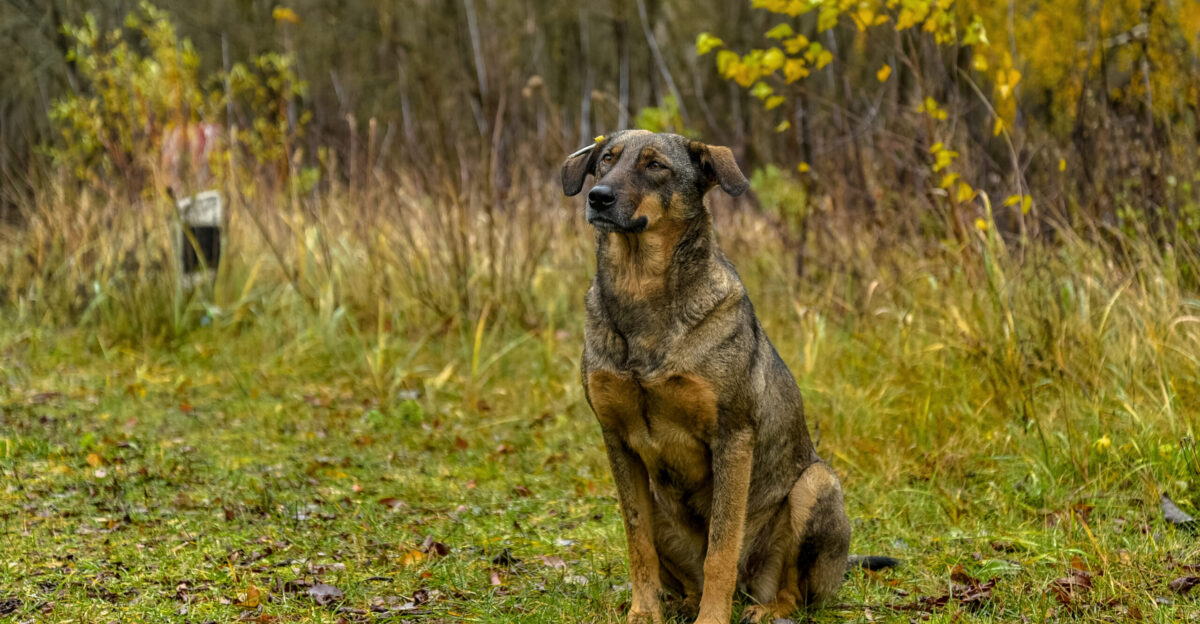
These dogs are not merely survivors of the initial blast; they are the descendants of pets left behind in 1986. With an estimated canine generation time of two to three years, the current population represents approximately 15 to 20 generations of breeding entirely within the exclusion zone.
This timeframe constitutes the longest-running natural experiment in mammalian radiation adaptation, offering scientists a rare window into how DNA responds to decades of environmental stress.
Mapping The Genetic Outliers
The genomic analysis yielded startling results. According to the study, researchers identified 391 outlier loci—specific locations on the chromosomes—within the dogs’ genomes. These outliers differ significantly from free-breeding dogs outside the zone, suggesting they are not random accidents.
The sheer number of these genetic markers indicates that the exclusion zone is exerting a powerful selective force, rapidly pushing the dogs’ evolution in a direction that separates them from their counterparts worldwide.
Genes Linked To DNA Repair
Among the 391 outliers, the research team flagged 52 candidate genes that appear to be shaped by selective pressures. Of particular interest was the gene XRCC4, which is known to play a critical role in the DNA repair of double-strand breaks.
Since radiation causes exactly this type of genetic damage, the prominence of XRCC4 suggests the dogs may be evolving mechanisms to repair their own cells faster or more efficiently than ordinary canines.
Immune System Adaptations
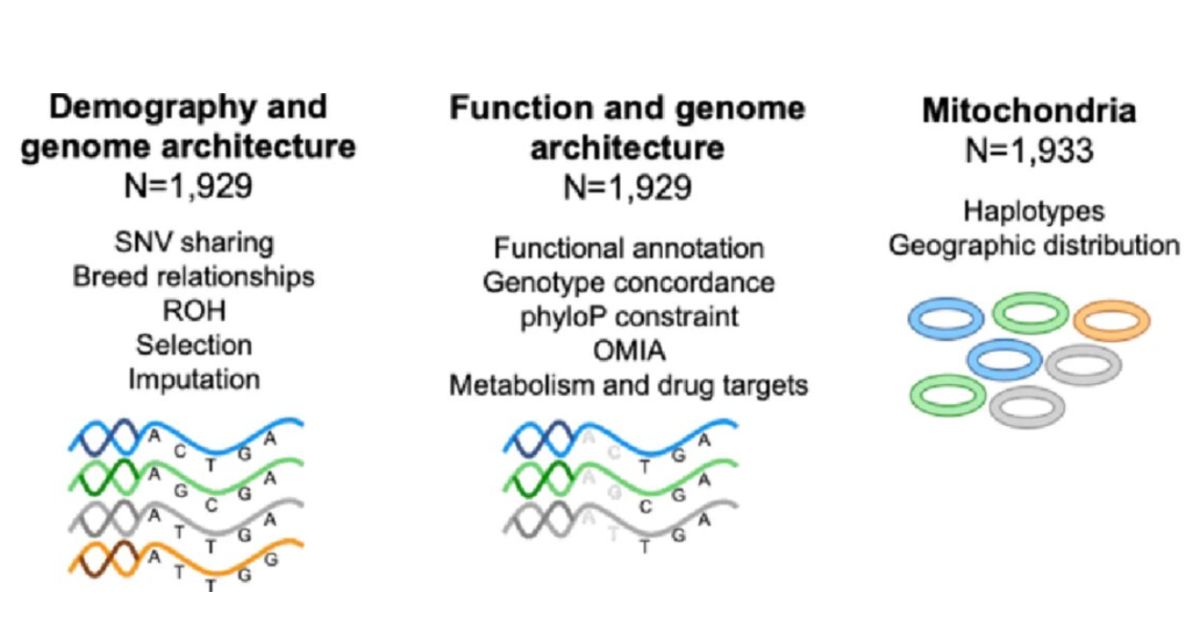
The study also highlighted changes in genes related to immune response. Researchers noted the presence of CNTNAP2, a gene associated with immune signaling, among the candidates for selective pressure. Living in an environment contaminated with cesium-137 and strontium-90 requires a robust physiological defense.
The alteration of these specific genes implies that the dogs are undergoing a rapid systemic shift to cope with the toxic reality of their habitat, effectively rewriting their biological defense manuals.
A Cocktail Of Contaminants
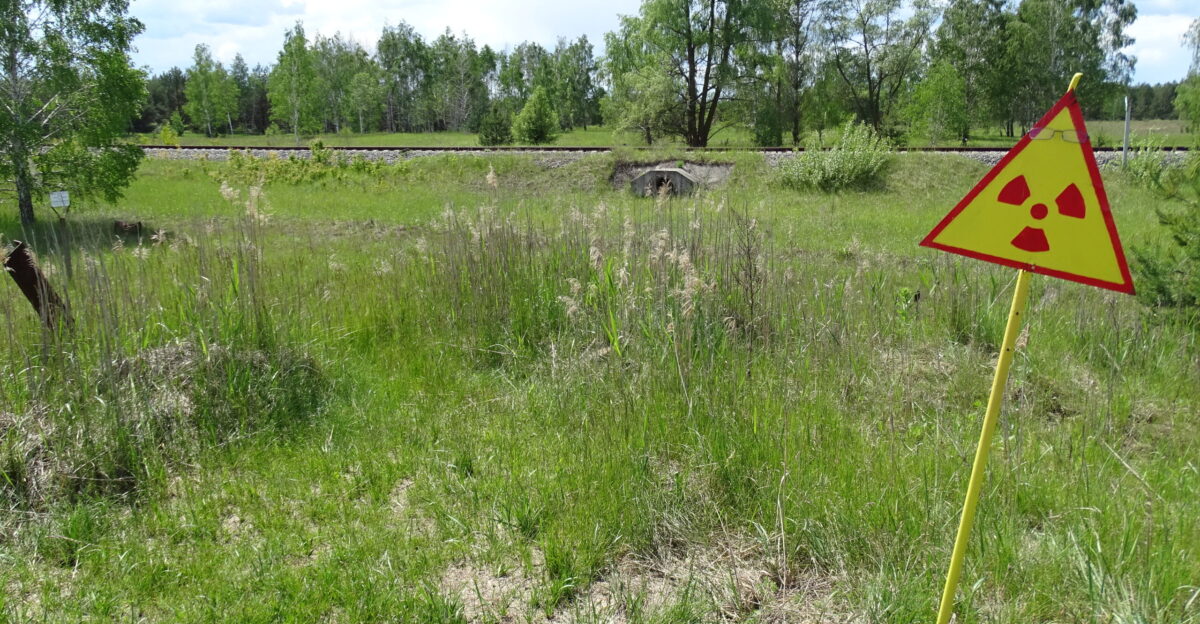
Radiation is not the only enemy these animals face. The exclusion zone remains a repository for heavy metals, pesticides, and organic industrial compounds left behind during the evacuation and subsequent decay of the region.
The researchers emphasize that the dogs are surviving a complex “toxic soup.” This multifaceted exposure makes the genetic findings even more significant, as the animals must adapt not only to radiation but also to a total environmental collapse.
The Mystery Of The Red Forest
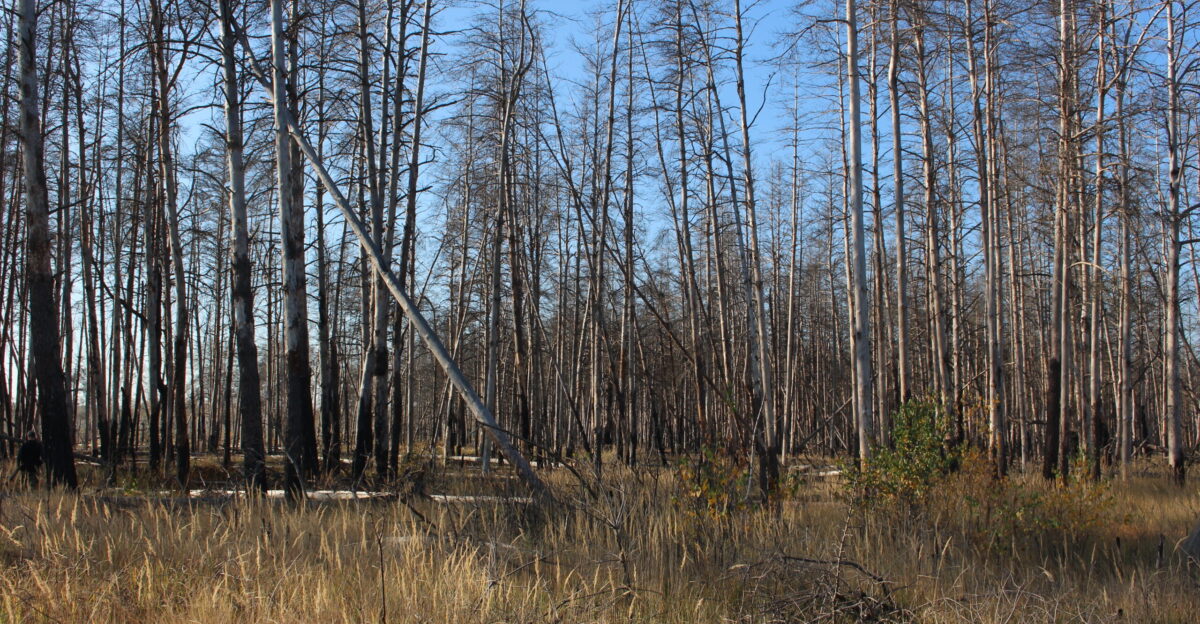
The dogs navigate areas like the “Red Forest,” which remains one of the most radioactively contaminated distinct patches of land globally. Over 5,000 petabecquerels of radioactive material were released in 1986, much of which settled in the soil and vegetation of this area.
The fact that these animals hunt, sleep, and breed in such a hostile ecosystem challenges standard biological assumptions about the lethality of chronic radiation exposure on large mammals.
Evolution Or Genetic Drift?

One of the central questions posing a riddle for scientists is the cause of these changes. Researchers are debating whether the unique genotypes observed are the result of “survival of the fittest” adaptation or simply “genetic drift”—random mutations arising from isolation.
The proximity of the two distinct dog populations suggests that isolation alone cannot explain the divergence.
New Containment, New Era

While the dogs have roamed freely for nearly four decades, the environment continues to change. In 2016, a massive engineering project known as the New Safe Confinement structure was completed to cover Reactor 4 and contain its remaining radioactivity.
While this reduces the immediate danger of new leaks, the surrounding zone remains hazardous. The dogs continue to live in the shadow of this megastructure, serving as living monitors of the containment’s long-term effectiveness.
Rapid Evolutionary Timeline
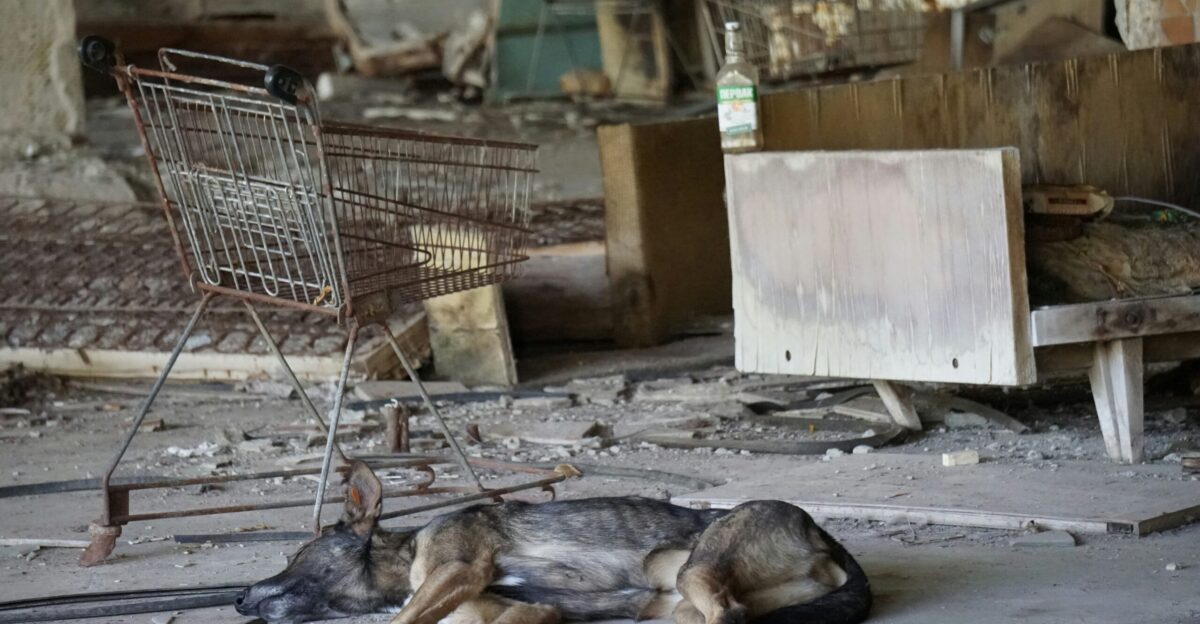
The speed at which these genetic shifts have occurred is scientifically unprecedented for dogs. Developing distinct genetic markers in just over 30 years is incredibly fast on an evolutionary scale.
This accelerated change suggests that the pressure to survive in the exclusion zone is so intense that it is forcing the canine genome to adapt in real-time.
Impact On Human Understanding

The implications of this research extend far beyond the canine world. Scientists view these dogs as proxies for understanding the long-term effects of radiation on humans.
Because dogs share many biological characteristics with people and live in the same environment, their genomic changes could reveal hidden risks—or protective mechanisms—relevant to nuclear plant workers or future space travelers exposed to cosmic radiation.
The Isolation Factor
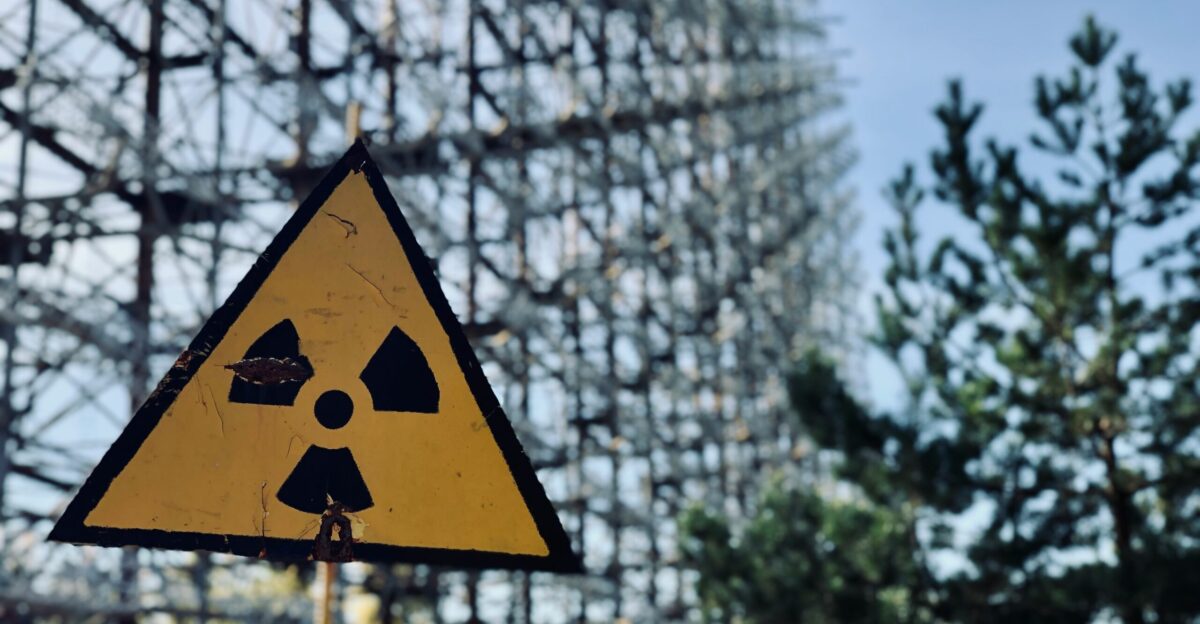
The physical separation between the reactor dogs and the Chernobyl City dogs is relatively small—just 16.5 kilometers. In a normal environment, these populations would likely interbreed freely, blurring any genetic differences.
The fact that they have remained distinct suggests that the environmental gradient of radiation is steep enough to create invisible barriers.
Comparing To Global Breeds

To ensure the accuracy of their findings, the research team compared the Chernobyl samples with DNA from purebred and free-breeding dogs worldwide. This comparison confirmed that the Chernobyl populations are indeed unique and not just a result of specific breeds being left behind in 1986.
The genetic “scars” and shifts found in the exclusion zone dogs are specific to their radioactive environment, validating the study’s focus on environmental selection.
Survival Against The Odds
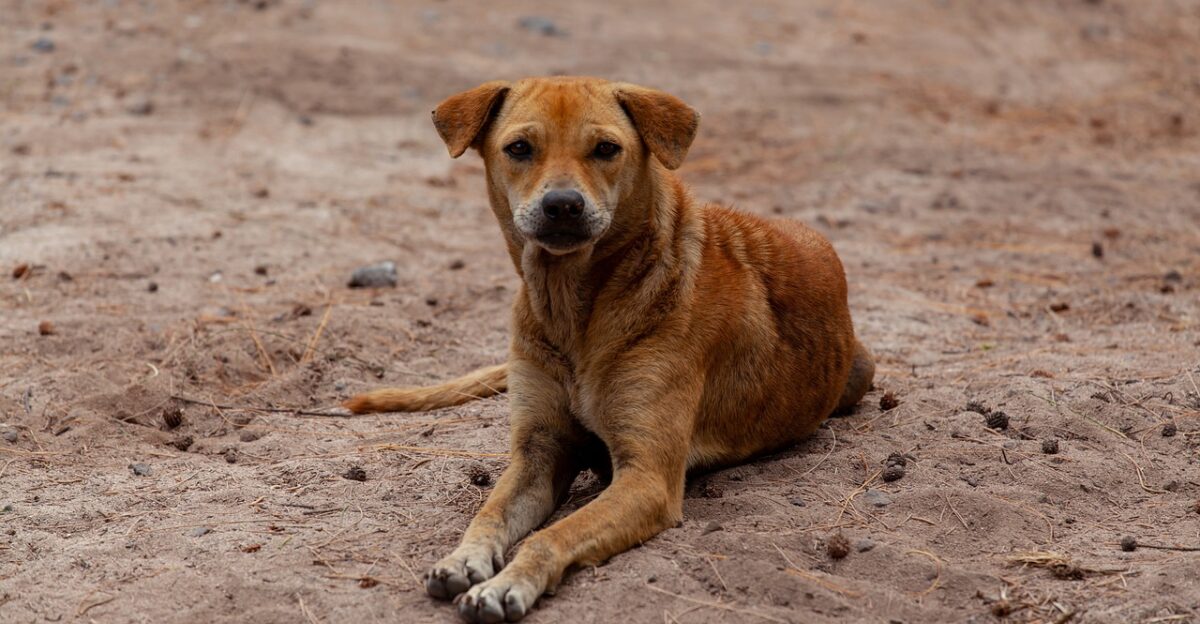
The resilience of these animals is a testament to biological endurance. According to historical estimates, thousands of animals were culled immediately after the disaster to prevent the spread of contamination.
The ancestors of today’s pack evaded those measures, surviving in the ruins of abandoned villages.
The Role Of The IAEA

The involvement of the International Atomic Energy Agency highlights the global importance of this study. The IAEA is interested in how biological systems cope with radiological events to improve safety standards.
By analyzing the blood samples of these 116 dogs, the agency hopes to refine its models of environmental impact.
Unlocking The Genome
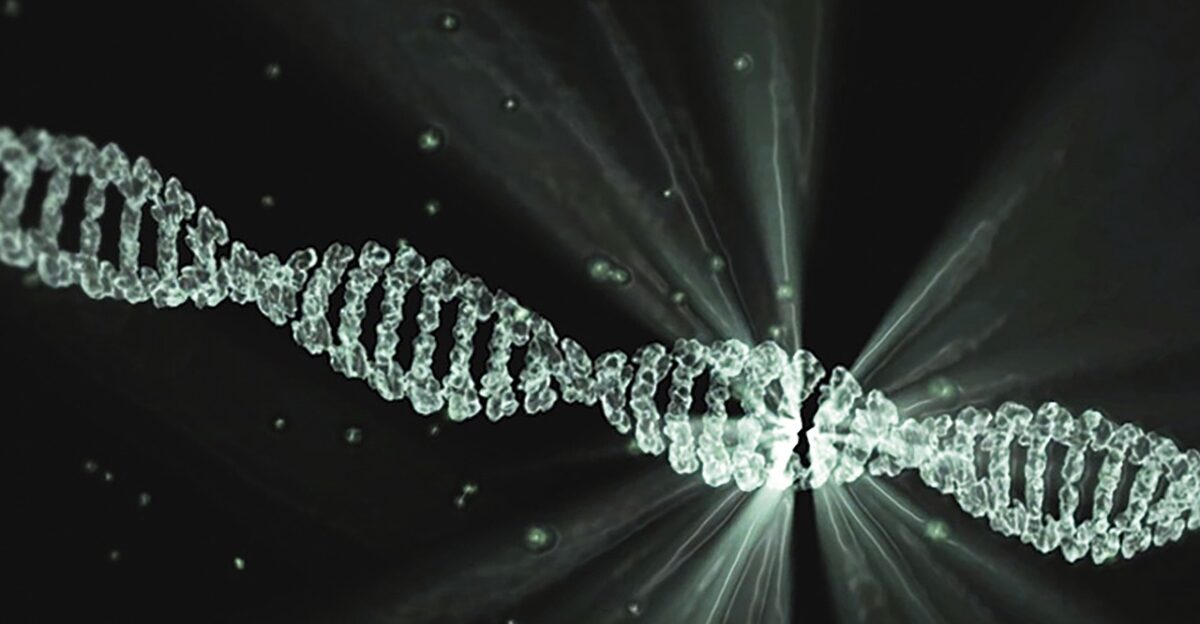
The identification of 391 outlier loci provides a roadmap for future research. Scientists can now look closer at these specific regions of DNA to understand exactly what they do.
If the genes related to DNA repair are indeed functioning more efficiently, it could revolutionize our understanding of how to treat or prevent radiation damage.
A Living Legacy
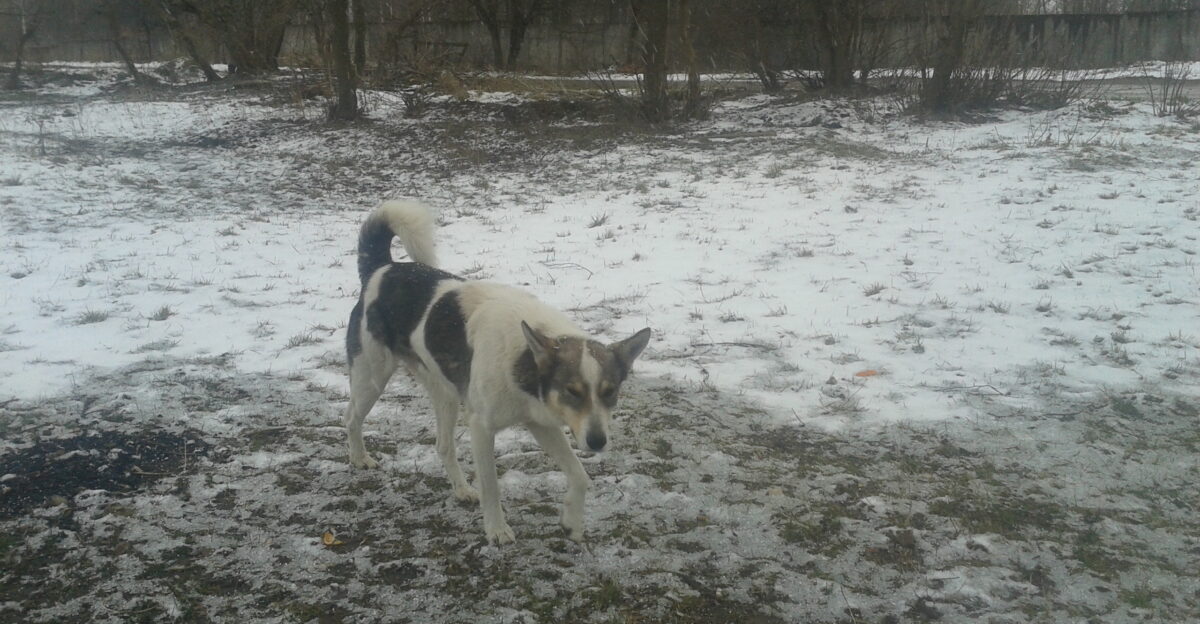
These animals represent a living legacy of the 1986 disaster. They are a physical manifestation of the region’s history, carrying the chemical memory of the explosion in their blood and bones.
As the first large-scale genomic study of its kind, this research validates the importance of preserving and studying the exclusion zone’s ecosystem.
The Ongoing Question
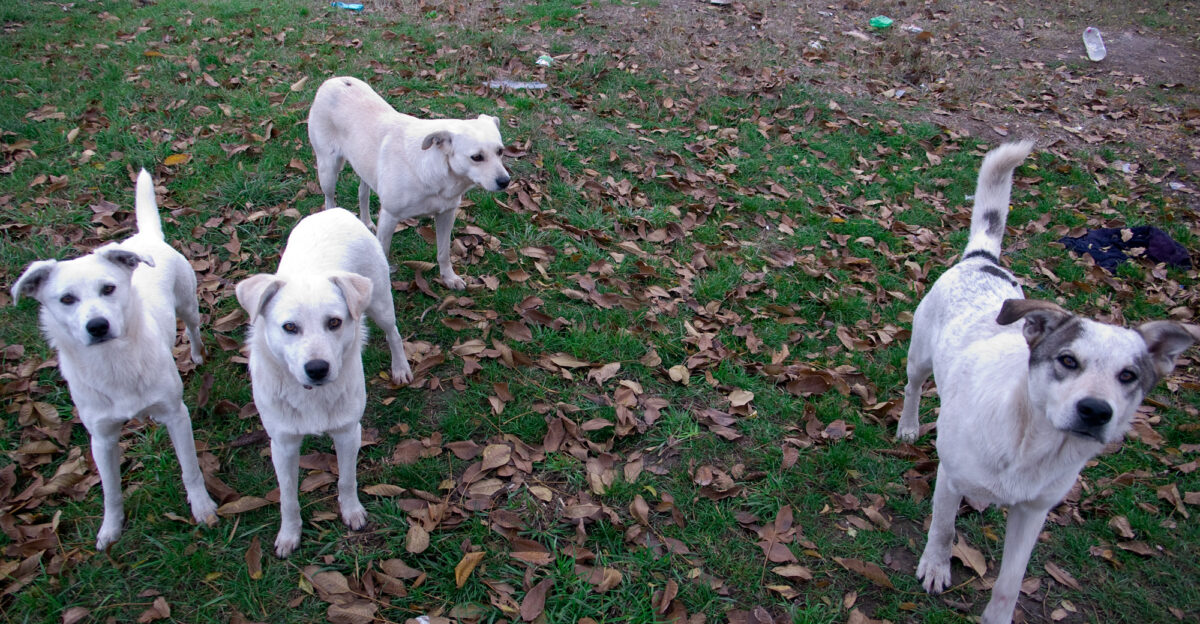
Ultimately, this research opens the door to profound questions about life’s tenacity. As Dr. Matthew Breen, a genomics expert from NC State University, framed the core issue: “Does an environmental disaster of this magnitude have a genetic impact on life in the region?”
The answer appears to be a resounding yes. The Chernobyl dogs are living proof that even in the wake of our worst mistakes, life adapts, evolves, and endures.
Sources:
North Carolina State University Genomics Research Lab – Chernobyl Dog Population Study (2025)
Columbia University Mailman School of Public Health – Radiation Exposure & Genomic Analysis Report
International Atomic Energy Agency (IAEA) – Chernobyl Exclusion Zone Environmental Monitoring Database
Dr. Matthew Breen, NC State University – Published Genomics Expert Commentary on Radiation-Induced DNA Shifts
Ukraine Ministry of Emergency Situations – Chernobyl Exclusion Zone Historical Documentation (1986–2026)
World Health Organization (WHO) – Long-Term Health Effects of Ionizing Radiation Exposure Study