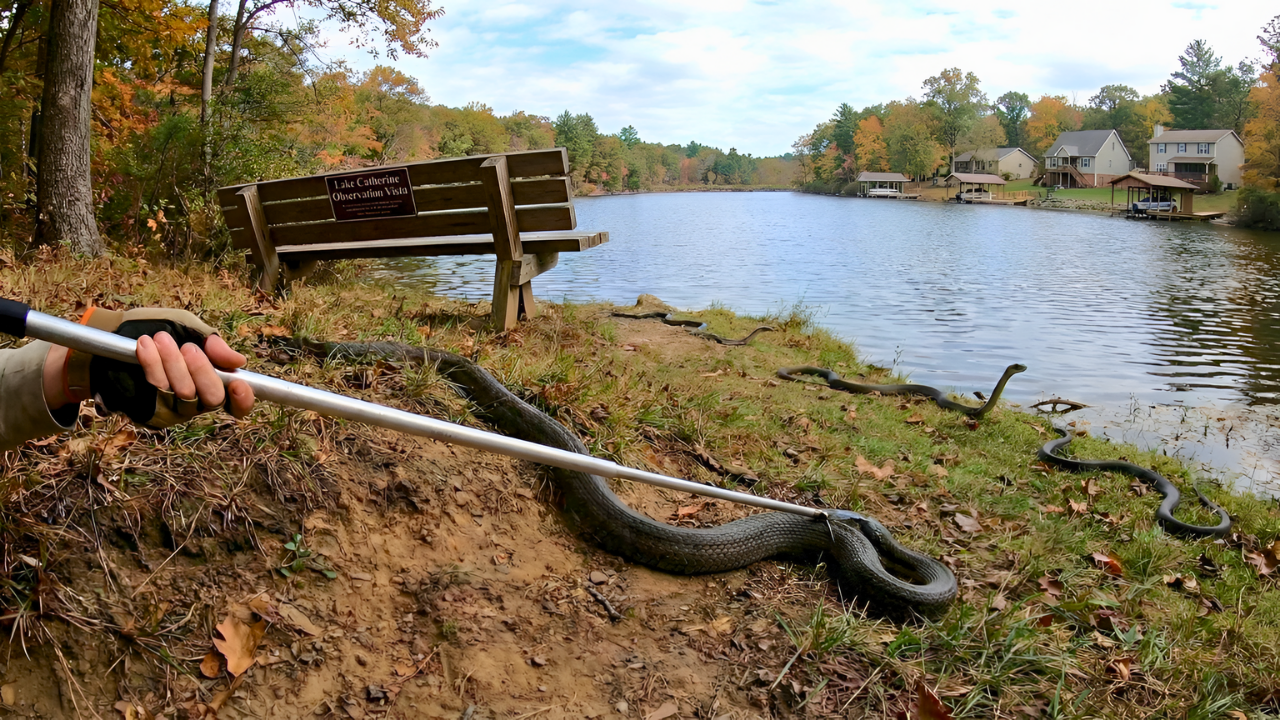
Montana’s rivers and reservoirs harbor all 10 native snake species, forming critical lifelines for reptiles that bridge aquatic and land ecosystems. These waterways offer hunting grounds, hibernation sites, and migration paths, especially during warm months when encounters with hikers rise. Nine of the species pose no venomous risk, yet awareness of their habitats cuts human-snake conflicts.
Missouri River: Longest Snake Corridor
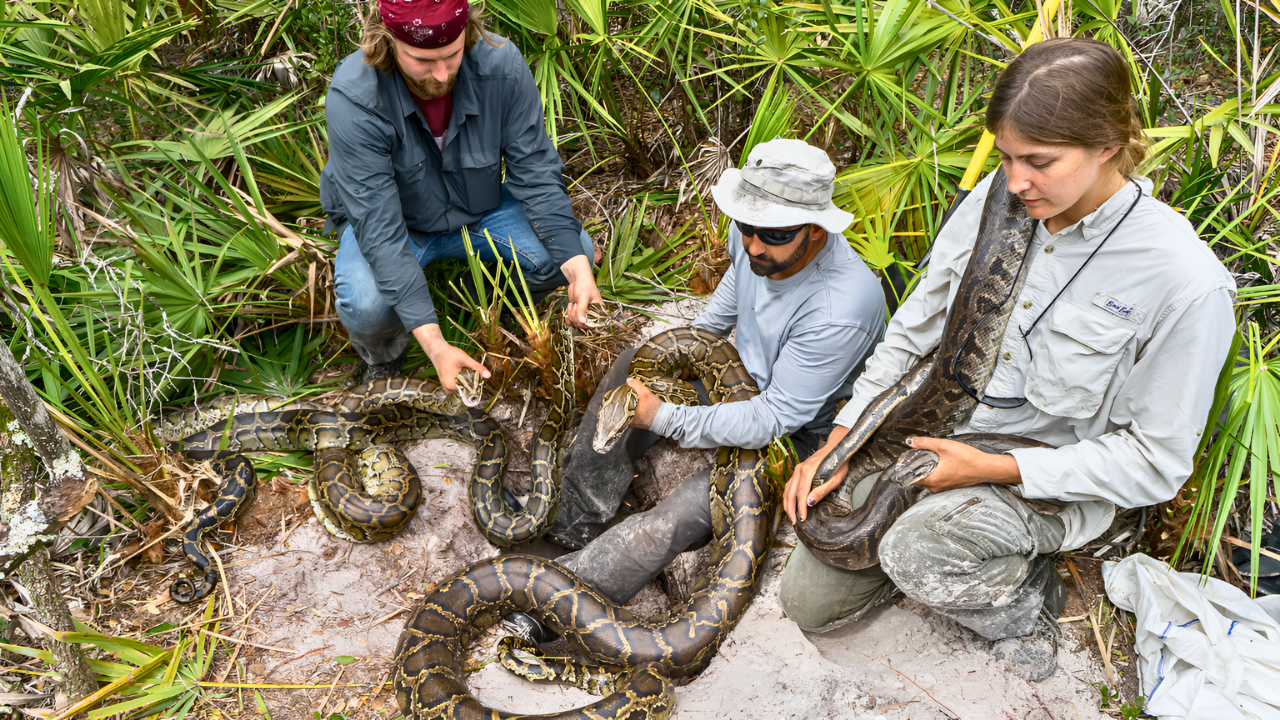
The Missouri River, North America’s longest at over 2,500 miles, stands as Montana’s premier snake habitat. All 10 native species appear along its banks. Garter snakes cluster near wetlands, bullsnakes hunt rodents in grasslands, and prairie rattlesnakes favor warmer lowlands. Rocky outcrops serve as shelters and winter dens, creating an unbroken reptile pathway across the state.
Yellowstone River: Undammed Wild Route
America’s longest undammed river, the 692-mile Yellowstone supports garter snakes, bullsnakes, racers, and prairie rattlesnakes from Livingston eastward. Warm banks and rocky shelves draw early-morning baskers to trails and sandbars amid daily temperature shifts. Its wild status preserves one of Montana’s most vibrant snake zones.
Clark Fork River: Cool Forest Haven
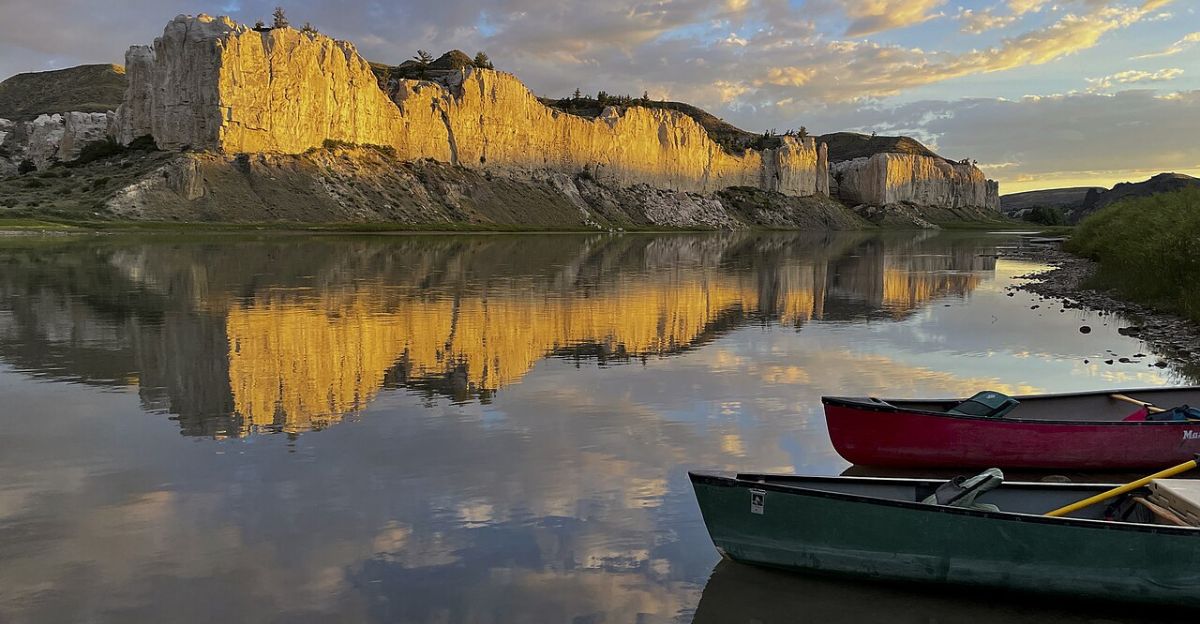
Montana’s highest-volume river, the Clark Fork winds through chilly western forests and valleys. Garter snakes and northern rubber boas thrive here—the latter a nocturnal constrictor hugging shaded banks. Prairie rattlesnakes stay scarce amid the cool air and thick cover. Submerged logs, rock piles, and riparian plants offer year-round cover for non-venomous residents.
Prairie Wetlands and Reservoirs
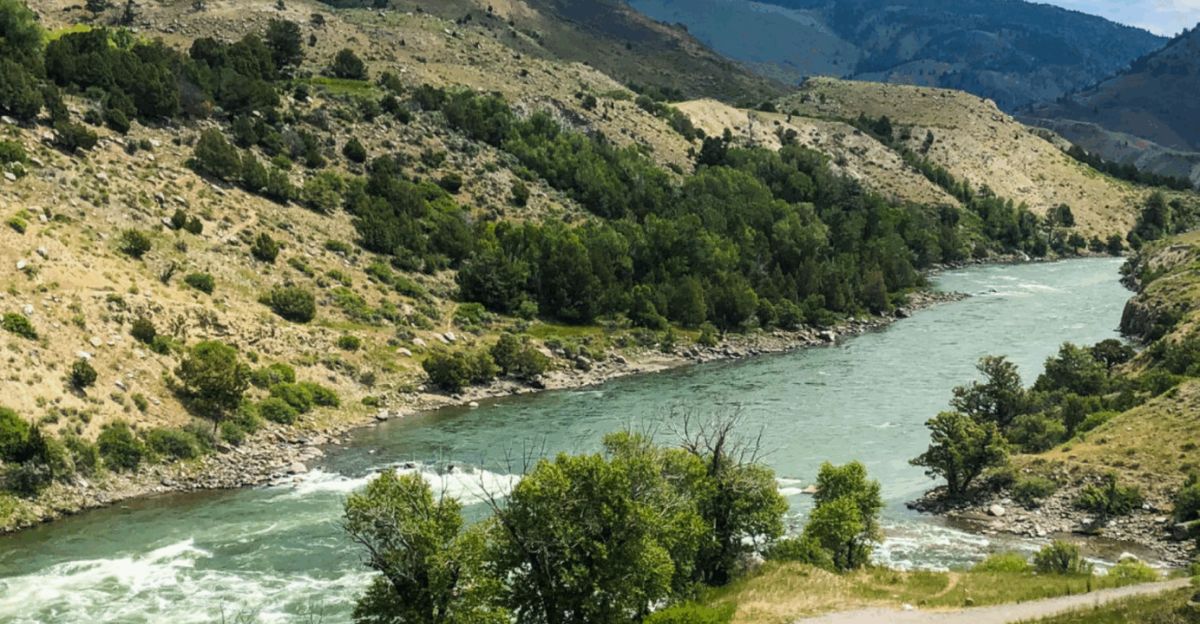
The 729-mile Milk River crosses northeastern prairies, nurturing garter snakes, racers, and bullsnakes in shallow marshes rich with frogs, fish, and mammals. Garter snakes bear live young in large midsummer litters. Nelson Reservoir, built in 1914 and expanded in 1921, draws prairie rattlesnakes, garter snakes, and bullsnakes; the venomous ones even swim shorelines during droughts, sustained by fish and amphibians. Fort Peck Lake, the state’s largest by volume across six counties, hosts basking, hunting, and denning along rodent-plentiful shores and sheltered coves.
Three semi-aquatic garter snakes dominate shorelines and slow waters, devouring fish, amphibians, insects, and mammals while bearing live young—a marker of healthy ecosystems. Bullsnakes, Montana’s biggest non-venomous snakes at over six feet, control rodents near rivers and grasslands; they mimic rattlesnakes by hissing, head-flattening, and tail-vibrating. Prairie rattlesnakes, the only venomous species, dwell below 6,400 feet in central and eastern waterways, measuring 20 to 50 inches; they swim for prey and rattle as warning, with fatal bites rare under treatment.
Hotspot Regions
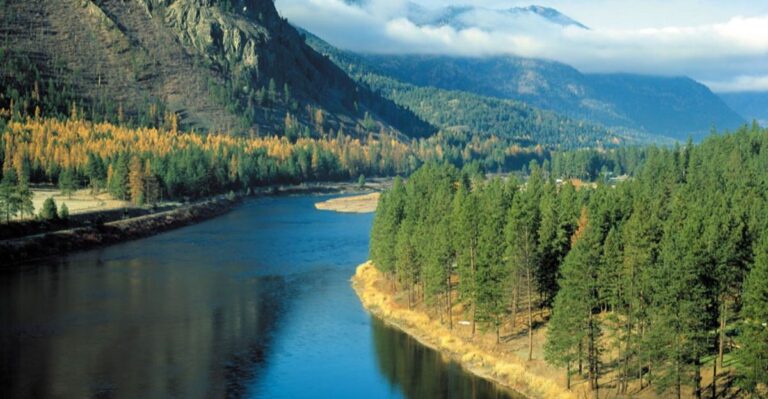
Eastern Montana’s dry valleys and badlands near Miles City, Glendive, and Missouri Breaks hold the densest prairie rattlesnakes, fueled by rodents on south-facing basking slopes—dawn and dusk hikes pose peak risks. Bighorn Canyon and Pryor Mountains supply crevices for dens and sagebrush prey, safeguarding predator-prey balances amid popular trails. Billings’ Rimrocks see urban-snake clashes as development pushes reptiles to rodent-rich rivers and outcrops. Yellowstone’s slim Montana slice protects diverse snakes in low valleys and wetlands. The Flathead River hosts up to six species, including garter snakes and rubber boas, under cool forests with low pollution.
Northern rubber boas favor western moist river edges, constricting small prey at night; their glossy scales signal ecosystem vigor. Eastern hognose snakes in eastern sandy floodplains feign death or hiss dramatically while digging amphibians with upturned snouts—harmless despite theatrics. Western milksnakes mimic coral snakes with red-yellow-black bands below 4,000 feet, laying eggs and curbing rodents near farms. North American racers sprint at 3.5 mph in daylight along waterways, dodging humans. Smooth greensnakes, a species of concern, camouflage in northeastern wetlands, grazing insects as wetland health sentinels.
These habitats underscore snakes’ ecological roles in pest control and biodiversity, yet expanding human presence heightens overlap risks. Preserving river integrity and promoting encounter awareness will sustain these vital predators amid climate shifts and development pressures.
Sources:
World Atlas – 5 Most Snake-Filled Bodies of Water in Montana
World Atlas – 7 Most Rattlesnake Infested Areas in Montana
Montana Field Guide – Common Gartersnake
A-Z Animals – Bullsnakes in Montana
XL Country – Where Are You Most Likely To See Rattlesnakes In Montana
Montana Field Guide – Prairie Rattlesnake