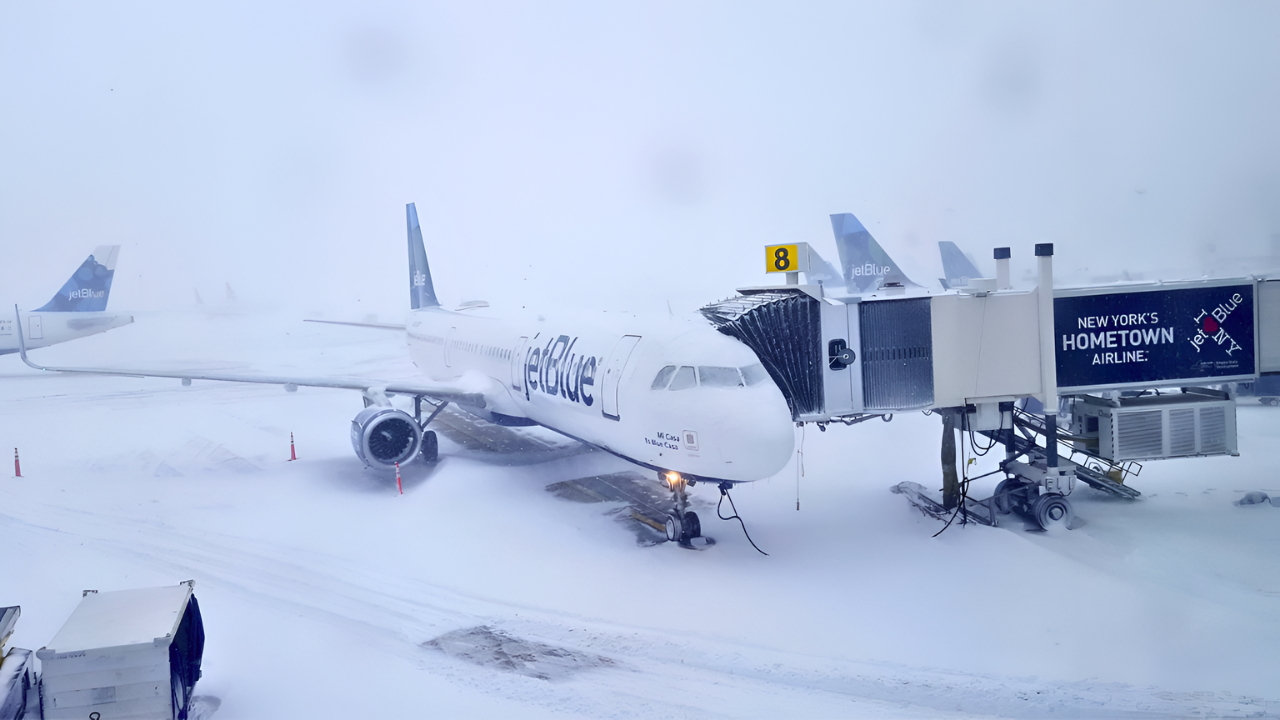
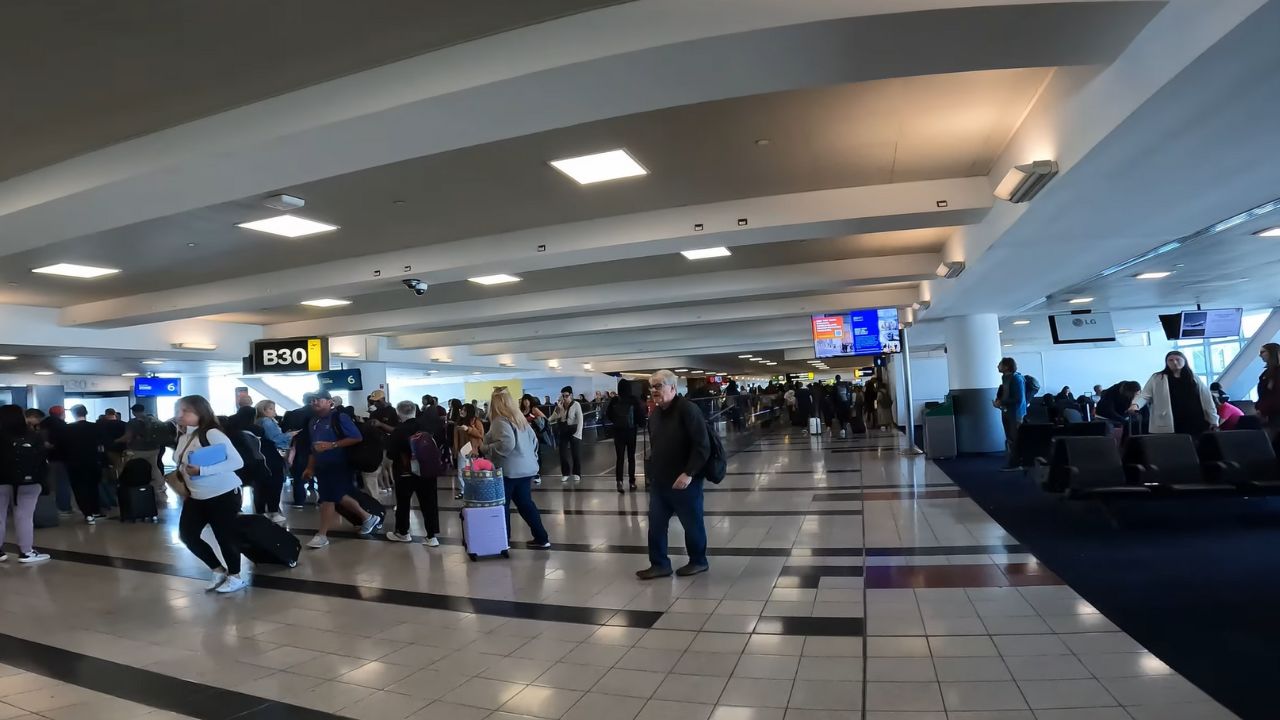
Red cancellation notices flooded departure boards at JFK and LaGuardia as snow clung to runways and planes sat motionless at the gates. More than 1,500 flights were abruptly canceled, trapping holiday travelers inside crowded terminals during one of the busiest travel weekends of the year.
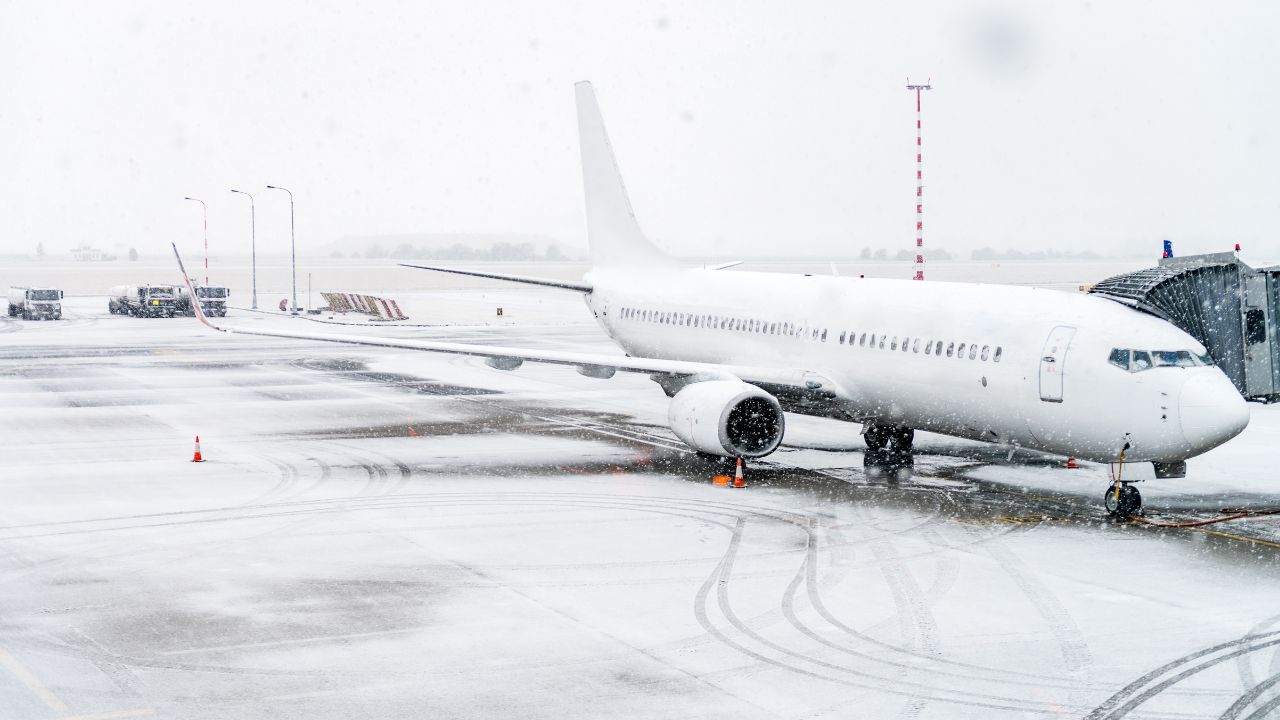
Outside, plows moved across the tarmac while crews worked under falling snow, racing a storm that had already frozen schedules in place. And this was only the beginning of the disruption.
Flight Nightmare
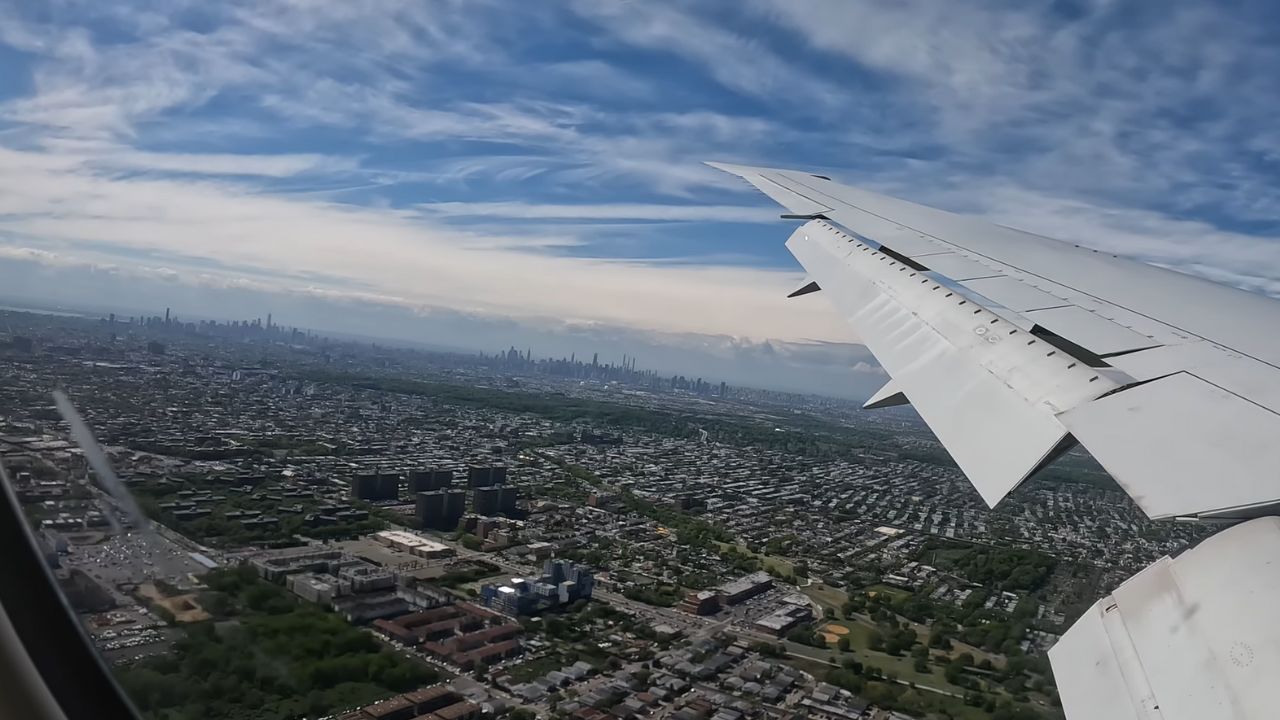
By Saturday morning, delays averaged nearly two hours across JFK, LaGuardia, and Newark. FlightAware logged 8,700 delays and 1,000 cancellations Saturday, following 8,500 delays and 1,700 cancellations Friday. JFK alone led the nation with dozens of early-morning cancellations.
Aircraft sat grounded, crews timed out, and gates clogged with passengers scrambling to rebook. The post-holiday rush turned Northeast hubs into holding pens almost overnight.
Winter Warnings
The National Weather Service issued hazardous travel warnings stretching from the Great Lakes through the northern Mid-Atlantic and into southern New England. Snowfall totals climbed steadily: about 4 inches in New York City, more than 6 inches on Long Island, and up to 10 inches in the Catskills.
Freezing temperatures raised concerns about ice-coated trees and stressed power lines. Forecasts warned that conditions would deteriorate quickly once snowfall intensified.
Holiday Crunch
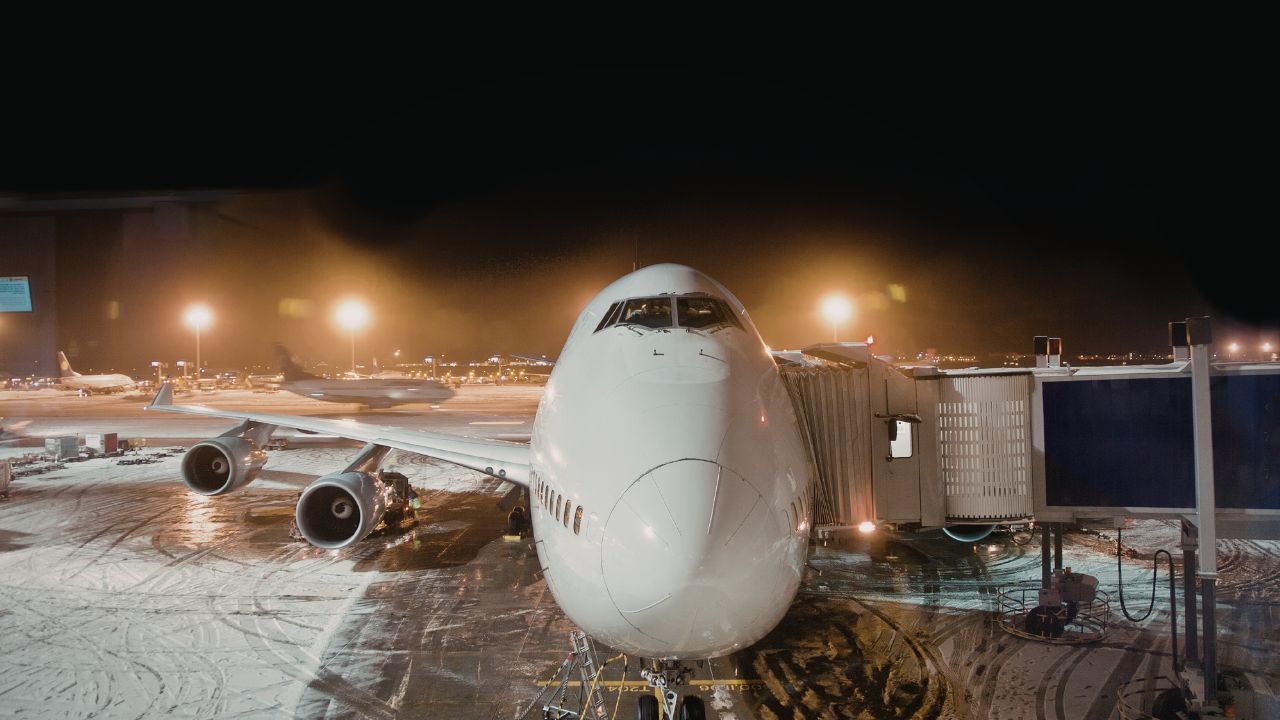
The storm struck as millions of Americans were already moving through airports during one of the busiest travel windows of the year. TSA had projected record-breaking holiday passenger volumes, with 2.86 million travelers expected on Sunday, December 28, leaving little margin for error.
New York City pre-positioned more than 700 salt spreaders, while airport snow crews prepared for continuous runway clearing. Officials urged travelers to avoid nonessential trips, but for many, delays and cancellations were already unavoidable.
As conditions worsened, New York Governor Kathy Hochul and New Jersey Acting Governor Tahesha Way declared states of emergency on December 26, 2025.
Emergency Trigger
Hochul’s order covered more than half of New York State, while New Jersey warned of “dangerous road conditions.” The declarations unlocked emergency resources and reinforced travel warnings.
The FAA issued ground stop advisories for JFK and LaGuardia after 11:00 AM ET on December 27, temporarily halting all arriving traffic while the airports operated at drastically reduced departure capacity.
Combined with mass cancellations exceeding 1,500 flights, the ground stops severely disrupted operations throughout the storm’s peak, with arriving flights delayed by an average of two hours and 37 minutes. Thousands of passengers faced extended terminal waits, with some experiencing 30+ hour delays for rebooking.
NYC Fallout

Snow accumulation slowed roadways and crippled airport access across the region. Central Park recorded its largest snowfall since 2022, while surrounding counties reported heavier totals.
Sanitation crews deployed plows throughout the night as officials encouraged travelers to rely on mass transit where possible.
The combination of snow, ice, and freezing temperatures pushed travel across the city toward a near standstill, extending airport disruptions far beyond the terminals.
Stranded Voices
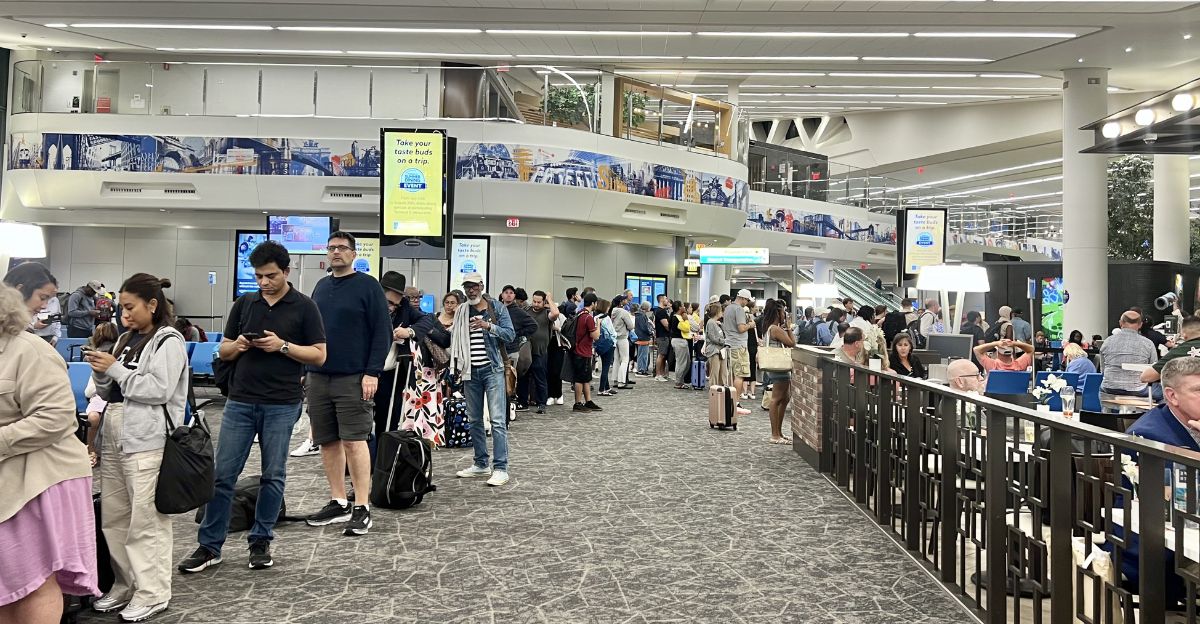
Inside LaGuardia, travelers tried to stay calm as delays stretched on. One passenger said she expected disruptions and came prepared, while another visiting from overseas said the snow was beautiful—but the delays were exhausting.
With 1,500+ canceled flights across the New York area, thousands of passengers faced extended delays or were forced to remain in terminals overnight. For families hoping to reunite after Christmas, the storm rewrote holiday plans in real time.
Regional Ripples

The storm’s impact extended well beyond New York. Ice and snow triggered more than 30,000 power outages in Michigan, while parts of Connecticut reported up to 8 inches of snow.
FAA ground stops rippled through the Northeast corridor, and airlines canceled select international routes into JFK and Newark. From the Great Lakes to New England, the same system disrupted roads, airports, and power infrastructure simultaneously.
Macro Trends
FlightAware data showed Northeast airports dominating national delay and cancellation rankings. Millions of residents across multiple states were under hazardous travel advisories issued by the National Weather Service.
Holiday timing amplified every disruption, turning moderate snowfall totals into outsized impacts. Even as snowfall underperformed some early forecasts, congestion and peak demand overwhelmed recovery efforts, demonstrating how vulnerable major travel hubs remain during seasonal surges.
Power Peril
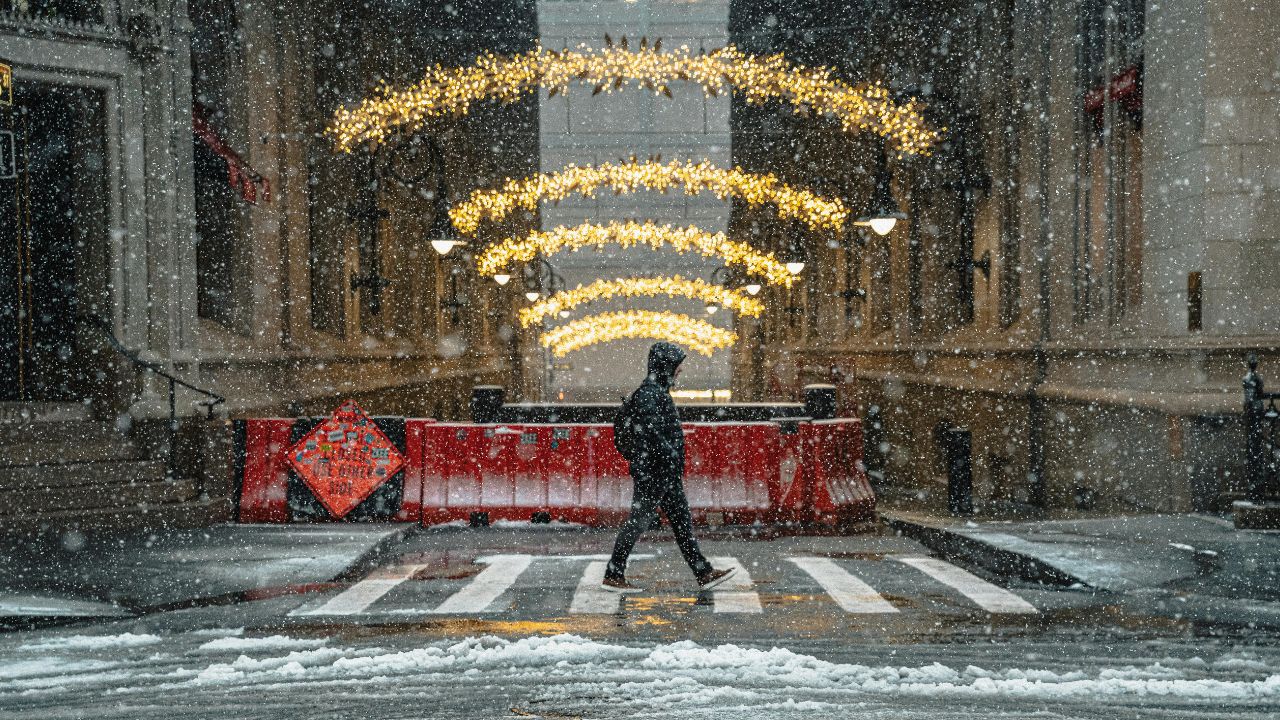
Beyond travel, the storm posed a secondary threat: electricity. Heavy, wet snow weighed down tree branches, increasing the risk of line damage and outages across New York and New Jersey.
Power disruptions complicated road clearing and airport operations, prolonging closures and delays. Officials warned that even localized outages could strand travelers overnight as freezing temperatures set in across the region.
Traveler Frustration
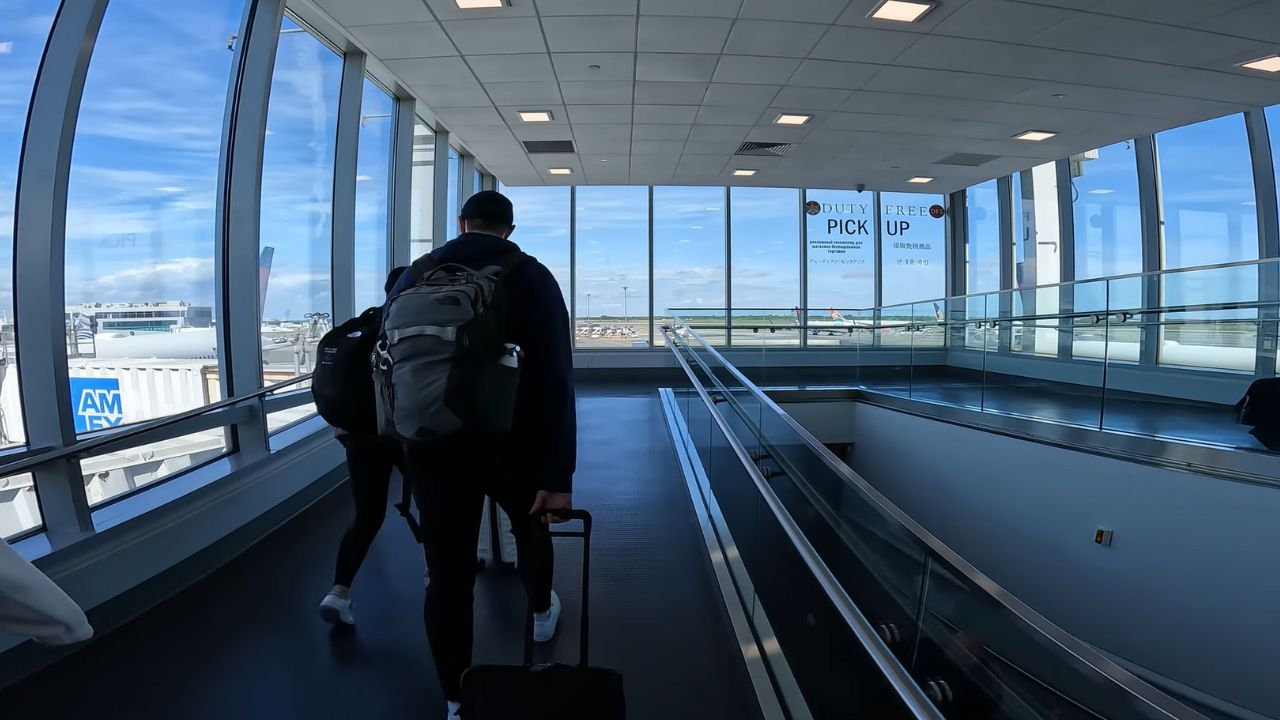
At JFK, one passenger reported waiting more than eight hours with the next available flight scheduled nearly a full day later. Others faced similar delays at Newark, watching standby lists grow longer with each cancellation.
Airline rebooking systems strained under volume, and hotel availability near airports thinned quickly. For many, the storm turned a routine return trip into an extended airport stay.
Leadership Response

New Jersey Acting Governor Tahesha Way warned the public plainly: “This storm will cause dangerous road conditions and impact holiday travel. We are urging travelers to avoid travel during the storm.”
In New York, emergency powers allowed rapid deployment of crews and resources. Airport authorities shifted fully into storm operations, prioritizing safety over schedules as conditions peaked overnight.
Recovery Push
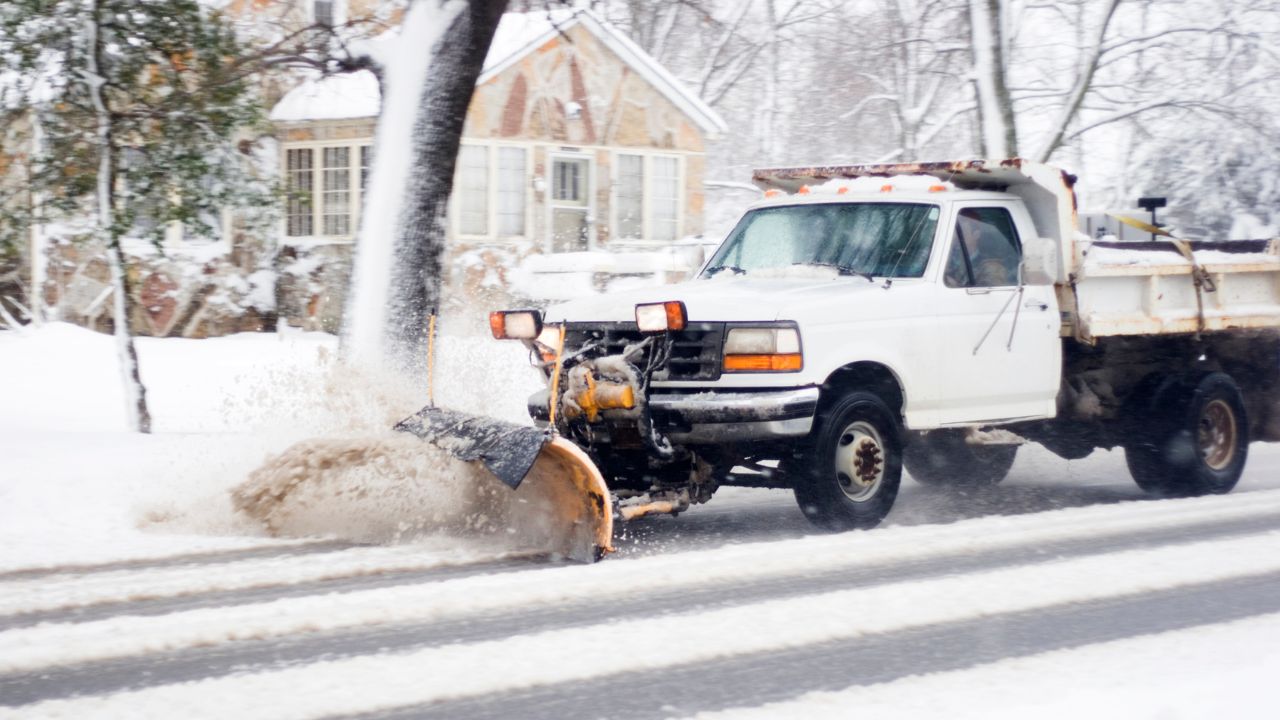
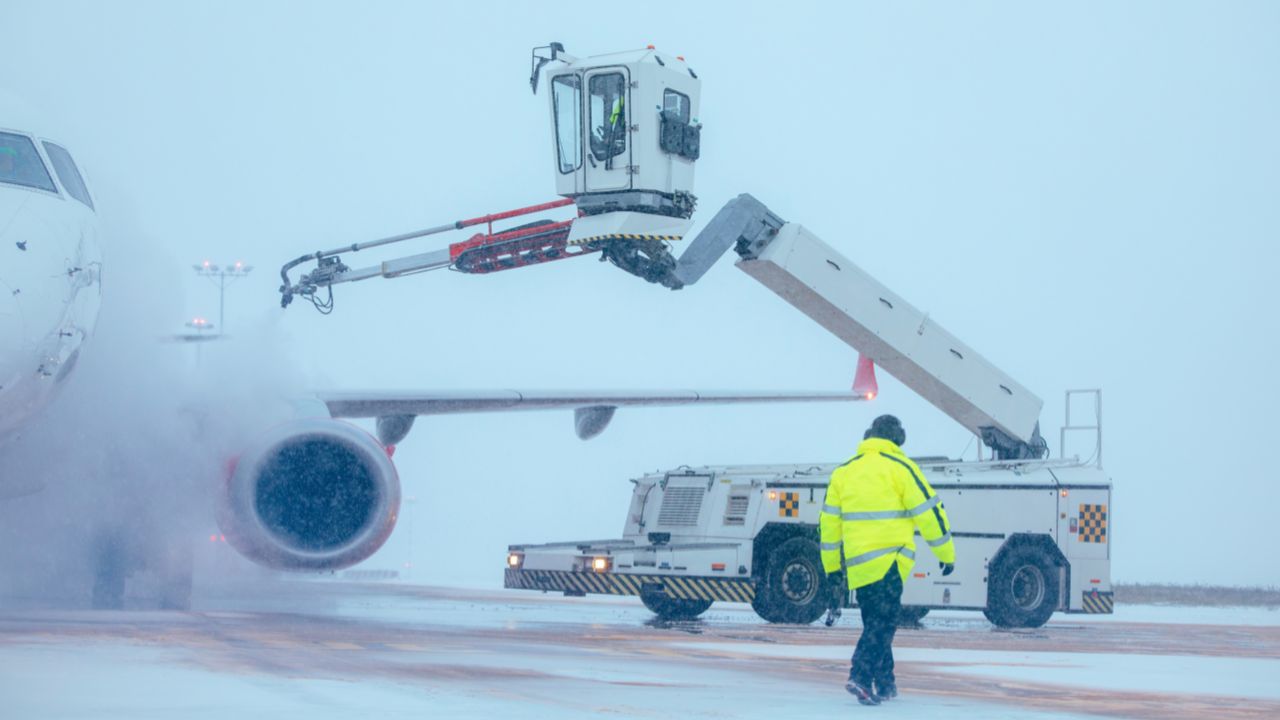
By Saturday, snowfall began to taper, allowing plows and de-icing teams to regain ground. The Port Authority worked to reopen runways at JFK, LaGuardia, and Newark as FAA ground stops eased.
Airlines issued waivers, rebooking options, and refunds for affected passengers. While operations slowly resumed, backlog from the previous night meant delays would linger well into the weekend.
Expert Caution
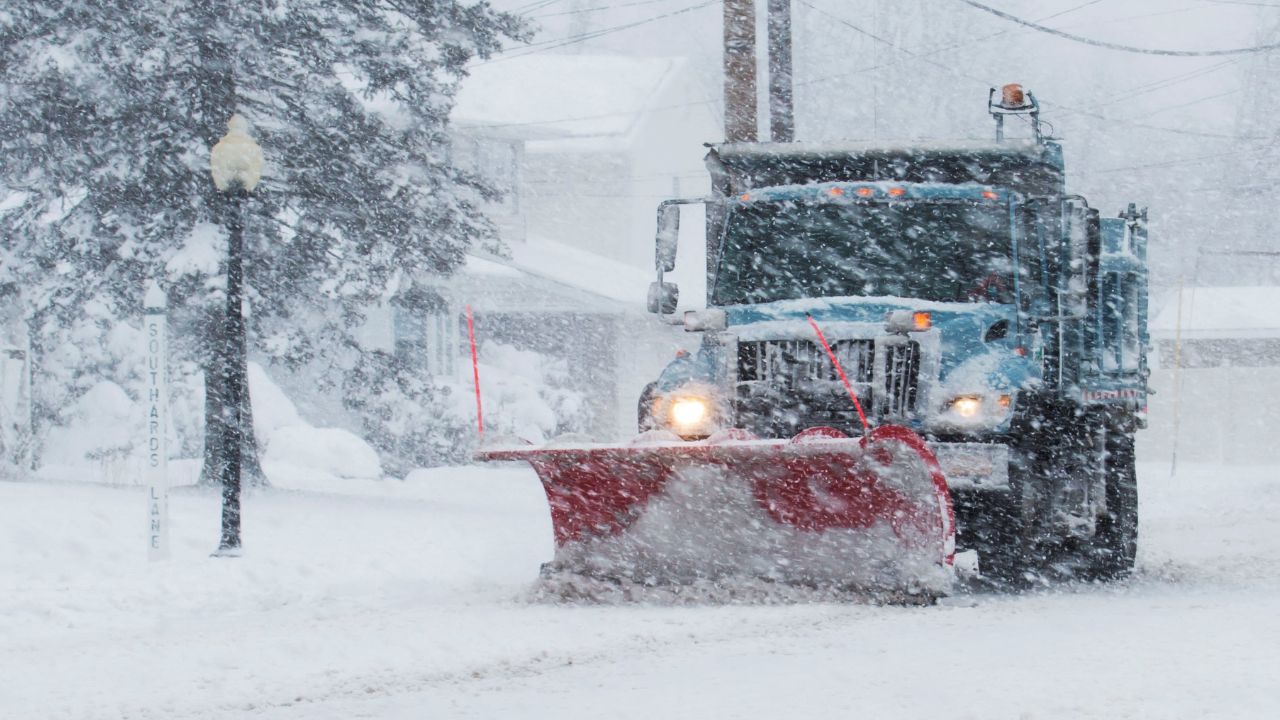
Even as recovery began, forecasters warned of another winter system developing across the Midwest and Great Lakes. Blizzard conditions and freezing rain were possible in nearby regions, raising concerns about renewed disruptions.
Meteorologists noted increasingly volatile winter patterns, where moderate storms can still produce major impacts when they intersect with peak travel demand.
Next Tempest?
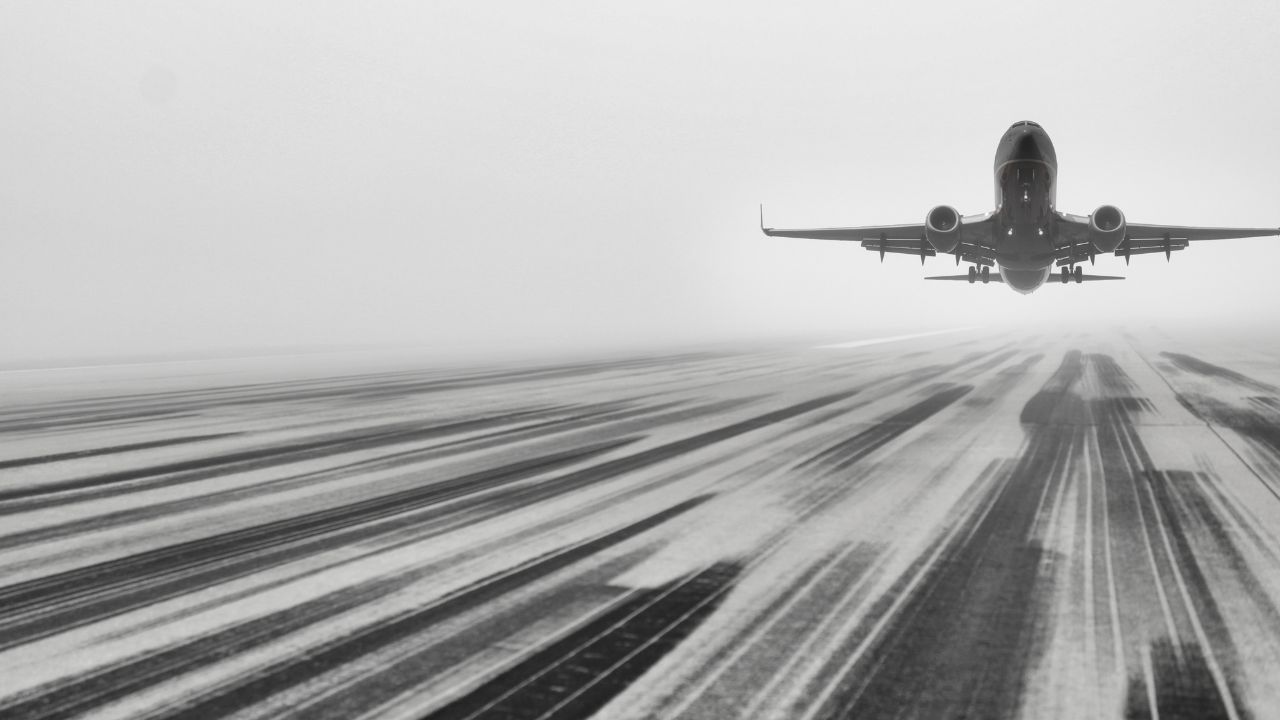
With airports reopening but another storm on the horizon, travelers across the Northeast faced renewed uncertainty. The post-Christmas surge exposed how quickly snow can paralyze the nation’s busiest travel corridor—even without extreme totals.
As millions remained on the move, the storm raised a lingering question: can peak holiday travel ever be storm-proofed, or is disruption now the new seasonal norm?
Sources:
“Acting Governor Way Declares State of Emergency Due to Severe Winter Storm.” New Jersey Office of the Governor, 26 Dec 2025.
“Governor Hochul Declares State of Emergency and Provides Update on State Response to Statewide Winter Storm.” New York State Governor’s Office, 26 Dec 2025.
“Over 1500 flights cancelled as winter storm Devin hits US holiday travel.” Al Jazeera, 27 Dec 2025.
“Winter storm brings heavy snow and ice to busy holiday travel weekend.” NPR, 27 Dec 2025.