Every year, thousands of families adopt dogs they believe will be perfect companions, only to surrender them months later when reality sets in. Shelters consistently report that powerful, high-energy breeds dominate return statistics, especially among first-time owners.
Experts say the issue is not bad dogs but mismatched expectations. Understanding which breeds demand advanced experience can prevent heartbreak, financial strain, and surrender. Here is what consistently goes wrong.
Why Shelter Returns Keep Rising
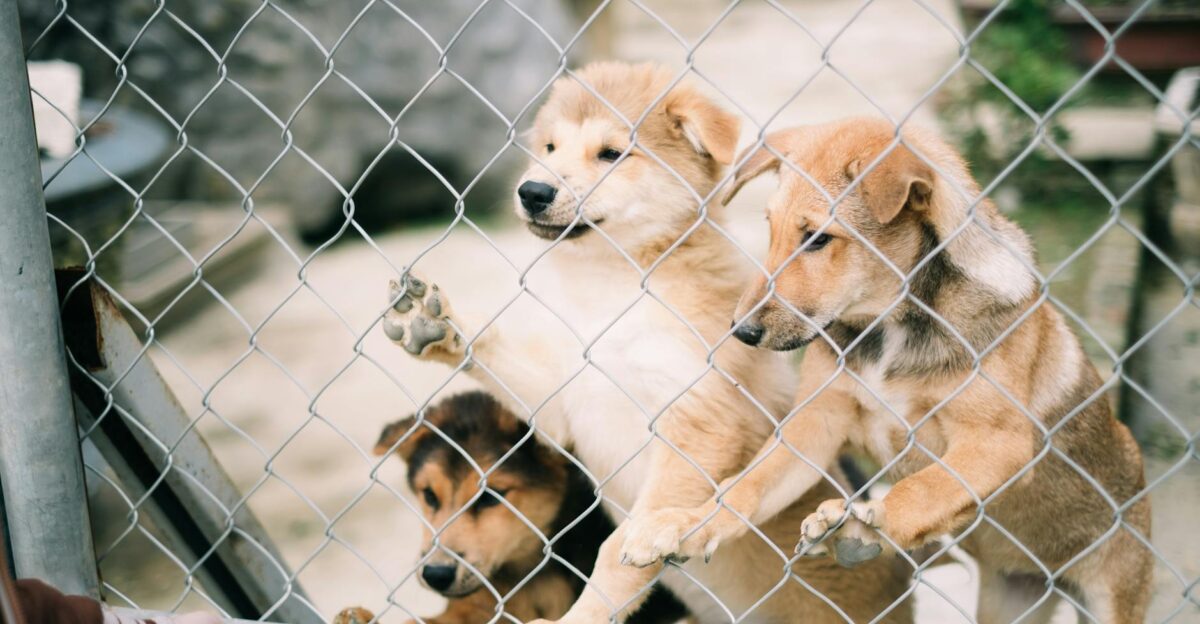
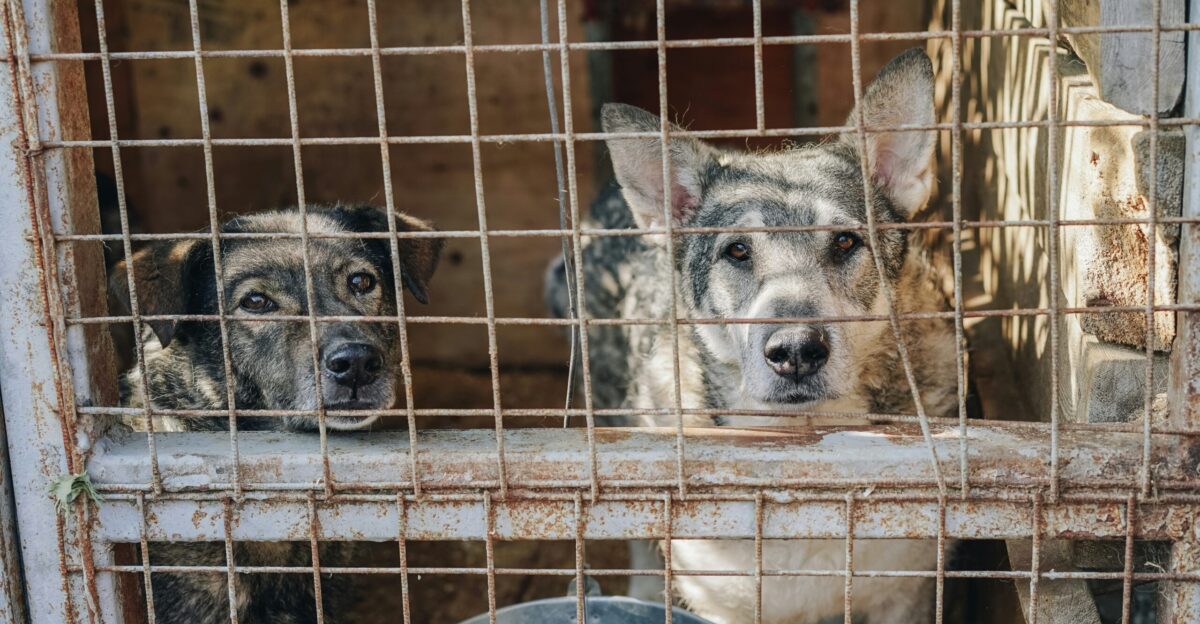
Behavioral issues account for 24% to 28% of all dog surrenders nationwide, according to shelter intake reports. Large, high-energy breeds experience failure rates up to 50% higher among inexperienced owners. The trend accelerated after 2020 as impulsive adoptions increased. Pet ownership costs have risen 42% since 2019, compounding stress. Yet the numbers only tell part of the story.
What Actually Makes A Breed Difficult
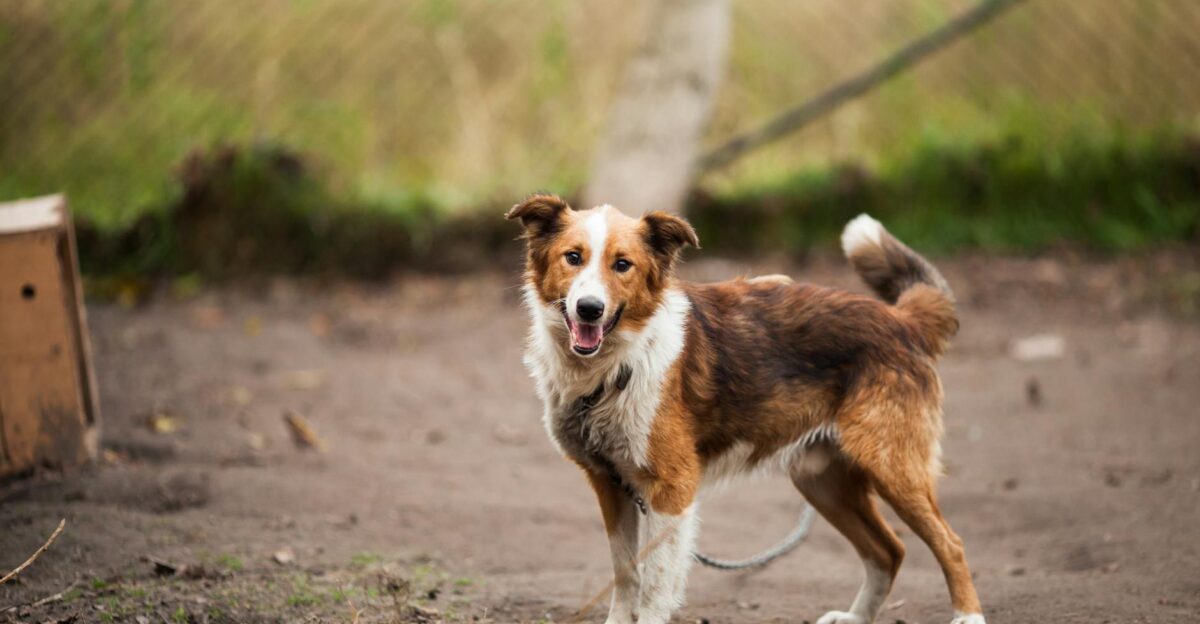
Difficulty is rarely about size alone. Some breeds require 4 to 5 hours of daily exercise, while others resist traditional obedience training due to independent temperaments. Strong prey drives, territorial instincts, and separation anxiety intensify challenges. Highly intelligent dogs can become destructive when they are bored. Experts stress these traits are genetic, not behavioral flaws. That distinction explains many failed adoptions.
The Hidden Cost Of Mismatch
Financial strain often hits before emotional burnout. Large breeds can cost $160 to $200 monthly in food alone, with annual veterinary expenses exceeding $3,000. Behavioral trainers charge $100 per session. Fence upgrades and property damage add thousands more. Many families quit dog ownership entirely after surrender. One cultural influence exacerbated this pattern.
When Movies Trigger Real Harm
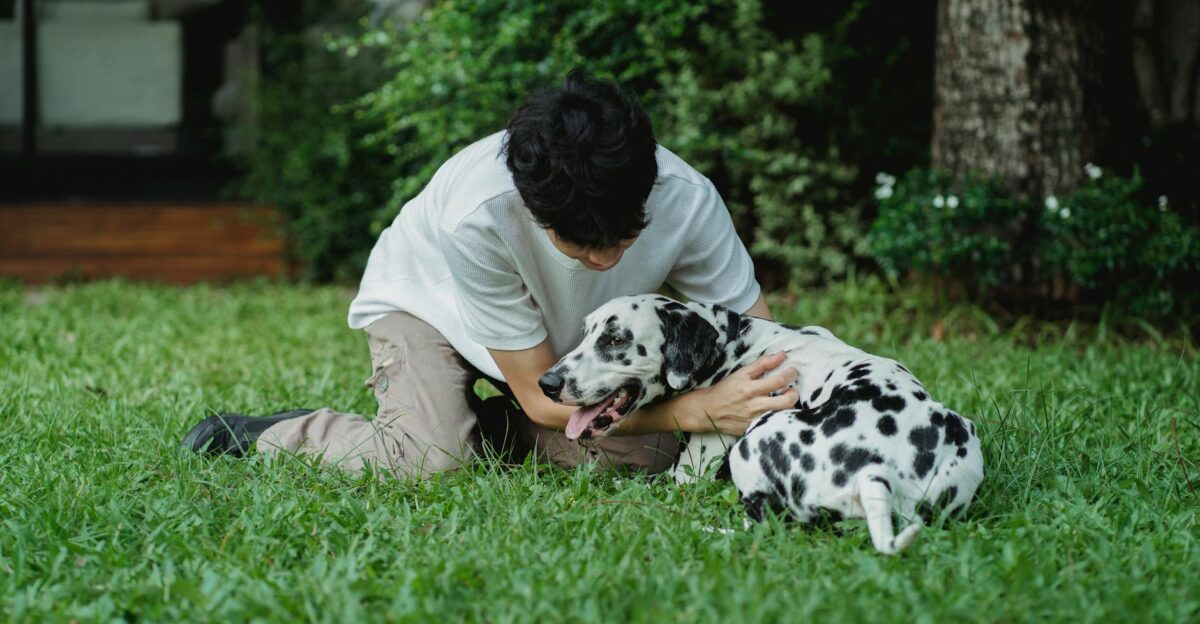
The 1996 release of “101 Dalmatians” led to a 25% increase in Dalmatian shelter intakes within one year. Families expected calm companions, not high-energy working dogs. The pattern repeated after “Cruella” in 2021. Pop culture sells aesthetics, not genetics. When expectations collapse, shelters absorb the fallout. That same cycle affects several breeds today.
Why Experience Changes Everything

Veterinarians and behaviorists agree that owner experience determines success more than good intentions. Breeds developed for hunting, guarding, or herding require structure, purpose, and leadership. Without it, frustration escalates quickly. Before naming the breeds most often surrendered, one warning matters. These dogs thrive in the right homes. But which ones overwhelm first-time owners most?
#10 Basenji
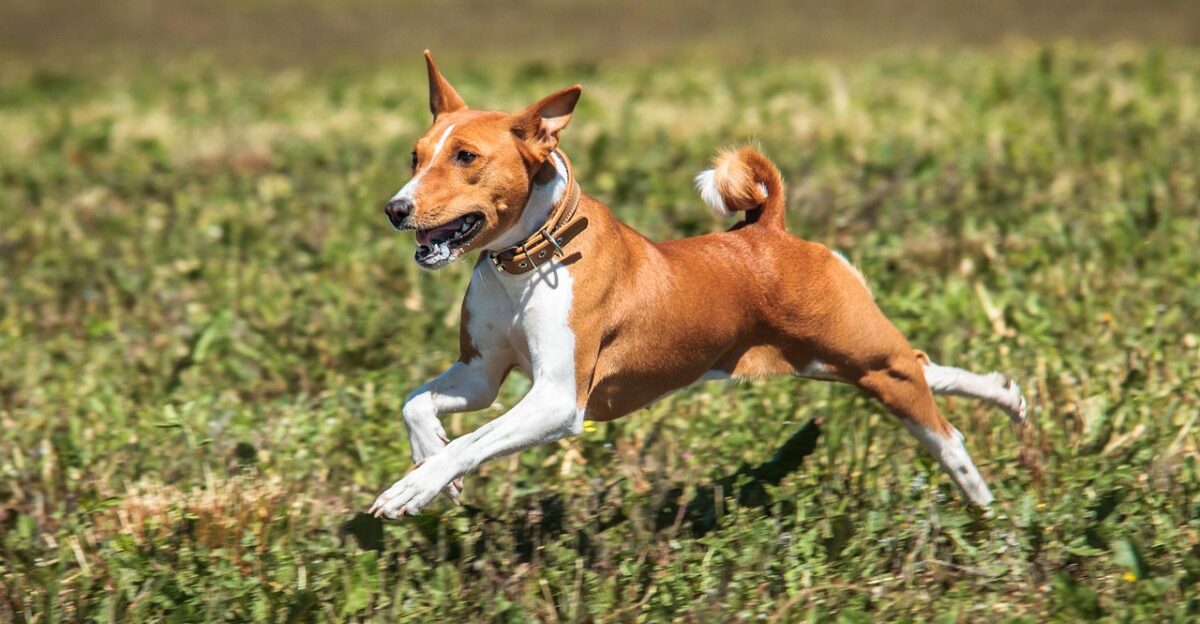
Basenjis are among the oldest domesticated breeds, originating in ancient Africa. Known as barkless dogs, they vocalize through yodel-like sounds instead. Their independence makes recall training extremely difficult. Strong prey drives lead to frequent escapes. Inexperienced owners often feel ignored or rejected. Without intensive mental stimulation, destructive behaviors emerge. That independence only intensifies with stronger noses.
#9 Bloodhound
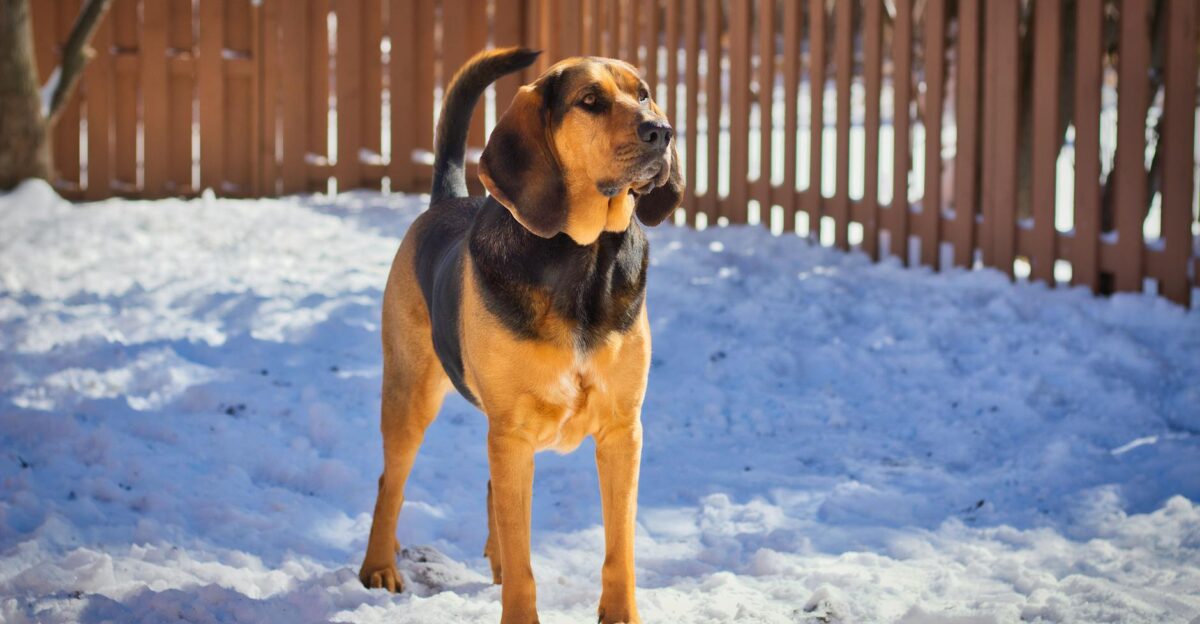
Bloodhounds can track scent trails over 130 miles and follow paths more than 300 hours old. Once locked onto a scent, commands are ignored entirely. Weighing up to 110 pounds, leash control becomes difficult. Secure fencing is mandatory. First-time owners underestimate how overpowering instinct becomes outdoors. When scent overrides obedience, frustration builds rapidly.
#8 Great Dane
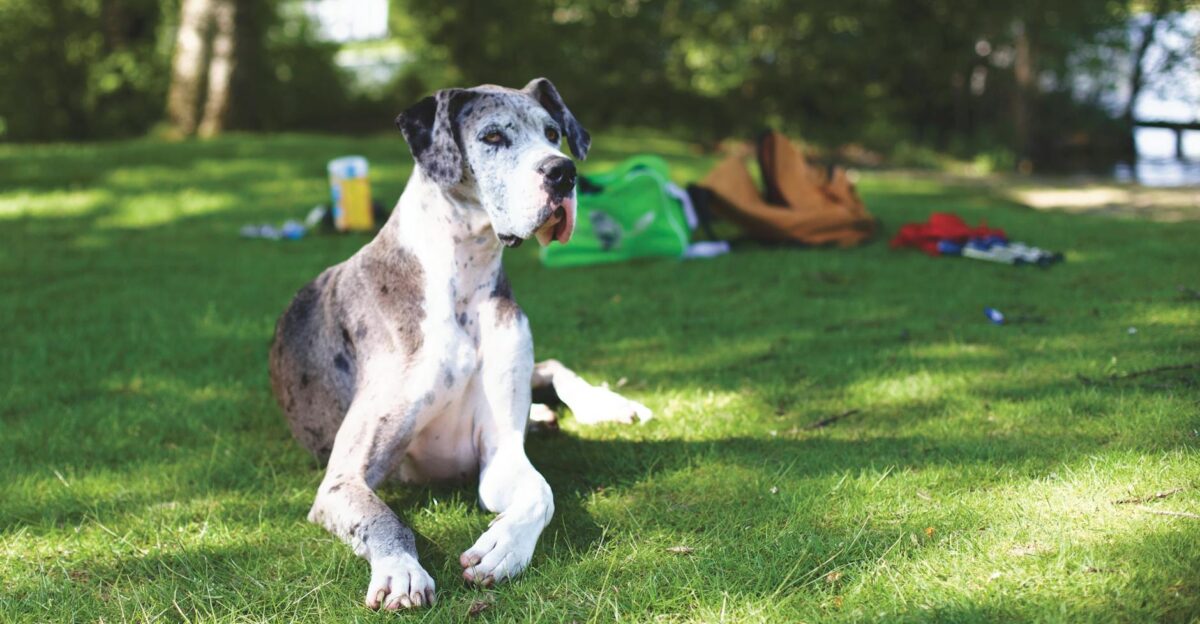
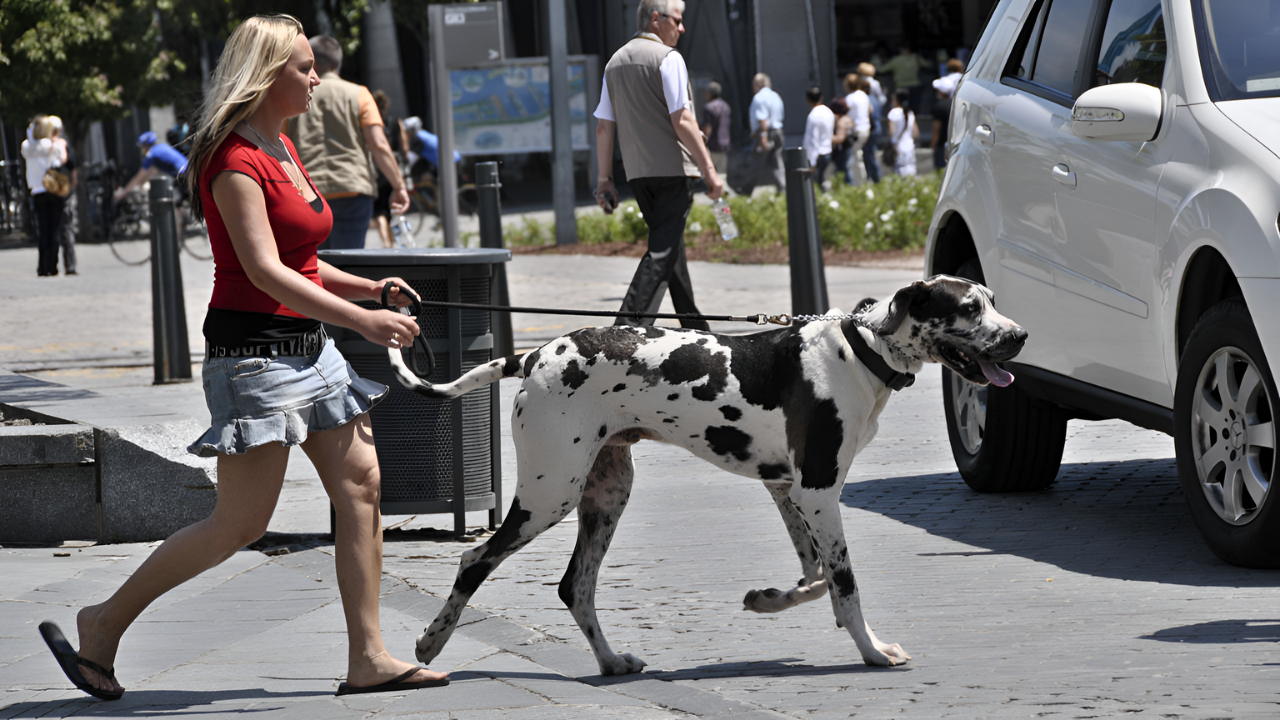
Great Danes weigh between 100 and 175 pounds, yet suffer fragile joints and shorter lifespans of 7 to 10 years. Food alone costs between $160 and $200 per month. Annual veterinary care exceeds $3,000. Separation anxiety triggers destruction. Their size creates safety risks indoors. A gentle reputation often masks demanding realities that newcomers overlook.
#7 Weimaraner
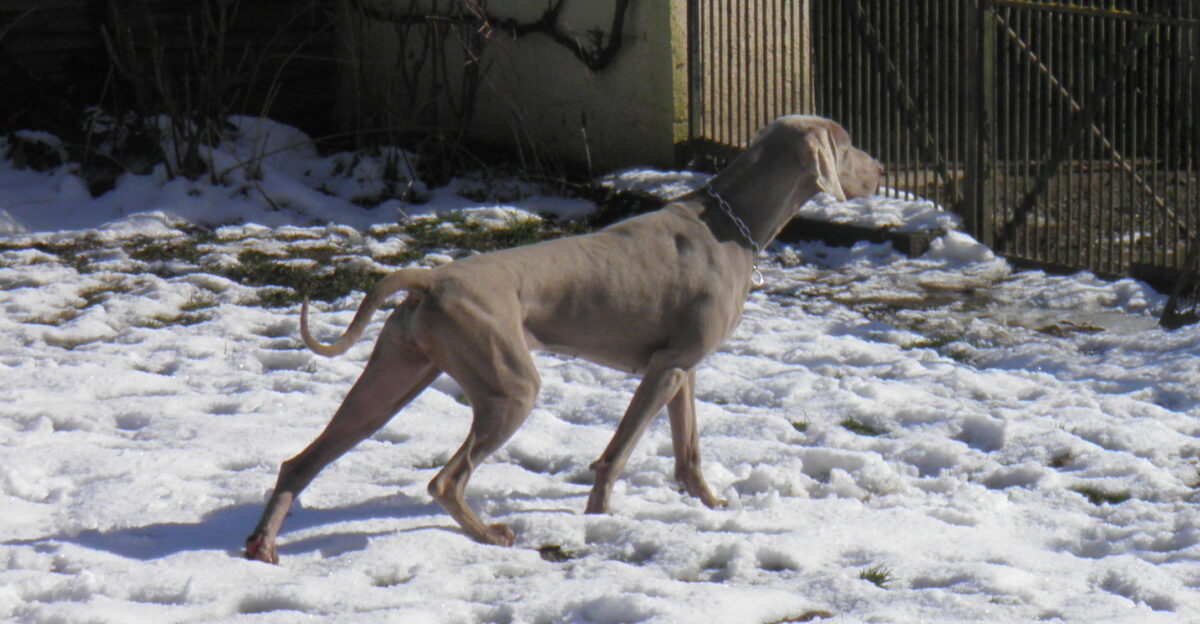
Weimaraners are nicknamed “Velcro dogs” for their intense attachment to their owners. Left alone, they develop severe separation anxiety. Daily exercise needs reach 4 to 5 hours. Without stimulation, destruction escalates quickly. Traditional obedience methods often fail due to the intelligence and sensitivity of the animal. Families working standard schedules struggle immediately. Their emotional intensity surprises many adopters.
#6 Australian Cattle Dog
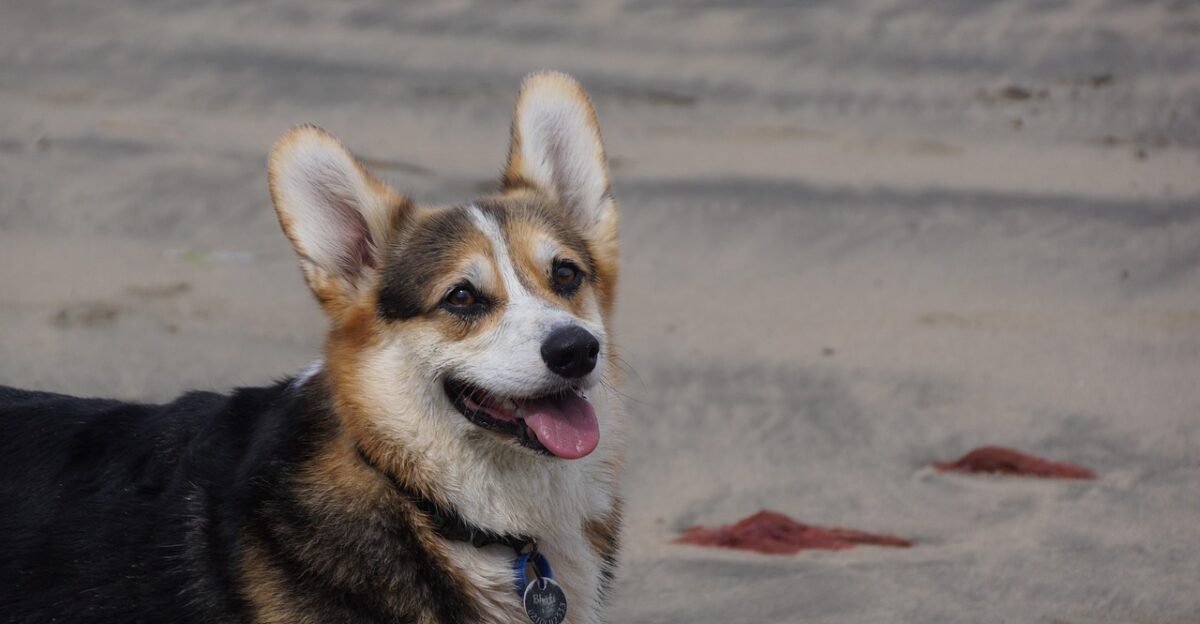
Australian Cattle Dogs were bred to herd livestock across vast distances. That heritage produces relentless energy and nipping instincts. They require 4 to 5 hours of daily physical and mental work. Children often become herding targets. Without structured outlets, anxiety and obsessive behaviors develop. Casual family environments often fail to meet their needs. Guarding instincts amplify the challenge.
#5 Chow Chow
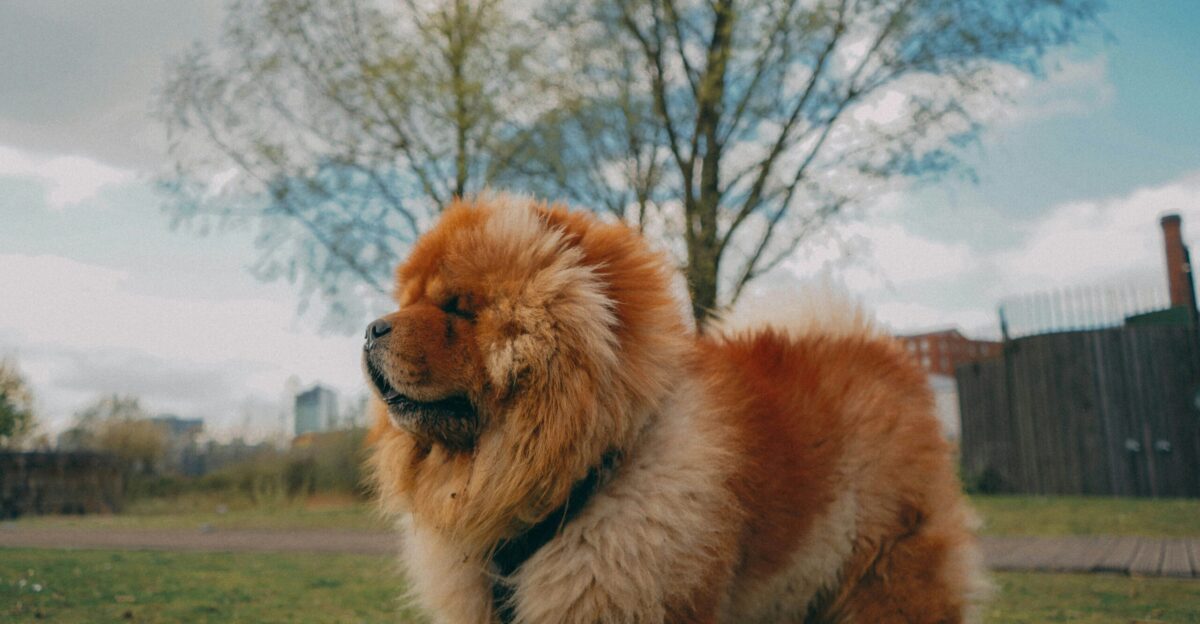
Chow Chows appear plush and friendly, but are naturally aloof and territorial. They form a deep bond with one person while remaining distant toward others. Bred as guard dogs, they dislike forced interaction. Improper socialization leads to aggression. Training requires patience and experience. Many appear on breed-restriction lists after incidents tied to unprepared ownership.
#4 Dalmatian
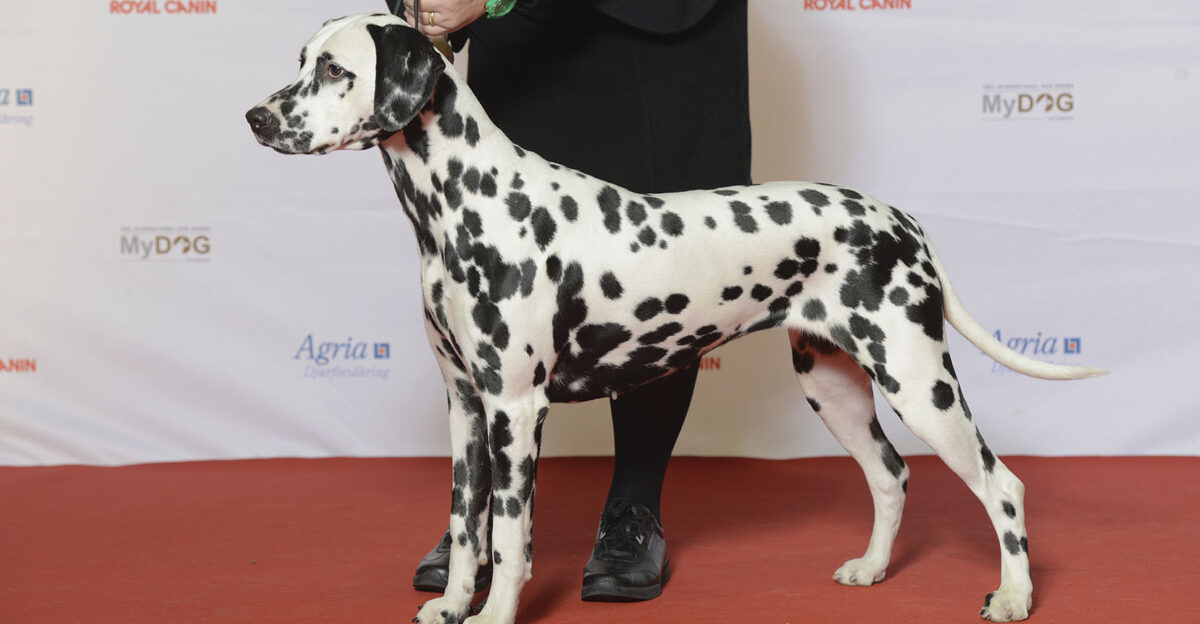
Dalmatians require at least 2 hours of daily exercise and mental stimulation. Originally bred as carriage dogs, endurance is built into their genetics. Without outlets, anxiety and destructive behavior emerge. The 1996 film surge resulted in a 25% intake increase within one year. Families expected décor, not athletes. Popularity continues to mislead new adopters.
#3 Akita
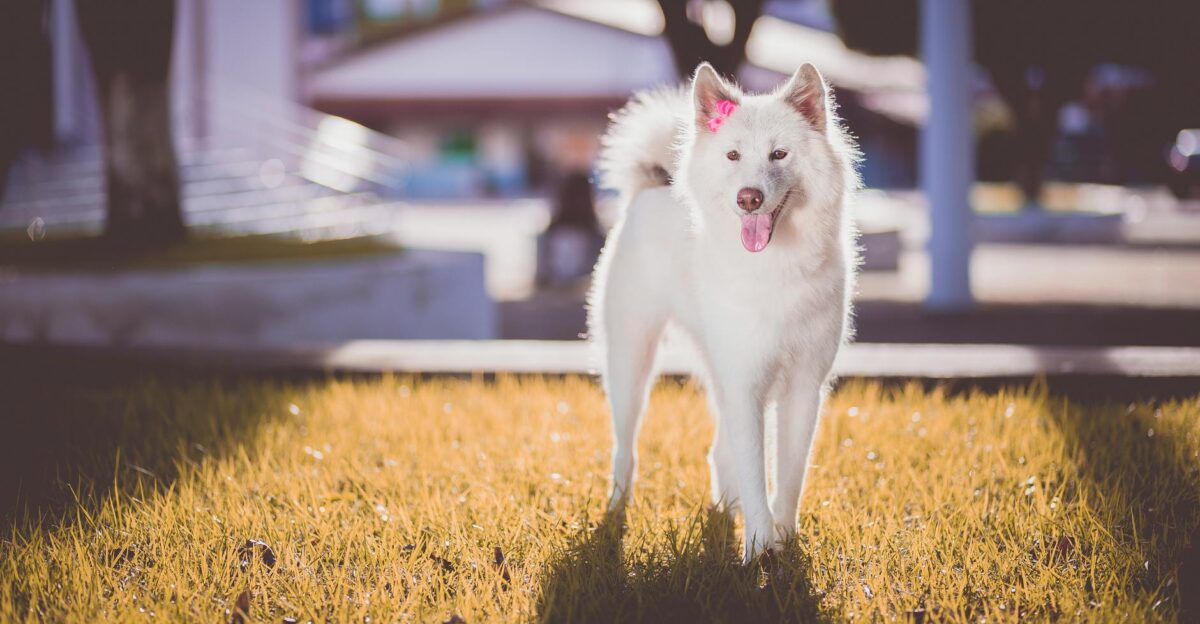
Akitas weigh 70 to 130 pounds and bond intensely with family while remaining suspicious of outsiders. Bred for guarding, territorial instincts emerge naturally. Strong prey drive and resource guarding require careful management. Poor training leads to serious incidents. Even socialized Akitas challenge first-time owners. Their strength magnifies mistakes. Experience determines whether loyalty becomes liability.
#2 Siberian Husky
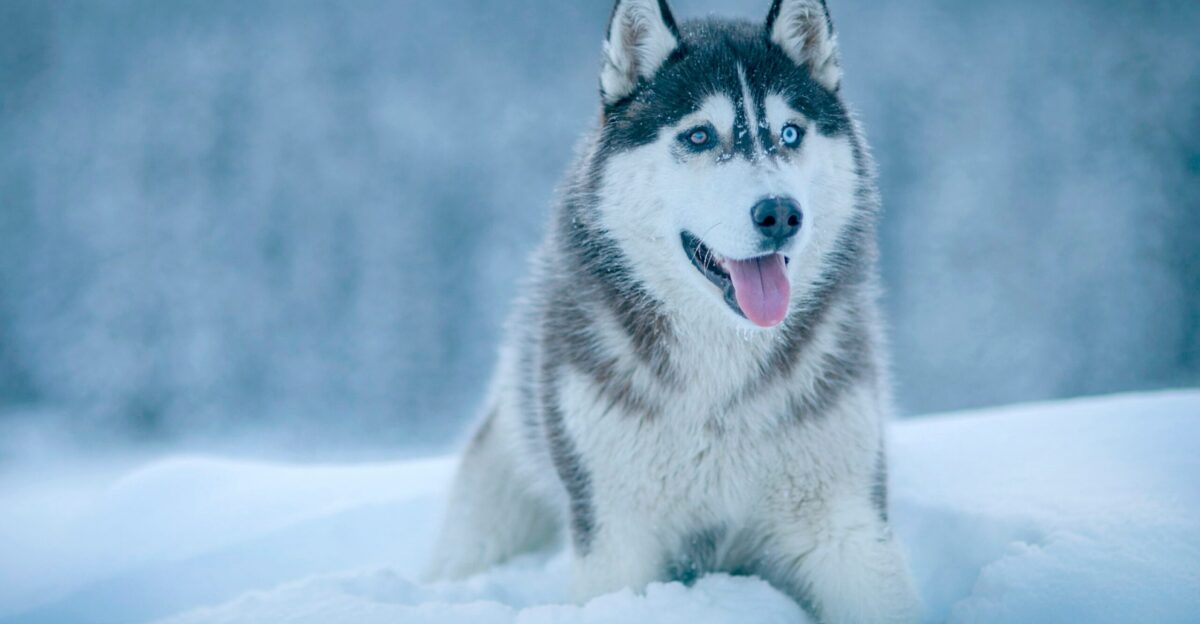
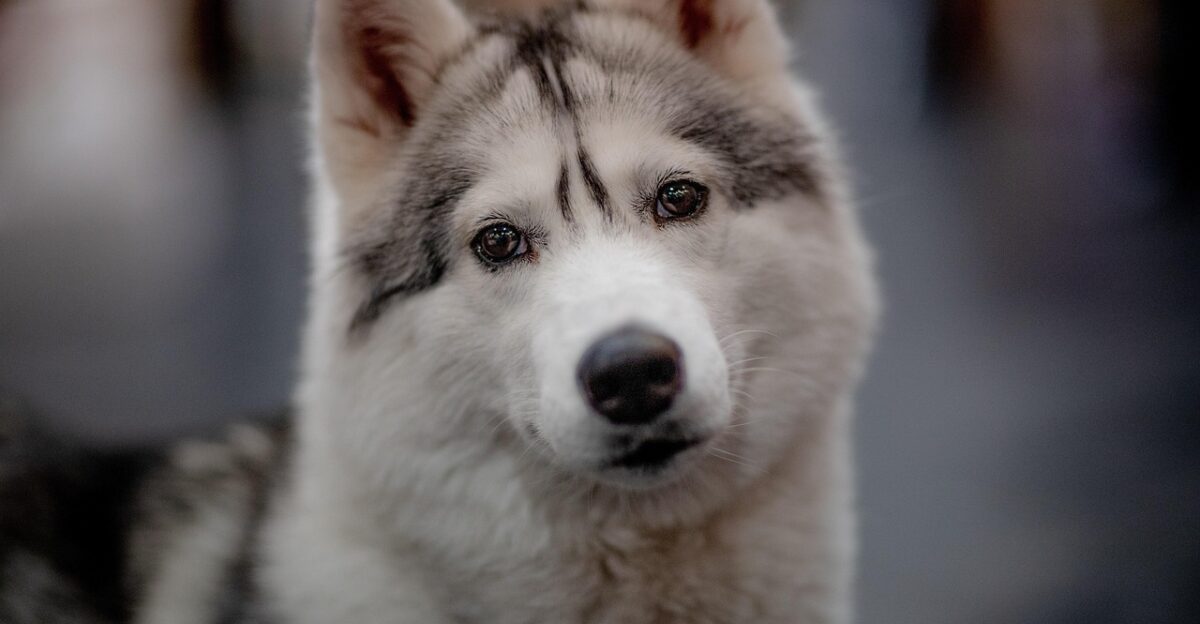
Siberian Huskies were bred to pull sleds for hundreds of miles, not relax indoors. They dig, climb, and squeeze through fencing with ease. Daily exercise needs reach 2 to 3 hours. Shelter returns doubled after 2020. Shedding, noise, and independence overwhelm families. Without secure containment, Huskies become chronic escapees. That still is not the toughest breed.
#1 Alaskan Malamute
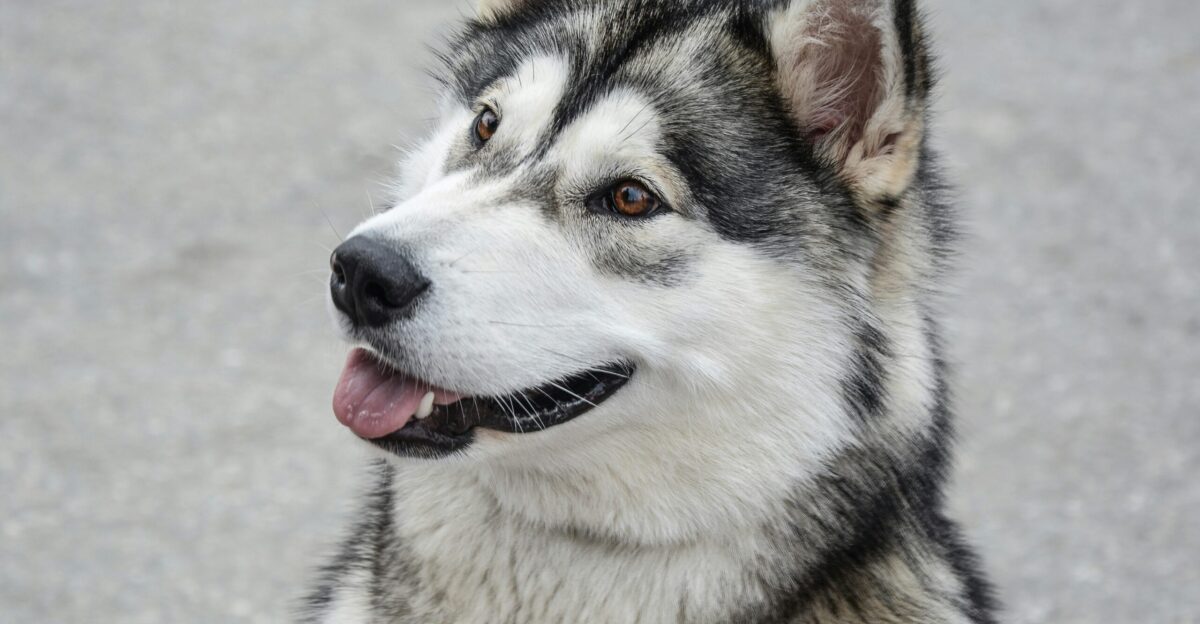
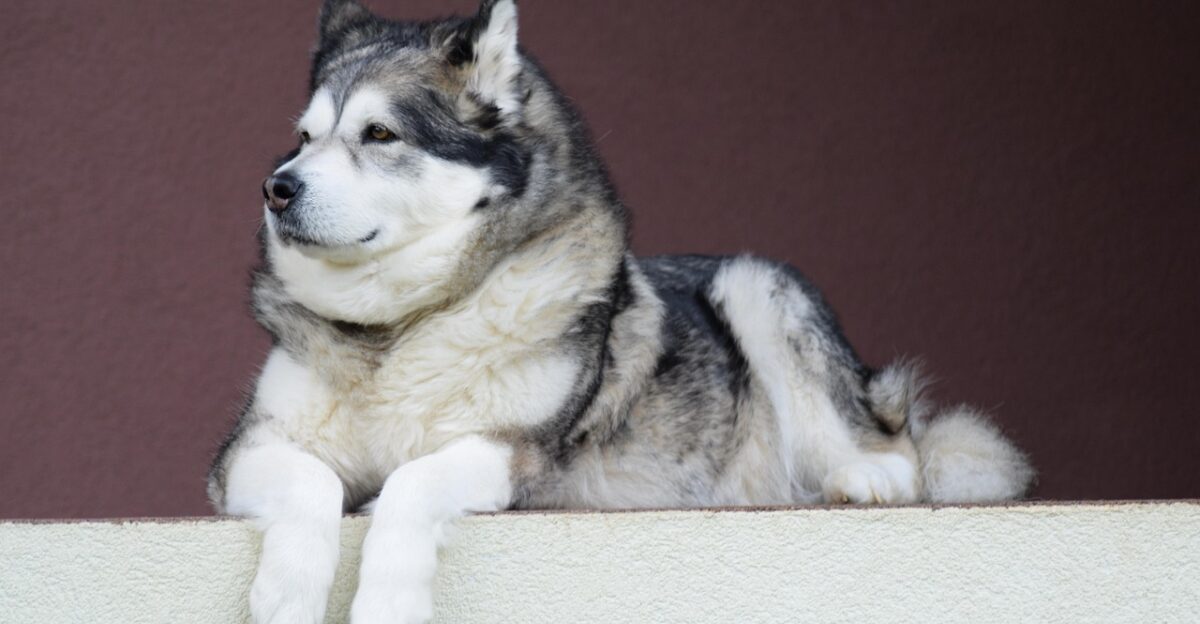
Alaskan Malamutes weigh 75 to 150 pounds and possess immense strength. Monthly food costs exceed $200. Grooming is required every 6 to 8 weeks. Daily structured exercise exceeds 2 hours. Traditional obedience methods fail. Accidental injuries are common due to size. Families underestimate the commitment, leading to rapid surrender and lasting consequences.
How Training Changes Outcomes
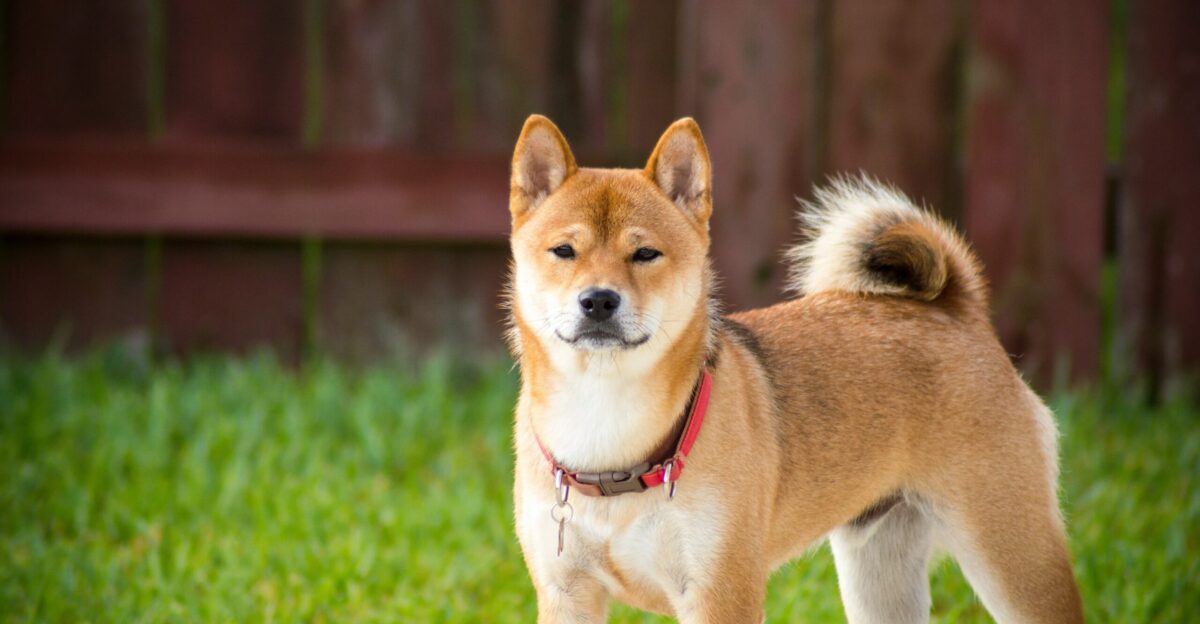
Shelter studies show adoption success rates rise by 50% when training support is included. Many returned dogs succeed after owners receive behavioral guidance. Professional training prevents frustration and surrender. Puppy classes, obedience programs, and follow-up coaching matter most for challenging breeds. Training costs far less than surrender emotionally or financially. Education changes outcomes before damage occurs.
Tools That Prevent Bad Matches
Breed selector tools match lifestyle factors with breed traits before adoption. The American Kennel Club publishes detailed profiles covering energy, temperament, and care needs. Breed-specific rescues offer honest insights. Many shelters provide trial periods. Consulting veterinarians and behaviorists reduces mismatch risk. Responsible screening protects both families and dogs. Research before adoption saves years of regret.
When The Right Owner Steps In
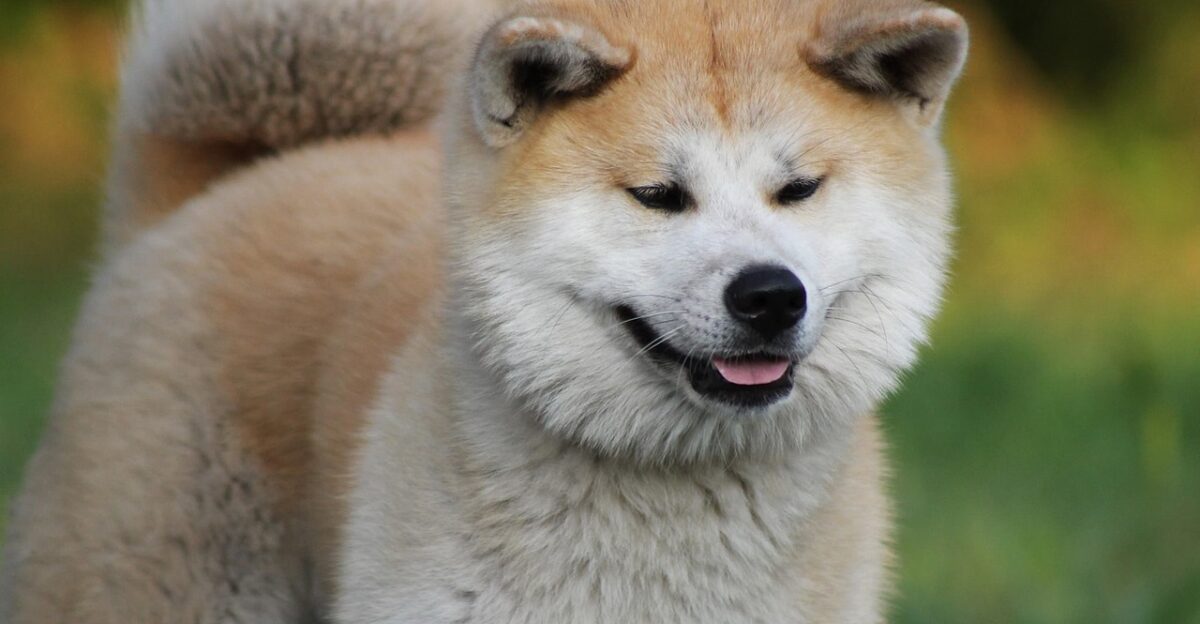
These breeds thrive with experienced owners who meet their needs. Huskies excel with endurance athletes. Akitas bond deeply with disciplined handlers. Weimaraners become elite hunting partners. Malamutes flourish in outdoor-focused households. Difficulty depends on compatibility, not morality. With proper structure, these dogs live fulfilled lives. Without it, shelters absorb the fallout.
Knowledge Is The Real Solution
Dog ownership is a 15-year responsibility requiring honesty and preparation. Love alone cannot overcome genetic needs. Shelters overflow because families choose poorly, not because dogs fail. Each surrender harms both animal and owner. First-time adopters should select beginner-friendly breeds. Save challenging breeds for later experience. One informed decision prevents years of regret.
Sources:
12 Most Challenging Dog Breeds for First-Time Owners, ElleVet Sciences, January 2025
19 Worst Dog Breeds for First-Time Owners, Hepper, April 2025
10 Dog Breeds That Can Be Difficult for First-Time Owners, The Animal Rescue Site, May 2025
Return Rates of Shelter Dogs Plunge When Training Is Provided, Greater Good, September 2025
After Movies, Unwanted Dalmatians, The New York Times, September 1997
Shelter Animals Count: Mid-Year 2024 Report, Shelter Animals Count, August 2024