Patients are already filling emergency rooms from Louisiana to New York City, where flu activity has surged to Level 10—the highest tier the CDC tracks.
Since October 1, as many as 3.3 million Americans have been infected, and hospital admissions are climbing fast. Mask mandates are returning, schools are closing, and a strain no one has immunity to is spreading earlier than expected.
And officials warn this is only the beginning.
Why Subclade K Is Such a Wildcard

The subclade K variant, first documented in Australia and New Zealand in August 2025 before spreading globally, has become a worldwide concern as it circulates from northern to southern regions simultaneously.
Subclade K emerged too late to be included in this year’s flu shot, creating a full vaccine mismatch. Scientists emphasize that humans have no previous exposure, meaning immune defenses treat it like a total unknown.
Flu activity surged across China, then appeared in Russia, the UK, and the U.S. within weeks, suggesting rapid international spread. With no natural immunity and no vaccine alignment, this strain is behaving unpredictably—raising concerns about waves lasting longer than typical seasons.
Illness Hits U.S. Communities Fast
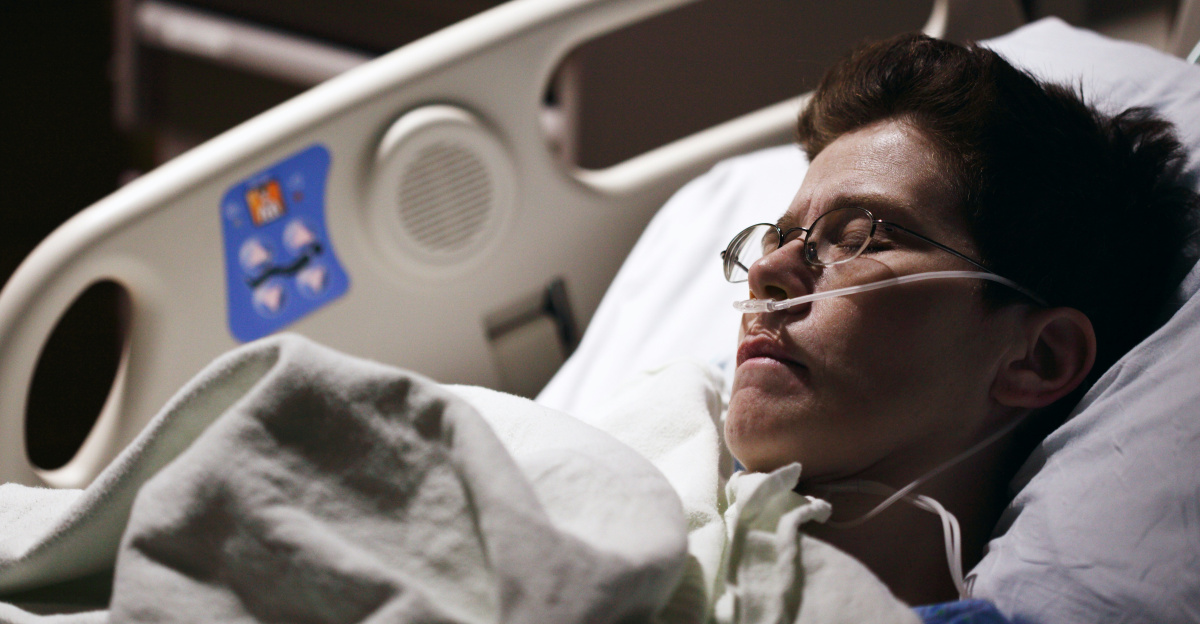
CDC estimates show 1.9–3.3 million illnesses and 19,000–38,000 hospitalizations since October 1. Outpatient respiratory visits have climbed to 2.9% of all healthcare encounters—still below baseline but rising. In states like Louisiana and New York City, flu activity has reached Level 10, the highest tier, while Colorado and New York follow closely at Level 9. For households, the impact is immediate: missed work, canceled travel, and crowded clinics as holiday gatherings approach.
Schools Shut Down as Kids Fall Ill
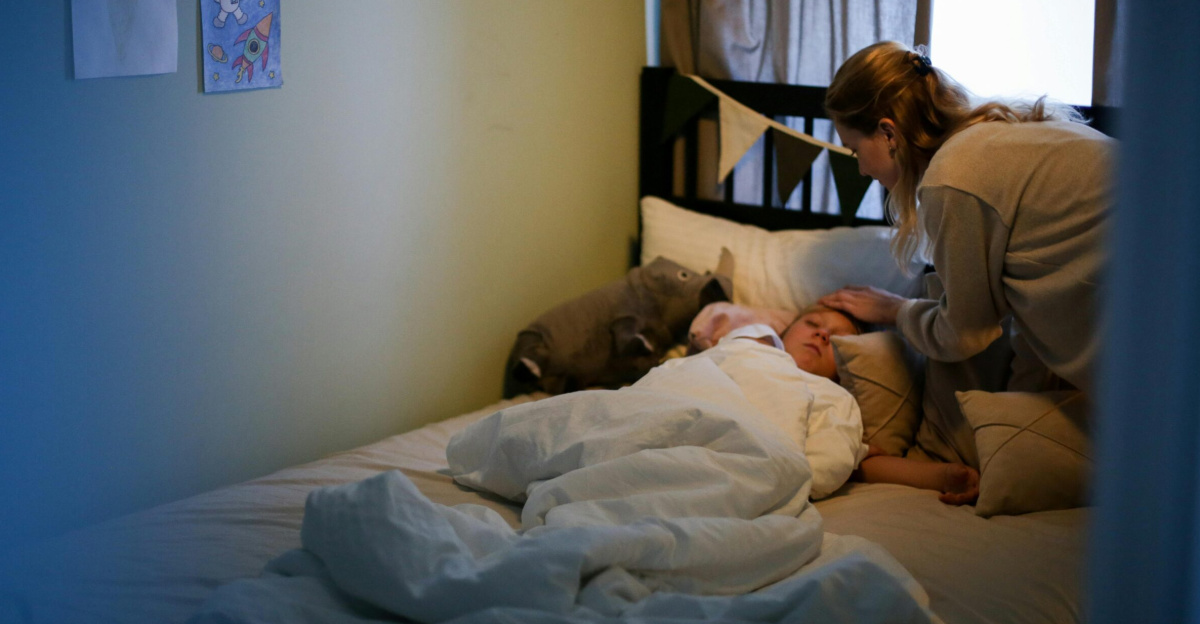
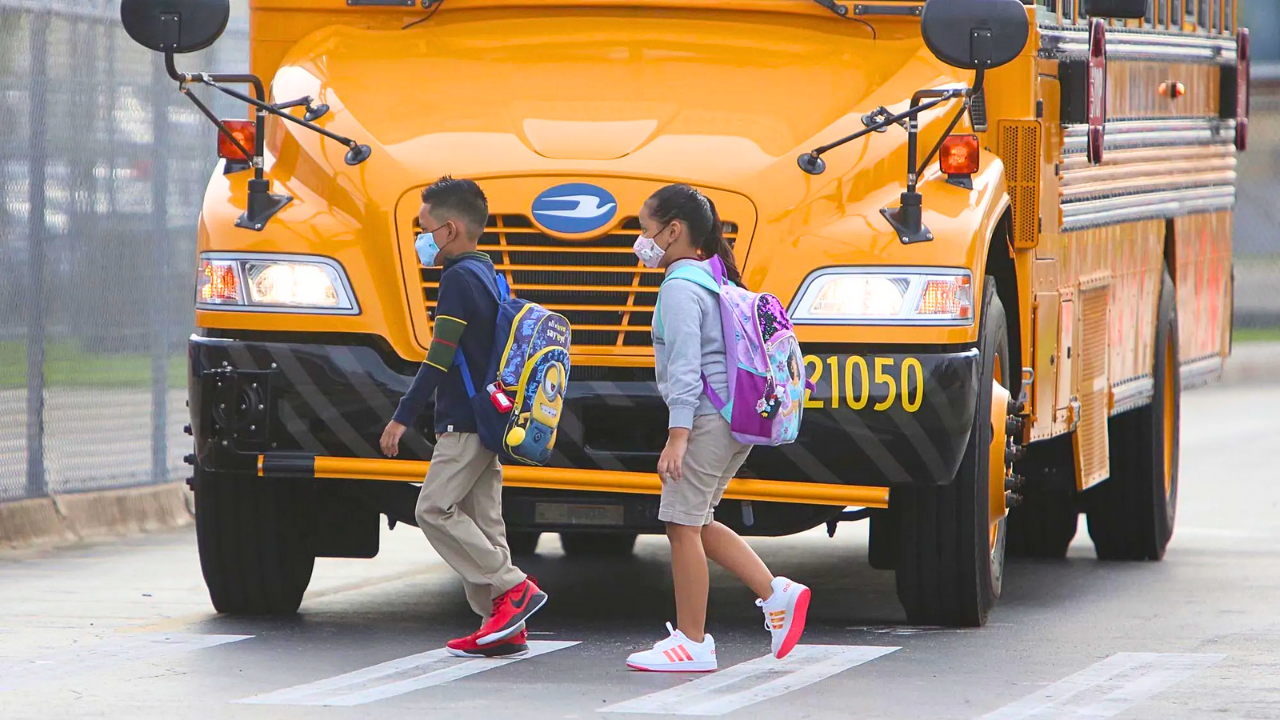
Flu spread is disrupting education again. In Iowa, the Moulton-Udell school district closed for two days after nearly 30% of students and staff became sick at once—a staggering spike for a small community.
Japan is experiencing similar turmoil, with 2,300+ daycares and schools partially or fully closed and Tokyo flu cases running six times higher than the same point last year. Parents are scrambling for childcare, and districts fear further shutdowns if illness accelerates.
Hospitals Reinstate Mask Mandates
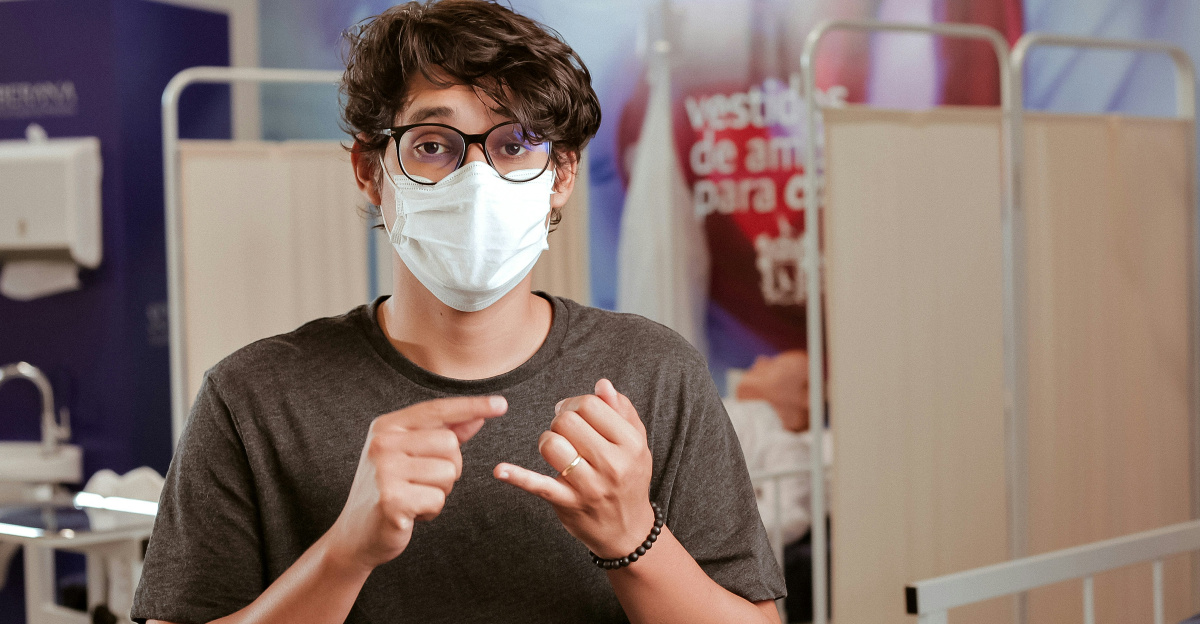
Hospitals across New Jersey, Sonoma County (California), and multiple other regions are reviving mask requirements for staff, patients, and visitors. Rising flu admissions, combined with COVID, RSV, and norovirus activity, have pushed facilities to tighten infection-control rules.
The return of these mandates—limited, targeted, and facility-specific—reflects mounting concern about capacity as flu positivity rises nationwide. Even a moderate surge threatens to reduce available beds for surgeries, injuries, and pediatric emergencies.
Demand for Vaccines, Tests, and Treatment Climbs
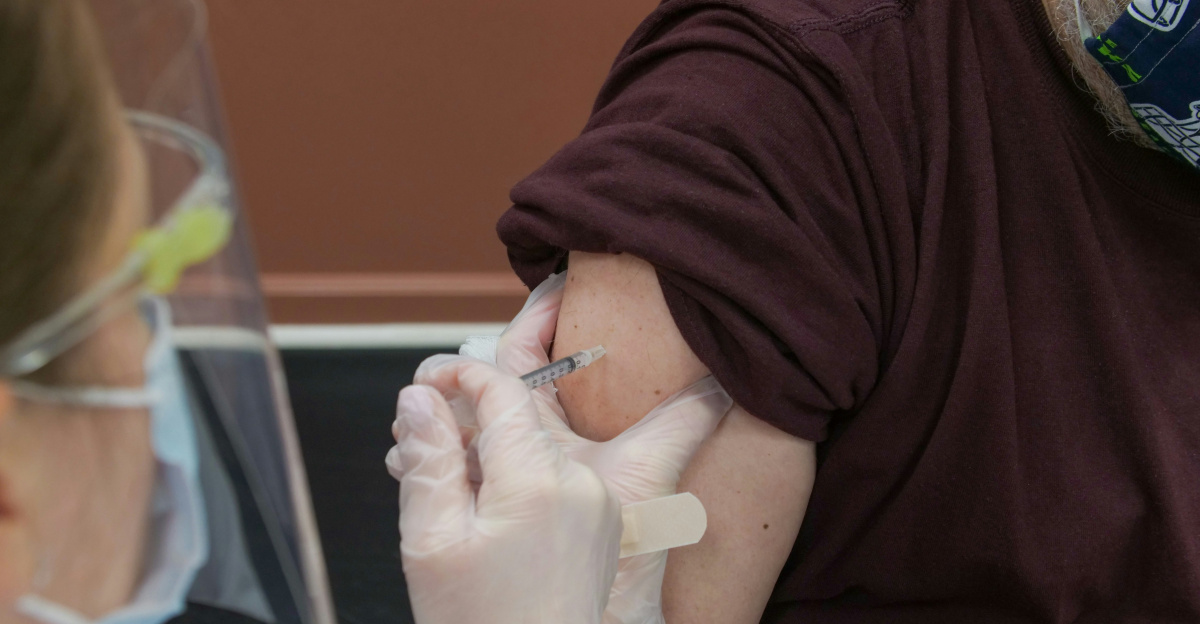
The mismatch between subclade K and this year’s vaccine is fueling anxiety and driving more people toward antivirals, rapid tests, and remaining flu-shot appointments.
Health systems are reminding families that the vaccine still offers partial protection and that antivirals work best within 48 hours. Pharmacies report heightened demand for fever reducers and home tests. Officials warn that because immunity takes two weeks to fully develop, delaying vaccination now increases risk heading into Christmas travel.
International Health Systems Feel the Strain
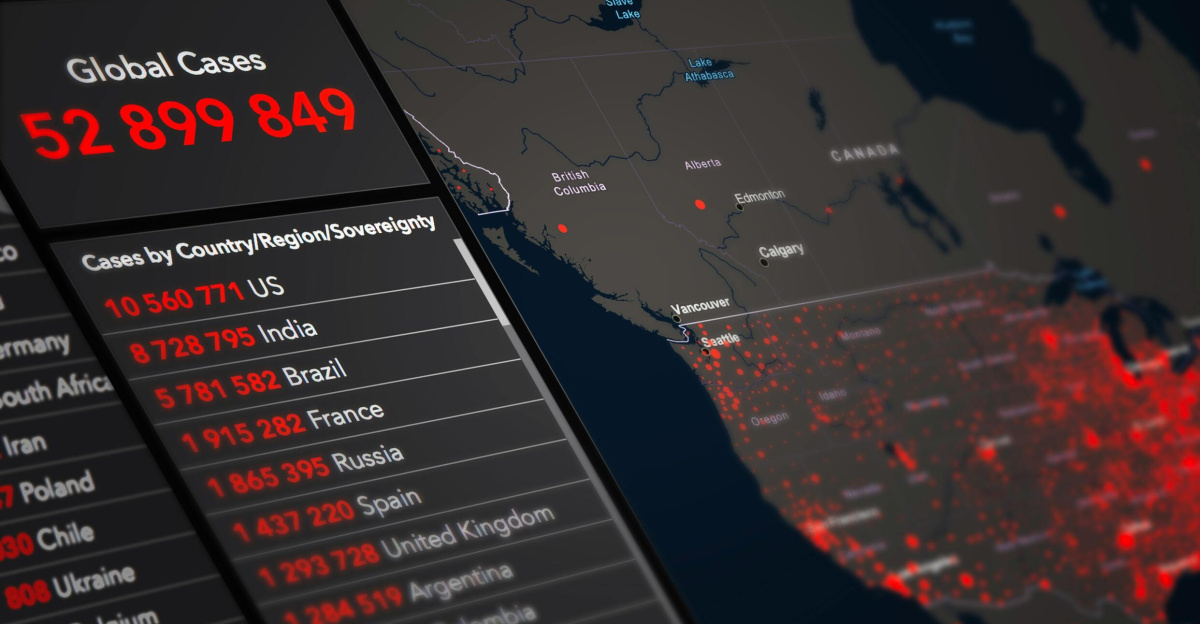
Globally, subclade K is shaping a synchronized winter surge. Russia reports over 23,400 influenza cases, with more than 80% testing positive for H3N2, mostly subclade K.
The UK classifies flu hospitalizations as “medium but rising,” especially among seniors. Tokyo is grappling with a sixfold year-over-year increase in cases. These spikes, occurring nearly simultaneously, suggest the strain travels efficiently and may dominate much of the Northern Hemisphere’s season.
The Human Toll on Frontline Workers

Parents in Beijing described waiting five hours or more in pediatric hospitals as subclade K swept through the city. U.S. clinicians report similar pressure, particularly in children’s units and nursing facilities.
Flu cases are colliding with COVID, RSV, and norovirus, creating what some call a “quad-demic” environment. Healthcare workers warn that each occupied bed—especially for a child with flu—reduces capacity for trauma care or post-surgical recovery, making even modest surges consequential.
Officials Warn: This Could Mirror Last Year’s Record Season
Shereef Elnahal, president of Oregon Health and Science University, notes the CDC is warning this season could rival last year—the worst on record for hospitalizations and severe disease, with ~560,000 hospitalizations and ~38,000 deaths.
With activity rising in over three dozen U.S. states, particularly Louisiana and New York City, local agencies are elevating alerts. Officials emphasize that we are still early in the curve, and the season has started earlier than usual.
Economic Ripple Effects Begin to Show
High absenteeism across schools, healthcare, and retail is creating ripple effects at the height of holiday spending. Businesses face staffing gaps, overtime costs, and lower productivity. Families shoulder rising expenses for medications and childcare.
If hospitalizations track last year’s trajectory, the U.S. could see 50,000–100,000 additional admissions in coming months, enough to place measurable strain on regional economies and intensify pressure on already fatigued workforces.
American Daily Life Adjusts Again
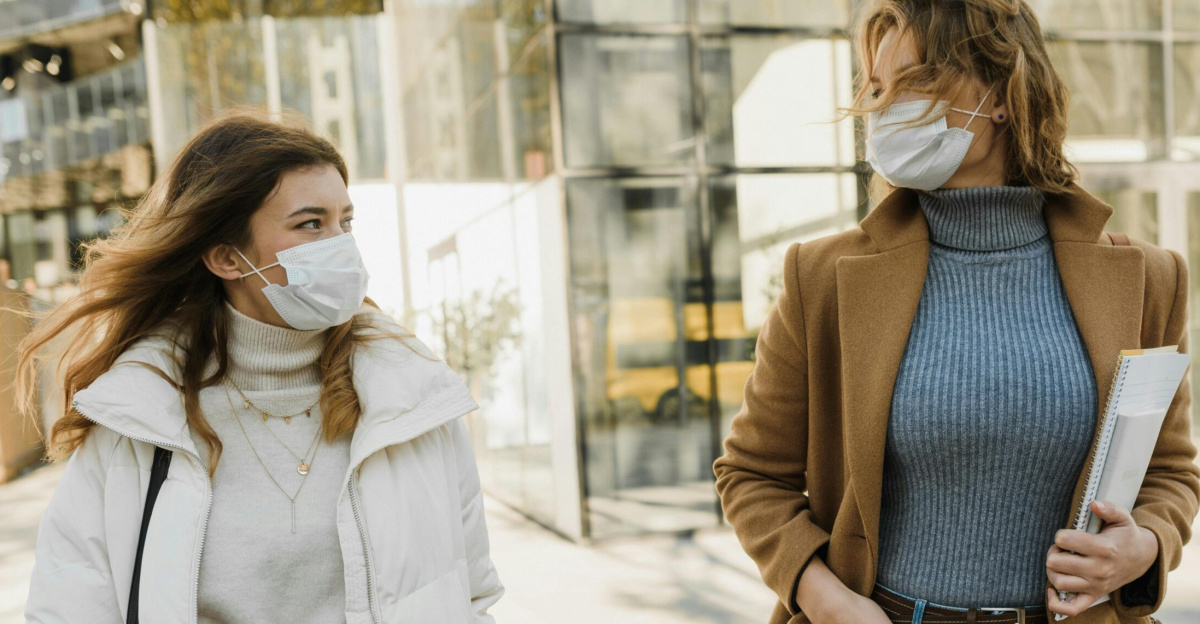
With 7.1% of clinical flu tests returning positive and major states showing high activity, some Americans are voluntarily reviving precautions. Masking on public transit is increasing in New York City; clinics in Colorado report a jump in early doctor visits for fever and cough.
Even without mandates, people are again thinking in terms of exposure windows, sick-day planning, and protecting elderly relatives—especially as holiday gatherings bring multiple generations together indoors.
Mandates Reignite Cultural Debates
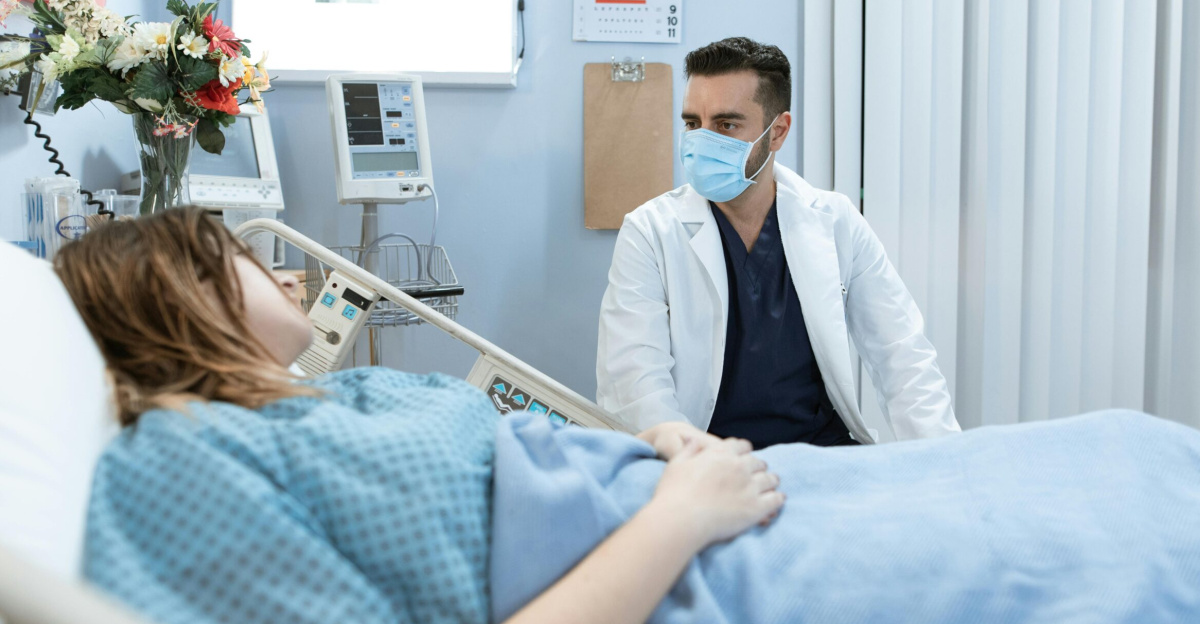
The return of mask rules in hospitals has reopened familiar arguments. Clinicians argue the measures protect workers and vulnerable patients during a severe season, while critics question whether seasonal viruses justify any renewed restrictions.
Public-health agencies stress that these mandates are not broad lockdowns, but targeted, temporary measures to stabilize hospitals. The debate underscores ongoing tension between individual preference and collective protection in a post-pandemic landscape.
Travel Decisions and Global Perception Shift

Reports of rising flu activity in China, Russia, Japan, the UK, and the U.S. are influencing winter travel choices. Families weighing trips to places like Tokyo or London face news of elevated hospitalizations and widespread school interruptions.
Governments are not imposing travel barriers, but many are urging vaccination and caution, highlighting that subclade K is a global problem, not a regional anomaly. Travelers are adjusting expectations around illness risks and potential disruptions.
Winners, Losers, and What Consumers Should Know

Demand is rising for antivirals, rapid tests, and vaccines, placing pharmaceutical suppliers in a strong position while small businesses face losses from worker sick days and reduced foot traffic. Public-health officials warn that without layered protections, this year could approach last season’s severity. Consumers are urged to:
• Get vaccinated promptly
• Seek early treatment for high-risk symptoms
• Observe facility-specific masking rules
These steps, experts say, reduce both personal risk and community spread.
What the Months Ahead May Look Like
The CDC expects a longer-than-usual flu season, potentially stretching into spring 2026, driven by early onset and widespread susceptibility to subclade K. Researchers will examine why the strain emerged so late that it bypassed vaccine formulation and how future seasons can avoid similar mismatches. Until then, officials emphasize a layered strategy—vaccination, antivirals, ventilation, and situational masking—to prevent another year defined by extreme hospital burdens and avoidable severe illness.
Sources
“Weekly U.S. Influenza Surveillance Report (FluView).” Centers for Disease Control and Prevention, late Nov 2025.
“Deadly ‘Super Flu’ Surge Forces Schools to Close and Triggers Mask Mandates Across the US.” MSN, 2025.
“Hospitals overwhelmed as flu virus outbreak spreads from China.” The Express, 2025.
“‘Super Flu’ Forcing Schools To Close, Hospitals To Enact Restrictions.” KISS FM RGV / iHeartRadio, 10 Dec 2025.