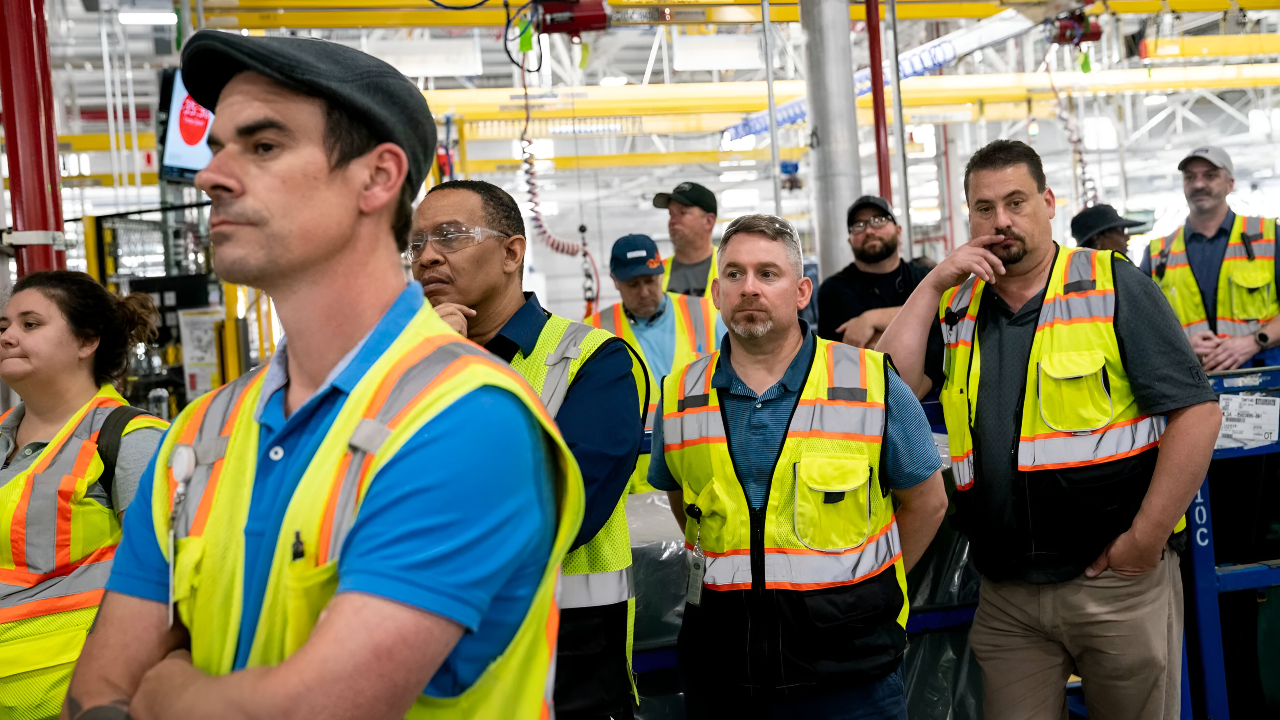
Michigan’s clean energy dreams evaporated in 2025. Since President Trump’s return to office in January, nearly $540 million in federal climate grants has vanished from the state, while Ford has permanently halted F-150 Lightning production—catalyzing a manufacturing collapse that has eliminated thousands of jobs.
The reversal undoes $23.8 billion in announced green investments from 2022-2024, leaving workers scrambling and communities without promised energy relief, and the timeline shows how quickly it unraveled.
When Clean Energy Dreams Turned To Dust
Michigan woke up in 2025 to a nightmare reversal. The state that had announced $23.8 billion in clean manufacturing investments between 2022 and 2024 faced a complete policy reversal. By year’s end, $540 million in federal climate grants had been canceled, green projects shuttered, and major automakers retreating from electric vehicles. The early warning signs were already there.
The Setup: A Year Of Promises
At this time in 2024, Michigan celebrated becoming America’s green manufacturing hub. Federal support under the Inflation Reduction Act promised billions. Ford announced battery plants. GM expanded EV production. States competed for clean energy investments. General Motors received funds to retool facilities. Ford committed $13 billion to EV battery manufacturing in Michigan and nationwide. The optimism felt justified, until politics intervened.
The Day Everything Changed
On January 20, 2025, President Trump issued an executive order targeting the “green new scam.” Within weeks, federal agencies began freezing and canceling clean energy programs established by Congress. The EPA, Department of Energy, and Interior Department received clear direction: dismantle renewable energy support. Michigan, heavily invested in this transition, faced immediate consequences, and one grant program became a flashpoint.
Solar For All: $156 Million Vanishes
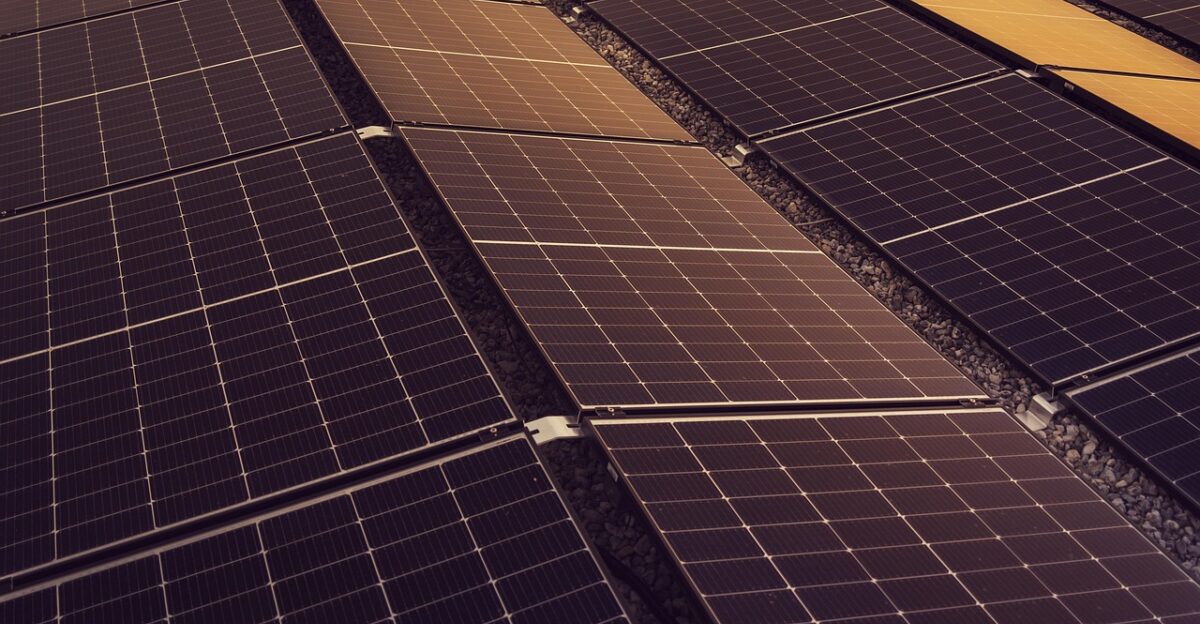
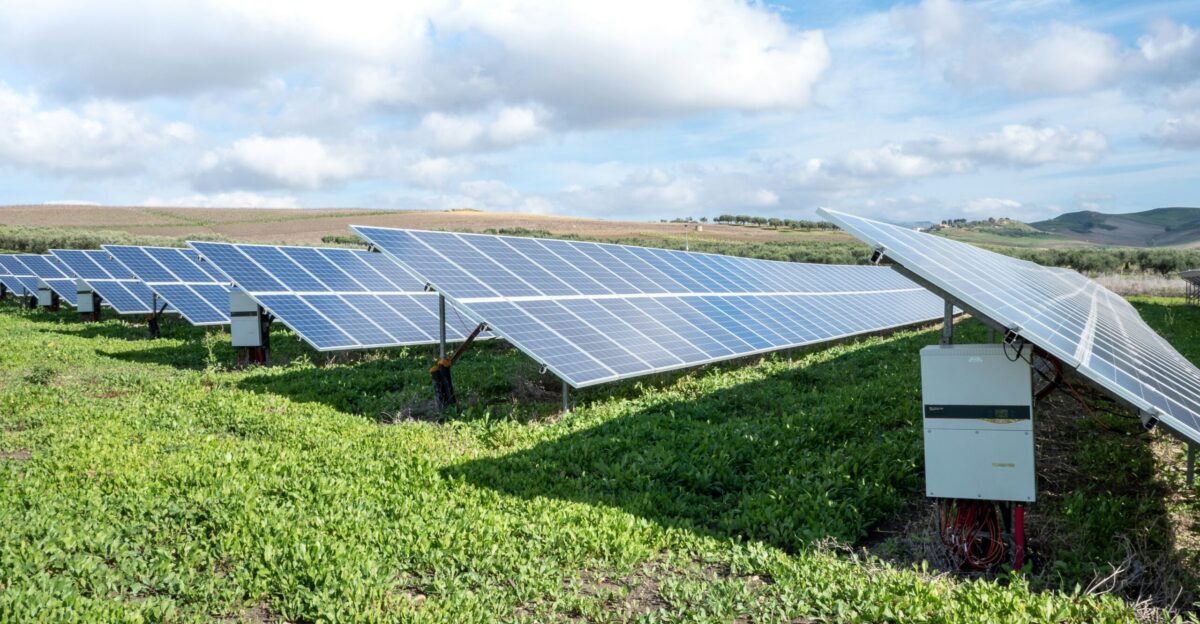
Michigan’s Solar for All program was supposed to transform energy access. The EPA had awarded Michigan $156 million to expand solar energy for low-income households across the state. The program would reduce electricity costs by 20%, create jobs, and reduce pollution. Thirteen pilot projects were already selected. By August 2024, all funds were officially awarded, so why pull it back?
“We’re Suing Over This”
Michigan Attorney General Dana Nessel wasn’t silent. “The Trump Administration’s decision to illegally rescind congressionally approved grants – funds that were already being put to work in our communities – is unlawful and deeply harmful,” according to Attorney General Dana Nessel’s statement on October 17, 2025. Nessel joined 22 other state attorneys general in federal court, arguing separation of powers, as automakers delivered their own blows.
Ford’s Stunning Reversal
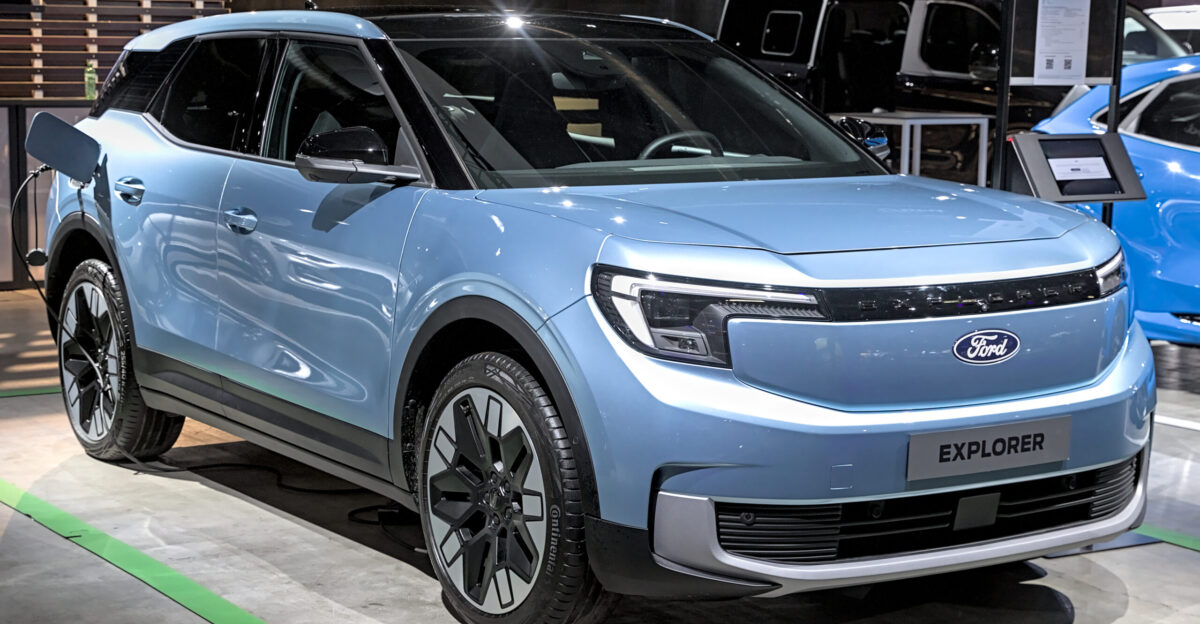
Ford Motor Company announced in December 2025 that it had incurred a $13 billion loss on electric vehicles since 2023. The math was simple: EVs weren’t profitable. Federal subsidies had expired September 30, 2025, eliminating the $7,500 tax credit that made EVs price-competitive. Regulatory pressure relaxed. Consumer demand softened. CEO Jim Farley shifted toward hybrids and gas trucks, and closures soon spread beyond one model.
General Motors Follows Ford’s Lead
General Motors announced permanent layoffs of 1,140 workers at Factory Zero in Detroit-Hamtramck on January 5, 2026. The plant that once symbolized America’s EV future now operated at 50% capacity, reduced from 2 shifts to 1. GM cited “slower near-term EV adoption” and policy changes. Factory Zero, built for multiple EV trucks, became a warning sign, and workers had their own verdict.
“We’re Left With Nothing”
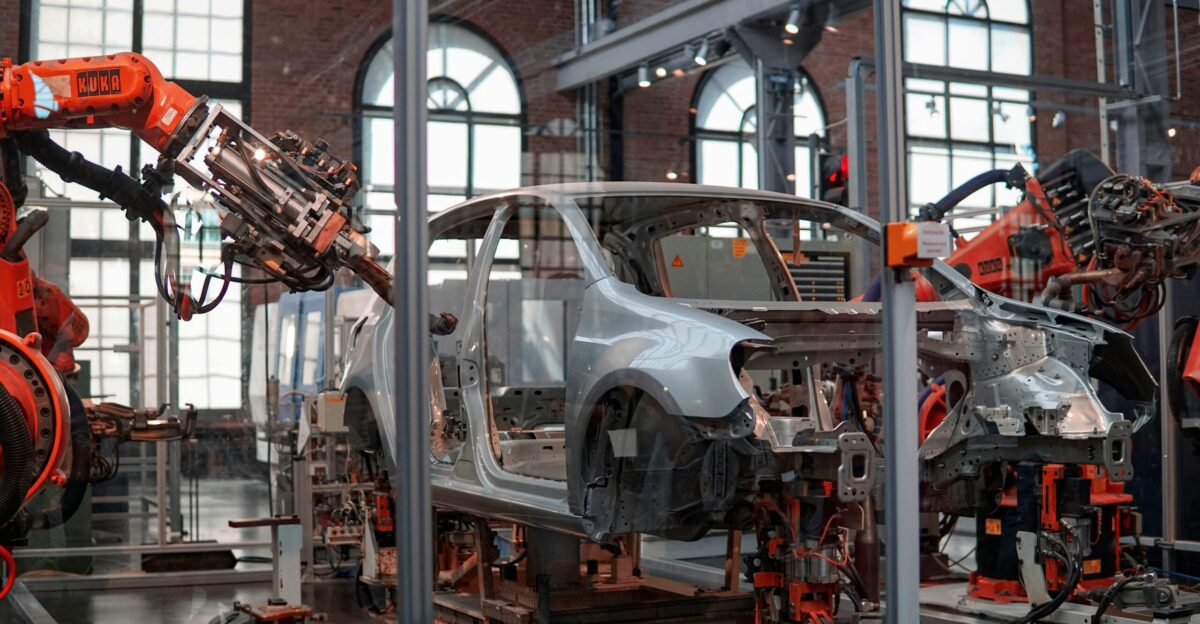
Factory Zero workers told the World Socialist Web Site they felt abandoned. “I work here at Factory Zero and it’s disappointing that we do so much hard work to keep up with quality and demanding numbers just to end up not knowing how we’re going to take care of our children,” one worker said in January 2026. The United Auto Workers faced criticism, and anger fueled organizing efforts that quickly reached other plants.
BlueOval SK’s Valentine’s Day Massacre
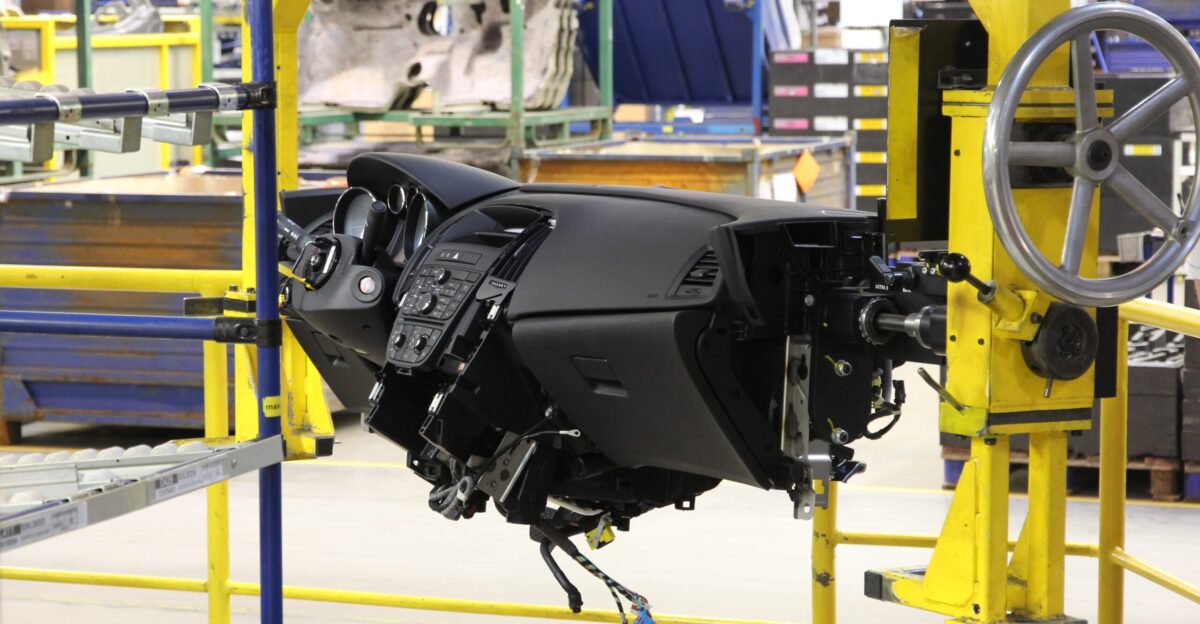
Ford’s BlueOval SK battery plant in Glendale, Kentucky, employs 1,600 workers for cutting-edge EV battery production. On December 18, 2025, workers received notices: the facility would close on February 14, 2026. Workers would be laid off permanently. The plant, operational for barely 2 years, was being dismantled. Ford said it would retool for battery energy storage, but the broader signal was unmistakable.
Battery Makers Abandon Michigan
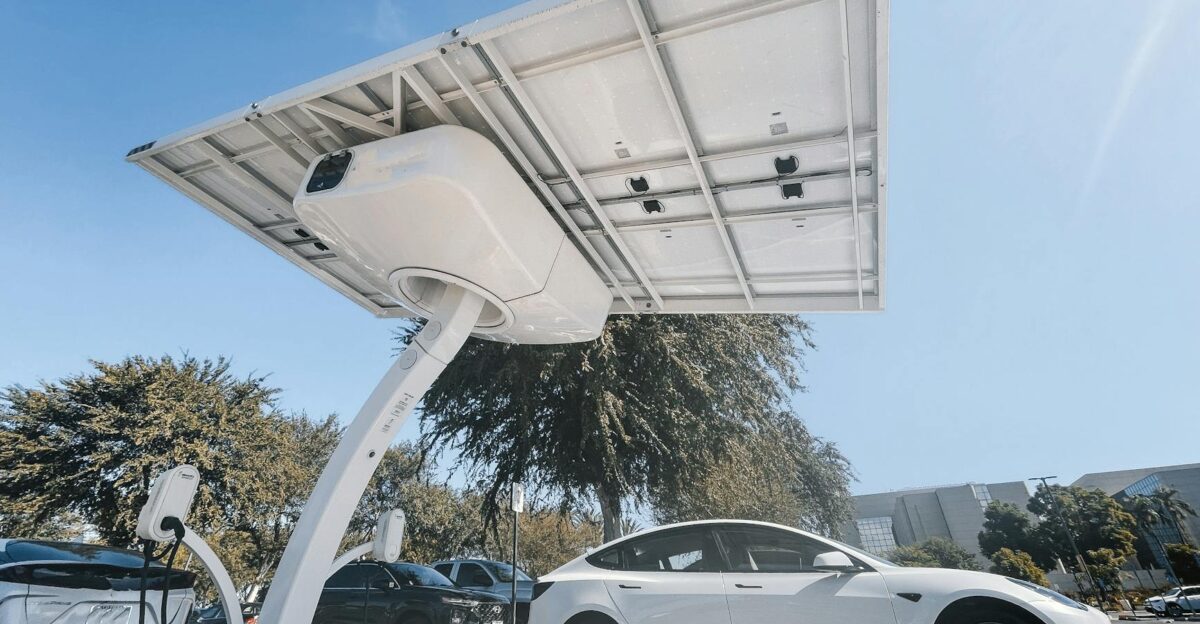
The collapse accelerated beyond automakers. XALT Energy announced in October 2025 that it would close its Midland headquarters and Auburn Hills facility. Akasol closed Warren and Hazel Park plants, eliminating 188 jobs. Dana Incorporated has closed its Auburn Hills EV battery cooling plant, which served 200 workers. Fortescue canceled a $210 million Detroit facility, about $210 million in lost construction momentum, and one relocation choice said even more.
TS Conductor Leaves For South Carolina
TS Conductor manufactures high-capacity power transmission lines essential for modernizing the electrical grid. The company had received a $28.2 million federal grant for a Michigan facility. When the Trump administration canceled the grant in October 2025, TS Conductor moved its investment to South Carolina, receiving what CEO Jason Huang described as a “very generous incentive package.” Michigan lost 462 high-wage jobs and $134 million in investment, and the harm went beyond paychecks.
Low-Income Communities Lose Energy Relief
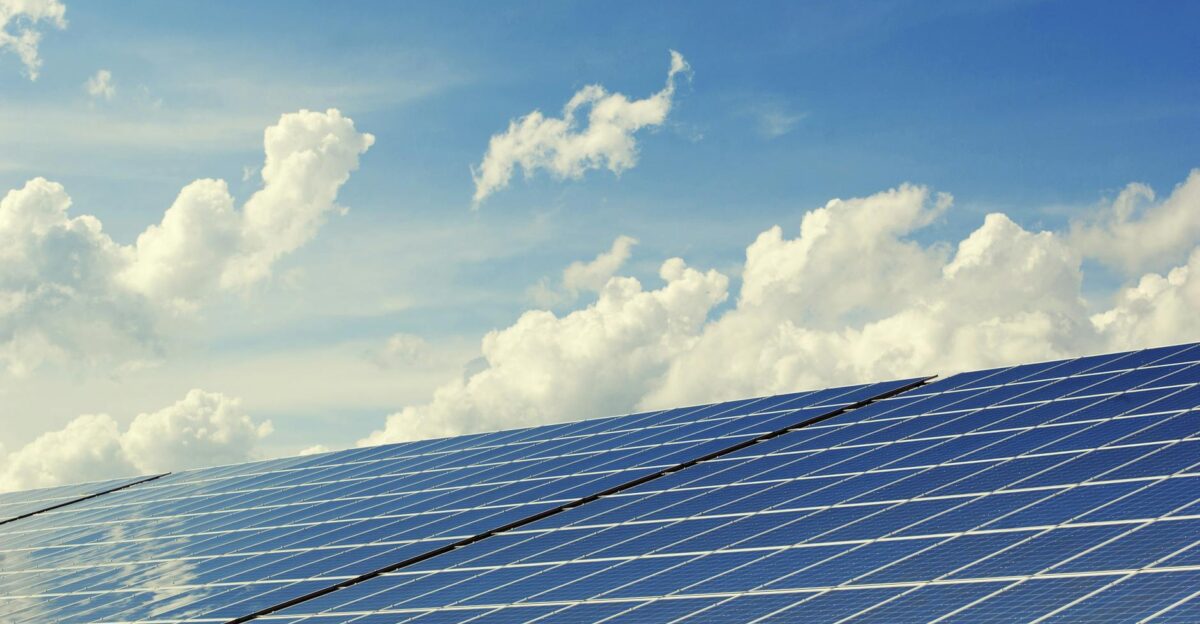
Michigan’s most vulnerable communities were promised energy relief that never arrived. The Solar for All program would have supported thousands of low-income households with subsidized rooftop solar, community solar, and energy storage. EcoWorks planned to transform 15 Detroit churches and mosques into community resilience hubs for cooling, outages, medical services, and disaster relief. Benton Harbor received $20 million for resilience infrastructure, then lost it, but tribal communities were hit harder still.
Native American Energy Programs Eliminated
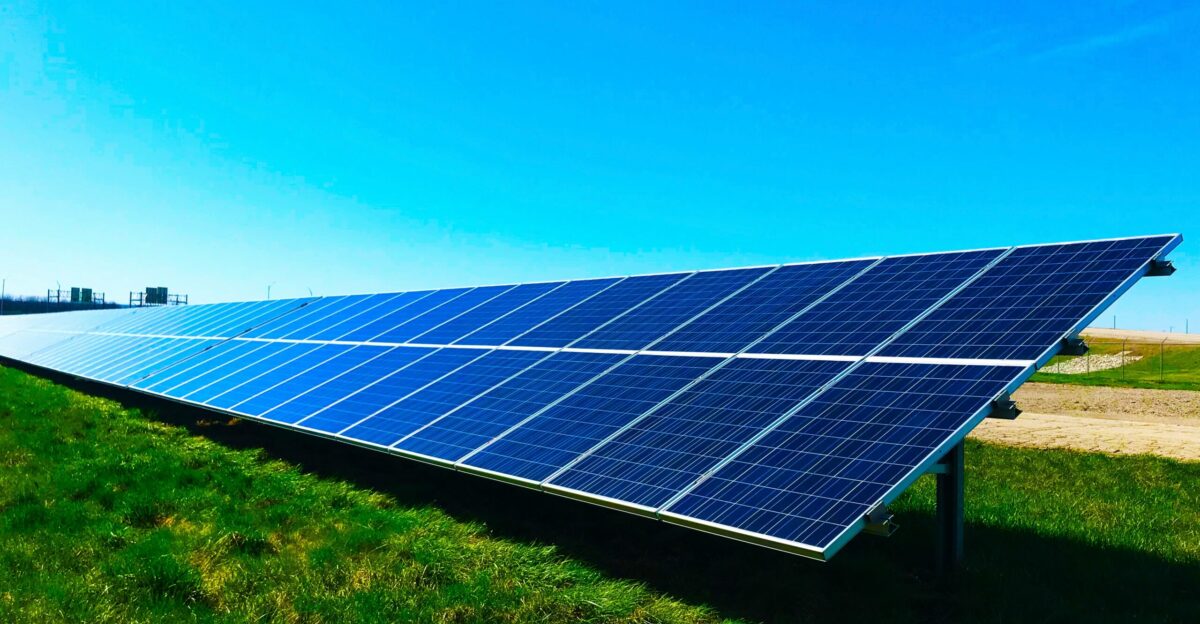
Twelve federally recognized Michigan tribal nations lost $62 million in Solar for All funding designed specifically for tribal energy needs. The Inter-Tribal Council of Michigan had received $20 million for energy efficiency improvements to tribal housing.
On December 18, 2025, the Tribal Council and Kalamazoo County filed a class action lawsuit against the EPA, arguing separation of powers and harm to communities that “face the greatest impacts from environmental degradation and have historically had little voice.” So what did Washington fund instead?
Nuclear: The One Energy Source Trump Backs
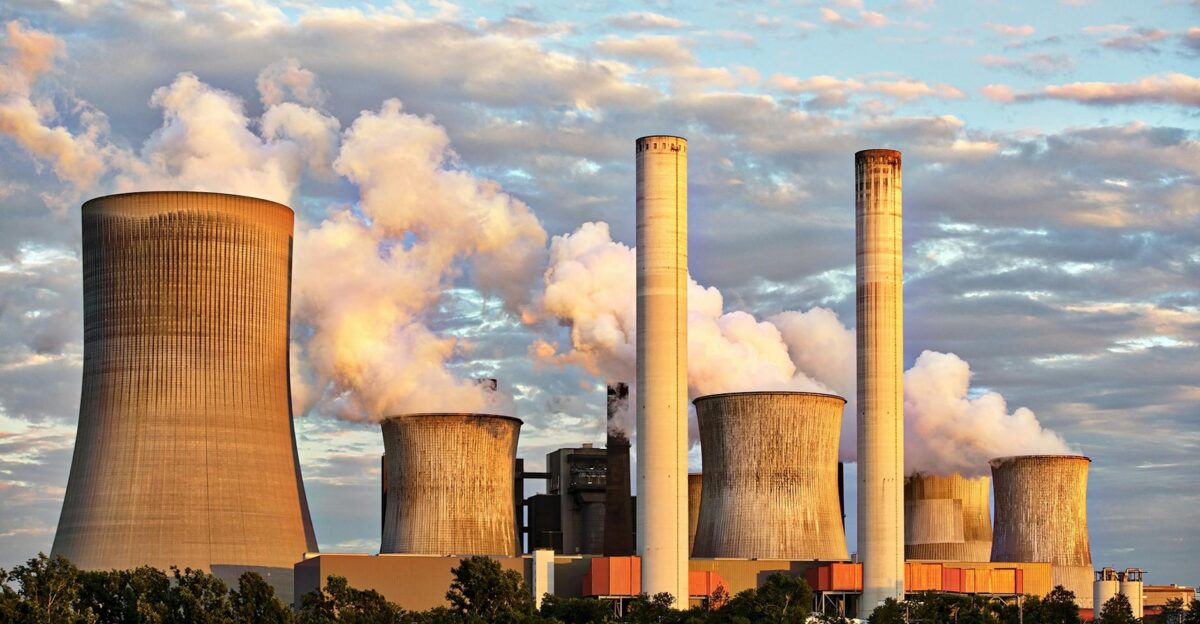
While canceling $540 million in Michigan climate grants, the Trump administration announced continued investment in nuclear energy. In December 2025, the Department of Energy released an additional $155.9 million toward the Palisades nuclear plant restart, complementing the previously authorized $1.52 billion loan guarantee.
Secretary Chris Wright stated: “President Trump has made clear that America is going to build more energy, not less, and nuclear is central to that mission.” The policy contrast sharpened with EV rules.
Policy Changes Made EV Production Unviable
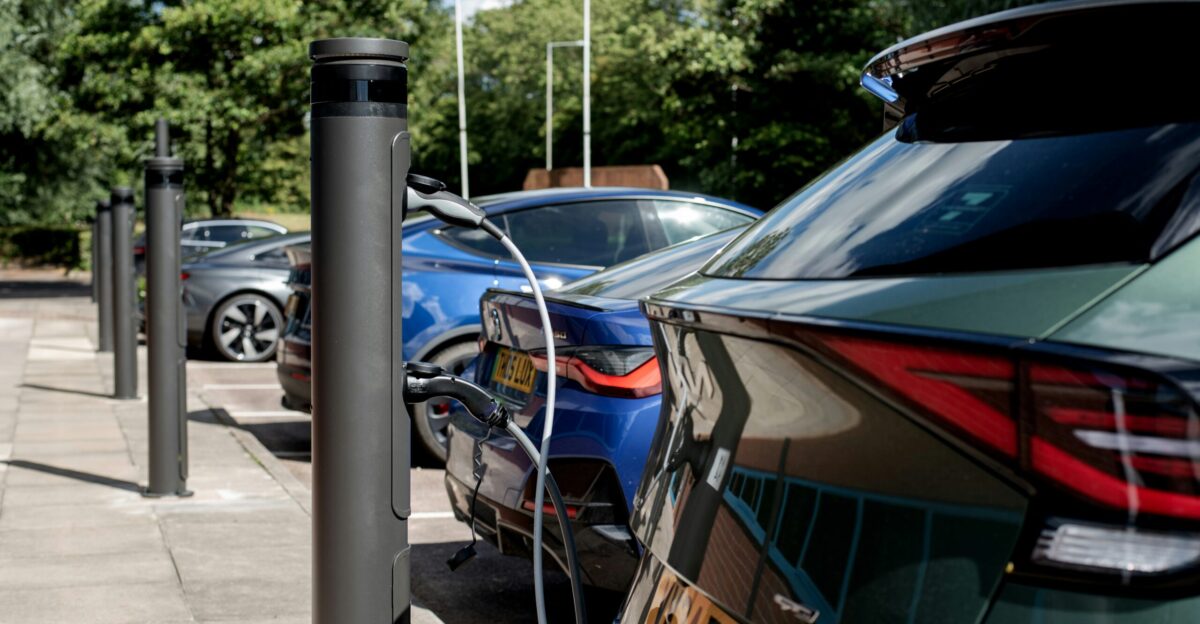
The Trump administration didn’t just defund clean energy, it changed the rules to make EV production unnecessary. On December 3, 2025, it proposed rolling back Corporate Average Fuel Economy standards to levels “achievable with conventional gasoline and diesel vehicles.”
The new rules eliminated EV production credits that had offset penalties for the production of gas vehicles. Congress set civil penalties for CAFE violations to $0, removing consequences, and executives admitted the economics flipped overnight.
Ford CEO: Tax Credit Expiration Was Devastating

“The end of a federal $7,500 tax credit for electric vehicles this fall significantly reduced demand,” Ford CEO Jim Farley told the Wall Street Journal in December 2025. Without the federal subsidy, EV prices became uncompetitive versus equivalent gas vehicles.
Farley said “the operating reality has changed, and we are redeploying capital into higher-return growth opportunities.” Ford’s pivot toward hybrids and battery storage was framed as necessity, and Michigan towns felt the whiplash first.
Marshall’s Battery Plant Gets Repurposed
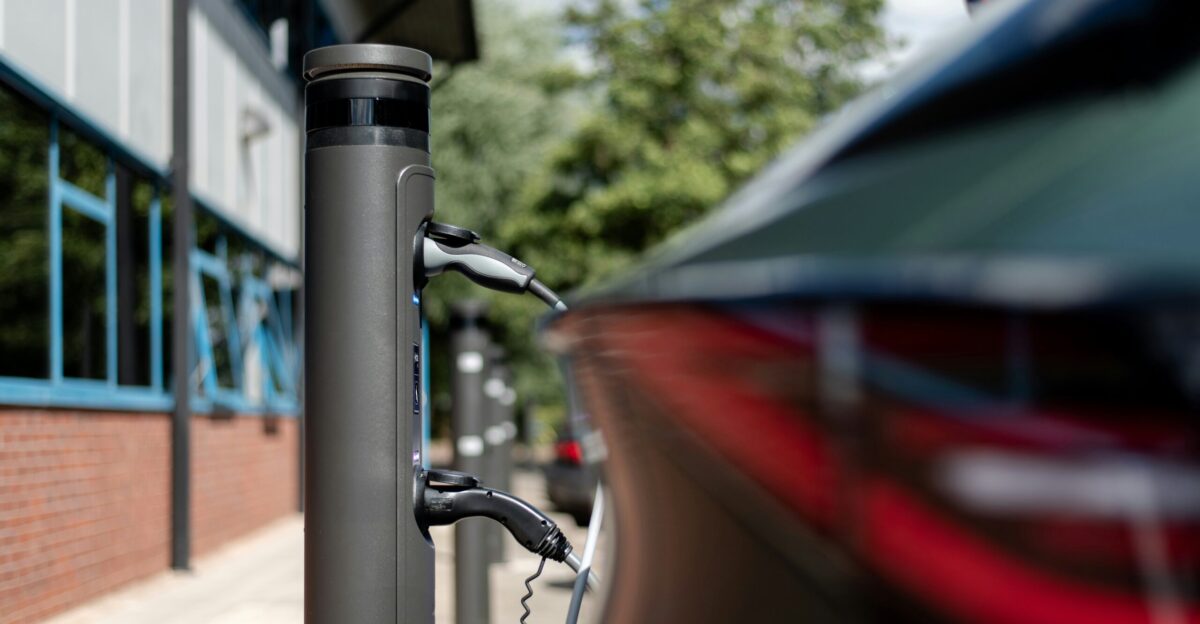
BlueOval Battery Park Michigan in Marshall received $2 billion in Michigan state incentives in 2023 with promises to create 2,500 jobs. Ford later reduced that to 1,700 jobs. In December 2025, Ford said the facility would shift from EV battery production to battery energy storage systems for homes and data centers. The 1,700 target stayed nominally intact, but with fewer, different roles after major state spending. Yet one project collapsed before hiring even began.
Gotion’s $2.4 Billion Project Dies
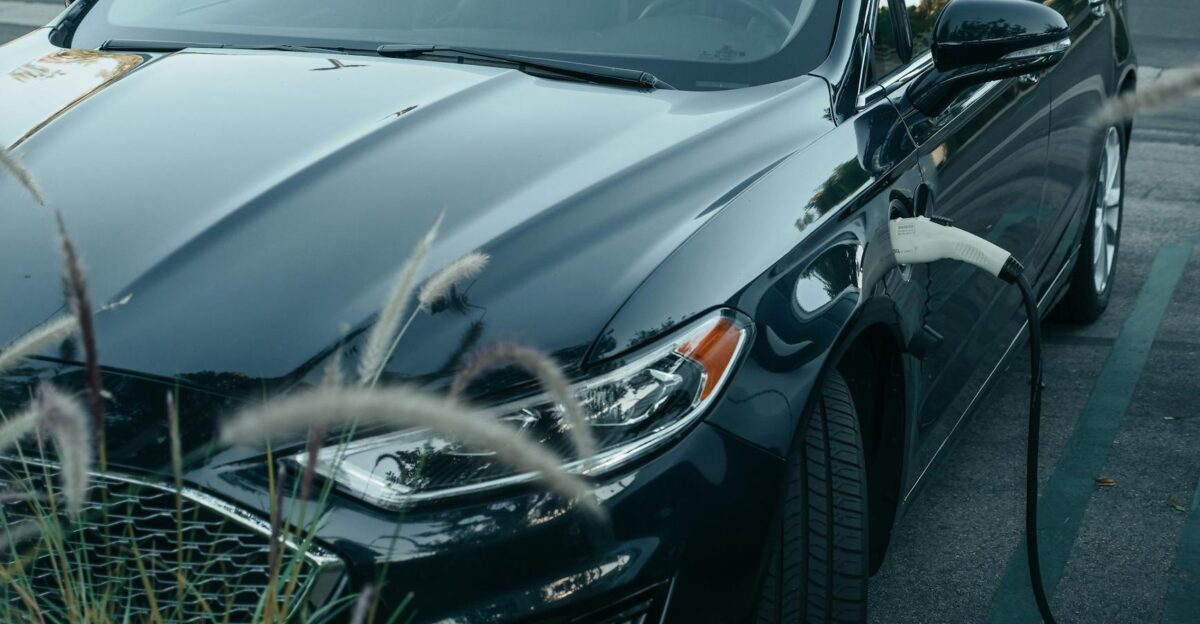
Gotion Inc., a Chinese battery manufacturer, had received $175 million in Michigan state subsidies for a $2.4 billion EV battery plant near Big Rapids promising 2,350 jobs. Michigan purchased 270 acres and spent $23.6 million on site preparation.
Years of local opposition, criticism over Chinese ownership, and shifting federal policy culminated in Gotion abandoning the project in November 2025. Michigan declared default and sought repayment of $23.6 million, and the fallout resembled a national pattern.
The Nationwide Collapse: 158,000 Jobs Lost
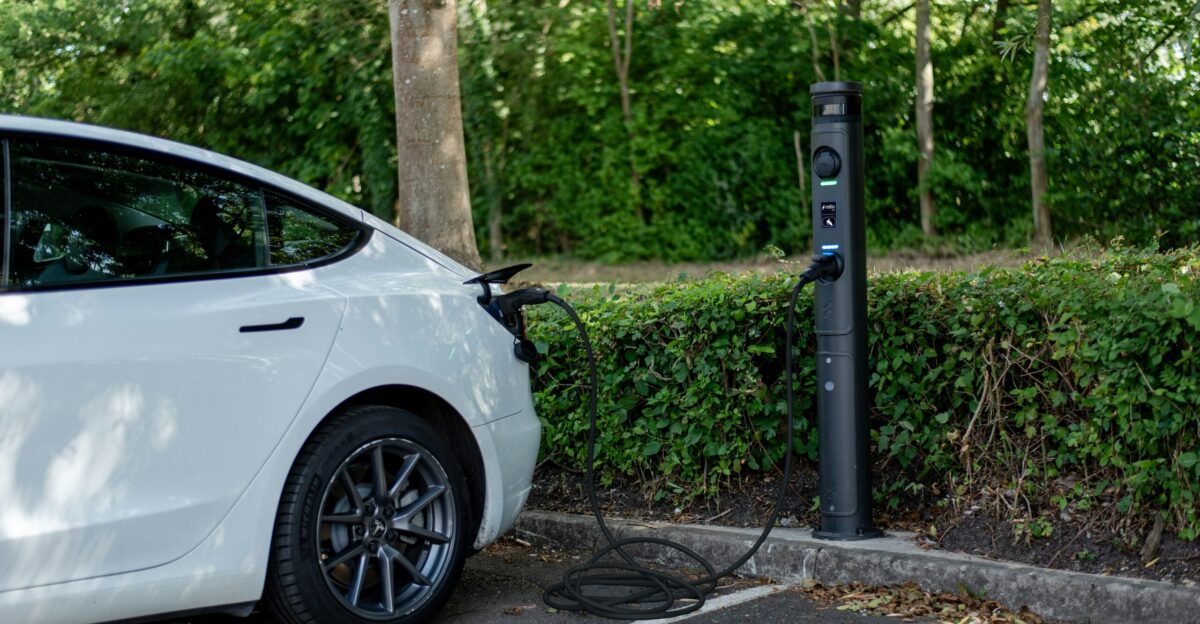
Michigan’s crisis reflected a national catastrophe. A Climate Power analysis released November 2025 said Trump administration policies had eliminated or delayed 158,000 clean energy jobs nationwide.
The administration canceled over $700 million in battery manufacturing grants in October 2025, terminating projects by Ascend Elements ($316 million), ICL Specialty Products ($197.3 million), American Battery Technology ($57.7 million), Anovion ($117 million), and LuxWall ($31.7 million). Utilities raised rates by $89.9 billion, but what did it mean for families?
What Comes Next For Michigan Workers

Michigan faces an uncertain future. Attorney General Nessel’s multistate lawsuit over the Solar for All cancellation may succeed or fail. Companies may find alternative financing for clean energy projects. Some workers will transition; others will face permanent displacement.
Low-income communities will adapt with private solutions and nonprofit support. The state that announced $23.8 billion in green investments during 2022-2024 ended 2025 with $3 billion in cancellations and job losses, and the next court and corporate decisions will shape everything.
Sources
$540M in federal green energy, climate grants for Michigan cancelled in 2025. WWMT News and Bridge Michigan, January 6 2026
Michigan loses $540 million in climate-related investments, green grants. CBS Detroit News, December 31 2025
General Motors laying off more than 1,100 employees from two locations. FOX 2 Detroit, January 5 2026
Attorney General Nessel Joins Challenge to EPA’s Attacks on Affordable Clean Energy for Low-Income Households. Michigan Attorney General Dana Nessel Press Release, October 17 2025
Ford cancels electric F-150 Lightning, plans EREV instead. Kelley Blue Book, December 20 2025
Michigan terminates controversial EV battery plant and seeks to claw back millions in incentives. Michigan Public Radio / Associated Press, October 24 2025