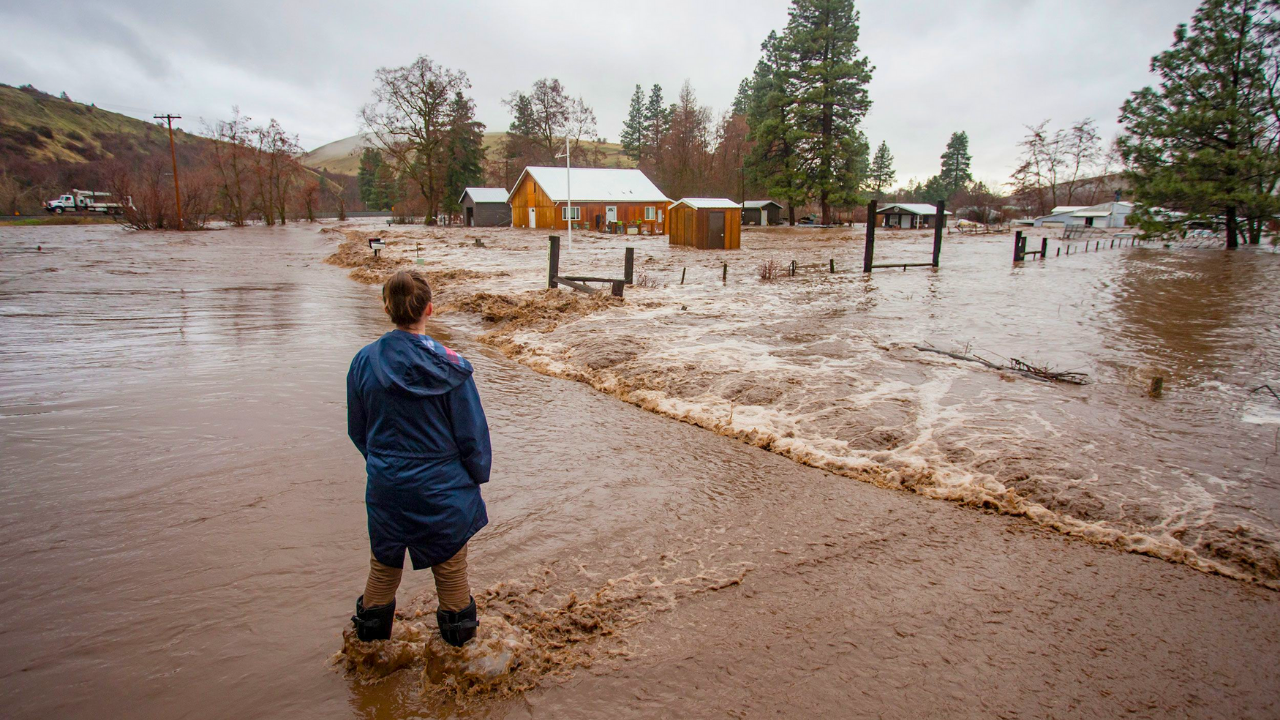
At 5:00 a.m. on Thursday, rain started to pour over the already saturated ground of western Oregon and southwestern Washington. The storm quickly swelled rivers, triggering flood watches for 500,000 residents. Just days after the region’s first atmospheric river knocked out power to 137,000 people, the second wave hit with terrifying speed.
Emergency crews raced against time to restore power, but the worst was yet to come. How much longer can the region withstand these consecutive storms? Stay tuned for what’s next.
The Coming Danger: A Double Punch of Rain and Wind
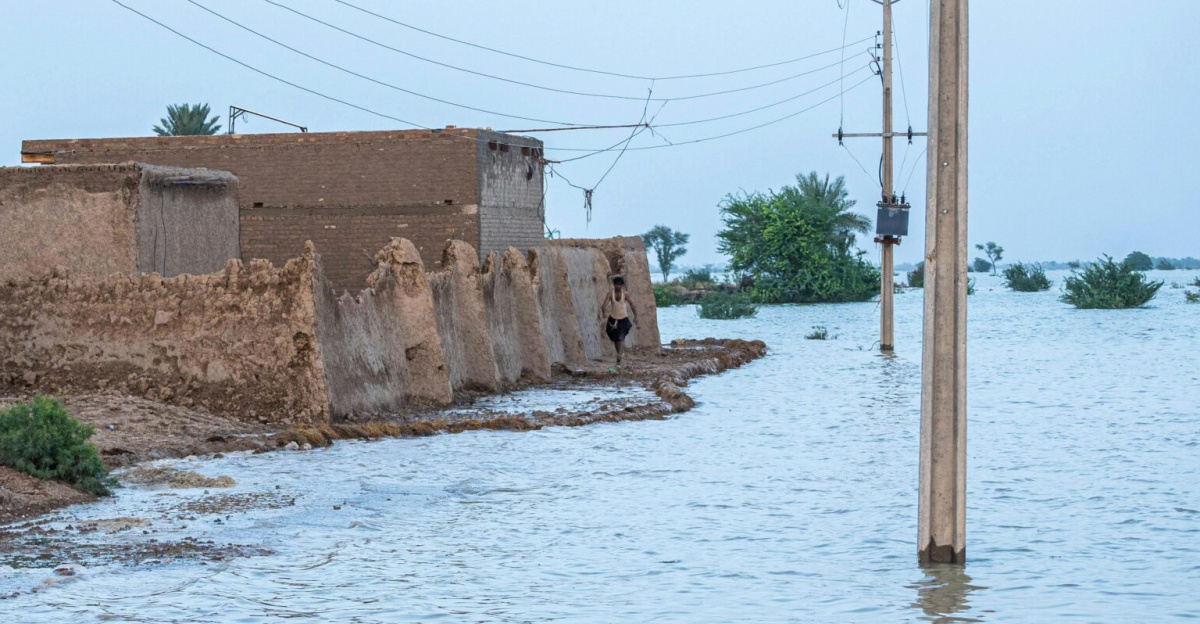
Meteorologists predict that 3–4 inches of rain will fall over the next 48 hours, beginning Thursday morning. The saturated ground from the previous storm leaves rivers and slopes vulnerable to dangerous flooding and landslides.
Officials are particularly concerned about the impact on the region’s infrastructure, which is already under stress from the earlier storm.
Power Struggles and Community Disruptions
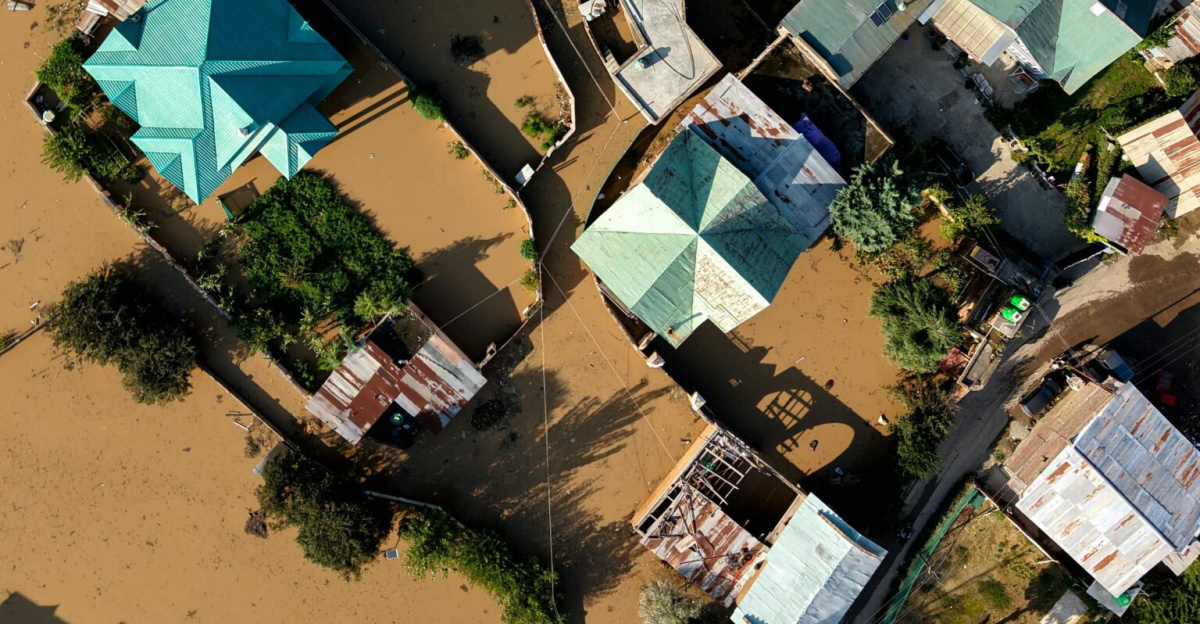
As stormwater surges through flood-prone areas, many residents in low-lying neighborhoods, especially near Johnson Creek and the Clackamas River, face the possibility of evacuation.
With many families still cleaning up from power outages, the compounded stress of a second storm has left thousands feeling vulnerable and stranded.
PGE’s Efforts to Restore Power Amid Crisis
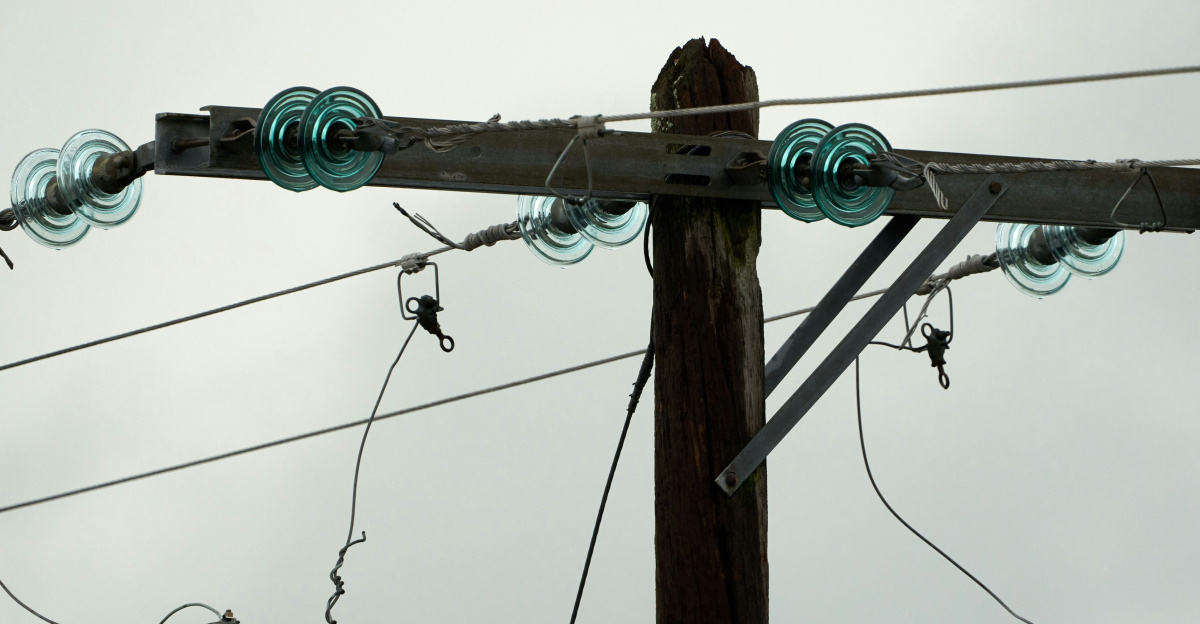
Portland General Electric (PGE) worked tirelessly to restore power to 97,000 customers by Wednesday evening after 137,000 lost power.
A dedicated crew of 225 workers worked overnight to fix downed lines, and efforts are continuing to restore power ahead of the second wave. The storm, though, will test the resilience of the grid once again.
The Financial Impact: From Home Insurance to Hardware Sales
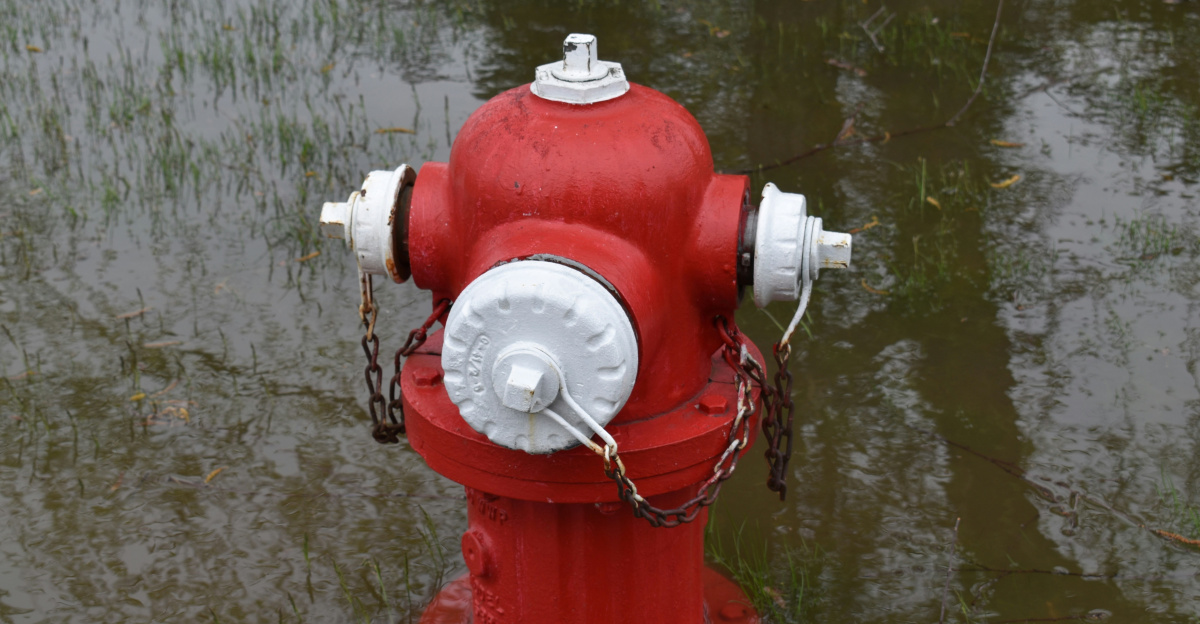
In flood-prone areas, homeowners are bracing for rising insurance claims, especially for basements and vehicles in places like Clackamas County.
Retailers and contractors expect increased demand for pumps, dehumidifiers, and flood prevention tools. Unfortunately, many homeowners won’t realize until it’s too late that their standard insurance policies do not cover flooding.
Impact on Local Economy: Ports, Timber, and Agriculture at Risk
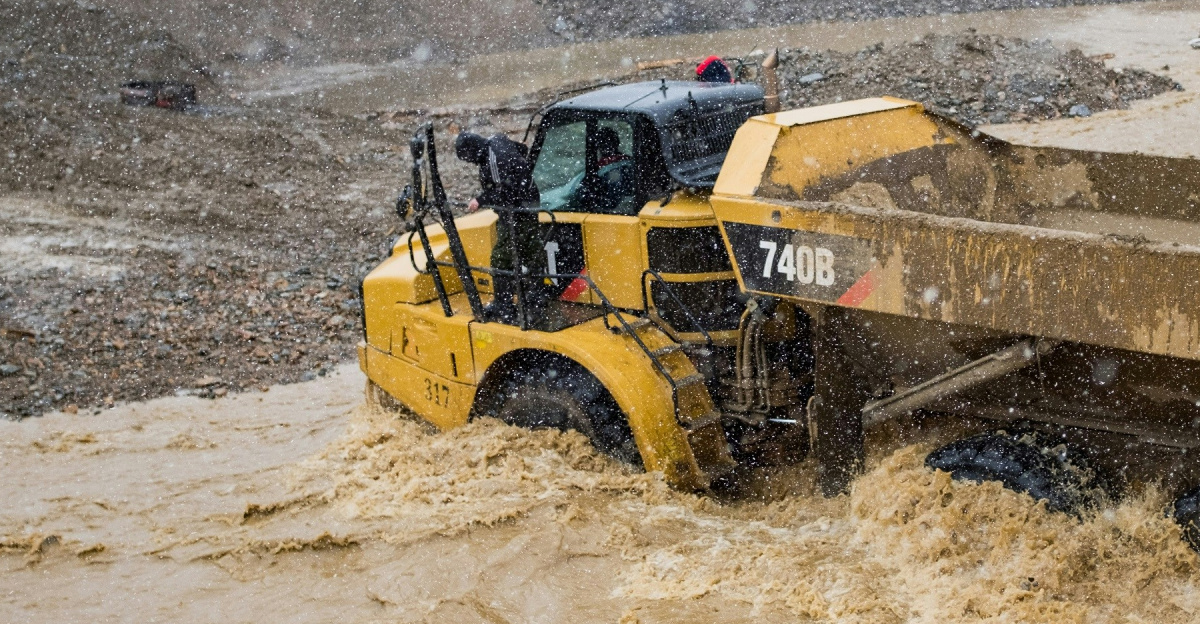
Heavy rainfall threatens to disrupt vital industries like timber and agriculture.
Port facilities along the Columbia and Willamette rivers are at risk, while feeder roads and rail systems near floodplains could face delays. The storm will significantly impact supply chains, particularly in agriculture and export logistics.
Residents Face Flooding as Rivers Crest
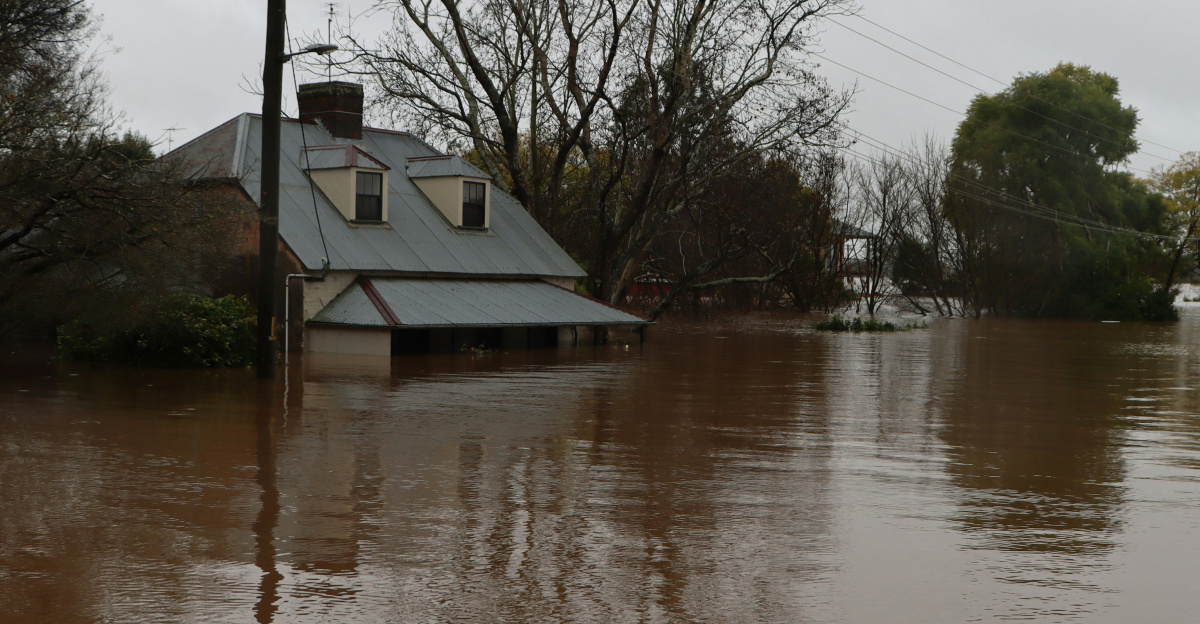
Along the Clackamas River, officials predict a crest of 25.24 feet by Friday at 4 a.m., a major flood stage. Similarly, Johnson Creek is expected to crest at 14.8 feet on Thursday evening, signaling widespread flooding.
For the affected residents, this means the immediate threat of homes flooding and riverside communities under extreme pressure.
Emergency Management in the Spotlight
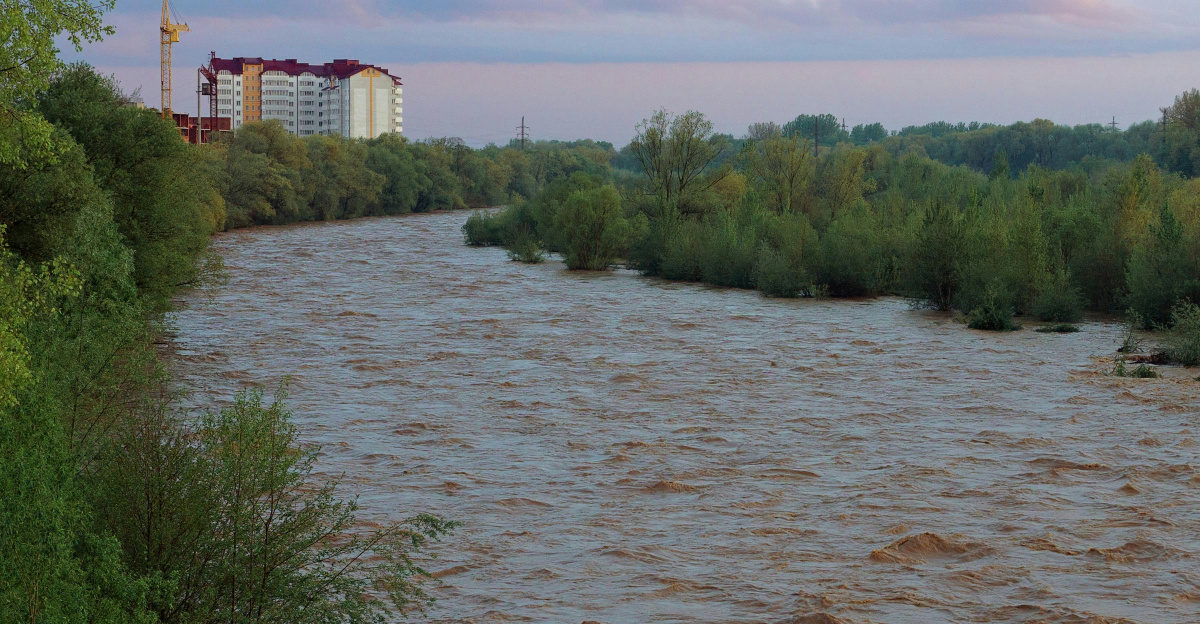
As river forecasts become more dire, the National Weather Service is closely monitoring river levels, and local officials are preparing for evacuations and shelter operations.
How well emergency agencies handle this storm will be a key test of their readiness for future weather events.
Economic Strain: Businesses, Clean-Up, and Overtime

While the region prepares for more flooding, businesses near Johnson Creek and other flood-prone areas are at risk of losing income.
Local governments must allocate resources to clean debris, manage road closures, and ensure emergency services are ready. This additional spending strains budgets and delays recovery for many businesses.
The Impact of Persistent Dampness on Health and Well-Being
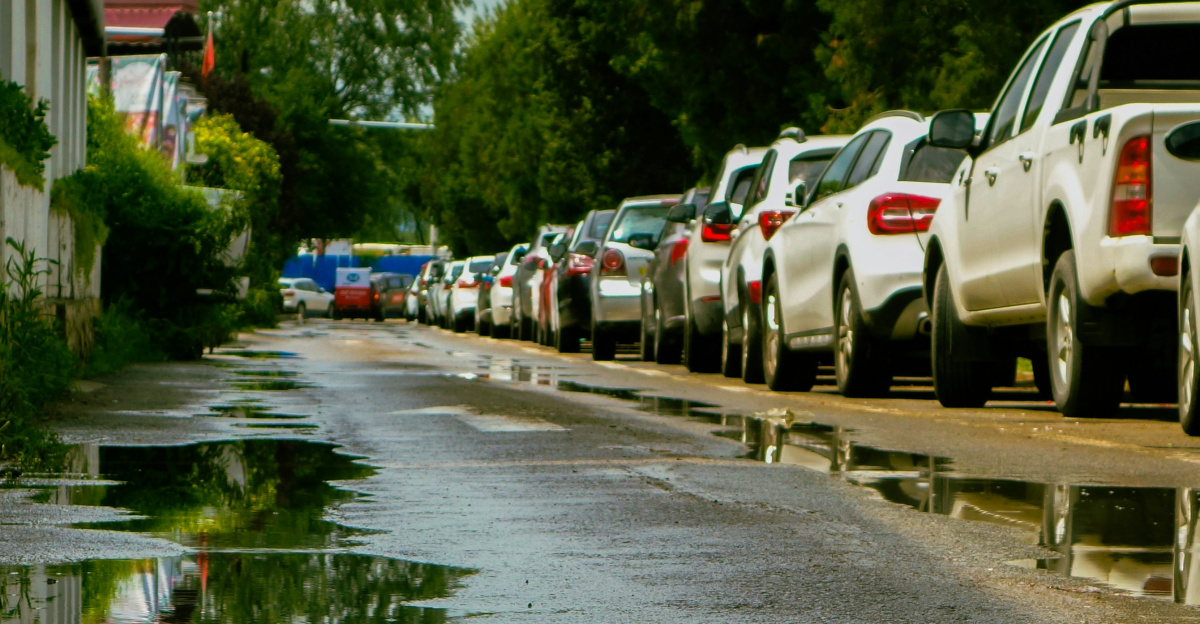
For residents, prolonged exposure to damp conditions could lead to mold growth and increased health risks, especially in older homes.
Access to healthcare may become more difficult if roads flood, and the psychological toll of watching river levels rise again just days after the first storm adds to the community’s strain.
The Test of Climate Resilience: Flood Defenses Under Review
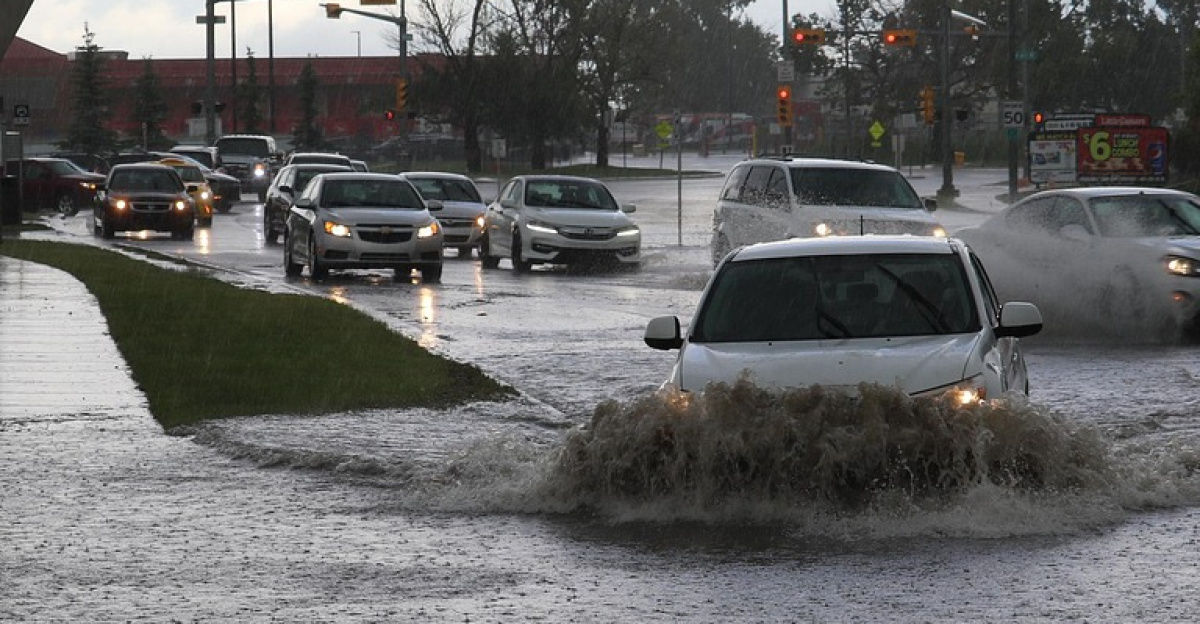
This storm represents a critical test of the region’s climate resilience. Authorities are now examining whether existing flood defenses, such as levees and floodplain management systems, are adequate to withstand the increased frequency of such back-to-back storms.
Communities will need to reassess infrastructure strategies to address the changing patterns of extreme weather.
How National Perception of Oregon and Washington’s Weather Is Changing
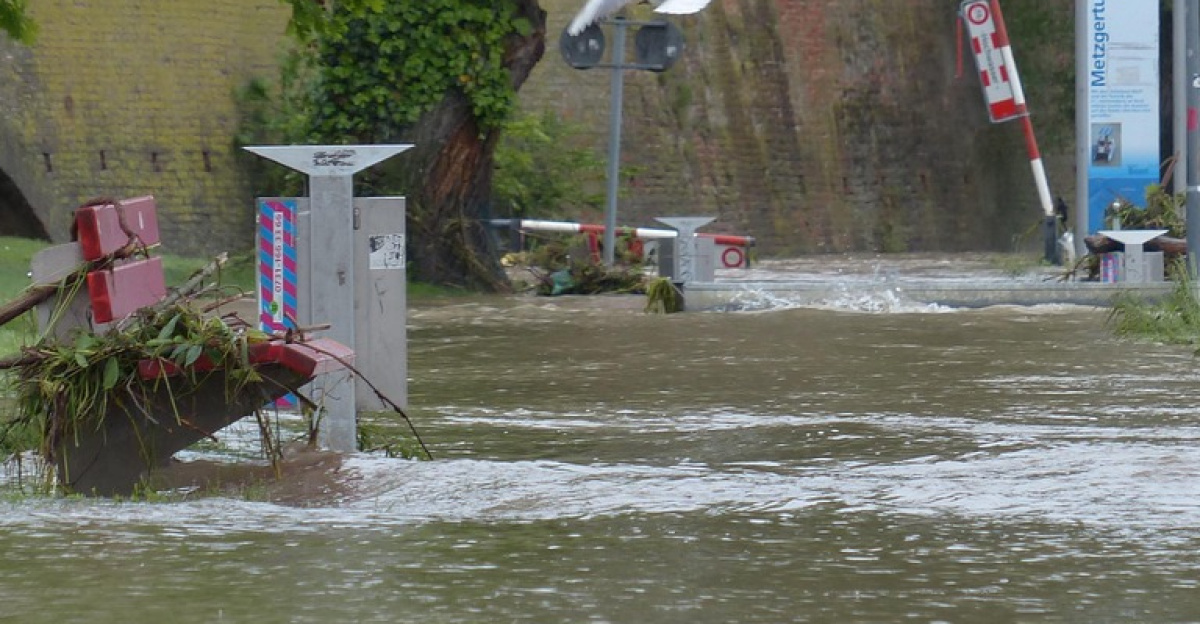
The frequent atmospheric rivers hitting the Pacific Northwest are quickly reshaping national perceptions of the region’s weather.
As the storms become a regular occurrence, travelers and remote workers are factoring these weather risks into their decisions to visit or relocate, affecting long-term economic planning for the area.
Who Wins, Who Loses: The Short-Term Fallout
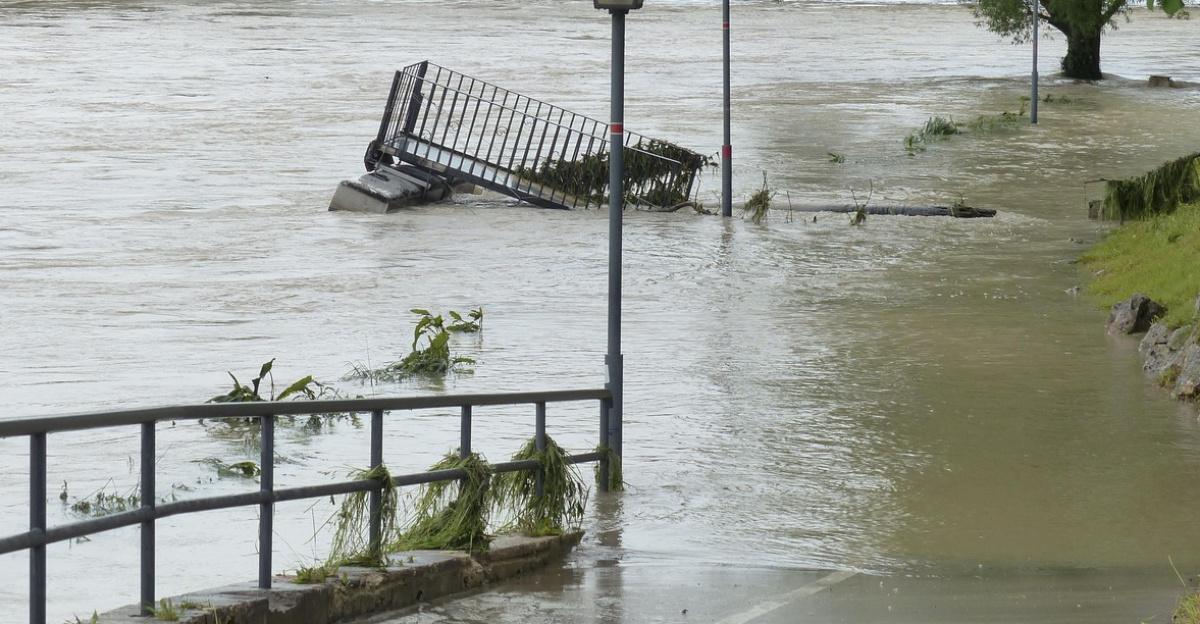
The immediate impact of the storm is clear: homeowners, small businesses, and hourly workers in flood-prone areas are bearing the brunt of the damage.
However, some industries, like restoration contractors and tree services, will see a spike in demand. As for utilities like PGE, restoring the grid will earn them praise, but the scrutiny over outages persists.
How to Prepare Your Household for Future Storms
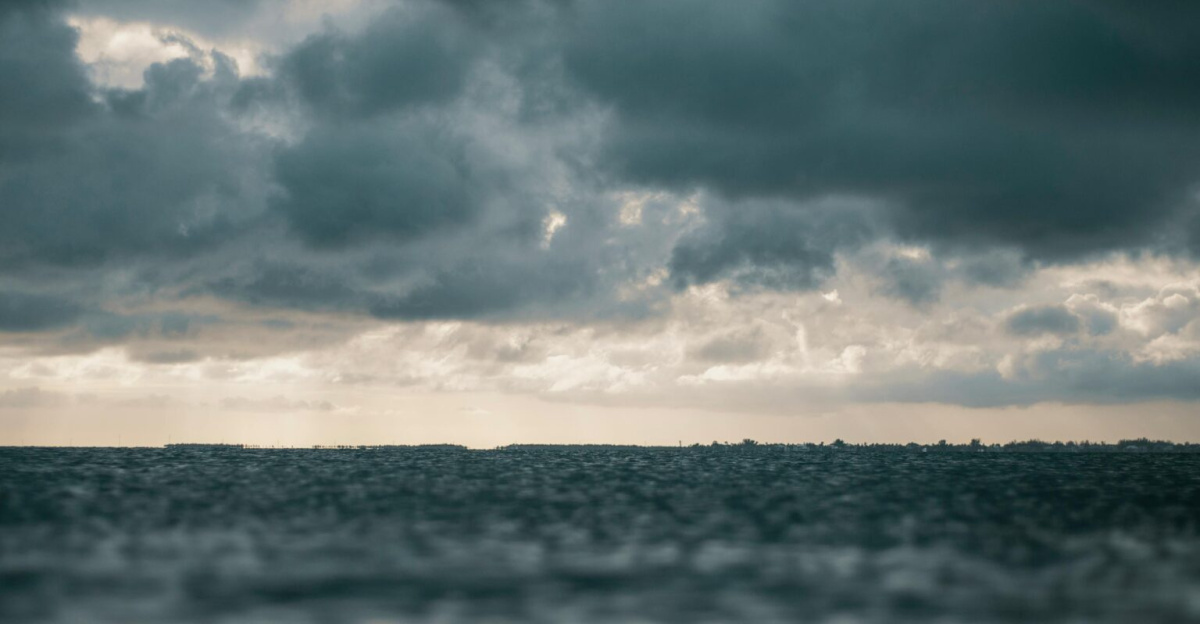
Residents in flood-prone areas are urged to prepare for future storms by gathering emergency supplies, elevating valuables, and ensuring flood insurance is in place.
Additionally, signing up for local weather alerts and staying updated on river forecasts will help mitigate damage and ensure timely evacuations in the event of an emergency.
What the Second Atmospheric River Means for the Future
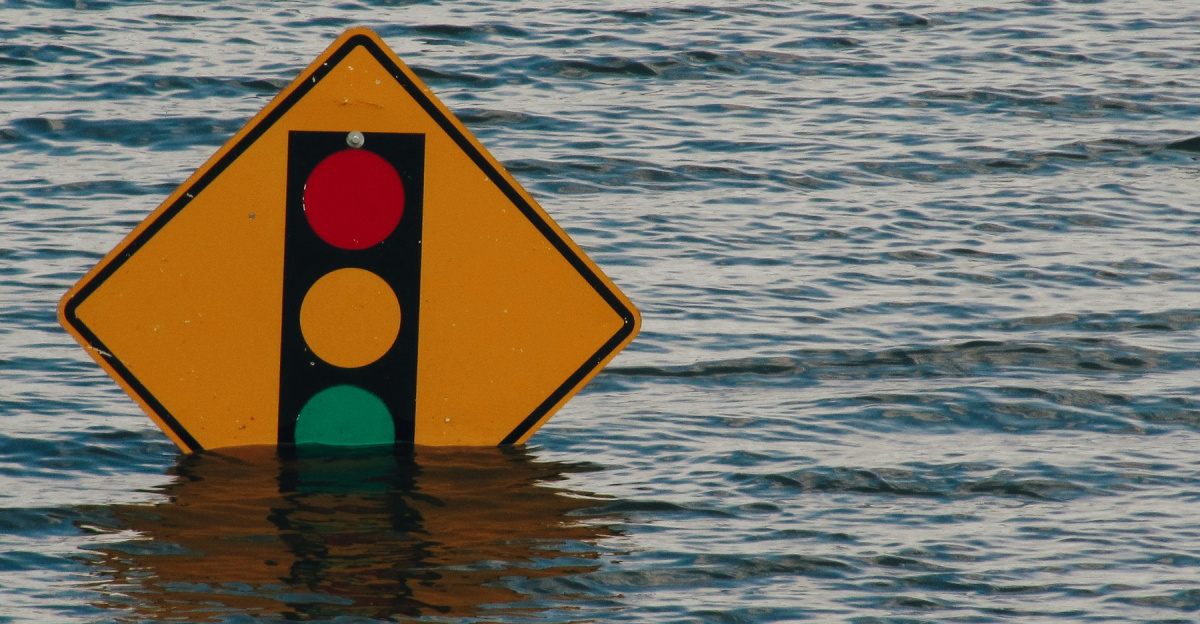
This storm, marking the second atmospheric river in a matter of days, reveals how increasingly frequent weather events are pushing the region’s infrastructure to its limits.
As the Pacific Northwest faces higher flood risks, the way communities, governments, and utilities respond to these storms will set the stage for future resilience efforts.
Sources:
“PGE restores power to 97,000 customers but region readies for second wave of heavy rain.” KATU News, 17 Dec 2025.
“Flood Watch (Northwest Oregon and Southwest Washington).” National Weather Service Portland, 18 Dec 2025.
“Live Oregon weather updates as powerful atmospheric river hits.” The Oregonian, 18 Dec 2025.
“Family of atmospheric rivers to bring heavy rain, flood forecast West US.” The Watchers, 16 Dec 2025.