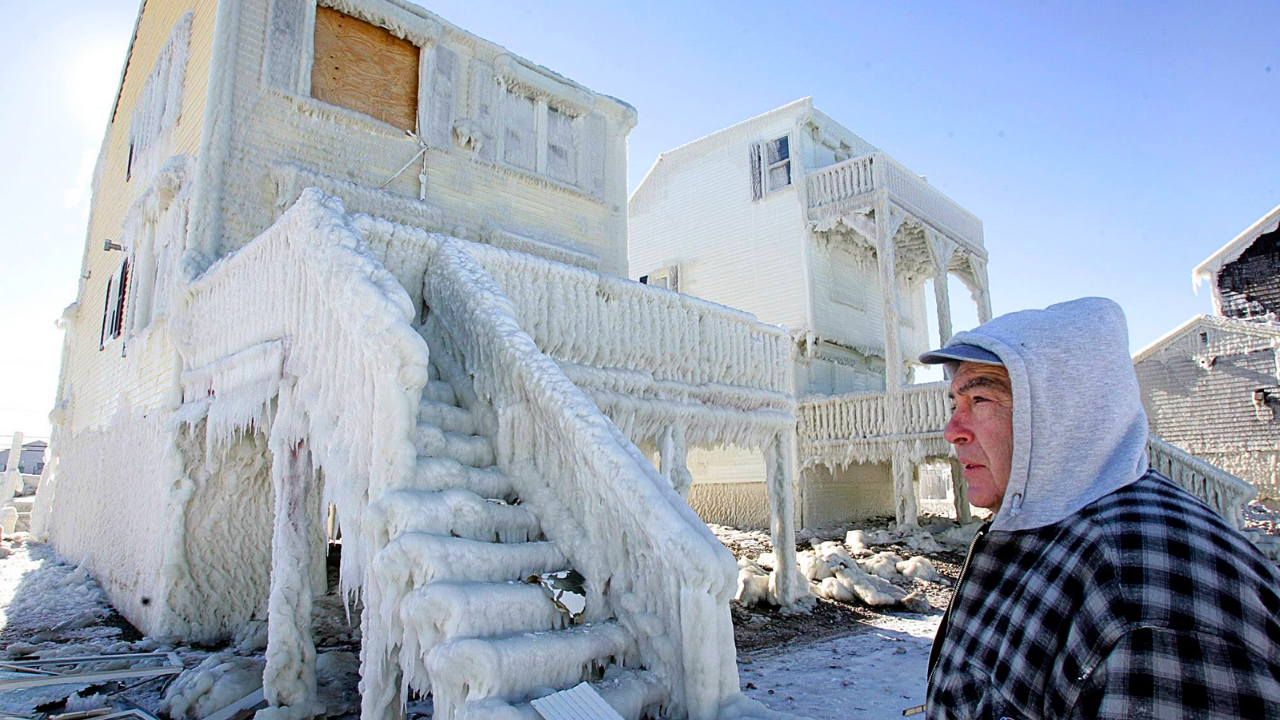
A powerful winter storm is heading toward the United States. Forecasters warn of dangerous cold, ice, and snow stretching from Texas to the Mid-Atlantic region. Governors across the South are preparing emergency plans.
Weather models show heavy ice, widespread power outages, and wind chills that could threaten lives. Quick action now will help protect communities in the coming days.
Stakes Rising
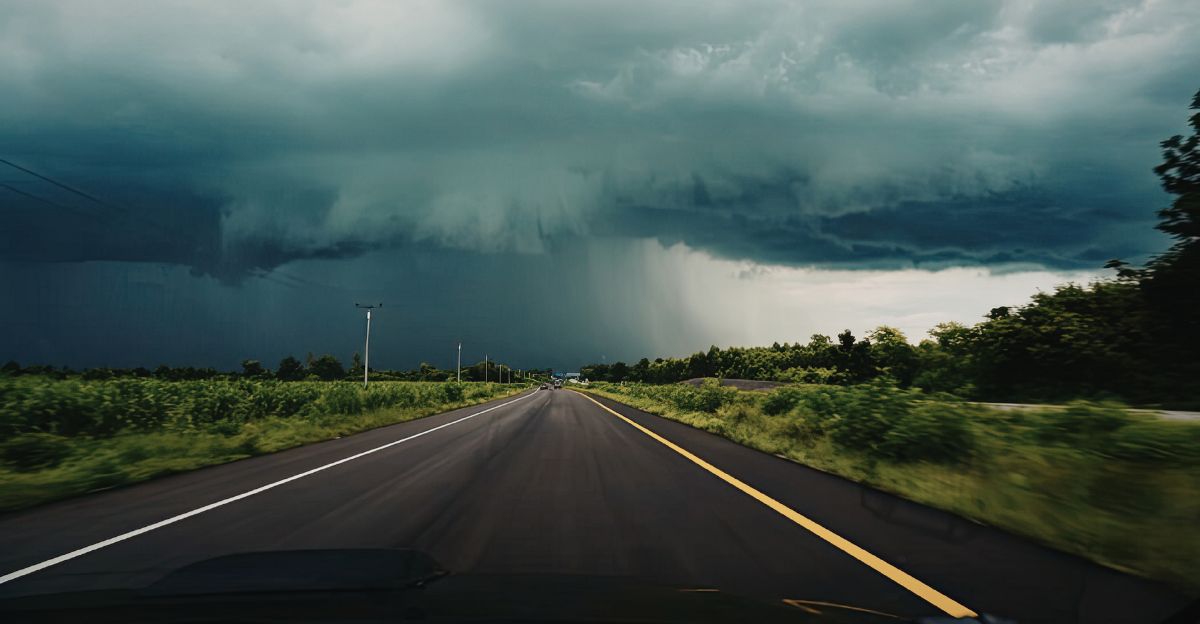
More than 150 million Americans face bitter cold and winter weather. The heaviest ice risk covers parts of Texas, Arkansas, Louisiana, and Mississippi.
Some areas may see up to one inch of ice. Ice can snap power lines and break tree branches. For people unused to ice storms, even short car trips become dangerous.
Storm Setup

This winter has already brought multiple cold blasts from the Arctic. A low-pressure system is now bringing Arctic cold air together with warm, wet air from the Gulf.
This mix produces heavy snow in the north and freezing rain in the South. Past ice storms have shut down Southern states for several days.
Pressure Building
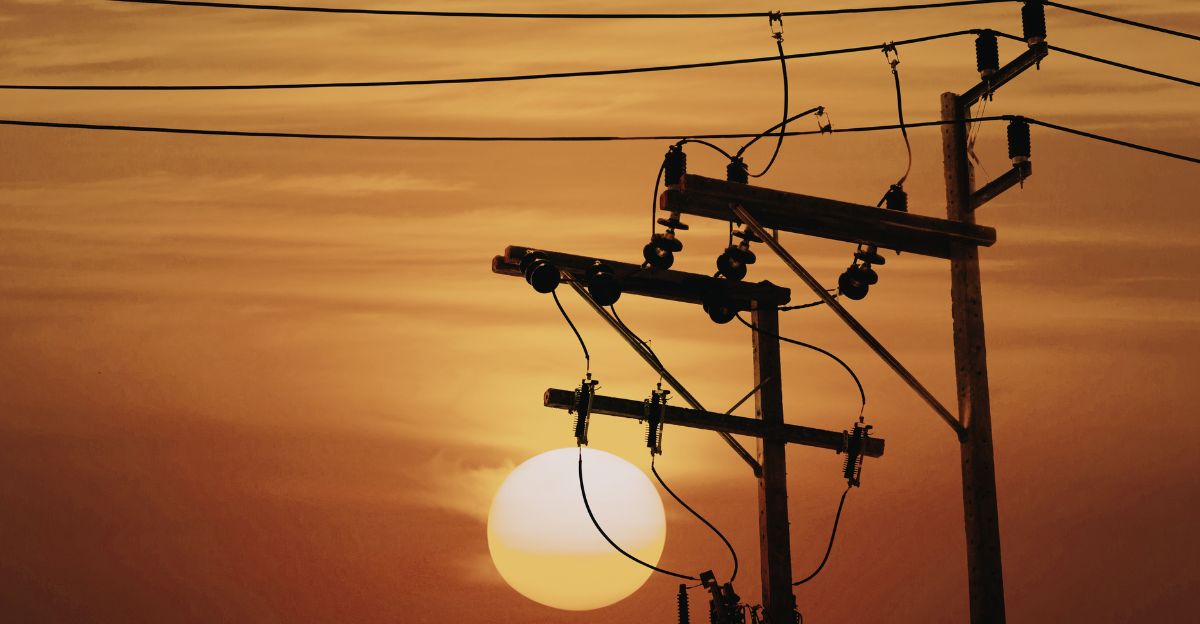
Weather forecasts became clearer, and pressure grew for state leaders to act fast. Emergency managers warned that Southern power grids and trees cannot handle heavy ice loads.
Millions of people depend on electric heat. Long power outages could turn from a minor problem into a serious safety threat for many families.
Five Governors Act
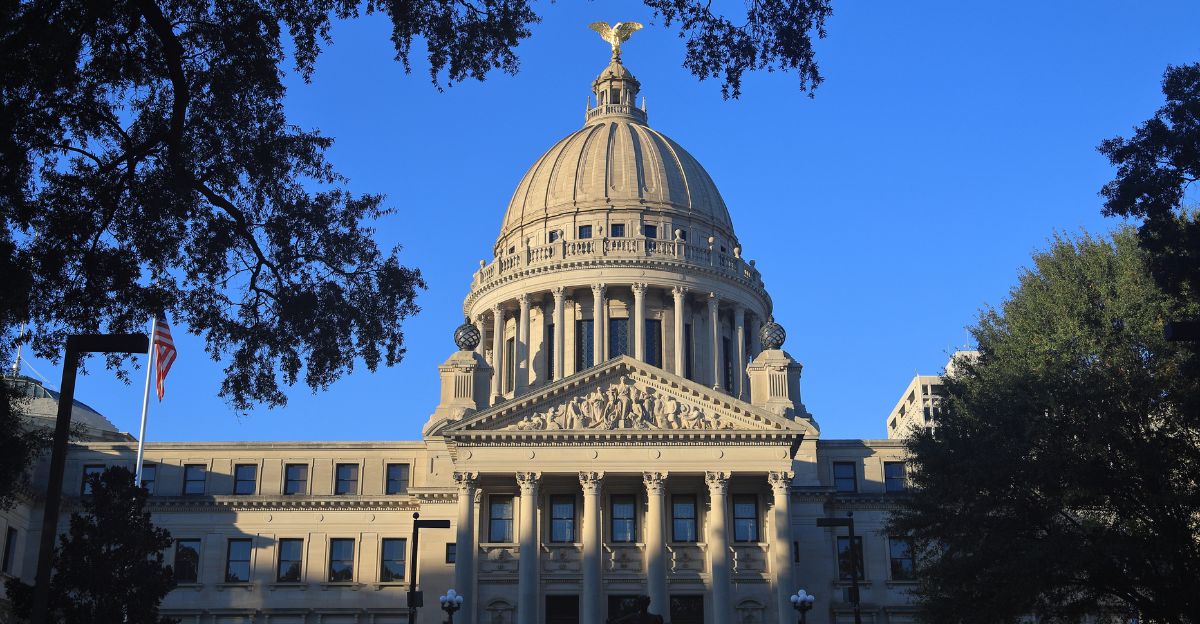
At least five Southern governors formally declared states of emergency tied to this storm. This unlocks extra power and funding for response efforts.
Arkansas Governor Sarah Huckabee Sanders ordered a state of emergency and approved $250,000 in disaster funds.
Governors in Georgia, Virginia, Tennessee, and Kentucky also declared emergencies as conditions worsened rapidly.
Regional Reach
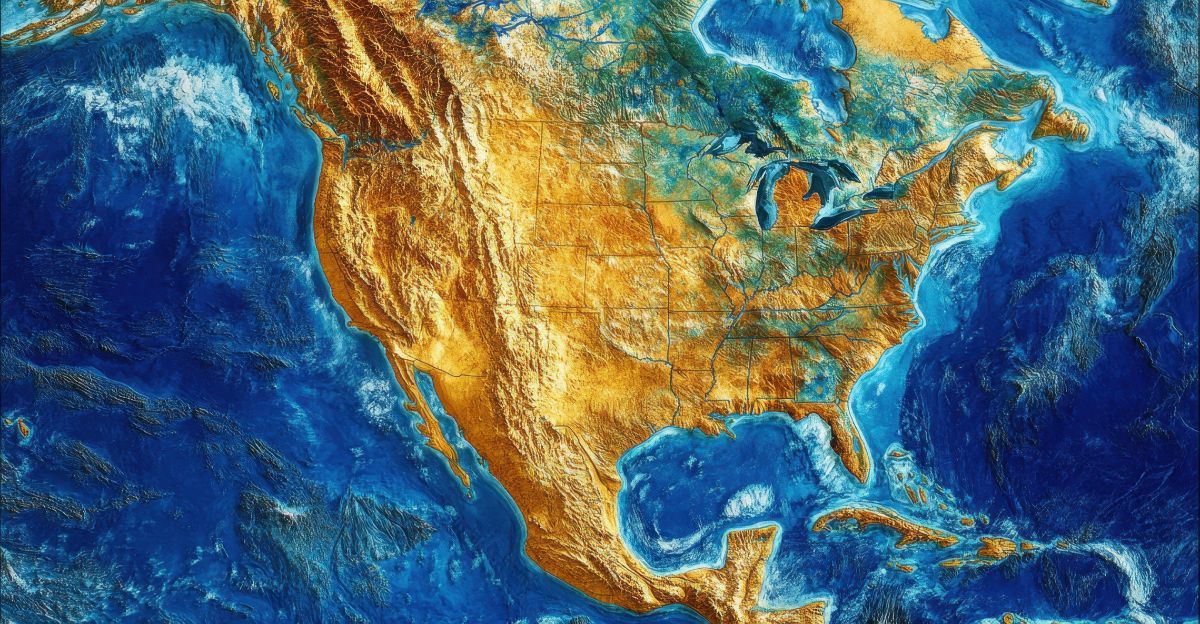
Emergency orders show how wide the storm’s impact spreads. Declarations cover Deep South states like Louisiana and Mississippi. They also reach border states and the Mid-Atlantic, including Kentucky, Tennessee, and Virginia.
North Carolina activated statewide emergency operations. West Virginia issued preparedness alerts. The actions show a weather crisis stretching across much of the South.
Lives Disrupted

People are rushing to stores and emptying shelves of food and supplies. They fill fuel tanks and move elderly relatives to safer homes. Local officials open warming centers and warn that icy roads will become impassable at night.
Airlines cancel thousands of flights. States tell people not to drive. How long this chaos lasts depends on the storm’s exact path.
Federal Backstop
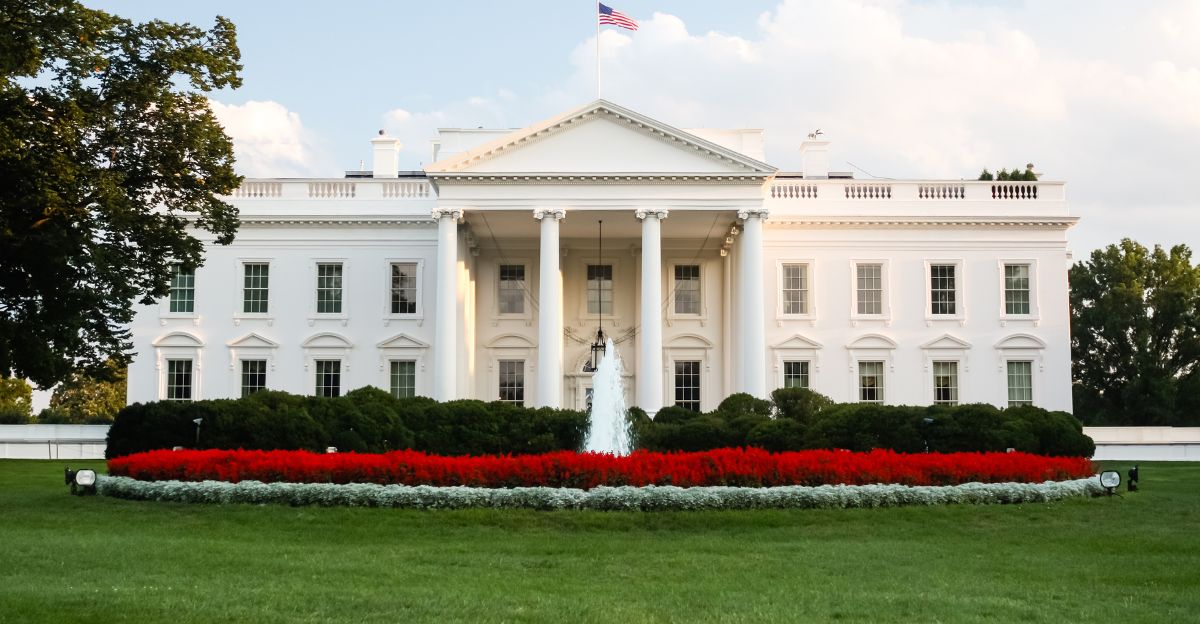
The White House steps in to help state governors. President Donald Trump approved emergency declarations for twelve states facing the storm. These include South Carolina and Virginia.
Federal action unlocks money and resources from the Federal Emergency Management Agency. It speeds up power restoration, shelter opening, and cleanup across state borders.
Tens Of Millions
Forecasters say more than 175 million people are under winter storm or cold alerts. Over 200 million people face ice, snow, or dangerous wind chills. A large share live in Southern and border states under emergency orders.
That number supports the idea that roughly 35 million people across the South face freezing or near-freezing conditions.
Hidden Vulnerabilities
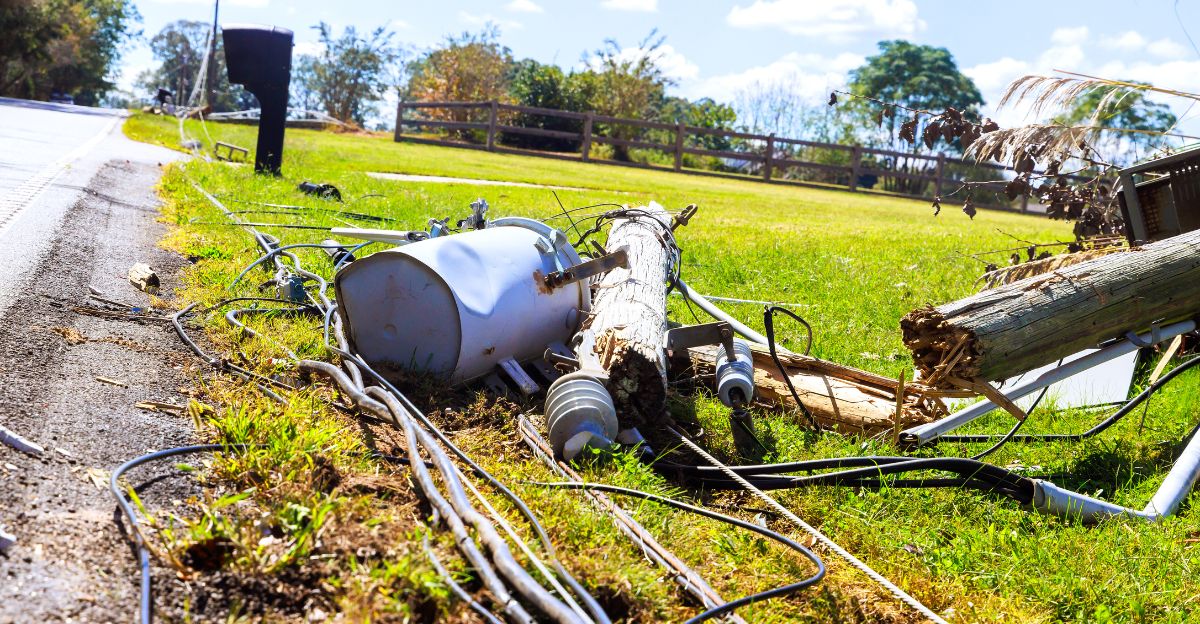
Many Southern communities lack infrastructure built for severe winter storms. Above-ground power lines, older homes, and small snow-removal fleets magnify storm damage.
Officials warn that without upgrades, future Arctic blasts will further strain schools, hospitals, and local budgets. Communities need investment in stronger systems to survive harsh winters.
Strain On Systems
Utility companies stage thousands of repair crews across the region. They warn that widespread ice damage could still cause outages lasting multiple days. Hospitals check backup generators and fuel supplies.
They prepare to protect patients using powered medical equipment. Local governments worry about the costs of overtime, road treatments, and rebuilding if the worst-case forecast comes true.
Leadership In Focus

Emergency declarations show how governors lead differently. Some declared emergencies before the snow even fell. Others waited for more accurate forecasts.
Voters will judge whether their leaders balanced caution, cost, and disruption correctly. How governors respond to this storm may shape voter opinions for future elections.
Recovery Playbook

States are already planning cleanup and long-term recovery before the storm ends. Emergency orders let officials waive rules, move money fast, and request federal aid.
Governors say they will push for stronger power grids and better winterization. They want to reduce the chaos caused by future ice storms.
Experts Urge Caution
Meteorologists warn that small temperature shifts determine whether areas receive rain, ice, or snow. That uncertainty means officials must prepare for worst-case outcomes.
Experts say declaring emergencies across the South is smart planning. Better to prepare too much than suffer a disaster from being unprepared.
What Comes Next

As the system moves east and cleanup begins, a bigger question emerges. Will this winter become the new normal for the South?
Climate scientists study how changing jet streams might bring more cold outbreaks. For now, millions measure success by how quickly life, power, and routines return after theice melts.
Sources:
- NBC News – Severe weather brings heavy snow and ice across the U.S. – 23 Jan 2026
- USA Today – More than half of US facing winter storm. See the latest maps – 22 Jan 2026
- Reuters – Freezing temps, heavy snow expected for millions of people in central, eastern US – 22 Jan 2026
- PBS NewsHour – See the U.S. winter storm 72-hour snowfall forecast – 23 Jan 2026
- NHK World – Trump approves emergency declarations for 12 states due to winter storm – 25 Jan 2026
- Arkansas Governor’s Office – Sanders Declares Emergency for Severe Winter Weather Expected on or about January 23, 2026 – 21 Jan 2026