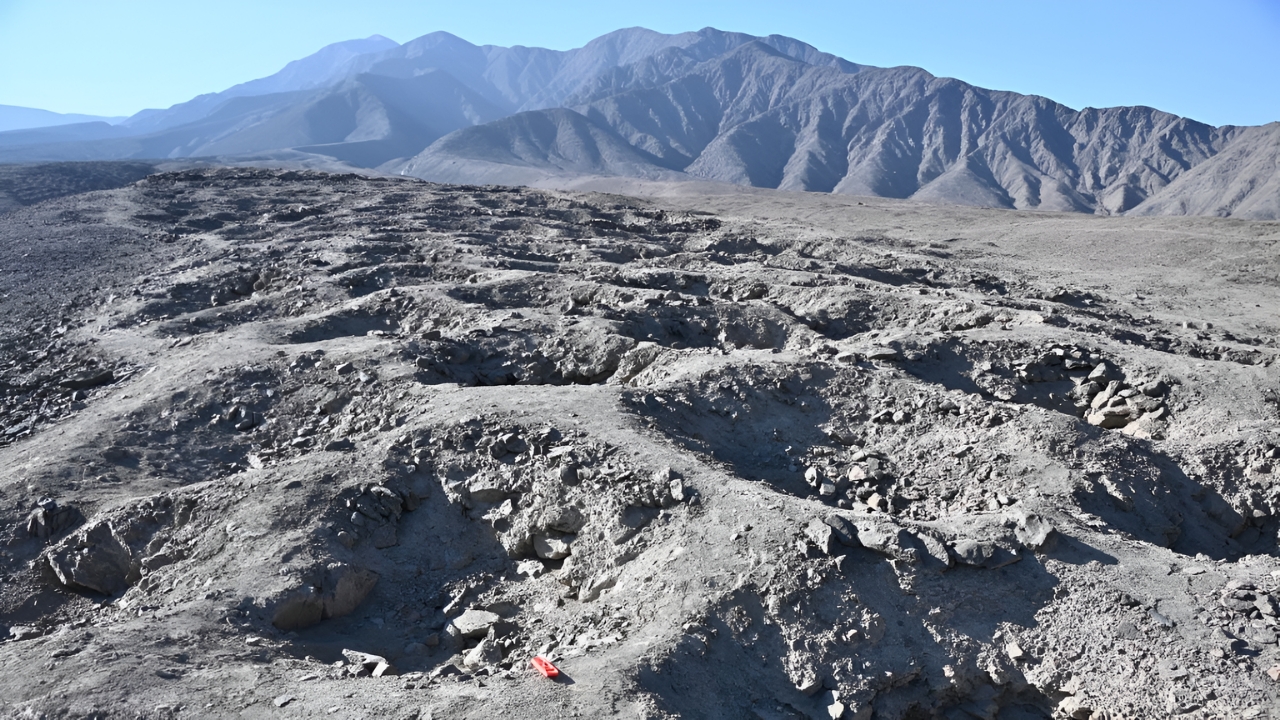
The Peruvian Andes have long concealed a mystery: a 1.5-kilometer stretch of 5,200 precisely carved holes etched into the barren slopes of Monte Sierpe. First documented in the 1930s, these enigmatic formations—known as the “Band of Holes”—have puzzled generations of archaeologists. Now, a recent breakthrough is rewriting the story of ancient Andean civilization, revealing a sophisticated economic and administrative system that predates the Inca Empire.
Unraveling an Ancient Enigma
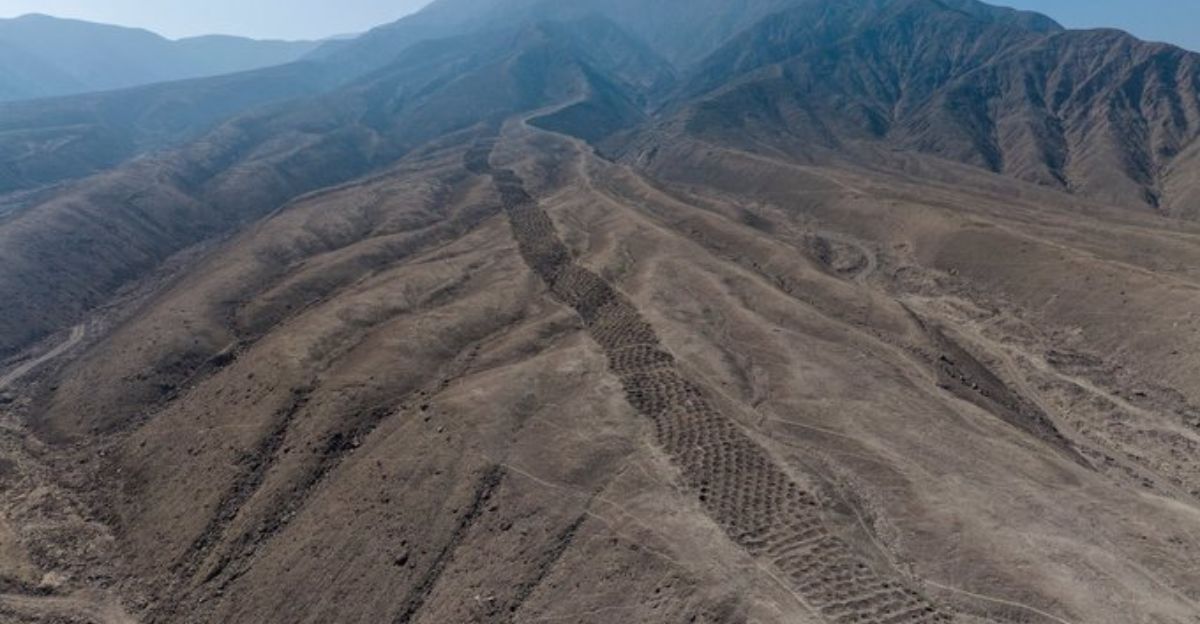
For decades, the Band of Holes defied explanation. Early explorers and researchers floated a range of theories, from agricultural storage pits to water reservoirs and even defensive trenches. Despite initial attention from National Geographic in 1933, the site faded from the spotlight, its purpose obscured by time and speculation. The sheer scale and geometric precision of the holes, however, hinted at a function far more complex than simple storage or ritual.
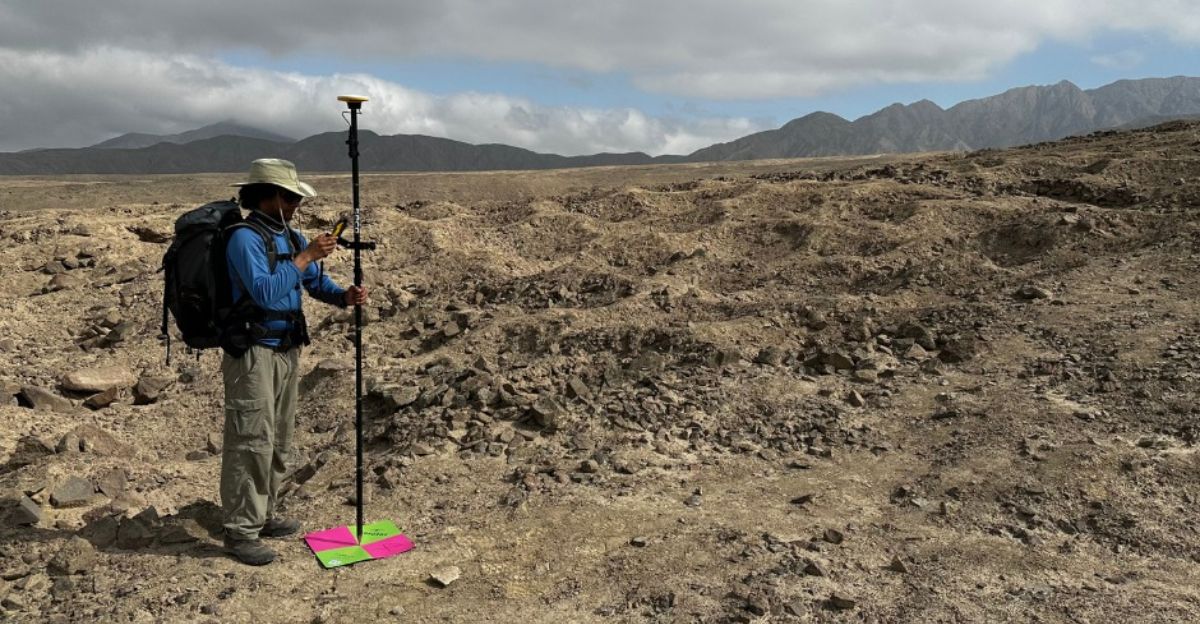
It wasn’t until the advent of modern archaeological technology—drone mapping, high-resolution imagery, and soil analysis—that the puzzle began to yield answers. These tools allowed researchers to examine the site’s layout and contents in unprecedented detail, setting the stage for a major discovery.
Breakthrough in the Pisco Valley
In November 2025, Dr. Jacob Bongers and his interdisciplinary team published research that fundamentally changed the understanding of Monte Sierpe. Their findings indicate that the Band of Holes served as a barter marketplace and record-keeping system for the pre-Inca Chincha Kingdom, later adapted by the Inca for tribute collection and accounting.
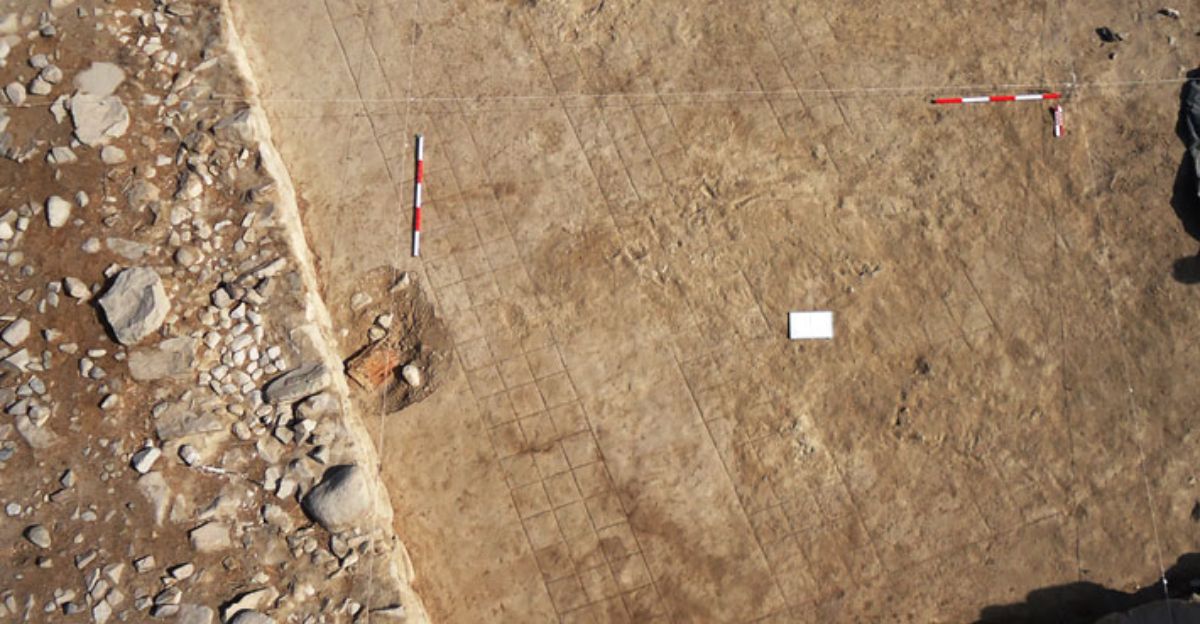
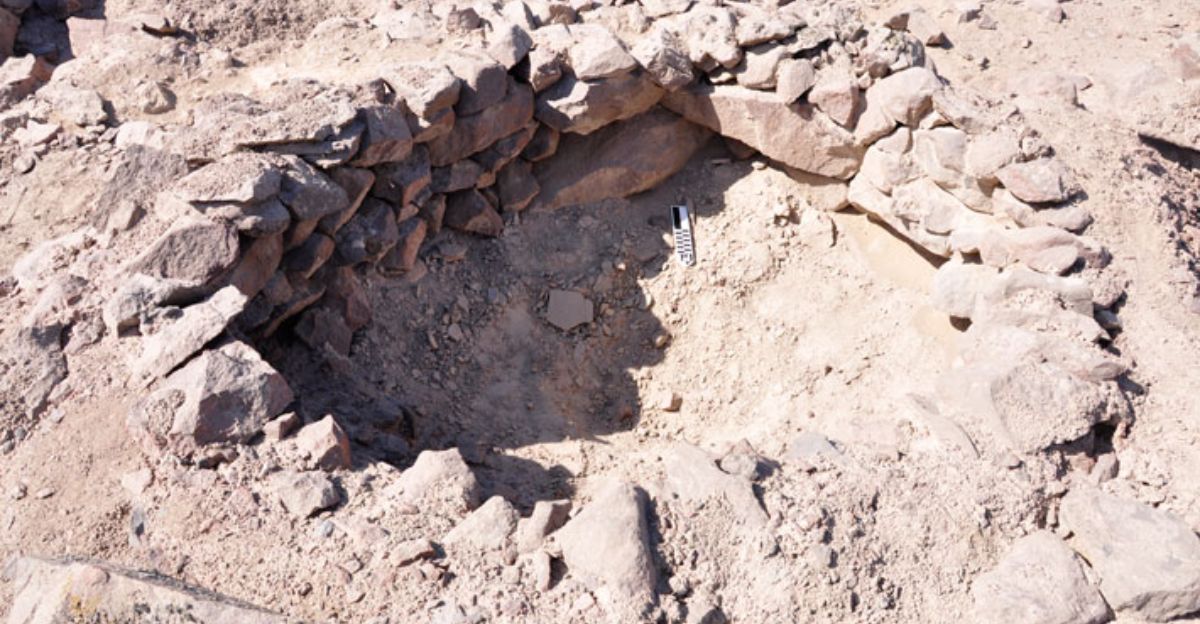
Drone surveys revealed that the holes are arranged in a deliberate, grid-like pattern, echoing the mathematical logic of the Inca khipu—a system of knotted cords used for record-keeping. Botanical analysis uncovered maize and bulrush pollen within the holes, providing concrete evidence that foodstuffs and goods were stored or displayed here, likely in woven baskets. These discoveries confirm that Monte Sierpe was a hub of economic activity, facilitating trade and administration across the region.
A Hub Linking Highlands and Coast
Monte Sierpe’s location in the Pisco Valley was no accident. Nestled between two major Inca administrative centers and situated in the chaupiyunga ecological zone, the site connected highland farmers with coastal fishers and mobile traders. Goods such as maize, cotton, and fish would have flowed through this marketplace, supporting a vibrant network of exchange.
The diversity of products and the site’s strategic placement underscore its importance as a regional trading post. Monte Sierpe was not just a local curiosity but a critical node in the broader Andean economy, enabling sustained interaction and cooperation among diverse communities.
Challenging Old Assumptions
For much of the twentieth century, interpretations of the Band of Holes ranged from the ceremonial to the military. Some researchers believed the site had ritual significance, while others saw it as part of a defensive system. The new evidence, however, points decisively to a practical economic function. The grid’s mathematical patterns and the presence of trade-related botanical remains challenge earlier theories and highlight the ingenuity of pre-Inca societies.
Despite the mounting evidence, some questions remain. Scholars debate why such a system appears unique to Monte Sierpe and whether similar sites might exist elsewhere in the Andes, awaiting discovery. The site’s singular design continues to provoke discussion about regional variations in ancient economic organization.
Collaboration and Preservation
The breakthrough at Monte Sierpe was made possible by collaboration across disciplines and institutions. Dr. Bongers’ team combined digital mapping, traditional excavation, and botanical science, with support from universities and funding bodies. Local authorities, including the Peruvian Ministry of Culture, played a key role in granting permits and ensuring the site’s preservation.
As Monte Sierpe attracts international attention, the challenge of balancing research, tourism, and heritage protection grows. Policymakers face mounting pressure to safeguard the site from looting and environmental threats while enabling continued scientific investigation.
Looking Ahead: Redefining Andean History
The discovery at Monte Sierpe is reshaping perceptions of ancient Andean societies. The site’s complexity and its alignment with the Inca khipu system demonstrate that pre-Columbian civilizations developed advanced methods of economic management and record-keeping—without written language. These findings challenge stereotypes about indigenous innovation and highlight the sophistication of Andean social technologies.
Future excavations aim to refine the timeline of the site’s use and uncover additional artifacts that could further illuminate its role in regional trade. As research continues, Monte Sierpe stands as a testament to the adaptability and ingenuity of ancient peoples, offering new lessons about economic organization, cultural integration, and the enduring importance of preserving the world’s archaeological heritage.